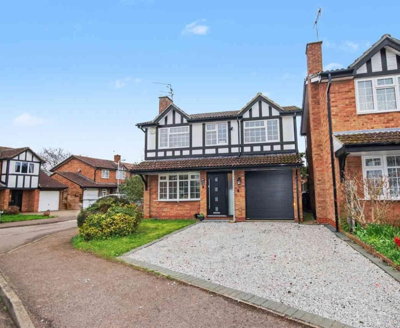
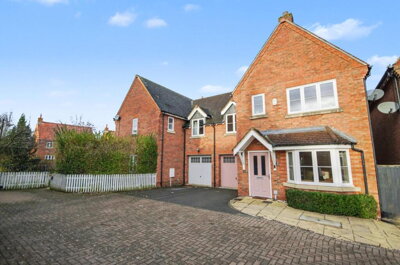
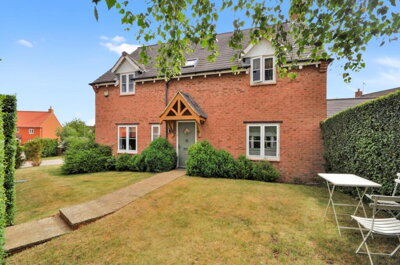
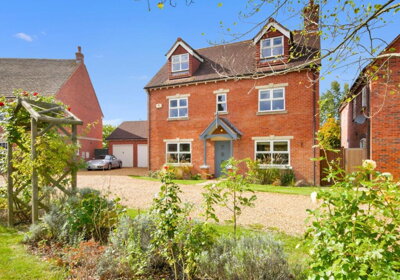
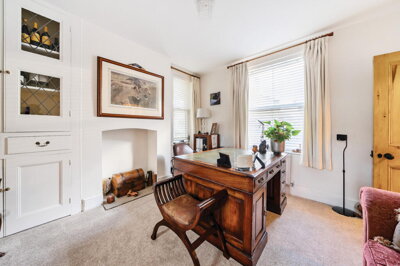
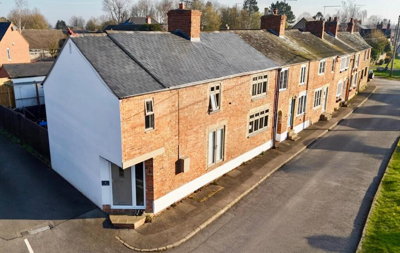
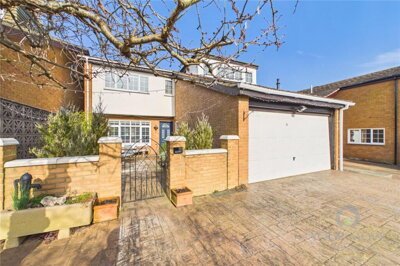
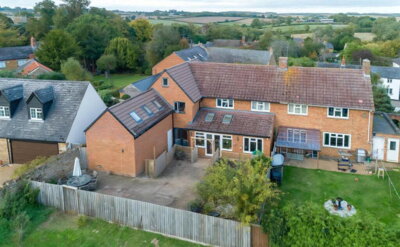
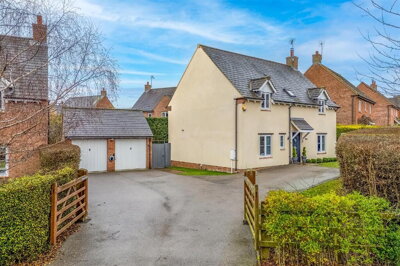
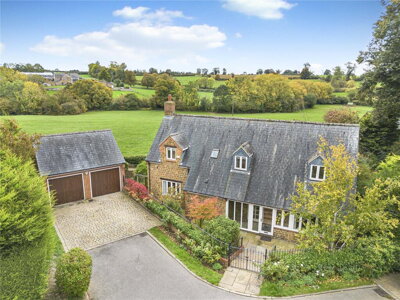
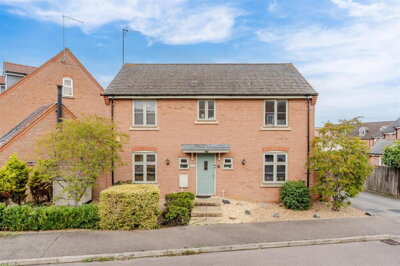
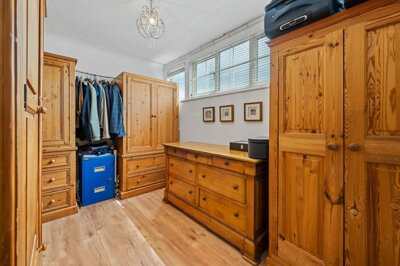
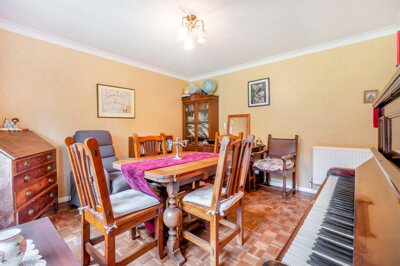
Browse 13 homes for sale in Walgrave, West Northamptonshire from local estate agents.
The larger property sector typically features multiple bathrooms, substantial reception space, and private gardens or off-street parking. Four bedroom houses in Walgrave span detached, semi-detached, and occasionally terraced configurations, with styles ranging from period properties to modern executive homes.
£600k
3
0
207
Source: home.co.uk
Showing 3 results for 4 Bedroom Houses for sale in Walgrave, West Northamptonshire. The median asking price is £600,000.
Source: home.co.uk
Detached
3 listings
Avg £550,000
Source: home.co.uk
Source: home.co.uk
The Walgrave property market has experienced notable activity over the past twelve months, with Rightmove recording sales of 6 detached properties and 2 terraced houses. Detached homes dominate the sales landscape, accounting for approximately 60% of all transactions over the past two years according to Zoopla data. This prevalence of larger detached properties reflects the village's appeal to families and buyers seeking generous living space and gardens in a rural setting. The semi-detached market shows average prices around £319,000, while terraced properties average between £353,000 and £373,000 depending on the source consulted.
Price trends indicate a cooling period in the local market, with Rightmove reporting a 20% decline in sold prices compared to the previous year, while OnTheMarket records a more significant 31.7% fall over twelve months. These figures suggest a market correction following previous growth, creating potential opportunities for buyers who may find improved purchasing power in the current conditions. The Rectory Farm development offers new build options through barn conversions, providing four properties that combine modern amenities with rural character. Such limited new build supply means most buyers will be considering existing properties, where the charm of Victorian and early 1900s construction often outweighs the appeal of newer alternatives.
Understanding current property values in Walgrave requires appreciation of the village's position within the wider West Northamptonshire market. Properties here command a premium over comparable homes in nearby towns, reflecting the desirability of village living and the scarcity of available stock. The average sold price of £512,444 according to Zoopla and £503,200 per Rightmove demonstrates the investment level required, though recent price adjustments may present entry opportunities for buyers who have been watching the market. Detached properties at £669,000-£738,750 represent the upper end of the market, while terraced and semi-detached homes offer more accessible entry points for first-time buyers or those seeking a village lifestyle at a lower price point.

Walgrave embodies the classic English village experience, centred around its picturesque church that anchors the community and provides a focal point for village life. The village maintains a strong sense of community with essential amenities including a village shop, a welcoming pub, and a primary school that serves local families. These amenities, while modest in scale, provide daily necessities within walking distance, reducing the need for car journeys and fostering the village atmosphere that makes Walgrave distinctive. The presence of these facilities ensures residents enjoy a self-sufficient community without the isolation sometimes associated with rural living.
The village architecture showcases the area's heritage, with properties built predominantly from local brick and stone that reflect traditional Northamptonshire building styles. The Grade II listed The Old School House exemplifies the quality of period properties available, offering potential buyers the chance to own a piece of local history. The surrounding countryside provides extensive walking opportunities, with footpaths and trails connecting Walgrave to neighbouring villages and open farmland. This combination of architectural charm, community facilities, and natural beauty makes Walgrave particularly appealing to buyers seeking a lifestyle change or a peaceful family home away from urban pressures.
The community spirit in Walgrave manifests through various village events and the informal networks that develop in close-knit rural settlements. New residents are often welcomed into the community through local amenities, with the village pub serving as a natural gathering point for socialising and the village shop providing regular opportunities for neighbourly interaction. The primary school acts as a community hub, bringing together families from across the village and surrounding area. For buyers prioritising community connection alongside property quality, Walgrave offers the authentic village experience that larger towns and suburbs often cannot replicate.
The surrounding Northamptonshire countryside provides recreational opportunities that enhance daily life for Walgrave residents. The public footpath network offers walks to nearby villages including Brixworth, famous for its Saxon church and village amenities, and Holcot with its distinctive approach across open farmland. Cyclists appreciate the challenging terrain that tests more experienced riders, while families benefit from the safe rural environment that allows children to explore the countryside with appropriate supervision. The proximity to the Cotswolds and Rutland Water ensures weekend excursions require minimal travel to reach some of England's most treasured landscapes.

Education provision in Walgrave centres on the village primary school, which serves families with young children and provides the foundation of the local educational community. Parents considering relocation will find the primary school offers education within the village itself, eliminating lengthy school runs and allowing children to walk or cycle to lessons. Secondary education options in the wider West Northamptonshire area provide additional choices, with several secondary schools and grammar schools accessible via school transport from Walgrave. Families should research specific school performance data and catchment area boundaries, as these can significantly impact property values and educational outcomes.
The presence of the village primary school contributes substantially to Walgrave's appeal among families, many of whom prioritise proximity to quality education when choosing where to live. Sixth form and further education provision is available in nearby towns, ensuring older students have access to comprehensive educational pathways without needing to relocate entirely. The village setting also offers opportunities for outdoor learning and environmental education, with local farmland and countryside providing natural resources for curriculum enrichment. For families prioritising educational provision alongside rural charm, Walgrave presents a balanced option that combines village living with access to broader educational opportunities.
When evaluating schools near Walgrave, parents should consider the full range of educational stages available within reasonable travel distance. Primary-aged children benefit from the convenience of the village school, while secondary students may qualify for places at selective grammar schools in Northampton, subject to examination and catchment area requirements. Several secondary schools in the surrounding area offer comprehensive education with good transport links from Walgrave. Independent schooling options are also available in the region, with several well-regarded private schools within driving distance for families pursuing that educational path.
Walgrave benefits from its strategic position in West Northamptonshire, offering access to major road networks while maintaining its village character. The village sits within easy reach of the A14, providing connections to Northampton, Cambridge, and the wider motorway network including the M1 corridor. This road connectivity makes Walgrave particularly attractive to commuters who work in larger towns or cities but prefer to live in a quieter rural setting. The village location means residents benefit from reduced traffic and peaceful surroundings while retaining practical access to regional transport links.
Bus services connect Walgrave with nearby towns, providing public transport options for those who prefer not to drive or who wish to reduce their environmental impact. The nearest railway stations are located in surrounding towns, offering connections to major destinations including London and Birmingham. Cyclists will find the Northamptonshire countryside offers scenic routes, though the hilly terrain may present challenges for less experienced riders. Parking provision in the village accommodates resident needs, with most properties offering off-street parking, a significant advantage over more densely populated urban areas.
Commuting times from Walgrave vary depending on destination and chosen transport method. By road, Northampton town centre is reachable in approximately 20-25 minutes, while Cambridge can be reached in around an hour depending on traffic conditions. The A14 provides direct access to the M1 motorway at its junction, opening routes to Leicester, Derby, and the East Midlands. For rail travel, stations in surrounding towns offer services to London and Birmingham, with journey times to the capital typically requiring a change but providing access to extensive national rail networks from regional hubs.
Understanding the construction methods prevalent in Walgrave helps buyers appreciate the characteristics and potential maintenance requirements of village properties. The predominant building material in Walgrave is brick, reflecting the traditional Northamptonshire building practice that has shaped the village over centuries. Many Victorian and Edwardian properties feature the characteristic red brick construction that defines much of the village's built character, with decorative brickwork patterns often visible on larger detached homes and period cottages.
Local stone features prominently in Walgrave's older properties, with the Grade II listed The Old School House exemplifying the use of traditional stone construction in the village. This stone, typically sourced from local quarries in the Northamptonshire area, contributes to the distinctive character of period properties and often requires specialist maintenance approaches compared to standard brick buildings. The combination of brick and stone construction throughout the village creates the varied architectural texture that makes Walgrave visually appealing to buyers seeking period properties with genuine heritage credentials.
The age distribution of properties in Walgrave means that many homes predate modern building regulations and construction standards. Victorian village cottages built in the late 1800s and early 1900s typically feature traditional construction methods including solid brick walls without cavity insulation, original timber frame elements, and period-appropriate building techniques. These construction methods contribute to the character that buyers find attractive but also require understanding of how older buildings behave differently from modern equivalents. Roof construction in older Walgrave properties typically features traditional pitched roofs with slate or tile coverings, while period features such as sash windows, original fireplaces, and decorative plasterwork are commonly encountered.
Modern barn conversions at Rectory Farm demonstrate the juxtaposition of contemporary construction with traditional rural aesthetics that appeals to many Walgrave buyers. These properties combine modern building standards with rustic character, offering alternative options for those who appreciate village living but prefer newer construction. The limited new build supply in Walgrave means that most properties on the market will be older construction requiring appropriate maintenance knowledge and budgeting for potential repairs.
The prevalence of Victorian and early 1900s properties in Walgrave means that buyers should familiarise themselves with common defects found in period construction. Damp penetration represents one of the most frequently encountered issues in older properties, arising from the solid wall construction methods used before cavity insulation became standard practice. Our inspectors regularly identify rising damp, penetrating damp, and condensation-related concerns in village properties, particularly affecting ground floor rooms and areas with limited ventilation.
Roof condition requires careful assessment in Walgrave's period properties, where original or early replacement coverings may be approaching the end of their serviceable life. Tiles and slates can become brittle or displaced over time, leading to water ingress that may not be immediately apparent during internal inspections. Our surveyors examine roof structures carefully, identifying signs of deterioration, previous repairs, and structural concerns that could require significant investment. Chimney stacks and flashings represent particular vulnerability points on period properties, often requiring maintenance attention.
Electrical systems in older Walgrave properties frequently require updating to meet modern safety standards and accommodate contemporary living requirements. Properties constructed before the 1960s may still contain original wiring that has not been comprehensively replaced, representing both safety concerns and practical limitations for households relying on multiple electrical devices. A thorough electrical inspection should form part of the due diligence process for any older property purchase in the village.
Stone and brickwork maintenance represents an ongoing consideration for owners of traditional properties in Walgrave. Weathering, frost damage, and general deterioration can affect external walls, with pointing decay being particularly common in properties of significant age. Timber elements including window frames, door frames, and structural components may show signs of rot or wood-boring insect activity that requires professional assessment. Our surveys identify these concerns systematically, enabling buyers to factor remediation costs into their purchasing decisions and negotiate appropriately with sellers.
Before committing to a purchase, spend time exploring Walgrave at different times of day and week to understand the community atmosphere, traffic patterns, and local amenities. Visit the village shop, sample the local pub, and walk the surrounding footpaths to gauge whether the lifestyle matches your expectations. Explore the church and surrounding countryside, considering how the village fits with your daily requirements and long-term aspirations.
Contact lenders or use Homemove's mortgage comparison service to obtain an agreement in principle before viewing properties. Having your finances confirmed strengthens your position when making offers and demonstrates to sellers that you are a serious buyer with verified purchasing power. Discuss your mortgage requirements with advisors familiar with village property values, as lenders may have specific considerations for period properties and rural locations.
Schedule viewings of shortlisted properties, taking time to examine both the interior condition and the surrounding neighbourhood. Pay particular attention to property age, construction materials, and any signs of maintenance issues, especially in older properties where damp or structural concerns may be present. View properties at different times of day to assess light, noise levels, and the village atmosphere across various periods.
For properties over 50 years old, which comprise a significant portion of Walgrave's housing stock, a Level 2 survey provides essential insight into condition and any potential defects. Given the prevalence of Victorian and early 1900s properties in the village, professional surveys help identify issues with damp, roofing, electrics, and structural integrity before purchase. Our team can arrange surveys specifically tailored to period village properties, with surveyors familiar with common construction types in the Walgrave area.
Once your offer is accepted, instruct a solicitor experienced in rural property transactions to handle the legal work. Conveyancing for village properties may involve additional searches related to rights of way, agricultural land, or conservation area restrictions that require specialist attention. Our conveyancing partners understand the specific requirements of village property transactions in Northamptonshire.
Work closely with your solicitor and mortgage provider to ensure all conditions are met before exchanging contracts. Village property transactions may require additional liaison with local authorities or specialist surveys for listed buildings, so building adequate time into your timeline is advisable. Factor in potential delays associated with historic property transactions and ensure all parties understand the timeline for completion.
Prospective buyers should pay particular attention to the age and construction of properties in Walgrave, given the village's substantial stock of Victorian and early 1900s homes. Properties built before 1919 often require more maintenance than modern equivalents, with potential issues including damp penetration, outdated electrical systems, and roof deterioration that may not be immediately apparent during viewings. A thorough RICS Level 2 survey becomes especially valuable in this context, providing expert assessment of these common concerns and enabling informed negotiation on price if remedial work is identified.
The presence of Grade II listed properties in Walgrave carries specific obligations and considerations for buyers. Listed building consent may be required for alterations, renovations, or even some repairs, adding complexity and potential cost to any future renovation plans. Prospective buyers should verify the listing status of any period property and understand the implications before proceeding. Conservation area restrictions may also apply within the village, potentially limiting permitted development rights and affecting how properties can be modified. Our team can provide guidance on these considerations and connect you with specialists who understand historic property transactions.
When viewing properties in Walgrave, attention should be paid to aspects that may not feature in standard property searches but significantly affect daily living. Off-street parking availability merits consideration given the village location, as does garden size and orientation relative to sun exposure. The condition of boundaries, including walls and fences, often receives less attention during viewings but can represent significant maintenance liabilities. Access to public footpaths and bridleways may affect privacy and security for some properties, while proximity to the village centre offers convenience that some buyers will prioritise highly.
Average sold prices in Walgrave have ranged between £461,000 and £512,444 depending on data source over the past twelve months. Detached properties average around £670,000-£738,000, semi-detached homes around £319,000, and terraced properties between £353,000 and £373,000. The market has seen price reductions recently, with Rightmove reporting a 20% decline and OnTheMarket indicating a 31.7% fall in sold prices over the past year. These price adjustments may present buying opportunities for those with longer-term perspectives who appreciate Walgrave's village lifestyle attributes and strong community character.
Walgrave falls under the West Northamptonshire Council authority, with properties typically assigned bands C through E depending on value. Most period village homes with average values around £460,000-£510,000 fall within band D or E, though specific banding depends on the Valuation Office Agency assessment for each property. Prospective buyers should check individual properties against the VOA database to confirm exact banding, as this affects ongoing annual running costs that should be factored into household budgeting. Council tax payments in West Northamptonshire fund local services including education, highways, and waste collection.
Walgrave has a village primary school serving the local community, providing education for children within the village itself and eliminating lengthy school runs for families. Several primary and secondary schools in the wider West Northamptonshire area offer additional options, with selective grammar schools in Northampton available to pupils who pass the entrance examination. Parents should research individual school Ofsted ratings and consider catchment area boundaries when selecting a property, as these factors can significantly impact educational access and property values. Secondary and grammar school options in nearby Northampton provide comprehensive pathways for families with older children.
Bus services connect Walgrave with surrounding towns and villages, providing public transport options for daily travel and occasional journeys. The village's proximity to the A14 offers road connectivity to Northampton and the wider motorway network, with straightforward access to the M1 motorway for longer journeys. Nearest railway stations are located in nearby towns, with connections to major destinations including London and Birmingham available from regional stations. For commuters working in Cambridge or other East Anglian destinations, the A14 provides direct access without requiring motorway driving from the village.
Walgrave's appeal as a desirable village with character properties, community amenities, and commuting access suggests potential for stable long-term values. The village's limited new build supply and predominance of period properties create sustained demand from buyers seeking rural character and village atmosphere. Recent price adjustments of 20-31% may present buying opportunities for those with longer investment horizons who appreciate the village's lifestyle attributes. The West Northamptonshire area continues to attract buyers from larger urban centres seeking village living, supporting underlying demand for Walgrave properties.
Standard stamp duty rates start at 0% for properties up to £250,000, rising to 5% on the portion between £250,001 and £925,000. For first-time buyers, the nil-rate threshold extends to £425,000 with 5% applying between £425,001 and £625,000. Properties above £925,000 incur higher rates including 10% on the portion between £925,001 and £1.5 million and 12% above that threshold. Given Walgrave's average prices around £460,000-£510,000, most purchases will fall into the 5% bracket, with stamp duty costs of approximately £10,000-£13,000 for a typical village property at those price points.
Specific flood risk data for Walgrave was not identified in available research, though the village's rural location near farmland and watercourses means buyers should conduct appropriate environmental searches before purchasing. Surface water flooding and watercourse-related risks should be considered alongside general property surveys when evaluating any Walgrave property. We recommend commissioning a full environmental search as part of the conveyancing process to identify any flood risk considerations specific to individual properties. The Northamptonshire geology generally provides reasonable drainage characteristics, though specific site conditions vary across the village.
Walgrave contains Grade II listed buildings, including The Old School House, which carry specific legal requirements for alterations and maintenance under the Planning Listed Buildings and Conservation Areas Act. Listed building consent may be required for various works including extensions, window replacements, and even some repairs, with works potentially taking longer to approve than standard planning applications. Buyers should factor specialist survey costs and potentially higher renovation budgets into their calculations when considering period properties. Our team can connect you with specialists experienced in historic property transactions in Northamptonshire.
Common defects in Walgrave's Victorian and early 1900s properties include damp penetration through solid walls, roof deterioration affecting tiles and flashings, outdated electrical wiring predating modern safety standards, and stone or brickwork decay in external walls. Timber elements such as window frames and structural components may show signs of rot or wood-boring insect activity. A RICS Level 2 survey provides comprehensive assessment of these concerns, identifying issues that may not be apparent during standard viewings and enabling informed purchasing decisions with appropriate price negotiations where defects are identified.
Competitive mortgage rates for Walgrave properties
From 4.5%
Fixed-fee legal services for property transactions
From £499
Essential survey for period village properties
From £350
Energy performance certificate for Walgrave homes
From £85
Understanding the full costs of purchasing property in Walgrave requires consideration beyond the purchase price, with stamp duty land tax representing a significant expense for most buyers. At current rates, properties priced between £250,001 and £925,000 incur 5% stamp duty on the amount above £250,000, meaning a £400,000 property would attract £7,500 in stamp duty. First-time buyers benefit from increased thresholds, paying no stamp duty on properties up to £425,000 and 5% on the portion between £425,001 and £625,000. Given Walgrave's average prices around £460,000-£510,000, most buyers can expect to pay stamp duty in the £10,000-£13,000 range.
Additional purchase costs include solicitor fees typically ranging from £500 to £2,000 depending on transaction complexity, survey costs between £350-£800 for a standard RICS Level 2 report, and mortgage arrangement fees that vary by lender but often range from £0 to £2,000. Search fees, Land Registry registration costs, and removal expenses complete the typical buying cost package. For village properties, particularly listed buildings, buyers should budget for additional specialist surveys and potentially higher legal fees given the additional due diligence required. Homemove's partner services can provide fixed-fee conveyancing and competitive survey pricing to help buyers budget accurately for their Walgrave purchase.
Total buying costs for a typical Walgrave property at £500,000 could reach approximately £15,000-£20,000 beyond the purchase price, including stamp duty, legal fees, surveys, searches, and registration costs. Factor in mortgage arrangement fees if applicable and removal costs, which vary significantly based on distance and volume of belongings. For period properties requiring renovation, additional budgeting for surveys, specialist reports, and potential planning fees should be considered alongside the purchase price and standard buying costs.
Properties for Sale In London

Properties for Sale In Plymouth

Properties for Sale In Liverpool

Properties for Sale In Glasgow

Properties for Sale In Sheffield

Properties for Sale In Edinburgh

Properties for Sale In Coventry

Properties for Sale In Bradford

Properties for Sale In Manchester

Properties for Sale In Birmingham

Properties for Sale In Bristol

Properties for Sale In Oxford

Properties for Sale In Leicester

Properties for Sale In Newcastle

Properties for Sale In Leeds

Properties for Sale In Southampton

Properties for Sale In Cardiff

Properties for Sale In Nottingham

Properties for Sale In Norwich

Properties for Sale In Brighton

Properties for Sale In Derby

Properties for Sale In Portsmouth

Properties for Sale In Northampton

Properties for Sale In Milton Keynes

Properties for Sale In Bournemouth

Properties for Sale In Bolton

Properties for Sale In Swansea

Properties for Sale In Swindon

Properties for Sale In Peterborough

Properties for Sale In Wolverhampton

Enter your details to see if this property is within your budget.
Loans, cards, car finance
Estimated property budget
Borrowing + deposit
You could borrow between
Typical borrowing
Monthly repayment
Est. at 4.5%
Loan-to-value
This is an estimate only. Your actual budget may vary depending on interest rates, credit history, and personal circumstances. For an accurate affordability assessment, speak to one of our free mortgage advisors.
This calculator provides estimates for illustrative purposes only and does not constitute financial advice. Your home may be repossessed if you do not keep up repayments on your mortgage. Estimates based on 4.5% interest rate, repayment mortgage. Actual rates depend on your circumstances.
Homemove is a trading name of HM Haus Group Ltd (Company No. 13873779, registered in England & Wales). Homemove Mortgages Ltd (Company No. 15947693) is an Appointed Representative of TMG Direct Limited, trading as TMG Mortgage Network, which is authorised and regulated by the Financial Conduct Authority (FRN 786245). Homemove Mortgages Ltd is entered on the FCA Register as an Appointed Representative (FRN 1022429). You can check registrations at NewRegister or by calling 0800 111 6768.

We use cookies to show you personalised content and improve your experience of our website. Find out more in our Privacy policy and Cookie policy.