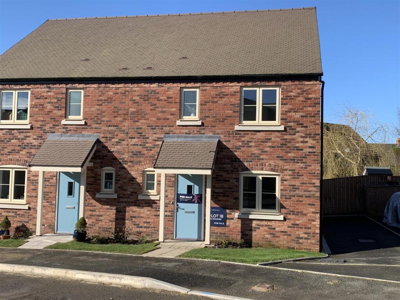
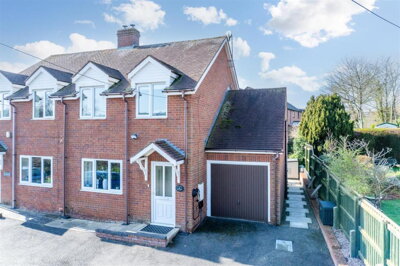
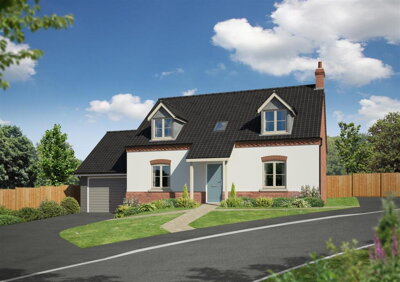
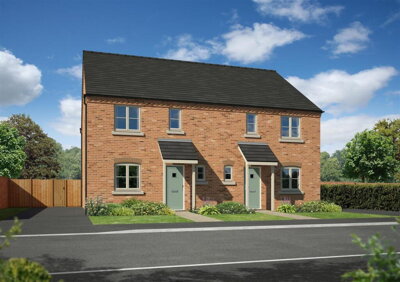
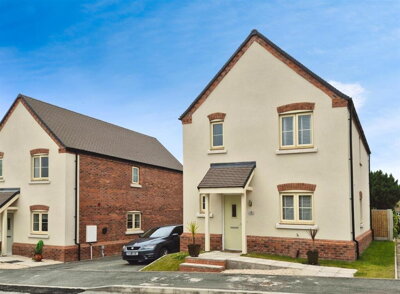
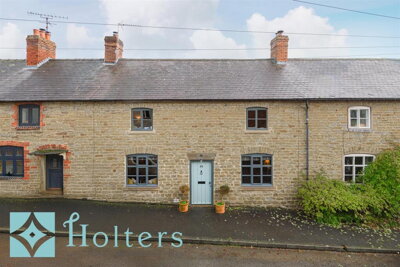
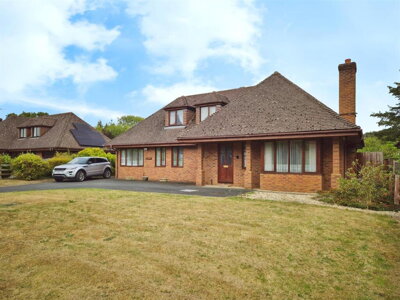
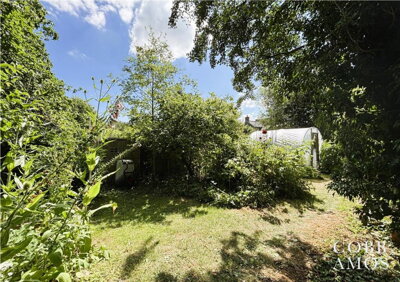
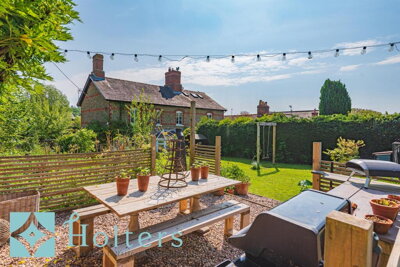
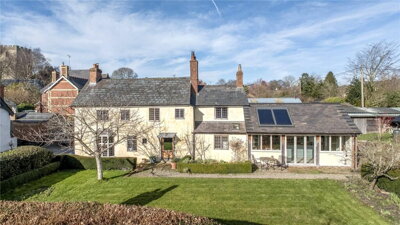
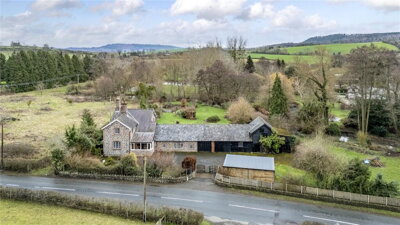
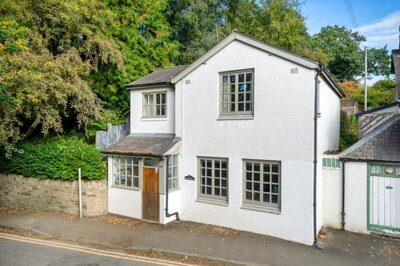
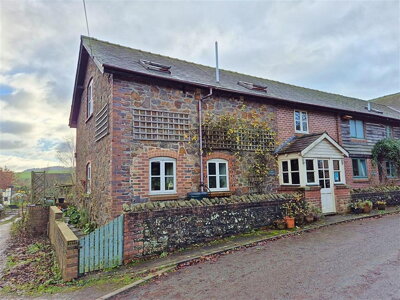
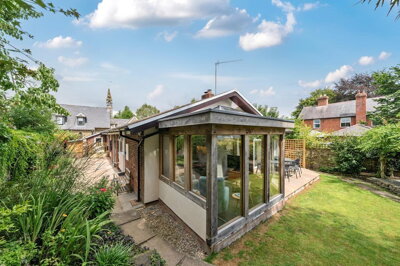
Browse 14 homes for sale in Walford, Letton and Newton from local estate agents.
Three bedroom properties represent a significant portion of the Walford housing market, offering space for families with multiple reception rooms and gardens in many cases. Browse detached, semi-detached, and terraced options ranging from period character homes to contemporary developments.
The property market in Walford, Letton and Newton operates at a modest scale, with typically only a handful of properties available at any given time and sales recorded infrequently throughout the year. Historical Land Registry data shows that transaction volumes have remained consistently low, with just four recorded sales in 2021 including notable properties such as Upper Woodbatch which sold for £830,000 and Woodbatch Cottage which achieved £610,000. This limited turnover reflects both the small size of the parish and the fact that properties in this rural location tend to change hands infrequently, often remaining within families or local ownership for generations. The low transaction volume means that when a property does come to market, it can attract significant interest from buyers seeking this particular lifestyle.
Recent market data for the broader SY7 postcode district indicates average prices of approximately £545,000, though this figure represents a significant adjustment from the 2022 peak of £1,135,000, representing a decline of around 52%. Detached properties form the majority of the housing stock in this agricultural parish, with farmhouses and substantial period homes commanding the higher end of the market. The absence of new build developments within the parish boundaries means that buyers seeking modern conveniences may need to consider properties that have been sympathetically updated while retaining their traditional character. This lack of new supply also means that demand consistently outstrips available properties whenever the market sees renewed interest.
The specific property types available in Walford, Letton and Newton reflect the agricultural nature of the parish, with Letton comprising just two farms and two residential properties, while Newton features a traditional row of six cottages alongside farm buildings. This settlement pattern means that the available housing stock is dominated by properties with genuine heritage character, often dating from the 18th or 19th century and constructed using traditional methods with local materials. Buyers should expect to encounter properties that require ongoing maintenance and may present challenges that differ significantly from modern construction.

Life in Walford, Letton and Newton centres on the rhythms of rural Herefordshire, where the landscape is dominated by rolling farmland, traditional hedgerows, and the gentle presence of the River Teme which flows approximately 500 metres north of the village centre. The parish encompasses a diverse mix of settlements, from the main village of Walford to the intimate hamlets of Letton, comprising just two farms and two residential properties, and Newton, which features farm buildings alongside a traditional row of six cottages. This variety in settlement pattern creates a close-knit community atmosphere where neighbours know one another and local events bring residents together throughout the year.
The character of the parish reflects centuries of agricultural activity, with properties dating back to at least the Domesday Survey when Waliforde was recorded as a significant settlement in the region. Traditional building materials throughout the area include local Herefordshire stone, characteristic red brick, and timber-frame construction with infill panels, all contributing to the visual coherence and heritage appeal of the villagescape. The population of approximately 162 residents enjoys access to local walks, countryside pursuits, and the natural beauty of the Herefordshire borderlands, while the proximity to the Welsh border opens opportunities for cross-border exploration and cultural experiences.
The local community maintains strong connections through village events, footpath maintenance groups, and the shared stewardship of the countryside that defines life in this border parish. The River Teme valley offers particularly attractive walking routes, with public footpaths crossing farmland to connect the scattered settlements of the parish. The geology of this part of Herefordshire, characterised by Silurian limestone and shale formations, contributes to the distinctive landscape of rolling hills and pastoral farmland that makes the area so appealing to those seeking a countryside lifestyle away from urban pressures.

Families considering a move to Walford, Letton and Newton will find that educational provision in the immediate vicinity is limited by the rural nature of the parish, with the closest primary schools located in surrounding villages and market towns. The nearest primary education options typically include village schools in nearby communities which serve small catchment areas and offer the intimate class sizes that rural schooling can provide. Parents should research specific catchment boundaries and admissions policies for their chosen property, as these can vary significantly depending on the exact location within this dispersed parish.
Several primary schools in the surrounding area serve families from Walford, Letton and Newton, with village schools in nearby settlements providing education for children up to Year 6. These smaller schools often benefit from strong community connections and individual attention for pupils, though parents should verify current Ofsted ratings and academic performance data when considering which schools would best suit their children. The intimate scale of rural schooling can offer educational benefits that larger urban schools cannot replicate, with close relationships between teachers and pupils supporting learning progress.
Secondary education is generally accessed through schools in the market towns of the region, with students travelling daily to institutions offering a broader range of GCSE and A-level subjects. The nearest secondary schools are situated in the towns serving the SY7 postcode area, providing educational pathways through to sixth form and further education. For families prioritising academic excellence, investigating individual school performance data, Ofsted ratings, and the range of extracurricular activities offered becomes an essential part of the property search process in this rural location. Transport arrangements for secondary school students typically involve school bus services operated by the local authority, though parents should confirm current arrangements and any changes to routes or eligibility criteria.
Transport connections from Walford, Letton and Newton are characterised by the rural nature of the location, with residents relying primarily on private vehicle travel for daily commuting and access to amenities. The parish sits approximately 20 miles north-northwest of Hereford, the county city, with the journey typically taking around 40 minutes by car via the A4110 and A49 trunk roads that connect the scattered communities of north Herefordshire. The market town of Craven Arms, located within the SY7 postcode district, serves as the primary local centre for shopping and services, situated just a short drive from the parish. Journey times to Craven Arms average around 10-15 minutes by car, providing access to everyday necessities including a post office, local shops, and medical facilities.
For those requiring rail connections, the nearest railway stations are located in larger towns accessible by car, providing links to the national rail network via major interchange stations. The rail network serving this part of Herefordshire connects to broader destinations including Birmingham and Cardiff, though the journey to stations requires private vehicle transport. Bus services in this rural area operate on limited schedules, making private transportation essential for most residents, particularly for daily commuting needs. Prospective residents without access to a car should carefully consider how they would manage regular journeys to access employment, shopping, and services.
Cyclists and walkers benefit from the quiet country lanes that crisscross the parish and connect to the wider network of rural footpaths and bridleways, offering opportunities for sustainable travel and recreational activity throughout the Herefordshire countryside. The lanes here are characterised by their narrow, winding nature, typical of rural Herefordshire lanes with high hedgerows and occasional passing places. For commuters who work from home, the parish offers excellent broadband infrastructure alongside the peaceful environment that supports focused working, though download speeds can vary depending on the specific property location within the dispersed settlement pattern.
Purchasing property in Walford, Letton and Newton brings specific planning considerations that differ from urban residential areas, and understanding these before making an offer helps avoid complications during the transaction. The rural nature of the parish means that Herefordshire Council planning policies may restrict certain types of development, particularly in areas where agricultural use takes precedence over residential expansion. The absence of any significant new-build development within the parish reflects both the small scale of the settlements and the planning restrictions that protect the character of this border countryside.
Several properties in the parish are likely to carry listed building status given the historical nature of the settlement, with structures dating from the 17th, 18th, and 19th centuries throughout the hamlets. Listed buildings are protected under the Planning Listed Buildings and Conservation Areas Act, meaning that any alterations, extensions, or significant maintenance works require consent from Herefordshire Council. Prospective buyers should establish the listed status of any property they are considering and factor the associated responsibilities into their purchasing decision and budget. The restrictions can affect everything from replacing windows to adding satellite dishes, though they also protect the character and value of these heritage properties.
Agricultural land surrounding the village and hamlets forms part of the working countryside, and prospective residents should expect the presence of farming activities including seasonal noise, traffic from agricultural machinery, and the occasional smell associated with normal agricultural practices. Rights of way crossing farmland are a common feature of rural Herefordshire, with public footpaths and bridleways providing recreational access through private land. These rights of way are registered and cannot be blocked, though they generally do not significantly affect the privacy or enjoyment of residential properties.
Given the limited number of properties available, understanding what Walford, Letton and Newton offers is essential before beginning your search. Consider the age and condition of traditional rural properties, factor in potential renovation requirements, and familiarise yourself with the local character and amenities. Driving through the parish at different times of day helps build a picture of daily life here, while speaking to existing residents can provide insights that no online research can replicate.
Before arranging viewings, obtain a mortgage agreement in principle from a lender to confirm your borrowing capacity and demonstrate your seriousness to sellers. This step is particularly valuable in a market where properties may receive multiple enquiries from buyers attracted to the rural lifestyle proposition. Some lenders offer specialist rural mortgage products that may be relevant for properties with land or agricultural tie restrictions, so it is worth exploring all options before committing to a specific lender.
View available properties in the parish and surrounding SY7 postcode area, paying close attention to the condition of traditional buildings, potential flood risk areas near the River Teme, and the overall accessibility of the location for your daily needs. Viewing properties at different times of year can reveal variations in access, ground conditions, and the impact of seasonal flooding risk from nearby watercourses. A second viewing with a contractor or experienced friend can help identify issues that may not be apparent to first-time buyers of rural property.
Given the age of properties in this rural parish, a comprehensive RICS Level 2 Homebuyer Report is strongly recommended to identify any structural issues, damp problems, or maintenance concerns before proceeding with your purchase. The vast majority of properties in Walford, Letton and Newton are pre-1919 construction using traditional methods that differ significantly from modern building standards. A thorough survey by a qualified RICS member will assess the condition of the property, identify any defects common to period construction, and provide a valuation figure that reflects current market conditions.
Appoint a solicitor with experience in rural property transactions to handle the legal aspects of your purchase, including searches for flooding risk, planning restrictions, and any rights of way that may affect the property. Rural properties often involve additional searches compared to standard residential purchases, including commons registration searches, drainage and water searches, and environmental agency flood risk data. Your solicitor should also investigate whether the property is subject to any agricultural ties or occupancy conditions that may restrict future sale or occupation.
Once all surveys, searches, and legal work are satisfactory, proceed to exchange contracts and set a completion date that aligns with your moving plans and any sale chain requirements. Given the rural nature of the market and the potential for properties to be owned by sellers with personal connections to the property, flexibility on completion dates may be required. Building in adequate time for removals and utility connections is essential when moving to a rural area where service providers may have longer lead times than in urban locations.
Purchasing a property in Walford, Letton and Newton requires careful attention to several factors that are particularly relevant to rural Herefordshire properties. The proximity of the River Teme, situated approximately 500 metres from the village centre, means that flood risk should be thoroughly investigated through official Environment Agency mapping and local knowledge before committing to a purchase. Surface water flooding can also affect low-lying areas in this undulating landscape, and prospective buyers should review drainage patterns and any history of flooding at the property. The clay soils present in parts of Herefordshire can also create shrink-swell movement risks, particularly for properties with trees located close to foundations.
The age of properties throughout the parish, with many dating to pre-1919 or the interwar period, means that issues such as damp, timber decay, and outdated electrical and plumbing systems are common concerns that a thorough survey will reveal. Traditional construction methods using local stone, brick, and timber-frame require specific maintenance knowledge, and buyers should budget for ongoing maintenance costs that may exceed those for modern properties. Listed building status, which is probable for several properties given the historical nature of the settlement, brings additional considerations regarding permitted development rights and the requirements for listed building consent for alterations.
When viewing properties in the parish, pay particular attention to the condition of roofs, which on traditional properties often feature natural slate or clay tiles that can be expensive to repair or replace. Leadwork around chimneys and roof penetrations requires regular maintenance to prevent water ingress, while timber elements including beams, floorboards, and structural members should be checked for signs of woodworm or fungal decay. The electrical systems in older properties frequently require complete rewiring to meet current standards, and this should be factored into renovation budgets alongside any works requiring listed building consent.
Specific transaction data for this small parish is limited due to the very low volume of sales. The wider SY7 postcode area shows an average property price of approximately £545,000, though individual properties in Walford, Letton and Newton range significantly depending on size, condition, and position. Recent Land Registry sales in the parish include Upper Woodbatch achieving £830,000 in 2021, Woodbatch Cottage reaching £610,000, and Walford Farmhouse selling for £615,000 in the same year. Smaller cottages and farm buildings with renovation potential may be available at lower price points reflecting the significant maintenance requirements that older rural properties often carry.
Properties in Walford, Letton and Newton fall under Herefordshire Council tax banding, administered through the Valuation Office Agency. Banding depends on the property's assessed value as of 1991, with typical bands for this area ranging from A through to E depending on the size and character of the property. Rural properties with historical features, larger gardens, or agricultural buildings may fall into higher bands. Prospective buyers should check the specific banding for any property they are considering through the Valuation Office Agency website, as council tax contributions form part of the ongoing cost of ownership in this parish.
The nearest primary schools to Walford, Letton and Newton are located in surrounding villages, with the closest secondary education available in the market towns accessible by car from the parish. Parents should research individual school Ofsted ratings, academic performance data, and catchment area boundaries, as these can change and may affect which schools children can attend from specific addresses in this dispersed rural parish. Village primary schools serving the area typically have small year groups with intake limited by physical capacity, making early application advisable for families with young children.
Public transport options in this rural parish are limited, with bus services operating infrequently and the nearest railway stations located in larger towns accessible only by car. Residents generally rely on private vehicles for daily commuting, shopping, and access to services. The nearest larger centres are approximately 20 miles away in Hereford and accessible market towns, so prospective buyers without a car should carefully consider how they would manage daily transportation needs. Broadband connectivity has improved in recent years but can still vary significantly between properties depending on their specific location within the parish.
This rural parish offers a different investment proposition compared to urban areas, with properties tending to appreciate steadily over longer periods rather than showing rapid short-term gains. The limited supply of properties, rural lifestyle appeal, and proximity to the Welsh border can attract buyers seeking a peaceful countryside home. However, the small population and limited local employment mean that rental demand may be constrained, making the property more suitable as a primary residence or long-term holding rather than a buy-to-let investment. Properties with land or development potential may offer more compelling investment returns for buyers with appropriate capital and patience.
Stamp Duty Land Tax rates for 2024-25 apply at 0% on the first £250,000 of purchase price, 5% on the portion between £250,001 and £925,000, and 10% on the portion between £925,001 and £1.5 million. First-time buyers benefit from relief on the first £425,000, with 5% applying between £425,001 and £625,000. For a typical property priced around £545,000, a standard buyer would pay approximately £14,750 in stamp duty after the nil-rate threshold. Investment properties and second homes incur an additional 3% surcharge on all bands, increasing the SDLT burden significantly for non-primary residence purchases.
Properties in Walford, Letton and Newton should be assessed for flood risk given the proximity of the River Teme, which flows approximately 500 metres north of the village centre. The Environment Agency flood mapping should be consulted as part of the conveyancing process, with particular attention to low-lying areas and properties with gardens extending toward the river valley. Surface water flooding can also affect areas with poor drainage, which may be more prevalent in certain locations within the parish. Buildings Insurance premiums may reflect the flood risk profile, and mortgage lenders will require flood risk assessment before approving finance on properties in affected areas.
From 4.5%
Finding the right mortgage for a rural property purchase
From £499
Legal services for your property purchase
From £400
Essential survey for period properties
From £80
Energy performance certificate
Buying a property in Walford, Letton and Newton involves several costs beyond the purchase price, and understanding these from the outset helps buyers budget accurately for their move. The primary government tax is Stamp Duty Land Tax, which for a property priced at £545,000 would amount to £14,750 for a standard buyer, rising to £22,100 for an investment property due to the additional 3% surcharge. First-time buyers purchasing properties up to £625,000 can benefit from relief that reduces their SDLT bill, though this relief does not apply above that threshold.
Additional buying costs include solicitor fees for conveyancing, which typically range from £500 to £1,500 depending on complexity and whether the property is freehold or leasehold. A RICS Level 2 survey is strongly recommended for traditional rural properties in this parish, with costs typically ranging from £400 to £900 based on property size and value. Surveyors familiar with period properties can identify issues specific to traditional construction, including potential problems with damp, timber, and structural movement that are common in older Herefordshire homes. Other costs include Land Registry fees, search fees, and potentially mortgage arrangement fees, all of which should be factored into your overall budget before committing to a purchase in this rural parish.
Properties in Walford, Letton and Newton may carry additional costs related to their age and rural location, including potential costs for rewiring, replacing heating systems, and addressing any remediation required for structural issues identified in the survey. Listed building properties may require specialist contractors and materials that increase maintenance costs beyond those for non-listed period properties. Buildings insurance costs in this flood-risk area may be higher than average, and prospective buyers should obtain insurance quotations before completing the purchase to avoid unexpected cost shocks.
Properties for Sale In London

Properties for Sale In Plymouth

Properties for Sale In Liverpool

Properties for Sale In Glasgow

Properties for Sale In Sheffield

Properties for Sale In Edinburgh

Properties for Sale In Coventry

Properties for Sale In Bradford

Properties for Sale In Manchester

Properties for Sale In Birmingham

Properties for Sale In Bristol

Properties for Sale In Oxford

Properties for Sale In Leicester

Properties for Sale In Newcastle

Properties for Sale In Leeds

Properties for Sale In Southampton

Properties for Sale In Cardiff

Properties for Sale In Nottingham

Properties for Sale In Norwich

Properties for Sale In Brighton

Properties for Sale In Derby

Properties for Sale In Portsmouth

Properties for Sale In Northampton

Properties for Sale In Milton Keynes

Properties for Sale In Bournemouth

Properties for Sale In Bolton

Properties for Sale In Swansea

Properties for Sale In Swindon

Properties for Sale In Peterborough

Properties for Sale In Wolverhampton

Enter your details to see if this property is within your budget.
Loans, cards, car finance
Estimated property budget
Borrowing + deposit
You could borrow between
Typical borrowing
Monthly repayment
Est. at 4.5%
Loan-to-value
This is an estimate only. Your actual budget may vary depending on interest rates, credit history, and personal circumstances. For an accurate affordability assessment, speak to one of our free mortgage advisors.
This calculator provides estimates for illustrative purposes only and does not constitute financial advice. Your home may be repossessed if you do not keep up repayments on your mortgage. Estimates based on 4.5% interest rate, repayment mortgage. Actual rates depend on your circumstances.
Homemove is a trading name of HM Haus Group Ltd (Company No. 13873779, registered in England & Wales). Homemove Mortgages Ltd (Company No. 15947693) is an Appointed Representative of TMG Direct Limited, trading as TMG Mortgage Network, which is authorised and regulated by the Financial Conduct Authority (FRN 786245). Homemove Mortgages Ltd is entered on the FCA Register as an Appointed Representative (FRN 1022429). You can check registrations at NewRegister or by calling 0800 111 6768.

We use cookies to show you personalised content and improve your experience of our website. Find out more in our Privacy policy and Cookie policy.