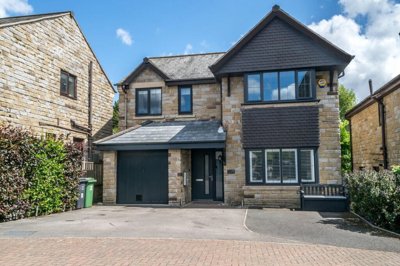
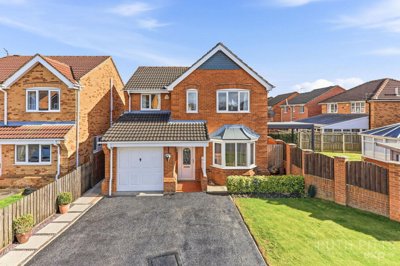
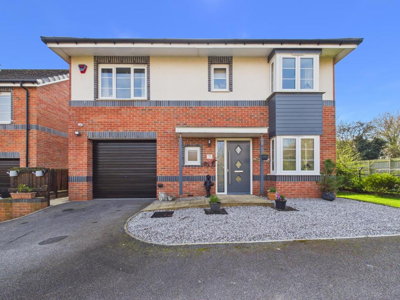
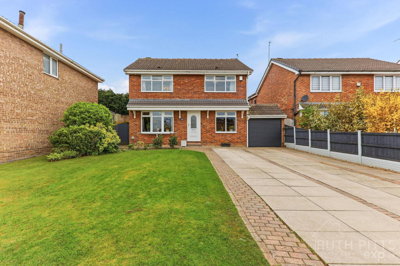
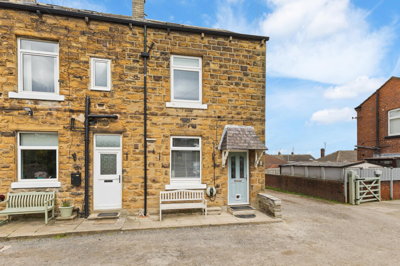
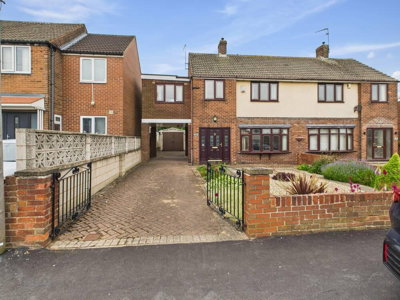
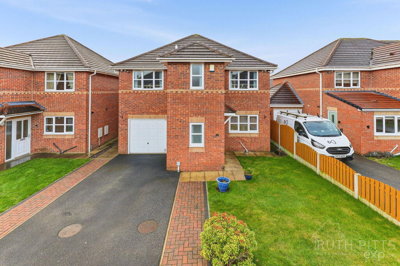
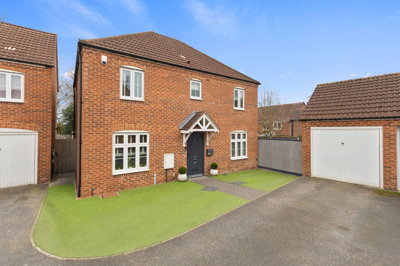
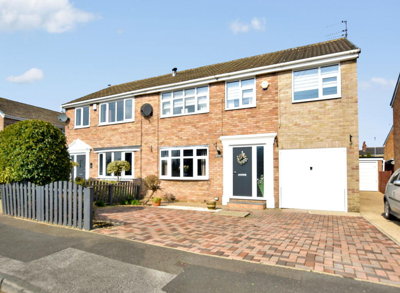
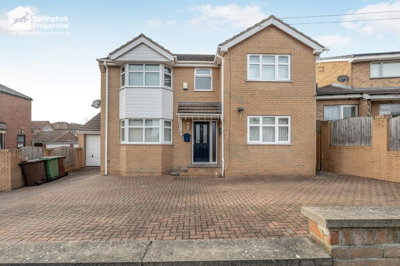
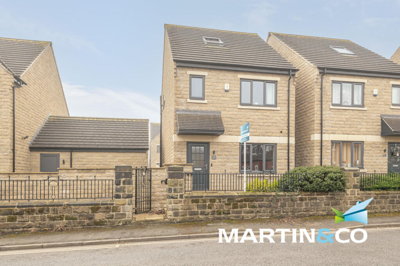
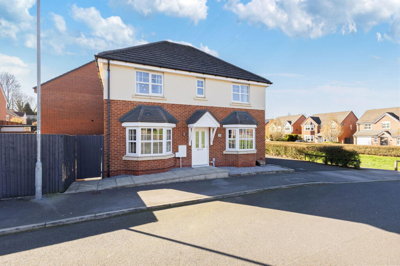
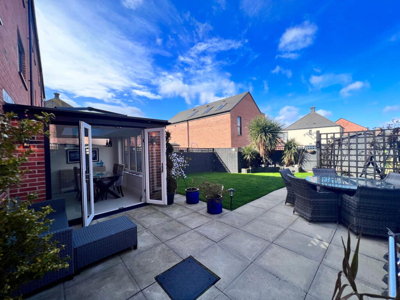
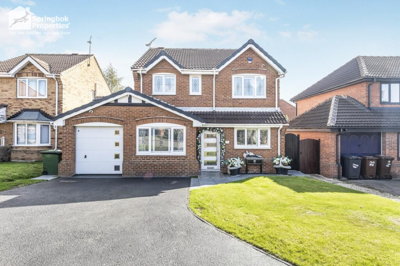
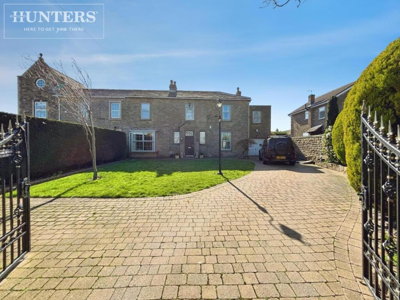
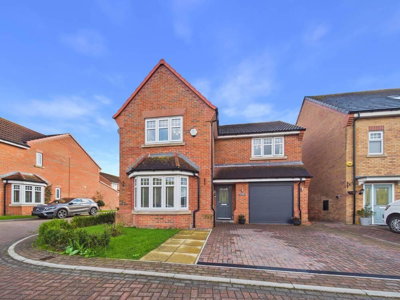
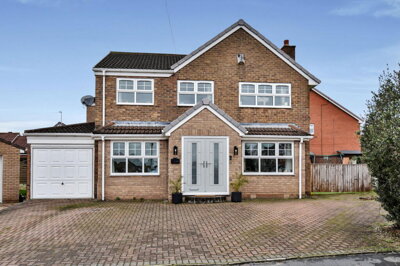
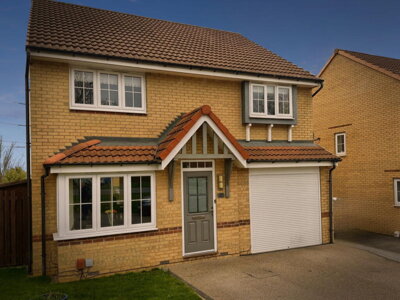
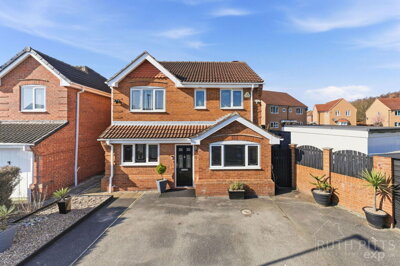
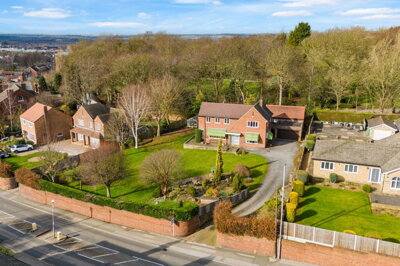
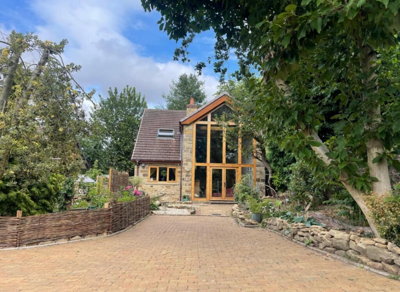
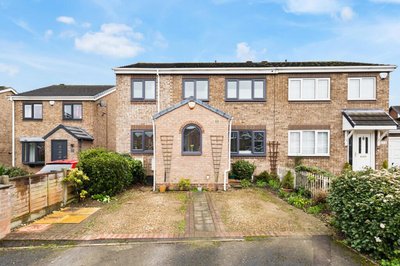
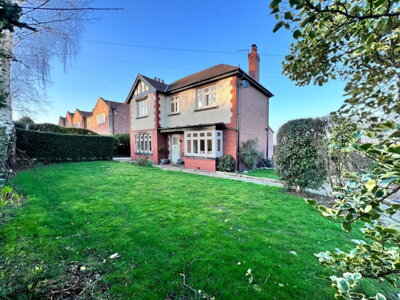
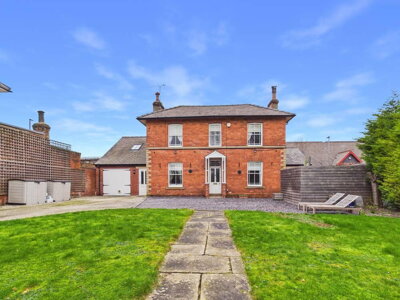
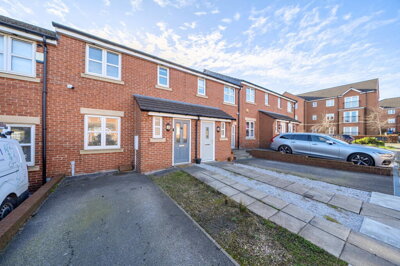
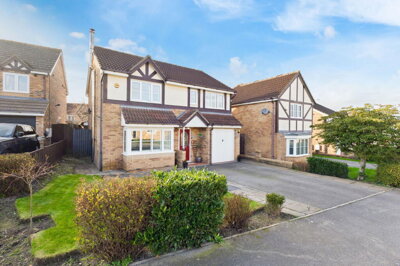
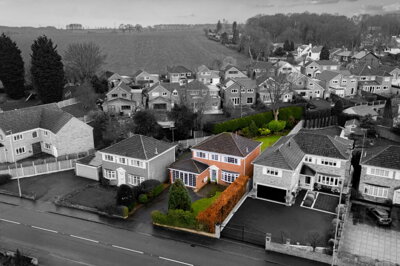
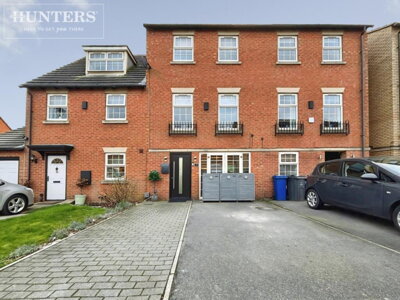
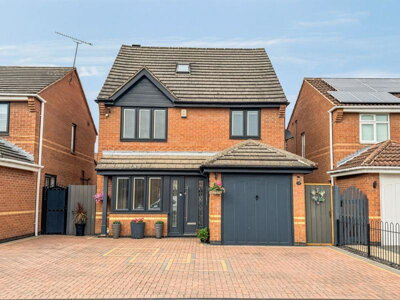
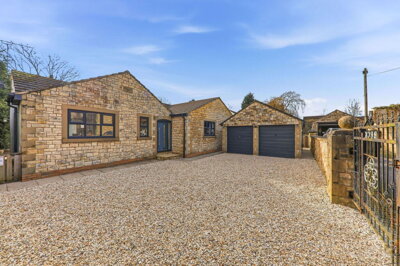
Browse 981 homes for sale in Wakefield, West Yorkshire from local estate agents.
The larger property sector typically features multiple bathrooms, substantial reception space, and private gardens or off-street parking. Four bedroom houses in Wakefield span detached, semi-detached, and occasionally terraced configurations, with styles ranging from period properties to modern executive homes.
£383k
451
39
125
Source: home.co.uk
Showing 451 results for 4 Bedroom Houses for sale in Wakefield, West Yorkshire. 39 new listings added this week. The median asking price is £382,500.
Source: home.co.uk
Detached
366 listings
Avg £447,149
Semi-Detached
73 listings
Avg £344,464
Terraced
12 listings
Avg £215,249
Source: home.co.uk
Source: home.co.uk
The Wakefield property market offers a diverse range of property types to suit various budgets and preferences. Detached properties command the highest average price at around £334,310, while semi-detached homes, which represent the largest portion of the local housing stock at 35%, typically sell for approximately £206,786. Terraced properties remain popular among first-time buyers and investors, with average prices around £156,081, and flats offer the most affordable entry point at approximately £105,945. Over the past 12 months, approximately 1,936 properties have changed hands in Wakefield, indicating a steady level of market activity.
New build activity continues to reshape parts of Wakefield, with several significant developments bringing contemporary homes to the area. City Fields in the WF2 postcode area features homes from developers including Bellway, Avant Homes, and Miller Homes, offering 2, 3, 4, and 5-bedroom properties priced from around £200,000 to over £400,000. St John's Point near WF1 2FE by Strata provides 3 and 4-bedroom homes from approximately £250,000, while The Avenue in WF2 7AN from Harron Homes offers premium 3, 4, and 5-bedroom properties priced from £290,000 to over £500,000. These developments represent the eastern and southern expansion of Wakefield's residential footprint, providing options for families seeking modern construction with energy-efficient specifications and NHBC warranty coverage.
Price trends over the past year show modest reductions across all property types, with terraced properties seeing the largest decrease at -0.9%, followed by semi-detached at -0.7%, flats at -0.6%, and detached properties at -0.3%. These variations reflect broader national trends in the housing market while maintaining Wakefield's position as an affordable option within West Yorkshire. For investors, terraced properties in areas with good transport links to Leeds and the city centre may offer attractive rental yields, with tenant demand supported by the area's employment base and relatively lower purchase prices compared to neighbouring Leeds.

Given the significant proportion of older properties in Wakefield's housing stock, obtaining a professional survey before purchasing is particularly important for this area. Our inspectors regularly encounter properties built before 1980 throughout districts like Agbrigg, Sandal, and the historic city centre, where traditional construction methods and aging building fabrics require careful assessment. A RICS Level 2 Survey provides an objective evaluation of the property's condition, identifying defects that may not be visible during a standard viewing and giving you leverage to renegotiate the purchase price or request that issues be addressed before completion.
Common defects found in Wakefield properties reflect the local construction heritage and geological conditions. Damp issues, including rising damp and penetrating damp, frequently affect older terraced and semi-detached properties built with solid walls and traditional materials. Our team often identifies roof defects on properties pre-dating 1980, including slipped or broken tiles, deteriorated pointing, and failing leadwork around chimneys and valleys. Properties built on the shrinkable clay soils underlying much of the Wakefield district may show signs of subsidence or heave movement, particularly where trees are planted nearby or where drainage systems have deteriorated over time.
The mining legacy of Wakefield represents a specific consideration that our inspectors address during surveys. The area sits within a historic coal mining zone, and properties in areas with potential shallow mine workings require careful evaluation for ground stability. While deep mining has largely ceased, past mining activity can result in underground voids that may affect surface stability over time. Our surveyors can recommend a specialist mining report from the Coal Authority where appropriate, providing you with detailed information about historic mining operations beneath the property and any associated risks to the structure.
Wakefield blends industrial heritage with modern urban living, creating a distinctive character that appeals to residents from all walks of life. The city centre features a mix of Georgian, Victorian, and contemporary architecture, with notable landmarks including the striking Wakefield Cathedral, the Hepworth Wakefield gallery, and the historic Chidswell area. The predominant construction materials in the area reflect its geological heritage: local sandstone and characteristic red and brown brick dominate the streetscape, giving many neighbourhoods a warm, cohesive appearance. Render finishes and some modern cladding can be found on renovated properties and newer developments throughout the district.
The local economy benefits from a strong public sector presence, with Wakefield Council employing thousands in administrative and service roles, and the Mid Yorkshire Hospitals NHS Trust serving as a major healthcare employer. The retail, logistics, and manufacturing sectors also contribute substantially to employment, and the city's strategic position between the M1 and M62 motorways has established Wakefield as a distribution hub for the region. Companies operating from industrial estates in areas like Calder Fields and the Wakefield 41 Business Park provide additional employment opportunities that support housing demand across the district.
Residents enjoy access to a range of cultural attractions, including theatres, museums, and regular markets in the city centre. The weekly Wakefield Market has operated for centuries and remains a focal point for local shopping, while the Ridings Shopping Centre provides modern retail options. The surrounding West Yorkshire countryside provides ample opportunities for outdoor recreation, with Pugneys Country Park and the Yorkshire Sculpture Park offering accessible green spaces within easy reach of the city. The River Calder and its tributaries have shaped the landscape and continue to influence local planning considerations, particularly regarding flood risk management in certain neighbourhoods.
Understanding the construction methods used in Wakefield properties helps buyers appreciate the characteristics and potential issues associated with different property types. Traditional properties built before the 1920s typically feature solid wall construction, often using double-leaf brick or local sandstone with lime-based mortars. These solid walls, common in Victorian and Edwardian terraced properties found throughout the city centre and areas like St John's, require different maintenance approaches compared to modern cavity wall construction, particularly regarding insulation and moisture management.
Timber construction elements are prevalent throughout Wakefield's older housing stock. Our inspectors frequently examine timber floor joists in ground floors, roof structures with timber rafters and purlins, and original timber window frames that may require restoration or replacement. Woodworm, particularly the common furniture beetle, can affect timber elements in properties where conditions permit, and wet rot or dry rot may develop where timber has been exposed to persistent moisture. Properties with original single-glazed timber sash windows, common in period properties, often require upgrading for thermal efficiency and weather resistance.
From the 1920s onwards, cavity wall construction became standard for new builds in Wakefield, providing improved thermal performance and moisture resistance compared to solid wall alternatives. Many semi-detached properties built during the inter-war period and the post-war council housing boom of the 1940s to 1970s feature cavity wall construction with brick outer leaves. Roofing typically uses timber-framed structures covered with slate or clay tiles, with variations in pitch and detailing reflecting different eras of building design. Properties in conservation areas, including parts of the city centre, St John's, and Heath, may feature traditional construction methods and materials that require specialist knowledge during surveys and maintenance work.
For families considering a move to Wakefield, the area offers a comprehensive range of educational establishments across all levels. The district features numerous primary schools serving their local communities, including St Mary's Catholic Primary School, Outwood Primary Forward, and Sacred Heart Catholic Primary School, each with established reputations for pastoral care and academic achievement. Parents should research individual school performance data and admission criteria, as catchment areas can significantly affect placement and property values in sought-after school zones may command premiums of several thousand pounds compared to similar properties outside the catchment.
Secondary education is well-represented through a mix of community schools, academy converters, and faith schools, providing parents with options when selecting the right environment for their children. Outwood Academy City Fields, located in the WF2 postcode area near the new housing development, serves the growing southern part of the district, while other secondary schools throughout Wakefield provide varied educational pathways. Several schools in the Wakefield area have achieved recognition for their performance in recent Ofsted inspections, though parents should always verify current ratings directly with schools, as these assessments are updated regularly and can change over time.
Post-16 education is available through school sixth forms and separate further education colleges serving the district. Wakefield College offers a broad range of A-level courses, vocational qualifications, and apprenticeship pathways for students completing their secondary education, providing progression routes into employment or higher education. The presence of these educational facilities adds to Wakefield's appeal for families, providing continuity of education from primary through to further and higher education without necessarily requiring travel to Leeds or other major cities. When purchasing property in a specific area of Wakefield, prospective buyers should research individual school performance data and admission policies, as competition for places in popular schools can be intense and property values in catchment areas can reflect the educational advantages on offer.
Wakefield enjoys excellent connectivity that makes it an attractive base for commuters and those who need to travel regularly for work. The city is served by two mainline railway stations: Wakefield Westgate, which provides high-speed services to London and the south, and Wakefield Kirkgate, which offers additional regional connections. Leeds is reachable in approximately 25 minutes from Wakefield Westgate, while London King's Cross can be accessed in around two hours via direct services on the East Coast Main Line. This makes Wakefield particularly appealing to those who work in the capital or Leeds but seek more affordable housing options away from the larger cities.
Road transport is equally well-served, with the M1 motorway running to the east of the city and the M62 passing to the north, providing direct links to Leeds, Sheffield, Hull, and Manchester. The A1(M) is also within easy reach for those travelling north to York and Newcastle. For local travel, bus services operated by Arriva and other providers connect Wakefield city centre with surrounding towns and villages including Pontefract, Castleford, and Normanton. The district's position as a logistics hub means that employment opportunities in distribution and warehousing are accessible via the motorway network, potentially reducing commute times for those working in this sector.
Cycling infrastructure has been improved in recent years with dedicated routes becoming more common throughout the district. The city centre and residential areas are connected by various cycle paths, making cycling a viable option for shorter journeys. Parking availability varies across the district, with the city centre offering public car parks including the Carlisle Street and Merchant Street car parks, while residential areas may have more limited on-street parking, particularly in denser neighbourhoods with terraced housing. For commuters driving to railway stations, Park and Ride facilities provide additional options for accessing the rail network while avoiding city centre parking costs.
Start by exploring different neighbourhoods in Wakefield to find the area that best suits your lifestyle and budget. Consider factors such as proximity to schools, transport links, local amenities, and property types available in each district. Areas like Sandal and Warmfield offer different characteristics compared to city centre locations, while suburban developments in WF2 provide modern housing options with contemporary construction.
Before scheduling viewings, speak to a mortgage broker or lender to obtain an agreement in principle. This strengthens your position when making offers and demonstrates to sellers that you have financing in place. Wakefield has numerous mortgage brokers and high street lenders available, and an agreement in principle typically remains valid for 60-90 days depending on the lender.
Use Homemove to browse available properties and schedule viewings with estate agents. Pay attention to the property's condition, surroundings, and any signs of potential issues such as damp or structural concerns. Take notes and photographs during viewings to help compare properties later, and consider visiting at different times of day to assess factors like noise levels and natural light.
Once your offer is accepted, book a RICS Level 2 Survey to assess the property's condition and identify any defects that may need attention before completion. In Wakefield's older housing stock, surveys frequently identify issues including damp, roof defects, and signs of movement that may not be apparent during viewings. Survey costs in Wakefield typically range from £400 to £700 depending on property size and type.
Appoint a conveyancing solicitor to handle the legal aspects of your purchase, including searches, contracts, and registration with the Land Registry. Your solicitor will also conduct searches for matters including planning history, chancel repair liability, and environmental risks that may affect the property or its value.
Your solicitor will coordinate the exchange of contracts and set a completion date. On completion day, the remaining funds are transferred and you receive the keys to your new Wakefield home. Typically, exchange and completion occur several weeks apart, allowing time for final preparations and arrangement of removal services.
The underlying geology of Wakefield presents some specific considerations for property buyers that our inspectors address during surveys. The area sits on Carboniferous rocks, primarily Coal Measures including sandstone, mudstone, siltstone, and coal seams, with superficial deposits of glacial till and river alluvium. Properties built on shrinkable clay soils may be susceptible to subsidence or heave, particularly where trees are planted nearby or drainage systems are inadequate. Before purchasing, consider requesting a specialist ground investigation report or mining report, especially for properties in areas with potential historic shallow mining activity, as the Coal Authority can provide relevant information about past mining operations.
Flood risk is another important consideration in parts of Wakefield that buyers should evaluate carefully. Areas along the River Calder and its tributaries, including the River Ryburn and River Dearne, are susceptible to fluvial flooding, and surface water flooding can occur in urban locations where drainage systems become overwhelmed during heavy rainfall. The city centre and low-lying areas in surrounding towns and villages including parts ofWF1 and WF2 require particular attention when assessing flood risk. Buyers should check the Environment Agency's flood risk maps and consider the property's flood history and any resilience measures that may have been implemented by current or previous owners.
Properties within conservation areas, such as Wakefield City Centre, St John's, and Heath, will be subject to planning restrictions that affect permitted development rights and may require Listed Building Consent for certain alterations. These designations help preserve the area's historic character but can limit future changes to a property, including extensions, dormer windows, and external alterations. If you are considering a listed building or a property within a conservation area, our team can recommend a more detailed RICS Level 3 Survey that provides specialist assessment of historic building materials and construction methods. Properties of non-standard construction, including those with timber frames, concrete elements, or other unusual features, may also require specialist surveys beyond the standard RICS Level 2 assessment.
The current average house price in Wakefield is approximately £215,907, according to recent Rightmove data. Detached properties average £334,310, semi-detached homes around £206,786, terraced properties approximately £156,081, and flats average £105,945. The market has shown modest price reductions over the past 12 months, with terraced properties seeing the largest decrease at -0.9%, followed by semi-detached at -0.7%, flats at -0.6%, and detached properties at -0.3%.
Wakefield properties fall within council tax bands set by Wakefield Council, ranging from Band A to Band H depending on the property's assessed value. Most terraced properties and smaller semis typically fall into Bands A to C, with Band A properties paying the lowest annual charges and Band H the highest. You can verify the specific band for any property through the Valuation Office Agency website, and the actual annual charge will depend on the band and current council tax rate set by Wakefield Council.
Wakefield offers a range of educational options including primary and secondary schools across the district, with community schools, academies, and faith schools to choose from. Specific primary schools in the area include St Mary's Catholic Primary School and Outwood Primary Forward, while secondary options include Outwood Academy City Fields serving the growing WF2 area. Parents should check current Ofsted ratings directly as these are updated regularly, and research specific catchment areas, as admission policies can significantly affect school placement and competition for places can be intense.
Wakefield is exceptionally well-connected, with two mainline stations serving the city: Wakefield Westgate and Wakefield Kirkgate. Direct trains to Leeds take approximately 25 minutes from Wakefield Westgate, while London King's Cross is reachable in around two hours via East Coast Main Line services. Bus services connect the city with surrounding towns and villages including Pontefract, Castleford, and Normanton, and the M1 and M62 motorways provide excellent road links to Leeds, Sheffield, Manchester, Hull, and beyond.
We strongly recommend a RICS Level 2 Survey before purchasing any property in Wakefield, particularly given the significant proportion of older properties in the local housing stock. Our inspectors frequently identify issues including damp in Victorian and Edwardian terraced properties, roof defects on buildings pre-dating 1980, and signs of subsidence or heave related to the underlying clay geology. Properties in historic mining areas may also require additional investigation. Survey costs in Wakefield typically range from £400 to £700 depending on property size and type, representing a worthwhile investment before committing to a purchase.
Wakefield offers several attractions for property investors, with average property prices remaining lower than Leeds, making it accessible for first-time investors seeking to enter the West Yorkshire market. The local economy benefits from major public sector employers including Wakefield Council and the Mid Yorkshire Hospitals NHS Trust, as well as logistics companies attracted by the strategic motorway position. Rental yields can be attractive, particularly for terraced properties in areas with good transport links to Leeds, though as with any investment, buyers should research specific areas and consider factors such as tenant demand, void periods, and maintenance costs.
For standard purchases, stamp duty rates are 0% on the first £250,000, 5% on the portion from £250,001 to £925,000, 10% on £925,001 to £1.5 million, and 12% on any amount above £1.5 million. First-time buyers benefit from enhanced relief, paying 0% on the first £425,000 and 5% between £425,001 and £625,000, with properties above £625,000 not qualifying for first-time buyer relief. Always verify current thresholds with HMRC or your solicitor, as these can change with Budget announcements.
Parts of Wakefield are susceptible to flooding, particularly areas along the River Calder and its tributaries, including low-lying areas near the city centre and surrounding towns. Surface water flooding can also occur in urban locations where drainage is overwhelmed during heavy rainfall. Before purchasing, check the Environment Agency's flood risk maps for the specific property address, review any flood history, and consider whether adequate resilience measures are in place. Properties in higher flood risk areas may face higher insurance premiums or difficulty obtaining cover.
When purchasing a property in Wakefield, understanding the full cost of buying beyond the purchase price is essential for budgeting effectively. The primary upfront cost is Stamp Duty Land Tax, which applies to the purchase price of your property. For residential purchases, the rates currently stand at 0% on the first £250,000, 5% on the portion between £250,001 and £925,000, 10% on amounts from £925,001 to £1.5 million, and 12% on any portion exceeding £1.5 million. These thresholds apply to standard purchases by all buyers, including those who already own property, and are applied to the total purchase price rather than the equity portion.
First-time buyers enjoy enhanced relief, paying 0% on the first £425,000 and 5% on the portion from £425,001 to £625,000. Properties priced above £625,000 do not qualify for first-time buyer relief, and buyers who have previously owned property will need to pay the standard rates even if they intend to occupy the new property as their main residence. Your solicitor will calculate the exact stamp duty liability based on the purchase price and your circumstances, and will remit payment to HMRC on your behalf as part of the completion process.
Beyond stamp duty, you should budget for solicitor fees, which typically start from around £499 for conveyancing on a standard transaction, plus disbursements for local authority searches, drainage and water searches, and Land Registry fees. Mortgage arrangement fees vary by lender but can range from nothing to several hundred pounds, and you should factor in the cost of a mortgage valuation if required by your lender. A RICS Level 2 Survey costs approximately £400 to £700 or more depending on property size and type, while an Energy Performance Certificate is legally required and costs from around £80. Factor in removal costs, potential renovation expenses, and maintain a contingency fund of at least 5-10% of the purchase price for unexpected issues discovered after purchase.
From £400
A detailed inspection of the property's condition, ideal for most homes in Wakefield's older housing stock
From £600
Comprehensive survey recommended for older, listed, or non-standard properties
From £80
Required Energy Performance Certificate for your property
From £499
Solicitors handling the legal transfer of ownership
Properties for Sale In London

Properties for Sale In Plymouth

Properties for Sale In Liverpool

Properties for Sale In Glasgow

Properties for Sale In Sheffield

Properties for Sale In Edinburgh

Properties for Sale In Coventry

Properties for Sale In Bradford

Properties for Sale In Manchester

Properties for Sale In Birmingham

Properties for Sale In Bristol

Properties for Sale In Oxford

Properties for Sale In Leicester

Properties for Sale In Newcastle

Properties for Sale In Leeds

Properties for Sale In Southampton

Properties for Sale In Cardiff

Properties for Sale In Nottingham

Properties for Sale In Norwich

Properties for Sale In Brighton

Properties for Sale In Derby

Properties for Sale In Portsmouth

Properties for Sale In Northampton

Properties for Sale In Milton Keynes

Properties for Sale In Bournemouth

Properties for Sale In Bolton

Properties for Sale In Swansea

Properties for Sale In Swindon

Properties for Sale In Peterborough

Properties for Sale In Wolverhampton

Enter your details to see if this property is within your budget.
Loans, cards, car finance
Estimated property budget
Borrowing + deposit
You could borrow between
Typical borrowing
Monthly repayment
Est. at 4.5%
Loan-to-value
This is an estimate only. Your actual budget may vary depending on interest rates, credit history, and personal circumstances. For an accurate affordability assessment, speak to one of our free mortgage advisors.
This calculator provides estimates for illustrative purposes only and does not constitute financial advice. Your home may be repossessed if you do not keep up repayments on your mortgage. Estimates based on 4.5% interest rate, repayment mortgage. Actual rates depend on your circumstances.
Homemove is a trading name of HM Haus Group Ltd (Company No. 13873779, registered in England & Wales). Homemove Mortgages Ltd (Company No. 15947693) is an Appointed Representative of TMG Direct Limited, trading as TMG Mortgage Network, which is authorised and regulated by the Financial Conduct Authority (FRN 786245). Homemove Mortgages Ltd is entered on the FCA Register as an Appointed Representative (FRN 1022429). You can check registrations at NewRegister or by calling 0800 111 6768.

We use cookies to show you personalised content and improve your experience of our website. Find out more in our Privacy policy and Cookie policy.