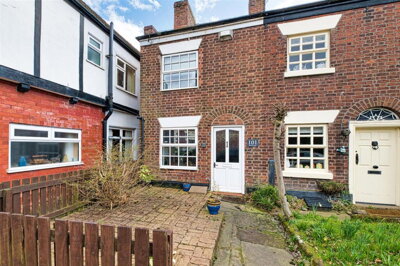
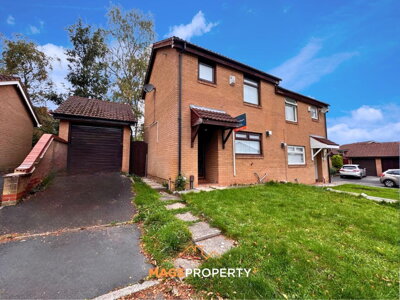
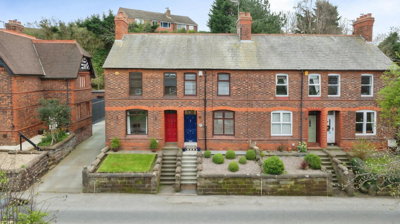
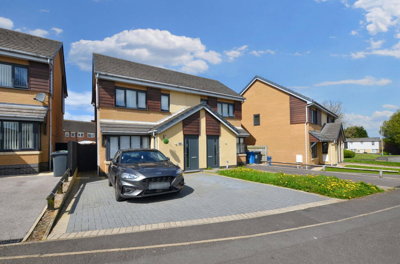
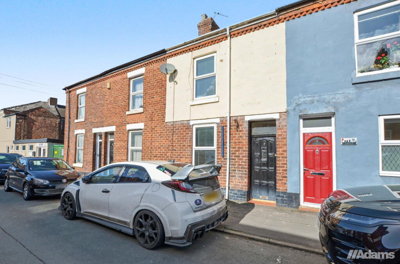
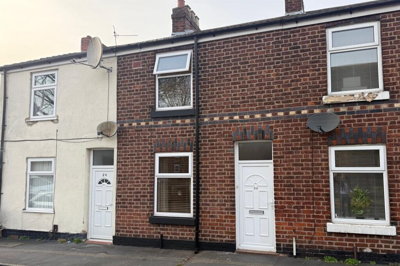
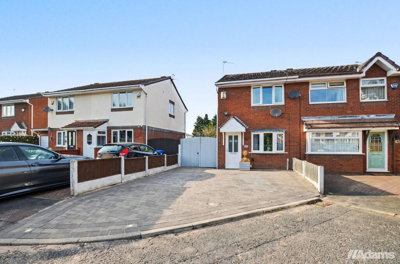
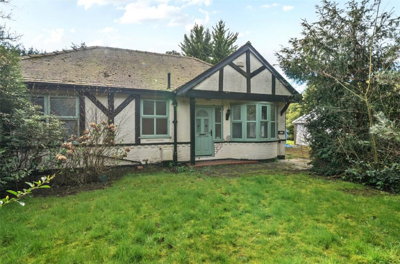
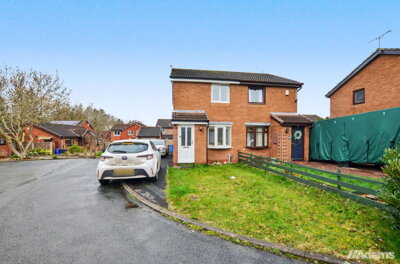
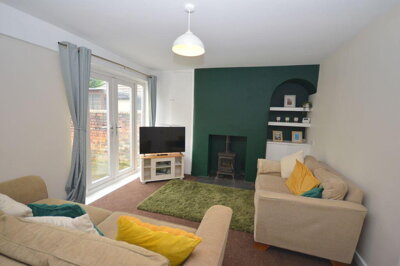
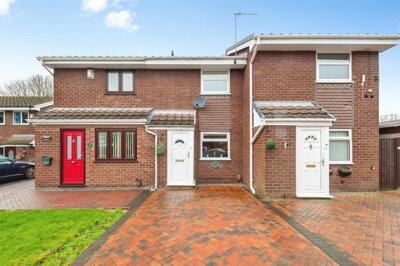
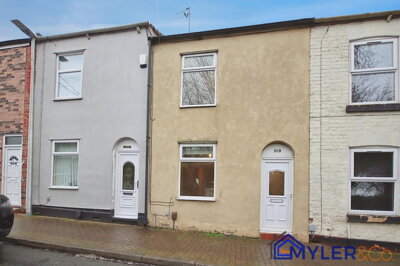
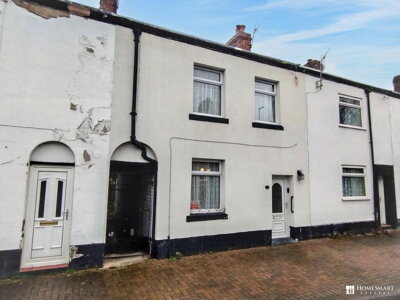
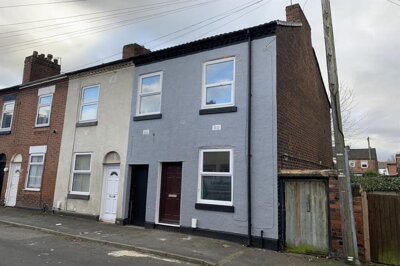
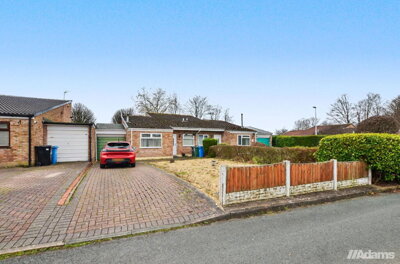
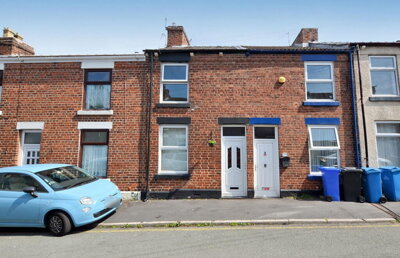
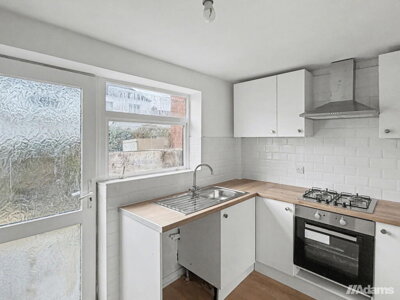
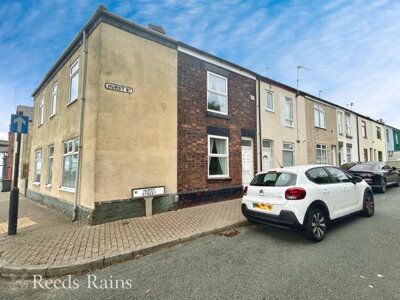
Browse 121 homes for sale in WA7 from local estate agents.
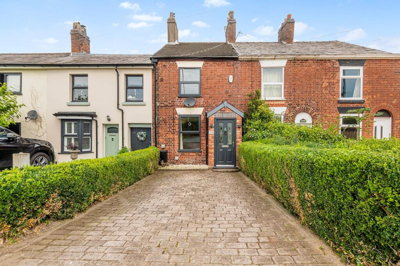
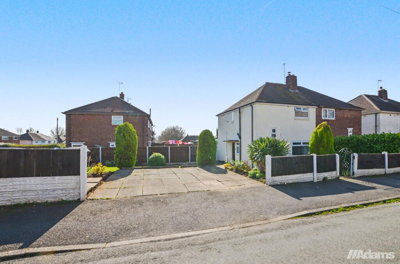
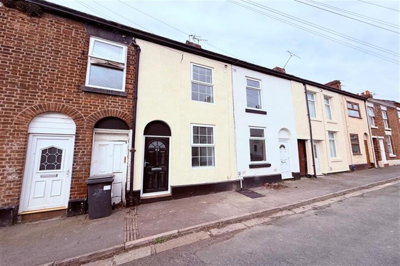
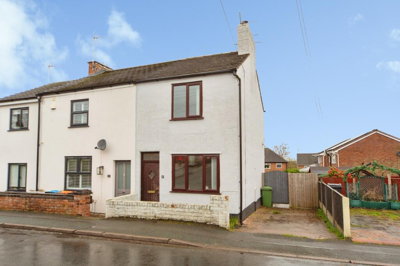
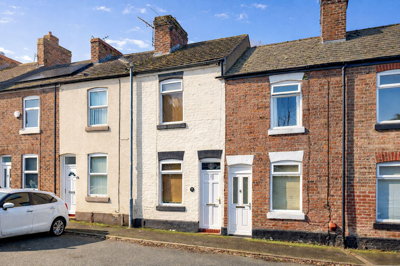
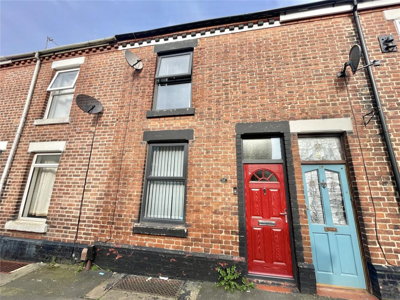
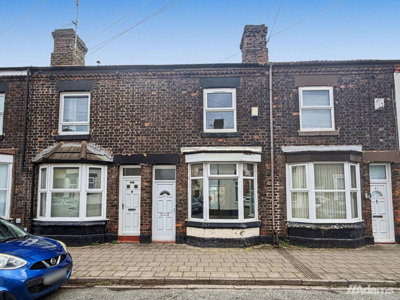
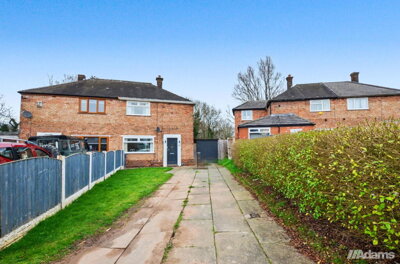
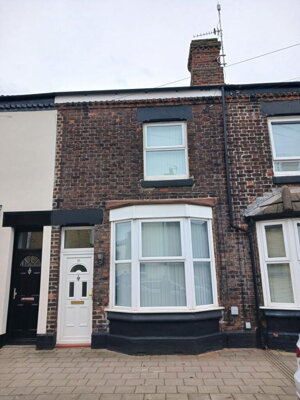
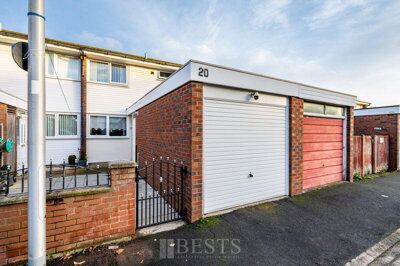
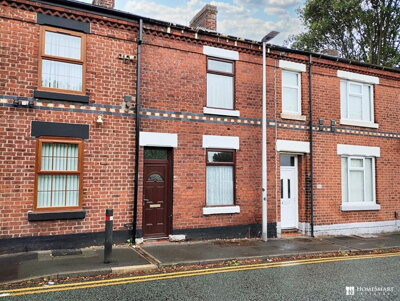
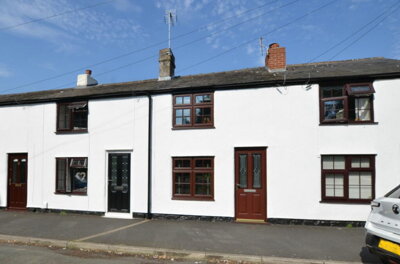
The 2 bed house market features detached, semi-detached, and terraced properties with two separate bedrooms plus living spaces. Properties in WA7 range from Victorian and Edwardian period homes to modern new builds, with pricing varying across different neighbourhoods.
£170k
18
3
78
Source: home.co.uk
Showing 18 results for 2 Bedroom Houses for sale in WA7. 3 new listings added this week. The median asking price is £170,000.
Source: home.co.uk
Semi-Detached
10 listings
Avg £177,500
Terraced
8 listings
Avg £143,750
Source: home.co.uk
Source: home.co.uk
The WA7 property market presents a balanced mix of property types that reflects its diverse housing stock built across several decades. Semi-detached houses dominate the local market at 40.5% of all properties, followed by terraced homes at 29.5%, detached houses at 18.2%, and flats or maisonettes at 11.6%. This variety means buyers have genuine choice whether they are looking for their first home, upgrading to a larger family property, or downsizing later in life. Recent data shows the overall average price in WA7 stands at £200,825, with semi-detached properties averaging £194,153 and terraced homes at around £147,758.
The market has experienced a modest correction over the past 12 months, with overall prices declining by approximately 2%. Detached properties have shown more resilience with a 1% decrease, while terraced and semi-detached homes also saw 2% reductions. Flat prices held relatively steady with just a 1% decline. These adjustments have created opportunities for buyers who may have been priced out in previous years. The area recorded 509 total sales in the past year, including 78 detached homes, 231 semi-detached properties, 162 terraced houses, and 38 flats. This sales volume indicates healthy market activity and good liquidity for those looking to sell.
Price variations across different property types create multiple entry points into the WA7 market. Flats average around £93,667, making them accessible for first-time buyers or investors seeking rental income. Terraced properties at £147,758 offer more space and often come with small rear gardens, appealing to young families. Semi-detached homes averaging £194,153 provide additional bedrooms and living space, while detached properties at £329,887 cater to those seeking premium accommodation. These price points sit significantly below comparable properties in Liverpool and Manchester, where average prices frequently exceed £250,000 for similar property types.
The local population of approximately 59,500 residents across 24,900 households supports a stable community with good amenities. The area attracts a mix of buyers including commuters working in Liverpool or Manchester, local workers employed by major employers in the chemical and logistics sectors, and families seeking affordable housing with good schools nearby. This demand diversity helps maintain market activity even during periods of wider economic uncertainty.

WA7 currently hosts several active new-build developments from some of the UK's largest and most reputable housebuilders, providing fresh options for buyers seeking modern homes with warranties and contemporary designs. The Furlongs by Keepmoat Homes in Runcorn offers 2, 3, and 4-bedroom homes starting from £197,995, making it an accessible entry point for first-time buyers looking for brand-new property without the premium often associated with new builds. Properties here benefit from modern energy efficiency standards and typically require less immediate maintenance compared to older stock.
Norton View from Bellway Homes presents 3 and 4-bedroom properties from £264,995, offering larger floorplans suitable for families needing extra space. Similarly, Taylor Wimpey's Sandymoor Place and Barratt Homes' The Coppice, both located near WA7 1PF, provide 3 and 4-bedroom homes from £280,000 and £279,995 respectively. These developments are particularly attractive to buyers who prioritise modern heating systems, insulation, and open-plan living layouts. Purchasing a new build also means benefitting from a 10-year NHBC warranty, though we recommend arranging an independent inspection to ensure quality standards are met.
New build properties in WA7 come with the advantage of EPC ratings typically in the A or B category, reflecting modern building regulations and energy-efficient designs. These homes often include features such as solar panels, advanced insulation, and smart heating controls that can significantly reduce ongoing energy costs. For buyers purchasing with a mortgage, lenders may offer favourable rates for properties meeting modern energy standards, potentially improving affordability over the long term.
However, new build premiums can mean paying above the local average for comparable square footage. Buyers should compare new build prices against existing properties in the same street or estate to ensure they are getting genuine value. Our platform allows you to search both new build and existing properties side by side, helping you make an informed decision based on your specific priorities and budget.

Runcorn's character has been shaped by its industrial past and subsequent development as a New Town in the post-war period, creating a distinctive urban environment with a strong sense of community. The area's population of approximately 59,500 residents across 24,900 households represents a thriving town that balances employment opportunities with residential comfort. Old Town Runcorn retains historic charm with its conservation area featuring period properties and traditional street patterns, while newer neighbourhoods offer modern amenities and green spaces. The local economy benefits from chemical industry presence, logistics companies, and advanced manufacturing firms, providing stable employment for residents.
The predominant brick construction throughout WA7 reflects the building practices of the North West, with red brick terraces and semis giving many streets their warm, characteristic appearance. The area sits on glacial till deposits over Sherwood Sandstone bedrock, with boulder clay soils creating the potential for some ground movement. For most residential properties, standard surveys are sufficient, though buyers should be aware of this geological context. The proximity to the River Mersey and Manchester Ship Canal brings both scenic value and some flood considerations for properties in lower-lying areas near these waterways. Local parks and green spaces provide recreational opportunities, while the shopping centres and high street offer everyday amenities.
Major employers in the Runcorn area include INEOS ChlorVinyls in the chemical sector, along with logistics and distribution companies that benefit from the area's strategic location near major road networks and the Manchester Ship Canal. Halton Borough Council and local NHS trusts provide public sector employment, while advanced manufacturing firms operate in purpose-built industrial zones. This employment diversity means the local housing market is supported by stable job prospects, reducing reliance on any single industry.
The Bridges shopping centre serves as the primary retail hub for Runcorn, offering a range of high street names, supermarkets, and independent retailers. The town centre has undergone various regeneration efforts over the years, with improvements to public spaces and shopping facilities making the area more attractive to residents and visitors alike. For larger shopping trips, Liverpool ONE is approximately 30 minutes away by car or via regular train services.
Education provision in WA7 serves families across all age ranges, with primary and secondary schools scattered throughout the Runcorn area. The local authority Halton Borough Council oversees schools in the region, and parents should research individual school performance, Ofsted ratings, and catchment areas when considering properties. Several primary schools in the area have earned good or outstanding Ofsted judgments, providing solid foundations for younger children. Secondary education options include both comprehensive schools and specialist academies, with some offering sixth-form provision for post-16 studies.
Families moving to WA7 should note that school catchment areas can significantly impact property values and availability in specific streets or estates. Properties within walking distance of well-regarded primary schools often attract premiums, while secondary school transport arrangements may affect daily routines for older children. Those seeking grammar school education should note that Halton operates a non-selective admissions policy, though nearby areas may have grammar options accessible via transport routes. For higher education, Runcorn's position between Liverpool and Manchester provides easy access to universities in both cities, making it practical for older children who may be studying or commuting to university courses.
Several primary schools in WA7 serve the local community including establishments in Norton, Stockham, and the Windmill Hill area. Secondary schools such as The Grange School and Halton School provide education for older students, with varying specialisms and extracurricular programmes. Parents are advised to check current Ofsted reports and performance tables, as these can change over time and directly affect the desirability of nearby properties.
For families with younger children, nursery and preschool options are available throughout the area, with some attached to primary schools and others operating independently. Childcare provision in Runcorn includes both private nurseries and childminders registered with Ofsted, offering flexibility for working parents. The availability of childcare can influence which neighbourhoods prove most practical for families with preschool-aged children.
WA7 benefits from excellent transport connections that make commuting to major employment centres practical and convenient. The M56 motorway runs nearby, providing direct access to Manchester and the wider motorway network, while the M6 is also accessible for those travelling further north or south. Runcorn railway station offers regular services connecting residents to Liverpool Lime Street, with journey times making day commuting feasible. Manchester can be reached via changes at Liverpool or directly on some services, typically within 90 minutes to two hours door to door.
Local bus services operated by Arriva and other providers connect Runcorn's various neighbourhoods with the town centre and surrounding areas including Widnes and Norton. The Bridges shopping centre area provides good parking facilities for those who prefer to drive locally. Cyclists will find some dedicated routes, though the hilly terrain in parts of Runcorn may present challenges. For air travel, Liverpool John Lennon Airport and Manchester Airport are both within reasonable driving distance, offering international connections. The strategic location between two major cities continues to attract buyers who work in either Liverpool or Manchester but seek more affordable housing options.
Runcorn railway station sits on the Liverpool to Manchester route via Warrington, providing regular services throughout the day. Peak-time services to Liverpool Lime Street typically take around 40 minutes, making day commuting to the city practical for those working in finance, healthcare, or other sectors. The station has undergone improvements in recent years, with better facilities and increased service frequency benefiting regular commuters.
For those who drive to work, the M56 provides direct access to Manchester city centre and Manchester Airport, typically taking around 50 minutes outside peak times. The M6 motorway is accessible via the M56 or A49, opening up routes to Birmingham and the south, as well as Scotland and the north. Rush hour traffic on local roads can be busy, particularly around the shopping centre areas, so commuters should factor this into journey times when planning.
Property buyers in WA7 should consider several area-specific factors when evaluating potential purchases. Given the prevalence of properties built during the New Town expansion period between 1945 and 1980, many homes may be approaching or exceeding 50 years of age. These properties commonly exhibit issues such as outdated electrical wiring, aging plumbing systems, and roofs requiring attention. A RICS Level 2 Survey can identify these concerns before purchase, potentially saving thousands in unexpected repair costs. Properties built before 1980 may also contain asbestos-containing materials in textured coatings, insulation, or older building products, which should be professionally assessed.
The geological conditions in parts of WA7 warrant attention, as boulder clay soils can experience shrink-swell movement particularly where mature trees are present near foundations. Properties showing signs of cracking or subsidence should be referred to a structural engineer for detailed assessment. Flood risk varies across the postcode, with areas adjacent to the River Mersey and Manchester Ship Canal requiring careful evaluation. Surface water flooding has also been reported in some urbanised locations during periods of heavy rainfall. Buyers should request flood risk reports and check the environment agency's mappings. Properties within Old Town's conservation area or those that are listed buildings face additional planning controls that affect permitted developments and renovation options.
The construction methods used in WA7 reflect the building practices of different eras. Pre-war terraced properties in Old Town typically feature solid brick walls with lime mortar and timber floor structures, which require different maintenance approaches compared to post-war cavity wall construction. Properties from the New Town period (1960s-1970s) often use concrete foundations and trussed rafter roofs, which may show different defect patterns. Understanding the construction era of a property helps anticipate common issues and inform survey requirements.
Drainage in some urbanised parts of WA7 can be a concern during heavy rainfall events. Properties with large impermeable surfaces nearby, such as car parks or commercial developments, may experience surface water runoff issues. A thorough survey should check rainwater goods, guttering, and ground levels to assess whether drainage is adequate for the property and surrounding area.
Properties in WA7 span several construction eras, each bringing characteristic features and potential defects that buyers should understand. Victorian and Edwardian terraces in Old Town Runcorn typically feature solid brick walls, slate roofs, and timber floor joists. These properties often have original features such as fireplaces, cornicing, and sash windows that appeal to those seeking period character. However, solid walls lack cavity insulation, and older lime mortar pointing may require repointing to prevent damp penetration.
Post-war housing from the New Town era (1945-1980) makes up a significant portion of WA7's housing stock. These properties generally use cavity wall construction with brick outer leaves and lightweight block inner leaves, concrete foundations, and trussed rafter roofs with concrete tiles. While generally sound, these homes may show wear to concrete tile roofs after 40-50 years, and cavity wall insulation may have been fitted at various times with varying quality. Some former council estates in this category may include non-traditional construction types that require specialist assessment.
Modern properties, including new builds at developments like The Furlongs and Sandymoor Place, use contemporary building methods with high levels of insulation, uPVC windows, and modern heating systems. These homes comply with current building regulations and offer better energy efficiency than older stock. However, fast-paced construction can sometimes lead to finishing issues that a thorough snagging inspection can identify. Our platform connects you with qualified surveyors who understand local construction methods and can assess properties across all age ranges.
Spend time exploring different WA7 neighbourhoods, comparing property prices, and understanding local amenities. Use our platform to set up property alerts and track new listings as they come to market. Consider factors such as school catchment areas, commute times, and proximity to green spaces when narrowing down your preferred locations.
Contact lenders or brokers to obtain a mortgage agreement in principle before making offers. This strengthens your position with sellers and helps you understand your true budget within the WA7 market. Given current interest rates, comparing mortgage products from multiple providers can potentially save thousands over the life of the loan.
Book viewings through estate agents and attend with a checklist noting property condition, age of heating systems, and potential maintenance concerns. Take measurements and photos for later reference. View multiple properties before deciding to build a good understanding of what your budget buys in different WA7 neighbourhoods.
Commission a RICS Level 2 Survey to assess the property's condition thoroughly. For older homes or those showing signs of movement, consider a more detailed RICS Level 3 Building Survey. Survey costs in WA7 typically range from £400 for smaller properties to £700 or more for larger detached homes.
Choose a conveyancing solicitor to handle the legal aspects of your purchase. They will conduct searches, review contracts, and manage the transfer of funds through to completion. Solicitors in the Runcorn area often have experience with local property types and can advise on any area-specific issues revealed by searches.
Once all searches are satisfactory and finance is confirmed, you will exchange contracts and pay your deposit. Completion typically follows within 28 days, when you will receive the keys to your new WA7 home. Your solicitor will notify Land Registry and arrange final meter readings for utilities.
The average house price in WA7 currently stands at £200,825 according to recent market data. Detached properties average £329,887, semi-detached homes are around £194,153, terraced properties at £147,758, and flats at approximately £93,667. Prices have shown a modest 2% decline over the past 12 months, creating buying opportunities in a market that remains significantly more affordable than neighbouring Liverpool or Manchester.
Properties in WA7 fall under Halton Borough Council's jurisdiction and are assigned council tax bands A through H depending on property value. Most terraced homes and smaller semis typically fall into bands A to C, while larger detached properties may be in bands D through F. You can check specific bands on the Halton Borough Council website or on property listing details. Band A properties in Halton currently pay around £1,300 annually, while band D properties pay approximately £1,950.
WA7 has several primary and secondary schools serving the local population, with Ofsted ratings varying by institution. Parents should research individual school performance on the Ofsted website and consider catchment areas when house hunting. School performance can directly impact property desirability in specific streets and estates, so this is worth investigating thoroughly before purchasing. Several primary schools including establishments in Norton, Stockham, and Windmill Hill serve local families, while secondary options include The Grange School and Halton School with varying specialisms.
Runcorn railway station provides regular services to Liverpool with journey times of around 40 minutes. Bus services operated by Arriva connect various WA7 neighbourhoods to the town centre and surrounding areas including Widnes and Norton. The M56 motorway provides road connectivity to Manchester, while the M6 is also accessible for longer journeys. While a car is beneficial for full flexibility, commuters can realistically travel to major employment centres using public transport options.
WA7 offers several attractions for property investors including relatively affordable entry prices compared to regional alternatives, stable rental demand from commuters and local workers, and ongoing new build activity that brings fresh stock to the market. The 509 sales in the past year indicates healthy liquidity. Rental yields vary by property type and location, but the area's connectivity and employment base support consistent tenant demand. Flats and terraced properties typically offer higher yields, while detached homes may appreciate more significantly over time.
For standard purchases, stamp duty land tax in England applies at 0% on the first £250,000, 5% on £250,001 to £925,000, 10% on £925,001 to £1.5 million, and 12% above that. First-time buyers benefit from relief on the first £425,000, with 5% charged between £425,001 and £625,000. Given the WA7 average of £200,825, most purchases would attract no stamp duty for first-time buyers or minimal amounts for other purchasers. Properties above £925,000 in this area are uncommon, so most buyers will fall into lower rate brackets.
Parts of WA7 have elevated flood risk due to proximity to the River Mersey and Manchester Ship Canal, particularly in low-lying areas adjacent to these waterways. Surface water flooding has also been reported in some urbanised locations during heavy rainfall when drainage capacity is overwhelmed. We recommend requesting an environment agency flood risk report and checking specific property history. Properties in higher-risk zones should have appropriate insurance provision and consider flood resilience measures. The postcode also sits on glacial till deposits which can affect ground conditions.
Given the mix of property ages in WA7, common issues include dampness in older properties particularly rising damp where original damp proof courses have failed, roof deterioration on homes over 30-40 years old with slipped tiles or worn felt, outdated electrical systems in pre-1980s construction that may not meet current regulations, and potential timber defects in floor joists and roof structures. Properties on clay soils may experience movement-related cracking, especially where mature trees are near foundations. A thorough RICS Level 2 Survey will identify these issues and help you negotiate appropriate remediation or price adjustments before completing your purchase.
From 4.5% APR
Compare mortgage deals from leading lenders. Expert advice available.
From £499
Expert legal services for your property purchase. Local solicitors available.
From £400
Thorough condition survey by qualified RICS inspectors. Ideal for standard properties.
From £80
Energy performance certificate required for all property sales.
Understanding the full costs of buying property in WA7 helps you budget accurately and avoids surprises during the transaction. The stamp duty land tax threshold for standard purchases is £250,000, meaning properties priced at this level or below attract zero duty. For a typical WA7 terraced home averaging £147,758, most buyers would pay no stamp duty. Properties in the £250,000 to £925,000 range incur 5% on the portion above £250,000. At the WA7 average price of £200,825, non-first-time buyers would pay no stamp duty, while first-time buyers purchasing above £425,000 would see reduced relief.
Beyond stamp duty, buyers should budget for solicitor conveyancing fees typically ranging from £500 to £1,500 depending on complexity, survey costs between £400 and £700 for a RICS Level 2 Survey, and removal expenses. Mortgage arrangement fees vary widely from £0 to £2,000 depending on lender and product. Search fees, land registry fees, and Telegraphic Transfer charges add modest additional costs. Building insurance must be in place from completion, and you may need to factor in stamp duty land tax, valuation fees, and estate agent fees if you are also selling. Our platform connects you with trusted mortgage brokers and conveyancers who can provide detailed quotes tailored to your specific purchase.
Additional costs to factor in include survey fees which vary based on property size and type. For a standard 3-bedroom semi-detached property in WA7, expect to pay around £450-£550 for a RICS Level 2 Survey, while larger detached properties may cost £550-£700 or more. Searches including local authority, drainage, and environmental reports typically cost £300-£500 in total. Mortgage valuation fees are often bundled into arrangement fees, though some lenders charge separately. Removal costs vary based on distance and volume, typically ranging from £500 to £2,000 for local moves.
Properties for Sale In London

Properties for Sale In Plymouth

Properties for Sale In Liverpool

Properties for Sale In Glasgow

Properties for Sale In Sheffield

Properties for Sale In Edinburgh

Properties for Sale In Coventry

Properties for Sale In Bradford

Properties for Sale In Manchester

Properties for Sale In Birmingham

Properties for Sale In Bristol

Properties for Sale In Oxford

Properties for Sale In Leicester

Properties for Sale In Newcastle

Properties for Sale In Leeds

Properties for Sale In Southampton

Properties for Sale In Cardiff

Properties for Sale In Nottingham

Properties for Sale In Norwich

Properties for Sale In Brighton

Properties for Sale In Derby

Properties for Sale In Portsmouth

Properties for Sale In Northampton

Properties for Sale In Milton Keynes

Properties for Sale In Bournemouth

Properties for Sale In Bolton

Properties for Sale In Swansea

Properties for Sale In Swindon

Properties for Sale In Peterborough

Properties for Sale In Wolverhampton

Enter your details to see if this property is within your budget.
Loans, cards, car finance
Estimated property budget
Borrowing + deposit
You could borrow between
Typical borrowing
Monthly repayment
Est. at 4.5%
Loan-to-value
This is an estimate only. Your actual budget may vary depending on interest rates, credit history, and personal circumstances. For an accurate affordability assessment, speak to one of our free mortgage advisors.
This calculator provides estimates for illustrative purposes only and does not constitute financial advice. Your home may be repossessed if you do not keep up repayments on your mortgage. Estimates based on 4.5% interest rate, repayment mortgage. Actual rates depend on your circumstances.
Homemove is a trading name of HM Haus Group Ltd (Company No. 13873779, registered in England & Wales). Homemove Mortgages Ltd (Company No. 15947693) is an Appointed Representative of TMG Direct Limited, trading as TMG Mortgage Network, which is authorised and regulated by the Financial Conduct Authority (FRN 786245). Homemove Mortgages Ltd is entered on the FCA Register as an Appointed Representative (FRN 1022429). You can check registrations at NewRegister or by calling 0800 111 6768.

We use cookies to show you personalised content and improve your experience of our website. Find out more in our Privacy policy and Cookie policy.