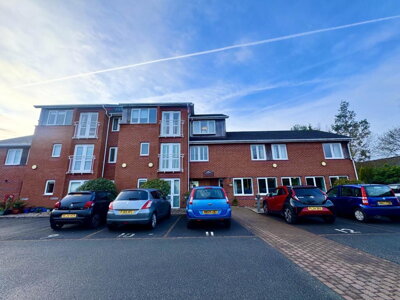
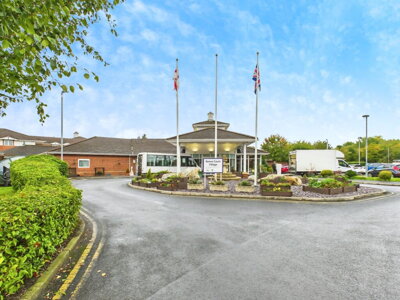
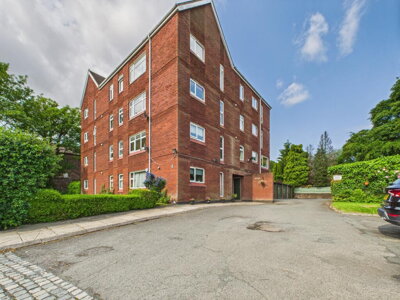
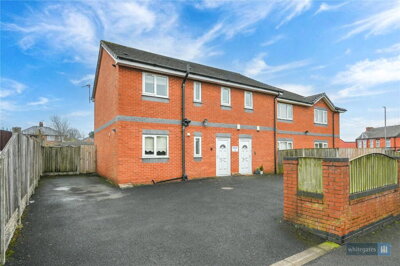
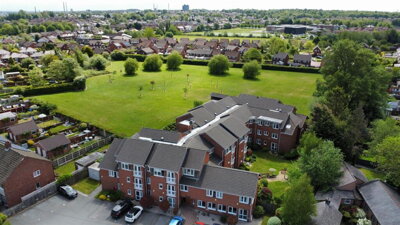
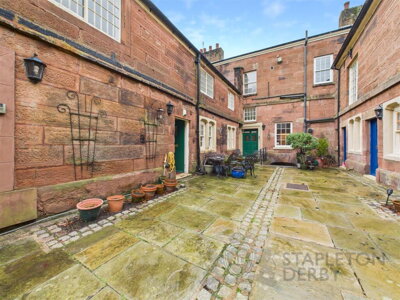
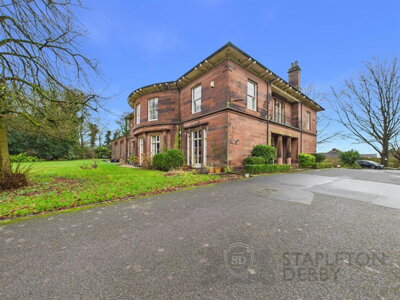
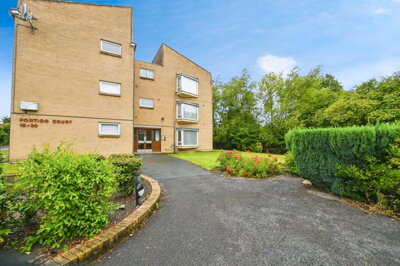
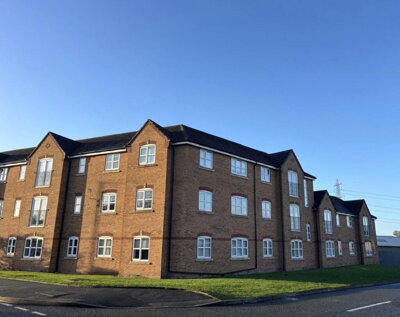
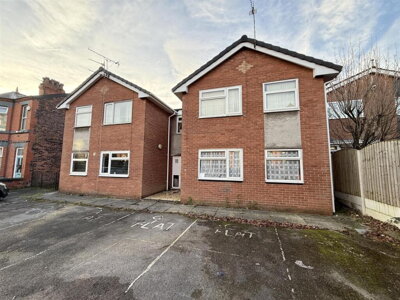
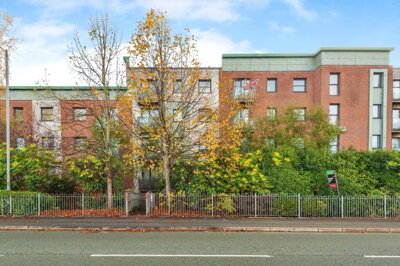
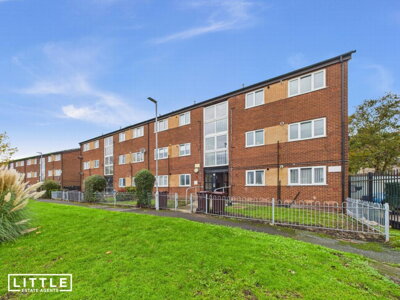
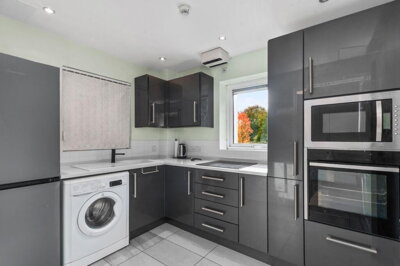
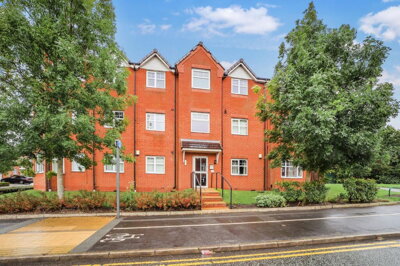
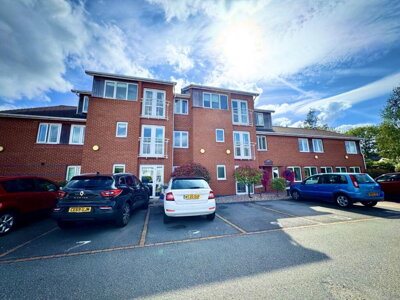
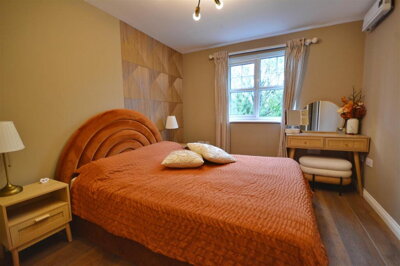
Browse 20 homes for sale in WA10 from local estate agents.
One bed apartments provide a separate bedroom alongside distinct living space, bathroom, and kitchen areas. Properties in WA10 are available in various building types including mansion blocks, contemporary developments, and house conversions.
£100k
4
0
65
Source: home.co.uk
Showing 4 results for 1 Bedroom Flats for sale in WA10. The median asking price is £100,000.
Source: home.co.uk
Flat
4 listings
Avg £97,750
Source: home.co.uk
Source: home.co.uk
The WA10 property market presents a balanced mix of housing types, with the local stock split fairly evenly between terraced properties at 39.5% and semi-detached homes at 39.0%, alongside smaller proportions of detached houses (12.0%) and flats (9.5%). This diverse housing stock means buyers can find everything from affordable terraced homes priced around £125,000 to substantial detached family houses reaching £308,800. Semi-detached properties, which dominate many residential streets, typically sell for around £190,000, offering excellent space for families at a mid-market price point.
Recent transaction data shows 319 property sales completed in WA10 over the past twelve months, indicating healthy market activity and reasonable liquidity for sellers. Three significant new build developments are currently active in the WA10 3RN postcode area, providing modern options for buyers seeking newly constructed homes. Keepmoat Homes offers properties from £169,995 at The Pastures, while Barratt Homes sells 3 and 4 bedroom homes from £229,995 at Spinners Brook, and David Wilson Homes has larger family homes available from £249,995 at The Broads development.
For buyers considering new build purchases in WA10, it is worth noting that developer incentives such as part-exchange schemes or help with stamp duty costs may be available on these developments. Properties at The Pastures, Spinners Brook and The Broads all benefit from modern construction standards including energy-efficient designs and contemporary layouts. However, buyers should budget for potential premium pricing compared to equivalent second-hand properties and consider whether the convenience of a new home outweighs the additional cost.

The WA10 postcode sits within St Helens, a town with a population of approximately 26,000 residents across 11,000 households. The area carries a proud industrial heritage, most famously associated with glass manufacturing through Pilkington Glass and historically with coal mining across the wider borough. This working-class roots have shaped a community character that remains evident today, with a friendly, down-to-earth atmosphere that newcomers often find welcoming and refreshingly genuine compared to more affluent suburban areas.
The property age distribution across WA10 reveals a predominantly established housing stock, with 80% of homes built before 1980, including a significant 25% of properties dating from the pre-1919 Victorian and Edwardian eras. Approximately 35% of housing was constructed during the post-war boom years of 1945-1980, while the remaining 20% represents more modern developments. This mix of period properties and post-war housing creates distinct character areas throughout the postcode, from charming terraced streets near the town centre conservation areas to quieter suburban cul-de-sacs in the surrounding neighbourhoods.
Properties in WA10 predominantly feature traditional brick construction, with red brick exteriors common on Victorian and Edwardian terraces, while post-war homes typically use cavity wall construction methods. Roofs across the area are generally pitched with slate or clay tile coverings, though some older properties may have original slate that requires careful inspection. Understanding the construction materials typical for each era helps buyers anticipate potential issues such as solid brick walls requiring different treatment to cavity construction, or the condition of original timber windows on period properties.
Healthcare facilities and educational institutions serve as major employers in the borough, providing stable employment that supports the local housing market and community sustainability. St Helens has seen continued investment in logistics and distribution operations given its strategic position between Liverpool and Manchester, creating additional employment opportunities. The ongoing regeneration of the town centre continues to attract new businesses and improve local amenities, enhancing the appeal of the WA10 area for both residents and property investors.

Education provision in WA10 serves families well, with a range of primary and secondary schools available within the postcode and immediate surrounding areas. The local school landscape reflects the demographics of the area, with many established institutions that have served generations of St Helens families. Parents searching for property in WA10 will find good options at both primary and secondary level, though understanding catchment areas remains important as schools in popular areas can fill quickly with demand from local residents.
The mixture of school types in WA10 includes community schools controlled by St Helens Council alongside faith schools with religious affiliations. Primary schools across the area cater to children from reception through to Year 6, with several well-regarded options located within convenient walking distance of residential areas. Secondary schools in and around WA10 serve the 11-16 age range, with some parents also considering sixth form provision or further education options at colleges in the wider St Helens area.
Given that approximately 80% of properties in WA10 were built before 1980, families purchasing period properties or post-war houses in the area should be aware that school catchments for these homes are typically well-established. The older housing stock in conservation areas near the town centre may fall within specific school catchment zones that differ from newer developments on the outskirts. Prospective buyers with school-age children should verify current catchment arrangements with St Helens Council before committing to a purchase, particularly when considering properties in the town centre conservation zones.
WA10 benefits from solid transport connections that make it practical for commuters working in nearby cities. The area sits within reach of the M6 motorway, providing straightforward road access to Liverpool, Manchester and the wider North West motorway network. For rail travel, St Helens Central station offers regular services, with journey times to Liverpool Lime Street typically around 30-40 minutes, making day-to-day commuting feasible for those working in the city.
Local bus services connect WA10 to other parts of St Helens and surrounding areas, providing essential connectivity for residents without private vehicles. Routes serve key destinations including St Helens Hospital, the town centre shopping areas, and connections to nearby towns such as Warrington and Wigan. The predominantly flat urban landscape of the area makes cycling a practical option for shorter local journeys, with several designated routes improving safety for cyclists.
Parking availability varies across the postcode, with the town centre offering public car parking while residential streets may have more limited on-street options depending on the specific neighbourhood. Properties in areas such as Thatto Heath and Eccleston tend to have more generous parking provision compared to denser terraced streets closer to the town centre. For commuters relying on rail services, properties within walking distance of St Helens Central station command a premium given the convenience factor, with station car parks also available for those driving to catch trains.
Spend time exploring different neighbourhoods within WA10, from terraced streets near the conservation areas to suburban locations closer to the motorway. Understanding property prices, local amenities and transport options will help you narrow down your search and set realistic expectations for your budget. Consider registering with local estate agents who operate in WA10 as they can alert you to new listings before they appear on public portals.
Before booking viewings, obtain a mortgage Agreement in Principle from a lender. This strengthens your position when making offers and demonstrates to sellers that you have financing in place. Current RICS Level 2 Survey costs in WA10 range from £400-£700 depending on property size, so factor these into your overall budget calculations when determining how much you can afford to borrow.
Book viewings on properties that match your criteria, taking time to assess the condition of homes and their surroundings. Given that 80% of WA10 properties predate 1980, be prepared to identify properties requiring renovation or maintenance work. Take photographs and notes during viewings to help compare properties later, and consider visiting at different times of day to assess noise levels and neighbour activity.
Once you have an offer accepted, arrange a comprehensive survey. Given the prevalence of clay geology and older properties in WA10, a Level 2 Survey is particularly valuable for identifying damp, timber defects, roof issues and potential subsidence concerns. For properties in conservation areas or those of unusual construction, a more detailed RICS Level 3 Building Survey may be more appropriate to assess specific risks.
Appoint a conveyancing solicitor to handle the legal aspects of your purchase, including searches related to flooding, mining history and local planning restrictions that may affect the property. Given St Helens mining heritage, a mining search is essential for WA10 properties to check for historical subsidence risks. Your solicitor will also investigate drainage, environmental factors and any planning proposals affecting the area.
Once all searches are satisfactory and your mortgage is finalized, you will exchange contracts and agree a completion date. On completion day, you will receive the keys to your new WA10 home. Arrange for buildings insurance to be in place from the moment contracts are exchanged, as this protects your investment during the final stages of the transaction.
Several area-specific factors warrant careful attention when purchasing property in WA10. The local geology presents a moderate to high shrink-swell risk due to glacial till deposits containing significant clay content, particularly affecting properties with shallow foundations. Properties with large trees nearby or those built on clay-prone ground may show signs of subsidence over time, so a thorough structural assessment is advisable for any home in these conditions. Common signs of subsidence include cracking to walls, doors and windows sticking, or uneven floors.
Flood risk deserves consideration in certain parts of WA10, especially properties located near the River Sankey and Black Brook tributaries, or in low-lying areas with historical surface water flooding issues. The area has seen instances of surface water flooding during periods of heavy rainfall, particularly in urban drainage catchment areas. Buyers should review flood risk data for the specific property address and consider whether appropriate flood resilience measures are in place. Properties in flood-risk zones may face higher insurance premiums and could require additional precautions.
The significant mining history of St Helens means that properties across parts of WA10 could be subject to ground instability issues from historical coal mining activity. While most mines are now closed, buyers should obtain a mining search as part of the conveyancing process. This search will identify any historical mining activity that might affect the property and any obligations on the Coal Authority. Properties within the Church Square or Victoria Square Conservation Areas also face planning restrictions on alterations and may require specialist surveys given their historical significance and traditional construction methods.
Given that 80% of WA10 properties predate 1980, buyers should expect and budget for common defects associated with older homes. These include rising damp from failed or absent damp proof courses, penetrating damp caused by defective rainwater goods or deteriorated pointing, and condensation issues resulting from outdated ventilation systems. Timber defects such as woodworm and wet or dry rot can affect structural elements and floors, while older electrical wiring and plumbing systems may require upgrading to meet current standards. A thorough RICS Level 2 Survey will identify these issues and help you negotiate appropriate remediation or price adjustments before completing your purchase.
The average property price in WA10 currently sits at approximately £194,500, with prices rising by 1.87% over the past twelve months. Detached properties command the highest prices at around £308,800, while semi-detached homes average £190,000. Terraced properties are more affordable at approximately £125,000 and flats start from around £90,000. This pricing makes WA10 particularly attractive for buyers seeking value compared to Liverpool and Manchester suburbs, where comparable properties often cost significantly more.
Properties in WA10 fall under St Helens Council jurisdiction. Most residential properties in the area range from council tax bands A through D, with band A being the lowest and most affordable. Band D properties typically pay around £1,800-£2,000 annually. The substantial number of terraced and semi-detached properties built during the 1945-1980 period means many homes fall into the lower to mid council tax bands, helping keep ongoing ownership costs manageable for buyers in this area.
WA10 offers a range of primary and secondary schools serving local families. The area has several well-established schools with good reputations, though specific school performance varies and parents should consult current Ofsted reports and performance tables. Catchment areas are determined by St Helens Council and can be competitive in popular areas. Given the mix of school types including community and faith schools, families should research options thoroughly before purchasing property to ensure alignment with school placements.
WA10 benefits from reasonable public transport links, with bus services connecting the area to other parts of St Helens and surrounding towns including regular routes to Warrington and Wigan. Rail access via St Helens Central station provides regular services to Liverpool, with journey times of approximately 30-40 minutes. The M6 motorway is easily accessible for car travel to Manchester, Liverpool and the wider North West. The town has seen investment in cycling infrastructure, making active travel viable for local journeys.
WA10 offers several investment considerations worth weighing carefully. The area provides genuine affordability with an average price of £194,500, and attractive rental yields may be achievable given local rental demand from tenants unable to access homeownership. The ongoing regeneration of St Helens town centre and diversification of the local economy beyond traditional manufacturing provides a positive outlook for future capital growth. The significant proportion of older properties may present opportunities for renovation projects that add value. However, investors should be aware of local mining history, flood risk in some areas and the importance of thorough surveys on period properties to avoid costly surprises.
For standard purchases in 2024-25, stamp duty rates are 0% on the first £250,000, 5% between £250,000 and £925,000, 10% between £925,000 and £1.5 million, and 12% above that. First-time buyers benefit from relief on the first £425,000, with 5% payable between £425,000 and £625,000. Given the average WA10 price of £194,500, most buyers would pay no stamp duty, while those purchasing new build properties from £169,995 onwards should budget for the applicable SDLT on amounts above the threshold.
Yes, WA10 includes parts of the Church Square Conservation Area and Victoria Square Conservation Area, both of which contain historically significant properties and architecture. Properties within these designated areas face planning restrictions on external alterations, extensions and demolitions, requiring consent from St Helens Council for significant works. These restrictions can affect how you develop or modify a property in future, though they also help preserve the character and value of the local area. Specialist surveys may be recommended for period properties in these conservation zones given their traditional construction methods.
The glacial till deposits underlying much of the WA10 area contain significant clay content, creating a moderate to high shrink-swell risk for properties in affected areas. This risk is particularly relevant for homes with shallow foundations or those with large trees nearby, as tree roots can draw moisture from the clay and cause it to shrink during dry periods. Properties showing signs of subsidence may require underpinning or other structural remediation, making thorough surveys essential before purchase. Insurance costs may also be higher for properties with identified subsidence risks.
From 4.5%
From 4.5% APR - Secure your financing before making an offer on your WA10 home
From £499
Expert legal support for your WA10 property purchase
From £400
Thorough inspection for WA10 properties, especially valuable for older homes
From £80
Energy performance certificate required for your new WA10 home
Understanding the full cost of purchasing property in WA10 extends beyond the listed price to include stamp duty, survey fees and legal costs. The current SDLT thresholds for 2024-25 start at 0% for the first £250,000 of a property purchase, making this threshold accessible for many WA10 buyers given the area's average price of £194,500. First-time buyers enjoy enhanced relief with 0% on the first £425,000, providing meaningful savings for those purchasing at the average price point or below.
Additional costs to budget for include a RICS Level 2 Survey, which typically costs between £400 and £700 in the WA10 area depending on property size and value. Given that approximately 80% of homes in WA10 were built before 1980, a thorough survey is particularly important to identify defects common to older properties, including damp, timber issues, roof deterioration and potential subsidence related to local clay geology. Legal fees for conveyancing typically start from around £499 for standard transactions, though more complex purchases involving conservation area properties or leasehold flats may cost more.
When budgeting for your WA10 purchase, remember to account for removal costs, potential renovation work if purchasing a period property requiring updating, and ongoing costs such as council tax and buildings insurance. Properties in flood-risk areas or former mining zones may have higher insurance premiums. By planning for these costs upfront, you can approach your property purchase with confidence and avoid financial surprises during the transaction process.
Properties for Sale In London

Properties for Sale In Plymouth

Properties for Sale In Liverpool

Properties for Sale In Glasgow

Properties for Sale In Sheffield

Properties for Sale In Edinburgh

Properties for Sale In Coventry

Properties for Sale In Bradford

Properties for Sale In Manchester

Properties for Sale In Birmingham

Properties for Sale In Bristol

Properties for Sale In Oxford

Properties for Sale In Leicester

Properties for Sale In Newcastle

Properties for Sale In Leeds

Properties for Sale In Southampton

Properties for Sale In Cardiff

Properties for Sale In Nottingham

Properties for Sale In Norwich

Properties for Sale In Brighton

Properties for Sale In Derby

Properties for Sale In Portsmouth

Properties for Sale In Northampton

Properties for Sale In Milton Keynes

Properties for Sale In Bournemouth

Properties for Sale In Bolton

Properties for Sale In Swansea

Properties for Sale In Swindon

Properties for Sale In Peterborough

Properties for Sale In Wolverhampton

Enter your details to see if this property is within your budget.
Loans, cards, car finance
Estimated property budget
Borrowing + deposit
You could borrow between
Typical borrowing
Monthly repayment
Est. at 4.5%
Loan-to-value
This is an estimate only. Your actual budget may vary depending on interest rates, credit history, and personal circumstances. For an accurate affordability assessment, speak to one of our free mortgage advisors.
This calculator provides estimates for illustrative purposes only and does not constitute financial advice. Your home may be repossessed if you do not keep up repayments on your mortgage. Estimates based on 4.5% interest rate, repayment mortgage. Actual rates depend on your circumstances.
Homemove is a trading name of HM Haus Group Ltd (Company No. 13873779, registered in England & Wales). Homemove Mortgages Ltd (Company No. 15947693) is an Appointed Representative of TMG Direct Limited, trading as TMG Mortgage Network, which is authorised and regulated by the Financial Conduct Authority (FRN 786245). Homemove Mortgages Ltd is entered on the FCA Register as an Appointed Representative (FRN 1022429). You can check registrations at NewRegister or by calling 0800 111 6768.

We use cookies to show you personalised content and improve your experience of our website. Find out more in our Privacy policy and Cookie policy.