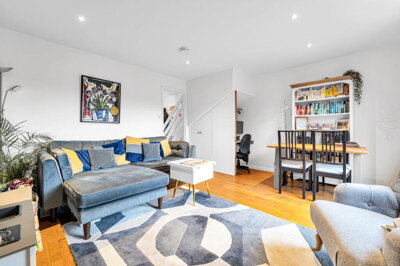
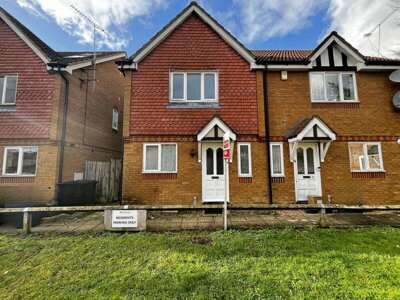
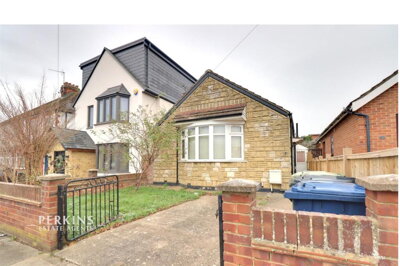
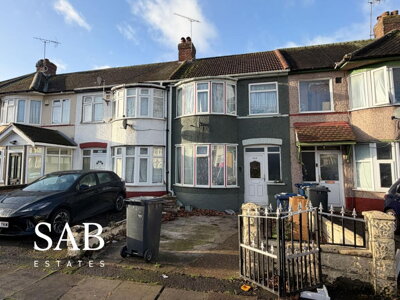
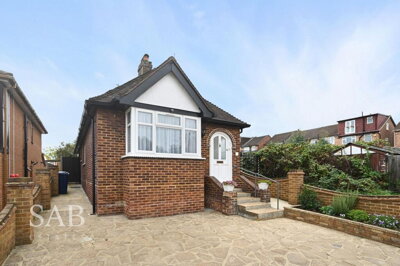
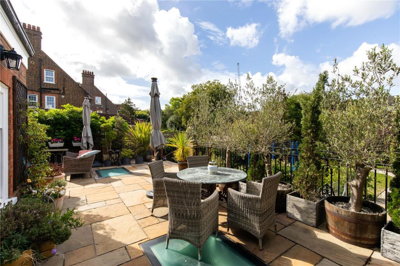
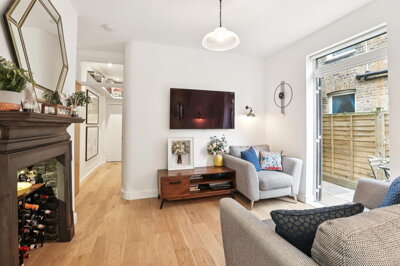
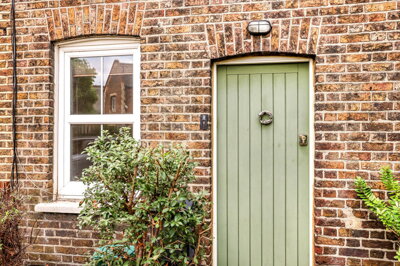
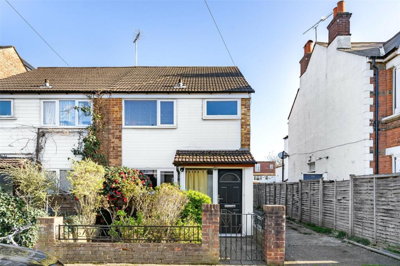
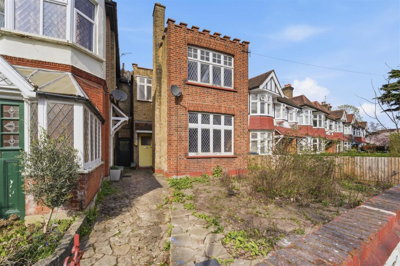
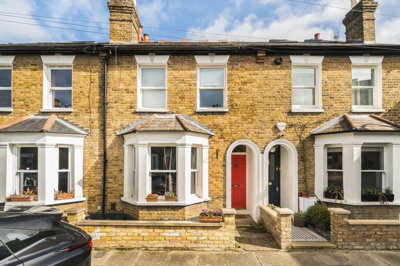
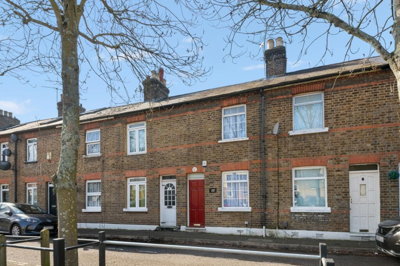
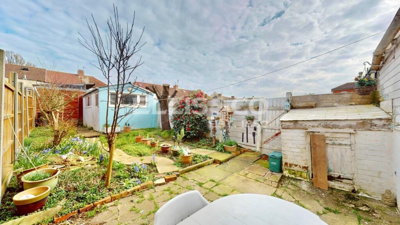
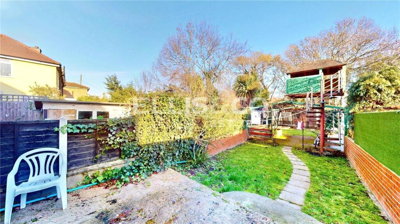
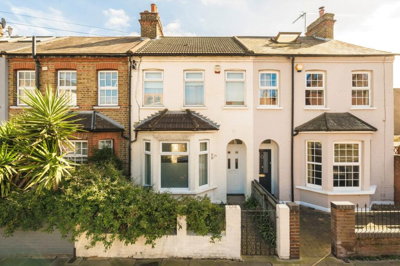
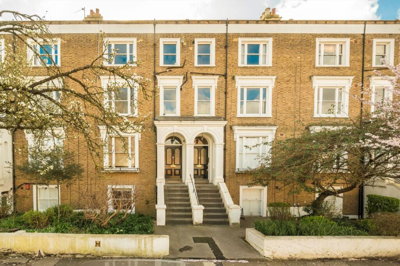
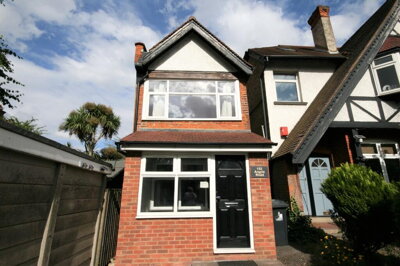
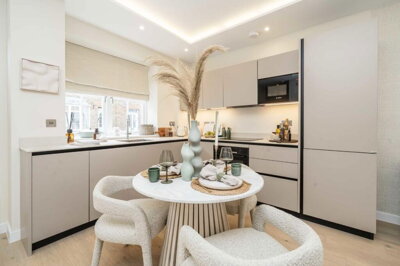
Browse 121 homes for sale in W7 from local estate agents.
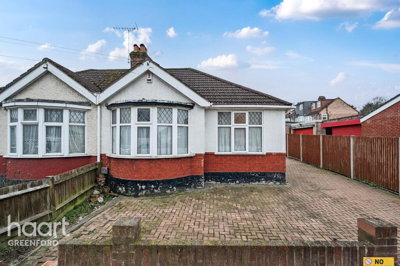
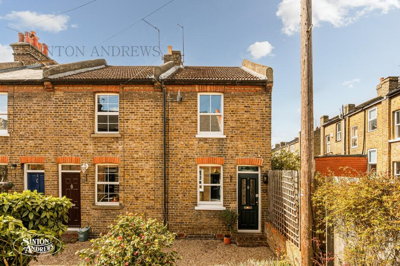
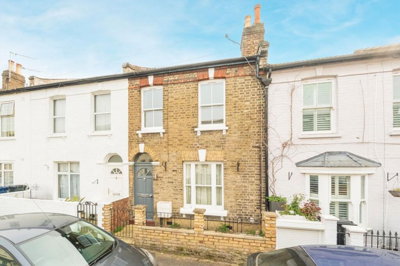
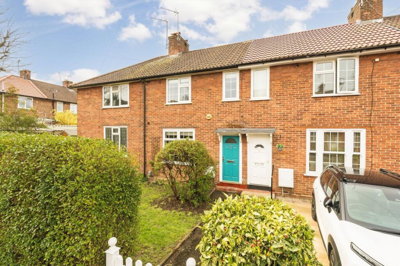
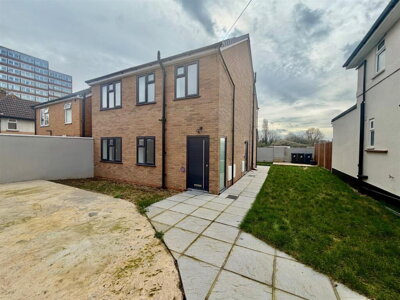
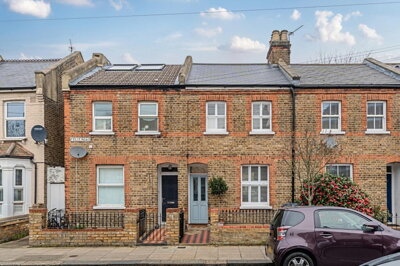
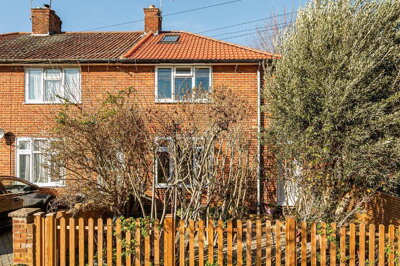
The 2 bed house market features detached, semi-detached, and terraced properties with two separate bedrooms plus living spaces. Properties in W7 range from Victorian and Edwardian period homes to modern new builds, with pricing varying across different neighbourhoods.
£600k
13
0
130
Source: home.co.uk
Showing 13 results for 2 Bedroom Houses for sale in W7. The median asking price is £599,950.
Source: home.co.uk
Terraced
10 listings
Avg £567,495
Semi-Detached
3 listings
Avg £620,000
Source: home.co.uk
Source: home.co.uk
The W7 property market reflects the broader trends affecting West London, with overall prices seeing a modest adjustment of -2.35% over the past 12 months. Despite this gentle correction, the area maintains its appeal with a healthy transaction volume of 237 property sales recorded in the last year. The current average property price stands at £677,933, positioning W7 as competitive within the London market while offering relative value compared to more central postcodes. Buyers are finding opportunities across all segments, from affordably priced flats to substantial family homes with generous proportions.
Property types in W7 are varied, with the Victorian and Edwardian housing stock dominating the residential landscape. Semi-detached houses command an average of £818,485, offering the space and character that families particularly prize. Terraced properties average £642,393, presenting an attractive entry point into this established neighbourhood. Flats provide the most accessible entry point from £382,606, often found within converted period properties or purpose-built blocks. Detached properties, though less common in this predominantly terraced and semi-detached area, achieve the highest values averaging £1,234,312, typically situated in more private pockets of the postcode.
Looking at price trends across different property types, the data reveals varying market conditions. Detached properties have shown the most resilience with a 12-month decline of just -0.99%, while semi-detached houses fell by -1.04%. Terraced properties saw a larger correction of -2.99%, with flats experiencing the most significant adjustment at -3.88%. These figures suggest that larger family homes have retained their value more strongly, potentially reflecting sustained demand from families prioritising space and the character that period properties offer.
Nearby developments such as St Bernard's Gate in Southall and The Green Quarter by Berkeley Group influence buyer perceptions of the wider area, offering new build alternatives for those seeking modern specifications. Prices at these adjacent developments range from approximately £325,000 for one-bedroom apartments to over £700,000 for larger houses. While technically in adjacent postcodes, these schemes expand the housing choice available to W7 buyers and contribute to the overall regeneration of the Hanwell and Southall corridor.

W7 encompasses the vibrant community of Hanwell, a characterful West London neighbourhood with roots stretching back centuries. The area is home to approximately 28,767 residents across roughly 10,750 households, creating a tight-knit community atmosphere where local shops, cafes, and pubs serve as gathering points for neighbours. The Hanwell high street retains much of its historic charm, with independent retailers complementing essential amenities. The area boasts several conservation areas including Hanwell Village, Golden Manor, Cuckoo Estate, and St Mark's and St Dunstan's, each preserving distinct periods of the area's architectural development and protecting the Victorian and Edwardian character that defines much of the streetscape.
Green spaces contribute significantly to W7's appeal, with Brent Valley Golf Course providing recreational opportunities and open green corridors threading through the urban fabric. Hanwell Zoo, situated within the grounds of a historic estate, offers family-friendly entertainment while maintaining the area's leafy feel. The Grand Union Canal passes nearby, providing scenic walking and cycling routes connecting residents to the wider West London area. The Cuckoo Estate, one of the earliest garden city-inspired developments in London, demonstrates the area's long history of thoughtful urban planning and remains a distinctive enclave within the postcode.
The architectural character of W7 reflects its Victorian and Edwardian heritage, with London stock brick, red brick, and render dominating the external appearance of period properties. Roofs typically feature slate or clay tiles, contributing to the cohesive visual identity of the streetscapes. Properties built before 1919 constitute a very significant proportion of the housing stock, with inter-war developments (1919-1945) and post-war infill completing the picture. Numerous listed buildings, including Grade II and some Grade II* structures, punctuate the area around historic landmarks such as St Mary's Church and the Hanwell Viaduct, preserving the neighbourhood's heritage for future generations.
The River Brent flows through parts of W7, creating both an amenity and a consideration for property buyers. Flood risk awareness is important for properties situated near the river or in low-lying areas, and we recommend reviewing Environment Agency flood maps and obtaining appropriate insurance quotes before committing to a purchase in affected streets. Surface water flooding can also occur during heavy rainfall events, particularly in areas where drainage systems may be overwhelmed, so understanding the specific location's flood history is valuable due diligence.

Understanding how properties in W7 were constructed helps buyers appreciate both their character and their potential maintenance requirements. The predominant Victorian and Edwardian housing stock was built using traditional methods that differ substantially from modern construction. Solid brick walls, typically 9 inches thick in Victorian properties and sometimes 13.5 inches in larger Edwardian homes, lack the cavity insulation found in more modern buildings. These solid walls breathe differently than contemporary constructions, meaning moisture management and ventilation require different approaches.
Timber suspended floors were standard in period properties throughout Hanwell, with ground floors constructed from timber joists supported by brick piers or sleeper walls. These floors can suffer from dampness and timber decay if sub-floor ventilation is inadequate or if rising damp affects the supporting structure. Understanding the condition of these floors is particularly important for buyers, as repairs can be substantial. Roof construction typically uses timber cut roofs with slate or clay tile coverings, and the age of many properties means original roof structures may be approaching or beyond their expected lifespan.
The London Clay geology underlying much of W7 presents specific considerations for property buyers. This highly shrinkable clay creates moderate to high shrink-swell risks, particularly for properties with shallow strip foundations typical of Victorian and Edwardian construction. Properties situated near mature trees are especially vulnerable to foundation movement as tree roots extract moisture from the clay, causing it to shrink. During periods of heavy rainfall, the clay absorbs water and expands, potentially causing heave in foundations already compromised by previous drying. This ground movement can manifest as cracking in walls, particularly diagonal cracks around door and window openings.
Education provision in W7 serves families well, with a range of primary and secondary options within the postcode and immediate surrounding area. The area features several well-established primary schools that serve local catchment areas, with many achieving good Ofsted ratings and maintaining strong reputations among parents. Secondary education options include both comprehensive and selective schools, with some families pursuing places at grammar schools in neighbouring boroughs. The proximity to Ealing's excellent educational institutions adds further choice for W7 residents, with several notable secondary schools within reasonable commuting distance.
Primary schools within and near W7 serve distinct catchment zones that can significantly affect which properties appeal to families. Schools such as St Joseph's Catholic Primary School and Our Lady of the Visitation Catholic Primary School provide faith-based education options, while state primary schools serve secular families across different neighbourhoods. Many parents specifically target properties within the Golden Manor or Cuckoo Estate conservation areas when seeking places at particular schools, as catchment boundaries often align closely with these established neighbourhoods.
For families considering W7, researching specific school catchment areas before purchasing is essential, as property values can vary significantly between school admission zones. Several primary schools in the area have earned recognition for their academic standards and community involvement. Secondary schools in the vicinity include both local authority schools and faith-based establishments, providing diverse educational philosophies to suit different family preferences. Sixth form and further education options are readily accessible in nearby Ealing and West London, with strong transport connections enabling older students to access a wider range of specialist courses and career pathways.
The predominantly older housing stock means that many schools in the area occupy historic buildings with characterful architecture, creating distinctive learning environments for children. Families moving to W7 should note that school admission policies can be highly competitive in popular areas, with catchment boundaries potentially making a significant difference to acceptance chances. Early engagement with the admissions process and careful property selection within preferred school zones can greatly improve the likelihood of securing places at oversubscribed schools. Properties near good schools often command premiums, so factoring education into property search criteria from the outset helps buyers make informed decisions about areas and budgets.
Transport connectivity from W7 has been transformed by the Elizabeth Line, which serves Hanwell station and provides swift access to central London and beyond. The journey to Bond Street takes approximately 25 minutes, while Canary Wharf is reachable in around 35 minutes, making W7 particularly attractive to commuters working in the City, West End, or Canary Wharf. Heathrow Airport is accessible in approximately 30 minutes via the Elizabeth Line, positioning the area well for frequent travellers and those working in aviation or international business sectors. The station also provides convenient connections to Reading and Shenfield, opening up the wider South East for weekend escapes or business travel.
Beyond rail services, bus connections throughout W7 provide access to surrounding areas including Ealing Broadway, Southall, and Brentford. The E1 bus route connects Hanwell directly to Ealing Broadway, while services to Southall provide access to the broader shopping and cultural amenities of that area. The A406 North Circular Road passes through the area, providing road connections to the wider London road network and connections to the M4 and M40 motorways for those travelling further afield or requiring car travel. Cyclists benefit from dedicated cycling infrastructure along key routes, while the Grand Union Canal towpath offers traffic-free routes for leisure cycling and walking. Local parking provisions vary by street, with permit schemes operating in certain areas to manage demand.
The enhancement of Elizabeth Line services has made W7 increasingly popular with professionals who previously might have considered more expensive central London postcodes. Property values in the immediate vicinity of Hanwell station have shown particular resilience, with the improved connectivity translating into sustained demand for homes within easy walking distance of the platforms. For buyers prioritising commuting convenience, properties near the station command a premium but offer compelling lifestyle benefits in return. The cycle-friendly nature of the area, with connections to the canal towpath and dedicated lanes on main routes, provides attractive options for those seeking alternatives to rail commuting.
Explore current listings across different property types and price points to understand what your budget can achieve in your preferred neighbourhood. Consider factors such as proximity to transport, schools, and local amenities when narrowing your search areas within W7. Use online property portals and local estate agent websites to build a picture of what is available at your price point, and attend open viewings where possible to develop your knowledge of different streets and property conditions.
Once you have identified suitable properties, arrange viewings and simultaneously obtain a mortgage agreement in principle from a lender. Having your finances confirmed strengthens your position when making offers and demonstrates serious intent to sellers. In W7's competitive market, having a mortgage agreement in principle can make the difference between securing a property and losing out to another buyer. Contact several lenders or use a mortgage broker to compare rates and find the best deal for your circumstances.
When you find your ideal property, submit an offer through the estate agent. Upon acceptance, instruct a conveyancing solicitor to handle the legal aspects of your purchase, including searches, contracts, and registration. For W7 properties, your solicitor will need experience with period properties and should be familiar with conservation area requirements and listed building considerations. Request quotes from several conveyancing providers to compare costs and turnaround times.
Commission an RICS Level 2 Survey to assess the property's condition, particularly important for W7's predominantly older housing stock where defects such as damp, roof issues, or subsidence may be present. Given the London Clay geology in parts of W7, consider whether a more comprehensive RICS Level 3 Survey would be appropriate for properties near large trees or with visible cracking. Your solicitor will also complete local authority, drainage, and environmental searches, including flood risk assessments for properties near the River Brent.
Once all searches are satisfactory and finances are confirmed, you will exchange contracts and pay your deposit. Completion typically follows within weeks, when the remaining balance is transferred and you receive the keys to your new W7 home. On completion day, collect keys from the estate agent and arrange for your removal company to deliver belongings to the property. Consider arranging utility transfers and redirecting mail well in advance.
Purchasing property in W7 requires careful attention to the area's specific characteristics, starting with the predominant London Clay geology that creates moderate to high shrink-swell risks for foundations. Properties with shallow foundations or those situated near mature trees may be susceptible to ground movement, potentially manifesting as cracking or subsidence issues. A thorough survey is essential for identifying such concerns before completion, and for listed buildings or properties in poor condition, a more comprehensive assessment may be advisable. Understanding the property's drainage history and proximity to trees will help you assess the true condition and any potential future maintenance requirements.
The presence of multiple conservation areas within W7 means that many properties are subject to planning restrictions that limit permitted development rights. If you are considering making alterations, extending, or undertaking significant works, you will need to obtain planning permission from Ealing Council, which may have specific requirements regarding materials, scale, and design to preserve the street scene. Properties within these designated areas may also carry obligations regarding maintenance of period features. Listed buildings, which include structures around St Mary's Church and the Hanwell Viaduct, are subject to additional controls that affect what works can be undertaken without Listed Building Consent from the council.
For period properties common throughout W7, attention should be paid to the condition of original features such as sash windows, ornate cornicing, and fireplaces, which contribute to the property's character but may require maintenance or restoration. Electrical and plumbing systems in older properties frequently fall short of current standards and often require upgrading, a cost that should be factored into your budget. The lack of modern insulation in many Victorian and Edwardian homes affects both comfort levels and energy efficiency, potentially leading to higher utility bills and suggesting opportunities for improvement works that could add value to the property.
Properties near the River Brent warrant particular attention regarding flood risk. Review Environment Agency flood maps for the specific location, and check whether the property has been affected by flooding in the past. Buildings insurance costs may be higher in flood-risk areas, and mortgage lenders may have specific requirements for properties in high-risk zones. Properties with basement or cellar areas require especially careful consideration, as these are most vulnerable to flooding from both fluvial and surface water sources. Asking vendors about any historical flooding and reviewing local drainage records forms an important part of due diligence.
The current average property price in W7 stands at £677,933, based on recent sales data. Property types vary significantly in price, with flats averaging £382,606, terraced houses at £642,393, semi-detached properties at £818,485, and detached houses reaching £1,234,312 on average. The market has seen a modest price correction of approximately 2.35% over the past 12 months, creating opportunities for buyers in this well-connected West London postcode. Price trends vary by property type, with detached properties showing the strongest resilience and flats experiencing the largest adjustment.
Properties in W7 fall under Ealing Council's jurisdiction and are assigned council tax bands ranging from A through to H, depending on the property's valuation. Band A properties carry the lowest annual charges while Band H properties attract the highest rates. For a typical terraced property in W7, you might expect a Band C or D rating, while larger semi-detached or detached homes often fall into Bands D or E. You can verify the specific band for any property through the Valuation Office Agency website or your solicitor will confirm this during the conveyancing process.
W7 offers several well-regarded primary schools serving local catchment areas, with many parents particularly valuing schools within or near the conservation areas for their community-focused approach. Primary schools include St Joseph's Catholic Primary School and Our Lady of the Visitation Catholic Primary School for families seeking faith-based education, alongside strong state options. Secondary education options in the vicinity include both comprehensive and faith schools, with access to grammar schools in neighbouring boroughs for academically selective families. The proximity to Ealing's educational hub provides additional options for families seeking specialist subjects or particular educational philosophies at secondary and sixth form level.
W7 enjoys excellent public transport connectivity, primarily through Hanwell station which operates Elizabeth Line services to central London, Canary Wharf, Heathrow Airport, and the wider South East. Journey times to Bond Street take approximately 25 minutes, making the daily commute highly manageable. The E1 bus route connects directly to Ealing Broadway, while services to Southall provide access to the broader amenities of that area. The Grand Union Canal offers traffic-free routes for cyclists and pedestrians, with connections to the wider West London greenway network.
W7 demonstrates several characteristics attractive to property investors, including strong transport connectivity via the Elizabeth Line, a stable community with consistent demand from buyers and renters, and relative affordability versus more central London postcodes. The average rent for a 3-bedroom property in W7 typically ranges from £1,800 to £2,400 per month, depending on condition and exact location. The ongoing regeneration in adjacent areas such as Southall, including developments like The Green Quarter and St Bernard's Gate, may have positive knock-on effects for property values in W7. However, investors should note the modest recent price correction in the market and factor in potential maintenance costs for period properties when calculating yields.
For standard purchases, stamp duty land tax applies at 0% on the first £250,000 of property value, 5% on the portion from £250,001 to £925,000, 10% on the portion from £925,001 to £1,500,000, and 12% on any amount exceeding £1,500,000. First-time buyers may benefit from relief on the first £425,000, paying 5% on the portion between £425,001 and £625,000, with no relief available above £625,000. For an example calculation on a typical W7 terraced property at £642,393, a first-time buyer would pay no duty on the first £425,000, then 5% on the remaining £217,393, totalling £10,869.65 in SDLT.
Given W7's predominantly Victorian and Edwardian housing stock, common defects include damp issues (rising, penetrating, and condensation), roof deterioration affecting slate or clay tiles, and timber defects such as woodworm or rot in floor and roof timbers. The London Clay geology creates potential for subsidence or heave, particularly near large trees where foundation movement is most likely. Many period properties also have outdated electrical wiring and plumbing systems requiring modernisation, and original lead pipes may still be present in the oldest properties. A comprehensive RICS Level 2 Survey will identify these issues before you commit to purchase, and for properties with significant defects, a full RICS Level 3 Survey provides more detailed analysis and advice.
Budgeting for your W7 purchase requires careful consideration of all associated costs beyond the property price itself. Stamp duty land tax represents a significant expenditure, with rates calculated on a tiered basis from 0% on the first £250,000 rising to 12% on any portion exceeding £1,500,000 for standard purchases. First-time buyers benefit from enhanced thresholds, paying no stamp duty on the first £425,000 and reduced rates up to £625,000. Your solicitor will calculate the precise SDLT liability based on your purchase price and buyer status, ensuring you have sufficient funds available at completion.
Additional purchase costs include solicitor fees typically ranging from £499 for standard transactions to £1,500 or more for complex purchases, particularly those involving listed buildings or conservation area properties where additional due diligence is required. Survey costs range from £500 for an RICS Level 2 Survey on a typical W7 property to £800 or more for larger homes or properties requiring more detailed assessment. Removal expenses vary according to the volume of belongings being moved and distance travelled. Mortgage arrangement fees often apply, ranging from free to 2% of the loan amount depending on the deal selected, and booking fees of around £200-£250 are typically charged by lenders.
Buildings insurance must be in place from completion, with premiums in W7 varying based on property type, value, and specific risk factors including flood risk for properties near the River Brent. Local authority searches, drainage searches, and environmental searches collectively typically cost £300-£500. Land Registry fees for registration and search fees of approximately £6-£12 enable your solicitor to register the property in your name upon completion. Setting aside a contingency fund equivalent to 5-10% of the property price for unexpected works identified in surveys or unforeseen complications is strongly advisable for period property purchases in W7, where older construction methods mean maintenance requirements can be more substantial than with modern properties.
For properties in W7's conservation areas or listed buildings, additional costs may arise including specialist surveys beyond a standard RICS Level 2 assessment, heritage consultant fees if undertaking restoration works, and potentially higher insurance premiums due to the age and character of period properties. Energy Performance Certificate costs are typically modest at £100-£150 but represent another item for the moving budget. If you are purchasing with a Help to Buy equity loan, additional valuation fees and legal work will be required, and your solicitor should be familiar with the specific requirements of the scheme operated by Homes England.
Expert mortgage advice tailored to your situation
From 3.5% APR
Property legal experts to handle your W7 purchase
From £499
Professional survey for W7 properties
From £500
Detailed building survey for complex properties
From £800
Properties for Sale In London

Properties for Sale In Plymouth

Properties for Sale In Liverpool

Properties for Sale In Glasgow

Properties for Sale In Sheffield

Properties for Sale In Edinburgh

Properties for Sale In Coventry

Properties for Sale In Bradford

Properties for Sale In Manchester

Properties for Sale In Birmingham

Properties for Sale In Bristol

Properties for Sale In Oxford

Properties for Sale In Leicester

Properties for Sale In Newcastle

Properties for Sale In Leeds

Properties for Sale In Southampton

Properties for Sale In Cardiff

Properties for Sale In Nottingham

Properties for Sale In Norwich

Properties for Sale In Brighton

Properties for Sale In Derby

Properties for Sale In Portsmouth

Properties for Sale In Northampton

Properties for Sale In Milton Keynes

Properties for Sale In Bournemouth

Properties for Sale In Bolton

Properties for Sale In Swansea

Properties for Sale In Swindon

Properties for Sale In Peterborough

Properties for Sale In Wolverhampton

Enter your details to see if this property is within your budget.
Loans, cards, car finance
Estimated property budget
Borrowing + deposit
You could borrow between
Typical borrowing
Monthly repayment
Est. at 4.5%
Loan-to-value
This is an estimate only. Your actual budget may vary depending on interest rates, credit history, and personal circumstances. For an accurate affordability assessment, speak to one of our free mortgage advisors.
This calculator provides estimates for illustrative purposes only and does not constitute financial advice. Your home may be repossessed if you do not keep up repayments on your mortgage. Estimates based on 4.5% interest rate, repayment mortgage. Actual rates depend on your circumstances.
Homemove is a trading name of HM Haus Group Ltd (Company No. 13873779, registered in England & Wales). Homemove Mortgages Ltd (Company No. 15947693) is an Appointed Representative of TMG Direct Limited, trading as TMG Mortgage Network, which is authorised and regulated by the Financial Conduct Authority (FRN 786245). Homemove Mortgages Ltd is entered on the FCA Register as an Appointed Representative (FRN 1022429). You can check registrations at NewRegister or by calling 0800 111 6768.

We use cookies to show you personalised content and improve your experience of our website. Find out more in our Privacy policy and Cookie policy.