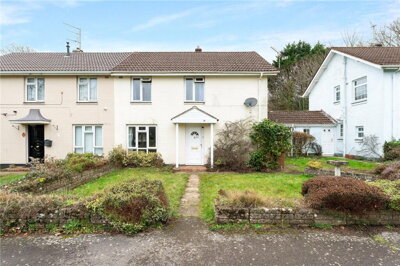
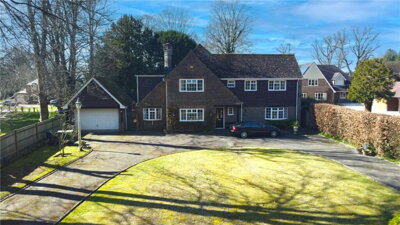
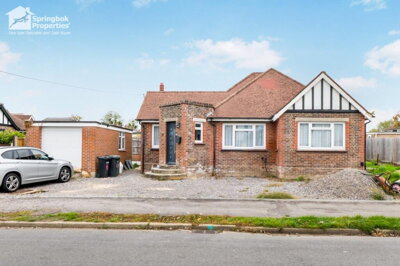
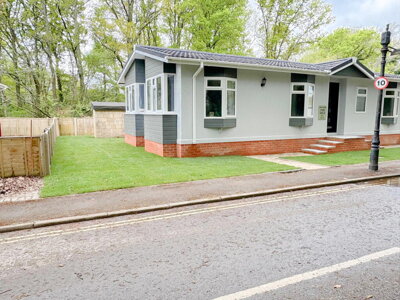
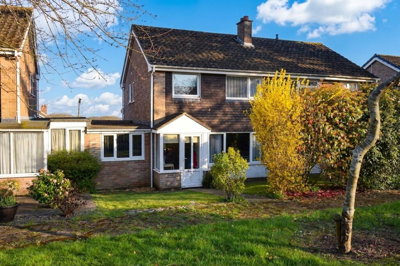
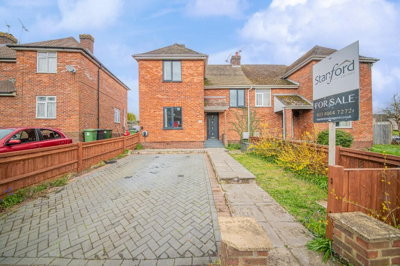
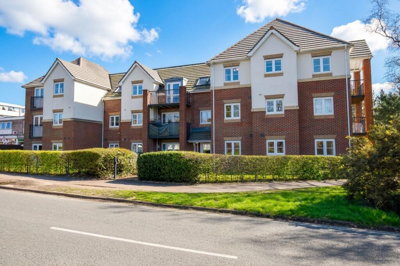
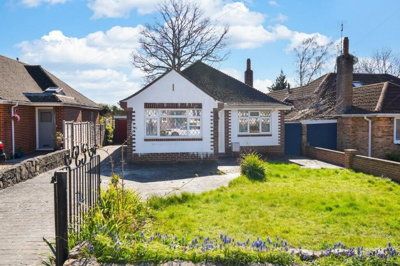
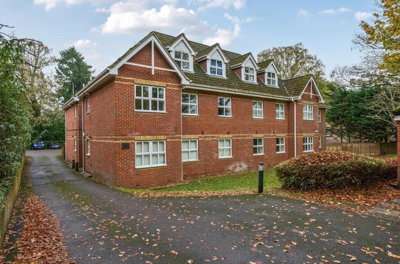
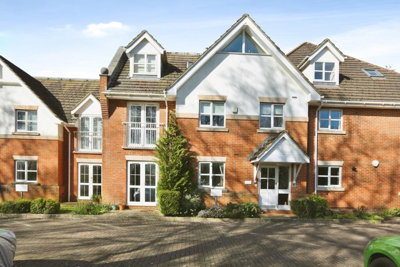
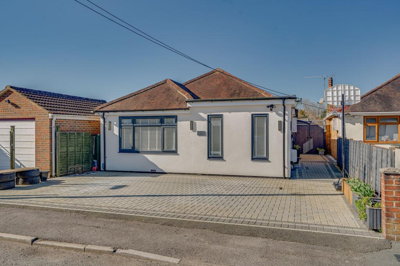
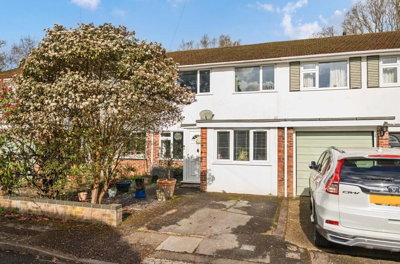
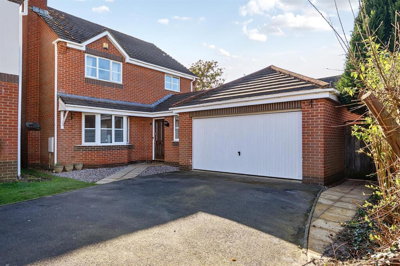
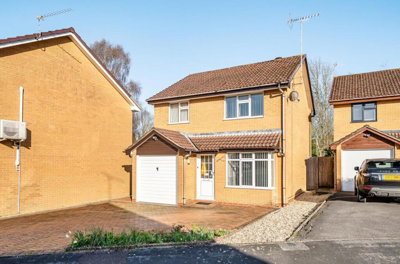
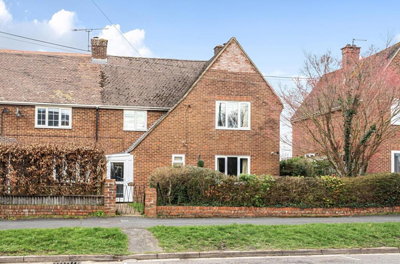
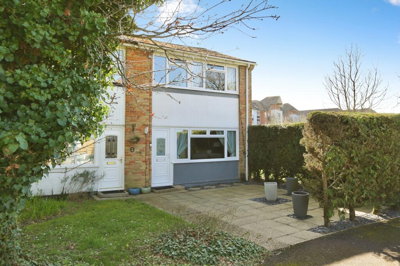
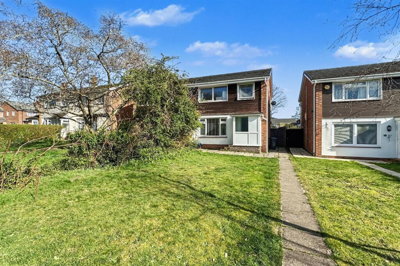
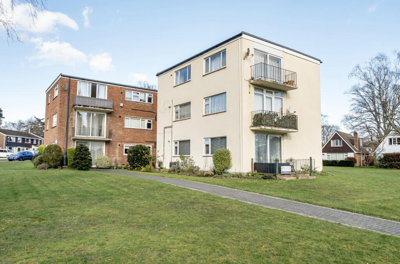
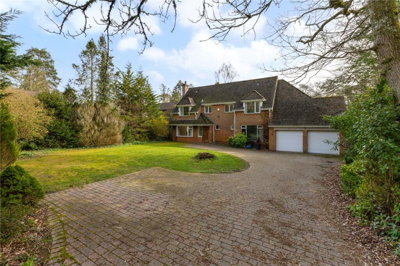
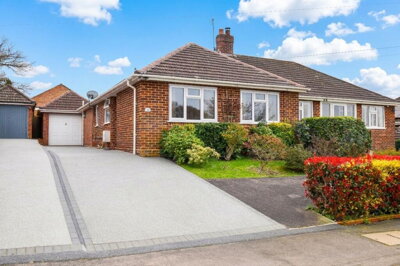
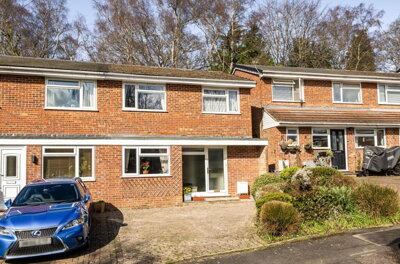
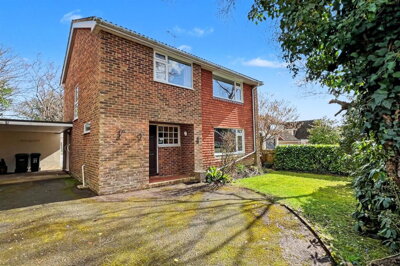
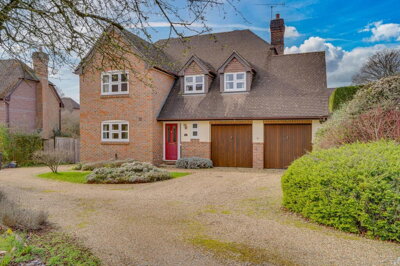
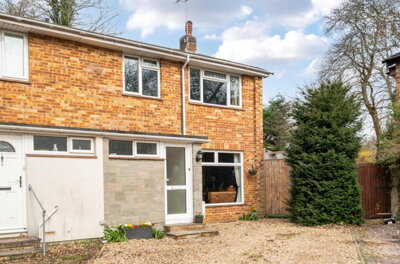
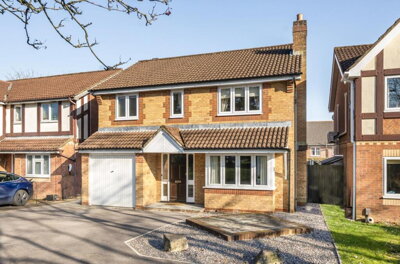
Browse 366 homes for sale in Valley Park from local estate agents.
Sgeir Phlocach represents the raw, unspoiled nature of Scotland's western seaboard. The name derives from the Scottish Gaelic "sgeir," meaning skerry or rocky outcrop, indicating this is a small islet emerging from the Atlantic waters rather than a location suitable for permanent habitation. Similar islets in the Hebridean archipelago, including Sula Sgeir approximately forty nautical miles north of Lewis, are renowned for their bird populations and dramatic coastal scenery but lack the infrastructure for permanent human habitation. These remote Atlantic outposts offer extraordinary natural beauty but present significant practical challenges including absence of fresh water sources and exposure to severe weather conditions.
For property buyers, the reality is that residential searches in this immediate vicinity will need to focus on the inhabited communities within Argyll and Bute. The region includes numerous islands and coastal communities where people have lived for centuries, building vibrant communities despite the challenges of island geography. Places like Rothesay on Bute, Tarbert on the Kintyre peninsula, and Oban on the mainland coast offer established residential property markets with amenities, schools, and transport connections that make daily life practical and rewarding.

The Argyll and Bute property market has demonstrated steady growth in recent years as more buyers discover the appeal of Scottish island and coastal living. Detached properties with sea views and beach access command premium prices, while traditional cottages in village settings offer more accessible entry points to the market. The proportion of older properties in the housing stock is substantial, with many homes built using traditional methods and local materials that reflect the architectural heritage of the west coast. Period properties often feature stone construction, particularly in areas where local stone was readily available, while newer developments have introduced contemporary designs that complement rather than dominate the natural landscape.
Property types in Argyll and Bute span a diverse range to suit different budgets and preferences. Traditional semi-detached houses dominate many village high streets, providing practical family homes at realistic prices. Detached bungalows and houses are popular among buyers seeking single-level living with garden space and views across the water. Holiday homes and second properties form a notable segment of the market, particularly in coastal villages and on the islands, which has influenced both availability and pricing in certain communities. Flats are available in town centres and purpose-built developments, though they represent a smaller proportion of the overall housing stock compared to suburban areas elsewhere in Scotland.

Life in Argyll and Bute revolves around the sea and the dramatic landscape that defines this corner of Scotland. The population of the council area includes long-established island communities whose ancestors have lived off the land and sea for generations, alongside more recent arrivals who have chosen to relocate from urban centres seeking a different quality of life. The demographics show a balanced mix of families, working-age adults, and retirees, with community spirit running strong in villages and towns where neighbours know one another and local events bring people together throughout the year. The area attracts those who value outdoor pursuits including sailing, fishing, walking, and wildlife watching, as well as creative professionals who find inspiration in the ever-changing light and dramatic scenery.
Local amenities vary by community but typically include village shops, pubs serving local food and drink, and community facilities that serve as social hubs. Larger settlements like Rothesay offer a fuller range of services including supermarkets, healthcare facilities, and secondary schooling. The landscape ranges from rolling hills and forests to rocky coastlines and pristine beaches, with the geology of the region dominated by ancient Lewisian Gneiss, some of the oldest rock in Britain dating back nearly three billion years. The coastal location means that weather can be changeable, with Atlantic systems bringing both rain and the dramatic storm scenes that make the west coast so spectacular.
Employment opportunities in Argyll and Bute tend to centre on tourism, fishing, agriculture, and the public sector including healthcare and education. Many residents combine multiple income sources, with some working remotely for businesses based elsewhere. The cost of living in island communities includes considerations such as ferry travel costs, potential import costs for goods not locally available, and higher energy costs for some properties off the gas network. However, the lower property prices compared to many parts of Scotland and the exceptional quality of life offset these additional expenses for those who value the island lifestyle.
Schools in Argyll and Bute serve island and coastal communities across a wide geographic area, with education provision adapted to the realities of rural and island geography. Primary schools in smaller communities provide early education with the benefit of small class sizes and strong community connections, while larger settlements host primary schools that feed into secondary institutions. The quality of education provision is monitored through standard Scottish inspection processes, with schools working to maintain high standards despite the challenges of remote location and small pupil numbers that are characteristic of rural Scotland.
Secondary education is concentrated in the main towns and larger islands, with pupils sometimes travelling significant distances or boarding during the week to access secondary schooling. The curriculum follows the Scottish education system with Standard Grades, Highers, and Advanced Highers providing pathways to further education and employment. Parents considering relocation with school-age children should research specific school catchments and consider transport arrangements as part of their property search, as the logistics of island and coastal education require more planning than in urban areas with multiple nearby options. Schools including Rothesay Academy on the Isle of Bute, Dunoon Grammar School in Cowal, and Islay High School serve their respective island communities with dedicated teaching staff who understand the unique circumstances of educating young people in remote areas.
Transport in Argyll and Bute requires understanding the ferry network that connects the islands to the mainland and to one another. CalMac ferries operate the extensive west coast network, with regular services linking communities across the Firth of Clyde and the Hebrides. Journey times vary significantly depending on origin and destination, with some island crossings taking under an hour while others require several hours at sea. Ferry bookings for vehicles are essential during peak periods, and services can be affected by weather conditions, particularly during autumn and winter when Atlantic storms may disrupt schedules.
Road access within communities is generally good, though single-track roads with passing places characterise many rural routes where drivers need to be comfortable with this distinctly Scottish driving style. The mainland road network connects coastal communities to larger towns for those seeking additional amenities, with the A83 trunk route providing the main artery through much of the region. This scenic route passes through some of Scotland's most dramatic landscapes, including the Rest and Be Thankful pass in Glen Croe. Air services are limited but include helicopter transfers to some islands, while the mainland has reasonable connections to Glasgow and other major Scottish cities by road. For those working remotely or commuting, reliable internet connectivity has become increasingly available across the region, though buyers should check specific property locations to confirm broadband speeds and mobile phone coverage.
Consider what matters most in your new home. Are you looking for a busy island community, a quiet coastal village, or somewhere with particular amenities? Communities like Rothesay on Bute, Oban as the gateway to the Small Isles, and Tarbert on the Kintyre peninsula offer different lifestyles and property types, so understanding your priorities will help narrow your search effectively. Consider visiting at different times of year to understand how seasonal tourism affects daily life.
Before viewing properties, obtain a mortgage agreement in principle from a lender. This demonstrates your budget to estate agents and sellers, and helps you understand what you can afford including the additional costs of island living such as ferry travel and potential furniture shipping if moving to a remote property. Some lenders offer specialist mortgages for island properties, so it is worth discussing your plans with an advisor familiar with the unique aspects of purchasing in remote coastal areas.
Spend time in any community before committing to a purchase. The seasonal nature of island communities means visiting during different times of year can reveal different aspects of daily life. Speak with local residents to understand what living there is really like beyond the tourist season. Pay attention to factors such as internet speeds, mobile phone reception, and how easy it is to access essential services when considering your move.
Once you have found your property, instruct a qualified surveyor to assess the condition of the building. RICS Level 2 surveys provide a thorough assessment suitable for most properties, identifying any defects that need attention before purchase. Surveyors working in remote areas may charge additional fees to cover travel costs, but this investment is particularly valuable given the age of many properties in the region and the potential for coastal weathering to affect buildings.
A solicitor specialising in Scottish property transactions will handle the legal aspects of your purchase. They will conduct searches, handle the Land Registration process, and ensure all documentation is in order before you receive the keys to your new home. Given the island location of many properties, searches should include specific enquiries about flood risk, coastal erosion, and any environmental designations that might affect the property.
Property purchase in Argyll and Bute involves considerations specific to the region's island and coastal geography. Flood risk awareness is essential, with some coastal properties potentially subject to tidal flooding or wave overtopping during severe weather events. We recommend commissioning appropriate surveys and checking with Argyll and Bute Council regarding any flood risk assessments for the specific property and location. Properties near the coast may also face higher insurance premiums, and some properties in particularly exposed locations may be difficult to insure at all.
Conservation areas and listed buildings require careful attention during the purchase process. The historic built environment of Argyll and Bute includes numerous listed buildings from different periods, from traditional blackhouses to Victorian villas. Any plans to alter or extend a listed property will require Listed Building Consent from the council. The tenure of properties varies, with most houses sold as freehold while flats may be leasehold with associated service charges and ground rent arrangements that buyers should understand fully before committing to a purchase. Our team can connect you with specialist surveyors experienced in assessing historic and listed properties throughout the region.
Property prices in Argyll and Bute vary considerably depending on location, property type, and access. Island properties and those with significant sea views typically command premiums, while more modest homes in village settings offer more accessible entry points to the market. Detached family homes in established communities generally range from around £150,000 to £400,000, with premium properties in sought-after locations exceeding this range. Traditional cottages and period properties may require renovation allowance that affects overall purchase and improvement costs. Properties on islands like Bute or Kintyre often see price variations based on ferry service frequency and travel times to the mainland.
Council tax bands in Argyll and Bute follow the Scottish council tax system, with properties placed in bands A through H based on their valuation. The actual band for any specific property can be confirmed through the Argyll and Bute Council website or property listings. Band D represents the middle of the range, with lower bands applying to properties valued under £151,000 and higher bands for more valuable properties. Many traditional cottages and older properties in the region fall into lower bands, making them relatively affordable in council tax terms compared to equivalent properties in urban areas.
Primary schools across Argyll and Bute provide solid foundations for early education, with many small rural schools offering excellent pupil to teacher ratios and strong community involvement. Secondary education is available at schools including Rothesay Academy on Bute, Dunoon Grammar School, and Islay High School, among others. School quality is monitored by Education Scotland, and parents should check current inspection reports for specific schools when considering a property purchase. Transport arrangements for secondary pupils on islands require careful planning, with some families choosing boarding arrangements for older children attending schools on the mainland.
Public transport in Argyll and Bute centres primarily on the CalMac ferry network connecting islands to one another and to the mainland. Bus services operate within communities and connect to ferry terminals, while the mainland has reasonable bus connections to Glasgow and other destinations. The train network reaches Oban, providing a scenic rail connection to Glasgow and the north. For daily commuting or regular travel, ferry timetables and potential weather disruptions require flexible planning. Residents quickly learn to monitor weather forecasts and plan journeys accordingly, particularly when travelling with vehicles during the busier periods.
Property investment in Argyll and Bute can offer attractive returns, particularly for holiday lets and short-term rentals targeting visitors to Scotland's west coast. The tourism market supports both holiday cottage rentals and longer-term lets to seasonal workers in the hospitality sector. Capital growth has been steady rather than dramatic, but the desirability of the area for relocation suggests continued demand. Holiday let investments should account for potential regulatory changes affecting short-term rentals and the seasonal nature of tourism income. Properties with reliable year-round ferry access tend to perform better for rental purposes than those on islands with more limited services.
Stamp Duty Land Tax in Scotland operates under the Scottish Land and Buildings Transaction Tax (LBTT) system. Residential LBTT rates start at 0% on the first £145,000 of the purchase price, rising through bands to 12% on portions above £750,000. First-time buyers in Scotland may benefit from relief on the first £175,000 of their purchase. Your solicitor will calculate the exact LBTT due on your transaction and include this in the overall purchase cost estimates. For a typical Argyll and Bute property in the £200,000 to £300,000 range, LBTT would be in the region of £1,100 to £3,100 depending on the purchase price and any first-time buyer eligibility.
Buildings and contents insurance for properties in Argyll and Bute should account for the coastal location and exposure to Atlantic weather. Some insurers may decline to cover properties in particularly flood-prone areas, while others may apply higher premiums or excess charges for flood risk. Properties in remote locations may also face higher premiums due to the cost of reaching them in the event of a claim. Shop around for specialist rural and coastal insurer options to find appropriate cover at competitive rates. We recommend obtaining insurance quotes before finalising your purchase to avoid any surprises with costs that might affect your overall budget for the property.
Several properties in Argyll and Bute fall within designated conservation areas or are affected by environmental protections due to the region's outstanding natural heritage. Sites of Special Scientific Interest (SSSIs), Special Areas of Conservation (SACs), and National Nature Reserves are scattered throughout the islands and coastal areas. Properties within or adjacent to these designations may be subject to restrictions on development or land management activities. The presence of protected species such as golden eagles, sea eagles, and grey seals may also affect certain properties, particularly those in more remote coastal locations.
From 4.5%
Specialist mortgage advice for Argyll and Bute properties
From £499
Scottish property specialists for your purchase
From £455
Thorough property assessment suitable for most homes
From £80
Energy performance certificate for your property
Budgeting for a property purchase in Argyll and Bute requires accounting for several costs beyond the purchase price itself. Land and Buildings Transaction Tax (LBTT) replaces Stamp Duty in Scotland, with rates that apply progressively to different portions of the purchase price. For a property at £250,000, the LBTT would be around £1,850 after the nil-rate band is applied to the first £145,000. First-time buyer relief extends the nil-rate band to £175,000, providing meaningful savings for eligible buyers purchasing properties within that threshold. These savings can be significant for first-time buyers looking at more modest properties in village settings.
Solicitor fees for conveyancing typically start from around £499 for straightforward transactions, rising for more complex purchases or where additional work such as dealing with a mortgage or a leasehold property is involved. Survey costs depend on the property size and type, with RICS Level 2 surveys ranging from around £416 to over £600 depending on the property value and the surveyor's assessment of the work involved. Surveyors serving remote Argyll and Bute communities often include travel costs in their fees, so we recommend obtaining quotes that specify any additional charges for island locations or extended journey times.
Removal costs can be higher for island moves, potentially involving furniture shipping via ferry or specialist island removal firms. Some buyers choose to reduce costs by selling larger furniture items before moving and purchasing locally made items after relocation. Buyers should also budget for Land Registry fees, local authority searches, and the various smaller costs that accumulate throughout the transaction process. Setting aside a contingency fund of around 5% of the purchase price above your mortgage limit is advisable to cover unexpected costs that can arise during any property purchase, particularly in areas where properties may require more extensive maintenance or renovation.
Properties for Sale In London

Properties for Sale In Plymouth

Properties for Sale In Liverpool

Properties for Sale In Glasgow

Properties for Sale In Sheffield

Properties for Sale In Edinburgh

Properties for Sale In Coventry

Properties for Sale In Bradford

Properties for Sale In Manchester

Properties for Sale In Birmingham

Properties for Sale In Bristol

Properties for Sale In Oxford

Properties for Sale In Leicester

Properties for Sale In Newcastle

Properties for Sale In Leeds

Properties for Sale In Southampton

Properties for Sale In Cardiff

Properties for Sale In Nottingham

Properties for Sale In Norwich

Properties for Sale In Brighton

Properties for Sale In Derby

Properties for Sale In Portsmouth

Properties for Sale In Northampton

Properties for Sale In Milton Keynes

Properties for Sale In Bournemouth

Properties for Sale In Bolton

Properties for Sale In Swansea

Properties for Sale In Swindon

Properties for Sale In Peterborough

Properties for Sale In Wolverhampton

Enter your details to see if this property is within your budget.
Loans, cards, car finance
Estimated property budget
Borrowing + deposit
You could borrow between
Typical borrowing
Monthly repayment
Est. at 4.5%
Loan-to-value
This is an estimate only. Your actual budget may vary depending on interest rates, credit history, and personal circumstances. For an accurate affordability assessment, speak to one of our free mortgage advisors.
This calculator provides estimates for illustrative purposes only and does not constitute financial advice. Your home may be repossessed if you do not keep up repayments on your mortgage. Estimates based on 4.5% interest rate, repayment mortgage. Actual rates depend on your circumstances.
Homemove is a trading name of HM Haus Group Ltd (Company No. 13873779, registered in England & Wales). Homemove Mortgages Ltd (Company No. 15947693) is an Appointed Representative of TMG Direct Limited, trading as TMG Mortgage Network, which is authorised and regulated by the Financial Conduct Authority (FRN 786245). Homemove Mortgages Ltd is entered on the FCA Register as an Appointed Representative (FRN 1022429). You can check registrations at NewRegister or by calling 0800 111 6768.

We use cookies to show you personalised content and improve your experience of our website. Find out more in our Privacy policy and Cookie policy.