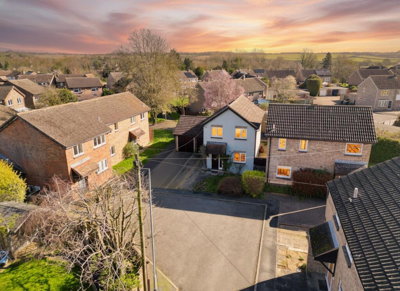
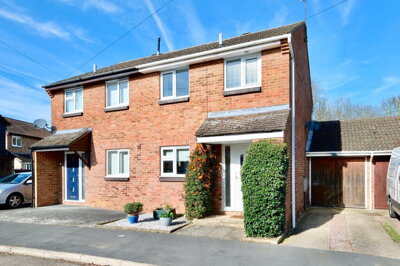
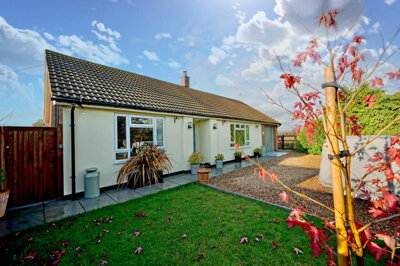
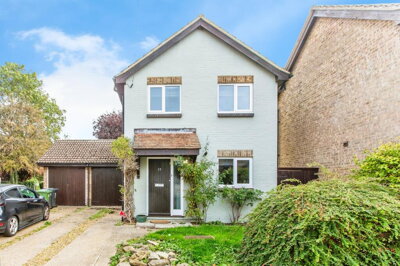
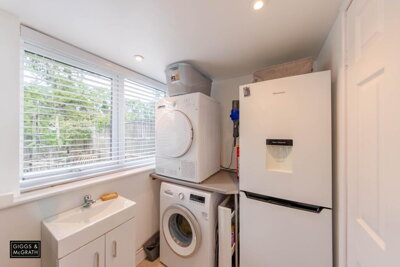
Browse 5 homes for sale in Upton and Coppingford from local estate agents.
Three bedroom properties represent a significant portion of the Upton And Coppingford housing market, offering space for families with multiple reception rooms and gardens in many cases. Browse detached, semi-detached, and terraced options ranging from period character homes to contemporary developments.
The property market in Upton and Coppingford operates as part of the wider PE28 postcode district and Huntingdonshire housing market, though specific granular data directly for this small civil parish is not separately recorded by standard property portals. The broader Huntingdonshire district offers a diverse range of properties, with median prices reflecting the area's popularity among buyers seeking a balance between rural charm and practical commuting access. Our listings capture properties within the parish itself and the surrounding villages, giving buyers a clear view of what's available in this sought-after corner of Cambridgeshire. Given the limited housing stock and high demand, quality village homes rarely remain on the market for extended periods.
Given the village's rural character and limited housing stock, properties here tend to be predominantly detached and semi-detached houses and cottages, with very few flats or terraced properties. The age of the local housing stock is a notable feature, with several buildings dating back centuries. St Margaret's Church in Upton features elements from the 12th century, while Christ's College Farm and other farmsteads include 17th-century structures. This historical heritage means a significant proportion of the housing stock predates 1919, offering characterful period properties for buyers who appreciate exposed beams, inglenook fireplaces, and traditional construction methods. The PE28 postcode area encompasses several villages with similar characteristics, creating a cohesive market for rural Cambridgeshire properties.
New build activity within the parish is extremely limited, with no active named developments currently identified. Any new housing in the area is more likely to consist of individual self-build projects or small infill developments rather than larger housing schemes. This scarcity of new stock means that period properties form the majority of available homes, and buyers should be prepared for a competitive market where quality village homes rarely remain on the market for extended periods. First-time buyers and families alike are drawn to the area for its community atmosphere and excellent connectivity to employment centres in Cambridge, Peterborough, and London via the nearby A1(M) motorway.
Investment in village properties across Huntingdonshire has remained steady, with period homes in desirable rural locations commanding consistent premiums. The limited supply of new housing, combined with strong demand from buyers seeking the Cambridgeshire countryside lifestyle, supports long-term property values in the Upton and Coppingford area. Buyers purchasing with investment intent should consider the costs of maintaining older properties, including potential requirements for Listed Building Consent on historic structures, when calculating potential returns.

Life in Upton and Coppingford revolves around community, countryside, and a pace of life that feels a world away from the pressures of urban living. The parish population of 207 residents creates an intimate village atmosphere where neighbours know one another and community events bring people together throughout the year. The peaceful, rural landscape encompasses farmland, country lanes, and the gentle presence of the Alconbury Brook, which flows through the parish and contributes to the area's natural charm. Walking routes through the surrounding fields and along the brook provide daily opportunities for exercise and wildlife observation, with hedgerows supporting diverse birdlife and small mammals that thrive in this managed countryside landscape.
The nearest comprehensive amenities are located in the nearby market town of Huntingdon, approximately 6-7 miles to the southeast, where residents find supermarkets, independent shops, restaurants, healthcare facilities, and leisure centres. The towns of Stilton and Ramsey to the north also provide additional local shopping options, while the village of Alconbury nearby offers local services including a garage and village shop. The PE28 postcode area covers several villages, each with its own character while sharing the Cambridgeshire tradition of village pubs, historic churches, and community halls hosting events from quiz nights to craft fairs that strengthen the social fabric of these rural communities.
The demographic profile of Upton and Coppingford reflects its appeal to families and individuals seeking a rural lifestyle without complete isolation. The historical presence of farms and the proximity to Christ's College Farm indicates the area's agricultural heritage, while modern residents include commuters who value the village setting combined with straightforward access to major road networks. The A1(M) motorway, accessible within minutes of the village, connects residents northward to Peterborough in approximately 30 minutes and southward toward Cambridge in around 25 minutes, making this small parish surprisingly well-connected for those working in the city's growing employment sectors in technology, research, and professional services.
Village life in Upton and Coppingford is characterised by seasonal events that bring the community together throughout the year. The historic St Margaret's Church serves as a focal point for both spiritual and social gatherings, with its Grade II* listed status reflecting centuries of continuous worship and community service. Local pubs provide traditional meeting places for evening meals and weekend gatherings, while the surrounding countryside offers endless opportunities for walking, cycling, and enjoying the natural beauty of this corner of Cambridgeshire that has remained largely unchanged for generations.
Families considering a move to Upton and Coppingford will find a selection of educational options within reasonable driving distance. The village itself is served by the surrounding Cambridgeshire school system, with primary schools located in nearby villages and market towns. The county's education provision is generally well-regarded, with schools in the Huntingdon area and broader South Cambridgeshire performing competitively in national assessments. Parents should research current catchment areas and admissions criteria with Cambridgeshire County Council, as school places can be competitive in popular village locations where demand from families relocating to the area often exceeds available spaces.
Primary schools in the surrounding area include those in villages such as Alconbury, where some families choose to enrol children, as well as schools in the nearby market towns of Huntingdon and Stilton. These settings provide early years education through to Key Stage 2, with bus services sometimes available for families living in the more rural parts of the parish. The Cambridgeshire school admission process operates on a catchment area basis, meaning that property location within the designated area can significantly influence school placement decisions for families prioritising educational access.
Secondary education in the area includes schools in Huntingdon and the surrounding market towns, with several offering sixth-form provision for older students pursuing further education. The proximity to Cambridge also provides access to some of the county's highest-performing grammar and independent schools for families willing to travel or consider boarding options. Schools in the Huntingdon area have varying academic records and extracurricular offerings, so parents are encouraged to visit potential institutions, meet with headteachers, and review latest Ofsted reports to make informed decisions about their children's secondary education journey.
For families seeking early years childcare, the surrounding villages host several nurseries and pre-school settings registered with Ofsted. The Cambridgeshire Family Information Service provides comprehensive details about childcare availability across the PE28 postcode area and wider Huntingdonshire district. Parents are encouraged to register interest with schools and childcare providers early, as village schools can have waiting lists due to limited places and high demand from families relocating to the area for its excellent quality of life and educational opportunities. Some families also explore childminders based in nearby villages, which can provide flexible care arrangements for working parents commuting to larger towns.
Transport connectivity from Upton and Coppingford benefits significantly from the proximity of the A1(M) motorway, which passes just half a mile to the east of Upton village. This major arterial route provides direct access northward to Peterborough in approximately 30 minutes and southward toward London and the Cambridge area in around 1 hour 30 minutes without traffic. The motorway connection transforms this rural village from isolated hamlet to practical commuter location, with many residents choosing Upton and Coppingford precisely because it offers countryside living with motorway convenience that many other rural locations cannot match.
For those travelling by rail, Huntingdon railway station offers regular services connecting to Cambridge, Peterborough, and London King's Cross. The station is located approximately 7 miles southeast of the village, with journey times to Cambridge taking around 25-35 minutes and London accessible in approximately 1 hour 20 minutes. This rail connectivity makes day commuting to the capital or Cambridge entirely feasible for professionals working in knowledge economy sectors. The nearby town of St Neots also provides additional rail options on the East Coast Main Line, offering residents flexibility in choosing their preferred railway station and route options for travel to major employment centres.
Local bus services operated by Stagecoach and other providers connect the surrounding villages to Huntingdon and other market towns, though service frequency in rural Cambridgeshire is limited compared to urban areas. The Stagecoach route between Huntingdon and Peterborough passes through nearby villages, providing occasional public transport access for residents without private vehicles. Residents without access to private vehicles should factor bus timetables carefully into their daily planning, as services may operate only hourly or less frequently on certain routes. Community transport schemes operated by local volunteers also provide occasional transport for medical appointments and shopping trips for elderly or mobility-impaired residents.
Cycling is popular for shorter journeys, with the relatively flat Cambridgeshire landscape making cycling accessible for most fitness levels. Several national cycle routes pass through the county, and local lanes offer scenic routes for recreational cycling and weekend adventures across the Fens and surrounding countryside. The flat terrain is particularly suited to cycling for commuting purposes, with some residents choosing to cycle to nearby villages for daily amenities. For longer journeys, the combination of cycling to local rail stations and completing journeys by train provides a practical sustainable transport option for those seeking to reduce car dependency while maintaining access to employment centres.
Spend time exploring Upton and Coppingford at different times of day and week before committing to a purchase. Visit local pubs, attend community events, and speak with residents to understand what daily life is really like. Consider practical factors like mobile phone signal strength, broadband speeds, and proximity to schools and amenities before committing to a purchase in this rural location. The village's limited amenities mean that daily shopping and services will require travel to nearby towns, and understanding this reality is essential before purchasing.
Before viewing properties, obtain a mortgage agreement in principle from a lender or broker to demonstrate to sellers that you are a serious buyer with financing in place. Rural properties can sometimes take longer to sell, so having your finances arranged gives you a competitive advantage when making an offer on a sought-after village home. Given that properties in Upton and Coppingford tend to be character homes with unique features, having your mortgage arranged in advance allows you to move quickly when the right property becomes available.
View multiple properties in the parish and surrounding villages to compare features, conditions, and pricing across the PE28 postcode area. For older properties with significant character, consider arranging a preliminary viewing with a building surveyor to assess potential issues before committing to a formal survey. Properties dating from the 17th century and earlier may have unconventional layouts, outdated services, and construction methods that differ from modern standards, so professional guidance is valuable.
Given the age of many properties in Upton and Coppingford, a RICS Level 2 HomeBuyer Report is strongly recommended before purchase to identify defects including potential subsidence (relevant given the clay soils throughout Cambridgeshire), damp issues, timber defects, and roof condition. For listed buildings or properties of unusual construction, a more detailed RICS Level 3 Building Survey may be more appropriate to provide the comprehensive assessment required for historic properties. Our inspectors are familiar with the construction methods used in Cambridgeshire period properties and can identify issues specific to this housing stock.
Choose a solicitor with experience in rural Cambridgeshire property transactions to handle your legal work, including local searches for flood risk and environmental assessments, planning permission checks for any alterations, and clear title verification. Properties near the Alconbury Brook may require specific flood risk searches, and any listed buildings will need careful due diligence regarding consent requirements. Your solicitor will also handle the SDLT return and registration of your ownership at Land Registry.
Once surveys are satisfactory and legal queries are resolved, your solicitor will arrange for contracts to be signed and a deposit paid, typically 10% of the purchase price. On completion day, the remaining funds are transferred and you receive the keys to your new home in Upton and Coppingford, ready to begin enjoying village life in this charming Cambridgeshire parish.
Buying a property in Upton and Coppingford requires careful attention to several area-specific factors that differ from urban property purchases. The presence of clay soils throughout Cambridgeshire means that properties, particularly older ones with traditional foundations, can be susceptible to subsidence and heave. Look for signs of cracking in walls, doors and windows that stick or don't close properly, and any evidence of ground movement near large trees whose roots can cause soil shrinkage in dry conditions. A thorough RICS Level 2 Survey will identify these concerns and any necessary remediation, with our inspectors experienced in identifying the subtle signs of foundation movement common in properties built on reactive clay soils.
Flood risk is another important consideration for this parish. Upton is located near the Alconbury Brook, and properties in low-lying areas adjacent to watercourses may face fluvial flood risk during periods of heavy rainfall. Surface water flooding can also occur across clay soils when precipitation exceeds drainage capacity. Review Environment Agency flood maps for the specific property location and ask the seller about any historical flooding incidents. Buildings insurance costs may be higher for properties in flood-risk zones, and mortgage lenders may require flood risk assessments for properties in higher-risk areas. Our team can advise on interpreting flood risk data and its implications for your purchase.
The historic nature of the village means that many properties fall within or near potential conservation areas, and several buildings are likely to be listed. St Margaret's Church is Grade II* listed, indicating the historical significance of the village's built heritage. Grade II listed buildings and above are protected for their historical significance, and any alterations, extensions, or significant works require Listed Building Consent from Huntingdonshire District Council. These restrictions can affect renovation plans and future property improvements, so buyers should verify the listing status of any property they are considering and factor the implications into their purchase decision and budget. Properties requiring significant renovation may also be subject to additional requirements under building regulations for historic structures.
Traditional construction methods used in Upton and Coppingford period properties include solid brick walls, timber floor joists, and slate or clay tile roofing that differs significantly from modern cavity wall construction. Understanding these building methods helps buyers appreciate the character features that make these homes desirable while recognising maintenance requirements that differ from newer properties. Our inspectors can explain how traditional construction affects property condition and maintenance, helping you budget appropriately for the ongoing care of a period property in this Cambridgeshire village.
Properties in Upton and Coppingford reflect the traditional building methods used throughout Cambridgeshire for centuries, with solid brick construction being the dominant method for most period properties. The local geology and availability of clay for brick-making influenced construction in the area, resulting in buildings that feature distinctive orange-red brickwork typical of the region. These solid brick walls, often 9 inches or more thick, provide excellent thermal mass but may lack the insulation values of modern cavity wall construction, meaning that heating costs and energy efficiency should be considered when evaluating properties for purchase.
Timber framing, particularly in the oldest properties, represents another significant construction method found in the parish. Buildings dating from the 17th century, such as those at Christ's College Farm, often feature exposed timber frames with brick or render infill panels. These structures require careful assessment of timber condition, as woodworm and wet rot can affect structural elements that may not be visible without specialist inspection. Our RICS Level 2 Surveys include thorough assessment of timber elements in line with the specific construction types found in Cambridgeshire period properties.
Roof construction in older properties typically features timber rafters with either slate or clay tile coverings, both of which require periodic maintenance and occasional replacement. The age of many properties in the parish means that original roof coverings may be nearing the end of their useful life and require re-roofing as part of ongoing maintenance. Chimneys are also a common feature of period properties and should be assessed for structural condition, mortar condition, and the integrity of any lead flashings. Our inspectors pay particular attention to these vulnerable elements when surveying traditional village properties in the Huntingdonshire area.
Specific average house price data is not separately recorded for this small civil parish by Land Registry or major property portals, as granular data at this level is typically aggregated into broader postcode areas. Prices are typically reported at the broader PE28 postcode district or Huntingdonshire level, where recent transactions suggest median prices for village properties typically exceed the national average due to the premium placed on rural Cambridgeshire locations. The wider Huntingdonshire market offers properties across a range of prices, with village properties commanding premiums for their character, larger plot sizes, and rural setting. Contact local estate agents in the Huntingdon area for up-to-date pricing information on homes currently available in Upton and Coppingford specifically.
Properties in Upton and Coppingford fall under Huntingdonshire District Council for council tax purposes, with the council operating bands A through H to reflect property values. Most traditional village properties with three or four bedrooms are likely to fall in bands C to E, while larger period homes with significant land holdings may be placed in higher bands. You can verify the specific band for any property by checking the Valuation Office Agency website or the property's listing details. Rural properties with substantial land holdings may have additional considerations for council tax banding, and properties that have been significantly extended may be subject to re-banding.
The best schools for Upton and Coppingford residents are located in surrounding villages and in Huntingdon itself, approximately 6-7 miles from the parish. Primary schools in nearby villages such as Alconbury serve the local community, while those in Huntingdon offer broader facilities and resources. Parents should research current Ofsted ratings and consider Cambridgeshire school admissions policies when choosing a property location, as catchment areas can significantly influence school placement. Secondary options include schools in Huntingdon with strong academic records and sixth-form provision, and families should visit schools and speak with headteachers before finalising their property purchase decision.
Public transport options in Upton and Coppingford are limited due to the village's rural nature, with local bus services connecting the parish to Huntingdon and surrounding villages but at frequencies significantly reduced compared to urban areas. Stagecoach services provide the main bus connections through nearby villages, though services may operate only hourly on certain routes and not at all on Sundays. Huntingdon railway station is approximately 7 miles away and provides regular services to Cambridge in around 30 minutes and London King's Cross in approximately 1 hour 20 minutes. Residents without private vehicles should carefully review bus timetables and consider whether the current service levels meet their daily commuting and shopping needs.
Upton and Coppingford offers potential for property investment, particularly for buyers seeking long-term appreciation in a desirable rural location within easy reach of major employment centres. The village's proximity to the A1(M) motorway, limited new build supply, and attractive countryside setting with historic properties support continued demand from buyers seeking the Cambridgeshire village lifestyle. Rental yields may be modest given the small population and limited rental demand in the area, but families seeking village living ensure consistent demand from owner-occupiers. Any investment should account for the costs of maintaining period properties, potential Listed Building Consent requirements, and the limited pool of potential buyers for specialist historic properties.
Stamp Duty Land Tax (SDLT) applies to all property purchases in England and is calculated based on the purchase price using current 2024-25 thresholds. Purchases up to £250,000 attract zero stamp duty, purchases between £250,001 and £925,000 are taxed at 5%, those between £925,001 and £1.5 million at 10%, and anything above at 12%. First-time buyers purchasing properties up to £625,000 can claim relief, paying zero on the first £425,000 and 5% on the portion between £425,001 and £625,000. For most homes in this Cambridgeshire village priced at typical village property values, the standard residential rates will apply. Your solicitor will calculate and submit the SDLT return on your behalf at completion.
Properties in Upton and Coppingford located near the Alconbury Brook face potential fluvial flood risk during periods of heavy rainfall when water levels in the brook rise significantly. The Environment Agency flood maps should be consulted for the specific property location to understand the flood risk category applicable. Surface water flooding can also occur across the clay soils that predominate in the area when heavy rainfall exceeds local drainage capacity. Buildings insurance premiums may be higher for properties in flood-risk zones, and some lenders require flood risk assessments before approving mortgages. Ask the seller about any historical flooding incidents and review what flood resilience measures may be in place at the property.
St Margaret's Church in Upton is a Grade II* listed building, reflecting its historical significance and architectural importance dating from the 12th century. This designation means that the church is protected for its national importance and any alterations require consent from Historic England. Several other properties in the parish may be listed, and buyers should verify the listing status of any property they are considering through the Historic England website or their solicitor. Listed Building Consent from Huntingdonshire District Council is required for significant alterations to listed properties, which can affect renovation plans and future property improvements. Properties near the church may also benefit from the character and heritage value that listing designation brings to the wider village environment.
Understanding the full costs of buying a property in Upton and Coppingford is essential for budgeting accurately beyond the property price itself. Buyers should factor in Stamp Duty Land Tax (SDLT), solicitor fees, survey costs, and moving expenses when calculating the total investment required. For a typical village home in Cambridgeshire priced between £350,000 and £600,000, these additional costs can add between £8,000 and £18,000 to the total purchase price depending on the property value, whether you are a first-time buyer, and individual circumstances. Getting quotes from multiple solicitors and surveyors ensures you secure competitive rates for these essential services while avoiding surprises at completion.
The current SDLT residential rates for 2024-25 apply as follows: purchases up to £250,000 attract zero stamp duty, purchases between £250,001 and £925,000 are taxed at 5%, those between £925,001 and £1.5 million at 10%, and anything above at 12%. First-time buyers purchasing properties up to £625,000 can claim relief, paying zero on the first £425,000 and 5% on the portion between £425,001 and £625,000. This first-time buyer relief has been reduced from previous thresholds, so buyers should verify their eligibility carefully with their solicitor or financial advisor. The additional 3% SDLT for second homes and buy-to-let investments applies regardless of location in England.
Survey costs warrant particular attention for properties in Upton and Coppingford given the age and character of the local housing stock, with many properties predating 1919 and some dating from the 17th century. A RICS Level 2 HomeBuyer Report typically costs between £400 and £1,000 depending on property size and complexity, with larger or older homes at the higher end of this range. For listed buildings or properties with unusual traditional construction, a comprehensive RICS Level 3 Building Survey may cost £1,000 or more but provides detailed assessment of structural condition and renovation considerations that standard surveys may not cover. Conveyancing fees for Cambridgeshire property transactions generally range from £500 to £1,500 plus disbursements, with local searches for flood risk, environmental factors, and planning history typically adding £250-400. First-time buyers should also budget for land registry fees of approximately £150-200 and any mortgage arrangement fees charged by their lender.

From £400
A RICS Level 2 HomeBuyer Report is essential for village period properties, identifying defects common to older construction on clay soils
From £600
Comprehensive survey recommended for listed buildings and historic properties requiring detailed structural assessment
From £499
Property solicitor handling legal work, local searches including flood risk and planning history
From 4.5%
Mortgage broking services to arrange financing for your Cambridgeshire village property purchase
From £60
Energy Performance Certificate required for all property sales, particularly important for older properties
Properties for Sale In London

Properties for Sale In Plymouth

Properties for Sale In Liverpool

Properties for Sale In Glasgow

Properties for Sale In Sheffield

Properties for Sale In Edinburgh

Properties for Sale In Coventry

Properties for Sale In Bradford

Properties for Sale In Manchester

Properties for Sale In Birmingham

Properties for Sale In Bristol

Properties for Sale In Oxford

Properties for Sale In Leicester

Properties for Sale In Newcastle

Properties for Sale In Leeds

Properties for Sale In Southampton

Properties for Sale In Cardiff

Properties for Sale In Nottingham

Properties for Sale In Norwich

Properties for Sale In Brighton

Properties for Sale In Derby

Properties for Sale In Portsmouth

Properties for Sale In Northampton

Properties for Sale In Milton Keynes

Properties for Sale In Bournemouth

Properties for Sale In Bolton

Properties for Sale In Swansea

Properties for Sale In Swindon

Properties for Sale In Peterborough

Properties for Sale In Wolverhampton

Enter your details to see if this property is within your budget.
Loans, cards, car finance
Estimated property budget
Borrowing + deposit
You could borrow between
Typical borrowing
Monthly repayment
Est. at 4.5%
Loan-to-value
This is an estimate only. Your actual budget may vary depending on interest rates, credit history, and personal circumstances. For an accurate affordability assessment, speak to one of our free mortgage advisors.
This calculator provides estimates for illustrative purposes only and does not constitute financial advice. Your home may be repossessed if you do not keep up repayments on your mortgage. Estimates based on 4.5% interest rate, repayment mortgage. Actual rates depend on your circumstances.
Homemove is a trading name of HM Haus Group Ltd (Company No. 13873779, registered in England & Wales). Homemove Mortgages Ltd (Company No. 15947693) is an Appointed Representative of TMG Direct Limited, trading as TMG Mortgage Network, which is authorised and regulated by the Financial Conduct Authority (FRN 786245). Homemove Mortgages Ltd is entered on the FCA Register as an Appointed Representative (FRN 1022429). You can check registrations at NewRegister or by calling 0800 111 6768.

We use cookies to show you personalised content and improve your experience of our website. Find out more in our Privacy policy and Cookie policy.