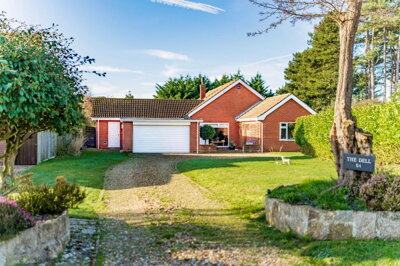
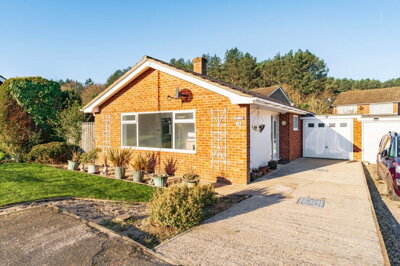
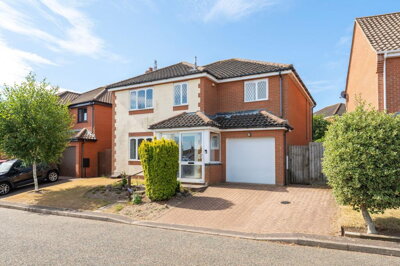
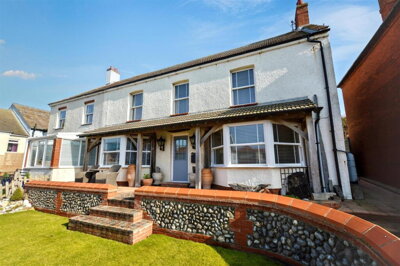
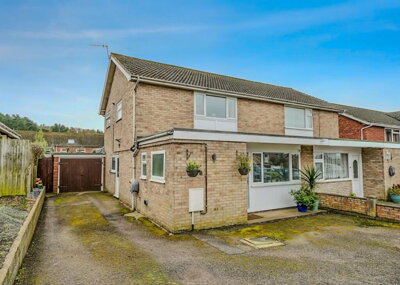
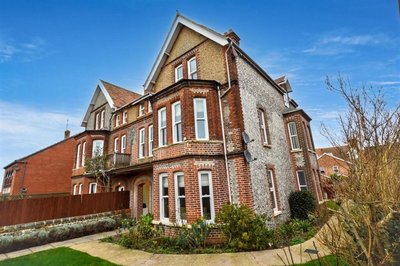
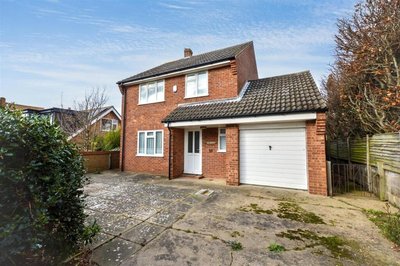
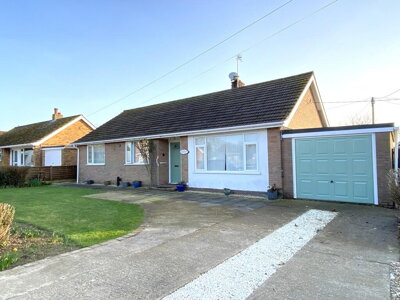
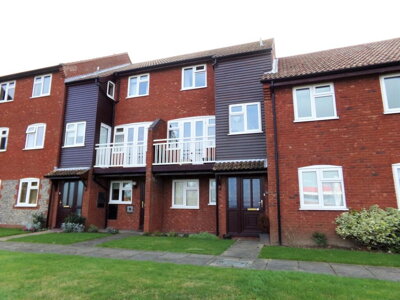
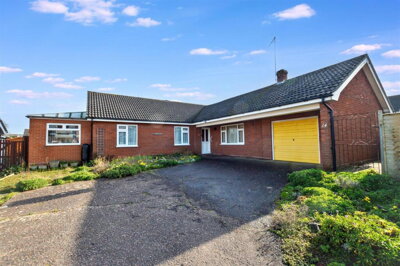
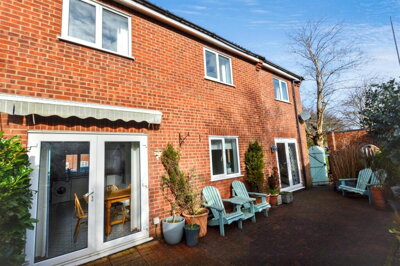
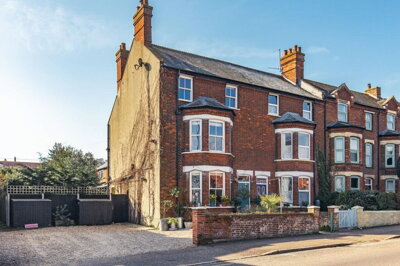
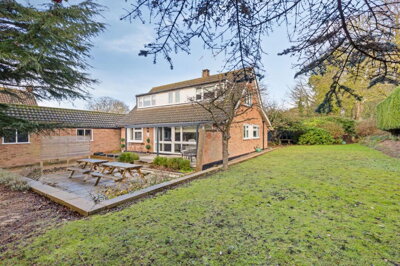
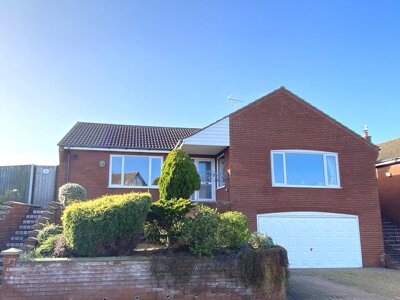
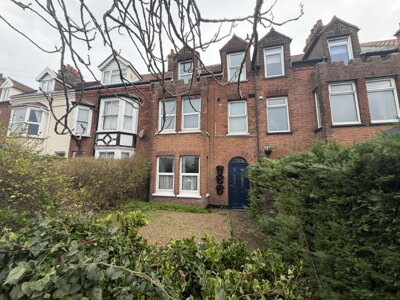
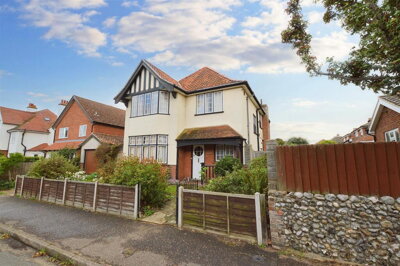
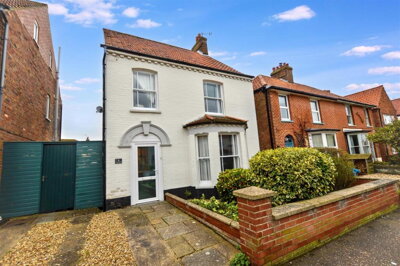
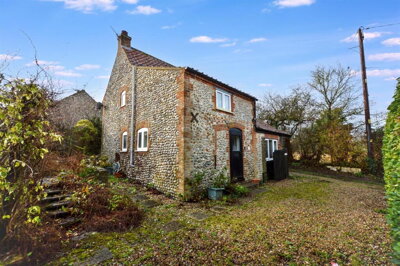
Browse 185 homes for sale in Upper Sheringham from local estate agents.
The Bunwell property market reflects its rural character, with detached properties commanding the highest prices at an average of £425,000. These homes typically sit on generous plots and offer the space and privacy that buyers seek when moving away from urban areas. Semi-detached properties average £280,000, while terraced homes start from around £240,000, providing more accessible entry points to the local market for first-time buyers and those with tighter budgets. The market shows clear price stratification based on property type and size, allowing buyers to prioritise according to their specific needs and financial circumstances.
Flats are rare in Bunwell, accounting for less than 5% of the housing stock, with average prices around £180,000. The predominant housing style is detached, representing 60-70% of all properties in the village. This heavily skews the market towards families and those seeking spacious homes with gardens, rather than apartments or compact urban housing. The village has no active new-build developments within its postcode area, meaning most available properties are existing homes with character and history. For buyers seeking newer construction, surrounding towns like Attleborough and Wymondham offer more new-build options, though these come with premium pricing compared to similar-sized village properties.
Property ages in Bunwell span several eras, from pre-1919 period cottages and farmhouses to modern homes built after 1980. A substantial proportion of the housing stock is over 50 years old, which means buyers should budget for potential maintenance and renovation work. Traditional building materials include red and gault brick, render, and flint, reflecting Norfolk's vernacular architecture. Many older properties feature solid wall construction rather than cavity walls, which affects insulation performance and renovation options. Understanding the age and construction of a property is essential before making an offer, as older homes may require more maintenance or updating work than newer properties.
The 2.7% annual price increase indicates a stable market with consistent demand from buyers attracted to village life in South Norfolk. With 25 sales recorded in the past year, transaction volumes remain steady but supply is limited by the village's small size and the predominance of owner-occupied properties. This combination of steady demand and constrained supply creates conditions where well-priced properties can attract multiple buyers. We recommend acting promptly when you find a property that meets your requirements, as the limited stock means desirable homes often sell quickly in this village market.
Bunwell offers an authentic Norfolk village experience, where the pace of life slows and community ties run deep. The village is centred around St Michael and All Angels Church, a historic landmark that has served the community for centuries. Scattered throughout the parish are several listed buildings, including traditional farmhouses and cottages that contribute to the area's distinctive character. The village lacks a formal Conservation Area, but the presence of heritage properties and the overall rural setting create a cohesive and attractive environment that appeals to buyers seeking traditional English village character.
As a small rural community, Bunwell provides a peaceful setting with easy access to the Norfolk countryside. Residents enjoy proximity to countryside walks, local farmland, and the natural beauty that makes this region so appealing. The village forms part of the South Norfolk district, which provides local authority services and maintains the infrastructure that supports daily life. The population of 765 creates a close-knit atmosphere where neighbours often know each other well and community events bring people together throughout the year. For buyers accustomed to urban or suburban living, this village offers a noticeably different pace of life with strong community connections.
The local economy in Bunwell is largely agricultural, with farming operations in the surrounding area providing employment and shaping the landscape. However, many residents commute to larger towns including Attleborough, Wymondham, and Norwich for work, taking advantage of the village's position relative to these employment centres. The A11 provides straightforward road access to Norwich, typically taking around 30 minutes from Bunwell, making daily commuting feasible for those working in the city. This blend of rural tranquility and practical connectivity makes Bunwell an attractive proposition for those who work in Norfolk's towns but prefer village living.

Families considering a move to Bunwell will find a selection of educational options within reasonable distance. The village itself falls within the catchment area for several primary schools in the surrounding villages and towns of South Norfolk. These schools serve the local community and typically cater to children from Reception through to Year 6. Parents should research individual school performance, Ofsted ratings, and admissions policies when planning a move, as catchment areas can influence school placements significantly and can change over time.
Secondary education options in the area include schools in nearby towns such as Attleborough and Wymondham. Attleborough Academy provides secondary education with sixth form provision, serving a wide catchment area that encompasses Bunwell and surrounding villages. Wymondham High School and Attleborough High School are both popular choices for families in the area, with regular school bus services operating from Bunwell to these institutions. Students may travel by school bus services that operate from the village to these secondary schools, with journey times varying depending on the specific school and route.
Early years and preschool facilities may be available in neighbouring villages, providing childcare and early education for younger children. These settings often operate from village halls or community centres and provide an important foundation for children's development before they reach primary school age. When buying a property in Bunwell, parents should confirm current school placements, travel arrangements, and any planned changes to school provision in the local area. We recommend visiting potential schools before completing a purchase to ensure the educational options meet your family's requirements.
Bunwell enjoys good connectivity despite its rural setting, with road links that connect residents to surrounding towns and the wider Norfolk road network. The village sits within easy reach of the A11, which provides a direct route to Norwich and onward connections to Cambridge and the M11 motorway. This makes commuting to larger employment centres feasible for those who need to travel for work while maintaining a village address. Local bus services connect Bunwell to nearby towns, providing public transport options for those without cars, though service frequencies may be limited on some routes.
The nearest railway stations are located in Attleborough and Eccles Road, offering connections to Norwich, Cambridge, and London Liverpool Street via the East Anglian Main Line. Attleborough station provides regular services to Norwich (typically 15-20 minutes), Cambridge (around 45 minutes), and London Liverpool Street (approximately 90 minutes). These stations provide regular services that support commuting and leisure travel. Norwich itself offers a wider range of rail services and is also accessible by road from Bunwell. For international travel, Norwich Airport provides flights to various European destinations, while Stansted Airport is reachable via the A11 and M11 for a broader range of destinations.
Cyclists will find rural lanes connecting Bunwell to nearby villages, though the undulating Norfolk countryside can make for challenging rides in places. Walking and cycling for local journeys to village amenities or neighbouring communities is practical for shorter trips. Parking in the village is generally straightforward due to the low-density housing and generous driveways, a significant advantage over urban living where parking can be a daily frustration. The peaceful rural setting means traffic levels are low, contributing to the village's pleasant atmosphere and making it suitable for families with children who can walk or cycle safely around the village.
Start by exploring available properties in Bunwell through our platform, comparing prices across different property types including detached homes averaging £425,000 and terraced properties from £240,000. Understanding the local market conditions and typical property features will help you identify good value when it arises. We recommend setting up property alerts to be notified when new listings matching your criteria come to market, as the limited supply means desirable properties can sell quickly.
Before viewing properties, obtain a mortgage agreement in principle from a lender. This demonstrates your financial readiness to sellers and estate agents, strengthening your position in a competitive market where rural properties can attract multiple buyers. Having your financing arranged in advance allows you to move quickly when you find the right property and shows sellers that you are a serious buyer capable of completing a purchase.
Visit properties that match your criteria, paying attention to the age and condition of homes in this rural village. Many properties in Bunwell are over 50 years old, so look for signs of damp, roof condition, and outdated electrics that may require attention after purchase. We recommend attending viewings with a checklist covering structural elements, plumbing, electrics, and any features specific to older properties such as original windows or period fireplaces.
Given the age of properties in Bunwell, a comprehensive RICS Level 2 Survey is essential for identifying defects that may not be visible during a standard viewing. Survey costs typically range from £450 to £750 depending on property size. Our inspectors check for common issues in this area including rising damp and penetrating damp, timber defects such as woodworm and rot, roof deterioration, and structural concerns related to the local clay geology. The survey report will provide detailed findings to inform your purchase decision and any negotiations on price.
Choose a conveyancing solicitor to handle the legal aspects of your purchase. They will conduct searches, check ownership details, and manage the transfer of funds. Given the local geology and potential flood risk, specific searches related to land conditions should be requested. Your solicitor will obtain drainage and environmental searches, check for any planning restrictions, and ensure the property's legal title is clear before you commit to the purchase.
Once all searches are satisfactory and finances are confirmed, you will exchange contracts and pay your deposit. Completion typically follows within days or weeks, after which you will receive the keys to your new Bunwell home. We recommend arranging buildings insurance from the point of contract exchange, as the property becomes your legal responsibility at this stage. On completion day, you will meet your solicitor to collect the keys and can begin moving into your new village home.
Properties in Bunwell present some unique considerations due to the local geology and property age. The underlying glacial till (boulder clay) over chalk bedrock creates a moderate to high shrink-swell risk for properties built on shallow foundations. Clay soils expand and contract with changes in moisture content, potentially leading to subsidence or heave that can affect properties over time. When viewing homes, look for signs of cracking in walls, doors that stick, or uneven floors that might indicate past or present movement issues. Our inspectors assess foundation conditions and identify any areas of concern during every survey.
Surface water flooding represents a minor risk in certain low-lying areas of Bunwell, particularly after heavy rainfall. There are no significant rivers directly within Bunwell and it is not a coastal area, so river and coastal flooding risks are generally low. Check the Environment Agency flood risk maps and discuss any history of flooding with current owners or neighbours. Properties on slightly elevated ground within the village may offer lower risk. Drainage and guttering condition should be assessed as part of any property survey, given the local climate and potential for surface water issues after periods of heavy rain.
The presence of listed buildings throughout the parish means that any property purchase may be affected by proximity to heritage assets. While Bunwell lacks a formal Conservation Area, listed building status can impact what modifications owners can make to certain properties. Many properties feature traditional construction including red and gault brick, render, and flint, reflecting Norfolk's vernacular architecture. Older properties may have solid wall construction rather than cavity walls, which affects insulation performance. If considering a listed building, be aware that Listed Building Consent is required for alterations, and specialist surveys may be needed. Always check the property details through the local planning authority for any designations affecting the property you are considering.
Given the age of many properties in Bunwell, additional considerations include outdated electrical systems, plumbing installations, and the potential presence of asbestos in properties built or refurbished before 2000. Our inspectors check for woodworm and wet or dry rot in floor timbers, roof timbers, and window frames, which are common issues in older properties with traditional construction. Chimney stack deterioration is also frequently found, with issues including mortar erosion, damaged flashing, and loose pots requiring attention. A thorough survey will identify all these concerns, allowing you to budget for any necessary repairs or renovations.
As of February 2026, the average house price in Bunwell is £376,000, representing a 2.7% increase over the previous 12 months. Detached properties average £425,000, semi-detached homes cost around £280,000, terraced properties start from £240,000, and flats average approximately £180,000. The market has shown steady growth, with 25 property sales recorded in the past year, indicating consistent activity in this South Norfolk village. This price data reflects the rural character of the village and the predominance of detached properties, which command a premium over other property types in the local market.
Council tax bands in Bunwell are set by South Norfolk Council and follow the national banding system from A through to H. Specific bands depend on the property's assessed value, with smaller period cottages and flats typically falling into bands A-C, while larger detached family homes may be in bands D-F. You can check the specific council tax band for any property through the Valuation Office Agency website using the property address. Council tax charges vary accordingly, with Band A properties paying less than half the rate of Band D properties, and higher bands attracting progressively higher charges.
Bunwell falls within catchment areas for primary schools in surrounding villages and secondary schools in nearby towns such as Attleborough and Wymondham. Attleborough Academy serves secondary students with sixth form provision, while Wymondham High School is another popular option for families in the area. Individual school performance varies, and parents should check current Ofsted ratings and admissions policies before committing to a property purchase. The nearest primary schools serve children from Reception through Year 6, with school transport available for secondary students travelling from Bunwell to nearby towns.
Bunwell is served by local bus services connecting to nearby towns including Attleborough and Wymondham. The nearest railway stations are in Attleborough and Eccles Road on the East Anglian Main Line, providing regular services to Norwich, Cambridge, and London Liverpool Street. Attleborough station offers a direct service to London Liverpool Street taking approximately 90 minutes. The A11 is easily accessible for road travel to Norwich and beyond, typically taking around 30 minutes to reach Norwich city centre. While a car is useful for daily life in this rural village, public transport options make commuting and occasional travel practical for residents without private vehicles.
Bunwell offers potential for property investment, particularly given the 2.7% annual price increase and the sustained demand for rural homes in South Norfolk. The predominantly detached housing stock appeals to families seeking more space, while the village's character and community attract buyers prioritising lifestyle over urban convenience. The limited supply of new-build properties locally helps maintain values for existing homes, as demand consistently outstrips supply in this village market. Properties over 50 years old may offer renovation potential, though buyers should budget for maintenance costs and factor these into any investment calculations.
Stamp duty rates for 2024-25 are 0% on the first £250,000, 5% on £250,001 to £925,000, 10% on £925,001 to £1.5 million, and 12% above £1.5 million. First-time buyers benefit from 0% on the first £425,000 and 5% between £425,001 and £625,000. A typical £376,000 home in Bunwell would attract no stamp duty for first-time buyers, while others would pay £6,300. Always verify your eligibility and current rates at the time of purchase, as thresholds can change with each budget announcement.
A RICS Level 2 Survey is particularly important in Bunwell due to the age and construction of many properties in the village. Our inspectors check for issues common to older Norfolk homes including rising damp, penetrating damp, timber defects such as woodworm and rot, and roof deterioration. The local clay geology means foundations can be susceptible to movement, and a thorough survey will assess whether any structural concerns exist. Survey costs typically range from £450 to £750 depending on property size, making this a worthwhile investment before committing to a purchase of several hundred thousand pounds.
Traditional properties in Bunwell typically feature red or gault brick construction, often with render or flint elements reflecting Norfolk's vernacular building traditions. Many older properties have pitched roofs covered with clay tiles or slate, while solid wall construction is common in pre-1960s properties. More recent builds from the 1980s onwards typically feature cavity wall construction, offering better insulation performance. Understanding these construction methods helps buyers assess maintenance requirements, insulation quality, and potential issues when viewing properties in the village.
From £450
A detailed inspection of the property condition, ideal for conventional houses and flats
From £85
Energy Performance Certificate required for property sales
From 4.5%
Find competitive mortgage rates for your purchase
From £499
Solicitors to handle your property legal work
When purchasing a property in Bunwell, budget for additional costs beyond the purchase price. Stamp duty, formerly known as Stamp Duty Land Tax, applies to all property purchases above £250,000 at standard rates. For a typical Bunwell home priced at £376,000, a non-first-time buyer would pay £6,300 in stamp duty. First-time buyers purchasing properties up to £425,000 pay no stamp duty, making the entry costs significantly lower for those eligible under current thresholds.
Survey costs are an important consideration given the age of properties in Bunwell. A RICS Level 2 Survey typically costs between £450 and £750, depending on the property's size and complexity. For older properties with potential structural concerns related to the local clay geology, this investment is particularly valuable. The survey will identify defects including damp, roof condition issues, and timber problems that might not be apparent during a standard viewing. Our surveyors provide detailed reports that help you make an informed decision and can inform any price negotiations.
Conveyancing costs cover the legal work involved in transferring ownership and typically start from around £499 for straightforward transactions, rising for more complex purchases. Search fees, land registry fees, and bank transfer charges add to the total. Factor in removals costs, potential renovation or repair work, and immediate purchases such as furniture or white goods. Building insurance must be in place from completion day, and life insurance or income protection may be sensible additions when taking on a mortgage. Careful budgeting ensures a smooth purchase without financial surprises at critical stages of the transaction.
Properties for Sale In London

Properties for Sale In Plymouth

Properties for Sale In Liverpool

Properties for Sale In Glasgow

Properties for Sale In Sheffield

Properties for Sale In Edinburgh

Properties for Sale In Coventry

Properties for Sale In Bradford

Properties for Sale In Manchester

Properties for Sale In Birmingham

Properties for Sale In Bristol

Properties for Sale In Oxford

Properties for Sale In Leicester

Properties for Sale In Newcastle

Properties for Sale In Leeds

Properties for Sale In Southampton

Properties for Sale In Cardiff

Properties for Sale In Nottingham

Properties for Sale In Norwich

Properties for Sale In Brighton

Properties for Sale In Derby

Properties for Sale In Portsmouth

Properties for Sale In Northampton

Properties for Sale In Milton Keynes

Properties for Sale In Bournemouth

Properties for Sale In Bolton

Properties for Sale In Swansea

Properties for Sale In Swindon

Properties for Sale In Peterborough

Properties for Sale In Wolverhampton

Enter your details to see if this property is within your budget.
Loans, cards, car finance
Estimated property budget
Borrowing + deposit
You could borrow between
Typical borrowing
Monthly repayment
Est. at 4.5%
Loan-to-value
This is an estimate only. Your actual budget may vary depending on interest rates, credit history, and personal circumstances. For an accurate affordability assessment, speak to one of our free mortgage advisors.
This calculator provides estimates for illustrative purposes only and does not constitute financial advice. Your home may be repossessed if you do not keep up repayments on your mortgage. Estimates based on 4.5% interest rate, repayment mortgage. Actual rates depend on your circumstances.
Homemove is a trading name of HM Haus Group Ltd (Company No. 13873779, registered in England & Wales). Homemove Mortgages Ltd (Company No. 15947693) is an Appointed Representative of TMG Direct Limited, trading as TMG Mortgage Network, which is authorised and regulated by the Financial Conduct Authority (FRN 786245). Homemove Mortgages Ltd is entered on the FCA Register as an Appointed Representative (FRN 1022429). You can check registrations at NewRegister or by calling 0800 111 6768.

We use cookies to show you personalised content and improve your experience of our website. Find out more in our Privacy policy and Cookie policy.