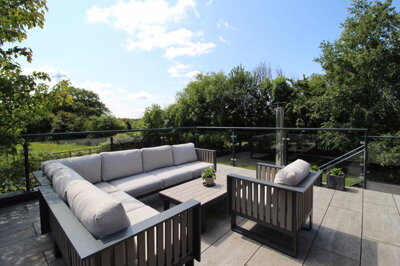
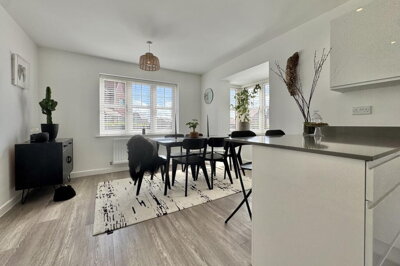
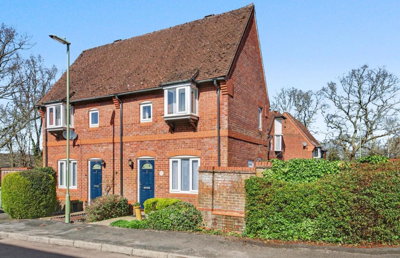
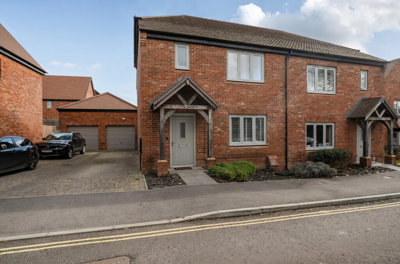
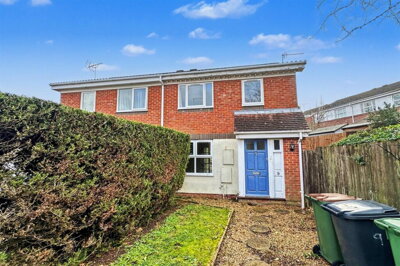
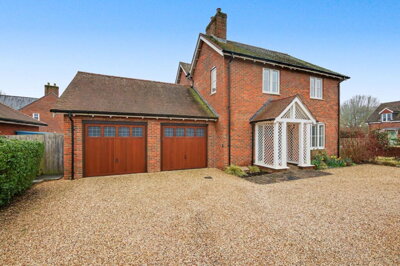
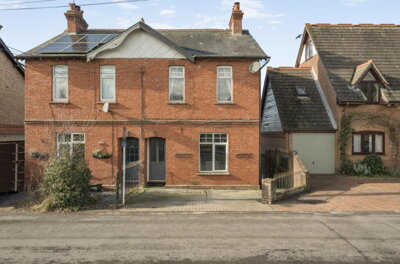
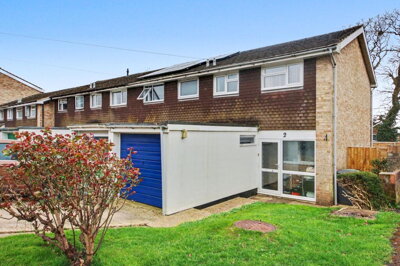
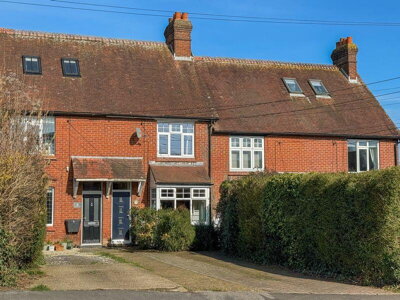
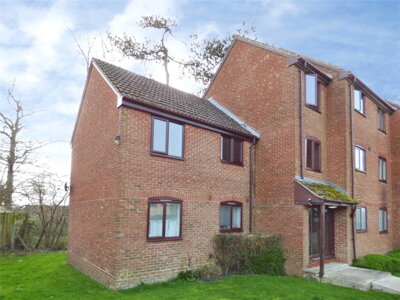
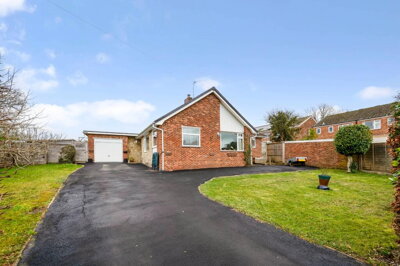
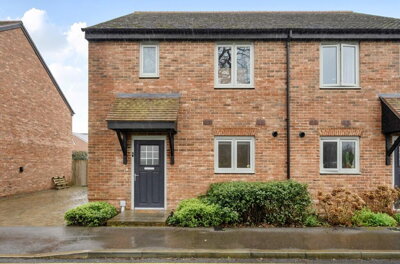
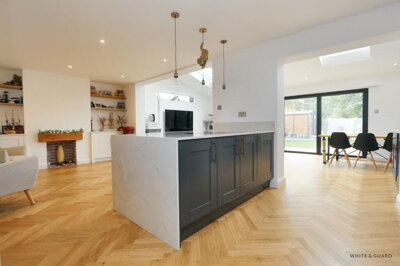
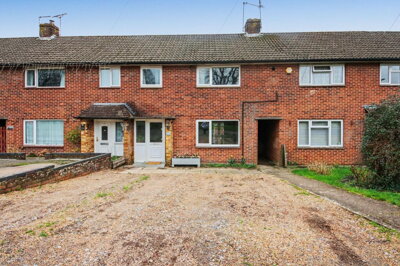
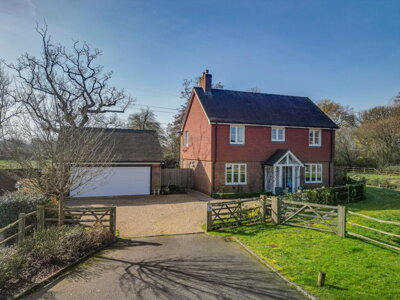
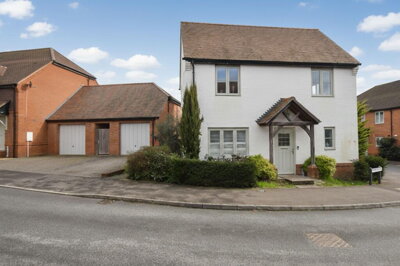
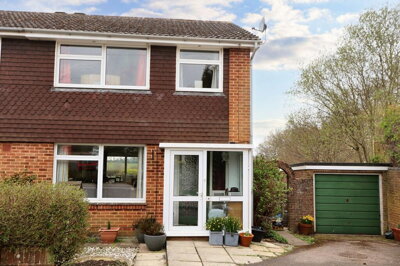
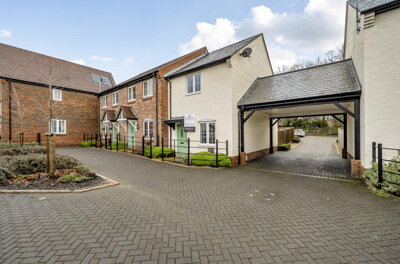
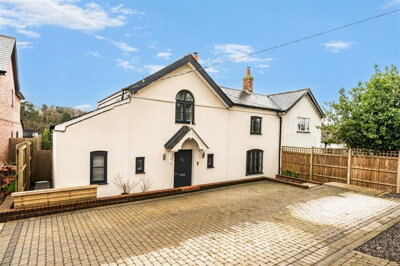
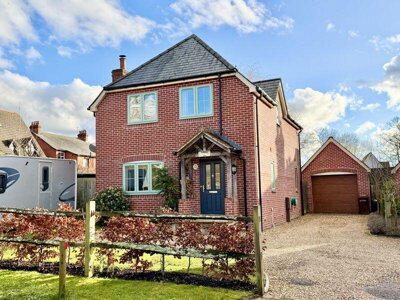
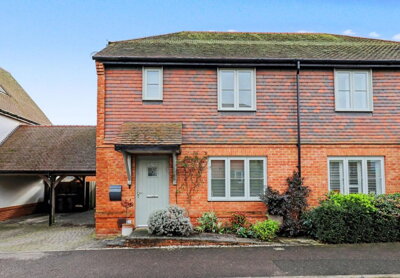
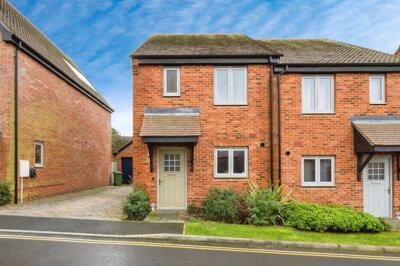
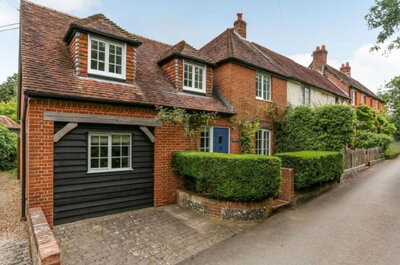
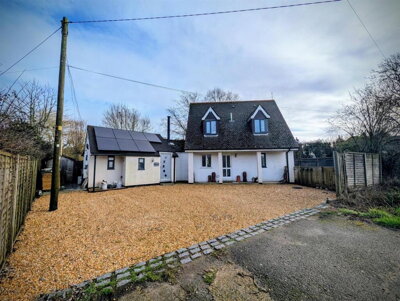
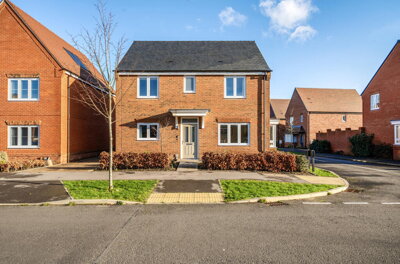
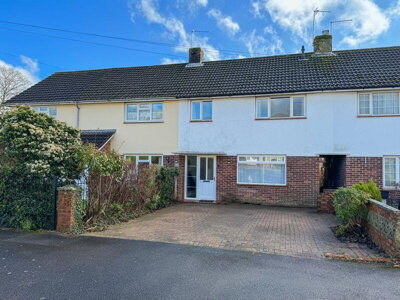
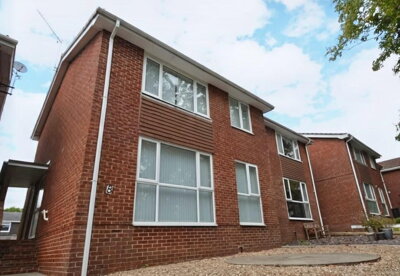
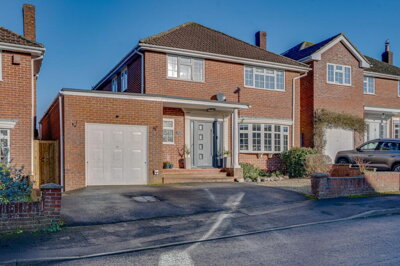
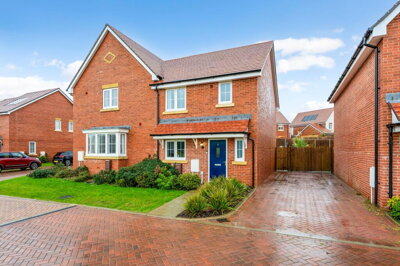
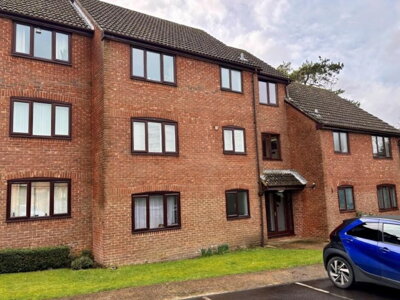
Browse 86 homes for sale in Upham, Winchester from local estate agents.
£800k
11
0
106
Source: home.co.uk
Source: home.co.uk
Detached
7 listings
Avg £927,857
Semi-Detached
3 listings
Avg £773,333
Equestrian Facility
1 listings
Avg £1.30M
Source: home.co.uk
Source: home.co.uk
The Thurne property market reflects the characteristics of a small rural village within The Broads, offering buyers a limited but distinctive selection of homes. Recent sold price data shows properties on Repps Road averaging £317,000, while those on The Street command slightly higher prices at around £339,000. The market has experienced some correction, with prices on Repps Road showing a 24% reduction from the 2023 peak of £415,000, creating potential opportunities for buyers who act decisively. Higher-value sales have also occurred, with one property on Common Lane selling for £675,000 in September 2022, suggesting the market can accommodate premium properties with exceptional features such as riverside positions or extensive grounds.
A notable recent transaction on The Staithe saw a property sell for £187,500 in July 2024, demonstrating that more affordable entry points to the village market do exist for buyers with smaller budgets. Property types available in Thurne predominantly consist of detached bungalows, many of which occupy generous plots with views across the surrounding marshland and waterways. Riverside bungalows represent a particularly sought-after segment of the market given the village's location on the River Thurne, though these properties may carry additional considerations around flood risk that buyers should factor into their decisions. Semi-detached properties offer more affordable entry points to the village, while the older housing stock includes buildings that reflect the traditional construction methods typical of Norfolk villages.
New build activity in Thurne itself remains limited, with the nearest new developments located in surrounding towns including Great Yarmouth and nearby villages such as Ludham and Potter Heigham. The protected status of the Upper Thurne Broads and Marshes means planning restrictions apply within and around the village, potentially affecting permissions for extensions, alterations, or new constructions. Buyers purchasing period properties should investigate whether their home falls within any conservation area designation and understand the implications for future modifications. St Edmund's Church holds Grade II* listed status, and any properties of historical interest may carry additional obligations for maintenance and approved materials.
The housing stock in Thurne reflects its established nature, with many properties dating from the mid-twentieth century or earlier. Older buildings often feature solid walls rather than cavity insulation, which may affect thermal efficiency and create different considerations for insulation upgrades that comply with building regulations while preserving character. The solid brick and tile construction methods typical of traditional Norfolk properties generally provide robust structural integrity, though age-related wear and tear on roofs, plumbing, and electrical systems should be assessed during any purchase.
Life in Thurne offers a rare opportunity to reside within a protected landscape that forms part of The Broads national park, an area of national importance for wildlife and natural beauty. The village sits within the Upper Thurne Broads and Marshes, which holds multiple environmental designations including Site of Special Scientific Interest status and Special Area of Conservation protection. This designation as part of the Norfolk Coast Area of Outstanding Natural Beauty means the surrounding countryside is preserved in its natural state, providing residents with uninterrupted views across marshes, reed beds, and waterways that change with the seasons.
The population of approximately 201 residents creates an intimate community where neighbours know one another and local events bring people together at the village pub. The village benefits from The Lion Inn as its primary social hub, offering traditional pub fare and a welcoming atmosphere for residents and visitors alike. A small shop provides access to daily necessities, reducing the need for journeys to larger settlements for routine shopping. The local economy is influenced significantly by tourism, with The Broads attracting visitors throughout the year for boating, walking, birdwatching, and angling activities.
This seasonal influx supports local businesses and can create opportunities for property owners interested in holiday lets or bed and breakfast accommodation, subject to planning permissions. The presence of second homes in the area reflects the desirability of the location, though this also means some properties may be occupied only seasonally, which can affect the year-round community atmosphere. Flood risk remains a significant consideration for residents, with the Environment Agency having issued flood alerts in the Thurne area as recently as February 2026, indicating that flooding from the River Thurne remains possible during periods of high water levels and adverse weather conditions.
The Broads river system can experience higher than normal water levels due to high tides at Great Yarmouth restricting drainage, meaning properties near the river require particular vigilance during stormy or tidal events. Despite these natural considerations, the protected environment helps maintain property values and ensures the continued beauty of the surrounding landscape for generations of residents and visitors to enjoy.

Families considering a move to Thurne should be aware that the village itself has limited educational facilities, consistent with its small size. Primary education is available in nearby villages, with schools in settlements such as Potter Heigham and Ludham serving the local population. These village primary schools typically accommodate children from reception through to Year 6, providing education within a short journey of Thurne. Parents should research individual school catchments and admission arrangements, as places can be competitive in popular rural areas where school transport arrangements and proximity influence eligibility.
School performance data and Ofsted ratings vary year by year, and prospective buyers are encouraged to review the most recent inspection reports for schools in the surrounding area. The nearest primary school to Thurne is located in Potter Heigham, approximately 3 miles away, serving children from several villages across the Upper Thurne area. Ludham Primary School provides an alternative for families preferring its specific catchment, with both schools feeding into primary education before children progress to secondary level.
Secondary education options include schools in Great Yarmouth, accessible via the bus services that connect Thurne with the town. These schools offer a broader curriculum and specialist facilities that smaller primary schools cannot provide, with options across different educational approaches including grammar schools for academically selective pupils. For families with older children pursuing further education, the East Norfolk Sixth Form College in Great Yarmouth and other further education providers in the area offer A-levels and vocational qualifications.
The proximity of the University of East Anglia in Norwich provides opportunities for older children commuting to higher education, with regular train connections available from Great Yarmouth and surrounding stations. Families should budget for school transport costs if their chosen school lies outside walking distance, as these expenses can add significantly to the overall cost of education in rural areas where daily journeys to schools in nearby towns are necessary.

Transport connections from Thurne reflect its rural village character, with residents relying primarily on private vehicles and local bus services for daily travel. The village sits within easy reach of the A47, which provides the main road corridor connecting Great Yarmouth to Norwich and the wider Norfolk road network. Journey times by car to Great Yarmouth take approximately 20-25 minutes, while Norwich is accessible in around 40-45 minutes depending on traffic conditions and route chosen. The A47 links to the A11 towards Cambridge and the M11 motorway beyond, making longer distance travel to London and the south east feasible for commuters willing to accept greater journey times.
Parking in the village is generally straightforward given the low traffic volumes, a significant advantage for residents accustomed to urban parking challenges. The flat terrain of The Broads makes cycling a practical option for shorter journeys, though the network of waterways means that some routes may require ferry crossings or longer diversions around rivers and lakes. Cyclists visiting or living in the area can enjoy the picturesque scenery while travelling between villages, with designated routes available for those preferring traffic-free paths where possible.
Public transport options include bus services connecting Thurne with surrounding villages and Great Yarmouth, though frequencies are limited compared to urban routes and tend to be reduced at weekends and during school holidays. Rail connections are available from Great Yarmouth railway station, which offers regular services to Norwich where connections can be made to Cambridge, Ely, and London's Liverpool Street station via the West Anglia Main Line. Norwich Airport provides domestic flights and some European connections, while London Stansted and London Luton airports are accessible via road for a broader range of destinations.
For daily commuting purposes, a car remains essential for most residents of Thurne given the limited public transport options. Those working remotely or with flexible arrangements find the rural location most manageable, while commuters requiring daily travel to Norwich or beyond may find the journey times add significantly to working hours. The relative isolation of village living should be weighed against the quality of life benefits offered by the protected natural environment and peaceful community atmosphere.

Start by exploring the Thurne property market through Homemove, comparing available properties against your requirements for location, size, and price. Consider factors such as flood risk designations for riverside properties, proximity to the village amenities, and the implications of living within a designated natural landscape. Understanding the local market dynamics, including recent price trends showing a 24% correction from 2023 peaks, will help you identify realistic expectations and opportunities. Pay particular attention to the distinction between properties on The Street and those on Repps Road or The Staithe, as location significantly affects both price and character.
Before arranging viewings, obtain a mortgage agreement in principle from a lender or broker to confirm your borrowing capacity. This strengthens your position when making offers and demonstrates to sellers that you are a serious buyer with financing already considered. Our mortgage comparison tool allows you to explore rates and find suitable products for your circumstances, including options for rural properties and bungalows which form much of the local housing stock. Properties near waterways may require additional consideration from lenders regarding flood risk, so discussing these factors early with your broker is advisable.
Visit properties that match your criteria to assess their condition, surroundings, and suitability for your lifestyle. Pay particular attention to signs of damp or structural issues in older properties, the condition of roofs on bungalows, and any evidence of flooding or water damage in riverside homes. We recommend taking notes and photographs during viewings to help compare properties later in the decision-making process. Given the limited stock available in this small village, acting promptly when a suitable property becomes available is advisable.
Before proceeding with a purchase, arrange for a RICS Level 2 survey to assess the property's condition and identify any defects that may affect value or require attention. Given the age of many properties in Thurne and the rural setting, a thorough survey is particularly valuable for detecting common issues such as damp, roofing problems, timber defects, and outdated electrical systems. The national average cost for a Level 2 survey is around £455, with fees typically ranging between £416 and £639 depending on property value and size. Older properties or those with non-standard construction may incur additional allowances of 20-40% on standard fees.
Once your offer is accepted, instruct a solicitor or licensed conveyancer to handle the legal aspects of your purchase. Your conveyancer will conduct searches with Norfolk County Council and Great Yarmouth Borough Council, investigate title deeds, and manage the transfer of funds on completion. Our conveyancing comparison tool allows you to find solicitors with experience in rural Norfolk properties, including those in flood risk areas. Local authority searches will include drainage and water authority enquiries that are particularly important given the waterlogged nature of The Broads landscape.
The final stages involve reviewing the contract documentation, completing any negotiated repairs or conditions, and arranging building insurance for your new home. Buildings insurance for riverside properties in Thurne may require specialist providers willing to cover flood risk, so obtaining quotes early is recommended. On completion day, your solicitor transfers the remaining funds and you receive the keys to your new Thurne property, marking the beginning of life in this distinctive Norfolk village within The Broads.
Purchasing a property in Thurne requires careful consideration of several factors specific to this part of Norfolk, beginning with the significant flood risk that affects the village and surrounding area. Properties located on or near the River Thurne fall within flood warning areas, and prospective buyers should review the Environment Agency's flood risk data for any specific address. This risk extends beyond rivers to include potential flooding from surface water and groundwater, particularly given the low-lying nature of The Broads landscape. The Broads river system can experience elevated water levels when high tides at Great Yarmouth restrict drainage outflow, creating conditions where flooding may occur even during relatively brief adverse weather events.
Buildings insurance premiums may be higher for properties with elevated flood risk, and some lenders apply specific conditions to mortgage offers for properties in flood zones. A thorough survey that assesses any previous flood damage or water penetration is essential before committing to purchase. Our inspectors regularly identify signs of previous water damage in riverside properties, including tide marks on walls, warped floorboards, and damp-related defects that may not be immediately apparent during a casual viewing. Properties with documented flood resilience measures, such as raised electrics or water-resistant flooring, may attract more favourable insurance terms.
The protected status of the Upper Thurne Broads and Marshes means that planning restrictions apply within and around the village, potentially affecting permissions for extensions, alterations, or new constructions. Any works affecting the external appearance of properties in conservation areas require approval from Great Yarmouth Borough Council, and materials must typically match or complement the existing character. The solid construction methods typical of older Norfolk properties, often featuring solid walls rather than cavity insulation, may affect thermal efficiency and create different considerations for insulation upgrades that comply with building regulations while preserving character.
When evaluating specific properties, examine the condition of bungalow roofs, which represent a common vulnerability in single-storey homes given their exposure to weather and the difficulty of detecting issues without close inspection. Look for signs of subsidence that can occur in areas with clay soils, particularly where large trees stand near buildings with shallow foundations. Drainage conditions deserve attention given the waterlogged nature of the surrounding landscape, while the condition of drainage channels, soakaways, and any private sewage systems should be assessed. Properties near the river may have riparian responsibilities for waterway maintenance that pass to the owner, including maintaining riverbanks and allowing access for flood management authorities.
Service charges and maintenance fees for any shared amenities should be clearly understood, and the distinction between freehold and leasehold tenure must be confirmed before purchase. Holiday let potential exists for properties with river access or distinctive features, though planning permission for change of use may be required and mortgage availability for investment properties differs from standard residential purchases.
The average sold house price in Thurne is currently £317,000 according to recent market data. Properties on The Street tend to command slightly higher prices at around £339,000, while properties on The Staithe have sold for lower amounts, with one transaction completing at £187,500 in July 2024. Riverside properties and those with larger grounds can achieve significantly higher sums, as evidenced by a Common Lane sale reaching £675,000 in 2022. The market has experienced a correction, with prices on Repps Road showing a 24% reduction from the 2023 peak of £415,000, which may present buying opportunities for those entering the market now.
Properties in Thurne fall under Great Yarmouth Borough Council for council tax purposes, with bands assigned based on property value as of April 1991. Specific band information for individual properties can be found through the Valuations Office Agency website or on your local council tax bill. Rural properties with larger gardens or land may be assessed differently, and buyers should confirm the applicable band before budgeting for ongoing costs. Council tax rates for Great Yarmouth Borough Council can be verified through the local authority website or by contacting the council directly.
Primary education in the Thurne area is served by village schools in nearby settlements such as Potter Heigham and Ludham, both within approximately 3 miles of the village and serving local communities within The Broads. Parents should verify current catchment areas, admission policies, and recent Ofsted ratings through the official Ofsted website, as these can change and individual schools' performance varies year by year. Secondary schools in Great Yarmouth provide broader curriculum options, including grammar school provision for academically eligible pupils, with transport arrangements typically available for families living in surrounding villages.
Public transport connections from Thurne are limited, reflecting its rural village status. Bus services operate between Thurne and surrounding villages, with connections to Great Yarmouth, though frequencies are reduced compared to urban routes and services may be further limited at weekends and during school holidays. Great Yarmouth railway station provides rail services to Norwich, with onward connections to Cambridge and London Liverpool Street. For daily commuting, a car is generally considered essential for residents of Thurne, and journey times to Norwich of around 40-45 minutes should be factored into employment decisions.
Thurne offers a distinctive proposition for property investment, combining the appeal of living within The Broads national park with the potential for holiday let income from tourism. The limited supply of properties in this small village can support values, though the flood risk designation for riverside properties may affect mortgage availability and insurance costs for some buyers. The protected natural environment helps maintain the area's character and desirability, while proximity to Great Yarmouth and the A47 provides connectivity to larger centres of employment. Holiday let potential is strongest for properties with river access or distinctive features, though planning permission for change of use may be required and buyers should review short-term letting regulations carefully.
Stamp Duty Land Tax for residential purchases in England applies at 0% on the first £250,000 of property value, 5% on the portion from £250,001 to £925,000, 10% up to £1.5 million, and 12% above that threshold. First-time buyers receive relief on the first £425,000 at 0%, with 5% applying between £425,001 and £625,000. Given the average property price in Thurne of £317,000, a typical buyer moving from outside the area would pay no stamp duty on the first £250,000 and 5% on the remaining £67,000, totalling £3,350. First-time buyers would pay no stamp duty on most transactions at this price point.
Flood risk is a significant consideration for property buyers in Thurne due to the village's location on the River Thurne within The Broads national park. Properties near the river fall within Environment Agency flood warning areas, and the low-lying nature of the surrounding landscape means that surface water and groundwater flooding can also occur during periods of heavy rainfall or high tides. The Broads river system experiences elevated water levels when high tides at Great Yarmouth restrict drainage, meaning flooding events may coincide with tidal cycles. Prospective buyers should review the Environment Agency's flood risk data for any specific property address, factor higher insurance premiums into their budget, and consider requesting a thorough survey that specifically addresses previous flood damage or water penetration.
When viewing properties in Thurne, pay particular attention to signs of damp or water damage given the riverine location, including tide marks on walls, musty smells, and warped or buckled flooring. Examine roof conditions carefully on bungalow properties, looking for missing or damaged tiles, sagging verges, and deteriorated mortar on ridge tiles. Check the condition of gutters and downpipes, as hidden defects in cast-iron drainage systems can lead to timber decay and structural problems over time. For riverside properties, ask about any previous flooding events, what flood resilience measures are in place, and whether the property has ever required insurance claims related to water damage. Electrical consumer units and wiring age should be assessed, as older rural properties may have outdated systems requiring updating.
From 4.5% APRC
Compare mortgage rates from leading lenders
From £499
Find solicitors experienced in Norfolk property transactions
From £350
Thorough condition report for homes in Thurne
From £60
Energy performance certificate for your new property
Understanding the full costs of purchasing property in Thurne requires budgeting beyond the advertised purchase price to include stamp duty, legal fees, survey costs, and moving expenses. For a typical Thurne property valued at around the £317,000 average, standard stamp duty for a home buyer not qualifying as a first-time buyer would be calculated as £0 on the first £250,000 plus 5% on the remaining £67,000, totalling £3,350. First-time buyers purchasing at this price point would benefit from complete relief under current thresholds, making significant savings that can be redirected towards other purchase costs or furnishing their new home.
RICS Level 2 survey costs typically range between £416 and £639 nationally, with the average sitting around £455. For properties below £200,000, costs may average closer to £384, while higher-value properties or those with complex features may incur fees at the upper end of the range. Properties in Thurne that are older or constructed with non-standard methods may require additional allowances, potentially adding 20-40% to standard survey fees. Our inspectors are experienced in assessing traditional Norfolk construction and can provide detailed reports on the condition of rural properties across the Upper Thurne area.
Conveyancing costs for a standard property purchase in Norfolk typically start from around £499 for basic legal services, with additional costs for local authority searches, Land Registry fees, and disbursements that can add several hundred pounds. Local searches with Great Yarmouth Borough Council and Norfolk County Council will include drainage and water authority enquiries that are particularly important for properties in The Broads area where water management and flood risk considerations are relevant. Removal costs, mortgage arrangement fees, and buildings insurance should all be factored into your overall budget when planning your move to Thurne, with insurance costs for riverside properties potentially running higher than standard premiums.
Buildings insurance for riverside properties in Thurne deserves particular attention during the budgeting process, as providers familiar with flood risk areas may offer more competitive terms than mainstream insurers. Specialist brokers can arrange cover that specifically addresses the risks associated with properties on the River Thurne, including coverage for flood damage and alternative accommodation costs if your home becomes uninhabitable following a flood event. Obtaining buildings insurance quotes before completing your purchase is essential, as lenders will require evidence of cover before releasing funds.
Properties for Sale In London

Properties for Sale In Plymouth

Properties for Sale In Liverpool

Properties for Sale In Glasgow

Properties for Sale In Sheffield

Properties for Sale In Edinburgh

Properties for Sale In Coventry

Properties for Sale In Bradford

Properties for Sale In Manchester

Properties for Sale In Birmingham

Properties for Sale In Bristol

Properties for Sale In Oxford

Properties for Sale In Leicester

Properties for Sale In Newcastle

Properties for Sale In Leeds

Properties for Sale In Southampton

Properties for Sale In Cardiff

Properties for Sale In Nottingham

Properties for Sale In Norwich

Properties for Sale In Brighton

Properties for Sale In Derby

Properties for Sale In Portsmouth

Properties for Sale In Northampton

Properties for Sale In Milton Keynes

Properties for Sale In Bournemouth

Properties for Sale In Bolton

Properties for Sale In Swansea

Properties for Sale In Swindon

Properties for Sale In Peterborough

Properties for Sale In Wolverhampton

Enter your details to see if this property is within your budget.
Loans, cards, car finance
Estimated property budget
Borrowing + deposit
You could borrow between
Typical borrowing
Monthly repayment
Est. at 4.5%
Loan-to-value
This is an estimate only. Your actual budget may vary depending on interest rates, credit history, and personal circumstances. For an accurate affordability assessment, speak to one of our free mortgage advisors.
This calculator provides estimates for illustrative purposes only and does not constitute financial advice. Your home may be repossessed if you do not keep up repayments on your mortgage. Estimates based on 4.5% interest rate, repayment mortgage. Actual rates depend on your circumstances.
Homemove is a trading name of HM Haus Group Ltd (Company No. 13873779, registered in England & Wales). Homemove Mortgages Ltd (Company No. 15947693) is an Appointed Representative of TMG Direct Limited, trading as TMG Mortgage Network, which is authorised and regulated by the Financial Conduct Authority (FRN 786245). Homemove Mortgages Ltd is entered on the FCA Register as an Appointed Representative (FRN 1022429). You can check registrations at NewRegister or by calling 0800 111 6768.

We use cookies to show you personalised content and improve your experience of our website. Find out more in our Privacy policy and Cookie policy.