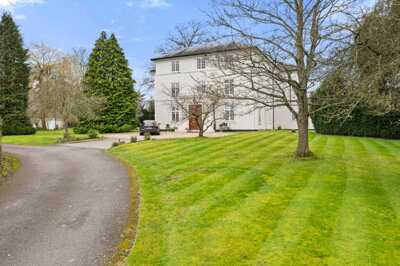
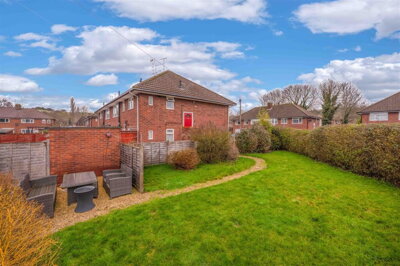
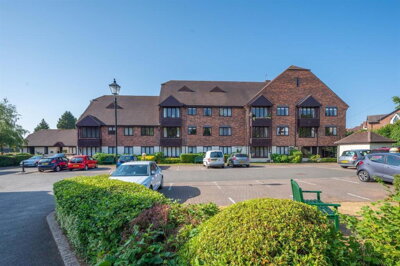
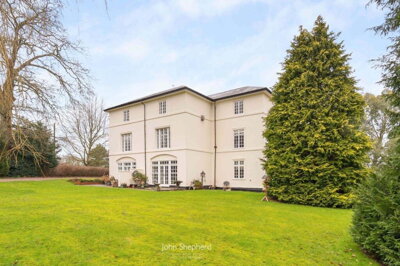
Browse 5 homes for sale in Ullenhall, Stratford-on-Avon from local estate agents.
The 2 bed flat sector typically includes two separate bedrooms, dedicated living areas, and bathroom facilities. Properties in Ullenhall span purpose-built blocks, converted period houses, and modern apartment complexes on various floors.
£0k
0
0
0
Source: home.co.uk
Showing 0 results for 2 Bedroom Flats for sale in Ullenhall, Stratford-on-Avon.
The Skeyton property market presents a nuanced picture for prospective buyers, with prices showing significant variation across different road areas and property types. In Skeyton Common, the overall average house price stands at £266,648 over the past year, representing a 7% decrease compared to the previous year and sitting 20% below the 2022 peak of £331,568. This correction offers opportunities for buyers who may have found the market overheated during the post-pandemic surge, with the market settling into a more stable phase that allows for measured decision-making and realistic expectations around negotiation. Our team monitors these market shifts closely, providing buyers with current data to inform their purchasing decisions.
Different postcode areas within Skeyton show markedly different price trajectories that buyers should understand when searching for property. Skeyton New Road properties in the NR28 area average £170,500, representing a 31% decline from the previous year and a 26% fall from the 2023 peak of £230,000. In contrast, properties along Skeyton Road average £365,000, showing a 30% increase year-on-year despite remaining 54% below the 2023 peak of £791,667. These variations demonstrate that specific location within the village can significantly impact property values, and our search tools allow buyers to filter by road area to match their budget and requirements effectively.
New build opportunities are emerging in the village, with plans approved for the conversion of four traditional barns into seven homes at Beech Farm on Felmingham Road. The development, being carried out by R W Randell and Sons, will create three two-storey houses and four single-storey properties, offering modern living within a period agricultural setting. This type of conversion work is characteristic of North Norfolk, where historic farm buildings are often reimagined to meet contemporary housing needs while preserving the area's rural character. For buyers seeking new build properties with traditional aesthetics, monitoring developments like Beech Farm provides opportunities to secure contemporary homes in the village.
Skeyton's housing stock encompasses a rich variety of property types reflecting the village's long settlement history spanning several centuries. The village contains numerous listed buildings, including the Grade II* All Saints Church with its 12th century nave and tower, alongside Grade II protected properties such as Firtree Cottage, Goat Inn, The Lodge, Dairy Farm House, and Hall Farm House. These historic properties represent the architectural heritage that makes Skeyton appealing to buyers seeking characterful homes with genuine historical provenance, though buyers should understand the planning restrictions and potential additional costs associated with listed status.
Traditional cottages in Skeyton often feature construction from local materials including brown carstone, flint, and red brick, with characteristics typical of 18th and 19th century Norfolk properties. Properties include converted chapels dating from around 1840 and period residences dating from circa 1750, many featuring original timber windows, solid walls without cavity insulation, and older plumbing and electrical systems. For buyers considering period properties, understanding these construction characteristics is essential for accurate budgeting, as repairs to traditional materials often require specialist contractors. Our listings include detailed descriptions of each property's age, construction, and features to help buyers identify properties matching their requirements.
The village's housing mix also includes more modern properties built during the 20th century, typically constructed with cavity wall insulation and contemporary building standards. Recent sales data indicates terraced properties form the majority of transactions in Skeyton Common, followed by semi-detached and detached homes. Detached properties command the highest average prices at around £387,727, reflecting the additional space and privacy they offer. For families requiring more room, semi-detached properties at approximately £265,679 provide a middle ground between terraced cottages and larger detached residences.

Skeyton embodies the essence of rural North Norfolk living, offering residents a tranquil environment surrounded by productive farmland and characteristic Norfolk landscape. The village sits within an area defined by fertile agricultural land featuring the bold swells typical of the region, with a small rivulet joining the River Bure near the nearby village of Buxton. The landscape transitions between arable fields, pastoral meadows, and pockets of woodland, creating a diverse and visually appealing environment that changes beautifully with the seasons. For those seeking to escape the pressures of urban life, Skeyton provides an authentic slice of English countryside that remains remarkably accessible to major urban centres.
The village's history is evident throughout its built environment, with All Saints Church standing as a medieval landmark constructed from distinctive brown carstone quarried locally from the surrounding geological deposits. The church, featuring a 12th century nave and tower, serves as both a spiritual centre and a physical testament to the village's long settlement history. Several other historic buildings dot the village, including Firtree Cottage, Goat Inn, The Lodge, Dairy Farm House, and Hall Farm House, all receiving Grade II listing protection. These properties represent the architectural heritage that makes Skeyton and surrounding villages so appealing to those seeking characterful homes with genuine historical provenance.
Community life in Skeyton revolves around traditional pub venues and local events, with the village maintaining strong connections to its agricultural roots despite its small population. The surrounding area offers access to wider amenities in nearby market towns, with Cromer to the north providing comprehensive shopping, healthcare, and cultural facilities. Norwich lies to the south, approximately 30-35 minutes by car, offering comprehensive employment opportunities, shopping centres, and cultural attractions. The North Norfolk coast, with its designated Areas of Outstanding Natural Beauty and famous beaches at Cromer and Sheringham, lies within easy driving distance, offering residents the rare combination of peaceful village living with access to coastal recreation.
Families considering a move to Skeyton will find educational options primarily located in surrounding villages and market towns, with transport arrangements typically necessary for school-age children. The village falls within the North Norfolk local education authority, which manages a network of primary and secondary schools serving the scattered rural communities. Primary education is available at nearby schools in villages such as Aldborough with its local primary school, while secondary education typically involves travel to larger settlements like Stalham or North Walsham where broader curriculum options become available. Parents should factor these travel requirements into their relocation planning, considering both time commitments and practical arrangements for school runs.
North Norfolk maintains several well-regarded secondary schools, with grammar school options accessible in Norwich for academically able students who qualify through the selection process. The travel implications of rural schooling mean that families should factor transport logistics into their relocation planning, considering both the time commitments and the practical arrangements required for school runs. Many families in the area embrace these arrangements as part of the rural lifestyle trade-off, prioritising the benefits of village living against the need for occasional longer journeys. The North Norfolk education authority provides detailed information about catchment areas and school transport arrangements.
For younger children, early years and childcare provision exists within reasonable distance, with childminders and preschool groups operating across the local village network. The close-knit nature of North Norfolk communities often facilitates informal childcare networks, with families supporting each other through shared arrangements and local connections. Parents relocating from urban areas frequently find these community relationships one of the unexpected benefits of rural Norfolk living, creating social connections that extend beyond the school gate. The North Norfolk Family Information Service provides details of registered childcare providers in the area.
Transport connectivity from Skeyton reflects its rural Norfolk setting, with residents relying primarily on private vehicles supplemented by local bus services and the nearest rail connections in surrounding towns. The village sits between the market towns of North Walsham and Stalham, both offering regular bus services connecting to larger centres including Norwich. Norfolk Green's bus services provide connections between surrounding villages and market towns, though service frequencies reflect the rural nature of the area with limited evening and weekend provision. Daily errands to supermarkets, doctors' surgeries, and other essential services typically require either private vehicle access or careful planning around bus timetables.
For daily commuters working in Norwich, the journey by car typically takes around 30-35 minutes via the A149 and A1065 roads, making Norwich's employment opportunities accessible to remote workers and those with flexible working arrangements. Rail connections from nearby stations provide access to Norwich, with services continuing to Cambridge and London's Liverpool Street via the East Anglian main line. North Walsham station offers direct services to Norwich with journey times of approximately 25 minutes, while the broader Greater Anglia network connects Norfolk to London, Birmingham, and Liverpool. For residents comfortable with occasional commuting, these connections make Norwich and the wider region reasonably accessible without the need to live within the city itself.
Cycling is popular for shorter local journeys, with Norfolk's generally flat landscape making cycling accessible to most fitness levels and age groups. The National Cycle Network provides routes through North Norfolk, connecting villages to market towns and coastal destinations. For commuters to Norwich, cycling is a viable option for those within reasonable distance, with dedicated cycle paths available on some sections of the route. Many residents appreciate the health and environmental benefits of cycling for local trips, particularly during the summer months when the Norfolk countryside is at its most attractive.
Understanding the construction methods and materials used in Skeyton properties helps buyers appreciate the character of homes in the village and anticipate maintenance requirements. The local geology has shaped building traditions for centuries, with brown carstone being a distinctive feature of properties including All Saints Church. This locally quarried material reflects the underlying geology and creates the warm, russet tones characteristic of many historic buildings in the area. Properties dating from the 18th and 19th centuries often feature solid wall construction without cavity insulation, which affects both thermal performance and moisture management.
Traditional building materials across Skeyton include local brick, flint, and render, often used in combination across different periods of construction. Timber-framed buildings with later brick facades represent a characteristic style of historic Norfolk properties, requiring specialist knowledge for maintenance and renovation. The converted chapel dating from around 1840 and other period residences demonstrate how traditional materials have been used to create distinctive properties that now form part of Skeyton's diverse housing stock. For buyers considering renovation or extension work, understanding these materials is essential for accurate budgeting and planning applications.
More recent construction in the village follows 20th century building standards, typically featuring cavity wall construction and modern insulation materials. These properties often require less maintenance than their older counterparts but may lack the character and solid construction of period properties. When purchasing any property in Skeyton, we recommend arranging a thorough survey to assess the condition of construction materials and identify any maintenance requirements. Our partnered RICS surveyors understand local construction methods and can provide detailed assessments of properties across the village.
Begin by exploring current property listings in Skeyton using Homemove, comparing prices across different road areas. Understanding the price variations between Skeyton Common, Skeyton New Road, and Skeyton Road will help you identify which neighbourhood offers the best value for your budget and requirements. The Skeyton New Road area averages £170,500 while Skeyton Road properties average £365,000, representing significantly different market segments.
Before scheduling viewings, obtain a mortgage agreement in principle from a lender. This document demonstrates your financial credibility to estate agents and sellers, and helps you understand your realistic budget. Given the varied prices in Skeyton, from £170,500 properties to homes exceeding £350,000, knowing your borrowing limit is essential for focusing your search effectively.
Visit properties that match your criteria, paying attention to the construction materials and age of buildings. Skeyton's older properties dating from the 18th and 19th centuries may have different maintenance requirements than modern homes. Consider the proximity to nearby towns for daily amenities and the specific location within the village, as different road areas show markedly different price trajectories.
Once your offer is accepted, arrange a RICS Level 2 Survey to assess the property's condition. Given Skeyton's older housing stock, including listed buildings and period properties, this survey will identify any structural concerns, damp issues, or outdated electrics that may require attention before or after purchase. National average costs for Level 2 surveys range between £416 and £639.
Choose a conveyancing solicitor to handle the legal aspects of your purchase. They will conduct searches specific to North Norfolk District Council, check local planning permissions, and ensure the title is clean for properties in this historic village area. Conveyancing fees in the region typically range between £500-£1,500 depending on complexity.
Final preparations involve building insurance, arranging utility connections, and coordinating your move. On completion day, keys are transferred and you become the proud owner of a Skeyton property, joining a community of approximately 233 residents in this picturesque North Norfolk village.
Purchasing property in Skeyton requires awareness of several location-specific considerations that differ from urban property buying. The village contains multiple listed buildings including the Grade II* All Saints Church and several Grade II properties, which means that certain properties may be subject to planning restrictions relating to alterations, extensions, or exterior modifications. Any buyer considering a listed property should budget for potential additional costs associated with specialist surveys and the requirement to obtain Listed Building Consent for significant works.
The age of much of Skeyton's housing stock, including converted chapels from around 1840 and period residences dating from circa 1750, means that buyers should expect construction characteristics typical of historic properties. These may include solid walls without cavity insulation, original timber windows, and older plumbing and electrical systems. A thorough RICS Level 2 Survey is particularly valuable for older properties in the village, identifying issues such as damp, roof condition, and the adequacy of electrics before you commit to purchase. Common defects in period properties include rising damp, penetrating damp due to defective gutters or roofs, timber decay such as dry rot or woodworm, and outdated electrical installations.
Building materials in Skeyton properties reflect the local geology and traditional construction methods, with brown carstone, local brick, flint, and render all appearing across the village's historic properties. Understanding these materials and their maintenance requirements is important for accurate budgeting, as repairs to traditional materials often require specialist contractors. Flood risk in the immediate Skeyton area requires local inquiry during the conveyancing process, though the village's position on higher ground generally reduces flood risk compared to lower-lying areas of Norfolk. Our team can provide guidance on specific properties and their potential considerations.
The average house price in Skeyton Common is currently £266,648, though prices vary significantly by location and property type within the village. Terraced properties average £214,946, semi-detached homes reach approximately £265,679, and detached properties command around £387,727. Skeyton Road properties average higher at £365,000, while Skeyton New Road averages £170,500. Recent market conditions show price corrections from 2022 peaks, with Skeyton Common prices 20% below the £331,568 peak and Skeyton New Road down 31% year-on-year, offering opportunities for buyers entering the market.
Properties in Skeyton fall under North Norfolk District Council, with council tax bands ranging from A to H depending on property value and size. Band A properties attract the lowest annual charge, while Band H properties command the highest council tax rates. You can check specific bandings by entering the property postcode on the Valuation Office Agency website or contacting North Norfolk District Council directly for the most accurate current banding information. The council tax system funds local services including education, refuse collection, and local authority services across North Norfolk.
Skeyton is served by North Norfolk's education system, with primary schools available in nearby villages including Aldborough. Secondary education options include schools in Stalham and North Walsham, with grammar school access in Norwich for academically able students who pass the selection tests. Families should factor travel arrangements into their planning, as rural schooling typically involves longer journeys than urban alternatives. The North Norfolk education authority can provide specific catchment area information and details about school transport arrangements available in the area.
Public transport connectivity from Skeyton reflects its rural location, with bus services operated by Norfolk Green connecting the village to surrounding market towns including North Walsham and Stalham. Service frequencies are limited compared to urban areas, particularly during evenings and weekends, so private vehicle access is generally necessary for daily convenience. The nearest railway stations are in North Walsham and Worstead, offering connections to Norwich with journey times of approximately 25 minutes, where services continue to Cambridge and London's Liverpool Street via the East Anglian main line.
Skeyton offers potential for property investment given its position within sought-after North Norfolk, with the village attracting buyers seeking rural character and community atmosphere. The recent price corrections in some areas, with values down 20% from 2022 peaks in Skeyton Common and 31% in Skeyton New Road, may present buying opportunities for long-term investors. New build development at Beech Farm on Felmingham Road indicates ongoing local investment in housing stock. The area's appeal, combined with Norfolk's coastal attractions and improved connectivity to Norwich, supports both rental prospects and capital growth potential.
Stamp Duty Land Tax rates for Skeyton properties follow standard UK thresholds. For properties at the village average price of £266,648, standard buyers pay zero on the first £250,000 then 5% on the remaining amount, resulting in total stamp duty of approximately £833. First-time buyers qualify for relief on purchases up to £625,000, paying zero on the first £425,000 and 5% between £425,001 and £625,000, reducing their stamp duty to approximately £1,832 on a property at this price. Properties above £925,000 attract higher rates of 10% on the portion above this threshold. Always verify current thresholds with HMRC as these may change with government budget announcements.
Older properties in Skeyton, including those dating from the 18th and 19th centuries, may present typical issues associated with period housing stock. These include damp penetration (rising damp in properties built before damp-proof courses, penetrating damp from defective gutters or roofs), structural movement, timber decay such as dry rot or woodworm, roof condition concerns, and outdated electrical systems that may not meet current regulations. Listed buildings require specialist surveyors and Listed Building Consent for works. We strongly recommend a RICS Level 2 Survey before purchase to identify any defects and budget appropriately for necessary repairs or upgrades.
From £350
Professional survey recommended for all properties in Skeyton's older housing stock
From 4.5% APR
Find competitive mortgage rates for your Skeyton purchase
From £499
Expert solicitors handling your property purchase
From £80
Energy performance certificate for your new property
Understanding the full financial implications of buying property in Skeyton is essential for budgeting effectively. Beyond the property purchase price, buyers must account for Stamp Duty Land Tax, solicitor fees, survey costs, and various other expenses that together can add several thousand pounds to the total outlay. For a property at the Skeyton Common average price of £266,648, the stamp duty costs represent the most significant immediate expense after the deposit and mortgage arrangement fees. Standard buyers pay zero stamp duty on the first £250,000 of a property purchase, with 5% charged on the portion between £250,001 and £925,000.
On a £266,648 property, stamp duty for standard buyers amounts to approximately £833 on the amount above £250,000. First-time buyers benefit from increased thresholds, paying zero on the first £425,000 and 5% between £425,001 and £625,000, which reduces their stamp duty liability to approximately £1,832 on a property at this price point. These calculations demonstrate why first-time buyer status can result in meaningful savings, particularly for properties in the mid-range price bracket typical of Skeyton. Always verify current thresholds with HMRC as these may change with government budget announcements.
Additional buying costs include mortgage arrangement fees averaging 0.5-1% of the loan amount, survey costs ranging from £350 for a basic RICS Level 2 Survey to £600 or more for larger or older properties with additional complexity. Conveyancing fees typically range between £500-£1,500 depending on the complexity of the transaction and whether the property is leasehold or freehold. Search fees from North Norfolk District Council, Land Registry fees, and teleport fees add further minor costs. Buyers purchasing period properties in Skeyton should also budget for potential immediate repairs identified during survey, particularly for properties with historic fabric requiring specialist conservation work.
Properties for Sale In London

Properties for Sale In Plymouth

Properties for Sale In Liverpool

Properties for Sale In Glasgow

Properties for Sale In Sheffield

Properties for Sale In Edinburgh

Properties for Sale In Coventry

Properties for Sale In Bradford

Properties for Sale In Manchester

Properties for Sale In Birmingham

Properties for Sale In Bristol

Properties for Sale In Oxford

Properties for Sale In Leicester

Properties for Sale In Newcastle

Properties for Sale In Leeds

Properties for Sale In Southampton

Properties for Sale In Cardiff

Properties for Sale In Nottingham

Properties for Sale In Norwich

Properties for Sale In Brighton

Properties for Sale In Derby

Properties for Sale In Portsmouth

Properties for Sale In Northampton

Properties for Sale In Milton Keynes

Properties for Sale In Bournemouth

Properties for Sale In Bolton

Properties for Sale In Swansea

Properties for Sale In Swindon

Properties for Sale In Peterborough

Properties for Sale In Wolverhampton

Enter your details to see if this property is within your budget.
Loans, cards, car finance
Estimated property budget
Borrowing + deposit
You could borrow between
Typical borrowing
Monthly repayment
Est. at 4.5%
Loan-to-value
This is an estimate only. Your actual budget may vary depending on interest rates, credit history, and personal circumstances. For an accurate affordability assessment, speak to one of our free mortgage advisors.
This calculator provides estimates for illustrative purposes only and does not constitute financial advice. Your home may be repossessed if you do not keep up repayments on your mortgage. Estimates based on 4.5% interest rate, repayment mortgage. Actual rates depend on your circumstances.
Homemove is a trading name of HM Haus Group Ltd (Company No. 13873779, registered in England & Wales). Homemove Mortgages Ltd (Company No. 15947693) is an Appointed Representative of TMG Direct Limited, trading as TMG Mortgage Network, which is authorised and regulated by the Financial Conduct Authority (FRN 786245). Homemove Mortgages Ltd is entered on the FCA Register as an Appointed Representative (FRN 1022429). You can check registrations at NewRegister or by calling 0800 111 6768.

We use cookies to show you personalised content and improve your experience of our website. Find out more in our Privacy policy and Cookie policy.