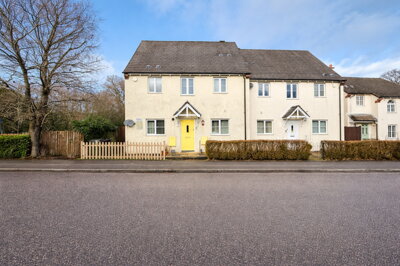
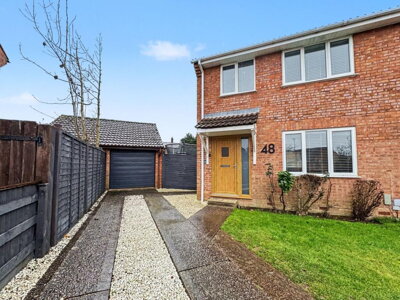
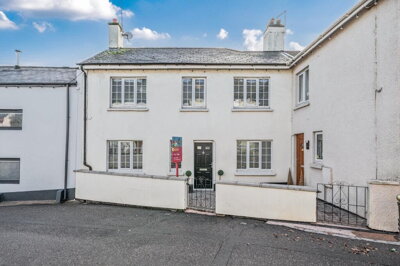
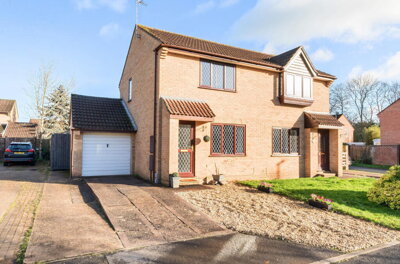
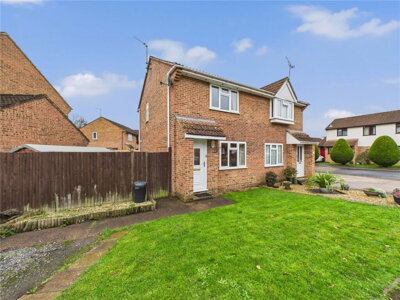
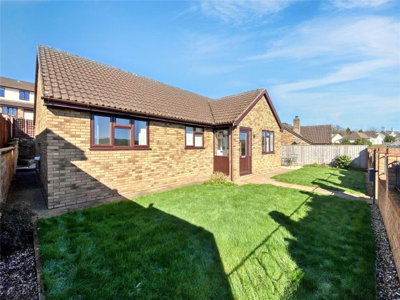
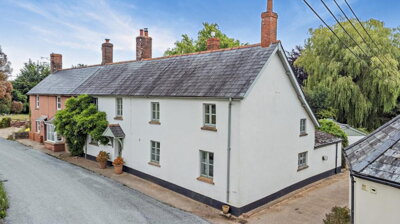
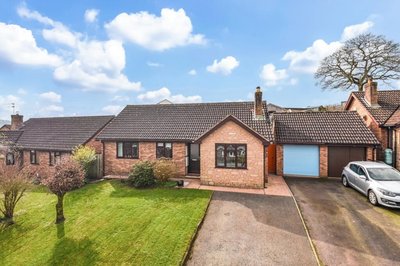
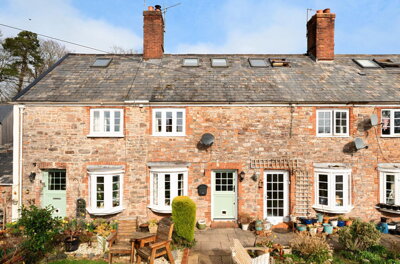
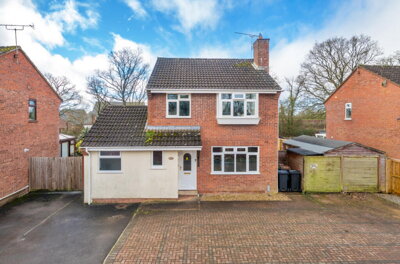
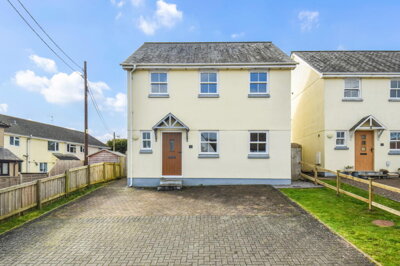
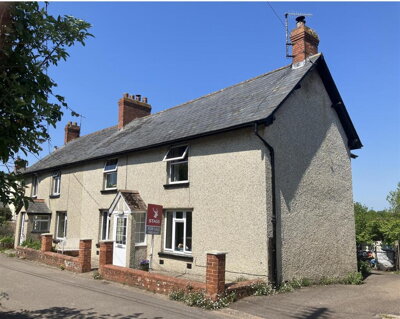
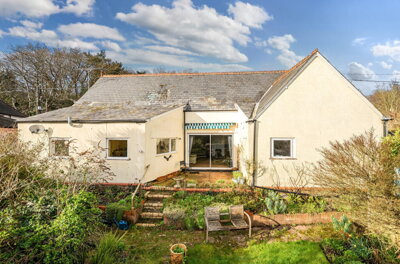
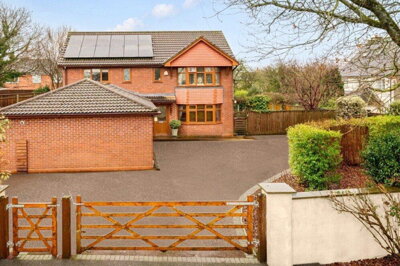
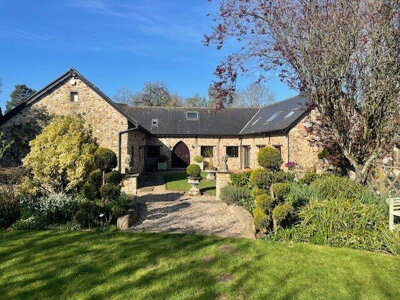
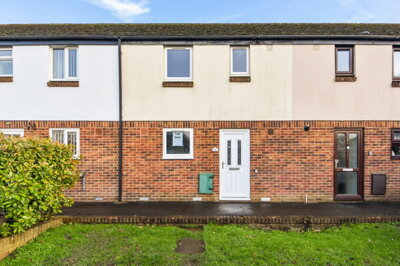
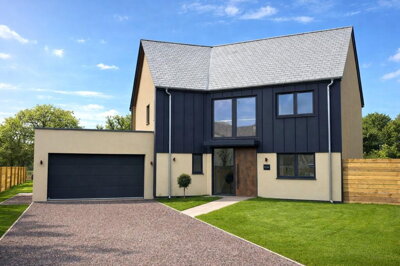
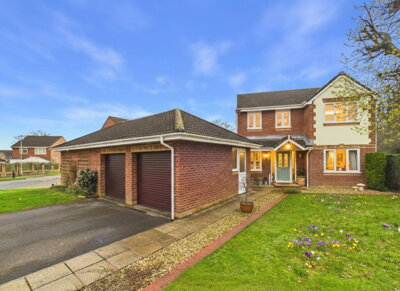
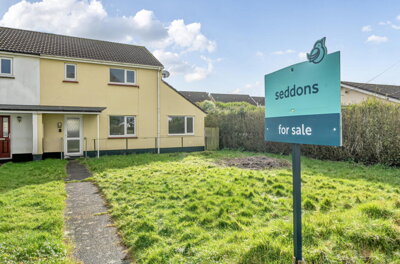
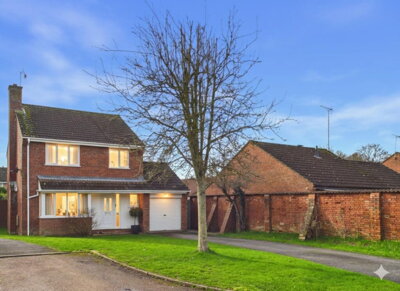
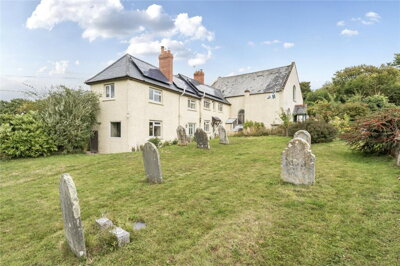
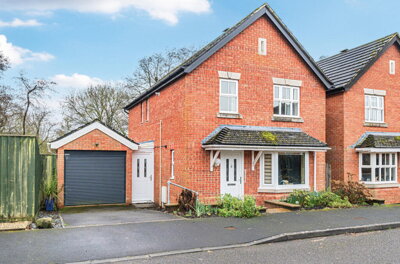
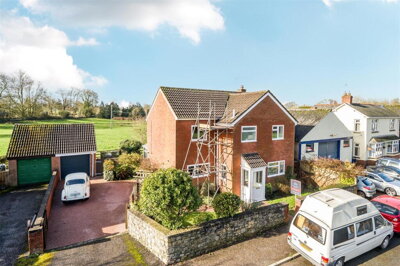
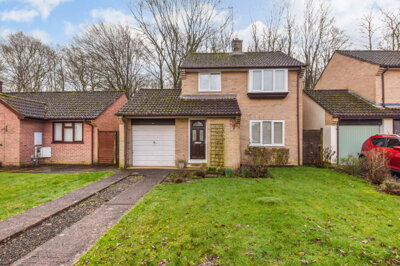
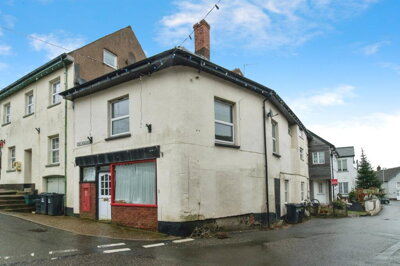
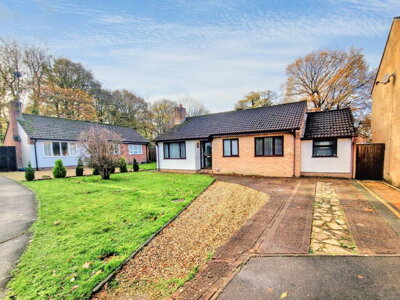
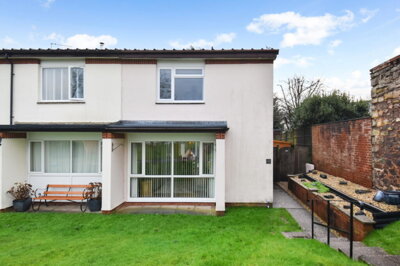
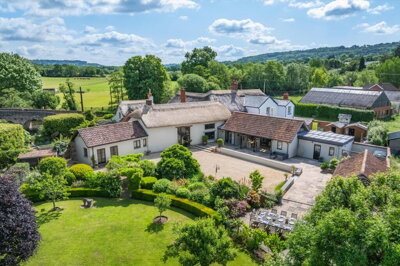
Browse 109 homes for sale in Uffculme, Mid Devon from local estate agents.
£275k
29
1
149
Source: home.co.uk
Source: home.co.uk
Detached
8 listings
Avg £546,250
Terraced
7 listings
Avg £216,421
End of Terrace
5 listings
Avg £195,490
Bungalow
1 listings
Avg £345,000
Cottage
1 listings
Avg £222,000
Country House
1 listings
Avg £635,000
Detached Bungalow
1 listings
Avg £460,000
Retirement Property
1 listings
Avg £55,000
Semi-Detached
1 listings
Avg £239,500
detached
1 listings
Avg £425,000
Source: home.co.uk
Source: home.co.uk
The Tywyn property market has demonstrated remarkable stability over the past twelve months, with property prices increasing by approximately 1% across all property types. This steady growth reflects the enduring appeal of the town as a place to live rather than simply invest, with buyer demand driven by those seeking an alternative to the hustle of larger urban centres. The overall average price stands at £215,702, positioning Tywyn as an accessible option for first-time buyers, families, and retirees alike who wish to establish roots in one of Wales's most scenic coastal towns. The market sees regular turnover, with 52 properties changing hands over the past year, indicating healthy liquidity for those looking to sell as well as buy.
Property types in Tywyn reflect the town's rich architectural heritage and varied housing needs. Detached properties command the highest average price at £280,000, appealing to families seeking space and privacy with potential views towards the mountains or sea. Semi-detached homes average £195,000, offering excellent value for families looking for generous room sizes in a town where similar properties in coastal towns elsewhere in the UK would cost considerably more. Terraced properties, which make up 32.8% of the housing stock according to the 2021 Census, average £170,000 and represent an attractive entry point for first-time buyers or those seeking a manageable property in a beautiful location. Flats and apartments average £115,000, providing affordable options for those seeking a simpler lifestyle or a holiday let investment opportunity.
The housing stock breakdown from the 2021 Census reveals the predominance of traditional property types in Tywyn. Detached homes account for 26.5% of properties, semi-detached for 20.3%, terraced for 32.8%, and flats and apartments for 19.9%, with the remaining 0.5% comprising other property types such as commercial conversions. This mix provides options across all budgets, from affordable flats ideal for first-time buyers to substantial detached properties that make the most of Tywyn's stunning coastal and mountain views.

Tywyn, home to 3,095 residents across 1,515 households according to the 2021 Census, is a town where community spirit thrives alongside stunning natural surroundings. The population swells significantly during peak holiday seasons as visitors drawn by the beaches, mountains, and the famous Talyllyn Railway discover what makes this corner of Gwynedd so special. The town's economy relies heavily on tourism, which creates both employment opportunities and a demand for holiday let properties, factors that influence the local property market in subtle but meaningful ways. Second homes and holiday lets are a notable feature of the area, contributing to the local economy while also generating discussions about housing affordability for permanent residents.
The character of Tywyn's housing reflects its history and geography, with construction styles that have evolved over more than a century of building. Approximately 35% of properties were built before 1919, featuring traditional construction with solid stone or brick walls and Welsh slate roofs that give the town its distinctive aesthetic. A further 15% date from the interwar period, and 30% from the post-war era through to 1980, meaning 80% of the housing stock is over 50 years old. This older housing stock brings character and solid craftsmanship but also means buyers should budget for the possibility of updating electrics, plumbing, and insulation in older properties. The remaining 20% of properties built since 1980 offer more modern specifications while still fitting within the town's traditional character.
The geology around Tywyn comprises primarily Ordovician and Silurian mudstones, sandstones, and turbidites, which have historically provided the local stone used in traditional building construction. The area shows a moderate to low shrink-swell clay risk, though some pockets of higher risk exist particularly in areas with superficial deposits of glacial till. This geological background means that while widespread subsidence issues are uncommon, localised problems can occur in properties built on less stable ground or where foundations are shallow. Our survey partners understand these local ground conditions and include appropriate checks during property inspections.
Education provision in Tywyn serves families considering a move to this part of Gwynedd, with primary education available within the town itself and secondary options accessible in nearby towns. The local primary school serves children from the town and surrounding villages, providing education within a community setting that many families find appealing compared to larger urban schools. Parents should research current catchment areas and admission arrangements directly with Gwynedd Council, as these can affect which schools children are eligible to attend based on residence. The small class sizes often found in rural Welsh schools can offer educational benefits, with teachers able to provide more individual attention to students.
For secondary education, students typically travel to nearby towns where they can access a broader range of GCSE and A-level subjects. The presence of good schools nearby is an important factor for families, and Tywyn's location means that several secondary options are within reasonable daily commuting distance. Further and higher education opportunities are available in larger towns such as Aberystwyth and Bangor, with the University of Wales Aberystwyth and Bangor University both within accessible reach for students continuing their education while maintaining family connections in Tywyn. Parents are advised to verify current school performance data and inspection results directly through Estyn, Wales's education inspectorate, as these can change and represent the most up-to-date picture of educational quality in the area.
Tywyn is connected to the broader transport network primarily via the Cambrian Coast Railway, which provides direct rail services along one of Britain's most scenic railway routes. The station offers regular services connecting Tywyn to towns along the Welsh coast, making it practical for residents to travel for work or leisure without relying entirely on car ownership. Journey times to larger centres vary, with connections to mainline services requiring either a change at Machynlleth or other intermediate stations. For those working in larger cities, the journey time to available employment centres requires consideration, though the beauty of the journey itself, with coastal and mountain views, transforms what might be tedious commuting into something more pleasant.
Road access centres on the A493, which runs along the coast connecting Tywyn to neighbouring towns and villages in both directions. The town is approximately 20 miles from Dolgellau, the gateway to northern Snowdonia, and provides access to the A470 trunk road that runs through the heart of Wales. The nearest major motorway access is some distance away, meaning residents appreciate the peaceful pace of life while accepting that longer journeys may be required for certain employment, specialist healthcare, or leisure activities. Local bus services provide essential connections for those without cars, while the Talyllyn Railway itself offers a unique tourist and leisure transport option, with its preservation status ensuring this piece of Welsh industrial heritage remains operational for generations to come.
Start by exploring listings on Homemove to understand what is available within your budget. Tywyn offers terraced properties from around £170,000 up to detached homes at £280,000. Consider whether you need proximity to the seafront, town centre, or the railway station when narrowing your search area.
Before viewing properties, obtain a mortgage agreement in principle from a lender. This demonstrates to estate agents and sellers that you are a serious buyer with financing already considered. Our mortgage partners can help you find competitive rates and compare options suitable for your situation.
Visit properties that match your criteria, taking time to assess not just the property itself but the neighbourhood and surroundings. Consider factors such as flood risk areas near the river, proximity to listed buildings, and the condition of neighbouring properties. Ask about the age of the property and any recent renovations or maintenance.
With 80% of Tywyn properties built before 1980, a thorough survey is essential. Our survey partners offer RICS Level 2 Surveys in Tywyn from £450 to £750 depending on property size and complexity. The coastal climate means issues such as damp, roof condition, and timber defects are common considerations.
Choose a conveyancing solicitor to handle the legal aspects of your purchase. They will conduct searches, handle local authority inquiries, and manage the transfer of ownership. Our conveyancing partners offer transparent pricing from £499 for standard purchases in the Tywyn area.
Once all searches are satisfactory and financing is confirmed, your solicitor will exchange contracts and set a completion date. On completion day, the remaining funds are transferred and you receive the keys to your new Tywyn home.
Properties in Tywyn present unique considerations that buyers should carefully evaluate before committing to a purchase. The coastal location means that flood risk is an important factor, with properties near the Afon Dysynni river potentially vulnerable to river flooding, while those along the seafront face risks from tidal surges and coastal storm events. Surface water flooding can occur in various parts of the town during heavy rainfall, so investigating the flood history of any specific property is strongly advisable. Your surveyor will note any signs of previous flooding or water damage, but independent research through the government's flood risk checking tools provides useful background information before you make an offer.
The age of Tywyn's housing stock means that construction quality and maintenance standards vary considerably between properties. Traditional Welsh slate roofs are a beautiful feature but require ongoing maintenance, with slipped slates, damaged leadwork, and general wear being common issues identified in surveys. The solid wall construction found in many pre-1919 properties offers excellent thermal mass but may lack the insulation standards of modern builds, potentially leading to higher heating costs and condensation issues. Electrical systems in older properties frequently do not meet current standards and may require complete rewiring. Buyers should budget for the possibility of updating electrics, plumbing, and insulation when purchasing older properties.
Tywyn contains a number of listed buildings, primarily concentrated around the town centre and along the main thoroughfares, which carry additional responsibilities for owners in terms of maintenance and alterations. If you are considering a listed property, factor in the additional costs of specialist surveys and the need for planning permission or listed building consent for many works. Listed buildings may require an RICS Level 3 Building Survey rather than a standard Level 2, as the increased detail and specialist expertise prove valuable for properties with historical significance. The absence of a designated conservation area within Tywyn itself simplifies some aspects, but proximity to the Snowdonia National Park and associated planning considerations may affect certain properties. Understanding these local planning constraints helps ensure your purchase meets both your lifestyle needs and your expectations for how you may use and modify the property.
The coastal environment creates specific challenges for property maintenance in Tywyn. Salt-laden winds can accelerate the weathering of external finishes, while the mix of traditional timber sash windows in older properties and uPVC replacements throughout the town each bring their own maintenance considerations. Properties very close to the sea may experience ongoing issues with coastal erosion, which can affect foundations and structural integrity over time. Our survey partners are experienced in identifying these coastal-specific defects and will provide detailed guidance on any remedial work required before or after purchase.

Given that approximately 80% of properties in Tywyn were built before 1980, understanding the common defects found in older Welsh construction is essential for any buyer. The coastal climate, characterised by high rainfall, salt air, and exposure to Atlantic weather systems, creates conditions that accelerate certain types of deterioration. Our inspectors regularly identify damp issues in Tywyn properties, including rising damp caused by failed or absent damp-proof courses, penetrating damp resulting from degraded external renders or damaged masonry, and condensation issues related to inadequate ventilation in solid wall constructions.
Roof defects feature prominently in Tywyn survey reports due to the prevalence of traditional Welsh slate roofing. Slipped and broken slates allow water penetration, while damaged leadwork around chimneys, valleys, and flashings represents a common source of leaks. The freeze-thaw cycle during winter months can cause particular damage to roof timbers, fascias, and soffits. Many older properties also feature timber bay windows and dormer structures that require careful inspection for signs of rot and structural movement. Our inspectors check all accessible roof areas, including valleys, verges, and penetrations, to identify current defects and potential future problems.
Timber defects including wet rot, dry rot, and woodworm activity are encountered regularly in Tywyn properties, particularly in those with damp issues or poor ventilation. Ground floor timber joists and floorboards in older properties are especially vulnerable, as are window frames and door frames exposed to the elements. Our surveyors use specialist equipment to assess the extent of any timber deterioration found and will advise on whether immediate remedial work is required or whether monitoring is appropriate. Properties with suspended wooden floors should be checked for adequate underfloor ventilation to prevent future timber decay.
The current average house price in Tywyn stands at £215,702 based on recent market data. Detached properties average £280,000, semi-detached homes £195,000, terraced properties £170,000, and flats £115,000. Prices have remained stable with approximately 1% growth over the past twelve months, reflecting a steady market with 52 sales completing in the last year. This affordability compared to other coastal locations in the UK makes Tywyn an attractive option for buyers seeking value for money in a beautiful Welsh setting.
Properties in Tywyn fall under Gwynedd Council's jurisdiction for council tax purposes. Bands range from A to I depending on the property's assessed value, with most traditional terraced and semi-detached properties falling into the lower bands. Exact bands can be verified through the Gwynedd Council website or your solicitor during the conveyancing process. Council tax in Gwynedd is generally competitive compared to many English local authorities, though you should factor this ongoing cost into your budget alongside mortgage payments and utility bills.
Tywyn has a primary school serving the local community and surrounding villages, with secondary education available in nearby towns. For specific school performance data and current inspection reports, parents should consult Estyn, Wales's education inspectorate website. The small scale of rural schools often provides benefits through smaller class sizes and more individual attention for students. Catchment areas for schools are determined by Gwynedd Council and can be verified before purchasing property to ensure your children can access your preferred schools.
Tywyn railway station sits on the Cambrian Coast Railway, providing regular services along one of Britain's most scenic rail routes. The town connects to coastal communities and provides onward connections to the national rail network via changes at intermediate stations. Local bus services operate within Tywyn and connect to neighbouring towns and villages for those without car access. The Talyllyn Railway, a historic narrow-gauge heritage railway, also provides a unique transport and leisure option, though this operates primarily as a tourist attraction rather than practical public transport.
Tywyn offers several investment considerations that vary depending on your goals. The strong tourism sector creates demand for holiday let properties, with the scenic coastal and mountain location continuing to attract visitors year after year. However, buyers should be aware of the Welsh Government's approach to second homes and holiday lets, including potential licensing requirements and planning controls in certain areas. The stable property market with modest price growth suggests this is primarily a location for lifestyle buyers rather than those seeking rapid capital appreciation. Always research current regulations regarding holiday lets before purchasing with this intention.
Stamp Duty Land Tax applies to property purchases in Wales, calculated on a sliding scale from 0% above the nil-rate threshold up to 12% on residential properties above £1.5 million. For standard purchases, you pay nothing on the first £250,000, then 5% on the portion up to £925,000. First-time buyers in Wales may benefit from the Welsh Government's first-time buyer relief, which offers a higher nil-rate band. Your solicitor will calculate the exact amount due based on your purchase price and circumstances, and this cost should be included in your overall budget alongside survey fees, legal costs, and moving expenses.
Tywyn faces flood risk from multiple sources due to its coastal location and river setting. Properties close to the Afon Dysynni river carry river flood risk, particularly during periods of heavy rainfall upstream. Coastal flooding from Cardigan Bay affects the seafront and low-lying areas during tidal surges and storm events. Surface water flooding can occur throughout the town during intense rainfall when drainage capacity is exceeded. We strongly recommend checking the Welsh Government's flood risk mapping tools and requesting flood history information from the seller before committing to a purchase.
Given that 80% of Tywyn's housing stock was built before 1980, a thorough RICS Level 2 Survey is strongly recommended for most purchases in the area. The survey will identify common defects including damp, roof condition issues, timber defects, and outdated electrical systems that are prevalent in older Welsh properties. For listed buildings or properties with unusual construction, an RICS Level 3 Building Survey provides more detailed analysis and specialist expertise. Our survey partners offer RICS Level 2 Surveys in Tywyn starting from £450, with pricing varying based on property size and complexity.
From 3.5%
Our mortgage partners can help you find the right deal for your Tywyn purchase
From £499
Our conveyancing partners offer transparent pricing for Tywyn purchases
From £450
Our inspectors assess properties across Tywyn, identifying common defects in older housing
From £80
Energy performance certificates required for all Tywyn property sales
Budgeting for a property purchase in Tywyn requires careful consideration of all associated costs beyond the purchase price itself. Stamp Duty Land Tax applies to all residential property purchases in Wales and is calculated on a tiered basis, with the standard residential rates starting at 0% on the first £250,000 of the purchase price. For properties priced between £250,001 and £925,000, the rate increases to 5%, with further tiers at 10% for the portion between £925,001 and £1.5 million, and 12% on anything above that threshold. These rates apply to your purchase price net of any deductions you may be entitled to claim.
First-time buyers purchasing residential property in Wales may qualify for the Welsh Government's first-time buyer relief, which raises the nil-rate threshold to £425,000. This relief applies to the portion of the property price up to £425,000, with the 5% rate applying to the portion between £425,001 and £625,000. Properties priced above £625,000 do not receive first-time buyer relief on any portion of the purchase price. Your solicitor will calculate the exact SDLT liability and ensure you claim any reliefs you are entitled to receive. For most Tywyn purchases, where property prices typically fall well below £425,000, first-time buyers would pay no SDLT at all.
Beyond SDLT, buyers should budget for a RICS Level 2 Survey ranging from £450 to £750 depending on property size and complexity, with the older housing stock in Tywyn making surveys particularly valuable. Legal fees for conveyancing typically start from £499 for standard purchases, rising for leasehold properties or those with complications. Local authority searches through Gwynedd Council, drainage and water searches, and registration fees at the Land Registry add further costs. Mortgage arrangement fees, broker charges, and survey costs should all be factored into your budget alongside the deposit and purchase price to give a complete picture of what your move to Tywyn will cost.
Properties for Sale In London

Properties for Sale In Plymouth

Properties for Sale In Liverpool

Properties for Sale In Glasgow

Properties for Sale In Sheffield

Properties for Sale In Edinburgh

Properties for Sale In Coventry

Properties for Sale In Bradford

Properties for Sale In Manchester

Properties for Sale In Birmingham

Properties for Sale In Bristol

Properties for Sale In Oxford

Properties for Sale In Leicester

Properties for Sale In Newcastle

Properties for Sale In Leeds

Properties for Sale In Southampton

Properties for Sale In Cardiff

Properties for Sale In Nottingham

Properties for Sale In Norwich

Properties for Sale In Brighton

Properties for Sale In Derby

Properties for Sale In Portsmouth

Properties for Sale In Northampton

Properties for Sale In Milton Keynes

Properties for Sale In Bournemouth

Properties for Sale In Bolton

Properties for Sale In Swansea

Properties for Sale In Swindon

Properties for Sale In Peterborough

Properties for Sale In Wolverhampton

Enter your details to see if this property is within your budget.
Loans, cards, car finance
Estimated property budget
Borrowing + deposit
You could borrow between
Typical borrowing
Monthly repayment
Est. at 4.5%
Loan-to-value
This is an estimate only. Your actual budget may vary depending on interest rates, credit history, and personal circumstances. For an accurate affordability assessment, speak to one of our free mortgage advisors.
This calculator provides estimates for illustrative purposes only and does not constitute financial advice. Your home may be repossessed if you do not keep up repayments on your mortgage. Estimates based on 4.5% interest rate, repayment mortgage. Actual rates depend on your circumstances.
Homemove is a trading name of HM Haus Group Ltd (Company No. 13873779, registered in England & Wales). Homemove Mortgages Ltd (Company No. 15947693) is an Appointed Representative of TMG Direct Limited, trading as TMG Mortgage Network, which is authorised and regulated by the Financial Conduct Authority (FRN 786245). Homemove Mortgages Ltd is entered on the FCA Register as an Appointed Representative (FRN 1022429). You can check registrations at NewRegister or by calling 0800 111 6768.

We use cookies to show you personalised content and improve your experience of our website. Find out more in our Privacy policy and Cookie policy.