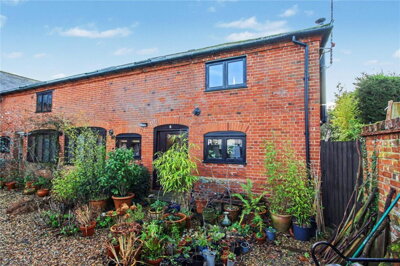
Browse 1 home for sale in Ubbeston, East Suffolk from local estate agents.
Studio apartments feature open-plan living spaces without separate bedrooms, incorporating sleeping, living, kitchen, and bathroom facilities. The Ubbeston studio market includes properties in modern apartment complexes, converted Victorian and Georgian buildings, and purpose-built developments.
£0k
0
0
0
Source: home.co.uk
Showing 0 results for Studio Flats for sale in Ubbeston, East Suffolk.
The Little Barford property market reflects its status as a smaller rural community, with property prices showing steady growth of 1.96% over the past twelve months. Detached properties command the highest prices at an average of £526,929, appealing to families seeking generous space and privacy. Semi-detached homes average £357,000, representing good value for buyers wanting more room than a terraced property offers while remaining within a manageable price range for the area.
Terraced properties in Little Barford average £275,000, making them an accessible entry point to this desirable village location. Flats remain less common in Little Barford's predominantly residential housing stock, with average prices around £175,000 reflecting the village's character as primarily houses rather than apartments. Our data shows 15 property transactions completed in the past year, indicating a healthy level of market activity for a community of approximately 307 residents across 120 households according to the 2021 Census.
New build activity specifically within the Little Barford postcode area remains limited, with no active developments verified at the time of research. Buyers seeking modern construction may wish to broaden their search to surrounding villages or consider properties in nearby St Neots, where larger developments offer contemporary options while still maintaining good connections to Little Barford. The relative scarcity of new build stock in the village contributes to the character of the housing stock and helps maintain property values for existing homeowners.
The stability of the local property market makes Little Barford an attractive prospect for buyers prioritising long-term investment alongside lifestyle considerations. The 1.96% annual price growth, while modest, demonstrates consistent demand for village properties in this accessible location. Limited new build supply means demand for existing properties remains robust, particularly for well-presented homes in good condition that appeal to families and commuters alike.

Life in Little Barford centres around its relationship with the River Great Ouse, which flows through the heart of this historic village. The settlement's Conservation Area encompasses several important heritage assets, including St Denys' Church, a Grade I listed building that stands as the village's medieval origins. Little Barford Mill, Grade II listed, represents the agricultural heritage that shaped this community over centuries. Several other residential properties and structures within the village carry listed status, ensuring architectural diversity and historical continuity characterise the streetscape.
The village's population of 307 residents across 120 households creates an intimate community where neighbours know one another and local events foster genuine connections. Little Barford's position within the Cambridgeshire-Bedfordshire border region provides residents with access to countryside walks, cycling routes, and riverside paths that define recreational opportunities. The presence of Little Barford Power Station on the village's edge serves as a notable local landmark, though employment opportunities are primarily found in the larger nearby towns of St Neots and Bedford.
Local amenities in the village itself are limited, as is typical for smaller Bedfordshire parishes, but this is offset by the easy access to comprehensive shopping, healthcare, and leisure facilities in surrounding towns. Residents appreciate the balance between village tranquility and urban convenience, with the ability to retreat to a peaceful setting after days working or socialising in busier locations. The nearby market town of St Neots, approximately 10 minutes away by car, offers supermarkets, independent shops, restaurants, and a weekly market that draws visitors from the surrounding villages.
Community life in Little Barford benefits from several active local groups and events that bring residents together throughout the year. The village hall serves as a focal point for social activities, while parish council meetings ensure community voices are heard on matters affecting local services and development. For families, the village's small scale means children can often walk or cycle to local amenities, fostering independence while maintaining safety in a tight-knit neighbourhood setting.

Families considering a move to Little Barford will find educational provision concentrated in nearby larger settlements, particularly in the St Neots area. Primary school options in surrounding villages and towns offer good Ofsted-rated schools within reasonable commuting distance of the village. Parents should research specific catchment areas and admission policies, as school places are allocated based on proximity and demand in Bedfordshire and Cambridgeshire.
Secondary education is typically accessed through schools in St Neots, with several well-regarded options available including grammar school provision for academically selective students. Sixth form and further education opportunities are well-served by colleges and schools in both the Cambridgeshire and Bedfordshire systems, providing comprehensive pathways for students of all abilities and interests. Transport arrangements for secondary school students often involve school buses serving the wider rural area, with journey times varying depending on specific school placement.
Several primary schools in the surrounding area have achieved good or outstanding Ofsted ratings, including schools in nearby Roxton, Great Paxton, and Little Paxton. These village schools offer small class sizes and strong community connections that many parents value. The commute from Little Barford to these schools typically involves a short drive, with some families opting to walk or cycle during favourable weather conditions along the quieter country lanes that connect the village to neighbouring settlements.
Early years childcare and reception placements are managed through Bedford Borough and Cambridgeshire County Council admissions systems, with various private and voluntary pre-school options available in nearby villages. Parents relocating to Little Barford should contact the relevant local authority admissions team early in their property search to understand current school allocation patterns and ensure their preferred schools fall within accessible catchment zones. School transport arrangements for children attending schools outside the immediate village should be factored into relocation planning, particularly for families with younger children requiring supervised daily journeys.
Little Barford benefits from its strategic position near the Bedford-Cambridgeshire border, providing residents with multiple transport options for commuting and leisure. The village sits within easy reach of major road connections including the A1 trunk road, which runs north-south through the region providing direct access to London, Peterborough, and the North. The A428 connects Little Barford to Cambridge and St Neots, while the A421 provides links to Milton Keynes and the M1 motorway beyond.
Rail services from nearby St Neots station offer regular connections to London King's Cross, with journey times of approximately 40-50 minutes making the village attractive to commuters working in the capital. St Neots station also provides services to Peterborough and cross-country connections via Cambridge. For those working in Bedford, rail and bus connections provide alternative options, while the straightforward road network makes driving a practical choice for most local journeys.
Local bus services connect Little Barford with surrounding villages and towns, though frequencies are limited as is typical for rural areas. Residents with cars find the road network well-suited to daily commuting, with parking provision available at local stations and town centres. Cycling infrastructure varies across the area, with some routes available along quieter country lanes, though longer journeys typically require carriageway use. The flat terrain surrounding Little Barford makes cycling feasible for those comfortable sharing rural roads with traffic.
For residents commuting to Cambridge, the journey typically involves either the A428 road route or rail connections via St Neots with a change at Huntingdon or Cambridge. Cambridge city centre is approximately 30-40 minutes away by car, depending on traffic conditions which can vary significantly during peak hours. The A14 trunk road, accessible via the A428, provides an additional route to Cambridge from the north, offering an alternative when central routes are congested.
Before searching for properties, obtain a mortgage agreement in principle from a lender. This confirms your budget and demonstrates to sellers that you are a serious buyer when making offers on homes in Little Barford. Speak to a mortgage broker who can advise on the best products for your circumstances, including fixed-rate, tracker, or offset mortgage options. Having your finances organised before property viewing ensures you can move quickly when you find the right home in this sought-after village location.
Explore property listings in Little Barford and surrounding villages, understanding price ranges for different property types. The average price of £376,432 provides a useful benchmark, with detached homes starting from around £527,000 and terraced properties from £275,000. Register with local estate agents who can alert you to new listings before they appear on public portals, giving you a competitive edge in a market where desirable properties can sell quickly.
Contact local estate agents to arrange viewings of properties matching your criteria. Take time to assess each property's condition, garden space, and proximity to local amenities and transport links. Properties near the River Great Ouse offer attractive views but may require specialist insurance considerations. Consider visiting properties at different times of day to understand noise levels, traffic patterns, and the overall atmosphere of the neighbourhood.
Once you have found your ideal home, book a RICS Level 2 Survey to identify any structural issues or defects. Given Little Barford's clay geology and flood risk areas, a thorough survey is particularly valuable for detecting subsidence, damp, or flood damage issues. For older or listed properties, a more comprehensive RICS Level 3 Building Survey may be advisable to assess complex construction and historical defects thoroughly.
Choose a conveyancing solicitor to handle the legal aspects of your purchase. They will conduct searches, review contracts, and coordinate with the seller's legal team to ensure a smooth transaction through to completion. Your solicitor should arrange local authority searches through Bedford Borough Council, which will reveal planning permissions, highways information, and any environmental concerns affecting the property.
Once all searches are satisfactory and finances are confirmed, you will exchange contracts and pay your deposit. Completion typically follows within days or weeks, when you will receive the keys to your new Little Barford home. Ensure you have buildings insurance in place from the point of completion, and consider arranging utilities and services to be transferred to your name on the day you move in.
Properties in Little Barford reflect the village's historical development, with construction types ranging from traditional period cottages to more recent residential buildings. The older housing stock, evidenced by the presence of listed buildings and the Conservation Area, typically features red brick construction with timber frame elements, slate or clay tile roofing, and solid wall construction without modern cavity insulation. These traditional building methods contribute to the character of the village but may present challenges for buyers accustomed to newer construction standards.
The underlying geology of Little Barford has influenced construction practices over the centuries. The Oxford Clay Formation that underlies the village has historically been used for brick-making, meaning local properties may incorporate handmade clay bricks that match the local geology. River Terrace Deposits of sand and gravel provide relatively stable foundation conditions in some areas, though the presence of clay at depth means foundations must be designed to accommodate potential shrink-swell movement, particularly for properties with mature trees nearby.
Properties built before the mid-twentieth century commonly feature construction elements that differ significantly from modern standards. Traditional timber framed construction with oak beams, lath and plaster internal walls, and open fireplaces characterise the oldest properties in the village. These features contribute to the aesthetic appeal of period homes but require understanding of their maintenance requirements. A RICS Level 2 Survey will identify any defects or deterioration affecting these traditional construction elements, helping buyers understand the scope of any remedial work needed.
More recent residential development in the surrounding area has introduced modern construction methods including cavity wall insulation, concrete tile roofing, and uPVC windows and doors. While Little Barford itself has limited modern development, properties within commuting distance of the village may incorporate these contemporary building standards. Understanding the construction type and age of any property you are considering purchasing helps anticipate potential maintenance issues and informs decisions about survey requirements and insurance provisions.
Property buyers considering Little Barford should pay particular attention to flood risk assessments, given the village's location on the River Great Ouse. Properties in areas adjacent to the river and low-lying parts of the village carry medium to high surface water flood risk. Prospective buyers should review the Property Flood Risk Record and consider whether properties have implemented any flood resilience measures or require additional insurance provisions.
The underlying Oxford Clay geology presents specific considerations for structural integrity and foundations. Properties with mature trees nearby or those built to older construction standards may be susceptible to shrink-swell subsidence as clay soils respond to moisture changes. A thorough RICS Level 2 Survey will identify any cracking, movement, or foundation concerns that may require remediation or negotiation with the seller. Look for signs of subsidence including diagonal cracks wider at the top than the bottom, sticking doors or windows, and rippling wallpaper away from corners.
The village's Conservation Area status means additional planning controls apply to alterations, extensions, and exterior modifications to properties within its boundaries. Buyers considering changes to a property should consult Bedford Borough Council planning portal before committing to purchase. Listed building status applies to several properties including St Denys' Church and Little Barford Mill, requiring Listed Building Consent for most external works and specialist survey expertise. If you are considering purchasing a listed property, budget for specialist surveys and be prepared for constraints on renovation options.
For older properties in Little Barford, common defects identified during surveys include rising damp due to failed or absent damp-proof courses, deterioration of timber elements including wet rot and woodworm infestation, and outdated electrical wiring that does not meet current standards. Roof conditions in period properties often require careful assessment, with missing or slipped tiles, deteriorated flashings, and sagging roof structures representing significant repair costs. Energy efficiency in older properties may fall below modern standards, requiring consideration of insulation improvements and heating system upgrades.
The average house price in Little Barford is £376,432 as of February 2026. Detached properties average £526,929, semi-detached homes £357,000, terraced properties £275,000, and flats approximately £175,000. House prices have increased by 1.96% over the past twelve months, indicating a stable market trend for this Bedfordshire village. The village's limited new build supply and desirable rural character support continued demand for existing properties across all price points.
Properties in Little Barford fall under Bedford Borough Council's council tax system. Bands range from A through to H depending on property value, with most village homes typically in bands B to E. Prospective buyers should check specific properties on the Valuation Office Agency website to confirm the exact council tax band and annual charges. For a typical semi-detached home in band C or D, annual charges would be approximately £1,500-£1,800 per year, while larger detached properties may fall into higher bands with corresponding council tax contributions.
Primary and secondary schools are located in nearby towns rather than within the village itself. St Neots offers several well-regarded primary and secondary schools including grammar provision, with good Ofsted ratings. Parents should research individual school performance data and admission policies, as catchment areas determine placement eligibility for primary age children. Schools in surrounding villages such as Roxton and Great Paxton also serve Little Barford families, with good reputations for academic achievement and pastoral care.
Public transport options are limited, reflecting Little Barford's status as a small rural village. Bus services connect the village to surrounding communities, though frequencies are modest with perhaps 2-3 services daily on some routes. Rail access is available from St Neots station, approximately 15-20 minutes away by car, offering regular services to London King's Cross in around 45-50 minutes. Most residents rely on private vehicles for daily commuting and local journeys, with convenient access to the A1, A428, and A421 road networks providing flexible travel options.
Little Barford offers appeal for investors seeking long-term growth in a desirable rural location. Property prices have shown steady appreciation, with 1.96% growth over twelve months. The village's Conservation Area status and limited new build supply help maintain property values. Rental demand may come from commuters working in London or Cambridge who prefer village life while maintaining city employment. Buyers should weigh the limited amenities against the peaceful setting and transport connections, with the village best suited to those who work from home frequently or have flexible commuting arrangements.
Stamp Duty Land Tax rates from April 2025 are 0% on the first £250,000, 5% between £250,001 and £925,000, 10% between £925,001 and £1.5 million, and 12% above £1.5 million. First-time buyers pay 0% on the first £425,000, 5% between £425,001 and £625,000, with no relief above that threshold. A typical £376,432 purchase would attract SDLT of approximately £6,322 for standard buyers or £0 for qualifying first-time buyers. Additional purchase costs including solicitor fees, survey fees, and moving expenses should be budgeted separately.
Little Barford's location on the River Great Ouse means properties near the river and in low-lying areas carry elevated flood risk from both river flooding and surface water accumulation. The Environment Agency's flood risk mapping shows medium to high surface water flood risk for parts of the village adjacent to watercourses. Properties in affected areas may face higher insurance premiums or require specialist flood insurance providers. Prospective buyers should review the Property Flood Risk Record for the specific property address and consider whether existing flood resilience measures are in place.
From 4.5% APR
Expert mortgage advice tailored to your situation
From £499
Specialist property solicitors for your Little Barford purchase
From £400
Comprehensive survey identifying defects in local properties
From £80
Energy performance certificate for your new home
Understanding the full costs of purchasing property in Little Barford is essential for budgeting effectively. The Stamp Duty Land Tax on a typical £376,432 purchase amounts to approximately £6,322 for standard buyers, calculated at 0% on the first £250,000 and 5% on the remaining £126,432. First-time buyers purchasing properties up to £425,000 would pay no SDLT, making Little Barford an accessible option for those entering the property market for the first time. The government relief available for first-time buyers represents significant savings that can be redirected towards moving costs or property improvements.
Additional purchase costs include solicitor fees averaging £800-£1,500 for conveyancing, depending on complexity and whether the transaction involves a chain. Search fees through Bedford Borough Council typically range from £200-£400, covering local authority searches for planning history, highways, and environmental matters. Mortgage arrangement fees vary by lender, typically ranging from £0 to £2,000, while valuation fees for lender requirements are often bundled into mortgage product packages.
Survey costs for a RICS Level 2 HomeBuyer Report start from around £400 for smaller properties and increase for larger or detached homes, potentially reaching £800 or more for substantial properties. Given Little Barford's flood risk and clay geology, investing in a thorough survey is particularly advisable to identify any subsidence, damp, or flood damage issues before purchase. For period or listed properties, a more detailed RICS Level 3 Building Survey may be warranted despite the higher cost, providing comprehensive assessment of complex construction and historical defects.
Ongoing costs for Little Barford homeowners include council tax (typically bands B-E, approximately £1,400-£2,000 annually), building insurance, and maintenance reserves for period properties which may require more upkeep than modern equivalents. Properties in the Conservation Area may face slightly higher maintenance costs to preserve their character, while energy efficiency improvements can reduce utility bills significantly in older construction. Setting aside funds for anticipated maintenance and improvement works helps new buyers manage the transition to property ownership in a village where many homes require ongoing investment to maintain condition.
Properties for Sale In London

Properties for Sale In Plymouth

Properties for Sale In Liverpool

Properties for Sale In Glasgow

Properties for Sale In Sheffield

Properties for Sale In Edinburgh

Properties for Sale In Coventry

Properties for Sale In Bradford

Properties for Sale In Manchester

Properties for Sale In Birmingham

Properties for Sale In Bristol

Properties for Sale In Oxford

Properties for Sale In Leicester

Properties for Sale In Newcastle

Properties for Sale In Leeds

Properties for Sale In Southampton

Properties for Sale In Cardiff

Properties for Sale In Nottingham

Properties for Sale In Norwich

Properties for Sale In Brighton

Properties for Sale In Derby

Properties for Sale In Portsmouth

Properties for Sale In Northampton

Properties for Sale In Milton Keynes

Properties for Sale In Bournemouth

Properties for Sale In Bolton

Properties for Sale In Swansea

Properties for Sale In Swindon

Properties for Sale In Peterborough

Properties for Sale In Wolverhampton

Enter your details to see if this property is within your budget.
Loans, cards, car finance
Estimated property budget
Borrowing + deposit
You could borrow between
Typical borrowing
Monthly repayment
Est. at 4.5%
Loan-to-value
This is an estimate only. Your actual budget may vary depending on interest rates, credit history, and personal circumstances. For an accurate affordability assessment, speak to one of our free mortgage advisors.
This calculator provides estimates for illustrative purposes only and does not constitute financial advice. Your home may be repossessed if you do not keep up repayments on your mortgage. Estimates based on 4.5% interest rate, repayment mortgage. Actual rates depend on your circumstances.
Homemove is a trading name of HM Haus Group Ltd (Company No. 13873779, registered in England & Wales). Homemove Mortgages Ltd (Company No. 15947693) is an Appointed Representative of TMG Direct Limited, trading as TMG Mortgage Network, which is authorised and regulated by the Financial Conduct Authority (FRN 786245). Homemove Mortgages Ltd is entered on the FCA Register as an Appointed Representative (FRN 1022429). You can check registrations at NewRegister or by calling 0800 111 6768.

We use cookies to show you personalised content and improve your experience of our website. Find out more in our Privacy policy and Cookie policy.