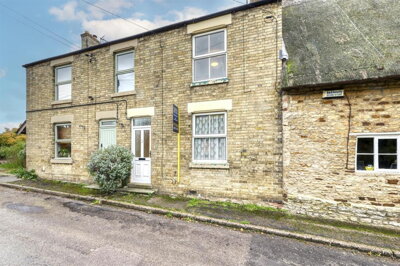
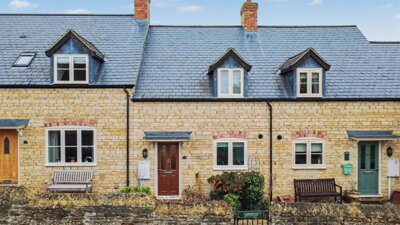
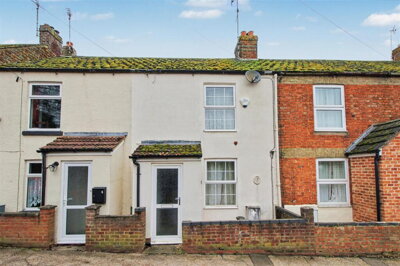
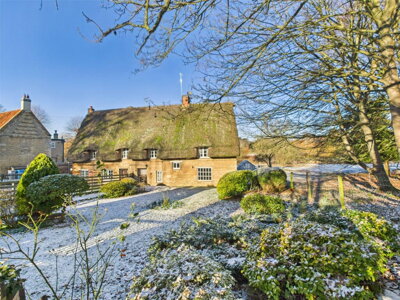
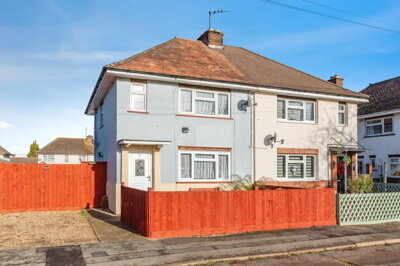
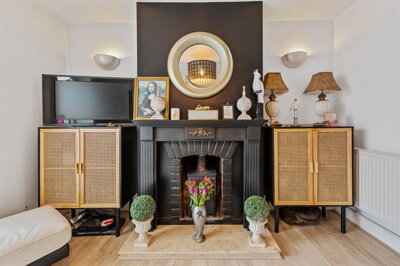
Browse 6 homes for sale in Twywell, North Northamptonshire from local estate agents.
The 2 bed house market features detached, semi-detached, and terraced properties with two separate bedrooms plus living spaces. Properties in Twywell range from Victorian and Edwardian period homes to modern new builds, with pricing varying across different neighbourhoods.
£0k
0
0
0
Source: home.co.uk
Showing 0 results for 2 Bedroom Houses for sale in Twywell, North Northamptonshire.
The Twywell property market reflects its status as a highly desirable rural enclave within North Northamptonshire. Our current listings feature properties averaging £420,000, with the village's predominantly detached and semi-detached housing stock commanding premiums consistent with its conservation area designation. The village has demonstrated sustained value growth of 17% over the past five years, indicating persistent demand from buyers seeking village life with excellent transport connections to employment centres in Kettering, Corby, and beyond.
Despite limited recent transaction activity, with only one recorded sale in the past twelve months, the market here operates differently from urban areas. Properties in Twywell change hands infrequently precisely because residents tend to stay for many years once they have secured a home in this sought-after location. When properties do come to market, they attract strong interest from buyers who recognize the value of village living with A14 corridor access. We monitor Twywell listings continuously to help our clients identify opportunities quickly.
Properties in Twywell typically feature traditional construction methods, including solid stone and brick walls with lime mortar pointing, slate or clay tile roofs, and original timber joinery. These period characteristics create homes of genuine character, though they also require careful consideration during purchase. The absence of active new-build developments within the NN14 2 postcode area means that buyers seeking Twywell must look to the existing housing stock, making early engagement with the market essential when properties become available.

Twywell's population of 189 residents across 79 households creates an intimate village atmosphere where neighbours know one another and community spirit flourishes. The village centre features St. Nicholas Church alongside historic buildings including Twywell Manor and several other listed structures that contribute to the area's protected character. As a designated Conservation Area, Twywell maintains strict planning controls that preserve its architectural heritage, ensuring that the village retains its distinctive appearance and quality of environment for generations of residents to come. This careful preservation means that every property purchase here contributes to maintaining something genuinely special.
The surrounding North Northamptonshire countryside offers excellent opportunities for outdoor recreation, with footpaths and bridleways traversing the rural landscape. Local amenities in nearby villages and market towns including Kettering provide everyday shopping requirements, while the proximity of larger centres such as Corby and Wellingborough ensures comprehensive retail, healthcare, and leisure facilities are within easy reach. The village's location between the A6116 and the A14 corridor offers convenient road connections, supporting residents who commute to employment centres while enjoying the benefits of countryside living.
Community life in Twywell centres around traditional village institutions, with the church playing a central role in local events and gatherings. The proximity to Kettering, just a short drive away, provides access to supermarkets, independent shops, restaurants, and the weekly markets that have served the area for generations. For families, the combination of village charm and access to good schools in surrounding towns makes Twywell particularly attractive. We have helped many buyers discover why this village has such strong appeal to those seeking a slower pace of life without complete isolation.
Families considering relocation to Twywell will find a selection of educational options within reasonable distance of the village. Primary education is available at local schools in surrounding villages, with many families accessing provision in nearby towns where Ofsted-rated good and outstanding schools offer established reputations for academic achievement and pupil wellbeing. Primary schools in Kettering and the surrounding area serve wider catchment areas, and we recommend families verify their specific admission eligibility before committing to a property purchase.
Secondary education options in the area include schools in Kettering and Corby, with grammar school places potentially available through selection processes in appropriate catchment areas. The Kings School in Kettering and Broke Hall School serve as notable options, though competition for places can be keen given the wider area population. Transport arrangements for secondary school pupils typically involve school bus services or family transport to nearby towns, a factor worth considering when assessing daily logistics and family routine.
The village's period property stock means that many families drawn to Twywell include those with older children requiring secondary and sixth-form education, as well as young families planning for future educational needs. When purchasing period properties, parents should verify current school catchment boundaries and admission arrangements, as these can change between academic years. Our local knowledge extends to understanding which property locations offer the most practical access to popular schools, and we are happy to share insights about the practical realities of school transport from different parts of the village.

Twywell benefits from strategic road connections that make commuting to major employment centres highly practical. The A14 trunk road passes nearby, providing direct access to the M1 motorway and eastern corridor destinations including Peterborough and Cambridge. The nearby A6116 connects the village to Kettering town centre, where regular rail services operate from Kettering railway station to London St Pancras in approximately one hour, making the capital accessible for daily commuters or occasional business travel. This combination of road and rail access explains much of Twywell's appeal to buyers who need to maintain employment connections while enjoying village life.
For air travel, East Midlands Airport is accessible via the M1 motorway, offering domestic and international destinations. Birmingham Airport provides an alternative for longer-haul flights, reachable within approximately ninety minutes by car. Local bus services connect Twywell with surrounding villages and towns, though frequencies may be limited on less trafficked routes, making car ownership practically essential for most residents. The Stagecoach X7 and surrounding route services provide connections to Kettering and Corby, though journey planning should account for typical rural bus timetables.
Cycling infrastructure in the area continues to develop, with quiet country lanes popular among recreational cyclists. The North Northamptonshire countryside offers excellent routes for cycling enthusiasts, with connections to the National Cycle Network via nearby routes. However, commuters cycling to distant employment centres would require consideration of shower and facilities provision at destinations. We find that most Twywell residents are comfortable with car-based commuting, and the journey times to major employment areas are generally manageable from this well-connected village location.
Understanding the construction methods used in Twywell properties helps buyers appreciate both the character and the maintenance considerations associated with these historic homes. The local geology, featuring boulder clay and alluvial deposits, has influenced building practices for centuries. Properties constructed before modern building regulations typically feature solid wall construction using locally sourced materials, primarily limestone from the Great Oolite Group that underlies much of North Northamptonshire, combined with traditional brick making techniques suited to the local clay soils.
Lime mortar pointing has been the traditional method for securing stone and brickwork throughout the village, allowing the walls to breathe and flex slightly with temperature and moisture changes. This differs significantly from modern cement mortars, and understanding this distinction is crucial for any maintenance or renovation work. The timber roof structures in Twywell's older properties typically feature traditional cut timber rafters with sarking, supporting slate or clay tile coverings that have proven durable over many decades when properly maintained.
Original timber joinery, including windows and doors, represents both a character feature and a consideration for buyers. Many period properties retain their original sash windows, which can be restored to excellent condition rather than replaced, maintaining authenticity while improving thermal performance. Our inspectors frequently identify properties where original joinery has been well-maintained or sympathetically restored, as well as cases where inappropriate modern replacements have been installed. We always advise buyers to assess the condition and specification of windows carefully when viewing period properties in Twywell.
Our inspectors regularly assess properties across North Northamptonshire and have identified several defect types that frequently occur in Twywell's period housing stock. Understanding these common issues helps prospective buyers prioritize their survey requirements and negotiate appropriate terms. The age of many Twywell properties means that original building components are reaching the end of their natural lifespan, requiring careful assessment of condition and likely future maintenance requirements.
Damp represents the most commonly encountered issue in traditional buildings, manifesting as rising damp where original damp-proof courses have failed or been bridged, penetrating damp through degraded stone or brickwork, and condensation arising from modern lifestyle activities in properties designed for lower occupancy levels. Our surveyors pay particular attention to evidence of damp in ground-floor rooms, around windows, and in areas with limited ventilation. The lime mortar construction that characterizes Twywell properties requires specific remedies, and we always note where inappropriate cement-based repairs may have been carried out.
Roof defects frequently appear in our survey reports for Twywell properties, including deterioration of slate or clay tile coverings, failed lead flashing at junctions and penetrations, timber decay in roof structures particularly at verges and eaves, and blocked or inadequate guttering systems. The timber elements in roof constructions require careful inspection for signs of wet rot, dry rot, and woodworm activity. We have found that properties with documented maintenance records and evidence of regular roof attention present lower risk than those where this critical element has been neglected.
Electrical and plumbing systems in period properties often require updating to meet current standards and accommodate modern usage patterns. Original wiring and plumbing may pose safety concerns even when appearing functional on initial inspection. We recommend that buyers treat any property with evidence of older electrical installations as requiring professional assessment by a qualified electrician before completion. Similarly, heating systems in older Twywell properties frequently prove inadequate for contemporary comfort expectations, and replacement or upgrading should be factored into purchase budgets.
Spend time exploring Twywell at different times of day and week to understand the village atmosphere, local amenities, and commuting options. With only 79 households, the community is intimate and your neighbours will become important to daily life. Visit the village at weekends and weekday evenings to gauge noise levels, check local pub opening times, and observe how the community functions throughout the week.
Before viewing properties, obtain a mortgage agreement in principle from a lender. This strengthens your position when making offers, demonstrating to sellers that financing is in place. Given the premium nature of Twywell properties averaging £420,000, having your financial arrangements confirmed before offering is particularly important in this competitive market where sellers will expect serious, prepared buyers.
Once suitable properties are identified, arrange viewings through our platform. For period properties like those predominant in Twywell, we strongly recommend a RICS Level 2 Survey to assess the condition of traditional construction and identify any potential defects. Our surveyors understand the specific construction methods used in North Northamptonshire village properties and can provide informed assessments of condition and likely maintenance needs.
When you find your ideal Twywell home, submit a formal offer through your estate agent. Given limited stock in the village, be prepared to negotiate respectfully on price and terms, understanding that conservation area properties may have specific selling points worth discussing. Properties requiring maintenance may offer scope for price negotiation, while immaculately presented homes in this desirable village may attract competing interest.
Once your offer is accepted, instruct a conveyancing solicitor to handle the legal process. Your solicitor will conduct searches, review contracts, and coordinate with your mortgage provider until completion and keys are released. We work with conveyancing partners experienced in rural Northamptonshire transactions who understand the specific considerations affecting village properties including conservation area requirements and access arrangements.
Purchasing a property in Twywell requires careful attention to the specific characteristics of period village homes. The local geology, featuring boulder clay and alluvial deposits, presents a moderate to high shrink-swell risk that can affect properties with shallow foundations. Prospective buyers should look for signs of subsidence or ground movement, including cracking to walls, sticking doors or windows, and uneven floor levels. A thorough RICS Level 2 Survey is particularly valuable for identifying these structural concerns before completion.
Surface water flooding represents a consideration for certain areas of Twywell, particularly along the A6116 corridor and lower-lying parts of the village. Property buyers should review Environment Agency flood risk data and consider whether properties have appropriate drainage and flood resilience measures in place. Insurance implications of any flood risk designation should be confirmed before committing to purchase. Additionally, conservation area designation imposes planning restrictions on external alterations, so buyers planning modifications should verify permitted development rights and any Article 4 directions with North Northamptonshire Council.
Energy efficiency presents another consideration when purchasing period properties in Twywell. Many older properties were constructed before modern insulation standards and may have higher heating costs than newer homes. Our surveyors assess insulation levels, double glazing installation, and heating system efficiency as standard. Where original features have been retained and improved, properties often represent a good balance between character and practicality. We always recommend obtaining an EPC assessment as part of the purchase process to fully understand the property's energy performance.
The average property price in Twywell stands at £420,000 as of early 2026. Detached properties, which dominate the local housing stock, typically achieve this figure. The market has shown resilience with a 17% increase in values over the past five years, though transaction volumes remain low given the village's small size of just 79 households. Limited supply combined with sustained demand from buyers seeking rural North Northamptonshire living continues to support values in this conservation village. Our listings reflect current asking prices, which may vary slightly from sale prices depending on property condition and specific location within the village.
Properties in Twywell fall under North Northamptonshire Council administration. Council tax bands range from A to H depending on property value and characteristics, with most period homes in the village likely falling within bands C to E given their size and character. Twywell Manor and other substantial properties may fall into higher bands. Prospective buyers should verify the specific band for any property through the North Northamptonshire Council website or property information documents provided during the conveyancing process.
Primary school options for Twywell families include schools in surrounding villages and nearby towns, with many achieving good or outstanding Ofsted ratings. Secondary education is typically accessed in Kettering or Corby, where comprehensive schools serve wider catchment areas. The Guilsborough Academy and Lodge Park Academy serve portions of the NN14 2 area, while Kettering Grammar Schools offer selective places for academically able pupils. Families should verify current admission arrangements and catchment boundaries, as these can affect placement eligibility. School transport arrangements and distances should be factored into family relocation planning.
Twywell has limited public transport provision, with bus services connecting the village to surrounding communities but frequencies reflecting its small population. The Stagecoach X7 route passes through nearby villages providing connections to Kettering and Corby, though we recommend checking current timetables for precise frequencies. Rail services are accessible from Kettering station, offering journey times of approximately one hour to London St Pancras. The A14 and A6116 provide principal road connections, making car ownership effectively essential for most residents. Road connections to Kettering, Corby, and Wellingborough support commuting and access to comprehensive services in nearby towns.
Twywell presents an attractive proposition for buyers seeking long-term value appreciation in a desirable rural location. The 17% price growth over five years demonstrates sustained demand, while conservation area designation limits new development and supports scarcity value. Rental demand may be modest given the village's small population and limited local employment, making primary appeal sit with owner-occupiers seeking village character and community. Properties requiring renovation may offer value-add opportunities for investors with appropriate expertise, though conservation requirements will affect what works are possible without planning consent.
Stamp duty Land Tax applies at standard rates from April 2025: nothing on the first £250,000 of purchase price, 5% on the portion from £250,001 to £925,000, 10% up to £1.5 million, and 12% above that threshold. First-time buyer relief provides 0% up to £425,000 with 5% between £425,001 and £625,000, though this relief is unavailable above £625,000. For a typical Twywell property at £420,000, standard buyers pay £8,500 while eligible first-time buyers may pay nothing. Your solicitor will calculate the precise liability based on your circumstances and property details.
Twywell contains several listed buildings as befits its conservation area status. St. Nicholas Church dates from earlier periods and is listed for its architectural and historical significance. Twywell Manor represents a significant historic dwelling, while other cottages and structures throughout the village hold listed status. Buying a listed building brings additional responsibilities and considerations, including restrictions on alterations and requirements for specialist maintenance. Our surveyors have experience assessing listed properties and can advise on the implications of listing status for any property you are considering purchasing in Twywell.
River flooding risk in Twywell is generally low, with the village not directly situated on major watercourses. Surface water flooding represents a greater consideration, particularly along the A6116 corridor and lower-lying areas where drainage may be less effective during heavy rainfall. The till and alluvial deposits that characterize local geology can affect how water moves across and through the ground. We recommend that buyers review Environment Agency flood risk data for any specific property address and discuss any concerns with their surveyor. Properties with a known surface water flooding history may face insurance implications.
From 4.5%
Expert mortgage advice tailored to your circumstances with access to exclusive deals
From £499
Specialist conveyancing solicitors experienced in rural Northamptonshire transactions
From £500
Detailed condition report ideal for period properties like those in Twywell
From £85
Energy performance certificate required for all property sales
Beyond the property purchase price, buyers should budget for additional costs including stamp duty Land Tax, solicitor fees, survey costs, and mortgage arrangement charges. For a typical Twywell property at £420,000, standard rate buyers should expect to pay approximately £8,500 in SDLT, while eligible first-time buyers may benefit from reduced or zero liability depending on their circumstances and whether the property exceeds £625,000. Your conveyancing solicitor will provide a detailed breakdown of costs before you commit to proceeding.
Solicitor fees for conveyancing typically range from £500 to £1,500 depending on complexity and whether the property is freehold or leasehold. Rural properties with longer titles, rights of way, or other complexities may incur higher fees. A RICS Level 2 Survey for a property valued at around £420,000 would typically cost between £500 and £800, with this investment particularly valuable given the age and construction type of most Twywell properties. Our surveyors understand local construction methods and common defect patterns, providing the thorough assessment that period village properties require.
Mortgage arrangement fees vary by lender and product, ranging from free offerings to charges of 1-2% of loan amount. We recommend comparing the total cost of different mortgage products, including any arrangement fees, when deciding which offer to accept. Building insurance should be arranged before completion, with insurers able to provide quotes once the property address and details are known. Total buying costs for a £420,000 property typically range from £2,500 to £4,000 excluding mortgage and SDLT, so factoring these into your overall budget is essential for smooth transaction completion.
Properties for Sale In London

Properties for Sale In Plymouth

Properties for Sale In Liverpool

Properties for Sale In Glasgow

Properties for Sale In Sheffield

Properties for Sale In Edinburgh

Properties for Sale In Coventry

Properties for Sale In Bradford

Properties for Sale In Manchester

Properties for Sale In Birmingham

Properties for Sale In Bristol

Properties for Sale In Oxford

Properties for Sale In Leicester

Properties for Sale In Newcastle

Properties for Sale In Leeds

Properties for Sale In Southampton

Properties for Sale In Cardiff

Properties for Sale In Nottingham

Properties for Sale In Norwich

Properties for Sale In Brighton

Properties for Sale In Derby

Properties for Sale In Portsmouth

Properties for Sale In Northampton

Properties for Sale In Milton Keynes

Properties for Sale In Bournemouth

Properties for Sale In Bolton

Properties for Sale In Swansea

Properties for Sale In Swindon

Properties for Sale In Peterborough

Properties for Sale In Wolverhampton

Enter your details to see if this property is within your budget.
Loans, cards, car finance
Estimated property budget
Borrowing + deposit
You could borrow between
Typical borrowing
Monthly repayment
Est. at 4.5%
Loan-to-value
This is an estimate only. Your actual budget may vary depending on interest rates, credit history, and personal circumstances. For an accurate affordability assessment, speak to one of our free mortgage advisors.
This calculator provides estimates for illustrative purposes only and does not constitute financial advice. Your home may be repossessed if you do not keep up repayments on your mortgage. Estimates based on 4.5% interest rate, repayment mortgage. Actual rates depend on your circumstances.
Homemove is a trading name of HM Haus Group Ltd (Company No. 13873779, registered in England & Wales). Homemove Mortgages Ltd (Company No. 15947693) is an Appointed Representative of TMG Direct Limited, trading as TMG Mortgage Network, which is authorised and regulated by the Financial Conduct Authority (FRN 786245). Homemove Mortgages Ltd is entered on the FCA Register as an Appointed Representative (FRN 1022429). You can check registrations at NewRegister or by calling 0800 111 6768.

We use cookies to show you personalised content and improve your experience of our website. Find out more in our Privacy policy and Cookie policy.