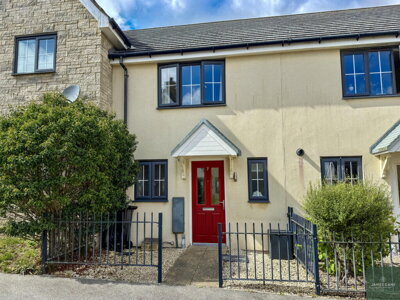
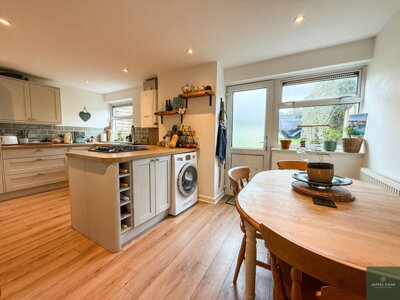
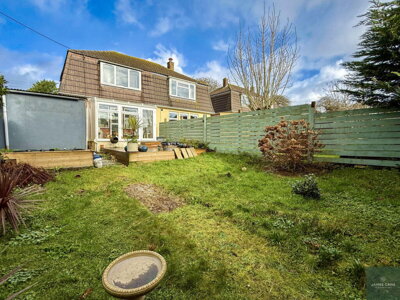
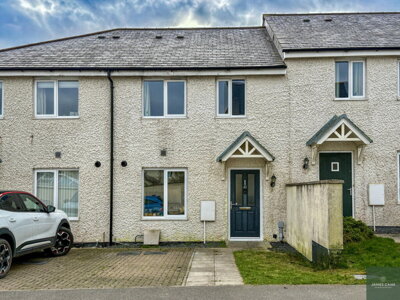
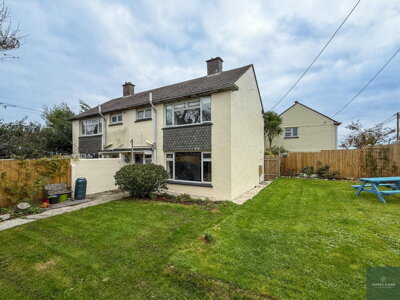
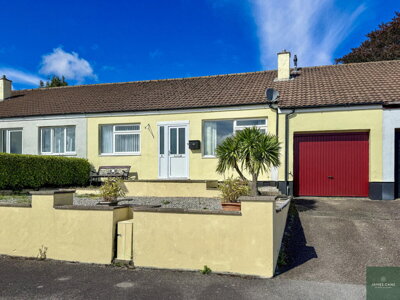
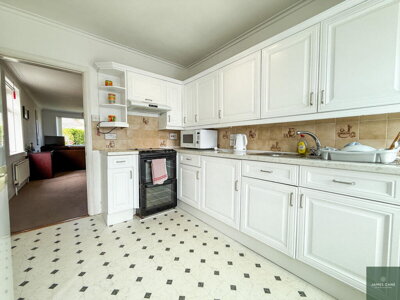
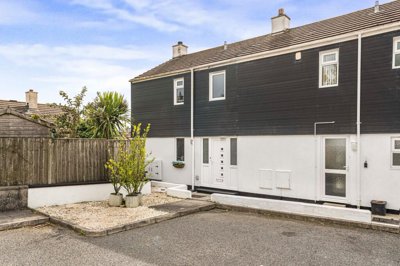
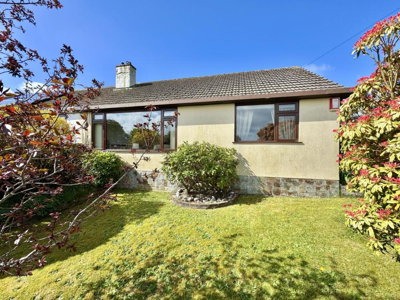
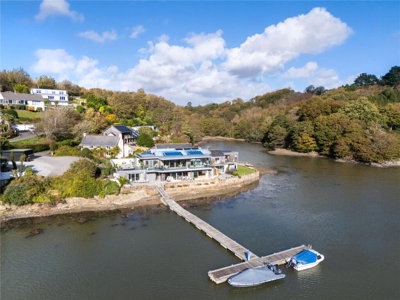
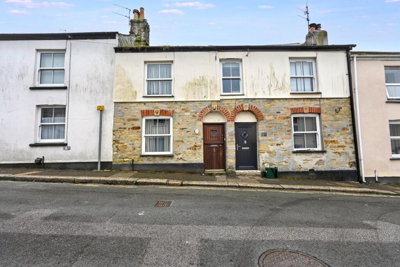
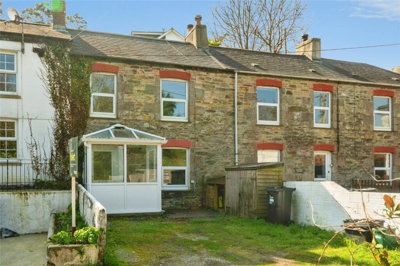
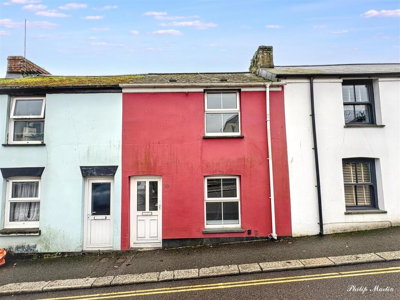
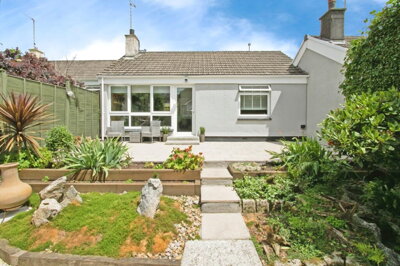
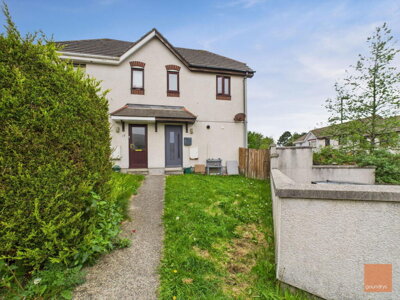
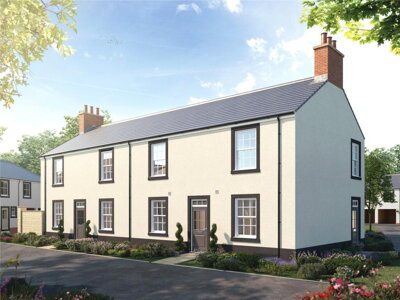
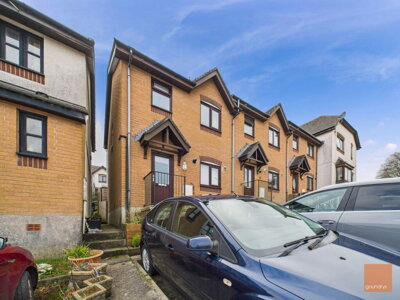
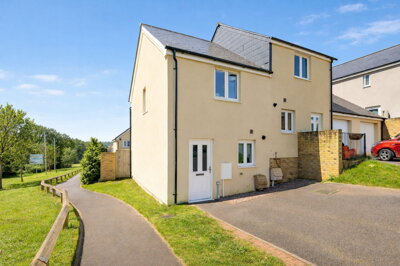
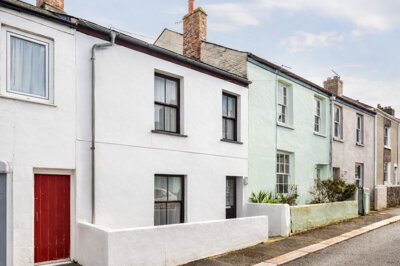
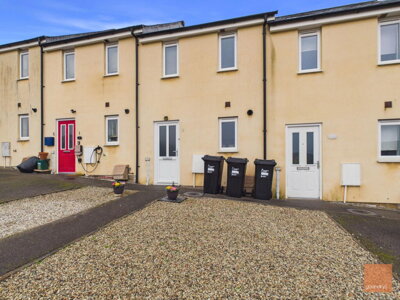
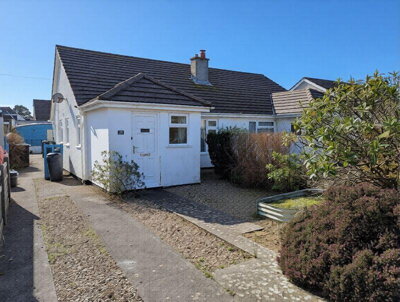
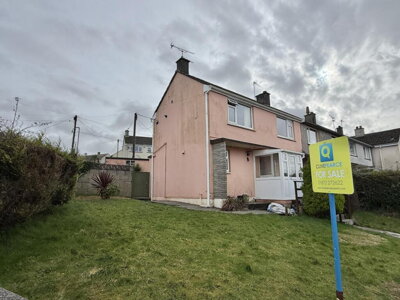
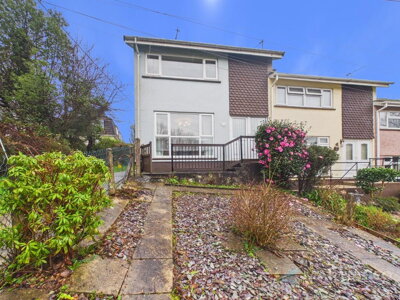
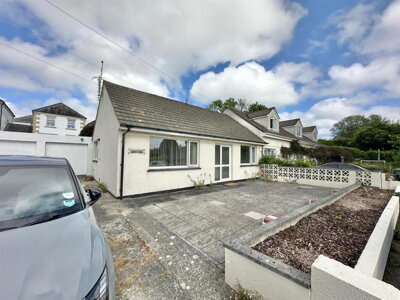
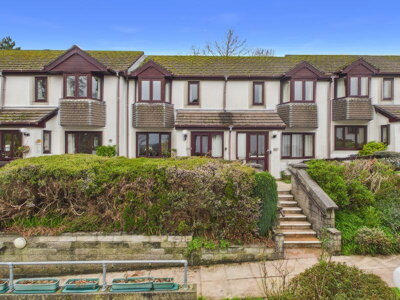
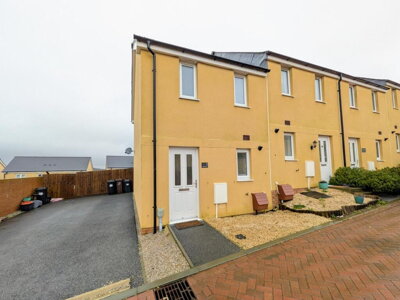
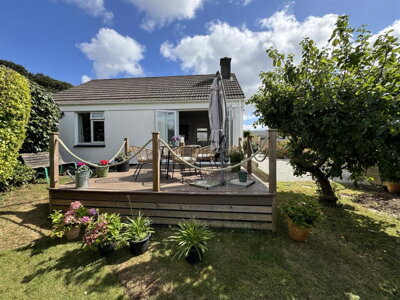
Browse 97 homes for sale in Truro, Cornwall from local estate agents.
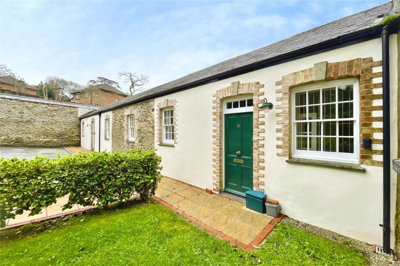
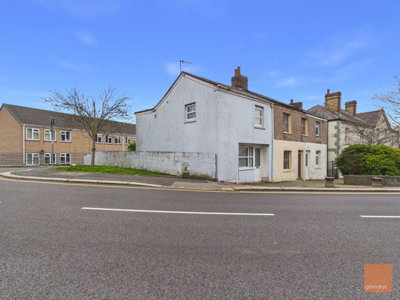
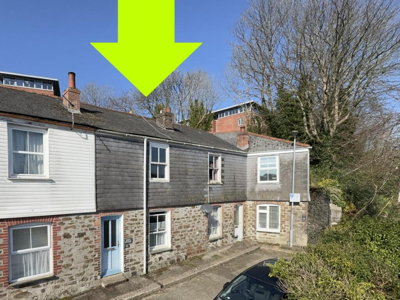
The 2 bed house market features detached, semi-detached, and terraced properties with two separate bedrooms plus living spaces. Properties in Truro range from Victorian and Edwardian period homes to modern new builds, with pricing varying across different neighbourhoods.
£220k
25
2
135
Source: home.co.uk
Showing 25 results for 2 Bedroom Houses for sale in Truro, Cornwall. 2 new listings added this week. The median asking price is £220,000.
Source: home.co.uk
Terraced
14 listings
Avg £189,282
Detached
8 listings
Avg £273,744
Semi-Detached
3 listings
Avg £258,317
Source: home.co.uk
Source: home.co.uk
The Truro property market has demonstrated remarkable resilience over the past year, with 308 property sales completing in the TR1 postcode area according to recent data. The overall average house price stands at £328,295, reflecting a modest 12-month decline of 2.39% as the market settles following the post-pandemic activity spike. Detached properties command the highest values at an average of £465,556, appealing to families seeking generous living space and gardens within easy reach of the city centre. Semi-detached homes average £304,394, representing strong value for buyers needing multiple bedrooms without the premium associated with detached living.
Terraced properties in Truro average £262,400, making them an attractive entry point for first-time buyers looking to step onto the property ladder in Cornwall's principal city. Flats remain the most affordable option at an average of £194,154, though availability can be limited in certain areas. Three significant new-build developments are currently active in the TR1 area: Maiden Green by Linden Homes, The View @ Truro by Barratt Homes, and Tregurra Park by Persimmon Homes, all offering two, three, and four-bedroom homes priced from approximately £279,995 for a two-bedroom property. These developments provide modern energy-efficient alternatives to the older housing stock, though competition for new-build plots remains fierce among buyers.
The predominant housing types across Truro reflect Cornwall's broader pattern, with detached properties comprising roughly 30% of the stock, semi-detached homes around 28%, terraced properties at approximately 24%, and flats or maisonettes making up the remaining 17%. This mix provides options across various budgets, from affordable flats for first-time buyers to substantial detached family homes commanding premium prices. Price trends over the past 12 months show modest declines across all property types, with flats experiencing the largest drop at 3.00%, followed by detached properties at 2.71%, terraced at 2.00%, and semi-detached at 1.77%, suggesting a stabilising market offering reasonable conditions for purchasers.

Truro serves as Cornwall's commercial, cultural, and administrative centre, home to approximately 20,700 residents across roughly 9,000 households according to the 2021 Census. The city occupies a strategic position on the Truro River, where the Kennowyn and Allen rivers converge before flowing into the Carrick Roads estuary. This riverside setting contributes to the city's distinctive character, with the Georgian and Victorian architecture reflecting its history as a prosperous port and market town. The city centre's status as a significant Conservation Area ensures the preservation of its architectural heritage, with particularly high concentrations of Listed Buildings around Lemon Street, Boscawen Street, and the cathedral precinct.
The local economy benefits from diverse employment sectors, with the Royal Cornwall Hospital Treliske serving as one of the largest employers in the area alongside Cornwall Council's administrative offices. Truro functions as the retail hub for mid-Cornwall, attracting shoppers from across the county to its mix of national retailers and independent boutiques. The city hosts regular markets in the piazza, while cultural attractions include the Royal Cornwall Museum and the Hall for Cornwall theatre. Outdoor enthusiasts appreciate the proximity to nature reserves and coastal paths, with the north and south Cornish coasts easily accessible for weekend adventures.
The city provides comprehensive amenities that reduce the need for residents to travel to larger cities for services and entertainment. Healthcare provision is particularly strong, anchored by the Royal Cornwall Hospital Treliske which serves as the county's main hospital. Educational options span from nursery through higher education, with Truro and Penwith College providing further education courses and the University of Exeter maintaining a campus in the city. The presence of Cornwall Council's administrative functions brings significant white-collar employment opportunities, while the retail and hospitality sectors provide additional jobs supported by the daily flow of visitors from across the county.

Education provision in Truro caters to families across all age ranges, with primary and secondary schools within easy reach of most residential areas. The city hosts several primary schools serving local neighbourhoods, with Truro Primary School and St Mary's Catholic Primary School among the established options for younger children. Secondary education is well-represented, with Truro College and Penwith College's Truro campus providing comprehensive coverage for students aged 11 through 18. The presence of these educational institutions makes Truro an attractive proposition for families, reducing the need for lengthy daily commutes to schools further afield.
For families considering private education, Truro offers independent school options that complement the state provision. The further education sector is particularly strong, with Truro and Penwith College serving as one of the largest further education providers in Cornwall, offering A-levels, vocational courses, and apprenticeships. Higher education students can access the University of Exeter's Truro campus and Falmouth University nearby, providing degree-level courses without requiring relocation to the mainland. When purchasing property in Truro, parents should verify specific catchment areas, as admission policies can significantly impact which school a child can attend.
The educational landscape in Truro supports families throughout their children's school years, from early years provision through to further and higher education. Primary schools in the city include both community schools and faith schools, providing choices for parents based on their preferences and values. Secondary schools in Truro and the surrounding area offer various academic and vocational pathways, with Truro College particularly noted for its sixth form provision. Families moving to Truro should research school performance data and admission arrangements well in advance of a purchase, as catchment areas can influence both property values and daily family logistics.
Truro's transport connections have improved significantly in recent years, making the city increasingly accessible to commuters and visitors alike. Truro railway station sits on the main Paddington to Penzance line, offering direct services to London Paddington with journey times of approximately four and a half hours. Regional connections to Plymouth, Exeter, and Bristol provide access to broader rail networks, while local services connect Truro to coastal towns including Falmouth, St Ives, and Penzance. The station has undergone recent upgrades to improve facilities and accessibility, reflecting the city's growing importance as a transport hub.
Road access is provided via the A39 trunk road, connecting Truro to the A30 primary route across Cornwall. The A30 provides fast access to the Eden Project, Bodmin Moor, and the north coast resorts, while the A39 heads west toward St Ives and north toward Newquay. Local bus services operate throughout the city and connect to surrounding villages, with Park and Ride facilities helping to reduce city centre congestion. For air travel, Newquay Cornwall Airport offers domestic and limited international connections, with Bristol and London airports accessible via the road network for broader international travel.
The transport infrastructure supporting Truro extends beyond major routes to include practical options for daily commuting and local travel. Local bus services connect residential areas with the city centre, schools, and healthcare facilities, reducing reliance on private cars for everyday journeys. Park and Ride facilities on the outskirts provide convenient options for those travelling into the city centre, particularly during peak hours. For cyclists, the relatively compact nature of the city makes cycling a viable option for shorter journeys, with bike storage facilities available at the railway station. The improving transport links have contributed to Truro's growing appeal as a place to live for those who need to commute occasionally but value the quality of life that Cornwall offers.
Start by exploring current listings in Truro and understanding price trends. The average property costs £328,295, with detached homes averaging £465,556 and flats around £194,154. Consider whether a period property in the Conservation Area or a new-build on the outskirts suits your needs better. Review recent sales data and understand the 12-month price trends, which show modest declines of around 2-3% across property types.
Once you have identified properties of interest, arrange viewings through estate agents. Before making offers, obtain a mortgage agreement in principle from a lender to demonstrate your purchasing capacity to sellers in what can be a competitive market. Having your finances arranged shows serious intent and can strengthen your negotiating position.
Given that a significant proportion of Truro's housing stock is over 50 years old, a professional survey is essential. RICS Level 2 Surveys in Truro typically cost between £400 and £700, depending on property size. The survey will identify defects common to Cornish properties, including damp, roof condition, and potential structural issues. For Listed Buildings or properties with significant historic fabric, a RICS Level 3 Survey may be more appropriate.
When you find your ideal property, submit an offer through the estate agent. In Truro's market, properties in desirable locations or those with unique features may attract competing interest. Be prepared to negotiate on price, particularly for properties requiring renovation or those with identified defects. The market's current modest price decline gives buyers some additional negotiating leverage.
Appoint a conveyancing solicitor to handle the legal aspects of your purchase. They will conduct searches including local authority, environmental, and mining searches specific to Cornwall properties. The process typically takes 8-12 weeks for a standard transaction. Mining searches are particularly important given Cornwall's historic mining activity, even in areas like Truro where mining was not the primary industry.
Once all searches are satisfactory and both parties agree on terms, contracts are exchanged and a completion date is set. On completion day, your solicitor transfers the remaining funds and you receive the keys to your new Truro home. At this point, buildings insurance should be in place and you should arrange for utilities to be transferred to your name.
Properties in Truro present unique considerations that buyers should carefully evaluate before committing to a purchase. The underlying geology of Devonian slates and grits, often overlain by river alluvium and head deposits, creates conditions where clay-rich superficial deposits can present moderate to high shrink-swell risk. This geological factor means buyers should pay particular attention to foundations and any signs of subsidence or structural movement, especially in older properties. Properties built on or near the convergence of the Kennowyn and Allen rivers may face elevated flood risk from river flooding or surface water accumulation during heavy rainfall.
The extensive Conservation Area status in Truro city centre brings both benefits and obligations for property owners. Properties within these boundaries may be subject to restrictions on alterations, extensions, and even external decorations, requiring planning permission or Listed Building Consent for changes that would otherwise be permitted. The high concentration of Georgian and Victorian properties means timber construction elements and traditional building techniques are prevalent, potentially leading to issues with damp, woodworm, or outdated electrical and plumbing systems. A thorough RICS Level 2 Survey is particularly valuable for these older properties, identifying defects that may not be apparent during a standard viewing.
Cornwall's mining heritage, while not directly affecting central Truro, means that local searches should always investigate potential ground instability from historic workings. Service charges on modern apartments can vary significantly, and leasehold properties should be examined carefully for remaining lease terms, ground rent provisions, and any planned service charge increases. Properties on the newer developments off Newquay Road typically offer modern construction with warranties but may lack the character of period properties and could have higher annual service charges. Our inspectors are familiar with these local factors and can provide targeted advice based on the specific property and location.
Common defects identified in Truro properties during surveys include damp issues affecting older buildings with traditional construction and natural stone walls, particularly rising damp and penetrating damp resulting from age, maintenance gaps, or elevated water tables. Roof conditions on period properties frequently reveal slipped slates, deteriorated fixings, and general wear potentially causing leaks. Timber defects such as woodworm and fungal decay appear throughout older properties with moisture exposure. Structural movement ranges from minor settlement typical in older buildings to more significant issues tied to ground conditions or historic mining activity. Many Victorian and Georgian properties retain electrical and plumbing systems that fall short of current safety standards, requiring updating before or shortly after purchase.
Environmental and ground conditions also warrant attention during the property assessment process. Flood risk from the Truro River and its tributaries, particularly the Kennowyn and Allen rivers, should be evaluated for properties in proximity. Historic mining activity across Cornwall raises concerns about potential ground instability from former workings, which may affect insurance arrangements and future saleability. Service charges on apartments vary considerably between developments, and leasehold properties require thorough examination of remaining lease terms, ground rent schedules, and planned service charge increases. Newer developments off Newquay Road provide modern construction with developer warranties but may lack the character of period properties while carrying higher annual service charges.
The average house price in Truro is £328,295 according to recent market data. Detached properties average £465,556, semi-detached homes £304,394, terraced properties £262,400, and flats £194,154. The market has seen a modest 12-month decline of 2.39%, making it a relatively stable time to purchase in the city. Price trends across property types show terraced properties at 2.00% down, semi-detached at 1.77% down, and flats experiencing the largest drop at 3.00% over the same period.
Properties in Truro fall under Cornwall Council's jurisdiction. Council tax bands range from A to H depending on the property's assessed value, with most residential properties in Truro falling within bands A through E. Prospective buyers should check the specific band with Cornwall Council or on the Valuation Office Agency website, as bands affect the annual council tax payable. The band is determined by the Valuation Office Agency based on the property's value at a specific valuation date and can be challenged if buyers believe it is incorrect.
Truro offers good educational provision with several primary schools including Truro Primary School and St Mary's Catholic Primary School. Secondary options include Truro College and Penwith College's Truro campus. The city also hosts independent school options and further education facilities including Truro and Penwith College. Families should verify specific catchment areas, as admission policies can vary and can significantly impact which school a child can attend. Performance data for schools is available through government league tables and can inform decisions about which areas of Truro to focus property searches.
Truro railway station provides direct services to London Paddington in approximately four and a half hours, with regional connections to Plymouth, Exeter, and Bristol. Local train services connect to Falmouth, St Ives, and Penzance. Bus services operate throughout the city and surrounding villages, while Park and Ride facilities ease city centre access. The A30 and A39 provide road connections across Cornwall, making Truro well-connected for those who need to travel for work or leisure. The improving transport infrastructure has made Truro increasingly attractive to commuters who can work remotely some or all of the time.
Truro's position as Cornwall's only city and administrative centre provides a stable foundation for property investment. The diverse economy, good transport links, and comprehensive amenities attract tenants and buyers alike. Rental demand is supported by students, young professionals, and healthcare workers drawn to the major employers. However, property values have shown modest recent declines, and investors should consider factors including service charges, Conservation Area restrictions, and flood risk in specific locations. The city's status as a service centre for mid-Cornwall provides a degree of economic resilience that supports the housing market independent of coastal tourism fluctuations.
For standard buyers, stamp duty applies at 0% on the first £250,000, 5% on £250,001 to £925,000, 10% on £925,001 to £1.5 million, and 12% above £1.5 million. First-time buyers benefit from relief on the first £425,000, with 5% applied between £425,001 and £625,000. Given Truro's average price of £328,295, most properties fall within the lower SDLT bands, though higher-value properties will attract more significant charges. A standard buyer purchasing at the average price would pay approximately £3,915 in stamp duty, while first-time buyers would typically pay nothing on properties up to £425,000.
Parts of Truro face flood risk from the Truro River and its tributaries, particularly the Kennowyn and Allen rivers which converge in the city centre. Surface water flooding is also a concern in low-lying areas during heavy rainfall. Properties in areas with direct river frontage or those in lower-lying parts of the city may face elevated flood risk and may require specialist insurance arrangements. The Environment Agency provides detailed flood risk maps that buyers should consult, and buildings insurance costs may reflect the perceived risk. Properties on higher ground in areas such as the newer developments off Newquay Road generally face lower flood risk than those in the city centre or near the rivers.
Traditional properties in Truro typically feature solid stone construction using granite or local slate, often rendered or painted, with lime mortar and timber floors and roofs. Inter-war and post-war properties commonly use cavity wall construction with brick or block and render, concrete tiled roofs, and timber or concrete floors. Modern properties (post-1980) feature standard cavity wall construction with block and render or brick, timber frame options, concrete tiles or slate, and uPVC windows. These different construction methods have distinct maintenance requirements and potential defects that our surveyors are experienced in identifying during property assessments.
Understanding the full costs of purchasing property in Truro extends beyond the advertised sale price. Stamp Duty Land Tax applies to all purchases above £250,000 for standard buyers, with rates increasing through bands up to 12% for properties exceeding £1.5 million. At Truro's average price of £328,295, a standard buyer would pay £3,915 in stamp duty. First-time buyers benefit from increased thresholds, paying no SDLT on the first £425,000, with 5% applied to the portion between £425,001 and £625,000, making most Truro properties attractive for first-time buyer purchases.
Additional purchase costs include mortgage arrangement fees, which typically range from £500 to £2,000 depending on the lender and product chosen. Survey costs should be budgeted at £400 to £700 for a RICS Level 2 Survey in Truro, with more complex properties potentially requiring a Level 3 Building Survey costing £600 or more. Legal fees for conveyancing generally start from £499 for standard transactions, though more complex purchases involving leasehold properties, Listed Buildings, or Conservation Area restrictions may incur higher charges. Local searches including drainage, environmental, and mining searches specific to Cornwall typically cost between £200 and £400.
Removal costs vary depending on the volume of belongings and distance of the move, while buildings insurance must be in place from the day of completion. For leasehold properties, buyers should budget for ground rent payments and service charges, which can vary significantly between developments. Understanding these costs upfront helps buyers establish a realistic budget and avoid financial surprises during the transaction process. Our related services partners can provide quotes for mortgages, conveyancing, and surveys to help you plan your purchase effectively.
Properties for Sale In London

Properties for Sale In Plymouth

Properties for Sale In Liverpool

Properties for Sale In Glasgow

Properties for Sale In Sheffield

Properties for Sale In Edinburgh

Properties for Sale In Coventry

Properties for Sale In Bradford

Properties for Sale In Manchester

Properties for Sale In Birmingham

Properties for Sale In Bristol

Properties for Sale In Oxford

Properties for Sale In Leicester

Properties for Sale In Newcastle

Properties for Sale In Leeds

Properties for Sale In Southampton

Properties for Sale In Cardiff

Properties for Sale In Nottingham

Properties for Sale In Norwich

Properties for Sale In Brighton

Properties for Sale In Derby

Properties for Sale In Portsmouth

Properties for Sale In Northampton

Properties for Sale In Milton Keynes

Properties for Sale In Bournemouth

Properties for Sale In Bolton

Properties for Sale In Swansea

Properties for Sale In Swindon

Properties for Sale In Peterborough

Properties for Sale In Wolverhampton

Enter your details to see if this property is within your budget.
Loans, cards, car finance
Estimated property budget
Borrowing + deposit
You could borrow between
Typical borrowing
Monthly repayment
Est. at 4.5%
Loan-to-value
This is an estimate only. Your actual budget may vary depending on interest rates, credit history, and personal circumstances. For an accurate affordability assessment, speak to one of our free mortgage advisors.
This calculator provides estimates for illustrative purposes only and does not constitute financial advice. Your home may be repossessed if you do not keep up repayments on your mortgage. Estimates based on 4.5% interest rate, repayment mortgage. Actual rates depend on your circumstances.
Homemove is a trading name of HM Haus Group Ltd (Company No. 13873779, registered in England & Wales). Homemove Mortgages Ltd (Company No. 15947693) is an Appointed Representative of TMG Direct Limited, trading as TMG Mortgage Network, which is authorised and regulated by the Financial Conduct Authority (FRN 786245). Homemove Mortgages Ltd is entered on the FCA Register as an Appointed Representative (FRN 1022429). You can check registrations at NewRegister or by calling 0800 111 6768.

We use cookies to show you personalised content and improve your experience of our website. Find out more in our Privacy policy and Cookie policy.