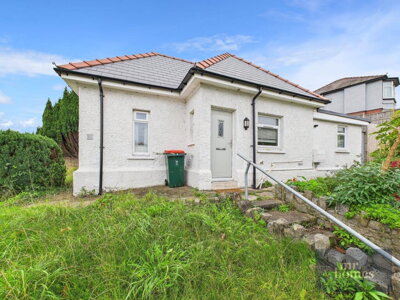
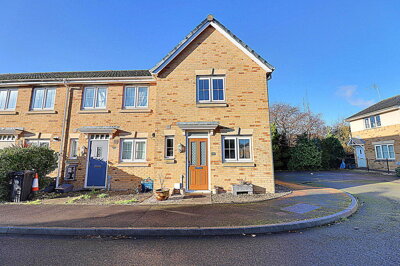
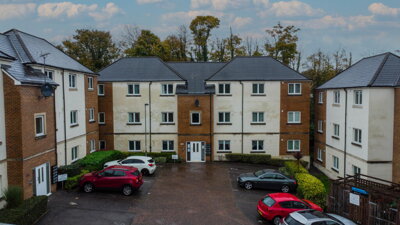
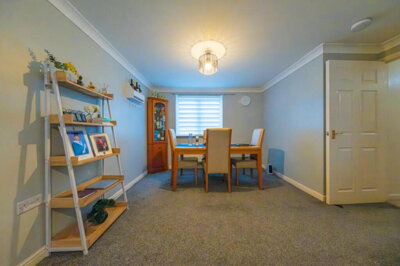
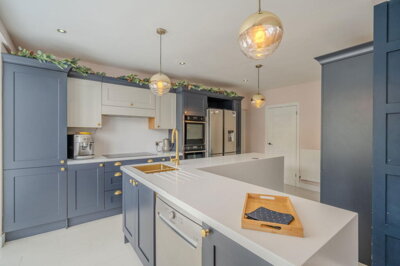
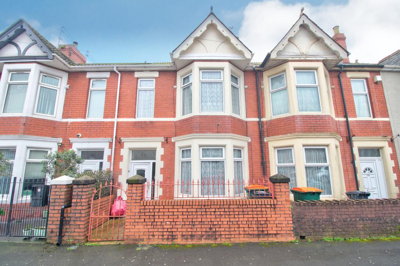
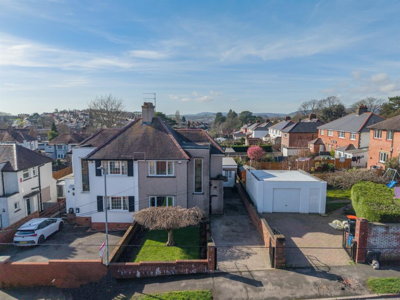
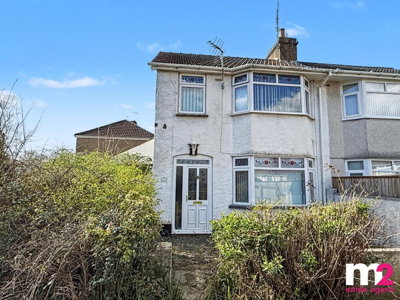
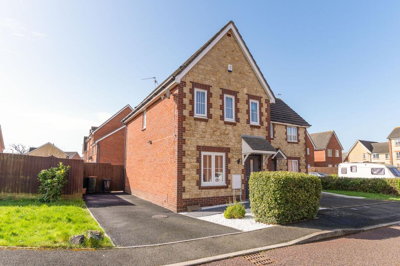
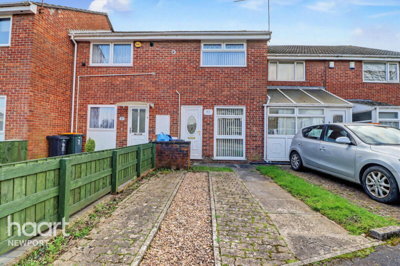
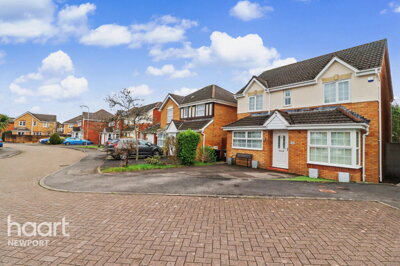
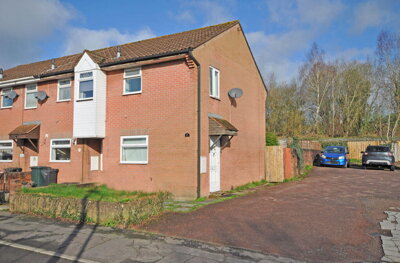
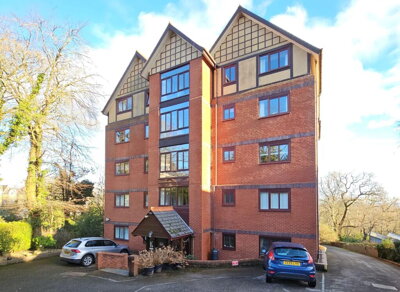
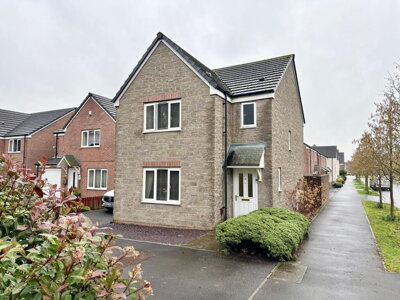
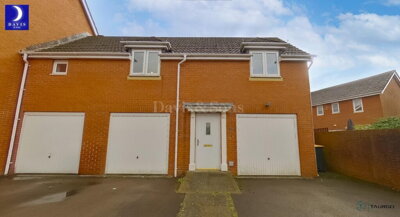
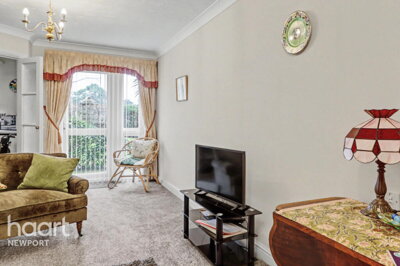
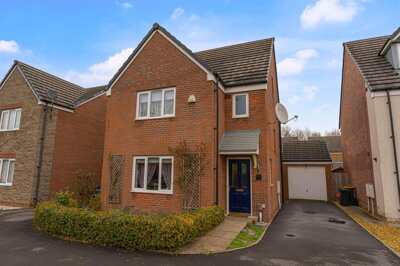
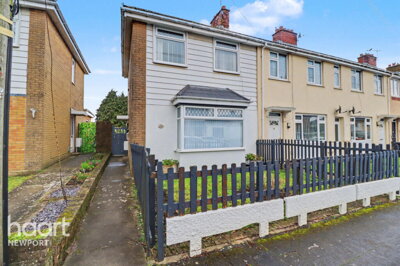
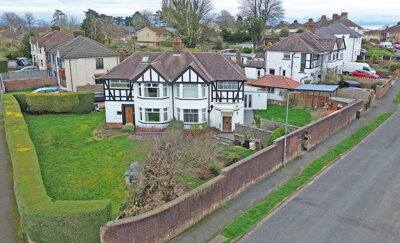
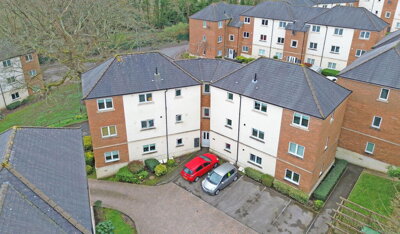
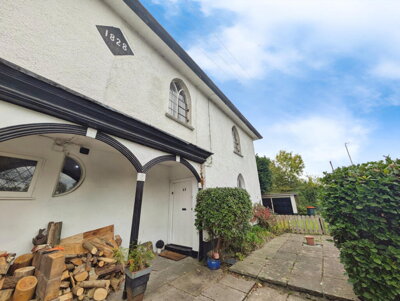
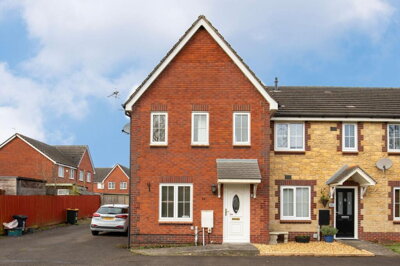
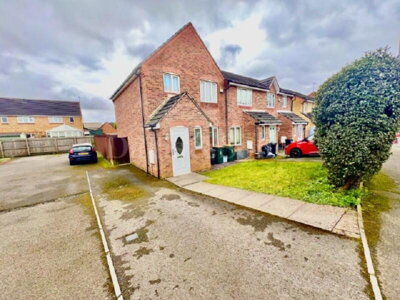
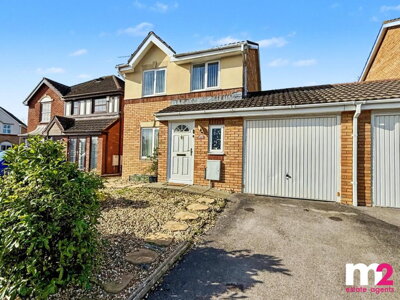
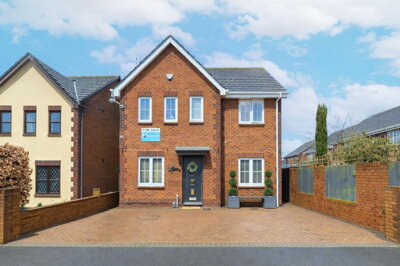
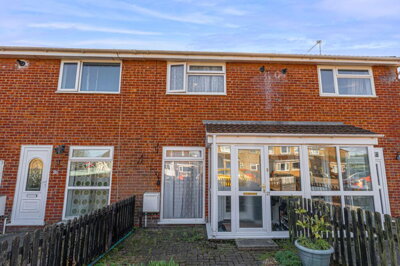
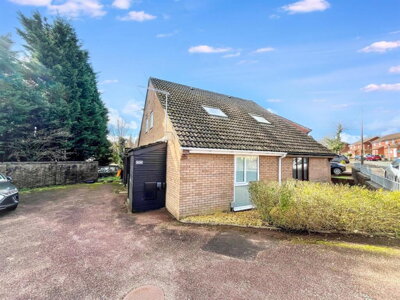
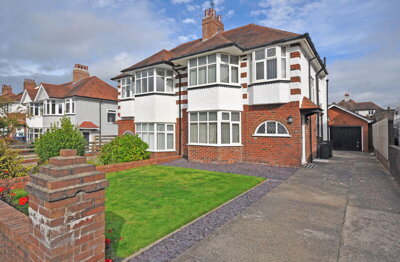
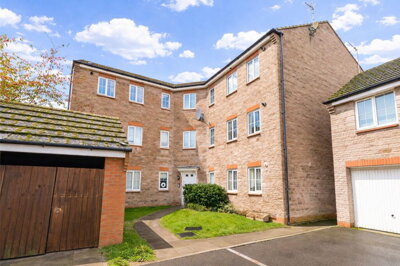
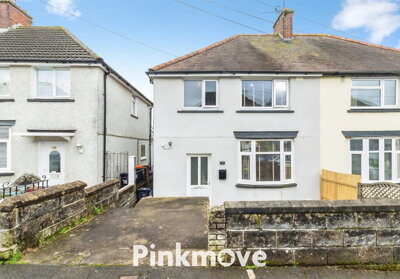
Browse 195 homes for sale in Tredegar Park from local estate agents.
The Halton property market presents compelling opportunities for buyers across all segments. Detached properties command an average price of £320,000, while semi-detached homes average £200,000, offering family-friendly accommodation at competitive prices compared to surrounding areas. Terraced properties, which saw the strongest price growth at 4.6% annually, average £155,000, making them particularly attractive for first-time buyers entering the market. Flats and maisonettes remain the most affordable option at around £103,000, providing accessible routes onto the property ladder for young professionals and downsizers alike.
First-time buyers in Halton benefit from a notably lower average purchase price of £168,000 compared to many neighbouring areas. This affordability, combined with various government schemes and competitive mortgage products, creates realistic pathways to homeownership. Properties bought with mortgages average £194,000, reflecting the mixed profile of the local market. Rightmove data shows the overall average across all sales reached £225,043 over the past year, representing a 3% increase and a significant 13% rise from the 2022 peak of £199,653. This upward trajectory demonstrates sustained demand and growing confidence in the Halton housing market.
Sales volumes have faced challenges, with only 44% of the previous year's transactions recorded in June 2024, indicating a record low across the borough. Despite this, price growth has remained positive, with the overall average rising 3.5% year-on-year. This combination of constrained supply and resilient demand suggests a competitive market where well-positioned buyers who act decisively can secure properties before prices continue their upward trend.

Halton's new build sector is particularly active, with over 1,500 new homes currently under development or recently completed across the borough. Bloor Homes' Aspen Brook development on South Lane in Widnes offers three and four-bedroom family homes ranging from £299,995 to £519,995. Adjacent to this, Prospect Homes' Abbey Vale development provides 99 two, three, and four-bedroom properties from £345,000 to £475,000. Both developments sit in the WA8 postcode area, which has seen significant investment in infrastructure to support the growing population.
For buyers seeking more affordable options, Halton Housing's Lunts Heath Rise development on Lunts Heath Road in Widnes offers 34 homes including 30 affordable rent properties and four shared ownership homes through the Open Door scheme. Miller Homes properties on this site start from £207,995. In Runcorn, the Mercia Place development on High Street in the Old Town will deliver 66 one and two-bedroom affordable homes for over 55s, with completion expected in Spring 2026. Keepmoat's Meadow Brook development on Walsingham Drive offers one to four-bedroom houses suitable for families across different budgets.
Several major developments are in the planning stages. Taylor Wimpey's proposed Chapel Lane development could bring up to 350 energy-efficient homes to Widnes, while Castle Green Homes has submitted reserved matters applications for 261 homes at Daresbury, adjacent to the Bridgewater Canal. Morris Homes has proposed 136 homes at Preston-on-the-Hill, including a mix of two-bed apartments and three and four-bed houses, with 34 affordable homes. The overall need for new dwellings is estimated at 600 per annum, demonstrating sustained demand for new housing in the borough.

Halton offers a distinctive blend of industrial heritage and contemporary living across its two principal towns of Widnes and Runcorn. The borough has the largest proportion of detached housing within the Liverpool City Region, providing residents with spacious properties and generous gardens. With 66% of households owner-occupied, the area maintains a strong sense of community pride and stability. The population of 127,500 reflects steady growth of 2.2% since 2011, indicating sustained appeal for families and professionals seeking an alternative to major city living without sacrificing connectivity.
The demographic profile of Halton reveals notable trends. The median age has increased from 39 to 41 years between 2011 and 2021, with the number of residents aged 65 to 74 increasing by 38.5% over this period. This highlights the borough's attractiveness to retirees seeking quality healthcare facilities and peaceful neighbourhoods. Conversely, the 35 to 49 age group decreased by 6.6%, reflecting broader national trends of delayed family formation. Despite relatively low property prices compared to regional and national averages, housing is becoming unaffordable for an increasing number of residents due to house price inflation and the borough's low wage economy, with demand for affordable rented housing outstripping supply.
The local economy supports this diverse population, with significant activity in professional, scientific, technical, and construction sectors. Halton hosts 87,689 employees across 3,894 SMEs, with 1,503 new companies established in the past two years. The top sectors by company numbers include professional, scientific, and technical activities with 894 companies, construction with 718 companies, and wholesale and retail trade with 689 companies. This economic dynamism, combined with 249 exporting businesses, demonstrates a resilient local economy that continues to attract new residents and investment.

Understanding Halton's housing stock helps buyers identify properties that match their needs. The borough has the largest proportion of detached housing within the Liverpool City Region, making it ideal for families seeking space and privacy. The 1960s and 1970s housing boom accounts for 24% of occupied properties, particularly in apartment buildings and terraced developments. These post-war properties often offer generous room sizes but may require updates to insulation, electrics, and plumbing. The newer housing stock, with 9% of private dwellings less than five years old, provides modern energy-efficient options for buyers prioritising low running costs.
Local building materials reflect the Cheshire Plain's geological character. Victorian and Edwardian properties across Widnes and Runcorn typically feature red brick construction, often using locally produced Cheshire Wirecut Imperial Bricks with natural colour variations from orange to dark red. Red sandstone is another significant building material, evident in historic structures including Halton Castle and St Luke's Church in Farnworth. Many period properties along Main Street in Halton Village feature this distinctive sandstone with slate roofs, dating from the early 17th to early 19th centuries. Contemporary builds use modern construction methods including timber frame and blockwork, with ready-mix concrete from local suppliers in Widnes.
Properties within Halton's 10 designated Conservation Areas face specific considerations. The Halton Village Conservation Area, established in April 1970, encompasses numerous historic buildings including the Grade I listed Halton Castle, a ruined shell keep Scheduled Monument. The Grade II* listed Seneschal's House in Castlefields, dating from 1598, is the oldest standing building in Runcorn. Properties along Main Street in Halton Village are typically Grade II listed, featuring traditional red brick or red sandstone construction with slate roofs. Buyers considering these properties should understand that planning restrictions on alterations and extensions apply to preserve special character, and specialist surveys may be required.

Families considering a move to Halton will find a comprehensive network of educational establishments across all levels. The borough offers primary and secondary schools serving communities in Widnes, Runcorn, and surrounding villages. Halton's education infrastructure continues to develop alongside new housing developments, with contributions from developers including new primary school places where needed. Parents should research individual school performance through Ofsted ratings and examination results to identify the best options for their children, as quality varies across the borough's 54,000 households.
The housing stock reflects family-oriented living, with 1960s and 1970s developments accounting for 24% of occupied properties. Many detached and semi-detached homes in areas like Daresbury, Norton, and Preston-on-the-Hill provide ample space for growing families. New build developments such as Abbey Vale and Aspen Brook in Widnes offer modern three and four-bedroom homes designed with contemporary family needs in mind. The borough's mix of established residential areas and newer developments means buyers can choose between character properties in traditional neighbourhoods and contemporary homes with modern layouts and energy efficiency ratings.
The overall need for new dwellings is estimated at 600 per annum, and planning applications for new developments typically include contributions to local school capacity. With demand for social rented housing increasing and availability declining, the borough estimates a need for 176 new affordable dwellings per annum. This investment in educational provision ensures that growing families can access local schools as the population expands, making areas like Widnes and the new Lunts Heath Rise development attractive options for buyers with children.

Halton boasts excellent transport connectivity that appeals to commuters working in Liverpool, Manchester, and the wider North West region. The M56 motorway passes through the borough, providing direct access to Manchester Airport and the M6 corridor to the east. Rail services from Runcorn and Widnes stations connect residents to Liverpool Lime Street in approximately 30 minutes, making city centre employment accessible without the premium property prices of urban centres. Liverpool John Lennon Airport is reachable within 30 minutes by car, offering domestic and international flights. This strategic location has attracted increasing interest from buyers seeking affordable housing with reliable commuting options.
The local road network continues to improve alongside new developments. The Chapel Lane development proposed by Taylor Wimpey in Widnes promises enhanced infrastructure for new residents, with contributions to local road improvements. Bus services operated by Arriva and Stagecoach provide local connections throughout Halton, linking Widnes, Runcorn, and surrounding villages including Daresbury, Preston-on-the-Hill, and Norton. For those commuting by car, parking availability varies across the borough, with town centres offering public car parks while residential areas typically provide on-street parking. The ongoing investment in transport infrastructure reflects Halton's ambitions as a key economic hub within the Liverpool City Region.
For commuters to Manchester, the M56 provides direct access to the city in approximately 45 minutes by car, while Manchester Airport is reachable in around 35 minutes. The strategic position between Liverpool and Manchester makes Halton particularly attractive to workers in logistics, manufacturing, and professional services sectors. The local economy's strength in construction and professional services means many residents can also access employment locally, reducing the need for long-distance commuting and contributing to the borough's growing appeal as a place to both live and work.

Start your property search online to understand current listings, price ranges, and neighbourhood characteristics. Our platform allows you to filter properties by type, price, and location, helping you identify suitable areas such as Widnes, Runcorn Old Town, or Daresbury. Review recent sale prices to gauge market conditions and set realistic expectations for your budget. With Rightmove reporting an average of £225,043 over the past year, understanding local values helps you identify realistic opportunities.
Before viewing properties, obtain a mortgage agreement in principle from a lender. This demonstrates your financial readiness to estate agents and sellers, strengthening your position in competitive situations. With Halton's average prices at £189,000, you may find you can afford more property for your money compared to major cities, potentially enabling larger homes or shorter mortgage terms. First-time buyers at the average purchase price of £168,000 benefit from favourable lending ratios.
Schedule viewings of shortlisted properties through our platform or directly with listed estate agents. When viewing, assess the property's condition, natural light, storage space, and outdoor areas. Take photographs and notes to compare properties later. For older properties in conservation areas or Victorian terraces in areas like Halton Village, consider arranging a follow-up survey visit to assess specific considerations.
Once you have identified your preferred property, arrange an RICS Level 2 Survey to assess the condition of the building. This is especially important for older properties built before cavity wall insulation became standard, which may have issues with damp, structural movement, or outdated electrics. Survey costs typically range from £400-£800 depending on property size and value, with a Level 2 report providing detailed findings and recommendations. For listed buildings or properties in conservation areas, a specialist RICS Level 3 Survey may be more appropriate.
Choose a conveyancing solicitor to handle the legal aspects of your purchase. They will conduct searches including local authority, water and drainage, and environmental searches specific to Halton. For properties in Halton's conservation areas or those with listed building status, additional checks may be required. Budget around £500-£1,500 for conveyancing fees plus search costs of approximately £200-£400.
Once all searches are satisfactory and mortgage offer received, you will exchange contracts and pay your deposit. Completion typically follows within 7-28 days, when the remaining funds are transferred and you receive the keys to your new Halton home. The average time from offer acceptance to completion in the local market is approximately 8-12 weeks, though this can vary depending on chain complexity and search turnaround times.
Property buyers in Halton should be aware of several local factors that could affect their purchase. The borough contains 10 designated Conservation Areas, including the historic Halton Village Conservation Area established in April 1970. Properties within these areas may be subject to planning restrictions on alterations, extensions, and exterior changes to preserve their special character. Halton Castle, a Grade I listed Scheduled Monument, anchors the heritage character of the area, and neighbouring properties benefit from this historic setting while facing associated regulations. For listed buildings, works requiring Listed Building Consent cannot proceed without permission, and criminal penalties apply for unauthorised works.
Flood risk requires careful consideration when purchasing property in Halton. As of February 2026, there were no active flood warnings or alerts from rivers, the sea, or groundwater. However, the borough has identified long-term flood risks from multiple sources. The Bridgewater Canal presents potential breach risks in areas with raised embankments, and surface water and groundwater flooding can affect certain locations. Maps indicate areas of surface water flood risk with a 1 in 200-year return period. Buyers should review Environment Agency flood maps and consider this alongside building insurance costs. Properties in lower-lying areas near watercourses warrant particularly thorough investigation before purchase.
The local geology presents another consideration for prospective buyers. Halton's Triassic sandstone and mudstone formations, combined with glacial till deposits, create clay-rich soils susceptible to shrinking and swelling. While the most susceptible formations are generally in the south-east, superficial deposits like alluvium and laminated clays in parts of the Cheshire Plain can exhibit shrink-swell behaviour. This can cause ground movement affecting properties with shallow foundations, particularly older buildings built before modern foundation standards. Signs of subsidence include large diagonal cracks wider than 5mm around windows and doors, uneven floors, or misaligned door frames. A thorough survey will identify any structural concerns, and buyers should factor potential remediation costs into their budget.

The average house price in Halton was £189,000 as of December 2025, representing a 3.5% increase from the previous year. Detached properties average £320,000, semi-detached homes £200,000, terraced properties £155,000, and flats £103,000. First-time buyers typically purchase at an average of £168,000, making Halton an accessible market within the Liverpool City Region where prices remain significantly below the regional average.
Council tax bands in Halton vary by property, ranging from Band A for lower-value homes through to Band H for the most expensive properties. Halton Borough Council manages local taxation, and specific bands can be checked on the Valuations Agency website or by contacting the council directly. Bands affect ongoing annual costs, so buyers should verify this before completing a purchase as part of their budgeting process.
Halton offers a range of primary and secondary schools across Widnes and Runcorn. The borough has several schools with positive Ofsted ratings, though performance varies by institution. Parents should research individual school results, catchment areas, and admission policies when choosing a property. New housing developments often include contributions to local school capacity, ensuring educational provision keeps pace with population growth in growing areas like Widnes.
Halton benefits from excellent transport connections via the M56 motorway, providing access to Manchester and the national motorway network. Rail services from Runcorn and Widnes stations offer regular trains to Liverpool Lime Street in approximately 30 minutes. Local bus services operated by Arriva and Stagecoach connect towns throughout the borough, while Liverpool John Lennon Airport is accessible within 30 minutes by car. For Manchester commuters, the M56 provides direct access in around 45 minutes.
Halton offers promising investment potential due to its relative affordability compared to surrounding areas and strong transport links to major employment centres in Liverpool and Manchester. Property prices have shown consistent growth, with terraced properties rising 4.6% annually. The ongoing development activity, including over 1,500 new homes across multiple sites, indicates sustained demand. Rental yields may prove attractive given the gap between property prices and city centre costs in nearby metropolitan areas.
Standard Stamp Duty Land Tax rates apply in Halton as it falls within England. Current thresholds are 0% on the first £250,000 of property value, 5% on £250,001 to £925,000, 10% on £925,001 to £1.5 million, and 12% above £1.5 million. First-time buyers benefit from increased thresholds, paying 0% on the first £425,000 and 5% between £425,001 and £625,000. Given Halton's average price of £189,000, most buyers would pay no SDLT under current thresholds.
Halton has significant new build activity with over 1,500 homes currently under development or recently completed. Bloor Homes' Aspen Brook on South Lane in Widnes offers three and four-bedroom homes from £299,995 to £519,995, while Prospect Homes' Abbey Vale provides similar options from £345,000. For more affordable options, Halton Housing's Lunts Heath Rise offers shared ownership homes from Miller Homes starting at £207,995. Several major developments including Taylor Wimpey's proposed 350-home Chapel Lane site are in planning stages.
As of February 2026, Halton has no active flood warnings from rivers, sea, or groundwater. However, the borough has identified long-term flood risks from multiple sources including rivers, surface water, and groundwater. The Bridgewater Canal presents potential breach risks in areas with raised embankments. Specific maps exist for Widnes and Runcorn detailing flood risk thresholds. Buyers should review Environment Agency maps and factor potential insurance costs when budgeting for properties in lower-lying locations near watercourses.
From £400
A detailed assessment of property condition, ideal for homes in Halton's older housing stock
From £600
For older, listed, or non-standard properties requiring specialist assessment
From £60
Energy performance certificate required for all property sales
From £499
Legal services for your property purchase including local searches
Understanding the full costs of buying property in Halton helps you budget accurately for your purchase. Beyond the property price, buyers should account for Stamp Duty Land Tax, which for a typical £189,000 property would attract no SDLT under current thresholds. First-time buyers purchasing at the Halton average price of £168,000 would pay nothing in stamp duty, making this an attractive market for those climbing onto the property ladder. Standard buyers purchasing at the average price would also benefit from the 0% threshold covering properties up to £250,000.
Additional buying costs include mortgage arrangement fees, typically ranging from £0 to £2,000 depending on the lender and product chosen. Survey costs for an RICS Level 2 HomeBuyer Report generally fall between £400 and £800 depending on property size and value, with a three-bedroom home averaging around £437. Conveyancing fees typically range from £500 to £1,500 for legal work including searches, contracts, and registration. Searches specific to Halton include local authority, water and drainage, and environmental searches, which together cost approximately £200-£400. Land Registry fees for registering your ownership add a further £20-£455 depending on property value. Budgeting for these costs alongside your deposit ensures a smooth transaction without unexpected shortfalls.
Properties for Sale In London

Properties for Sale In Plymouth

Properties for Sale In Liverpool

Properties for Sale In Glasgow

Properties for Sale In Sheffield

Properties for Sale In Edinburgh

Properties for Sale In Coventry

Properties for Sale In Bradford

Properties for Sale In Manchester

Properties for Sale In Birmingham

Properties for Sale In Bristol

Properties for Sale In Oxford

Properties for Sale In Leicester

Properties for Sale In Newcastle

Properties for Sale In Leeds

Properties for Sale In Southampton

Properties for Sale In Cardiff

Properties for Sale In Nottingham

Properties for Sale In Norwich

Properties for Sale In Brighton

Properties for Sale In Derby

Properties for Sale In Portsmouth

Properties for Sale In Northampton

Properties for Sale In Milton Keynes

Properties for Sale In Bournemouth

Properties for Sale In Bolton

Properties for Sale In Swansea

Properties for Sale In Swindon

Properties for Sale In Peterborough

Properties for Sale In Wolverhampton

Enter your details to see if this property is within your budget.
Loans, cards, car finance
Estimated property budget
Borrowing + deposit
You could borrow between
Typical borrowing
Monthly repayment
Est. at 4.5%
Loan-to-value
This is an estimate only. Your actual budget may vary depending on interest rates, credit history, and personal circumstances. For an accurate affordability assessment, speak to one of our free mortgage advisors.
This calculator provides estimates for illustrative purposes only and does not constitute financial advice. Your home may be repossessed if you do not keep up repayments on your mortgage. Estimates based on 4.5% interest rate, repayment mortgage. Actual rates depend on your circumstances.
Homemove is a trading name of HM Haus Group Ltd (Company No. 13873779, registered in England & Wales). Homemove Mortgages Ltd (Company No. 15947693) is an Appointed Representative of TMG Direct Limited, trading as TMG Mortgage Network, which is authorised and regulated by the Financial Conduct Authority (FRN 786245). Homemove Mortgages Ltd is entered on the FCA Register as an Appointed Representative (FRN 1022429). You can check registrations at NewRegister or by calling 0800 111 6768.

We use cookies to show you personalised content and improve your experience of our website. Find out more in our Privacy policy and Cookie policy.