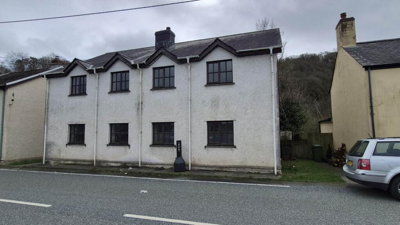
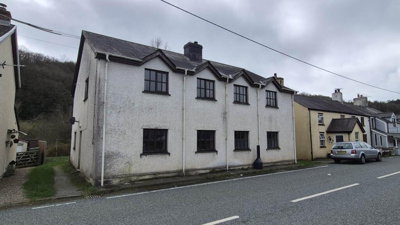
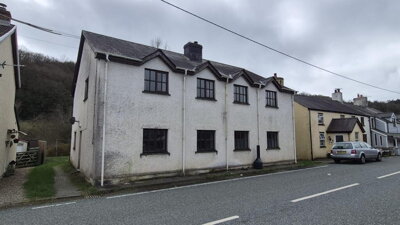
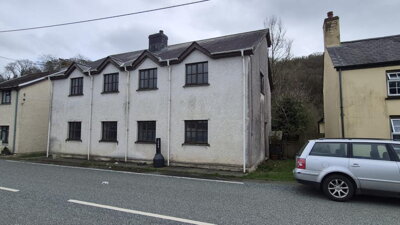
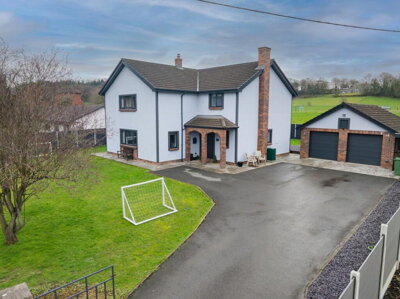
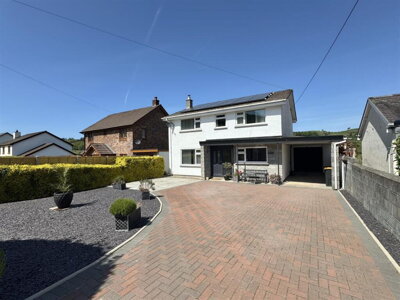
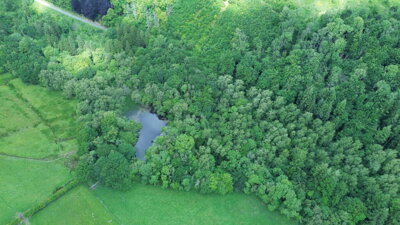
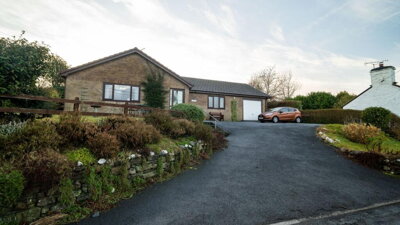
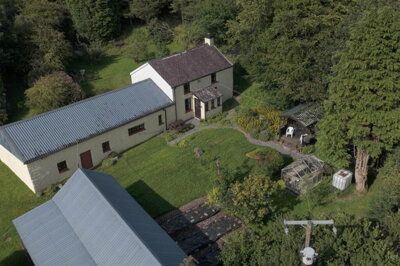
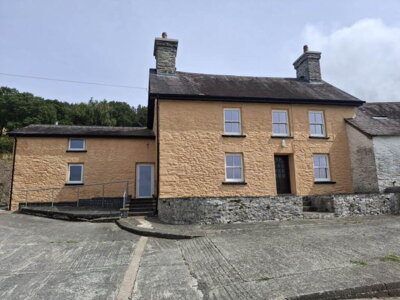
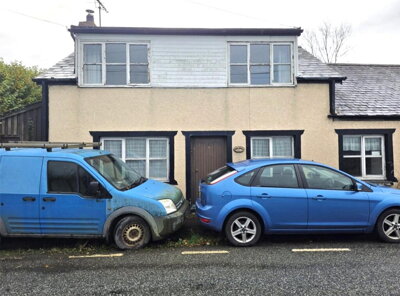
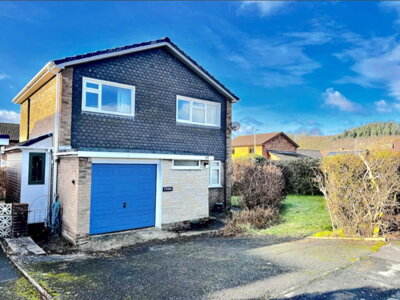
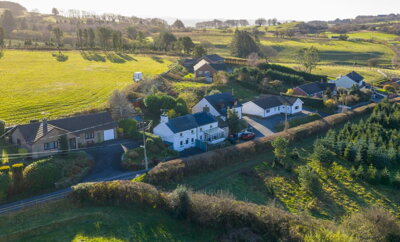
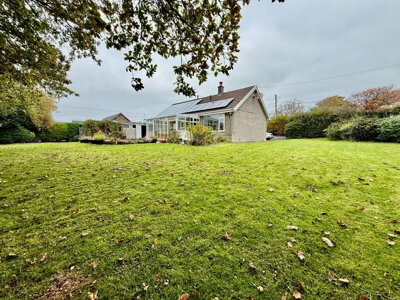
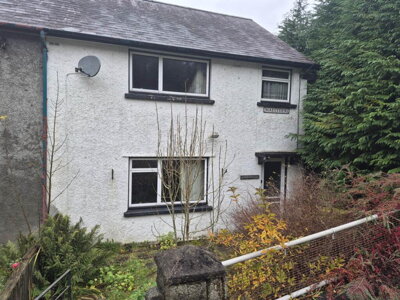
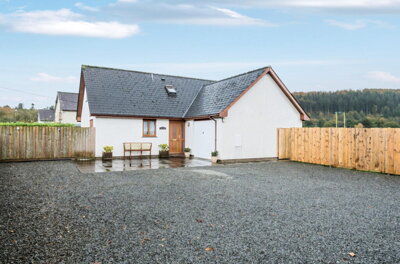
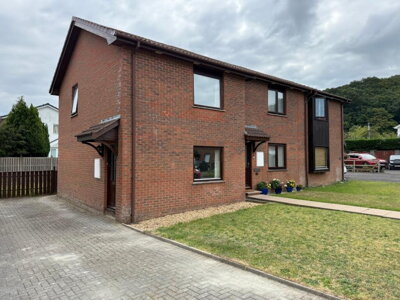
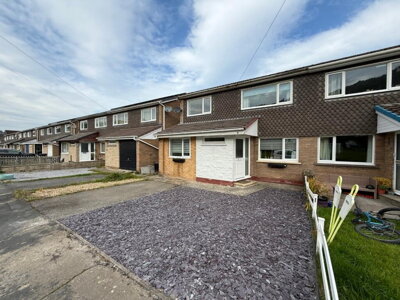
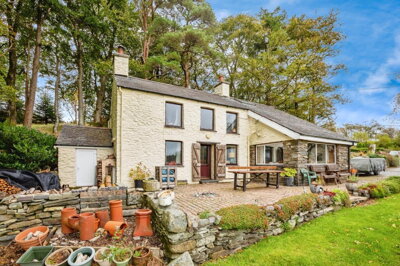
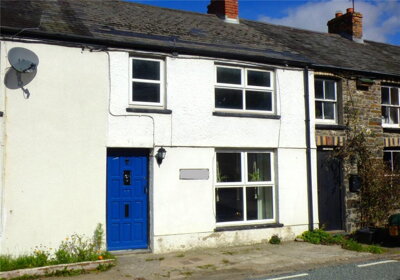
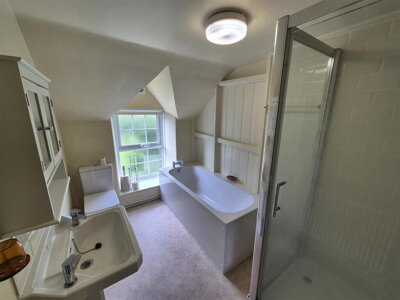
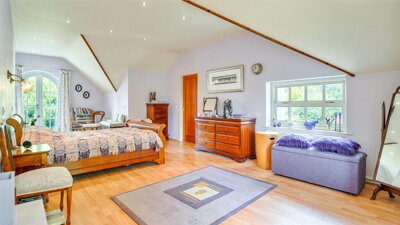
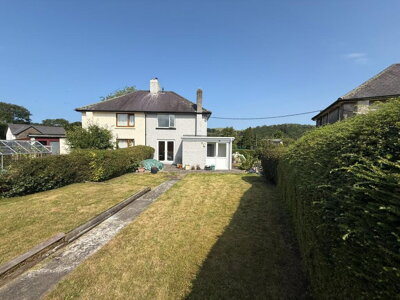
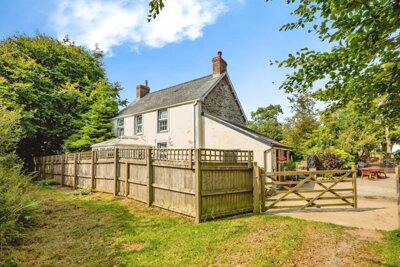
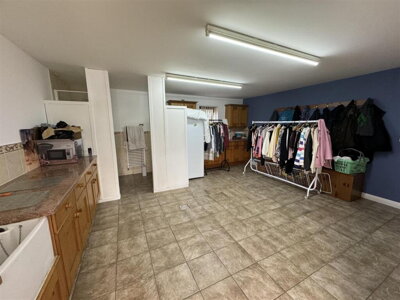
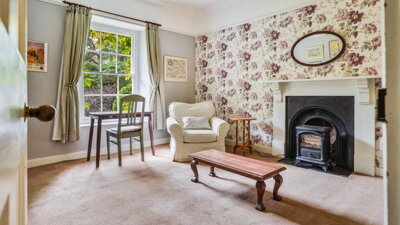
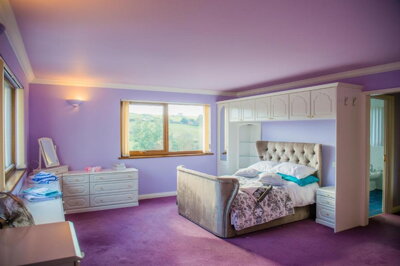
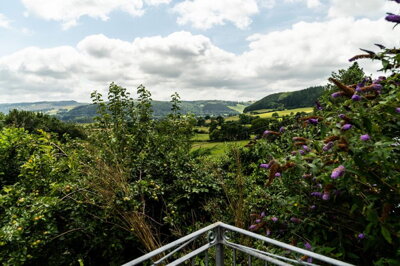
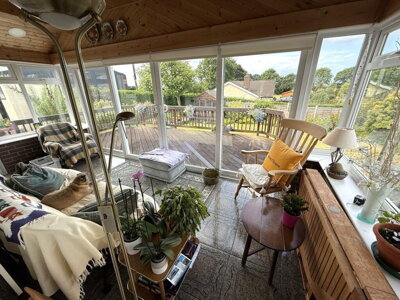
Browse 47 homes for sale in Trawsgoed, Ceredigion from local estate agents.
£645k
11
0
217
Source: home.co.uk
Source: home.co.uk
Detached
7 listings
Avg £499,286
House
1 listings
Avg £645,000
Semi-Detached
1 listings
Avg £420,000
Terraced
1 listings
Avg £23,000
detached
1 listings
Avg £895,000
Source: home.co.uk
Source: home.co.uk
The property market in West Orchard and the surrounding SP7 postcode district offers a diverse range of homes to suit various budgets and preferences. Our current listings show detached properties commanding an average price of £516,000, reflecting the premium placed on spacious rural homes with generous gardens and countryside views. Semi-detached properties in the area average around £310,000, while terraced homes typically sell for approximately £260,000. Flats in the broader North Dorset area average £160,000, though the village itself predominantly features houses rather than apartments due to its rural character and low-density development.
Over the past year, house prices in the SP7 postcode district have increased by 1.76%, demonstrating steady and sustainable growth in this desirable corner of Dorset. This modest appreciation rate indicates a stable market that has not experienced the volatility seen in some urban areas, making West Orchard an attractive proposition for both homeowners and investors seeking long-term capital growth. The majority of properties in the village and surrounding Blackmore Vale were built before 1980, with approximately 74% of the housing stock in Dorset falling into this category. Dorset-wide data shows 40.5% detached homes, 28.1% semi-detached, 15.6% terraced, and 15.2% flats or apartments. Many homes therefore benefit from traditional construction methods, generous room sizes, and period features that are increasingly sought after by buyers tired of smaller, modern developments.
No active new-build developments exist within the small village of West Orchard itself, as new build activity is typically concentrated in larger towns or designated development areas. This scarcity of new housing supply in the village contributes to the rarity of properties coming to market and supports values for existing stock. Buyers seeking modern specifications may need to consider properties in nearby towns like Shaftesbury or Sturminster Newton, or be prepared to undertake renovations on older village properties to meet contemporary expectations for insulation, heating efficiency, and layout.

West Orchard embodies the quintessential English village experience, offering residents a peaceful retreat within the stunning Blackmore Vale countryside. The civil parish, with its population of approximately 50 to 100 people, maintains a tight-knit community atmosphere where local events, village traditions, and rural pursuits bring neighbours together throughout the year. The presence of St Luke's Church, a Grade II listed building with origins dating back to the 15th century and rebuilt in 1876-77, serves as both a spiritual centre and a tangible link to the village's rich historical heritage. The churchyard and surrounding countryside provide idyllic settings for contemplation and walks, with ancient hedgerows, meadows, and farmland creating a landscape that has changed little over generations.
The local economy in and around West Orchard is primarily agricultural, with farming remaining central to the community's identity and character. The surrounding farmland produces a variety of crops and livestock, contributing to the area's rural economy while maintaining the open spaces and scenic views that define the Blackmore Vale. Residents benefit from proximity to the larger market towns of Shaftesbury and Sturminster Newton, where they can access supermarkets, independent shops, restaurants, healthcare facilities, and other essential services. The area also attracts visitors interested in exploring Dorset's countryside, with local pubs, farm shops, and artisan producers contributing to a thriving rural economy that balances tradition with modern convenience.
The Blackmore Vale itself is renowned for its scenic beauty and has featured in numerous films and television productions thanks to its unspoilt rural character. This landscape of rolling hills, working farmland, and picturesque villages attracts tourists throughout the year, supporting local businesses and contributing to the area's economic vitality. For residents of West Orchard, this means access to a network of footpaths, bridleways, and country lanes for outdoor recreation, as well as community events and seasonal festivals that celebrate the region's agricultural heritage and artisanal food production.

Families considering a move to West Orchard will find a selection of educational establishments within reasonable driving distance of the village. For younger children, the area is served by several primary schools in nearby villages and towns, with many small rural schools providing intimate class sizes and individual attention that larger urban schools often cannot match. Primary schools in the surrounding North Dorset area have garnered positive reputations for academic achievement and pastoral care, with dedicated teachers who know each pupil personally. Parents should research specific catchment areas and admission policies, as places in popular schools can be competitive given the rural nature of the area.
Secondary education options for West Orchard residents include schools in Shaftesbury and Sturminster Newton, both offering a range of GCSE and A-Level courses alongside extracurricular activities and sporting facilities. The Port Regis School in Motcombe provides an independent secondary education option for families seeking private schooling, while several other independent schools in the wider Dorset area offer day and boarding places. Older students may also consider sixth form colleges or further education providers in the broader Dorset area, with several colleges offering diverse vocational and academic programmes.
For families prioritising education in their property search, proximity to good schools can significantly influence location choices within the SP7 postcode area. Properties in villages with popular primary schools or within catchment areas for well-regarded secondary schools often command premiums reflecting this demand. Parents should verify current Ofsted ratings, admission arrangements, and any planned changes to school provision before committing to a purchase, as rural schools can face challenges with pupil numbers and occasional reorganisation proposals.
Transport connections from West Orchard centre on road networks, with the village positioned between the A350 and A30/A303 corridors providing access to the wider Dorset region and beyond. The A303 trunk road, running east-west through Somerset and Wiltshire, connects the area to major employment centres including Southampton, Salisbury, and the M3 corridor towards London. Journey times by car to the cathedral city of Salisbury take approximately 45 minutes, while the Georgian city of Bath can be reached in around an hour. The nearby town of Gillingham provides access to the West of England Main Line railway, offering regular services to London Waterloo with journey times of approximately two and a half hours.
For air travel, Bournemouth Airport is located approximately 30 miles from West Orchard, offering a range of domestic and European flights. Southampton Airport and Bristol Airport provide additional options for international travel, with both accessible within two hours by car. Within the village and surrounding countryside, cycling is a popular means of transport for shorter journeys, with quiet country lanes and designated routes allowing residents to explore the Blackmore Vale on two wheels.
Bus services connect West Orchard with nearby towns, though frequencies are limited compared to urban areas, making a car practically essential for most residents. Daily commuting to London or other major cities is feasible for those working from home several days per week or with flexible working arrangements. The village's position between Shaftesbury and Sturminster Newton means that many residents travel to one of these towns for regular shopping, healthcare appointments, and other services not available locally. Planning transport arrangements is an important consideration for anyone considering a move to West Orchard, particularly those accustomed to urban convenience.
Spend time exploring West Orchard and the surrounding Blackmore Vale to understand the local property market, community atmosphere, and available amenities. Visit at different times of day and week, speak with residents, and check travel connections to ensure the village suits your lifestyle and practical needs. Given the small population and limited housing stock, properties in West Orchard come to market infrequently, making early research essential for understanding what is available and what you can expect to find.
Before arranging viewings, obtain a mortgage agreement in principle from a lender to confirm your borrowing capacity and strengthen your position when making offers. This document demonstrates to sellers that you are a serious, financially-prepared buyer capable of proceeding quickly once your offer is accepted. In the competitive Dorset property market, having your financing arranged can make the difference when multiple buyers are interested in the same property.
Contact local estate agents to arrange viewings of properties matching your criteria in West Orchard and the surrounding SP7 postcode area. Take notes during each viewing, photograph properties that interest you, and compare features, conditions, and prices before deciding which homes to pursue further. Given the rural nature of West Orchard, be prepared to travel to view properties across the wider area and factor in journey times from potential new homes to workplaces and amenities.
Once your offer is accepted, arrange a RICS Level 2 Survey to assess the property's condition and identify any defects or structural concerns. Given that approximately 74% of properties in Dorset were built before 1980, this survey is particularly valuable for identifying issues common in older properties such as dampness, timber defects, and potential subsidence related to clay geology. In the West Orchard area, surveys typically cost between £500 and £700 for properties in the £300,000 to £400,000 price range.
Appoint a conveyancing solicitor to handle the legal aspects of your purchase, including searches, contracts, and registration of ownership. Your solicitor will coordinate with the seller's legal team, manage the transfer of funds, and ensure all necessary documentation is completed correctly before completion. Conveyancing fees in the Dorset area typically range from £500 to £1,500 depending on complexity and whether the property is freehold or leasehold.
Once all searches are satisfactory, mortgage is approved, and contracts are signed, your solicitor will arrange the exchange of contracts and set a completion date. On completion day, the remaining funds are transferred, you receive the keys, and ownership of your new West Orchard home officially passes to you. The entire process from offer acceptance to completion typically takes 8 to 12 weeks, though this can vary depending on chain circumstances and property-specific factors.
Properties in West Orchard and the surrounding Blackmore Vale area of Dorset typically feature traditional local building materials that reflect the region's rural heritage. Local stone, often greensand or limestone depending on the specific location, features prominently in older properties, alongside red brick and rendered finishes. Many traditional homes in the village feature thatched roofs, which require specialist maintenance and have a distinctive appearance that contributes to the area's charm. Slate roofs are also common on properties built during periods when Welsh slate was more readily available, and distinguishing between original and replacement roofing materials can be important for assessing condition and maintenance requirements.
The geology of West Orchard presents particular considerations for property buyers. The village sits on Oxford Clay Formation and Kellaways Formation, which contain significant clay deposits. This clay geology carries a moderate to high shrink-swell risk, particularly for properties with shallow foundations or those with large trees nearby that can affect soil moisture levels. Subsidence issues, while not universal, do occur in properties affected by clay movement, and prospective buyers should look for signs such as crack patterns in walls, doors that stick or fail to close properly, and uneven floors. A thorough survey can identify whether any movement has occurred and whether remedial works have been carried out.
Flood risk is another important consideration for West Orchard property buyers. The village is located on an affluent of the River Stour, which means certain areas face surface water flooding and river flooding risks, especially during periods of heavy rainfall. Parts of the village and surrounding agricultural land show areas of medium to high surface water flood risk. Properties in lower-lying positions near watercourses warrant extra caution and thorough investigation of drainage systems and any flood resilience measures that may have been installed. Reviewing Environment Agency flood risk maps and checking the property's flood history through local searches should form part of any due diligence process.
Given the age and construction methods common in rural Dorset properties, certain defects occur more frequently in West Orchard homes. Dampness issues, including rising damp and penetrating damp, are common in older solid-wall properties that lack modern damp-proof courses or have suffered from deteriorating render, pointing, or flashing details. Properties with thatched roofs require specialist inspection to assess the condition of the thatch, sarking, and supporting timbers, as deterioration can occur relatively quickly if maintenance has been neglected.
Timber defects represent another significant category of issues found in older West Orchard properties. Woodworm and wet or dry rot can affect structural timbers including floor joists, roof rafters, and wall plates, particularly where moisture has been allowed to accumulate or where ventilation is poor. The presence of large trees near properties, common in the village's mature gardens and surrounding countryside, can also affect timber through root activity and increased moisture levels in the soil. Our inspectors pay particular attention to these areas when surveying properties in the West Orchard area.
Outdated electrical and plumbing systems are frequently encountered in properties built before 1980. Rewiring or upgrading consumer units may be required to meet current standards and ensure safety. Similarly, older plumbing systems using lead or galvanised steel pipes may need replacement. Given the value of properties in the SP7 postcode area, budgeting for these potential upgrades is important when calculating the true cost of purchase. A RICS Level 2 Survey will identify any obvious deficiencies and recommend further investigation where specialist assessment is needed.
While specific data for West Orchard village itself is limited due to its small population of around 50 to 100 residents, the broader SP7 postcode district shows an average house price of £358,000 as of February 2024. Detached properties average £516,000, semi-detached homes around £310,000, and terraced properties approximately £260,000. Prices have increased by 1.76% over the past year, indicating a stable and steadily growing market in this desirable corner of Dorset. Property prices in the village itself may differ from district averages given the limited supply and premium associated with village locations.
Properties in West Orchard fall under the Dorset Council authority, which sets council tax rates for the area. Specific band information depends on the property's assessed value, with homes in rural Dorset typically spanning bands A through F depending on their size, age, and condition. Band A properties are valued up to £40,000, while Band F covers properties valued between £320,000 and £424,000. Prospective buyers should check the specific banding with the Valuation Office Agency or include a council tax search as part of the conveyancing process to understand the ongoing annual costs of ownership, which in Dorset Council's area typically range from around £1,400 to over £2,500 per year for Bands A through F respectively.
West Orchard is served by primary schools in nearby villages and towns, with the closest options typically found in Shaftesbury and Sturminster Newton. Several primary schools in the surrounding North Dorset area have received positive Ofsted ratings, including schools in nearby Hazelbury Bryan and the Shaftesbury area. Secondary education is available at schools in these towns, providing GCSE and A-Level programmes, with King Edmund's School in Waitsbury receiving particular commendation for its academic results. The area offers a mix of state and independent options. Parents should verify current catchment areas and admission arrangements, as these can change and may influence school places for families moving to the village.
Public transport options from West Orchard are limited due to its rural location, with bus services connecting the village to nearby towns but with reduced frequencies compared to urban areas. The Stagecoach service providing connections to Shaftesbury and Sturminster Newton operates on an infrequent timetable, meaning residents should not rely on buses for daily commuting or regular shopping trips. The nearest railway station is in Gillingham, approximately 10 miles from West Orchard, providing access to the West of England Main Line with services to London Waterloo. For commuters and those without private vehicles, the reliance on infrequent bus services and the distance to train stations means that car ownership is practically essential for most residents in West Orchard.
West Orchard and the surrounding Blackmore Vale offer several factors that may appeal to property investors, including the area's natural beauty, strong community ties, and proximity to popular towns like Shaftesbury. The steady 1.76% annual price increase in the SP7 postcode district suggests stable appreciation, while the relative rarity of properties for sale in such a small village may limit supply and support values. Investors seeking rental income should note that the tiny population means the local rental market is extremely limited, with most rental demand concentrated in nearby towns. Long-term holding periods are advisable to realise any capital growth, as the market may be less liquid than in urban areas.
Stamp duty Land Tax rates for 2024-25 are 0% on the first £250,000 of residential property, 5% on the portion from £250,001 to £925,000, 10% from £925,001 to £1.5 million, and 12% above £1.5 million. First-time buyers benefit from relief on the first £425,000, with 5% charged between £425,001 and £625,000, though no relief applies above £625,000. On a typical West Orchard property priced around £358,000, a first-time buyer would pay no stamp duty thanks to relief covering the entire purchase price, while a subsequent buyer would pay approximately £5,400. Properties priced above £625,000 do not qualify for any first-time buyer relief.
We strongly recommend arranging a RICS Level 2 Survey when purchasing any property in West Orchard, particularly given that approximately 74% of the local housing stock was built before 1980. Older properties are more likely to have developed defects that may not be visible during a viewing, including structural movement related to the local clay geology, timber deterioration, dampness issues, and outdated services. For a property valued between £300,000 and £400,000, a Level 2 survey typically costs between £500 and £700 in the Dorset area. This investment can identify issues before you commit to purchase, giving you negotiating leverage or allowing you to withdraw if serious problems are found.
Understanding the additional costs of buying a property in West Orchard is essential for budgeting effectively and avoiding surprises during the transaction. Beyond the purchase price, buyers should account for stamp duty Land Tax, which for a property priced at the SP7 district average of £358,000 would amount to £5,400 for non-first-time buyers under current 2024-25 thresholds. First-time buyers purchasing properties up to £425,000 would pay no stamp duty, making the most of this valuable relief. Those buying more expensive properties above £625,000 do not qualify for first-time buyer relief on any portion of the purchase price, so planning ahead for these costs is important.
Additional buying costs to budget for include solicitor fees, which typically range from £500 to £1,500 for conveyancing work including local searches, contracts, and registration. A RICS Level 2 Survey in the Dorset area generally costs between £500 and £700 for properties in the £300,000 to £400,000 price range, providing negotiation leverage by identifying any defects before completion. An Energy Performance Certificate is mandatory and usually costs around £80 to £120. Mortgage arrangement fees, valuation fees, and broker charges can add another £500 to £2,000 depending on the lender and deal structure. Removal costs, insurance, and potential renovation or repair work should also be factored into your overall budget when calculating the true cost of purchasing your West Orchard home.
Given the age of many properties in West Orchard, buyers should also budget for potential renovation costs. Older homes may require updating of electrical systems, replacement of plumbing, improvements to insulation, or repairs to roofing and structural elements. Properties with thatched roofs require specialist maintenance from experienced contractors, which can be more expensive than conventional roofing work. Obtaining quotes for any works identified during survey as necessary or desirable will help ensure your total budget is realistic and that you are not faced with unexpected expenditure after completing your purchase.
Properties for Sale In London

Properties for Sale In Plymouth

Properties for Sale In Liverpool

Properties for Sale In Glasgow

Properties for Sale In Sheffield

Properties for Sale In Edinburgh

Properties for Sale In Coventry

Properties for Sale In Bradford

Properties for Sale In Manchester

Properties for Sale In Birmingham

Properties for Sale In Bristol

Properties for Sale In Oxford

Properties for Sale In Leicester

Properties for Sale In Newcastle

Properties for Sale In Leeds

Properties for Sale In Southampton

Properties for Sale In Cardiff

Properties for Sale In Nottingham

Properties for Sale In Norwich

Properties for Sale In Brighton

Properties for Sale In Derby

Properties for Sale In Portsmouth

Properties for Sale In Northampton

Properties for Sale In Milton Keynes

Properties for Sale In Bournemouth

Properties for Sale In Bolton

Properties for Sale In Swansea

Properties for Sale In Swindon

Properties for Sale In Peterborough

Properties for Sale In Wolverhampton

Enter your details to see if this property is within your budget.
Loans, cards, car finance
Estimated property budget
Borrowing + deposit
You could borrow between
Typical borrowing
Monthly repayment
Est. at 4.5%
Loan-to-value
This is an estimate only. Your actual budget may vary depending on interest rates, credit history, and personal circumstances. For an accurate affordability assessment, speak to one of our free mortgage advisors.
This calculator provides estimates for illustrative purposes only and does not constitute financial advice. Your home may be repossessed if you do not keep up repayments on your mortgage. Estimates based on 4.5% interest rate, repayment mortgage. Actual rates depend on your circumstances.
Homemove is a trading name of HM Haus Group Ltd (Company No. 13873779, registered in England & Wales). Homemove Mortgages Ltd (Company No. 15947693) is an Appointed Representative of TMG Direct Limited, trading as TMG Mortgage Network, which is authorised and regulated by the Financial Conduct Authority (FRN 786245). Homemove Mortgages Ltd is entered on the FCA Register as an Appointed Representative (FRN 1022429). You can check registrations at NewRegister or by calling 0800 111 6768.

We use cookies to show you personalised content and improve your experience of our website. Find out more in our Privacy policy and Cookie policy.