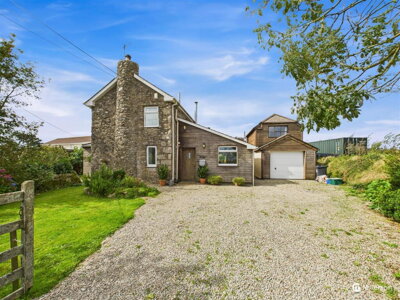
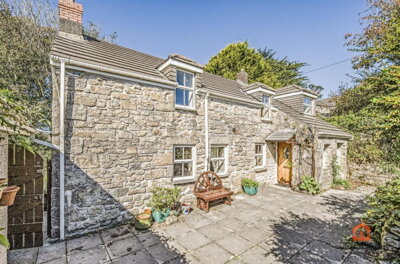
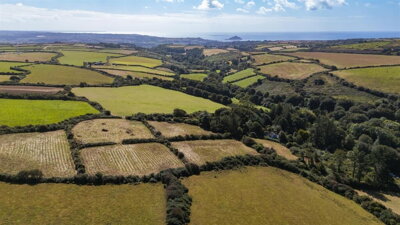
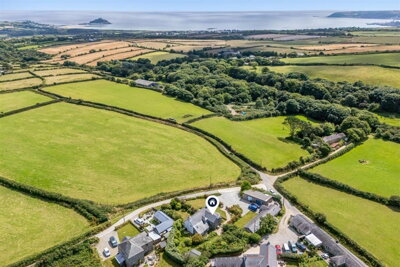
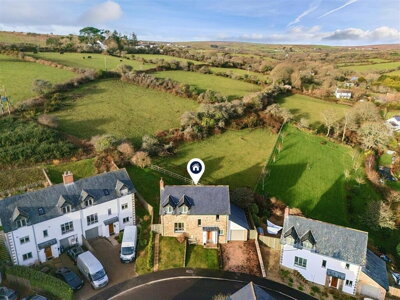
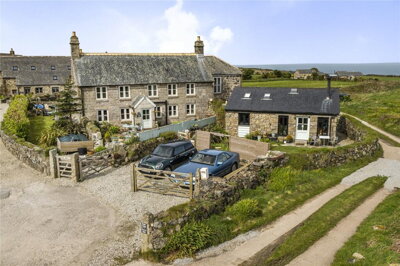
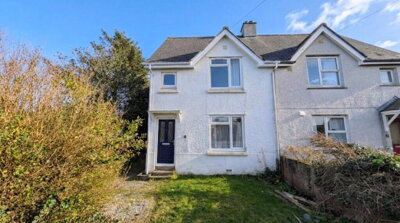
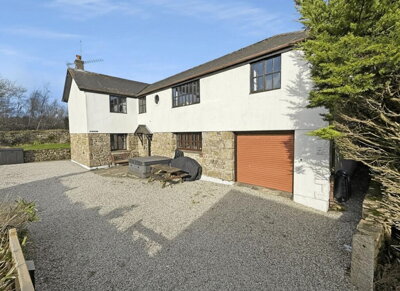
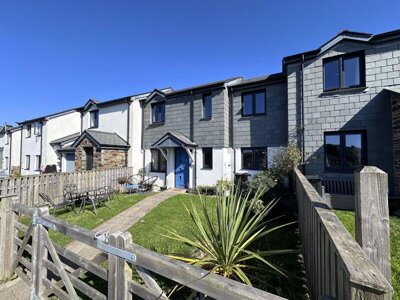
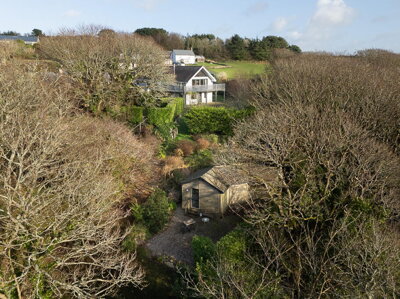
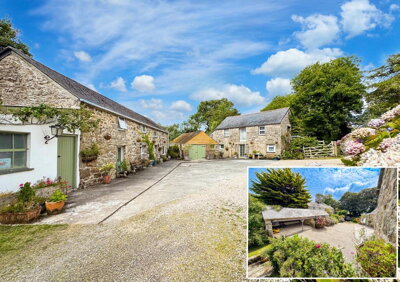
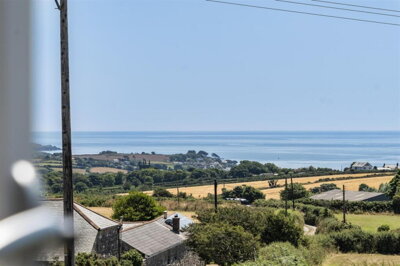
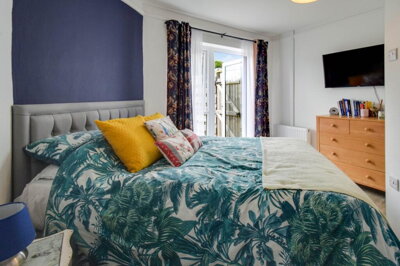
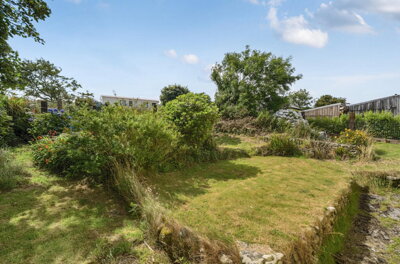
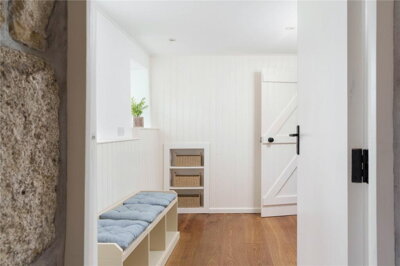
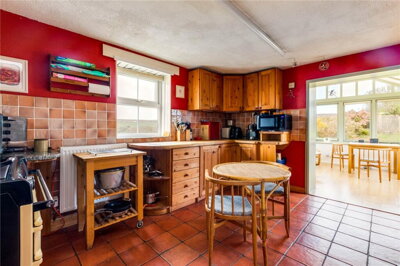
Browse 23 homes for sale in Towednack, Cornwall from local estate agents.
£600k
5
0
224
Source: home.co.uk
Source: home.co.uk
Detached
2 listings
Avg £580,000
Cottage
1 listings
Avg £525,000
Equestrian Facility
1 listings
Avg £599,950
House
1 listings
Avg £1.25M
Source: home.co.uk
Source: home.co.uk
The Deenethorpe property market currently reflects a blend of established period homes and limited new build opportunities. Our listings include detached stone-built family homes commanding prices around £650,000 on average, while semi-detached properties offer more accessible entry at approximately £312,500. The village housing stock predominantly features attractive stone properties and period cottages dating back to the 1800s, giving the area its distinctive character and heritage appeal that buyers find so appealing. The market has experienced notable correction over the past two years, with prices falling from the 2022 peak of £725,000 to current levels around £425,000, representing a shift that buyers with longer-term horizons may find advantageous when entering the local market.
New build activity in Deenethorpe remains extremely limited, though the Willow Rise development by Grace Homes offers premium stone-built properties including Ash House, a substantial 5 or 6 bedroom home priced at £435,000. Our records indicate this development had only one property remaining available, which when sold will leave very few opportunities for brand new homes within the village itself. For buyers open to new construction, nearby developments at Priors Hall Park near Corby offer alternatives from major housebuilders including Barratt Homes, David Wilson Homes, and Bovis Homes, typically ranging from £200,000 to £400,000 for 2, 3, and 4 bedroom homes on plots starting from approximately £25,000 for those seeking to self-build.
The housing stock in Deenethorpe shows clear characteristics that reflect its historic development. Properties along the village lanes including those at numbers 34, 35, and 36 Deenethorpe represent traditional stone construction, while Matchbox Cottage exemplifies the charming period cottages that define the village aesthetic. Porters Lodge and its attached wall represent another Grade II listed element of the village heritage. These traditional buildings offer generous plot sizes and mature gardens that reflect the agricultural heritage of the area, though buyers should factor in the potential maintenance requirements of older stone construction when budgeting for a purchase.
Market activity in the village benefits from the limited supply of properties, which creates strong community connections between buyers and sellers. The majority of properties sold in Deenethorpe over the last year were semi-detached homes, followed by detached properties, with terraced homes and flats comprising a smaller portion of transactions. This supply-demand dynamic means that well-presented properties in good condition tend to attract competitive interest, while those requiring renovation may offer opportunities for buyers willing to undertake works to enhance value.

Life in Deenethorpe centres on community and countryside, with residents enjoying the peace of rural North Northamptonshire while remaining connected to essential services. The village maintains an intimate scale, with the majority of properties being stone detached family homes set within generous plot sizes that reflect the agricultural heritage of the area. The local economy historically relied on agriculture and rural trades, with 2011 Census data showing 20% of residents employed in wholesale and retail trade including motor vehicle repairs, while 14% worked in real estate activities. This economic profile suggests a community comprising professionals who have chosen countryside living while maintaining careers in surrounding towns and villages across Northamptonshire.
The village setting provides immediate access to rolling Northamptonshire countryside, with public footpaths and rural lanes ideal for walking, cycling, and enjoying the natural landscape. The surrounding farmland between Deenethorpe and Benefield offers scenic routes through the Tresham Garden Village development area, though this land remains largely agricultural at present. The A6116 road provides access to neighbouring villages including Cottingham and Easton on the Hill, while the A43 offers connections toward Stamford and beyond. Local amenities in nearby Oundle include traditional pubs such as TheSDL and The King's Arms, village shops, and community facilities that foster the village atmosphere that residents value.
Several properties in Deenethorpe fall within conservation and listed building designations, requiring special consideration when planning property modifications or renovations. Grade II listed buildings including Matchbox Cottage and the pair of houses at SP 9575 9195 carry specific requirements for maintenance using appropriate materials and traditional techniques. These designations preserve the architectural character that makes Deenethorpe so distinctive, though buyers considering listed properties should factor in the additional requirements and potential costs of obtaining Listed Building Consent for any planned works, alongside the responsibility of maintaining the property's historic character for future generations.
Community life in Deenethorpe benefits from its proximity to larger settlements while maintaining village atmosphere. The proposed Garden Village development at the former airfield promises future investment in community facilities including shops, a village green, and a community hall, which would enhance local provision even if located slightly beyond Deenethorpe itself. For families and individuals seeking a balance between rural tranquility and access to services, the village represents an attractive proposition within the Northamptonshire property market, with the current price correction from the 2022 peak potentially creating opportunities for buyers to enter this desirable village location at more accessible entry levels.

Families considering a move to Deenethorpe will find a selection of educational establishments within reasonable driving distance, serving the village rural catchment areas. Primary education is typically provided through village schools in surrounding communities, with nearby options including schools in Cottingham, which lies approximately 2 miles south of Deenethorpe along the A6116. The nearest primary school in Easton on the Hill serves families from the surrounding villages, offering traditional class sizes and strong community ties typical of Northamptonshire rural school provision. These village schools typically accommodate children from Reception through to Year 6, with many featuring good Ofsted ratings that reflect their effectiveness in delivering quality primary education.
Secondary education options in the wider area include Kings School in by Corby, providing comprehensive secondary education for students from Year 7 onwards. Parents should research specific catchment areas and admissions policies, as rural school placement can be competitive during certain year groups and distances from home to school may affect eligibility for places at particular establishments. Grammar school provision exists in nearby towns where entrance testing applies, with some families considering these options for their children as an alternative to comprehensive secondary education. Transport arrangements for school travel in rural Northamptonshire typically rely on dedicated school bus services operated by the local council and private transport arrangements, factors worth considering when evaluating daily logistics and associated costs.
For sixth form and further education, the nearby towns of Corby, Kettering, and Peterborough offer comprehensive provision including A-level courses, vocational qualifications, and specialist training programmes. The Brooke Weston Academy in Corby provides secondary education with a strong academic focus, while other nearby institutions offer diverse educational pathways for students with varying aptitudes and career aspirations. Independent schools in the region including preparatory and senior schools offer alternative educational approaches for families seeking particular pedagogical methods or school settings. Deenethorpe small population of approximately 193 residents means the village itself does not host its own school, making proximity to neighbouring village schools a practical consideration for families with school-age children when evaluating properties in the area.
Deenethorpe enjoys strategic positioning within North Northamptonshire, providing access to major transport corridors while maintaining its rural village character. The village sits between the market towns of Corby and Oundle, both offering essential retail, healthcare, and employment opportunities within a short drive. Road connectivity is provided through the A6116 running through the village and connecting to the A43, linking residents to Corby approximately 5 miles away, Kettering further east at around 12 miles, and the A14 corridor that provides eastward access to Cambridge and the M11 motorway. This road network serves daily commuters and provides connections to larger employment centres across the East Midlands, including Leicester, Nottingham, and Northampton, which are all reachable within approximately an hour by car.
The A43 trunk road provides particularly important connectivity for Deenethorpe residents, offering direct routes south toward Northampton and the M1 motorway, as well as connections to the A14 for travel toward Cambridge and East Anglia. For commuters to Peterborough, the A47 and A1 corridor provide access to the East Coast Main Line from stations including Stamford and Oundle, with London King Cross reachable in approximately 1 hour 15 minutes from Peterborough station. The journey time to London St Pancras International from Corby station is approximately 1 hour 45 minutes via East Midlands Railway services, making day commuting to the capital feasible for those working in finance, professional services, or government roles based in London.
Public transport options serving Deenethorpe reflect its rural character, with limited but functional bus services connecting the village to surrounding towns and villages. The Stagecoach and local bus services operating in North Northamptonshire provide essential connectivity for those without private vehicles, though service frequencies are typically lower than in urban areas. The nearest railway stations at Corby and Kettering offer East Midlands Railway services, with direct connections to London St Pancras International, Leicester, Nottingham, and Sheffield. For international travel, East Midlands Airport provides commercial flights within about 90 minutes driving time, while London Luton Airport and Birmingham Airport offer additional connectivity within reasonable reach of approximately 90 minutes and 75 minutes respectively.
Commuting costs represent a significant factor for buyers considering Deenethorpe as a place to live while working in larger urban centres. Season ticket prices for travel from Corby to London St Pancras International typically range from around £5,000 to £8,000 annually depending on peak or off-peak travel patterns. Those working in Northampton or Leicester may find shorter commute times by car or rail, potentially making these employment centres more accessible for regular daily commuting. The village positioning relative to major road and rail networks makes it viable for dual-income households where one partner works locally while the other commutes to a larger city centre, a common pattern among Deenethorpe residents given the local employment profile in real estate and retail sectors.
Explore current property listings in Deenethorpe and understand the local market conditions, including recent price trends and available property types. With average prices around £425,000 and detached homes commanding £650,000, establishing your budget and priorities early helps focus your search effectively. The limited housing stock in this village of approximately 48 historic houses means early research into available properties and their characteristics enables you to act quickly when suitable homes become available.
Contact local estate agents to arrange viewings of properties matching your criteria. Given the village limited housing stock and the presence of period stone properties and period cottages, viewing properties promptly when they become available and being prepared to move quickly on suitable homes proves advantageous in this community market. Many properties in Deenethorpe carry heritage designations including Grade II listing, so understanding these implications during viewings helps inform your purchasing decision.
Before making an offer, secure a mortgage agreement in principle from a lender. This demonstrates your financial readiness to sellers and estate agents, strengthening your position when negotiating on properties priced between £300,000 and £650,000 in the Deenethorpe area. Given the stone construction and period features common in local properties, some lenders may require specific valuations that account for heritage characteristics and traditional building methods, so discussing these requirements with your broker early proves helpful.
For stone-built and period properties common in Deenethorpe, a RICS Level 2 Survey provides essential assessment of the property condition before you commit to purchase. Given the age of many village homes dating to the 1800s, this survey identifies structural issues, damp, roof condition, and timber defects that may affect older stone construction. Properties with Grade II listing designations may benefit from the more comprehensive RICS Level 3 Survey to assess specialist requirements of heritage properties in greater detail.
Appoint a conveyancing solicitor to handle the legal aspects of your purchase, including local searches, contract review, and registration with HM Land Registry. Local knowledge of North Northamptonshire properties helps identify any specific considerations affecting the title or planning status, including any implications from the proposed Garden Village development at the former airfield site nearby. Your solicitor should also check for any historic planning permissions relevant to the stone construction and listed building status of the property.
Once all checks are satisfactory and surveys complete, exchange contracts with the seller and agree a completion date. On completion day, the remaining funds transfer and you receive the keys to your new Deenethorpe home, ready to begin enjoying village life in this historic Northamptonshire community. Allow time for utility connections and any necessary insurance arrangements specific to period stone properties before moving day.
Properties in Deenethorpe present several considerations specific to the village character and construction heritage that buyers should carefully evaluate during the purchasing process. The prevalence of stone-built homes and period cottages means many properties feature traditional construction methods including solid walls rather than cavity construction, affecting insulation and energy efficiency standards. Stone walls offer excellent thermal mass but may require repointing over time, and many properties dating to the 1800s retain original features such as flagstone floors, exposed beams, and inglenook fireplaces that form part of their heritage character. Before purchasing any property in Deenethorpe, arrange a thorough building survey to assess the condition of structural elements, roof coverings, and any signs of damp or timber defects common in older properties with traditional construction.
Flood risk in Deenethorpe requires local investigation before committing to purchase, as specific data for the village was not verified in available records. However, standard precautions including reviewing Environment Agency flood maps and checking local drainage history provide sensible reassurance before purchase. As an inland village in Northamptonshire, Deenethorpe is not at risk from coastal flooding, though surface water and river flooding should be considered given the local topography and proximity to watercourses in the wider area. Properties on larger plots may have private drainage systems or septic tanks that require maintenance responsibility and potential compliance with current regulations, a practical consideration for rural properties not connected to mains sewerage.
Conservation area status and Grade II listed building designations affect several properties in Deenethorpe, requiring planning permission for certain alterations and specific materials for any repairs to preserve the village heritage character. The listed buildings in Deenethorpe include Matchbox Cottage, properties along the historic lanes at numbers 34, 35, and 36, Porters Lodge with its attached wall, and the pair of houses at SP 9575 9195. If considering a listed property, factor in the additional requirements and potential costs of obtaining Listed Building Consent for any planned works, alongside the responsibility of maintaining the property historic character. Properties within conservation areas face restrictions on external alterations including windows, doors, roofing materials, and boundary treatments, all of which should be understood before purchase.
Energy performance certificates should be reviewed to understand the current energy efficiency of stone properties in Deenethorpe, many of which may require upgrades to meet modern standards. Solid wall construction cannot be treated the same way as cavity wall insulation, so buyers should budget for potential improvements to insulation, heating systems, and windows that preserve the character of period stone homes while improving their energy efficiency. The leasehold versus freehold distinction matters less in Deenethorpe where detached and semi-detached houses predominate, though buyers should confirm the tenure of any property under consideration and review carefully any service charges or ground rent applicable to leasehold elements.
The average house price in Deenethorpe over the last year was £425,000, based on transactions recorded in this Northamptonshire village. Detached properties average around £650,000, while semi-detached homes typically sell for approximately £312,500. The market has experienced significant correction recently, with prices down 14% from the previous year and down 41% from the 2022 peak of £725,000, creating potential opportunities for buyers seeking better value in this sought-after village location. The limited housing stock in Deenethorpe, combined with its period stone properties and village character, means well-presented homes continue to attract interest despite the broader market correction.
Deenethorpe falls under the North Northamptonshire Council authority, which sets council tax bands for all properties within its jurisdiction. Council tax bands range from A to H depending on property value, with most traditional stone homes in the village likely falling in bands C to E given typical property valuations in this area. The band affects the annual council tax payable, which for a band D property in North Northamptonshire currently amounts to around £1,800 to £2,000 per year. Prospective buyers should verify the specific band for any property through the Valuation Office Agency website or the local council online portal before completing their purchase.
Deenethorpe itself does not have its own school due to the village small population of approximately 193 residents, so families typically rely on schools in neighbouring villages and towns. The nearest primary schools in nearby villages such as Cottingham and East on the Hill provide education for younger children, with these schools serving rural catchment areas across Northamptonshire. Secondary schools in Corby including Kings School and Cedars Church of England Academy serve the wider area, with some families considering grammar school provision in nearby towns where entrance testing applies. Families should research specific catchment areas, Ofsted ratings, and admissions policies for schools within reasonable travelling distance, with transport arrangements and school bus services forming an important practical consideration for rural education.
Public transport options in Deenethorpe reflect its rural village character, with limited but functional bus services connecting the village to surrounding communities and market towns. The A6116 road through the village provides the main route for these services, connecting residents to Cottingham, Corby, and other nearby villages. The nearest railway stations are located in Corby and Kettering, offering East Midlands Railway services to London St Pancras International in approximately 1 hour 45 minutes, making regular commuting to the capital feasible for those working in finance, professional services, or government roles. For local travel and accessing larger retail centres, the bus services provide essential connectivity though service frequencies are lower than in urban areas.
Deenethorpe offers potential for long-term property investment, particularly given the proposed Tresham Garden Village development at the nearby former airfield site, which plans up to 1,500 homes and community facilities between Deenethorpe and Benefield. This development was approved in 2017 and represents significant investment in the wider area infrastructure, potentially benefiting property values in established villages like Deenethorpe. The village benefits from limited new build supply within its own boundary, traditional stone construction that tends to hold value, and rural character that remains attractive to buyers seeking countryside living. Recent price correction from the 2022 peak of £725,000 to current levels around £425,000 may present entry opportunities for investors with longer-term horizons, though buyers should understand the limited liquidity of small village property markets.
Stamp duty rates from April 2025 apply as follows: 0% on purchases up to £250,000, 5% between £250,001 and £925,000, 10% between £925,001 and £1,500,000, and 12% above £1,500,000. For a typical £425,000 property in Deenethorpe, a standard buyer would pay £8,750 in stamp duty land tax, calculated as 5% on the portion above £250,000. First-time buyers purchasing property in Deenethorpe benefit from enhanced relief that raises the nil-rate threshold to £425,000, meaning first-time buyers purchasing at the village average price would pay £0 in stamp duty, a significant saving compared to standard rates. Properties priced above £625,000 do not qualify for first-time buyer relief, so buyers purchasing premium detached properties at around £650,000 would pay standard rates on the amount above that threshold.
Given the prevalence of stone-built properties and period cottages dating to the 1800s in Deenethorpe, a RICS Level 2 Survey provides essential assessment before purchase, identifying structural issues, damp, roof condition, timber defects, and outdated plumbing or electrical systems common in older properties. Survey costs typically range from £400 to £600 for standard properties, with higher costs for larger or more complex homes, and properties priced above £500,000 may average around £586 for a comprehensive survey. For Grade II listed buildings such as Matchbox Cottage or properties along the historic village lanes, a more comprehensive RICS Level 3 Survey may be advisable to assess the specialist requirements of heritage properties, including potential renovation costs and compliance with listed building requirements. Our team can arrange these surveys for properties throughout Deenethorpe and the surrounding Northamptonshire villages.
New build activity in Deenethorpe is extremely limited, with the Willow Rise development by Grace Homes having only one property remaining available, Ash House, a substantial 5 or 6 bedroom stone-built home priced at £435,000. Once this property sells, very few opportunities for brand new homes within the village itself will exist. For buyers seeking new construction, nearby developments at Priors Hall Park near Corby offer alternatives from major housebuilders including Barratt Homes, David Wilson Homes, and Bovis Homes, with 2, 3, and 4 bedroom homes typically ranging from £200,000 to £400,000. The Weldon Park development near Corby and River View at Oundle provide additional new build options within reasonable distance of Deenethorpe for buyers who prioritise new construction over village location.
From 4.5%
Expert mortgage advice and competitive rates for Deenethorpe buyers
From £499
Specialist property solicitors for your Deenethorpe purchase
From £350
Essential survey for Deenethorpe stone properties
From £60
Energy performance certificate for your new home
Understanding the full costs of purchasing property in Deenethorpe helps buyers budget accurately for their move and avoid unexpected expenses during the transaction process. The property prices in this Northamptonshire village, averaging £425,000 for all property types and £650,000 for detached homes, place most purchases within the 5% stamp duty band. For a standard buyer purchasing a property at the village average of £425,000, stamp duty land tax would amount to £8,750, calculated on the amount above the £250,000 nil-rate threshold. This upfront cost sits alongside other expenses including solicitor fees typically ranging from £500 to £1,500 for conveyancing, survey costs of £350 to £600 for a RICS Level 2 Survey, and removal costs that vary based on distance and volume of belongings being transported.
First-time buyers purchasing property in Deenethorpe benefit from enhanced stamp duty relief that raises the nil-rate threshold to £425,000 for properties including a element of residential use. This means first-time buyers purchasing at the village average price of £425,000 would pay £0 in stamp duty, representing a saving of £8,750 compared to standard rates. Properties priced above £625,000 do not qualify for first-time buyer relief, so buyers purchasing premium detached properties at around £650,000 would pay standard rates on the portion above that threshold. The relief applies automatically through the Land Transaction Tax return completed by your solicitor, though buyers should confirm their eligibility and ensure all required documentation is provided to HMRC.
Beyond stamp duty, buyers should budget for mortgage arrangement fees ranging from £0 to £2,000 depending on the lender, with some offering fee-free mortgages while others provide lower interest rates in exchange for upfront fees. Broker fees if using a mortgage adviser typically range from £0 to £500, though many brokers are commission- commission-based so buyers should clarify costs upfront. Local searches including drainage and water searches, environmental searches, and local authority searches provide practical information about the specific property and its surroundings, typically costing £250 to £400 in total. For properties in Deenethorpe, local searches may reveal information about the proposed Garden Village development at the former airfield site and any planning applications in the surrounding area.
Ongoing costs after purchase include council tax, with Deenethorpe properties falling under North Northamptonshire Council bands typically ranging from C to E for traditional village homes, with annual charges currently around £1,800 to £2,200 depending on the band. Buildings insurance costs for stone properties may differ from standard brick construction due to the potential for more complex repair requirements, and buyers should ensure their policy covers the full rebuild cost for period stone homes. Energy efficiency improvements to older stone properties should be planned over time, as many period properties require upgrades to insulation and heating systems to meet modern living standards while preserving their heritage character. Annual service charges do not typically apply to the freehold houses predominant in Deenethorpe, though any properties with shared facilities or leasehold elements should have these ongoing costs verified before purchase.
Properties for Sale In London

Properties for Sale In Plymouth

Properties for Sale In Liverpool

Properties for Sale In Glasgow

Properties for Sale In Sheffield

Properties for Sale In Edinburgh

Properties for Sale In Coventry

Properties for Sale In Bradford

Properties for Sale In Manchester

Properties for Sale In Birmingham

Properties for Sale In Bristol

Properties for Sale In Oxford

Properties for Sale In Leicester

Properties for Sale In Newcastle

Properties for Sale In Leeds

Properties for Sale In Southampton

Properties for Sale In Cardiff

Properties for Sale In Nottingham

Properties for Sale In Norwich

Properties for Sale In Brighton

Properties for Sale In Derby

Properties for Sale In Portsmouth

Properties for Sale In Northampton

Properties for Sale In Milton Keynes

Properties for Sale In Bournemouth

Properties for Sale In Bolton

Properties for Sale In Swansea

Properties for Sale In Swindon

Properties for Sale In Peterborough

Properties for Sale In Wolverhampton

Enter your details to see if this property is within your budget.
Loans, cards, car finance
Estimated property budget
Borrowing + deposit
You could borrow between
Typical borrowing
Monthly repayment
Est. at 4.5%
Loan-to-value
This is an estimate only. Your actual budget may vary depending on interest rates, credit history, and personal circumstances. For an accurate affordability assessment, speak to one of our free mortgage advisors.
This calculator provides estimates for illustrative purposes only and does not constitute financial advice. Your home may be repossessed if you do not keep up repayments on your mortgage. Estimates based on 4.5% interest rate, repayment mortgage. Actual rates depend on your circumstances.
Homemove is a trading name of HM Haus Group Ltd (Company No. 13873779, registered in England & Wales). Homemove Mortgages Ltd (Company No. 15947693) is an Appointed Representative of TMG Direct Limited, trading as TMG Mortgage Network, which is authorised and regulated by the Financial Conduct Authority (FRN 786245). Homemove Mortgages Ltd is entered on the FCA Register as an Appointed Representative (FRN 1022429). You can check registrations at NewRegister or by calling 0800 111 6768.

We use cookies to show you personalised content and improve your experience of our website. Find out more in our Privacy policy and Cookie policy.