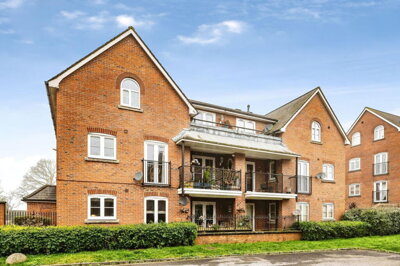
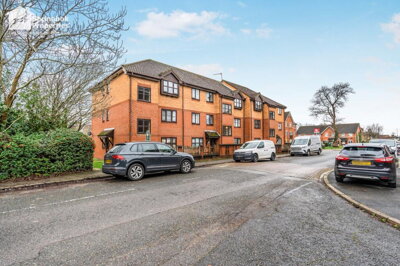
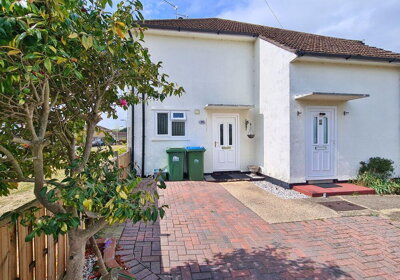
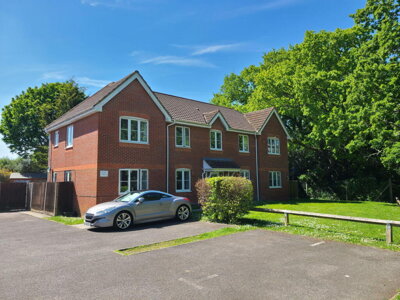
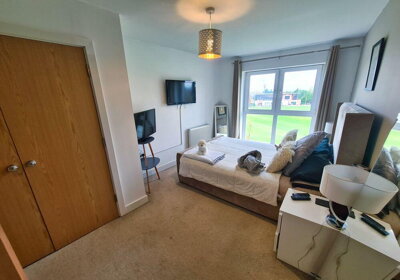
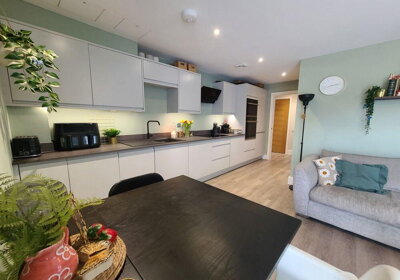
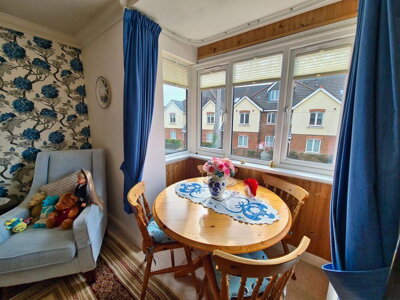
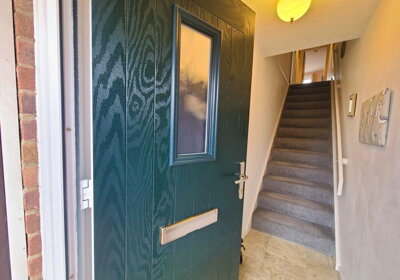
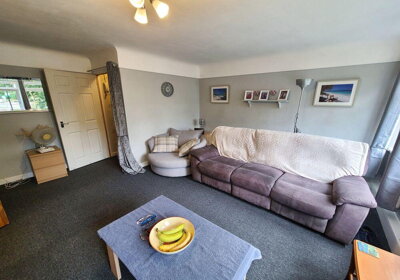
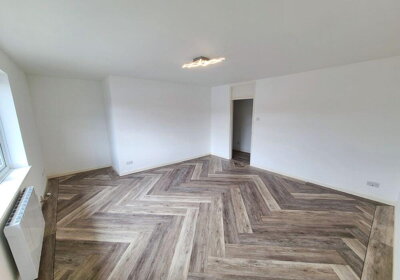
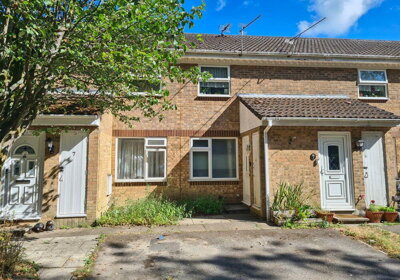
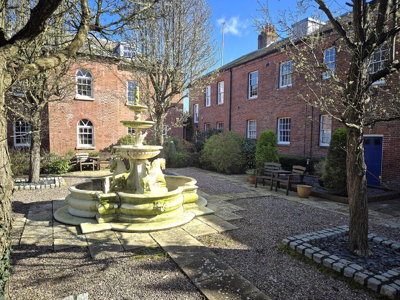
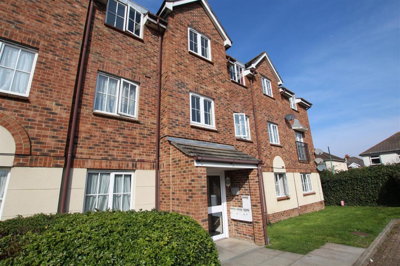
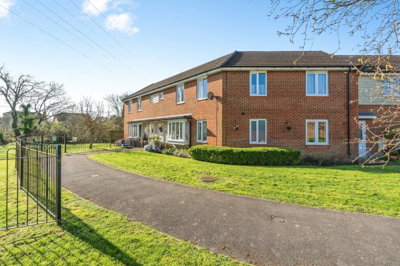
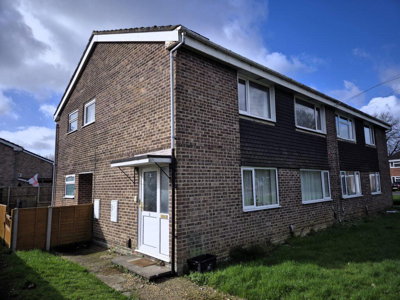
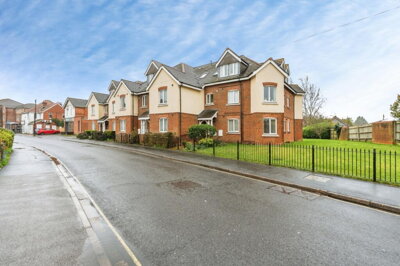
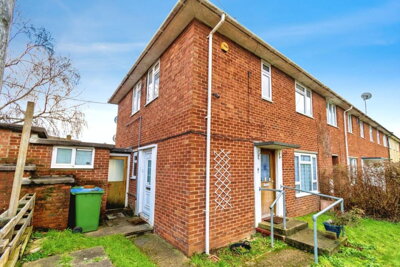
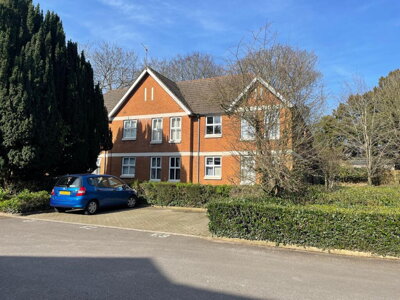
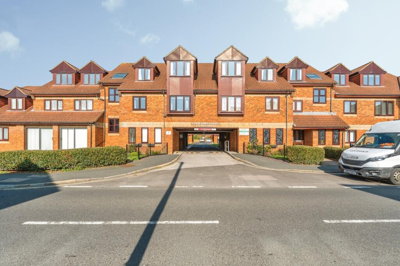
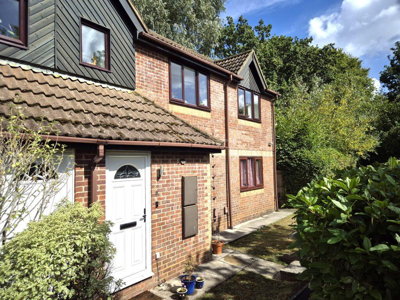
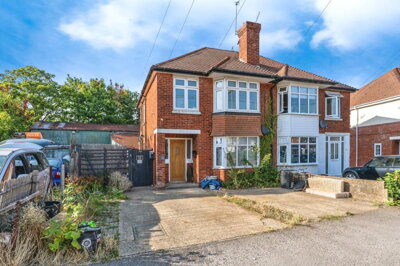
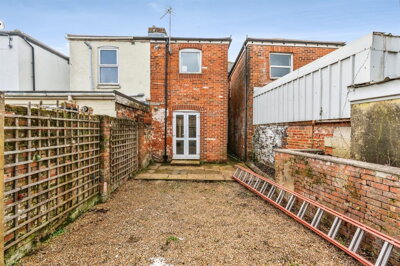
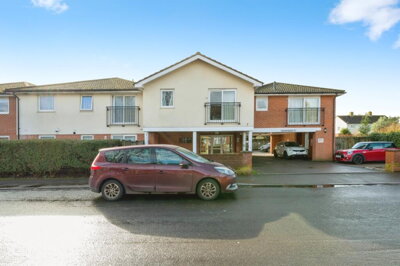
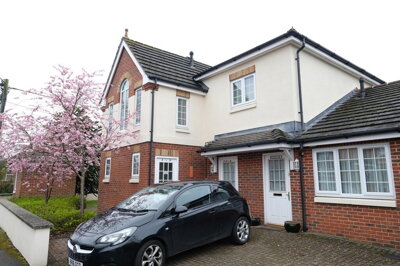
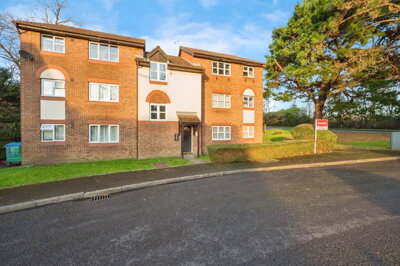
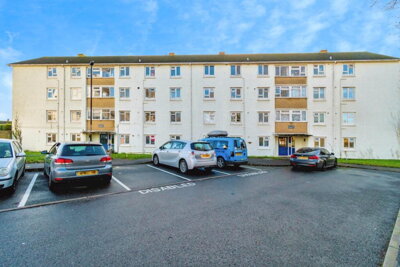
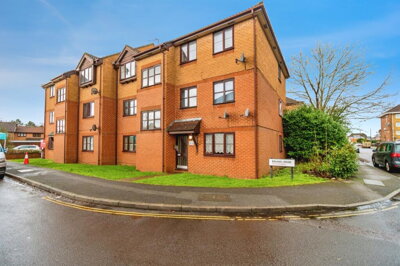
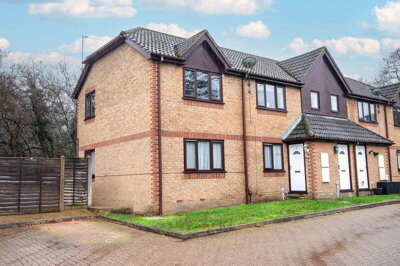
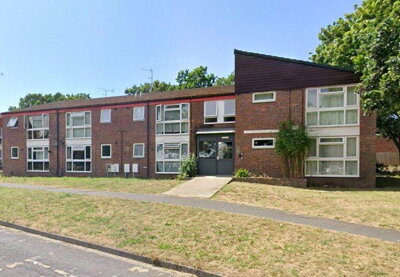
Browse 79 homes for sale in Totton and Eling from local estate agents.
Studio apartments feature open-plan living spaces without separate bedrooms, incorporating sleeping, living, kitchen, and bathroom facilities. The Totton And Eling studio market includes properties in modern apartment complexes, converted Victorian and Georgian buildings, and purpose-built developments.
The Freckenham property market reflects its status as a desirable rural Suffolk village where homes change hands infrequently. Our records show approximately 10 property sales completed in Freckenham over the past twelve months, with an overall average price of £444,000. This relatively low transaction volume creates a market where properties in good condition and correct pricing tend to attract serious buyers quickly, making local knowledge and timely information valuable assets for prospective purchasers.
Detached properties dominate the local housing stock, accounting for 68.6% of all homes according to the most recent census data. These larger family homes command an average price of around £487,000, reflecting the premium associated with spacious accommodation and generous plot sizes that characterise the village. Semi-detached properties, representing 21.6% of the housing stock, offer more accessible entry points at approximately £350,000, making them popular choices for families seeking village life without the higher costs associated with detached homes.
Terraced properties comprise 9.8% of Freckenham's housing stock, with no flats or apartments recorded in the village. This composition underscores the predominantly family-oriented nature of the local property market, where buyers typically seek the space and privacy that houses provide. The absence of apartment developments contributes to the village's character while limiting options for those seeking lower-maintenance or more compact accommodation within Freckenham itself. First-time buyers or those seeking smaller properties may need to look at surrounding villages like Mildenhall or Red Lodge, though such a move would sacrifice the unique village atmosphere that Freckenham provides.

Freckenham embodies the classic English village experience, offering residents a tranquil setting surrounded by Suffolk farmland and countryside walks. The village's Conservation Area encompasses the historic core, protecting buildings constructed from traditional local materials including the distinctive red brick and flint combinations that define Suffolk architecture. Properties in Freckenham range from historic cottages dating back centuries to sympathetically updated family homes, many retaining original features such as exposed beams, inglenook fireplaces, and period joinery that add character to village living.
The local economy benefits significantly from proximity to RAF Mildenhall and RAF Lakenheath, where personnel often seek housing in surrounding villages like Freckenham. This relationship brings a diverse demographic to the area and supports local services. The nearby market town of Mildenhall provides essential amenities including supermarkets, independent shops, healthcare facilities, and dining options, all within a short drive of the village. Residents enjoy easy access to walking trails across farmland, country lanes for cycling, and the natural beauty of the Suffolk countryside.
Community life in Freckenham revolves around traditional village amenities and regular events that foster neighbourly connections. The village church, St. Peter's, serves as both a historic landmark and focal point for community gatherings. With only 188 households, Freckenham maintains an intimate scale where residents often know their neighbours and community spirit thrives. The village's rural position means that certain urban conveniences require travel to nearby towns, though many residents consider this a worthwhile trade for the peace and character that village living provides.

Families considering a move to Freckenham will find a selection of educational options within reasonable travelling distance. While Freckenham itself is a small village without its own primary school, surrounding villages and the nearby town of Mildenhall provide educational facilities for children of all ages. Primary education is available at village schools in nearby communities, with the nearest options typically within a few miles of Freckenham. These smaller rural schools often benefit from close-knit communities where teachers know students individually and pastoral care receives strong emphasis.
Secondary education in the area centres on schools in Mildenhall and surrounding market towns, accessible via school transport services or parental transport. Parents should research current catchment areas and admission arrangements, as these can vary and affect which schools pupils can access. For families with specific educational preferences, including grammar school provision, investigation of options in nearby towns such as Bury St Edmunds may be worthwhile, though this would increase daily travel times significantly.
Further education opportunities are readily accessible for older students, with colleges and sixth forms available in nearby towns including Mildenhall, Bury St Edmunds, and Cambridge for those willing to travel further. The proximity to Cambridge, approximately 30 miles away, opens possibilities for access to the University of Cambridge and associated further education institutions for older students considering higher education pathways. Families should factor school transport arrangements and journey times into their decision-making process when evaluating Freckenham as a potential home location.
Freckenham occupies a relatively accessible position within rural West Suffolk, balancing its peaceful village setting with reasonable connections to surrounding towns and cities. The village sits approximately 8 miles northeast of Newmarket, famous as the headquarters of British horse racing, and within easy reach of the A14 trunk road that provides east-west connectivity across Suffolk and Cambridgeshire. This road link connects to Cambridge to the west and Ipswich to the southeast, opening broader regional connectivity for residents with workplace commitments in these larger employment centres.
Rail services are available in nearby towns, with Newmarket offering direct train services to Cambridge and Ipswich, providing commuting options for those working in these cities. Journey times to Cambridge typically range from 30 to 45 minutes by train, making day commuting feasible for those with flexible working arrangements. For residents working in London, the Stansted Airport area provides access to rail services into Liverpool Street, while Cambridge offers connections to King's Cross, both providing links to the capital within approximately 90 minutes travel time.
Local bus services connect Freckenham with nearby villages and towns, though frequency is limited, making car ownership effectively essential for most residents. The village's position amidst Suffolk countryside means that driving is the primary transport method for daily activities including shopping, school runs, and accessing services. Cycling is popular for shorter journeys, with quiet country lanes providing scenic routes to neighbouring communities. Parking within the village is generally straightforward given the low-density housing and generous plot sizes, a significant advantage over urban living.
Begin by exploring current listings in Freckenham and understanding price ranges for different property types. With only around 10 sales annually, properties appear infrequently, so early research helps you move quickly when suitable homes become available. Consider engaging with local estate agents who can alert you to upcoming listings before they reach public marketing.
Before viewing properties, obtain a mortgage agreement in principle from a lender. This demonstrates your purchasing capacity to sellers and strengthens your position in competitive situations. Freckenham's average price of £444,000 will require a substantial mortgage, so speak to a mortgage broker who can advise on appropriate products and lending amounts based on your financial circumstances.
Schedule viewings of properties matching your criteria and assess each home thoroughly during your visits. Pay attention to the condition of older properties, particularly those with listed building status or within the Conservation Area, as these may require specialist maintenance. Take measurements and photos to help with furnishing plans and to identify any potential issues requiring further investigation.
For most properties in Freckenham, particularly older homes, we strongly recommend commissioning a RICS Level 2 Survey before proceeding. This thorough inspection identifies structural issues, damp problems, and other defects that may not be visible during a standard viewing. Survey costs typically range from £400 to £900 depending on property size and value.
Appoint a conveyancing solicitor with experience handling rural property transactions. Your solicitor will manage searches, contracts, and the legal transfer of ownership. They will also investigate any planning constraints affecting the property, including Conservation Area requirements or listed building regulations that may restrict future alterations.
Once all searches return satisfactory results and finances are confirmed, you will exchange contracts and pay your deposit. Completion typically follows within two to four weeks, after which you will receive your keys and can take ownership of your new Freckenham home.
Properties in Freckenham often feature traditional construction methods that require careful evaluation during the purchase process. The local geology comprises sand and gravel superficial deposits over chalk bedrock, which generally presents a low shrink-swell risk for foundations. However, the presence of localised clay pockets within superficial deposits means that some properties may experience ground movement issues, particularly those with shallow foundations or nearby trees. A thorough survey will identify any signs of subsidence or heave that could affect the property's structural integrity.
Flood risk assessment should form part of any purchase decision in Freckenham. While the village faces very low risk from river and coastal flooding, certain areas near watercourses and low-lying land show medium to high surface water flooding risk during periods of heavy rainfall. Review Environment Agency flood maps for the specific property location and consider whether flooding has been an issue historically. Drainage and land levels around the property should be evaluated carefully during viewings and surveys.
Properties within the Freckenham Conservation Area or those designated as listed buildings require careful consideration before purchase. These homes may be subject to planning restrictions on alterations, extensions, and exterior modifications that require consent from West Suffolk Council. Listed building status brings additional requirements and costs for maintenance and renovation work. If you are considering purchasing such a property, factor potential renovation costs and planning constraints into your decision and budget accordingly.
Given the mix of older properties throughout Freckenham and the surrounding West Suffolk area, certain defects occur more frequently during our inspections. Damp represents one of the most common issues our surveyors encounter, particularly in solid-wall properties built before modern damp-proof course requirements. Rising damp, where moisture travels up through porous brickwork or stone, frequently affects historic cottages that may never have had a formal damp-proof membrane installed. Penetrating damp is equally prevalent in properties with aging brickwork or inadequate weatherproofing, especially during Suffolk's wet winters. We check all walls at ground floor level and around windows and doors for tell-tale signs including staining, peeling decoration, and soft plaster.
Roof condition defects feature prominently in our survey reports for Freckenham properties. Many older homes feature traditional timber roof structures with natural slate or clay tile coverings that deteriorate over decades. Our inspectors examine ridge tiles, valleys, and flashing details where water ingress most commonly occurs. We commonly find slipped tiles following harsh weather, deteriorated lead flashings around chimneys, and rotted timber in roof void areas where ventilation has been inadequate. Properties in the village with original thatched roofs, if any exist, would require specialist assessment by a Thatcher registered with the National Federation of Roofers.
Timber defects pose significant risks in Freckenham's older housing stock. Properties constructed using traditional methods often feature timber frame elements, floor joists, and support beams that can be susceptible to wet rot, dry rot, and woodworm infestations. We inspect accessible timber using a sharp probe and moisture meter, looking for soft spots, discolouration, and structural weakness. Ground floor timber joists in older properties may show deterioration where they bear on damp brickwork or where leaking plumbing has gone undetected. Any sign of active woodworm flight holes requires treatment recommendations and follow-up inspections.
Electrical and plumbing systems frequently require updating in properties built before current regulations. We check consumer units for modern safety devices, examine visible wiring for adequate earthing and condition, and identify any pre-1950s rubber-insulated cables that present fire risks. Properties with original cast iron plumbing may have internal corrosion causing low water pressure and discoloured supply. Our survey reports flag any systems that fall below current standards and recommend qualified electricians or plumbers for detailed quotations before completion.
Understanding local construction methods helps buyers appreciate the properties they view in Freckenham. The older properties within the village, many dating from the 18th and 19th centuries, typically feature solid-wall construction using local materials. Red brick, often produced from Suffolk clay deposits, forms external walls that may be two bricks thick or more, providing excellent thermal mass but limited insulation by modern standards. Some historic properties incorporate flint nodules set in lime mortar, a distinctive feature of East Anglian architecture that requires specialist repair techniques when damaged.
Traditional lime mortars were used throughout Suffolk before Portland cement became widespread in the early 20th century. These lime-based mortars allow walls to breathe, transferring moisture vapour through the fabric rather than trapping it within the structure. Modern cement-based renders and mortars applied to older properties can trap moisture, leading to deterioration of the underlying fabric and internal damp issues. Our surveyors identify where inappropriate cement-based products have been used and recommend their removal and replacement with suitable lime alternatives to protect historic fabric.
Newer properties in Freckenham, though limited in number given the village's historic character, typically feature cavity wall construction with brick or rendered blockwork external leaves. These properties generally meet modern Building Regulations standards for insulation and structural performance. Roof construction in post-war properties commonly uses manufactured timber roof trusses rather than traditional cut timber rafters, allowing for open-plan layouts but requiring careful consideration if structural modifications are contemplated. Any removal of truss elements or insertion of loft conversions requires structural engineer calculations and Building Regulations approval.
Purchasing a property in Freckenham involves several costs beyond the purchase price itself. Stamp duty Land Tax represents the most significant additional expense, with current thresholds set at 0% on the first £250,000 of property value, 5% on values between £250,000 and £925,000, 10% on amounts between £925,000 and £1.5 million, and 12% on anything above that. At Freckenham's average price of £444,000, a standard buyer without first-time buyer status would pay stamp duty of approximately £9,700, calculated as 5% of £194,000.
First-time buyers benefit from enhanced relief, paying nothing on the first £425,000 and 5% on amounts between £425,000 and £625,000. This means a first-time buyer purchasing at the village average of £444,000 would pay stamp duty of just £950, significantly reducing their upfront costs. Properties priced above £625,000 do not qualify for first-time buyer relief, so buyers at higher price points should budget for standard rates accordingly.
Additional buying costs include solicitor fees for conveyancing, typically ranging from £500 to £2,000 depending on complexity and property value. Survey costs for a RICS Level 2 HomeBuyer Report typically range from £400 to £900 for properties in the Freckenham area, with higher costs for larger or more complex properties. Land registry fees, local authority searches, and mortgage arrangement fees add further costs, with total additional expenses typically ranging from £2,000 to £5,000 on top of the property purchase price. Budgeting for these costs before beginning your property search ensures a smooth transaction without unexpected financial shortfalls.
The average property price in Freckenham stands at £444,000 as of early 2026, based on recent transaction data. Detached properties average around £487,000, while semi-detached homes typically sell for approximately £350,000. Property values have increased by 1.6% over the past twelve months, indicating a stable and steadily growing market. With only around 10 property sales annually, the market operates with limited transaction volume, which can lead to price variations depending on property condition and specific location within the village. The village's Conservation Area designation and proximity to RAF bases help maintain demand despite the small number of properties available.
Properties in Freckenham fall under West Suffolk Council's council tax banding system. Specific bands depend on property value and characteristics, with most homes in the village likely falling within bands C through F based on typical property values in the area. Prospective buyers should verify the council tax band for any specific property through the West Suffolk Council website or by requesting this information during the conveyancing process. Council tax funds local services including education, waste collection, and road maintenance. Properties with higher values or larger floor areas tend to attract higher bandings, which can affect ongoing annual costs.
Freckenham itself does not have a primary school within the village boundaries, with the nearest primary schools located in surrounding villages and the nearby town of Mildenhall. Secondary education options include schools in Mildenhall and nearby market towns, accessible via school transport or parental transport. Families should research current catchment areas and Ofsted ratings for schools in the surrounding area, including options in Bury St Edmunds for those seeking grammar school provision or specialist educational settings. The distance to schools will factor significantly into daily routines, particularly for families with younger children requiring school transport arrangements.
Public transport options in Freckenham are limited, reflecting its status as a small rural village. Local bus services connect the village to nearby towns and villages, though frequencies are low. The nearest railway stations are in Newmarket, offering connections to Cambridge and Ipswich, with journey times of 30 to 45 minutes to Cambridge. For commuting to London, Cambridge provides access to King's Cross while the Stansted area offers services to Liverpool Street. Car ownership is effectively essential for most residents of Freckenham, and this should be factored into any relocation decision.
Freckenham can be a sound investment for buyers seeking long-term holding in a desirable rural village with limited housing supply. The restricted number of properties available, combined with steady demand from families seeking village life and proximity to RAF bases, supports price stability. The presence of the Conservation Area and listed buildings maintains the village's character but limits new development potential, which can support property values through supply constraints. However, investors should note that rental demand in very small villages can be limited, and any investment should be evaluated against personal circumstances and long-term plans.
Stamp duty Land Tax applies to all property purchases in Freckenham as in the rest of England. For properties purchased at the current Freckenham average price of £444,000, a standard buyer would pay nothing on the first £250,000 and 5% on the amount between £250,000 and £444,000, totalling approximately £9,700. First-time buyers may qualify for relief on the first £425,000, reducing their stamp duty liability significantly. Additional rates apply for second homes and investment properties. Your solicitor will calculate the exact amount due based on your circumstances.
Key risks to consider include surface water flooding in certain low-lying areas, structural issues common in older properties such as damp or subsidence from localised clay deposits, and planning constraints affecting Conservation Area or listed properties. The limited local amenities within the village itself may require travel for daily needs. The low transaction volume means that properties can be harder to find, and selling may also take time if you later decide to move on. A thorough survey and solicitor investigation of all relevant searches will help identify and mitigate these risks.
A RICS Level 2 Survey provides essential protection when purchasing any property, but it proves particularly valuable in Freckenham where a significant proportion of homes are older constructions. Our surveyors identify defects that may not be apparent during a standard viewing, including hidden damp issues, structural movement, roof defects, and outdated electrical or plumbing systems. For properties within the Conservation Area or those with listed building status, a thorough survey ensures you understand the full implications of owning such a home before committing to purchase. Survey costs typically range from £400 to £900 depending on property size, which represents a modest investment against the potential costs of undiscovered defects running into thousands of pounds.
Properties within Freckenham's designated Conservation Area are subject to additional planning controls that affect what owners can do with their homes. Exterior alterations, extensions, demolition of boundary walls, and even some internal works may require consent from West Suffolk Council. These requirements can restrict renovation options and add time and costs to any improvement project. Listed buildings, which include St. Peter's Church and potentially other properties, face even stricter controls and may require Historic England consultation for certain works. Understanding these constraints before purchase prevents costly mistakes and ensures your plans for the property are achievable under current legislation.
From 4.5% APR
Compare mortgage deals from leading lenders
From £499
Expert property solicitors for your Freckenham purchase
From £400
Thorough inspection before buying in Freckenham
From £80
Energy performance certificate for your new home
Properties for Sale In London

Properties for Sale In Plymouth

Properties for Sale In Liverpool

Properties for Sale In Glasgow

Properties for Sale In Sheffield

Properties for Sale In Edinburgh

Properties for Sale In Coventry

Properties for Sale In Bradford

Properties for Sale In Manchester

Properties for Sale In Birmingham

Properties for Sale In Bristol

Properties for Sale In Oxford

Properties for Sale In Leicester

Properties for Sale In Newcastle

Properties for Sale In Leeds

Properties for Sale In Southampton

Properties for Sale In Cardiff

Properties for Sale In Nottingham

Properties for Sale In Norwich

Properties for Sale In Brighton

Properties for Sale In Derby

Properties for Sale In Portsmouth

Properties for Sale In Northampton

Properties for Sale In Milton Keynes

Properties for Sale In Bournemouth

Properties for Sale In Bolton

Properties for Sale In Swansea

Properties for Sale In Swindon

Properties for Sale In Peterborough

Properties for Sale In Wolverhampton

Enter your details to see if this property is within your budget.
Loans, cards, car finance
Estimated property budget
Borrowing + deposit
You could borrow between
Typical borrowing
Monthly repayment
Est. at 4.5%
Loan-to-value
This is an estimate only. Your actual budget may vary depending on interest rates, credit history, and personal circumstances. For an accurate affordability assessment, speak to one of our free mortgage advisors.
This calculator provides estimates for illustrative purposes only and does not constitute financial advice. Your home may be repossessed if you do not keep up repayments on your mortgage. Estimates based on 4.5% interest rate, repayment mortgage. Actual rates depend on your circumstances.
Homemove is a trading name of HM Haus Group Ltd (Company No. 13873779, registered in England & Wales). Homemove Mortgages Ltd (Company No. 15947693) is an Appointed Representative of TMG Direct Limited, trading as TMG Mortgage Network, which is authorised and regulated by the Financial Conduct Authority (FRN 786245). Homemove Mortgages Ltd is entered on the FCA Register as an Appointed Representative (FRN 1022429). You can check registrations at NewRegister or by calling 0800 111 6768.

We use cookies to show you personalised content and improve your experience of our website. Find out more in our Privacy policy and Cookie policy.