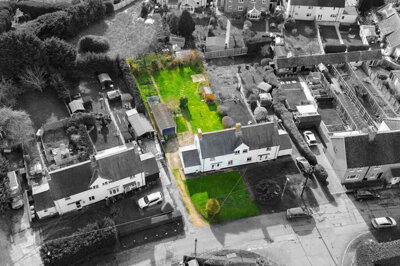
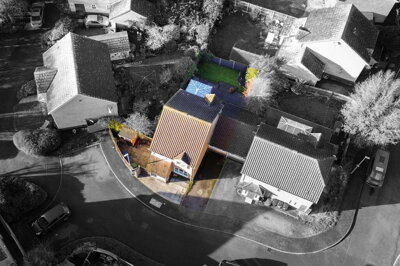
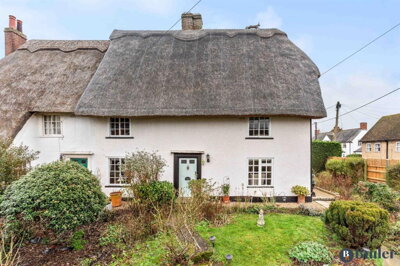
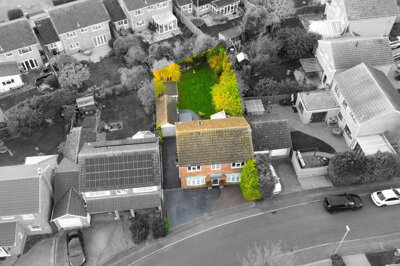
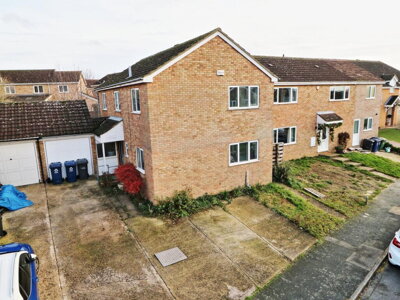
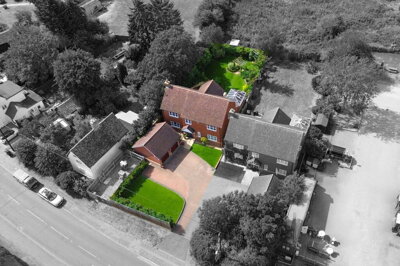
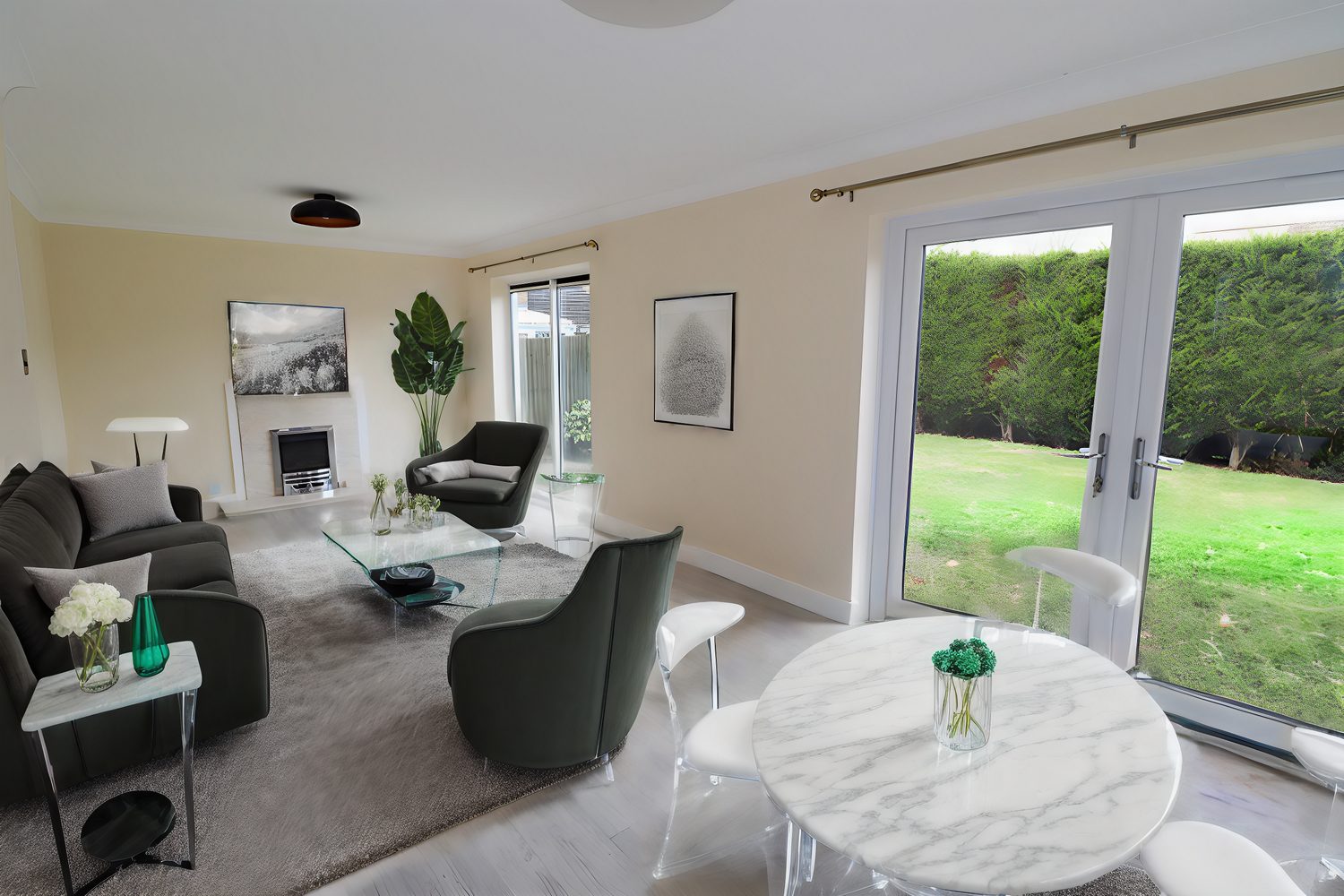
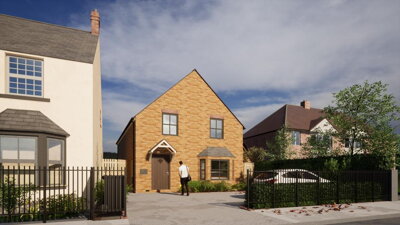
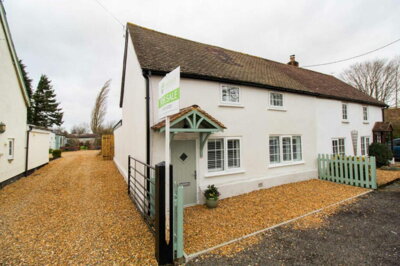
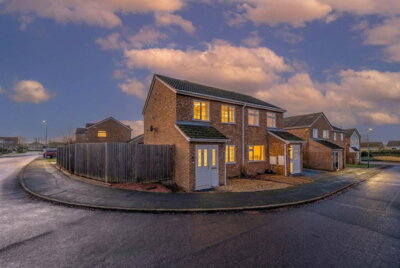
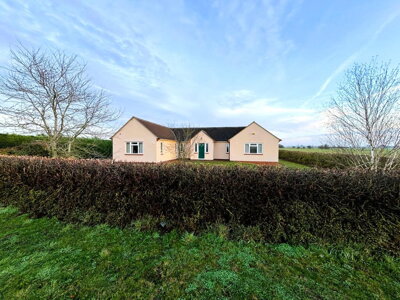
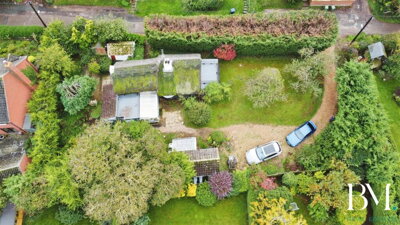
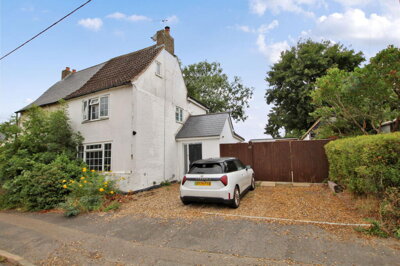
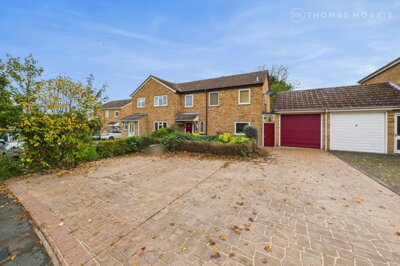
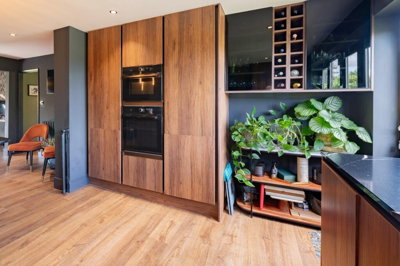
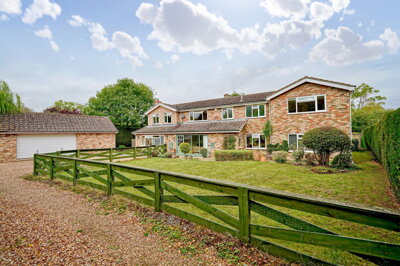
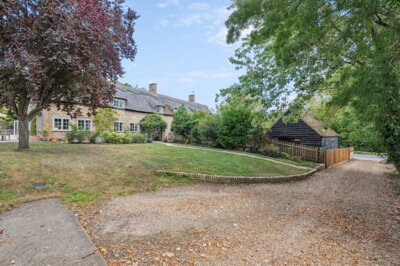
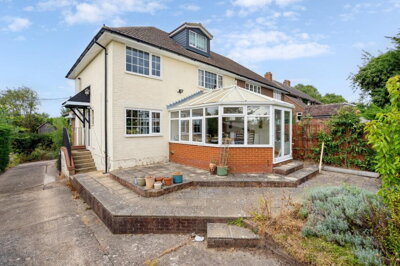
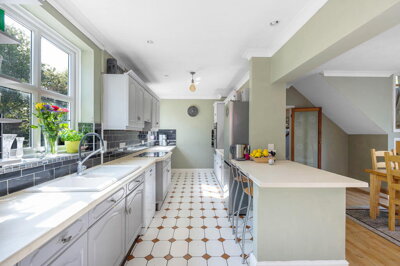
Browse 28 homes for sale in Toseland, Huntingdonshire from local estate agents.
£0k
0
0
0
Source: home.co.uk
The Shipbourne property market reflects the village's status as an exclusive rural enclave within Kent. Detached properties dominate the market, with the average price for this property type standing at £1,040,000. The limited availability of semi-detached, terraced, and flat properties means that demand consistently outstrips supply, creating competitive conditions for those fortunate enough to find suitable listings. House prices in Shipbourne have shown steady growth, increasing by 1.05% over the past twelve months, demonstrating investor confidence in this attractive corner of the South East.
The buyer profile in Shipbourne tends toward professionals who commute to London, families seeking good schools in the surrounding Tonbridge and Sevenoaks catchment areas, and downsizers drawn to the village's peaceful character and community spirit. Many buyers are relocating from London or the wider South East, bringing with them expectations of spacious accommodation, private gardens, and the rural lifestyle that Shipbourne provides in abundance. We regularly see properties in the village attracting multiple viewings and competitive offers, particularly those offering character features or modern configurations that meet contemporary family requirements.
New build activity in Shipbourne remains limited, as is typical for villages within the Kentish Weald. Development opportunities are scarce due to the village's Conservation Area status and strict planning controls designed to preserve its historic character. Properties that do come to market often include historic cottages, converted barns, and substantial family homes dating from various periods of English architecture. Buyers should be prepared to act quickly when suitable properties arise, as the combination of restricted supply and strong demand from commuters and rural enthusiasts creates an active market where desirable homes can sell swiftly.

Shipbourne is a village of considerable charm, with a population of approximately 565 residents according to the 2021 Census. The village centre features a designated Conservation Area encompassing a significant portion of its historic core, including several listed buildings that speak to centuries of continuous habitation. Properties in Shipbourne span multiple architectural periods, from timber-framed cottages with rendered infill panels to substantial detached homes built using traditional Kentish ragstone and local brick. The village atmosphere is quintessentially English, with winding lanes, hedgerow-lined roads, and a strong sense of community that welcome newcomers warmly.
The surrounding Kentish Weald provides an idyllic backdrop for country living, with extensive footpaths, bridleways, and public rights of way connecting Shipbourne to neighbouring villages and the wider countryside. Local amenities are available in nearby villages and towns, with Tonbridge offering comprehensive shopping, dining, and leisure facilities within a short drive. The village pub serves as a focal point for social life, offering good food and company in traditional surroundings. Residents enjoy easy access to the North Downs and the High Weald Area of Outstanding Natural Beauty, both of which offer exceptional landscapes for walking, cycling, and outdoor recreation throughout the year.
Community life in Shipbourne revolves around traditional village events and the welcoming atmosphere created by long-established residents and newcomers alike. The historic parish church forms a central feature of village life, while seasonal celebrations bring the community together throughout the year. For families, the village offers a safe environment where children can explore the countryside, and the excellent footpath network means that local walks are accessible directly from most properties in the village centre. We find that buyers who prioritise community connection and rural character consistently rate Shipbourne highly among villages in the Tonbridge and Malling area.
Education is a significant factor for families considering a move to Shipbourne, and the area serves several well-regarded schools. Primary education is available at schools in the surrounding villages, many of which have earned good or outstanding Ofsted ratings. These smaller, village-based schools offer a strong community feel and individual attention that parents often find preferable to larger urban alternatives. For secondary education, pupils typically travel to schools in Tonbridge, Sevenoaks, or the wider Tonbridge and Malling district, where a range of comprehensive and grammar school options cater to different academic pathways and aptitudes.
The presence of quality schools in the surrounding area contributes significantly to Shipbourne's appeal among families. Grammar schools in nearby Tonbridge and Sevenoaks consistently achieve strong academic results, making the village an attractive base for parents who prioritise educational outcomes. The Weald of Kent Grammar School in Tonbridge and The Judd School in Sevenoaks are among the options available to pupils who pass the eleven-plus selection process, while alternative secondary options provide excellent education across different teaching approaches and curricula.
Independent schools are also accessible within reasonable driving distance, offering further choices for families seeking alternative educational approaches. Schools such as Sevenoaks School, Hockerill Anglo-European College, and Tonbridge School provide private education options within the region. Parents should research specific school catchments and admission arrangements carefully, as entry criteria vary between institutions and can influence property values in particular street areas. We recommend visiting potential schools and speaking with headteachers before committing to a purchase, as educational priorities often shape long-term satisfaction with a property location.
Despite its rural setting, Shipbourne benefits from excellent transport connections that make commuting to London and the wider South East entirely practical. The village is well-positioned for road travel, with the A227 and A25 providing access to the major road network including the M25, M20, and M26 motorways. Journey times by car to Tonbridge take approximately fifteen to twenty minutes, while Sevenoaks is accessible within a similar timeframe. London can be reached by car in under an hour, depending on traffic conditions, making Shipbourne a viable base for professionals who need to commute into the capital while enjoying countryside living.
Rail services from Tonbridge station offer frequent connections to London terminals, with journey times to London Bridge and Charing Cross typically taking between forty and fifty minutes. The station also provides direct services to other regional destinations including Hastings, Redhill, and Gatwick Airport, which is accessible in approximately forty-five minutes by car. For international travellers, Gatwick provides direct connections to numerous European destinations, while Heathrow is reachable via the M25 within approximately an hour and a half in normal traffic conditions.
Bus services connect Shipbourne with surrounding villages and market towns, though frequencies are limited compared to urban areas. For those who prefer cycling, the Kent countryside offers scenic routes, though the hilly terrain requires reasonable fitness. Most residents find that a car is essential for day-to-day convenience, while rail services handle longer-distance commuting requirements effectively. We always advise buyers to factor their commuting requirements into their property search, as the balance between rural charm and practical accessibility varies depending on individual circumstances and employer requirements.
Spend time exploring Shipbourne thoroughly before committing to a purchase. Visit at different times of day and week, speak with residents, and get a feel for the village atmosphere. Understanding local amenities, travel options, and community dynamics will help you make an informed decision about whether Shipbourne suits your lifestyle needs. Consider the school catchment areas if relevant to your family circumstances, and test your commute to London or other employment centres during rush hour to gauge realistic journey times.
Before viewing properties in Shipbourne, obtain a mortgage agreement in principle from a lender. Given the village's high property values with an average price around £1,040,000, having your finances confirmed will strengthen your position when making offers on desirable properties in this competitive market. Speak with a specialist broker who understands the rural property market, as they can often find competitive rates suited to the higher property values typical of villages like Shipbourne.
Work with local estate agents to arrange viewings of suitable properties. Given limited stock and strong demand, be prepared to view quickly and act decisively. When you find the right property, submit a competitive offer with supporting documentation including your mortgage agreement in principle. In Shipbourne's market, properties that offer genuine character, modern finishes, or generous plot sizes tend to generate the most interest, so focusing your search on properties that meet these criteria can improve your chances of success.
Once your offer is accepted, instruct a RICS Level 2 Survey to assess the property condition thoroughly. Given the age of many properties in Shipbourne and the village's Conservation Area status, a detailed survey is essential to identify any structural concerns, listed building considerations, or necessary repairs before you commit to purchase. Our team can connect you with local surveyors who understand the specific construction methods and common defects found in Kent village properties.
Appoint a conveyancing solicitor to handle the legal aspects of your purchase. They will conduct searches, review contracts, and liaise with the seller's representatives to ensure a smooth transaction through to completion. In Shipbourne, searches will typically include checks with Tonbridge and Malling Borough Council, environmental agency flood risk data, and potentially specialist searches for listed building consent history if applicable to your property.
Once all searches are satisfactory and finances are confirmed, you will exchange contracts and pay your deposit. Completion typically follows within weeks, at which point you will receive the keys to your new Shipbourne home. Our team is available throughout the process to answer questions and provide guidance on the local market, helping ensure a smooth transition to your new village home.
Understanding the construction methods and materials used in Shipbourne properties helps buyers appreciate both the character and potential maintenance requirements of homes in this village. Traditional Kentish properties typically feature solid wall construction rather than modern cavity wall insulation, which means different approaches apply to insulation improvements and energy efficiency upgrades. Kentish ragstone, a durable limestone quarried locally from the Kentish Weald, appears frequently in older properties, while red and yellow stock brick features prominently in Victorian and Edwardian era homes throughout the village.
Timber framing with rendered or weatherboard infill panels represents another common construction method in Shipbourne's older properties, particularly those dating from the sixteenth through nineteenth centuries. These historic buildings often feature oak frame construction with panel infill that may have been rendered over time or replaced with brick in later renovations. When inspecting timber-framed properties, our surveyors pay particular attention to signs of movement, woodworm activity, and the condition of oak joints, as these elements can reveal the structural history and ongoing maintenance needs of the building.
Roof construction in Shipbourne typically follows traditional methods with timber rafters, battens, and clay tile or slate coverings. Many period properties feature original or reclaimed tiles that may show wear consistent with their age, while some Victorian and Edwardian homes use Welsh slate that has proven remarkably durable over generations. The combination of traditional construction materials and age means that roofs on older Shipbourne properties often require careful assessment, with particular attention to leadwork around chimneys, valleys, and junctions with adjacent structures.
The age and construction methods prevalent in Shipbourne mean that certain defects appear more frequently than in newer properties elsewhere. We frequently encounter damp issues in older village properties, arising from ineffective or absent damp-proof courses, inadequate ventilation in older construction methods, and weathering of external renders and pointing over time. Penetrating damp behind rendered walls is particularly common where the render has cracked or deteriorated, allowing moisture to bypass the external skin of the property entirely.
The underlying Wealden Clay geology in the Shipbourne area presents a moderate to high shrink-swell risk that can affect building foundations, particularly during periods of drought followed by heavy rainfall or vice versa. Properties with mature trees nearby face heightened risk, as tree roots extract moisture from the clay subsoil, causing it to contract and potentially leading to subsidence or heave. Our surveyors carefully assess foundation conditions, looking for signs of movement such as diagonal cracking, sticking doors and windows, and deformations in floor levels that may indicate ongoing ground movement.
Timber defects warrant particular attention in Shipbourne properties given the prevalence of timber-framed construction and traditional roof structures. Woodworm activity in roof timbers and floorboards is commonly discovered during surveys, as is wet rot and dry rot in areas where moisture has accumulated over time. Electrical systems in older properties frequently require updating to meet current safety standards, and many properties still operate with dated consumer units and wiring that should be replaced during renovation. Drainage issues, including aging septic tanks on properties without mains sewer connections, also appear regularly in village properties and require careful investigation before purchase.
Buying property in Shipbourne requires careful attention to several area-specific factors that differ from urban property purchases. The village's Conservation Area designation means that properties may be subject to restrictions on alterations, extensions, and exterior changes that require consent from Tonbridge and Malling Borough Council. Buyers considering any works to a property should investigate these requirements early in the process, as consent decisions can affect both timeline and project scope. Listed buildings carry additional obligations, and specialist advice is recommended for these historic properties.
The underlying geology of the Shipbourne area includes Wealden Clay, which presents a moderate to high shrink-swell risk that can affect building foundations over time. Properties with mature trees nearby, or those with shallow foundations, may be more susceptible to movement. A thorough RICS Level 2 Survey is particularly valuable for older properties in Shipbourne, as common defects in this type of village housing include damp issues, timber deterioration, outdated electrical systems, and roof wear. Surface water flooding can occur during heavy rainfall, so buyers should check the Environment Agency flood risk maps for specific properties of interest.
Flood risk in Shipbourne is primarily limited to surface water flooding during periods of intense rainfall, as the village sits away from major rivers and coastal areas. However, low-lying areas near smaller watercourses and natural drainage channels may be susceptible to localised flooding during extreme weather events. We recommend requesting a property-specific flood risk assessment from the Environment Agency when considering any purchase, and checking the surface water flood maps carefully for properties in lower-lying parts of the village. Properties with positive drainage features and well-maintained gutters, downpipes, and drainage channels demonstrate appropriate attention to water management that should give buyers greater confidence.
The average house price in Shipbourne was £1,040,000 as of February 2026, based on recent transaction data. Detached properties form the majority of sales, with prices reflecting the village's desirable rural location, excellent transport connections, and the premium associated with living in a Conservation Area village within the Kentish Weald. The market has shown modest growth of 1.05% over the past twelve months, indicating stable demand in this exclusive location where limited supply consistently supports values across the village.
Properties in Shipbourne fall within Tonbridge and Malling Borough Council jurisdiction. Council tax bands range from A to H depending on property value, with many period properties and family homes in the village falling into bands D through F given their typically higher values compared to urban properties elsewhere. Smaller cottages and apartments would likely fall into lower bands, while substantial detached family homes may attract bands G or H. You should check specific bandings with Tonbridge and Malling Council or the Valuation Office Agency for exact figures on any property you are considering purchasing.
Shipbourne is served by well-regarded primary schools in the surrounding villages, with several achieving good or outstanding Ofsted ratings including schools in Plaxtol, Ightham, and Wrotham that serve the local area. Secondary school options include grammar schools in nearby Tonbridge and Sevenoaks, which consistently achieve strong academic results and attract pupils from across the wider district. The surrounding area also offers various independent school options within reasonable driving distance, making Shipbourne attractive to families prioritising educational provision at all levels.
Shipbourne has limited bus services connecting to surrounding villages and towns, making a car essential for daily practicalities in most households. However, Tonbridge railway station is approximately fifteen minutes away by car and offers regular services to London Bridge and Charing Cross, with journey times of forty to fifty minutes throughout most of the day. The M25 and M20 motorways are accessible for road travel to London and the South East, while Gatwick Airport can be reached in approximately forty-five minutes via the M23, and Heathrow is accessible within approximately ninety minutes via the M4 or M40 depending on traffic conditions.
Shipbourne offers strong potential for property investment, supported by limited supply of homes, high demand from buyers seeking rural Kent living, and the village's excellent transport connections to London. Properties within the Conservation Area or those with historic listed status tend to hold their value well due to their scarcity and character. The village attracts professional commuters, families seeking good schools, and those who value the rural lifestyle, creating consistent demand that supports long-term capital growth. The Kentish Weald remains one of the most desirable rural locations in the South East, and Shipbourne's position within easy reach of major transport links ensures continued appeal for buyers balancing countryside living with career requirements.
Stamp Duty Land Tax rates for 2024-25 are 0% on the first £250,000 of property value, 5% on the portion from £250,001 to £925,000, 10% on the portion from £925,001 to £1,500,000, and 12% on any value exceeding £1,500,000. First-time buyers benefit from relief on the first £425,000, with 5% charged between £425,001 and £625,000. Given Shipbourne's average property price of £1,040,000, a standard buyer purchasing at this level would pay approximately £21,250 in stamp duty. For properties exceeding £925,000, which includes most substantial family homes in the village, the higher rate bands apply and significantly affect the overall purchase costs.
The Shipbourne property market is dominated by detached family homes, with limited availability of other property types reflecting the village's exclusively residential character. Properties range from historic timber-framed cottages and converted barns to substantial modern family houses set within generous plots. Many homes date from before 1919 and carry listed building or Conservation Area status, while some post-war and more recent properties offer alternative styles and configurations for buyers with different preferences. The village also includes a selection of traditional Kentish ragstone properties from the Georgian and Victorian periods, offering different architectural character from the timber-framed cottages and modern replacements that also feature in the local market.
A RICS Level 2 Survey is strongly recommended for any property purchase in Shipbourne, given the high proportion of older properties with potential defects related to their age and construction methods. Many homes in the village will have solid walls, original timber features, and aging systems that require professional assessment before purchase. Our surveyors understand the specific construction methods used in Kent village properties and can identify issues such as timber decay, structural movement, damp penetration, and electrical safety concerns that might not be apparent during a standard viewing. For listed buildings or properties with significant defects identified, a more detailed RICS Level 3 Survey may be appropriate to provide comprehensive guidance on necessary repairs and restoration work.
Purchasing a property in Shipbourne involves several costs beyond the purchase price itself. Stamp Duty Land Tax represents the most significant additional expense, with standard rates applying 0% to the first £250,000, 5% on £250,001 to £925,000, 10% on £925,001 to £1,500,000, and 12% on amounts exceeding £1,500,000. For a typical Shipbourne property at the village average of £1,040,000, a standard buyer would incur approximately £21,250 in SDLT. First-time buyers benefit from increased thresholds, paying 0% on the first £425,000 and 5% on the portion from £425,001 to £625,000, though this relief does not extend above £625,000.
Additional buying costs include mortgage arrangement fees typically ranging from £500 to £2,000 depending on the lender and product chosen, with some lenders offering fee-free mortgages that may suit buyers with smaller deposits. Survey costs for a RICS Level 2 Survey typically range from £400 to £900 based on property value and size, with the higher end of this range likely applying to substantial Shipbourne homes. Conveyancing fees for legal work, local searches, and land registry registration typically start from £499 for straightforward transactions but may increase for complex purchases involving listed buildings or conservation area properties where additional specialist searches may be required.
Local search fees from Tonbridge and Malling Borough Council typically cost around £250 to £300, with drainage and water searches adding further charges. Land Registry fees for registering your ownership depend on property value and range from £20 for lower-value transactions to several hundred pounds for premium properties. Building insurance should be budgeted from completion day onwards, with annual premiums for substantial village properties typically ranging from £500 to £1,500 depending on property value, construction type, and coverage requirements. Removal costs complete the typical expenditure for a house purchase, with local removal firms serving the Tonbridge area providing quotes that vary according to distance, volume of belongings, and whether packing services are included.
Properties for Sale In London

Properties for Sale In Plymouth

Properties for Sale In Liverpool

Properties for Sale In Glasgow

Properties for Sale In Sheffield

Properties for Sale In Edinburgh

Properties for Sale In Coventry

Properties for Sale In Bradford

Properties for Sale In Manchester

Properties for Sale In Birmingham

Properties for Sale In Bristol

Properties for Sale In Oxford

Properties for Sale In Leicester

Properties for Sale In Newcastle

Properties for Sale In Leeds

Properties for Sale In Southampton

Properties for Sale In Cardiff

Properties for Sale In Nottingham

Properties for Sale In Norwich

Properties for Sale In Brighton

Properties for Sale In Derby

Properties for Sale In Portsmouth

Properties for Sale In Northampton

Properties for Sale In Milton Keynes

Properties for Sale In Bournemouth

Properties for Sale In Bolton

Properties for Sale In Swansea

Properties for Sale In Swindon

Properties for Sale In Peterborough

Properties for Sale In Wolverhampton

Enter your details to see if this property is within your budget.
Loans, cards, car finance
Estimated property budget
Borrowing + deposit
You could borrow between
Typical borrowing
Monthly repayment
Est. at 4.5%
Loan-to-value
This is an estimate only. Your actual budget may vary depending on interest rates, credit history, and personal circumstances. For an accurate affordability assessment, speak to one of our free mortgage advisors.
This calculator provides estimates for illustrative purposes only and does not constitute financial advice. Your home may be repossessed if you do not keep up repayments on your mortgage. Estimates based on 4.5% interest rate, repayment mortgage. Actual rates depend on your circumstances.
Homemove is a trading name of HM Haus Group Ltd (Company No. 13873779, registered in England & Wales). Homemove Mortgages Ltd (Company No. 15947693) is an Appointed Representative of TMG Direct Limited, trading as TMG Mortgage Network, which is authorised and regulated by the Financial Conduct Authority (FRN 786245). Homemove Mortgages Ltd is entered on the FCA Register as an Appointed Representative (FRN 1022429). You can check registrations at NewRegister or by calling 0800 111 6768.

We use cookies to show you personalised content and improve your experience of our website. Find out more in our Privacy policy and Cookie policy.