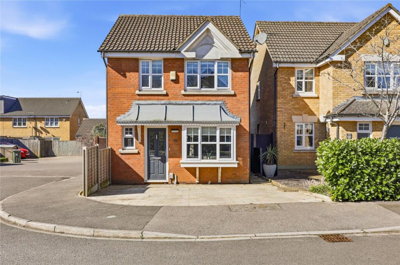
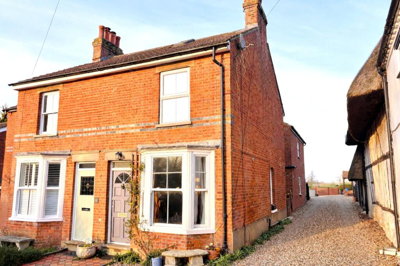
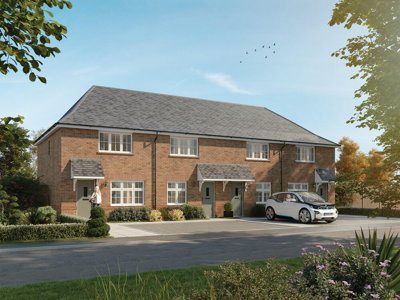
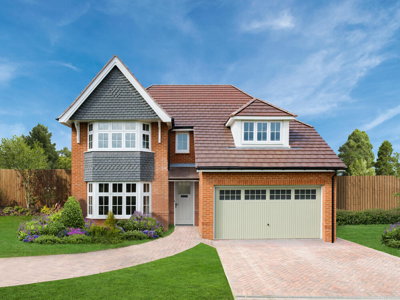
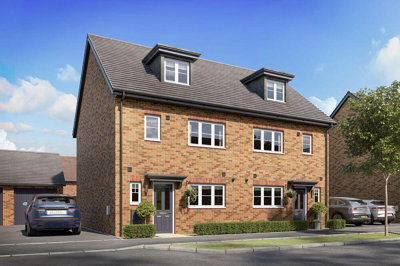
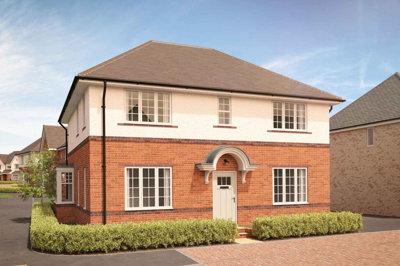
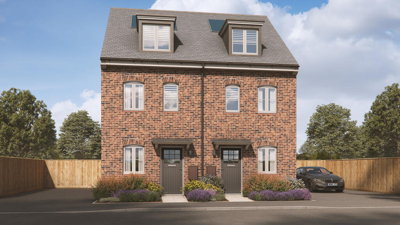
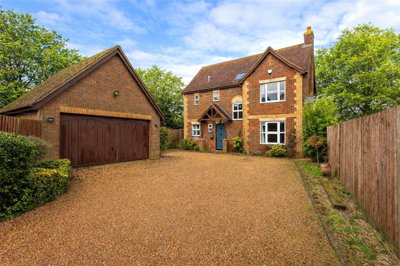
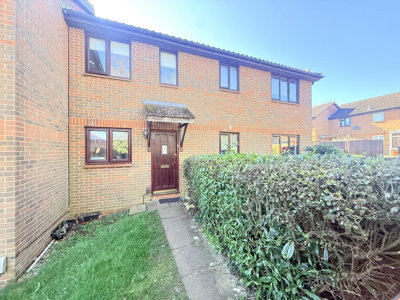
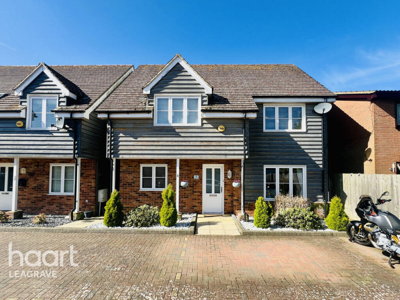
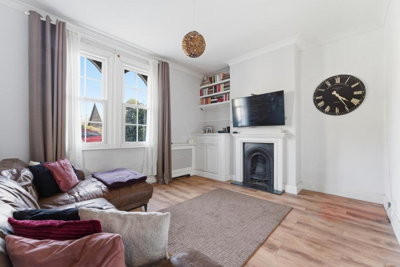
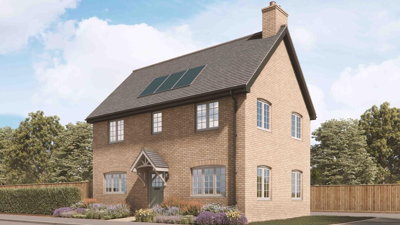
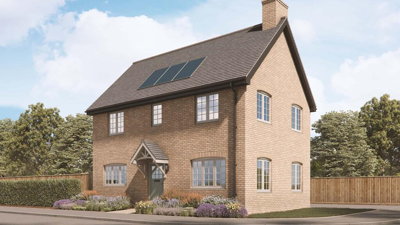
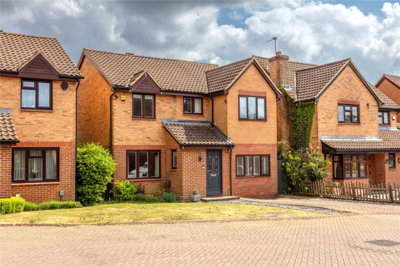
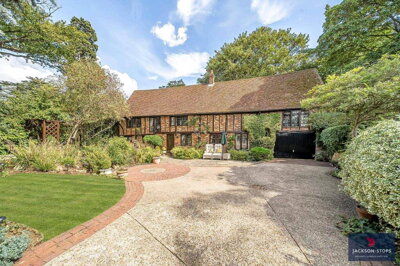
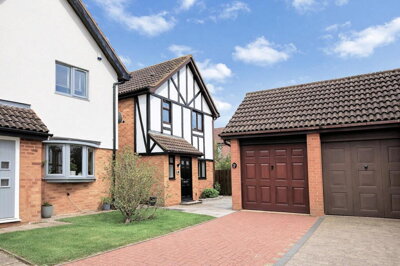
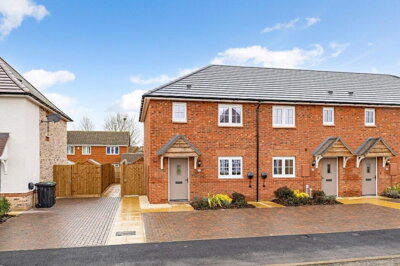
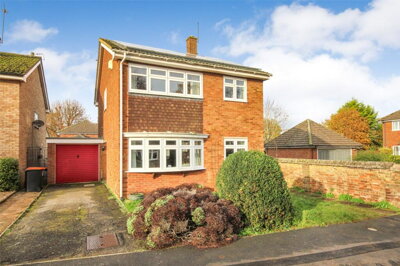
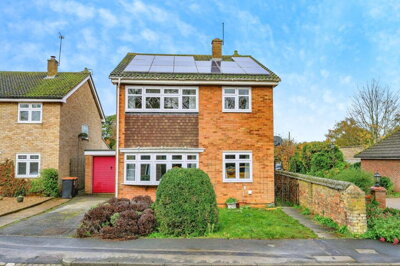
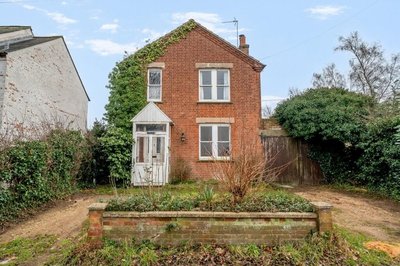
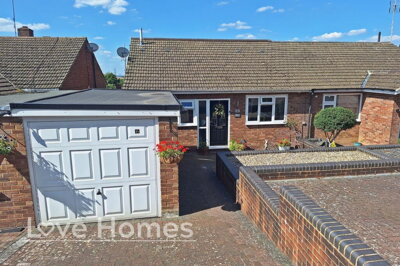
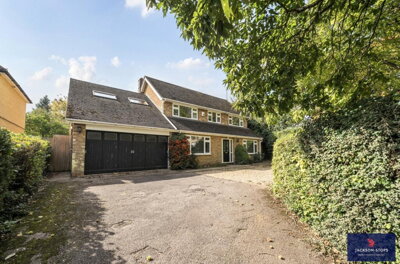
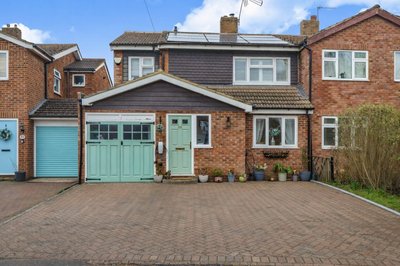
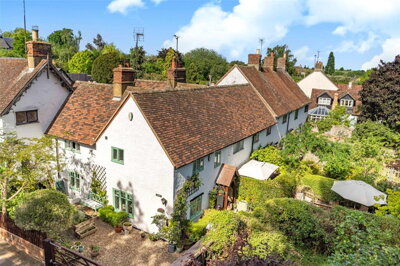
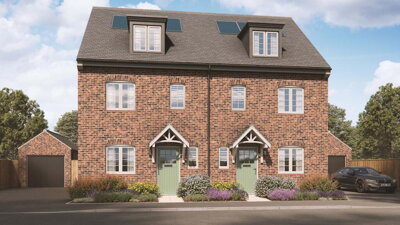
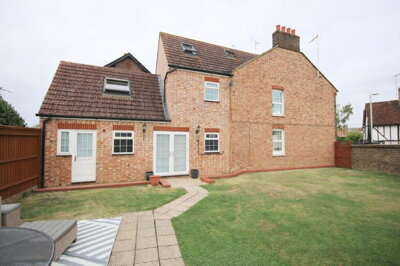
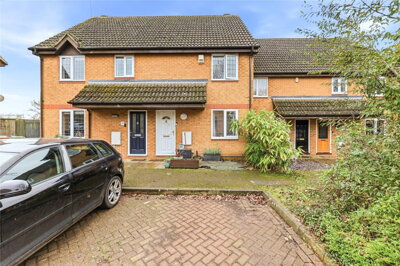
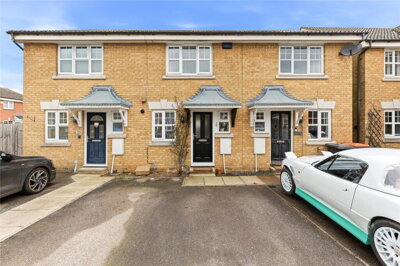
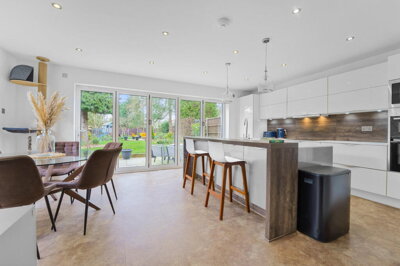
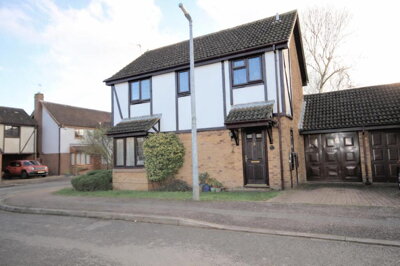
Browse 156 homes for sale in Toddington, Central Bedfordshire from local estate agents.
The Toddington property market offers detached, semi-detached, and terraced houses spanning various price ranges and neighbourhoods. Each listing includes detailed property information, photographs, and direct contact with the marketing agent.
£525k
37
1
99
Source: home.co.uk
Showing 37 results for Houses for sale in Toddington, Central Bedfordshire. 1 new listing added this week. The median asking price is £525,000.
Source: home.co.uk
Detached
27 listings
Avg £623,963
Semi-Detached
8 listings
Avg £449,374
Terraced
2 listings
Avg £279,995
Source: home.co.uk
Source: home.co.uk
The Toddington property market offers remarkable variety across all property types. Detached homes command the highest prices, with the average sitting around £620,000, reflecting the strong demand for family-sized accommodation with generous gardens. Semi-detached properties average approximately £420,000, while terraced houses provide more accessible entry at around £320,000. Flats remain relatively scarce but offer the most affordable route into the local market at approximately £200,000 on average.
Three active new-build developments currently contribute to Toddington's housing stock. The Grange, delivered by Mulberry Homes, offers an impressive selection of 3, 4, and 5-bedroom homes in a prime location off Luton Road. Taylor Wimpey's Toddington Gate development provides options ranging from 2 to 5 bedrooms, catering to first-time buyers through to larger families seeking brand new accommodation. Barratt Homes' The Orchards rounds out the new-build offering with 2, 3, and 4-bedroom properties. All three developments share the same LU5 6DA postcode, creating a concentrated pocket of contemporary housing within easy walking distance of the village centre.
Beyond the new-build offerings, Toddington's residential landscape includes period properties along the High Street and Church Square, interwar semi-detached houses on roads like Manor Road, and more recent developments built throughout the 1980s and 1990s. The housing stock breaks down roughly as follows: detached properties comprise approximately 35-40% of the market, semi-detached houses account for 30-35%, terraced properties make up 15-20%, and flats represent just 5-10% of available homes. This variety means buyers can choose between the character of older properties and the modern conveniences of recently constructed homes.

Older properties in Toddington's Conservation Area typically feature solid brick walls constructed from local red brick, original timber sash windows, and pitched roofs covered with handmade clay tiles. These period homes often retain features like original fireplaces, exposed floorboards, and decorative coving that appeal to buyers seeking character and authenticity. However, solid wall construction means these properties typically require more heating than modern equivalents and may lack modern damp-proof courses, making thorough surveys essential before purchase.
Properties constructed during the 1960s and 1970s form a significant part of Toddington's housing stock, particularly on the village's outer estates. These homes typically feature cavity brick walls, concrete tiled roofs, and original timber or concrete ground floors. While generally sound, properties from this era may show their age through original single-glazed windows, ageing central heating systems, and concrete foundations that, while robust, differ from modern building standards. Our team has assessed numerous properties from this period that required updating of electrical systems, which were often installed to 1960s standards that do not meet current regulations.
Contemporary homes on the new-build developments off Luton Road represent the most modern end of Toddington's property spectrum. These properties typically include cavity wall insulation, uPVC double-glazed windows, modern gas central heating, and contemporary kitchen and bathroom fittings. New-build homes offer lower maintenance requirements and better energy efficiency ratings compared to older properties. However, our inspectors have noted that rapid construction methods on some modern developments can lead to issues such as minor cracking in the first few years, inadequate sound insulation between properties, and fitting quality that varies between developers.

Toddington presents itself as a traditional English village with deep historical roots and a strong sense of community spirit. The village centre centres around the High Street and Church Square, where you will find St George's Church standing as a notable landmark. The Conservation Area designation protects numerous historic properties throughout this core area, including period houses and cottages that define Toddington's architectural character. Many of these older properties feature traditional red brick construction with pitched tiled roofs, materials sourced locally and reflecting the Bedfordshire vernacular.
The village population stands at approximately 4,600 residents across roughly 1,900 households according to the 2021 Census. This scale creates an intimate community atmosphere while still supporting a decent range of local amenities. The housing stock reflects Toddington's evolution across different eras, with significant pre-1919 construction in the Conservation Area, some interwar development between 1919-1945, and substantial growth during the 1960s and 1970s when residential estates transformed the village periphery. More recent decades have seen continued development bringing Toddington into the twenty-first century.
Local economic activity centres on retail and service provision within the village itself, supplemented by agricultural businesses in the surrounding countryside. Toddington serves primarily as a commuter settlement, with residents frequently travelling to larger employment centres in Luton, Milton Keynes, Bedford, and beyond. This commuter character shapes the demographic profile, attracting working professionals and families who value the village lifestyle but require strong transport connections. Major employers accessible from Toddington include Luton Airport operations, NHS facilities across the region, retail and logistics hubs in Milton Keynes, and manufacturing and service businesses in Bedford.
Education provision in Toddington serves families with children at all levels, making the village particularly popular among parents seeking quality schooling within a village setting. Primary education is well catered for, with Toddington's local primary school providing education for younger children and benefiting from the village's family-oriented demographic. The school draws pupils from across the parish and surrounding hamlets, creating familiar class sizes and strong community connections between families.
Secondary education options in the wider Central Bedfordshire area include several well-regarded schools accessible from Toddington. Parents should research specific catchment areas and admission arrangements, as these can significantly impact school placement. Grammar school provision exists in nearby towns, with selective education available for students who pass the relevant entrance examinations. Sixth form and further education opportunities are readily accessible in the surrounding towns, particularly Luton and Milton Keynes, which offer comprehensive further education colleges and sixth form centres.
For families considering private education, several independent schools operate within reasonable commuting distance. The availability of quality state and independent options within and around Toddington contributes significantly to the village's appeal among buyers with school-age children. Prospective purchasers should always verify current school performance data, catchment boundaries, and admission policies directly with Bedfordshire local authority before committing to a purchase. Schools in the area typically publish admission information on the Central Bedfordshire Council website, and recent Ofsted reports provide insight into current performance standards.
Toddington enjoys excellent connectivity for commuters, with the M1 motorway providing direct access to London and the broader motorway network. The nearest motorway junction sits within easy driving distance, placing Luton, Milton Keynes, and Bedford within straightforward reach. This accessibility explains much of Toddington's appeal to workers seeking village accommodation without accepting lengthy or unreliable commute times. London Heathrow and London Luton airports are both accessible for frequent travellers, adding to the location's convenience for business and leisure flying.
Rail connections serve commuters through stations in nearby towns, with regular services to London and Birmingham available from major hubs in the region. Stations in the surrounding area provide options for those who prefer public transport for daily travel. Journey times to London from nearby stations typically range from 40 minutes to just over an hour, depending on the specific station and service. Bus services provide local transport within Toddington and connect the village to surrounding settlements. Cycling infrastructure varies across the village, with newer developments typically incorporating better provision for cyclists. Parking within the village centre is generally adequate, though peak times may see pressure on spaces near local shops and amenities.
Before viewing properties, review local house prices in Toddington across different property types. Detached homes average around £620,000 while terraced properties offer entry at approximately £320,000. Understanding the neighbourhoods, from the Conservation Area around the High Street to newer developments off Luton Road, helps you focus your search. Obtain a mortgage agreement in principle from a lender early, as knowing your budget strengthens your position when making offers on properties in this competitive village market.
Browse listings on Homemove covering the 50+ homes currently available in Toddington. Arrange viewings of properties matching your criteria, paying attention to property condition, nearby amenities, and the commute to your workplace. When viewing, note the construction era of any property, as this indicates potential maintenance requirements. Victorian and Edwardian properties in the Conservation Area will differ significantly from 1960s estates or contemporary new builds in terms of condition, maintenance needs, and renovation potential.
Once you find your ideal property, submit a competitive offer through the estate agent. Our team can advise on realistic offer levels based on current market activity in Toddington. Simultaneously, instruct a conveyancing solicitor to handle the legal aspects of your purchase. For properties in the Conservation Area or listed buildings, your solicitor should also investigate any planning conditions or restrictions that may affect your intended use of the property.
Arrange a RICS Level 2 Survey to assess the property condition before commitment. Given Toddington's Gault Clay geology, which creates a moderate to high shrink-swell risk for foundations, a thorough structural survey proves particularly valuable for older properties and those showing any signs of subsidence or movement. Our inspectors frequently identify issues specific to local construction types, from damp problems in solid-walled period properties to concrete-related issues in mid-century homes.
Your solicitor will handle searches, including local authority searches with Central Bedfordshire Council, negotiate any issues arising from surveys, and manage the exchange of contracts. Completion typically follows within weeks of exchange, when you will receive the keys to your new Toddington home. On completion day, you can collect your keys from the estate agent and begin your journey as a homeowner in this attractive Central Bedfordshire village.
Several local factors warrant specific attention when purchasing property in Toddington. The presence of Gault Clay throughout the area creates a moderate to high shrink-swell risk for foundations, particularly during periods of extreme weather conditions. Buyers should carefully inspect older properties for signs of subsidence, cracking, or door and window sticking that might indicate ground movement. Properties on clay soils benefit from proper maintenance of trees and vegetation that could exacerbate moisture changes in the ground. Our surveyors have documented foundation movement in several Toddington properties following periods of drought followed by heavy rainfall, a pattern increasingly common with climate change.
Flood risk in Toddington remains relatively low but deserves consideration. Surface water flooding presents low to medium risk in low-lying areas and near watercourses, while the nearby River Flit, a tributary of the River Ivel, poses minimal river flooding risk. Properties near water features or in depression areas of the village warrant additional caution and verification of flood history. The Environment Agency provides detailed flood risk data for specific locations that your solicitor should review during the conveyancing process.
The Conservation Area designation in Toddington's village centre brings planning considerations that affect certain properties. Any external alterations to listed buildings or properties within the Conservation Area may require consent from Central Bedfordshire Council. Interior renovations generally face fewer restrictions, though any work affecting the exterior appearance of a property within the Conservation Area will require careful consideration. Properties with trees, hedgerows, or other ecological features may also carry additional obligations. Always investigate planning constraints before purchasing, particularly if renovation or extension forms part of your purchase plans.
Understanding the full costs of purchasing property in Toddington helps you budget accurately and avoid surprises during the transaction. Beyond the property price itself, buyers must account for Stamp Duty Land Tax, legal fees, survey costs, and various other expenses that accumulate throughout the purchase process. For a typical terraced property at around £320,000, additional purchase costs including SDLT, legal fees, survey, and moving expenses typically total between £8,000 and £12,000. For a detached home averaging £620,000, these costs rise to between £25,000 and £35,000.
Standard SDLT rates apply 0% to the first £250,000 of residential property value, rising to 5% on amounts between £250,001 and £925,000. Higher rates of 10% apply to values between £925,001 and £1.5 million, with 12% charged on anything above that threshold. First-time buyers benefit from relief that raises the zero-rate threshold to £425,000, with 5% applying between £425,001 and £625,000. Properties above £625,000 do not qualify for first-time buyer relief.
Additional costs include solicitor conveyancing fees, typically starting from around £499 for straightforward transactions, plus disbursements for searches and registration fees. A RICS Level 2 Survey costs between £400 and £700 depending on property size and complexity, with larger or older properties in Toddington often requiring the higher end of this range due to the prevalence of period construction. An Energy Performance Certificate costs from £80 and is mandatory for all sales. Factor in mortgage arrangement fees, broker charges, and removal costs to complete your budget planning.
The average property price in Toddington stands at approximately £427,749 as of early 2026. Detached homes average around £620,000, semi-detached properties at £420,000, terraced houses at £320,000, and flats at approximately £200,000. Prices have increased by 6% over the past twelve months, indicating steady demand in this Central Bedfordshire village. The 50 property sales recorded in the past year demonstrate active market conditions across all property types.
Council tax bands in Toddington vary according to property value and type, following the standard Central Bedfordshire Council banding system. Band A properties face the lowest annual charges while Band H properties pay the most. You can verify the specific band for any property through the listing details provided by the estate agent or the Central Bedfordshire Council website. The village includes properties across all council tax bands, from modest flats in Band A through to larger detached homes in Bands F through H.
Toddington provides local primary education through its village primary school, which serves younger children from the parish and surrounding hamlets. Secondary school options in the surrounding area provide good choice for families, with several schools accessible by school transport. Several grammar schools operate in nearby towns for students meeting the entrance criteria, including schools in Bedford and Houghton Conquest. Researching current Ofsted ratings, admission catchment areas, and transport arrangements will help you identify the most suitable option for your children.
Toddington offers reasonable public transport options including local bus services connecting the village to surrounding towns and railway stations. The M1 motorway provides road connectivity for those with vehicles, with direct access to London and Birmingham. Rail services to London and other major destinations are accessible from stations in nearby towns, making Toddington viable for commuters who can combine public transport with short car journeys. The nearest mainline stations offer regular services, with journey times to London terminals typically under an hour.
Toddington presents solid investment fundamentals driven by its commuter village status and proximity to major employment centres in Luton, Milton Keynes, and Bedford. Property prices have demonstrated consistent growth, with 6% increases recorded over the past year and 50 sales in the last twelve months indicating healthy market activity. The ongoing new-build activity from major housebuilders like Taylor Wimpey and Barratt Homes indicates continued market interest in the area. Strong demand from commuters seeking village lifestyles with good transport links supports both capital growth and rental potential.
Stamp Duty Land Tax rates for standard purchases start at 0% on the first £250,000 of property value. The rate increases to 5% on the portion between £250,001 and £925,000, then 10% up to £1.5 million, and 12% on amounts exceeding £1.5 million. First-time buyers benefit from increased thresholds, paying 0% on the first £425,000 with 5% applying between £425,001 and £625,000. Your solicitor will calculate the exact SDLT liability based on the purchase price and your circumstances.
The clay geology underlying Toddington creates a moderate to high shrink-swell risk that can affect foundations, particularly in older properties with shallower foundations. Surface water flooding presents low to medium risk in certain areas, especially near the River Flit corridor. Properties within the Conservation Area face planning restrictions on exterior alterations, and listed buildings require Listed Building Consent for most works. Always obtain a thorough structural survey before purchasing, especially for period properties or homes showing any signs of movement or cracking.
Given Toddington's mix of property ages and the prevalence of clay soils, a professional survey can reveal issues not visible during viewings. Our inspectors frequently identify damp problems in solid-walled period properties, roof defects in older construction, and signs of foundation movement in properties on clay ground. For new-build properties on the recent developments off Luton Road, surveys can verify construction quality and identify any snagging issues that developers may not address without prompting. A RICS Level 2 Survey costs between £400 and £700 but can save significant expense by highlighting problems before you commit to purchase.
Properties for Sale In London

Properties for Sale In Plymouth

Properties for Sale In Liverpool

Properties for Sale In Glasgow

Properties for Sale In Sheffield

Properties for Sale In Edinburgh

Properties for Sale In Coventry

Properties for Sale In Bradford

Properties for Sale In Manchester

Properties for Sale In Birmingham

Properties for Sale In Bristol

Properties for Sale In Oxford

Properties for Sale In Leicester

Properties for Sale In Newcastle

Properties for Sale In Leeds

Properties for Sale In Southampton

Properties for Sale In Cardiff

Properties for Sale In Nottingham

Properties for Sale In Norwich

Properties for Sale In Brighton

Properties for Sale In Derby

Properties for Sale In Portsmouth

Properties for Sale In Northampton

Properties for Sale In Milton Keynes

Properties for Sale In Bournemouth

Properties for Sale In Bolton

Properties for Sale In Swansea

Properties for Sale In Swindon

Properties for Sale In Peterborough

Properties for Sale In Wolverhampton

Enter your details to see if this property is within your budget.
Loans, cards, car finance
Estimated property budget
Borrowing + deposit
You could borrow between
Typical borrowing
Monthly repayment
Est. at 4.5%
Loan-to-value
This is an estimate only. Your actual budget may vary depending on interest rates, credit history, and personal circumstances. For an accurate affordability assessment, speak to one of our free mortgage advisors.
This calculator provides estimates for illustrative purposes only and does not constitute financial advice. Your home may be repossessed if you do not keep up repayments on your mortgage. Estimates based on 4.5% interest rate, repayment mortgage. Actual rates depend on your circumstances.
Homemove is a trading name of HM Haus Group Ltd (Company No. 13873779, registered in England & Wales). Homemove Mortgages Ltd (Company No. 15947693) is an Appointed Representative of TMG Direct Limited, trading as TMG Mortgage Network, which is authorised and regulated by the Financial Conduct Authority (FRN 786245). Homemove Mortgages Ltd is entered on the FCA Register as an Appointed Representative (FRN 1022429). You can check registrations at NewRegister or by calling 0800 111 6768.

We use cookies to show you personalised content and improve your experience of our website. Find out more in our Privacy policy and Cookie policy.