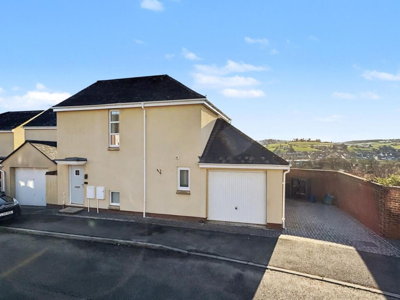
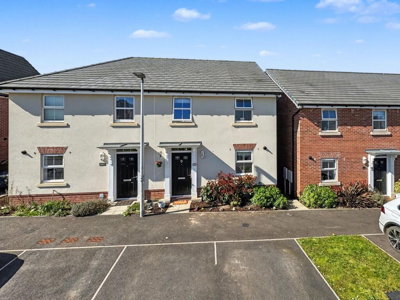
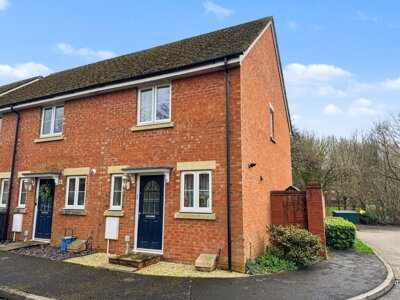
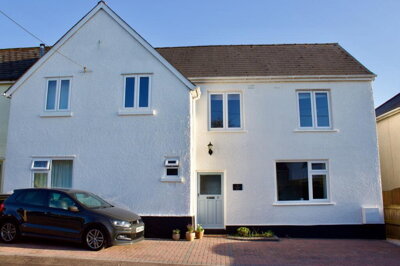
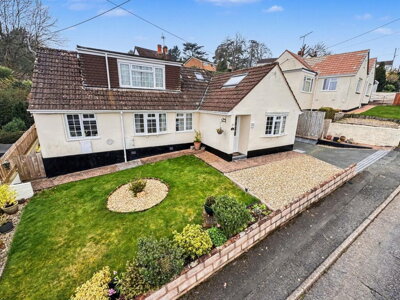
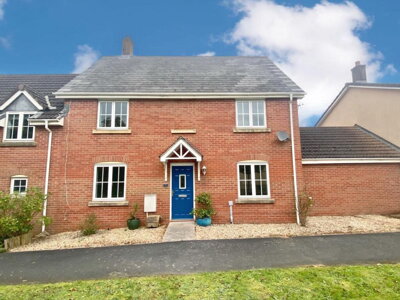
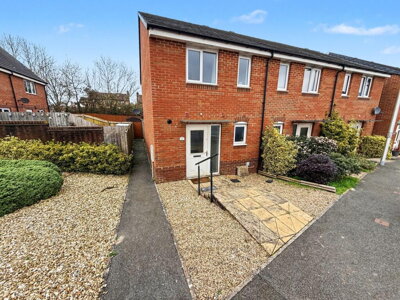
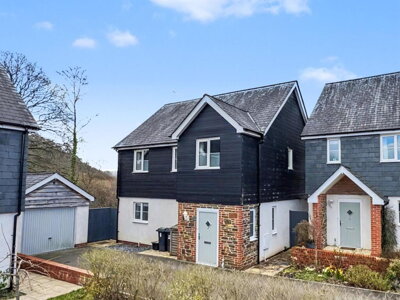
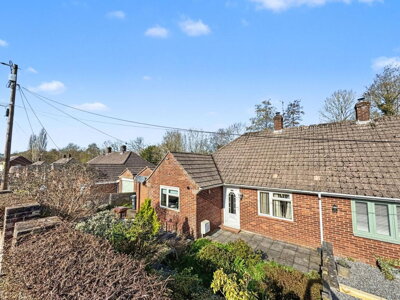
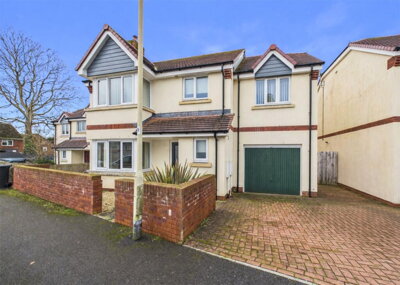
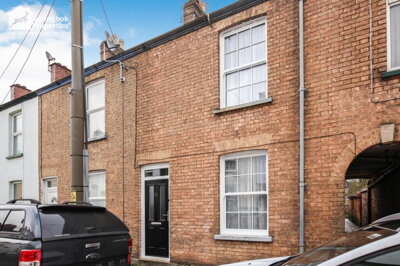
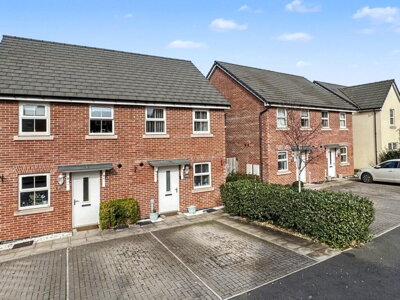
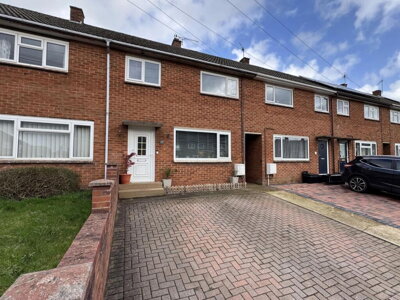
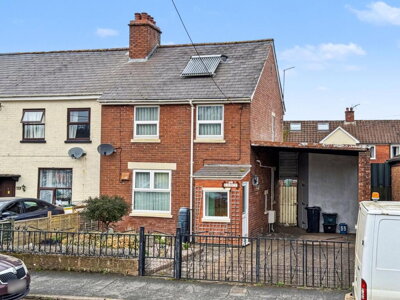
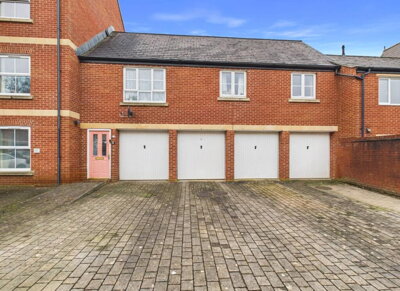
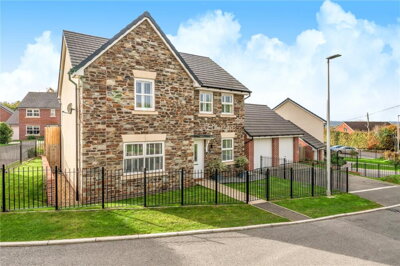
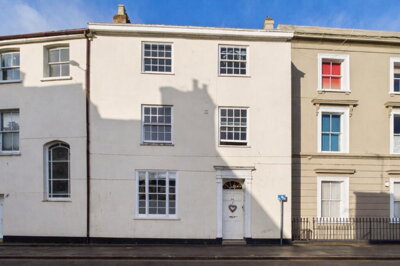
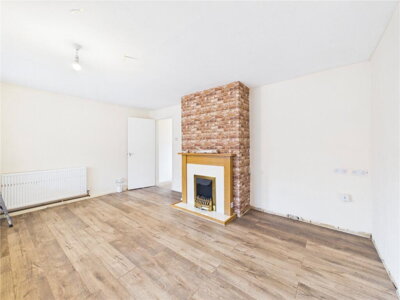
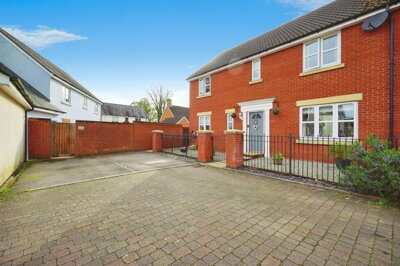
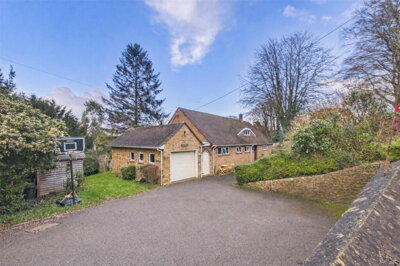
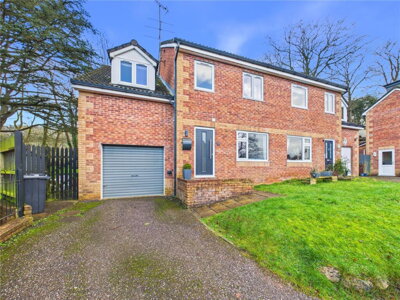
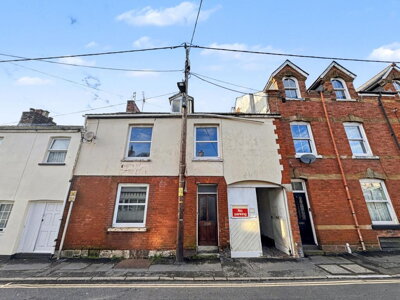
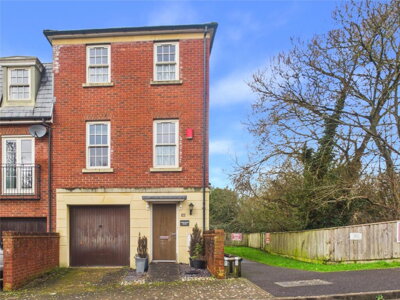
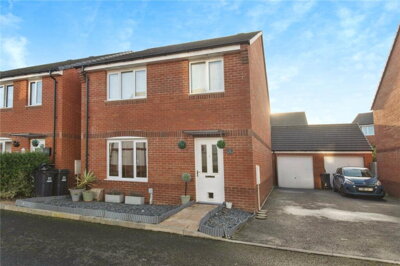
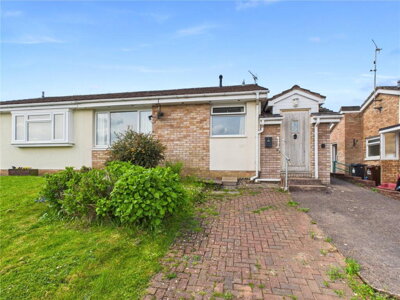
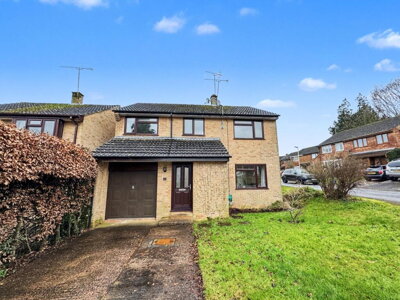
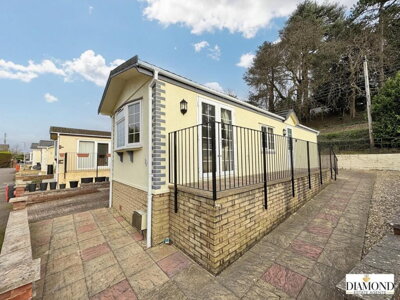
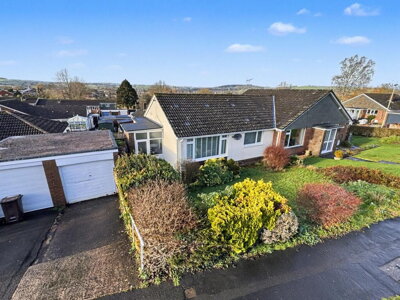
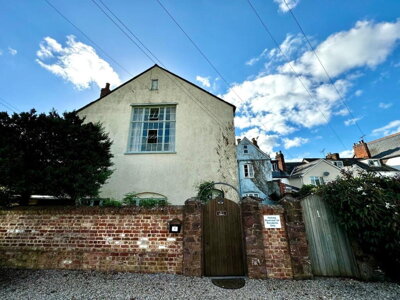
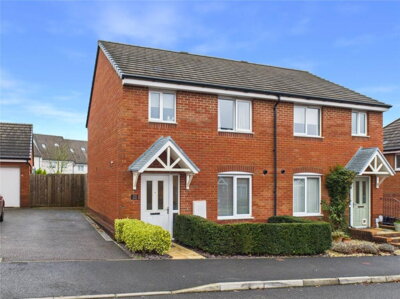
Browse 339 homes for sale in Tiverton, Mid Devon from local estate agents.
£294k
176
5
144
Source: home.co.uk
Source: home.co.uk
Detached
47 listings
Avg £580,266
Terraced
44 listings
Avg £229,869
Semi-Detached
28 listings
Avg £314,963
End of Terrace
13 listings
Avg £254,277
Flat
9 listings
Avg £132,661
Apartment
7 listings
Avg £146,429
Bungalow
6 listings
Avg £345,833
House
6 listings
Avg £254,575
Detached Bungalow
4 listings
Avg £443,750
Semi-Detached Bungalow
2 listings
Avg £277,500
Source: home.co.uk
Source: home.co.uk
The property market near Skerry of Eshaness reflects the unique character of life on Shetland's north mainland, where the beauty of the landscape is matched by the challenges of remote living. Our current listings show predominantly 2-bedroom detached houses and 3-bedroom bungalows, with asking prices clustering in the £160,000 to £175,000 range. The average asking price for a 2-bedroom detached property in this area sits at approximately £167,500, making it accessible compared to many other rural Scottish locations where comparable properties might cost significantly more. Semi-detached houses, terraced properties, and flats are less commonly available in this specific area, with most housing stock consisting of standalone properties set within generous plots overlooking the coastline.
New build development activity near Skerry of Eshaness remains extremely limited, which is unsurprising given the area's protected landscape status and the logistical challenges of construction in this remote location. The Eshaness Coast holds Site of Special Scientific Interest designation due to its exceptional Old Red Sandstone Igneous geology and geomorphology, meaning any future development faces strict planning controls designed to preserve the natural environment. Our team has observed that most properties available on the market are second-hand homes, often featuring traditional stone construction or more modern concrete builds designed to withstand the severe coastal weather conditions that batter this exposed stretch of Shetland coastline throughout the year.
Property transactions in this area tend to move more slowly than in urban markets, with properties sometimes remaining on the market for several months before finding a buyer. This is partly due to the limited buyer pool for remote properties and partly because serious buyers often need to travel from mainland Scotland to view properties in person. We work with local estate agents who understand that selling property near Skerry of Eshaness requires patience and excellent communication with buyers who may need to make multiple trips to complete their purchase. The rarity of listings means that when a property does come to market, it often attracts interest from buyers across Scotland and beyond who have been watching the area for some time.
Life on the Eshaness peninsula embodies the raw beauty and challenges of island living at Britain's northern edge. The Eshaness area sits within the Shetland Islands Council boundary, and residents benefit from membership in a community that has learned to harness the power of the North Atlantic rather than fight against it. The coastline here represents one of the highest energy coastlines in the world, constantly shaped by storms that can move enormous blocks of ignimbrite as far as 50 metres inland, as dramatically illustrated at the Grind o da Navir. This geological activity creates an ever-changing landscape of geos, blowholes, and sea stacks that forms the backdrop to daily life for the few hundred people who call this peninsula home.
The local economy revolves around fishing, aquaculture, and tourism, with visitors drawn to the area's exceptional walking routes and geological significance. The Braewick Cafe and Eshaness Lighthouse holiday accommodation provide local hospitality options, while the Tangwick Haa museum in a nearby village showcases the area's heritage as a former Laird's house dating from the late 1600s. Archaeological sites including Neolithic chambered cairns, Iron Age burial cists, and Iron Age stone towers known as brochs dot the landscape, testament to thousands of years of human habitation in this remarkable corner of Scotland. The broader Whalsay and Skerries area, which includes the populated islands north of Eshaness, had a population of 1,065 people in the 2021 Census, though the Eshaness peninsula itself has a much smaller resident population concentrated in scattered settlements along the coastline.
Daily life on the Eshaness peninsula requires adaptability and self-reliance, qualities that have characterised Shetland communities for centuries. The 30-45 minute drive to Lerwick for shopping, healthcare, and other services is simply a fact of life that residents accept as the price of living in such an extraordinary landscape. Community connections run deep, with events and social gatherings playing an important role in maintaining the social fabric of this dispersed population. For those who choose to make their home near Skerry of Eshaness, the rewards include access to some of Britain's most stunning coastal scenery, excellent walking, and a sense of being genuinely connected to a place with deep historical roots and a strong sense of community identity.

Education provision near Skerry of Eshaness reflects the rural and dispersed nature of Shetland communities, where small schools serve children from widely scattered households across the peninsula. Primary education is delivered through local schools serving surrounding settlements, with children typically travelling moderate distances to reach their nearest primary school. The Skerries, a group of islands north of Eshaness with approximately 35 permanent residents, has its own primary school serving the island community. We have found that families considering relocation to the Eshaness area often factor educational access into their decision-making process, particularly regarding secondary school options.
For secondary education, children from the Eshaness peninsula attend schools in larger Shetland settlements such as Lerwick, which requires transport arrangements that families should factor into their decision-making process. The Shetland Islands Council manages education across the archipelago, maintaining standards that rank favourably within Scottish education statistics. Many community facilities in the Whalsay and Skerries area, including schools, were constructed over 50 years ago, reflecting the established nature of educational infrastructure in the region. Our team recommends that parents considering relocation should contact Shetland Islands Council directly to confirm catchment areas and current school capacities, as small rural schools can experience fluctuations in enrollment.
For families prioritising educational access, properties within easier reach of Lerwick, Shetland's main town, may offer more convenient secondary school options while still providing access to the Eshaness peninsula's outstanding natural environment. Lerwick hosts Anderson High School, which serves as the main secondary school for the southern and central parts of Mainland, along with smaller secondary schools in Walls, Whalsay, and other communities. We have observed that some families choose to live on the Eshaness peninsula for its lifestyle benefits while making arrangements for their children to board in Lerwick during the school week, particularly when children reach secondary school age and the daily commute becomes impractical.
Reaching Skerry of Eshaness and the surrounding peninsula requires understanding Shetland's unique transport network, which operates quite differently from mainland Scotland due to the islands' remote location and dispersed population. The islands are connected to mainland Scotland by NorthLink ferry services operating between Aberdeen and Lerwick in a journey of approximately 12 hours, while the Sumburgh-based inter-island ferry connects various Shetland communities including the Skerries and Whalsay. The Eshaness peninsula itself lies on the A970 road, which runs along the north mainland coast connecting Lerwick with the northern tip of Mainland and the islands of Yell and Unst beyond. Travelling to Lerwick for shopping, healthcare, and other services typically involves a drive of around 30-45 minutes depending on your exact location on the peninsula.
Daily life on Eshaness requires personal vehicle ownership, as public transport options in this sparsely populated area are limited despite the efforts of Shetland Islands Council to maintain essential services. The local bus service provides some scheduled routes, but frequencies are adapted to the needs of a rural community rather than urban convenience. Our inspectors who travel to the area for property surveys plan their visits carefully, factoring in ferry timetables, weather conditions that can affect ferry services, and the need to cover significant distances between properties. Cyclists will find dramatic but challenging terrain, with hilly roads offering spectacular coastal views at the cost of considerable physical effort against frequent strong winds that characterise this exposed coastline throughout the year.
For those commuting to work in Lerwick, the round trip of approximately one to one-and-a-half hours by car is manageable but represents a significant lifestyle commitment that prospective residents should factor into their decision. The A970 road is generally well-maintained but passes through remote countryside where breakdowns or emergencies require self-reliance or reliance on passing traffic. We have found that successful relocation to the Eshaness peninsula typically involves accepting these transport realities as part of the lifestyle package rather than fighting against them. Many residents describe their commute as a pleasant transition between the peaceful peninsula and the more active life of Lerwick, using the drive as time to prepare for or decompress from work.
Begin by exploring available properties through Homemove's listings and understanding price ranges in the ZE2 postcode area. With detached houses and bungalows typically priced between £160,000 and £175,000, establishing your budget and identifying property types that match your requirements is essential. Given the limited stock in this remote area, registering with multiple local estate agents will maximise your chances of finding suitable properties before they reach wider marketing. Our team maintains relationships with estate agents across Shetland who can alert you to new listings as they come to market.
Before viewing any properties, obtain a mortgage agreement in principle from a lender. This demonstrates your seriousness to sellers and helps you understand exactly what you can afford. Given the remote location and potential challenges with reselling, ensuring your financial position is solid is particularly important for Eshaness properties. Factor in additional costs including ferry travel for viewings and potential survey requirements for older properties built to withstand coastal conditions. Scottish mortgage processes follow similar procedures to England, but lenders may have different approaches to remote island properties.
Arrange viewings of shortlisted properties, allowing time to travel to Shetland and explore the Eshaness peninsula in person. The dramatic coastal scenery and community atmosphere are best experienced firsthand. Consider staying in the area for a few days to understand what daily life involves across different weather conditions, as the North Atlantic climate can be unforgiving during winter months when storm conditions can last for days and affect travel plans. Our team has helped many buyers understand that visiting in both summer and winter conditions provides the most realistic picture of what living on the peninsula would actually involve.
Once you have a property under offer, instruct a RICS Level 2 home buyer report survey. Given that many properties in the area may be over 50 years old and subject to coastal weathering, a professional survey is essential to identify any structural issues, roof condition concerns, or damp penetration. The exposed position means roof integrity and weatherproofing deserve particular attention from our inspectors who are experienced in assessing coastal properties. We offer RICS Level 2 surveys near Skerry of Eshaness starting from £350, with pricing reflecting the remote location and travel requirements for our surveyors.
Appoint a conveyancing solicitor with experience in Scottish property transactions. The legal process differs from England and Wales, and local knowledge of Shetland property matters will be valuable. Your solicitor will handle searches, title checks, and registration with the Land Register of Scotland. We work with conveyancing providers who understand Scottish property law and can handle transactions efficiently despite the geographical distance involved.
Complete your purchase through the standard Scottish missives process, which typically proceeds more quickly than English transactions once legal terms are agreed. Agree a completion date that allows time for arranging your move to Shetland, including ferry bookings for transporting belongings. Factor in the logistics of moving to a remote island location, which may involve booking vehicle space on the NorthLink ferry well in advance during peak periods. Our team can connect you with removal companies experienced in Shetland relocations who understand the unique challenges of moving household goods to Scotland's northernmost communities.
Properties near Skerry of Eshaness require careful inspection due to the challenging coastal environment, and our surveyors bring specific expertise in assessing buildings in these exposed conditions. The Eshaness peninsula experiences some of the most severe weather exposure in Britain, with the power of the North Atlantic constantly testing buildings throughout the year. When viewing properties, pay particular attention to roof condition, the state of external render or stonework, window frames, and any signs of damp penetration. The Eshaness Lighthouse was constructed from concrete specifically because local stone proved unsuitable for withstanding the salt-laden winds, a fact that illustrates the construction challenges facing all buildings in this area. Our inspectors have found that properties with good weatherproofing and robust construction materials tend to maintain their condition well despite the challenging environment.
Coastal erosion represents a significant consideration for properties near cliff edges or the shoreline. The dramatic erosion seen at the Grind o da Navir, where huge boulders have been moved 50 metres inland during storms, demonstrates the power at play. Prospective buyers should research the precise location of any property in relation to erosion risk zones and check whether the Shetland Islands Council Local Flood Risk Management Plan affects their intended purchase. Properties within the Eshaness Coast Site of Special Scientific Interest may face restrictions on alterations or extensions that buyers should understand before committing to a purchase. Our team recommends discussing any planned changes to a property with Shetland Islands Council planning department before completing a purchase.
The geological conditions around Eshaness involve volcanic rock formations and peat superficial deposits rather than the shrink-swell clay soils that cause subsidence problems elsewhere in Britain. However, ground stability related to coastal erosion and weathering of the ancient volcanic geology could affect properties in certain locations. A thorough RICS Level 2 survey will identify any structural concerns, and buyers should ask sellers specifically about any past issues with flooding, storm damage, or ground movement. Properties in this area are more likely to be freehold than leasehold, which simplifies ownership arrangements. We have found that the majority of properties near Skerry of Eshaness are freehold, meaning buyers own the land outright without ground rent or leasehold obligations.
Understanding local construction methods is essential when buying property near Skerry of Eshaness, as buildings here have been adapted over centuries to withstand conditions that would challenge construction elsewhere. The volcanic geology of the area, part of the Shetland UNESCO Geopark, has shaped building traditions in ways that prospective buyers should understand. The Eshaness cliffs are primarily composed of basaltic to andesitic lavas, andesitic pyroclastic rocks, and rhyoletic ignimbrite, with agglomerate formations visible in various locations. Traditional structures used local stone wherever possible, though the Eshaness Lighthouse built between 1925 and 1929 had to be constructed from imported concrete because local stone proved unsuitable for withstanding the persistent salt-laden winds that batter this coastline.
Our inspectors have observed that properties on the Eshaness peninsula typically fall into several construction categories. Older traditional properties often feature solid stone walls built from locally quarried stone, sometimes with lime mortar pointing that requires maintenance to prevent water penetration. More modern properties constructed from the mid-twentieth century onwards often use concrete block construction or concrete panel systems that were popular across Scotland during that era. Understanding the construction type is important because it affects maintenance requirements, insulation performance, and potential issues with moisture management that our surveyors assess during every inspection.
The exposed coastal environment means that external finishes on Eshaness properties require more maintenance than comparable buildings in sheltered locations. We have found that properties with well-maintained render or protective coatings perform better than those where external finishes have deteriorated. Roof pitch, material, and condition are particularly important considerations, as the combination of strong winds and heavy rainfall tests roofing systems thoroughly throughout the year. Properties with concrete tile or slate roofs generally perform well, though individual assessments are necessary to evaluate specific condition. Our surveyors pay particular attention to roof margins, flashing details, and the condition of gutters and downpipes when inspecting properties in this challenging environment.
Properties near Skerry of Eshaness typically range from £160,000 to £175,000, with the average asking price for a 2-bedroom detached house sitting at approximately £167,500. The most common property types available are 2-bedroom detached houses and 3-bedroom bungalows, with semi-detached houses, terraced properties, and flats less commonly found in this specific area of Shetland's north mainland. The market reflects the limited development activity in this protected coastal landscape, with most available homes being second-hand properties rather than new builds. Our team monitors listings across the ZE2 postcode area to provide current market information to prospective buyers.
Properties in the Shetland Islands fall under Shetland Islands Council's jurisdiction and follow the standard Scottish banding system from A through H. Most detached houses and bungalows in the Eshaness area likely fall into bands A through D, with exact bands depending on the property's assessed value as determined by the Scottish Assessors Association. Prospective buyers can check specific properties on the Scottish Assessors Association website to verify council tax bands before completing a purchase. Shetland Islands Council sets its council tax rates annually, and the remote location means some service arrangements may differ from mainland Scotland, though rates remain competitive compared to many urban areas.
Education near Eshaness is provided through small primary schools serving surrounding communities, with the Skerries having its own primary school for island residents and the peninsula itself served by primary schools in nearby settlements. Secondary education requires travel to schools in Lerwick or other larger Shetland settlements, with children typically transported to Anderson High School in Lerwick or other secondary schools in Walls, Whalsay, and Scalloway. Shetland Islands Council manages all education provision and can confirm current catchment areas and admissions arrangements upon request. Families relocating to the area should contact the Council's education department to discuss specific arrangements relevant to their property location and circumstances.
Public transport options near Skerry of Eshaness are limited due to the sparse population and rural nature of the peninsula, though Shetland Islands Council operates some bus services on scheduled routes that reflect rural rather than urban frequencies. The A970 road provides the main access route along the north mainland coast, connecting the peninsula with Lerwick and further north to Yell and Unst. The islands connect to mainland Scotland via NorthLink ferries from Aberdeen to Lerwick, with the crossing taking approximately 12 hours and advance booking recommended especially during summer peak periods. Daily life in Eshaness requires personal vehicle ownership, and those planning to commute to Lerwick should expect round trips of one to one-and-a-half hours by car.
Property investment near Skerry of Eshaness should be approached with realistic expectations about the local market, which is small with infrequent transactions and potentially longer resale periods than urban markets. The area offers exceptional natural beauty and a unique lifestyle for those seeking remote living, but capital growth prospects are modest compared to cities or commuter belt locations. Tourism potential exists given the area's geological significance within the Shetland UNESCO Geopark and the Eshaness Lighthouse holiday accommodation, though short-term rental yields would be constrained by the limited tourist season and remote location. Any investment should be motivated primarily by personal enjoyment of the Shetland lifestyle rather than expectation of significant capital growth or strong rental income.
Stamp duty on Scottish property is called Land and Buildings Transaction Tax (LBTT), which operates different thresholds and rates from stamp duty in England and Wales. For properties up to £250,000, the LBTT rate is 0%, meaning most properties near Eshaness priced between £160,000 and £175,000 fall entirely within this nil-rate band. Between £250,001 and £925,000, the rate is 5% on the portion above £250,000, with higher rates applying to more expensive properties. First-time buyers in Scotland may qualify for relief on properties up to £425,000, though this relief is gradually being withdrawn for higher-value purchases. Given that most Eshaness properties fall below £200,000, many buyers would pay little or no LBTT.
Coastal flooding represents a genuine consideration for properties on the Eshaness peninsula, which experiences some of the highest wave energy coastline on earth as storms drive Atlantic swells directly onto the exposed cliffs. The Shetland Islands Council Local Flood Risk Management Plan addresses coastal flood risk using 1-in-200-year tidal projections with climate change allowances for sea level rise, though the Eshaness peninsula itself is not specifically identified as a populated flood risk area in current plans. Properties near cliff edges face particular exposure, as demonstrated by storm activity that has moved enormous boulders inland at locations like the Grind o da Navir. Climate change is expected to accelerate coastal erosion and increase storm surge risk across Shetland, making it sensible to assess specific property locations carefully and factor these risks into purchase decisions. A property survey should assess flood and erosion risks for any intended purchase.
From £350
A detailed inspection of the property condition, essential for older coastal homes near Eshaness.
From £450
A comprehensive structural survey for older or complex properties in Shetland.
From £60
Energy Performance Certificate required for all Shetland property sales.
From 4.5%
Competitive rates for Shetland island properties from trusted lenders.
From £499
Scottish conveyancing specialists with Shetland experience.
Buying property near Skerry of Eshaness involves understanding the Scottish Land and Buildings Transaction Tax system, which operates different thresholds from stamp duty in England and Wales. Most properties in the Eshaness area, priced between £160,000 and £175,000 for typical detached houses, fall entirely within the 0% LBTT band applicable to the first £250,000 of property value. This means many buyers could complete their purchase without incurring any LBTT costs, though first-time buyer relief in Scotland extends only to properties up to £425,000 anyway, so the majority of Eshaness purchases would qualify for relief if applicable. Our team can provide guidance on LBTT liability based on your specific purchase price and circumstances.
Beyond LBTT, buyers should budget for solicitor fees typically ranging from £500 to £1,500 depending on complexity, plus search fees and registration costs with the Land Register of Scotland. A RICS Level 2 survey costs from around £350 to £500 for a standard residential property, though properties requiring assessment of older construction or coastal weathering may need more detailed inspection. Our surveyors who work near Skerry of Eshaness understand the specific challenges of assessing properties in this coastal environment and provide thorough reports that address local concerns including weatherproofing, roof condition, and signs of damp or weathering damage. An Energy Performance Certificate costs from £60 and is legally required before a property can be marketed for sale.
Given the remote location, buyers should also factor in travel costs for viewings, including ferry crossings from mainland Scotland to Lerwick and then road transport to the Eshaness peninsula. The logistics of moving belongings to Shetland may involve additional ferry bookings for vehicles and furniture, with vehicle space on NorthLink ferries requiring advance reservation particularly during summer months. These moving costs can be substantial compared to mainland relocations and should feature prominently in your overall budget planning. Our team has helped many buyers understand the full cost of purchasing property in this remote location, and we can connect you with removal companies experienced in Shetland relocations who understand the unique logistics involved in moving household goods to Scotland's northernmost communities.
Properties for Sale In London

Properties for Sale In Plymouth

Properties for Sale In Liverpool

Properties for Sale In Glasgow

Properties for Sale In Sheffield

Properties for Sale In Edinburgh

Properties for Sale In Coventry

Properties for Sale In Bradford

Properties for Sale In Manchester

Properties for Sale In Birmingham

Properties for Sale In Bristol

Properties for Sale In Oxford

Properties for Sale In Leicester

Properties for Sale In Newcastle

Properties for Sale In Leeds

Properties for Sale In Southampton

Properties for Sale In Cardiff

Properties for Sale In Nottingham

Properties for Sale In Norwich

Properties for Sale In Brighton

Properties for Sale In Derby

Properties for Sale In Portsmouth

Properties for Sale In Northampton

Properties for Sale In Milton Keynes

Properties for Sale In Bournemouth

Properties for Sale In Bolton

Properties for Sale In Swansea

Properties for Sale In Swindon

Properties for Sale In Peterborough

Properties for Sale In Wolverhampton

Enter your details to see if this property is within your budget.
Loans, cards, car finance
Estimated property budget
Borrowing + deposit
You could borrow between
Typical borrowing
Monthly repayment
Est. at 4.5%
Loan-to-value
This is an estimate only. Your actual budget may vary depending on interest rates, credit history, and personal circumstances. For an accurate affordability assessment, speak to one of our free mortgage advisors.
This calculator provides estimates for illustrative purposes only and does not constitute financial advice. Your home may be repossessed if you do not keep up repayments on your mortgage. Estimates based on 4.5% interest rate, repayment mortgage. Actual rates depend on your circumstances.
Homemove is a trading name of HM Haus Group Ltd (Company No. 13873779, registered in England & Wales). Homemove Mortgages Ltd (Company No. 15947693) is an Appointed Representative of TMG Direct Limited, trading as TMG Mortgage Network, which is authorised and regulated by the Financial Conduct Authority (FRN 786245). Homemove Mortgages Ltd is entered on the FCA Register as an Appointed Representative (FRN 1022429). You can check registrations at NewRegister or by calling 0800 111 6768.

We use cookies to show you personalised content and improve your experience of our website. Find out more in our Privacy policy and Cookie policy.