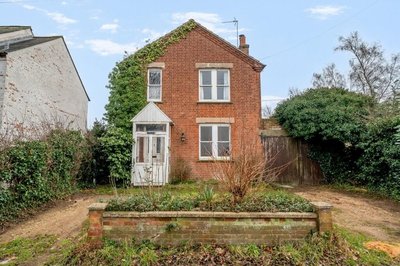
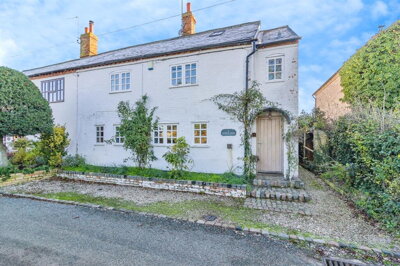
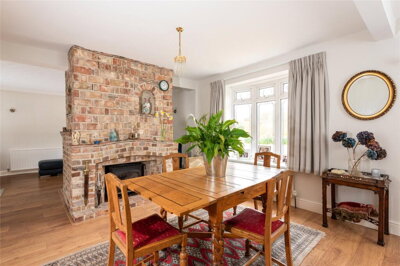
Browse 3 homes for sale in Tingrith, Central Bedfordshire from local estate agents.
The larger property sector typically features multiple bathrooms, substantial reception space, and private gardens or off-street parking. Four bedroom houses in Tingrith span detached, semi-detached, and occasionally terraced configurations, with styles ranging from period properties to modern executive homes.
£0k
0
0
0
Source: home.co.uk
Showing 0 results for 4 Bedroom Houses for sale in Tingrith, Central Bedfordshire.
The Tingrith property market reflects the village's status as an exclusive rural location within easy reach of major transport links. Recent sales data shows properties selling between £400,000 and £1,180,000, with the average sold price sitting at approximately £618,750. Individual transactions include a three-bedroom home at 9 High Street that sold for £400,000 in January 2025, while substantial properties like Bramleys at Wood End achieved £1,180,000 in March 2024. Barn conversions at Home Farm have proven particularly popular, with Barn 2 selling for £595,000 in February 2024 and Barn 7 on Steppingley Road achieving £677,500 in August 2022.
Property types available in Tingrith include traditional cottages, converted agricultural buildings, and detached family homes. The village's housing stock consists of approximately 60 households, with a mix of detached properties dominating the market alongside semi-detached homes and terraces. The replacement of the historic Tingrith House with a new estate of 12 houses added contemporary properties to the village's character. Amberley House represents the newer luxury end of the market, offering detached homes with gated access priced around £800,000. The mix of historic and modern properties ensures buyers can find homes suited to various budgets and preferences.
Recent transactions demonstrate the range of property values across Tingrith's diverse housing stock. West Lodge on Eversholt Road sold for £850,000 in March 2021, while 4 Church Road achieved £737,000 in November 2021. The Home Farm Bungalow on Steppingley Road sold for £450,000 in March 2024, providing an entry point into the village market. These sales illustrate how property values vary according to size, condition, location within the village, and whether the property is a period conversion or modern build.

Tingrith embodies the quintessential English village experience, where community spirit thrives despite the small population of 161 residents. The village has evolved from its agricultural origins, historically growing wheat, barley, oats, beans, and peas, with a local sandpit providing additional employment. Today, the village maintains its rural character while benefiting from proximity to modern amenities. The High Street follows the southern valley through the village, while ornamental fish-ponds from the former manor house remain features of the northern valley area. This landscape of gentle valleys and countryside makes Tingrith particularly attractive to families and professionals seeking a peaceful environment.
The village centre features several buildings of architectural importance, including the Swan Inn, an early 19th-century public house built in brick with a red tiled roof. The village hall and former school serve as community focal points. Buildings including 8-18 High Street, 4 Church Street, Keeley House, and the former School contribute to the village's distinctive character alongside listed structures. Tingrith's Conservation Area designation protects the historic core, ensuring new development respects the traditional character. Residents enjoy easy access to neighbouring towns including Luton, approximately 9 miles away, and Dunstable, just 7 miles distant.
The M1 motorway passes nearby, providing excellent north-south connectivity for commuters who work in larger towns while enjoying village life at home. Two valleys drain eastward through the parish toward a larger valley followed by the motorway corridor. The parish was historically noted as being poorly provided with natural water, and residents today rely on modern utility infrastructure. Local walking routes through the countryside allow residents to enjoy the surrounding farmland that once sustained the village community.

Families considering a move to Tingrith will find educational options within reasonable travelling distance across Central Bedfordshire. The village's small population means primary schooling is typically accessed in nearby communities, with several good primary schools serving the surrounding area. Parents should research individual school catchment areas, as these are determined by Central Bedfordshire Council and can affect which school children are eligible to attend. Many families in rural villages choose to supplement school transport arrangements with their own travel arrangements.
Secondary education options include schools in nearby towns such as Harlington and Toddington, with some families choosing independent schooling options available in the wider region. Schools in Harlington and the surrounding villages serve as the nearest secondary options for Tingrith families. The presence of quality educational establishments within a short drive makes Tingrith suitable for families at various stages of their education journey. Parents are advised to check current school performance data and admission arrangements, as these can change and may affect future property resale values.
For sixth form and further education, students typically travel to larger towns including Bedford, Luton, or Milton Keynes. These institutions offer a wide range of A-level subjects and vocational courses, ensuring teenagers have comprehensive options as they progress through their education. Several colleges in Bedfordshire and Buckinghamshire provide further education opportunities accessible by car or public transport from the Tingrith area.
Tingrith benefits from its strategic position relative to major transport infrastructure, making it practical for commuters who need to access larger employment centres. The M1 motorway runs nearby, providing direct north-south routes connecting the village to towns and cities throughout the country. Luton, located approximately 9 miles from Tingrith, offers direct rail services to London and access to Luton Airport for international travel. Dunstable, just 7 miles away, provides local amenities and additional transport connections for everyday needs.
Rail services in the surrounding area include stations at Harlington, Flitwick, and Leagrave, each offering regular connections to London St Pancras and other destinations. Journey times to central London by train typically range from 30 to 50 minutes depending on the specific station used. Flitwick station, approximately 6 miles from Tingrith, provides regular Thameslink services to London, Bedford, and Brighton, making it a practical option for daily commuters. Harlington station, situated on the Midland Main Line, offers direct services to London St Pancras with journey times of around 40 minutes.
Local bus services connect Tingrith with nearby villages and towns, though frequency may be limited compared to urban routes. The A507 and A5120 provide local road connections, while the wider road network ensures most destinations are accessible within reasonable timeframes. For residents who drive, the strategic position of Tingrith relative to the M1 motorway allows straightforward access to Milton Keynes to the north and Luton, London, and beyond to the south. Cycling infrastructure varies across the area, with rural lanes popular among recreational cyclists.
Start by exploring current listings in Tingrith and understanding price trends. With average prices around £618,750 and properties ranging from £400,000 to over £1.1 million, understanding what represents value in this specific market is essential. Consider engaging with local estate agents who have knowledge of village properties and off-market opportunities. The Tingrith market moves relatively slowly compared to urban areas, which can work in buyers' favour when negotiating.
Before viewing properties, obtain a mortgage agreement in principle from a lender. This demonstrates your financial readiness to sellers and agents, strengthening your position when making offers on homes in competitive village locations like Tingrith where properties can sell quickly to well-prepared buyers. Having your finance arranged also allows you to move swiftly once you find the right property.
Schedule viewings of properties that match your criteria. In Tingrith, expect to view a mix of historic cottages, barn conversions, and modern homes. Take time to examine the property condition, noting the age of the building, construction materials, and any features that may require specialist surveys. Given the prevalence of listed buildings and conservation area properties, understanding permitted development restrictions is important before purchasing.
Given Tingrith's significant stock of older properties, listed buildings, and conservation area restrictions, a RICS Level 2 survey is highly recommended. This will identify any defects specific to historic properties, including potential issues with solid-wall construction, roofing condition, and the condition of original features. Our inspectors are experienced in surveying period properties across Central Bedfordshire and understand the common issues affecting village homes.
Once your offer is accepted, instruct a solicitor experienced in rural property transactions. They will handle searches, contracts, and coordinate with your mortgage lender. For properties in conservation areas or listed buildings, additional considerations may apply to your purchase, including restrictions on alterations and requirements for listed building consent.
Your solicitor will guide you through contract exchange and the final completion process. On completion day, you will receive the keys to your new Tingrith home, joining a small community of residents who have chosen to live in one of Central Bedfordshire's most charming villages.
Purchasing property in Tingrith requires careful attention to factors specific to this historic village location. The geology of the area presents particular considerations for buyers. Tingrith sits on the Woburn Sands Formation, a Cretaceous-period smectite-claystone also known as Fullers earth, which creates potential shrink-swell risk for foundations. Properties built on clay soils can experience movement during dry periods or following tree removal, so understanding the foundation type and any historical movement is important. A thorough survey can identify signs of subsidence or heave that may affect your purchase decision.
The presence of a Conservation Area covering the older part of Tingrith brings planning restrictions that buyers should understand before purchasing. Any external alterations to properties within the Conservation Area may require consent from Central Bedfordshire Council. Similarly, Tingrith has seven listed buildings including the Grade I Church of Saint Nicholas, and numerous buildings on the Supplementary List including the Swan Inn, 8-18 High Street, 4 Church Street, and Keeley House. If you are considering purchasing a listed building, be aware that permitted development rights may be more limited, and any works must respect the historic character of the property.
Building materials in older Tingrith properties typically include roughcast or brick with tiled roofs, built using solid-wall construction methods rather than modern cavity walls. These traditional construction approaches offer excellent thermal mass but may require different approaches to insulation and damp proofing compared to newer homes. Properties with original features such as sash windows, exposed timber beams, and period fireplaces require ongoing maintenance that buyers should budget for. The presence of older plumbing and electrical systems is common in historic properties, and updating these systems may be necessary for modern living standards.
Common defects in Tingrith's older properties include dampness, particularly penetrating damp through ageing brickwork or rising damp in solid-walled homes. Roofing problems such as deteriorating ridge mortar, slipped tiles, and failing flashings are frequently found in period properties and can lead to timber decay if not addressed promptly. Outdated electrical systems, often present in properties that have not been updated for decades, may not meet current safety standards and could require rewiring before purchase.
The average sold house price in Tingrith is approximately £618,750 based on recent transactions. Property prices in the village range from around £400,000 for entry-level homes to over £1.1 million for substantial detached properties. Barn conversions at Home Farm command premium prices, with recent sales including Barn 2 at £595,000 and Barn 7 at £677,500, while character cottages in the Conservation Area and modern luxury homes like those at Amberley House, priced around £800,000, represent the upper end of the market.
Properties in Tingrith fall under Central Bedfordshire Council. Council tax bands vary depending on the property's value and characteristics. Most homes in the village, ranging from compact cottages to substantial detached properties, are likely to fall within bands C through F. Prospective buyers should check specific properties on the Valuation Office Agency website or through their conveyancing solicitor, who will include this information during the purchase process. Band D appears to be common for mid-range village properties.
Tingrith itself is a small village without its own primary or secondary school. The nearest primary schools are located in surrounding villages and towns within Central Bedfordshire, with schools in Harlington and nearby communities serving local families. Secondary education is available at schools in nearby towns including Harlington and Toddington, with some families choosing independent schooling options available in the wider region. Families should research individual school performance, admission catchment areas, and transport arrangements when considering education options for their children.
Tingrith has limited public transport options typical of a small rural village. Local bus services connect the village with neighbouring communities, though frequencies are likely to be modest. Rail services are accessible via nearby stations including Harlington and Flitwick, with Flitwick offering Thameslink services to London, Bedford, and Brighton. Journey times from Flitwick to London St Pancras typically take around 40 minutes. The M1 motorway passes close to the village, providing road connectivity for those with access to a car. Residents who commute regularly typically rely on private vehicle ownership.
Tingrith offers several characteristics that make it attractive to property investors and homebuyers seeking a stable rural location within commuting distance of London. The village's Conservation Area status and limited development potential help preserve property values in the long term. Properties in sought-after rural villages within commuting distance of major employment centres often maintain their value well. The mix of historic cottages, barn conversions, and modern homes provides options for different buyer requirements. However, investors should note that rental demand in such a small village may be limited compared to larger towns, and properties tend to be held long-term by owner-occupiers.
Stamp Duty Land Tax applies to your Tingrith purchase based on the property price and your buyer status. Standard rates start at 0% on the first £250,000, then 5% on the portion from £250,001 to £925,000. For a property at the village average of approximately £618,750, a standard buyer would pay around £18,437.50 in SDLT. First-time buyers benefit from relief on the first £425,000, with 5% charged between £425,001 and £625,000. Your conveyancing solicitor will calculate the exact SDLT due on your specific transaction.
Tingrith is an inland village without coastal flood risk. The local landscape features two small valleys that drain eastward toward a larger valley followed by the M1 motorway, with the High Street following the southern valley. This topography suggests potential for surface water accumulation in low-lying areas during heavy rainfall. Properties in valley locations may carry slightly higher flood risk than those on higher ground. The parish was historically noted as being poorly provided with natural water, and a professional survey alongside local drainage records can provide more specific information for individual properties.
Tingrith has significant heritage assets including seven listed buildings spanning various periods. The Grade I listed Church of Saint Nicholas dates to the 13th century and remains the village's most important historic building. Grade II listed properties include 6 Church Road, East Lodge to Tingrith House High Thatch, Ivy Cottage, the K6 Telephone Kiosk, a monument south of the church, and Tanqueray House. Numerous additional buildings including the Swan Inn, 8-18 High Street, 4 Church Street, the former School, Village Hall, and Keeley House are on the Supplementary List for their contribution to the village's character.
From 4.5%
Finding the right mortgage for your Tingrith property purchase
From £499
Expert legal services for your property transaction
From £350
Professional survey for your Tingrith home
From £60
Energy performance certificate for your property
Understanding the full costs of purchasing property in Tingrith is essential for budgeting effectively. Beyond the property purchase price, buyers must account for Stamp Duty Land Tax, which varies according to purchase price and buyer status. For a property priced at the village average of approximately £618,750, a standard buyer would pay SDLT on the portion above £250,000, working out to around £18,437.50 in stamp duty. First-time buyers purchasing properties up to £425,000 would pay no SDLT, with the rate applying only to the portion between £425,001 and £625,000 for eligible purchases.
Additional purchase costs include survey fees, with RICS Level 2 surveys typically ranging from £350 to £600 depending on property value and complexity. Given Tingrith's prevalence of older properties and listed buildings, a more detailed Level 3 survey may sometimes be appropriate, costing more but providing comprehensive assessment of historic construction. For properties valued at £600,000 or above, Level 2 survey costs can reach around £930, while pre-1900 properties may incur additional charges of 20-40% due to their complexity. Listed buildings often require specialist surveys with additional fees of £150-400.
Conveyancing fees typically start from around £499 for standard transactions, rising for more complex purchases involving conservation areas or listed buildings where additional searches and documentation are required. Search fees, land registry fees, and teleport fees add further costs, typically totaling a few hundred pounds. Mortgage arrangement fees vary by lender and product, ranging from nothing to around £2,000. Buyers should budget for removal costs, potential estate agent fees if selling a property simultaneously, and a contingency for any immediate repairs or improvements needed on their new Tingrith home.
Properties for Sale In London

Properties for Sale In Plymouth

Properties for Sale In Liverpool

Properties for Sale In Glasgow

Properties for Sale In Sheffield

Properties for Sale In Edinburgh

Properties for Sale In Coventry

Properties for Sale In Bradford

Properties for Sale In Manchester

Properties for Sale In Birmingham

Properties for Sale In Bristol

Properties for Sale In Oxford

Properties for Sale In Leicester

Properties for Sale In Newcastle

Properties for Sale In Leeds

Properties for Sale In Southampton

Properties for Sale In Cardiff

Properties for Sale In Nottingham

Properties for Sale In Norwich

Properties for Sale In Brighton

Properties for Sale In Derby

Properties for Sale In Portsmouth

Properties for Sale In Northampton

Properties for Sale In Milton Keynes

Properties for Sale In Bournemouth

Properties for Sale In Bolton

Properties for Sale In Swansea

Properties for Sale In Swindon

Properties for Sale In Peterborough

Properties for Sale In Wolverhampton

Enter your details to see if this property is within your budget.
Loans, cards, car finance
Estimated property budget
Borrowing + deposit
You could borrow between
Typical borrowing
Monthly repayment
Est. at 4.5%
Loan-to-value
This is an estimate only. Your actual budget may vary depending on interest rates, credit history, and personal circumstances. For an accurate affordability assessment, speak to one of our free mortgage advisors.
This calculator provides estimates for illustrative purposes only and does not constitute financial advice. Your home may be repossessed if you do not keep up repayments on your mortgage. Estimates based on 4.5% interest rate, repayment mortgage. Actual rates depend on your circumstances.
Homemove is a trading name of HM Haus Group Ltd (Company No. 13873779, registered in England & Wales). Homemove Mortgages Ltd (Company No. 15947693) is an Appointed Representative of TMG Direct Limited, trading as TMG Mortgage Network, which is authorised and regulated by the Financial Conduct Authority (FRN 786245). Homemove Mortgages Ltd is entered on the FCA Register as an Appointed Representative (FRN 1022429). You can check registrations at NewRegister or by calling 0800 111 6768.

We use cookies to show you personalised content and improve your experience of our website. Find out more in our Privacy policy and Cookie policy.