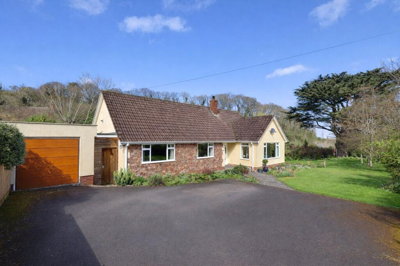
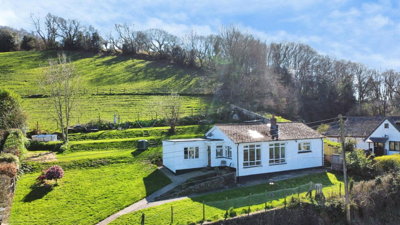
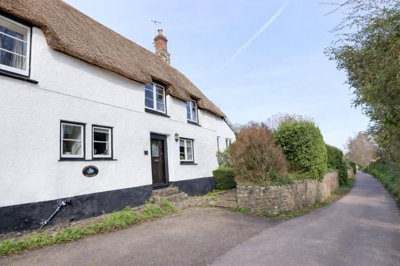
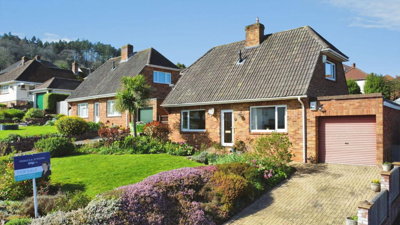
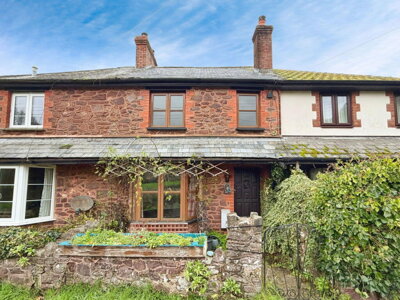
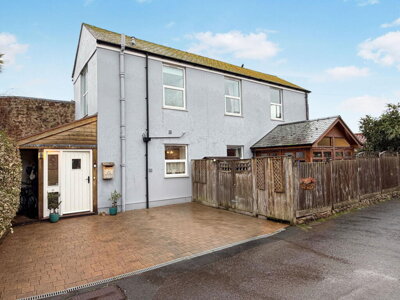
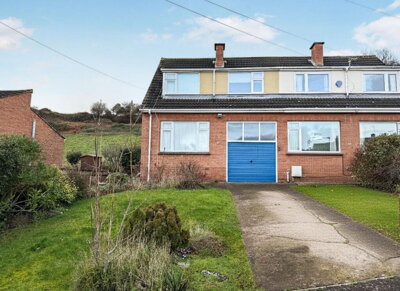
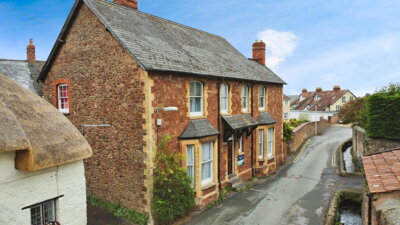
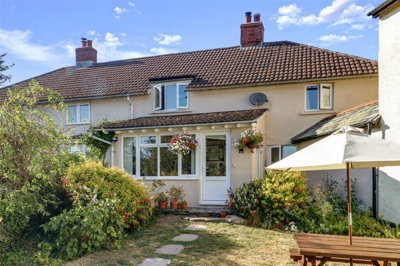
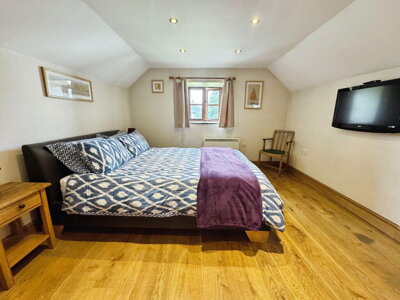
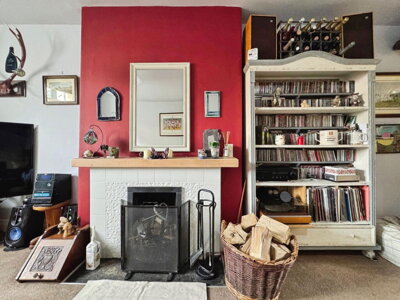
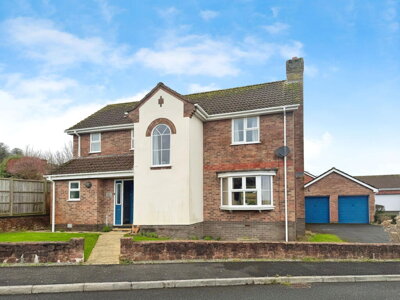
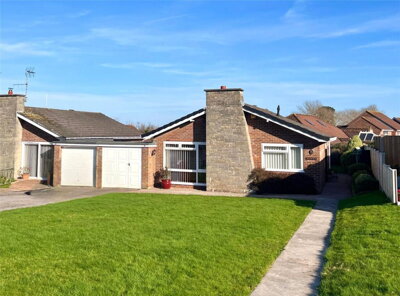
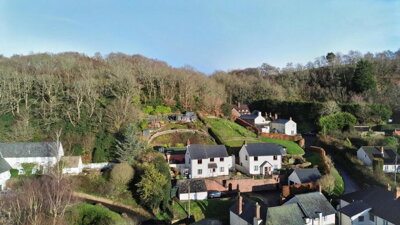
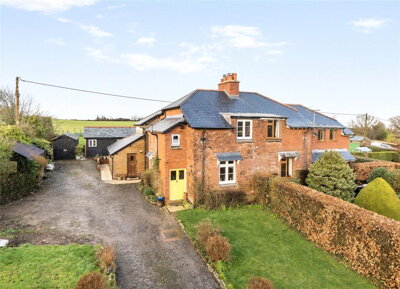
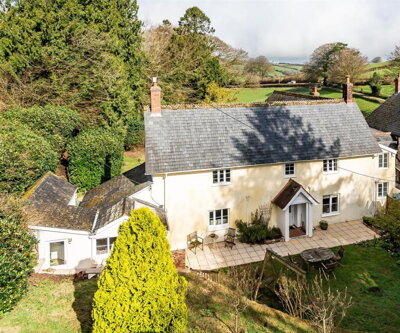
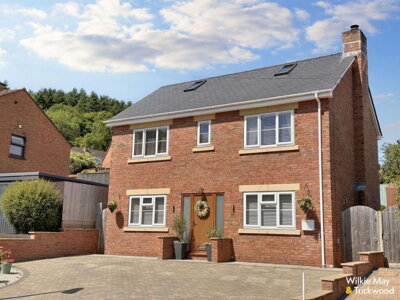
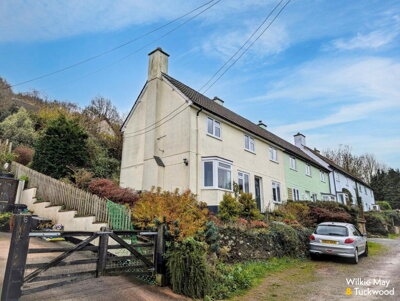
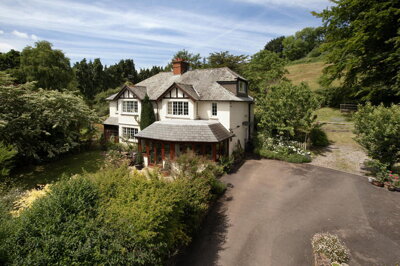
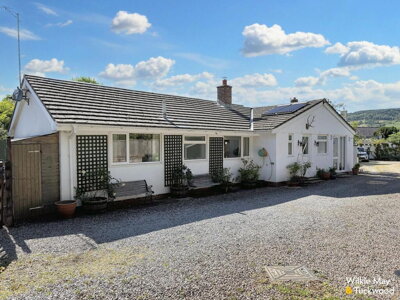
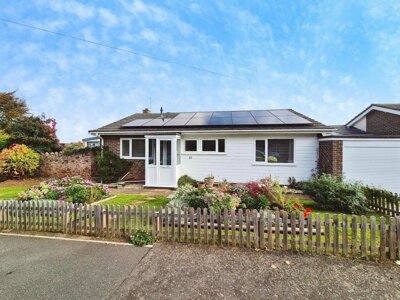
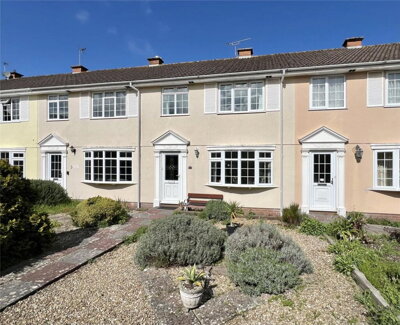
Browse 37 homes for sale in Timberscombe, Somerset from local estate agents.
£325k
5
1
119
Source: home.co.uk
Source: home.co.uk
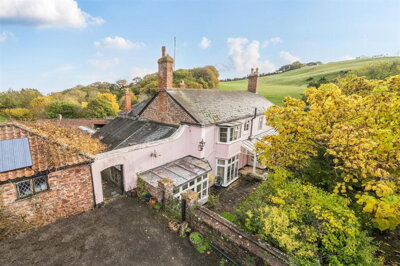
Barn Conversion
1 listings
Avg £265,000
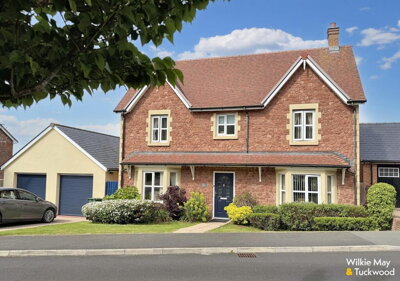
Detached
1 listings
Avg £525,000
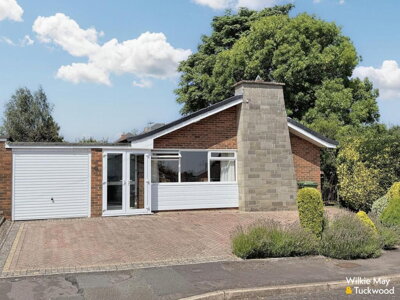
Detached Bungalow
1 listings
Avg £325,000
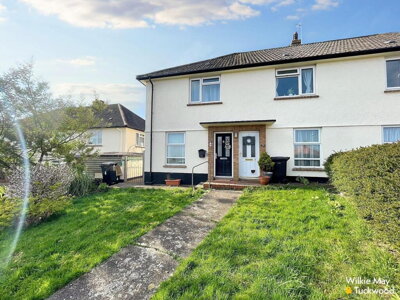
Semi-Detached
1 listings
Avg £795,000
Terraced
1 listings
Avg £165,000
Source: home.co.uk
Source: home.co.uk
The Marwood property market reflects the broader trends in North Devon, where the average house price reached £287,000 in December 2025, showing a modest 0.3% increase over the previous twelve months. Within this regional context, Marwood commands a premium position with a median price of £455,000, indicating that buyers are willing to invest more for the village lifestyle and property character that this location provides. Our database draws from 140 recent transactions to give you an accurate picture of current values in this sought-after North Devon village.
When examining property types across the wider North Devon area, detached properties average around £433,000, semi-detached homes fetch approximately £290,000, terraced properties sell for about £230,000, and flats remain the most affordable option at around £140,000. For the specific Marwood and EX31 area, prices have shown a slight adjustment of 2.5% since January 2025, which presents a balanced market where neither sellers nor buyers hold overwhelming advantage. This stability makes Marwood an attractive prospect for families and professionals seeking long-term roots in a community that continues to attract new residents from across the UK.
Interestingly, North Devon has performed better than many national markets, with the region capturing 59% of last year's sales volume despite a 15.6% drop in transactions across Devon as a whole. Semi-detached properties in the wider area have shown particular strength, rising 1.9% year to December 2025, while flats have seen a modest 3.2% decrease. This data suggests that family-sized homes in Marwood and surrounding villages continue to hold their value well, making them sound purchases for both owner-occupiers and investors seeking stable assets in the South West property market.
The housing stock composition on Marwood's residential streets reflects its predominantly rural character. On the specific street Marwood, Barnstaple, EX31, our records show 32 houses alongside 3 flats and 22 other property types, underscoring the village's appeal for those seeking spacious family accommodation rather than higher-density living. This dominance of houses over flats contributes to the consistent demand for Marwood properties and supports the premium pricing achievable in this sought-after location.

Marwood is a village that embodies the best of North Devon rural living, positioned just north of Barnstaple with easy access to the town's comprehensive services while retaining its own distinct village character. The community centres around a traditional church, local pub, and village hall, providing essential social infrastructure that brings residents together throughout the year. The surrounding countryside offers extensive walking routes through fields, woodlands, and along country lanes that reveal the beauty of the North Devon landscape at every turn.
The village demographics reflect a stable community mix of families, professionals, and longer-term residents who appreciate the quality of life that Marwood provides. Residents enjoy proximity to the stunning North Devon coastline, with beaches such as Saunton Sands and Woolacombe reachable within a short drive, making weekend outings to the coast a regular pastime rather than a holiday treat. The area attracts buyers from urban centres seeking an improved work-life balance, with many commuting to Barnstaple or working remotely from their character homes in this beautiful setting.
The village's postcode EX31 covers a broader area including parts of Barnstaple, but Marwood itself maintains its separate village identity and community spirit. Local events throughout the year, from summer fetes to harvest suppers, provide regular opportunities for newcomers to integrate into the tight-knit community. For buyers relocating from busier urban areas, the pace of life in Marwood offers a refreshing change while still providing all the essential services and connectivity needed for modern family life.

Families considering a move to Marwood will find a range of educational options within easy reach, with primary schools serving the village and surrounding hamlets. The local primary school in the nearby village of Swimbridge has built a strong reputation for academic achievement and community involvement, providing an excellent foundation for younger children. Parents frequently cite the quality of primary education as a key factor in their decision to relocate to the Marwood area, appreciating the combination of small class sizes and dedicated teaching staff.
Secondary education is well catered for in Barnstaple, which hosts several secondary schools including the highly regarded Barnstaple School and Park School, both serving students from the Marwood catchment area. For families seeking grammar school provision, the surrounding North Devon area offers selective education options, though entry requirements and catchment boundaries should be verified with the local education authority. Sixth form provision in Barnstaple allows older students to continue their education locally, with a good range of A-level subjects available at the town's colleges.
The presence of quality schools significantly influences property values in the Marwood area, with homes close to good primary schools commanding a premium in the market. When budgeting for your purchase, consider that properties within the Swimbridge Primary School catchment may appeal more to families with younger children, while those focusing on secondary school access should prioritise proximity to reliable transport links into Barnstaple. We recommend visiting potential schools and speaking with local parents to gain firsthand insight into the educational options available to your family.
Transport connectivity from Marwood centres on the nearby A361 road, which provides direct access to Barnstaple and links through to the M5 motorway at Tiverton for journeys further afield. Most residents rely on private vehicles for daily commuting, with the journey to Barnstaple town centre taking approximately 15 minutes by car. The village location means that a car is practically essential for most residents, though the road network is generally well-maintained and less congested than urban routes during peak hours.
For those working in Exeter or beyond, the train station at Barnstaple offers connections to Exeter Central and Exeter St Davids, providing links to the broader national rail network. Exeter Airport, accessible via the M5, provides domestic and international flights for business and leisure travel. Locally, the village position means that major employers in Barnstaple, including those in the retail, healthcare, and service sectors, are within reasonable commuting distance, making Marwood viable for those who split their working week between home and office.
Bus services in the Marwood area operate on routes connecting to Barnstaple and surrounding villages, though frequencies are reduced compared to urban areas. Those considering a move to Marwood should factor in the practical requirement for private transport, particularly if working regular hours in Barnstaple or beyond. Off-street parking availability adds measurable value to Marwood properties and should be considered when evaluating specific homes in the village.
Start by exploring current listings in Marwood through Homemove, comparing prices against the median of £455,000 to understand what represents good value in this village market. Consider whether you need period features, garden space, or proximity to specific amenities when narrowing your search parameters. The EX31 area has seen a 2.5% price adjustment since January 2025, creating opportunities for buyers who understand local market conditions.
Before arranging viewings, approach a lender to obtain an agreement in principle, which demonstrates your financial credibility to sellers and agents. With current mortgage rates varying, comparing deals from multiple lenders will help you secure the most favourable terms for your purchase. Given the premium nature of Marwood properties, securing a strong mortgage offer early gives you confidence when bidding on character homes in this competitive village market.
Visit a selection of properties in Marwood to assess their condition, noting the age of buildings and potential maintenance needs. Pay particular attention to period property features such as roofs, damp proofing, and electrical systems when viewing older homes. Many properties in Marwood were built before 1911, so understanding the condition of original features helps prioritise properties that offer genuine value versus those requiring extensive investment.
Given that many Marwood properties are period homes built before 1911, a comprehensive homebuyer survey is essential to identify any structural issues, roof condition, or timber defects. This report provides negotiating leverage if repairs are needed and gives you full knowledge of your purchase. We work with qualified RICS surveyors who understand North Devon construction methods and can spot the common issues affecting period properties in this area.
Choose a conveyancing specialist familiar with North Devon properties to handle the legal transfer, including local searches and any planning considerations relevant to your chosen property. Your solicitor will coordinate with your mortgage lender and the seller's representatives through to completion. For listed buildings or properties with planning history in the village, experienced conveyancers can identify any restrictions that might affect your plans.
The prevalence of period properties in Marwood means that buyers should pay particular attention to the construction and condition of older homes. Many properties built between 1800 and 1911 will feature traditional construction methods that differ significantly from modern standards, including potential issues with damp, timber condition, and outdated electrical wiring. A thorough survey by a qualified RICS surveyor is strongly recommended for any property in this age range, as problems such as roof wear, chimney stack deterioration, and woodworm can be costly to address if identified late in the purchasing process.
The dominant building materials in Marwood reflect the local geology of North Devon, which typically includes Devonian slates, sandstones, and limestones. Properties constructed during this period would have used locally sourced materials, meaning walls may comprise solid stone or local brick rather than the cavity wall construction of modern buildings. Understanding this helps buyers appreciate why period properties require different maintenance approaches and may have different thermal performance characteristics than newer homes.
When viewing properties in Marwood, check the condition of slate roofs, which are common on period homes in North Devon and may require renewal or repair depending on their age and maintenance history. Investigate whether the property has been updated to include modern insulation and heating systems, as older homes can be expensive to heat if these improvements have not been made. Consider also the potential for flooding or surface water issues, particularly for properties with large gardens or those near watercourses, and ensure appropriate insurance is available before committing to purchase.
While specific flood risk mapping for Marwood requires consultation with North Devon Council's local flood risk data, the rural nature of the village and its proximity to watercourses means that due diligence on drainage and flood history is advisable. Properties on lower-lying ground or those with large gardens sloping toward water features warrant particular attention during surveys. We recommend requesting a drainage and damp survey alongside any RICS Level 2 inspection for older properties in the village.
Buyers searching for homes for sale in Marwood should approach viewings with specific attention to the characteristics common in period properties throughout this North Devon village. Traditional construction methods used in homes built between 1800 and 1911 often result in solid walls without cavity insulation, which means damp prevention relies on good ventilation and proper ground drainage. We frequently see issues with rising damp in these older properties, particularly where original damp-proof courses have failed or been compromised by surrounding ground levels over the decades.
Roof conditions deserve particular scrutiny during any viewing. The natural slate tiles common on Marwood properties have long lifespans but become increasingly susceptible to frost damage and slippage as they age past 80 years. During inspections, check for any daylight visible through the roof plane, which indicates slipped or broken tiles, and examine the condition of lead flashings around chimneys and valleys. Chimney stacks on period properties often show signs of weathering and may require repointing or partial rebuilding, costs that should factor into your offer price.
The electrical and plumbing systems in pre-1911 properties frequently require updating to meet modern standards and accommodate contemporary usage patterns. Rewiring a period property is disruptive and expensive, often requiringlift of floorboards and channelling into walls, so identifying outdated electrics early helps prioritise properties that offer genuine move-in readiness. Similarly, original heating systems may be inadequate for modern family life, and installing central heating in older properties represents a significant investment that affects the overall cost of your purchase.
Understanding the full costs of buying a property in Marwood extends beyond the purchase price to include stamp duty, solicitor fees, survey costs, and moving expenses. For a typical home in Marwood priced at £455,000, the stamp duty land tax for a buyer who has previously owned property would be £10,250, calculated at 5% on the amount above £250,000. First-time buyers purchasing at this price point would benefit from relief, paying 5% only on the portion between £425,000 and £455,000, which equals £1,500 in SDLT savings.
Additional purchasing costs typically include solicitor conveyancing fees of around £1,000 to £1,500, a RICS Level 2 survey at approximately £350 to £600 depending on property size, and mortgage arrangement fees that vary by lender but commonly range from £500 to £1,500. When budgeting for your Marwood purchase, also account for removal costs, buildings insurance from completion date, and potential renovation costs if your new home requires updating. We recommend setting aside a contingency fund of at least 10% of your purchase price to cover unexpected expenses, particularly important when buying period properties where hidden defects may only become apparent after moving in.
For buyers purchasing in the EX31 postcode area, local search fees from North Devon Council will apply and typically range between £150 and £300. These searches cover planning history, environmental data, and local authority information that affects the property. Given the age of many Marwood properties, additional specialist surveys for building fabric, damp, or timber may be advisable, though these costs should be weighed against the they provide when investing in a character property at this price level.
The average sold house price in Marwood is £519,000 with a median price of £455,000, based on 140 recent transactions recorded in our database. Rightmove reports an overall average of £260,000 for the area over the last year, though this figure includes a broader range of property types and ages across the EX31 postcode. The premium commanded by Marwood reflects the village character, quality of local housing stock, and proximity to both Barnstaple and the North Devon coastline. Prices have shown modest movement of around 2.5% since January 2025 in the EX31 area, indicating a stable market where buyers can make informed decisions based on reliable data.
Properties in Marwood fall under North Devon Council jurisdiction, with most period homes likely falling into bands C to E depending on their value and character. You can verify the specific council tax band for any property through the North Devon Council website or your solicitor during the conveyancing process. Banding affects both your annual council tax liability and the upfront SDLT calculations for your purchase, so understanding these costs is important for budgeting purposes. For a typical Marwood property at £455,000, annual council tax costs will vary by band but should be factored into your overall affordability assessment alongside mortgage payments.
The Marwood area is served by several well-regarded schools, with Swimbridge Primary School providing strong local primary education for younger children. Secondary students typically attend schools in Barnstaple, including Barnstaple School and Park School, both of which serve the Marwood catchment area. Parents should verify current catchment boundaries and admission policies with North Devon Council, as these can change and may affect school placement for your family. The quality of local education is a significant factor in property values throughout the EX31 area, with homes near good schools commanding premiums from buyers with children.
Public transport options in Marwood are limited, as is typical for a rural North Devon village, with most residents relying on private vehicles for daily travel. The nearest bus services operate on routes between Barnstaple and surrounding villages, though frequencies may be reduced compared to urban areas and early morning or evening services may be particularly scarce. The nearest train station is in Barnstaple, offering connections to Exeter and the national rail network, though journey times to major cities require planning ahead. Most buyers consider a car essential when living in Marwood, and properties with off-street parking will add value to any home you purchase.
Marwood offers several factors that appeal to property investors, including the village's proximity to Barnstaple, the North Devon coastline, and the consistent demand for character properties in this desirable rural location. Property prices have remained relatively stable, with the North Devon market showing 0.3% growth over the past year, and the area attracts buyers seeking the quality of life that village living provides. While rental yields may be lower than urban areas, the potential for capital appreciation and strong resale demand makes Marwood attractive for long-term investment strategies. North Devon has performed better than many national markets, capturing 59% of Devon's sales volume despite broader market fluctuations.
Stamp duty land tax in England is calculated on a tiered system, with buyers paying nothing on the first £250,000 of a property purchase. For the median Marwood property at £455,000, a standard buyer would pay SDLT on the portion above £250,000 at 5%, resulting in £10,250 in stamp duty. First-time buyers benefit from relief on purchases up to £625,000, paying 5% only on the amount between £425,000 and £455,000, which would reduce their SDLT liability significantly compared to those who have previously owned property. Your solicitor will calculate the exact SDLT due based on your circumstances and any applicable reliefs when completing the purchase.
Properties built between 1800 and 1911 require careful inspection of their solid walls, which may be prone to rising damp if original damp-proof courses have failed over time. Check the condition of natural slate roofs, examining flashings around chimneys and looking for any signs of daylight through the roof structure. Electrical systems in older properties often require complete rewiring to meet modern standards, so assess whether the fuse board appears updated and whether outlets and switches look dated. We recommend booking a RICS Level 2 survey before committing to purchase any period property in Marwood, as the report can reveal hidden defects that would cost thousands to remedy.
Given the prevalence of period properties built before 1911 in Marwood, the village likely contains individual listed buildings that require specialist consideration during purchase. Listed buildings are protected under conservation regulations and any renovation or alteration work requires listed building consent from North Devon Council. Specialist surveys for listed properties examine the historic fabric, identify original features requiring preservation, and assess any previous works that may not have received proper consent. If you are considering a listed property in Marwood, factor in the additional costs and restrictions that come with owning a heritage asset before making an offer.
From 4.5%
Finding the right mortgage for your Marwood purchase
From £499
Legal services for your property purchase
From £350
Comprehensive homebuyer survey for Marwood properties
From £60
Energy performance certificate for your new home
Properties for Sale In London

Properties for Sale In Plymouth

Properties for Sale In Liverpool

Properties for Sale In Glasgow

Properties for Sale In Sheffield

Properties for Sale In Edinburgh

Properties for Sale In Coventry

Properties for Sale In Bradford

Properties for Sale In Manchester

Properties for Sale In Birmingham

Properties for Sale In Bristol

Properties for Sale In Oxford

Properties for Sale In Leicester

Properties for Sale In Newcastle

Properties for Sale In Leeds

Properties for Sale In Southampton

Properties for Sale In Cardiff

Properties for Sale In Nottingham

Properties for Sale In Norwich

Properties for Sale In Brighton

Properties for Sale In Derby

Properties for Sale In Portsmouth

Properties for Sale In Northampton

Properties for Sale In Milton Keynes

Properties for Sale In Bournemouth

Properties for Sale In Bolton

Properties for Sale In Swansea

Properties for Sale In Swindon

Properties for Sale In Peterborough

Properties for Sale In Wolverhampton

Enter your details to see if this property is within your budget.
Loans, cards, car finance
Estimated property budget
Borrowing + deposit
You could borrow between
Typical borrowing
Monthly repayment
Est. at 4.5%
Loan-to-value
This is an estimate only. Your actual budget may vary depending on interest rates, credit history, and personal circumstances. For an accurate affordability assessment, speak to one of our free mortgage advisors.
This calculator provides estimates for illustrative purposes only and does not constitute financial advice. Your home may be repossessed if you do not keep up repayments on your mortgage. Estimates based on 4.5% interest rate, repayment mortgage. Actual rates depend on your circumstances.
Homemove is a trading name of HM Haus Group Ltd (Company No. 13873779, registered in England & Wales). Homemove Mortgages Ltd (Company No. 15947693) is an Appointed Representative of TMG Direct Limited, trading as TMG Mortgage Network, which is authorised and regulated by the Financial Conduct Authority (FRN 786245). Homemove Mortgages Ltd is entered on the FCA Register as an Appointed Representative (FRN 1022429). You can check registrations at NewRegister or by calling 0800 111 6768.

We use cookies to show you personalised content and improve your experience of our website. Find out more in our Privacy policy and Cookie policy.