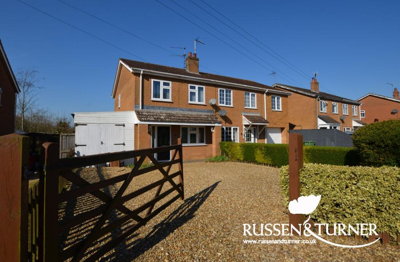
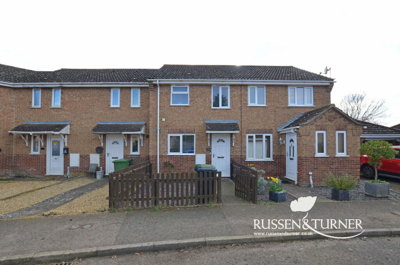
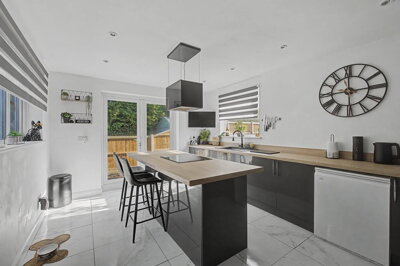
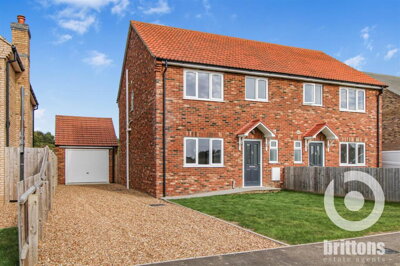
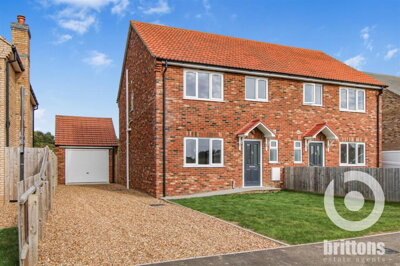
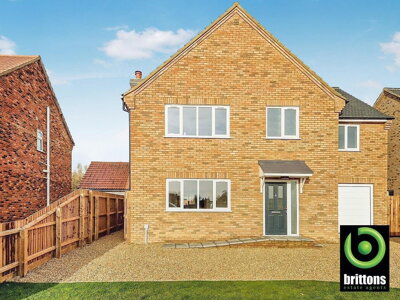
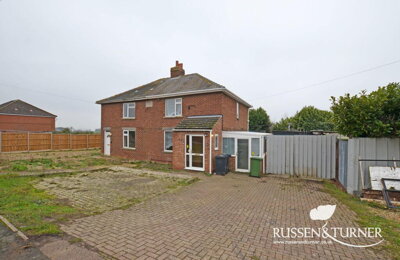
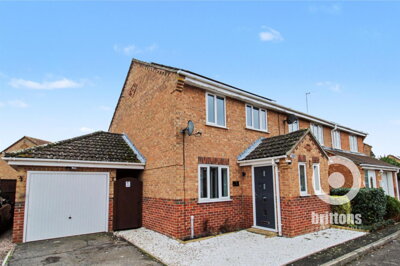
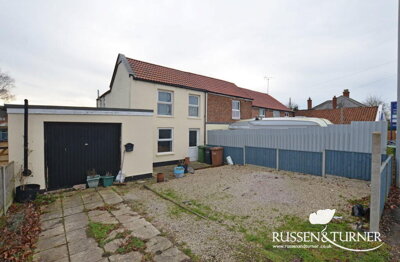
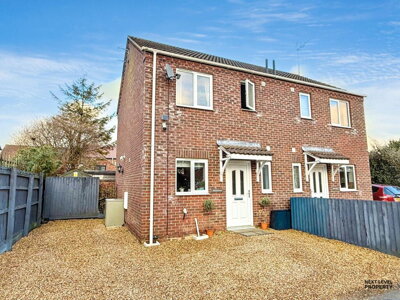
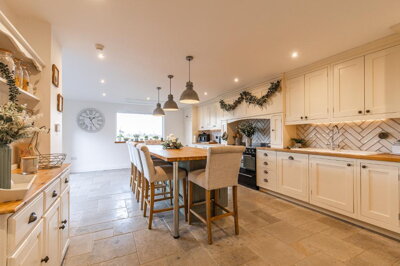
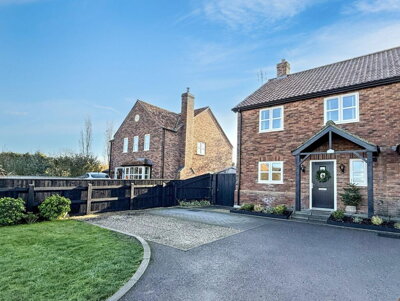
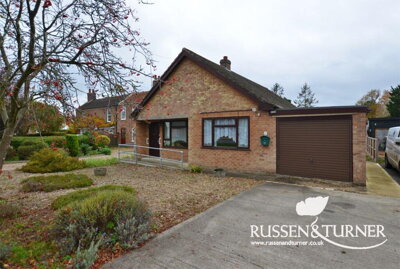
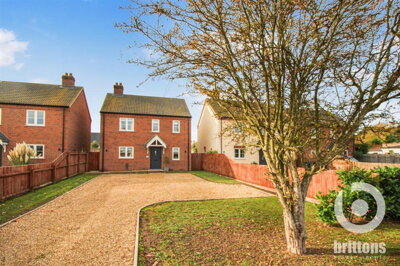
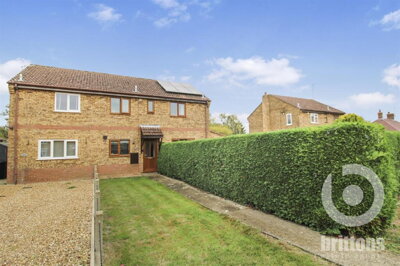
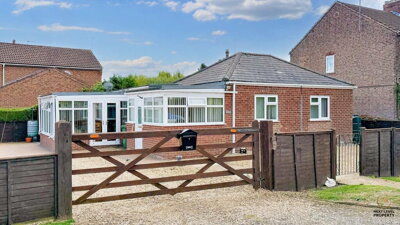
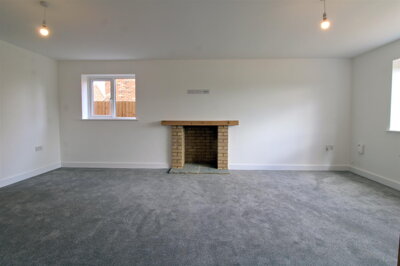
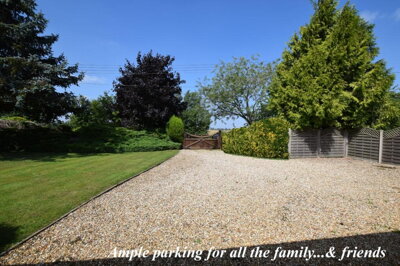
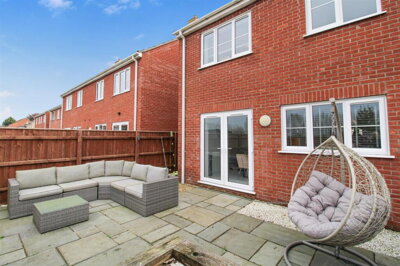
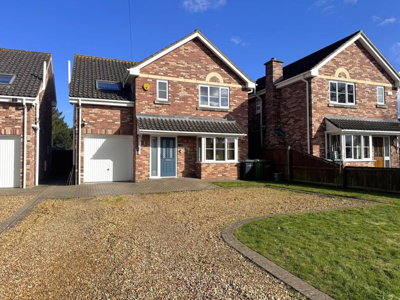
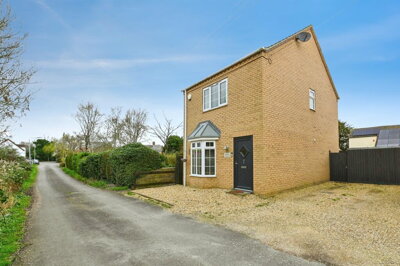
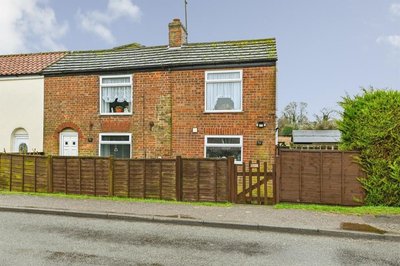
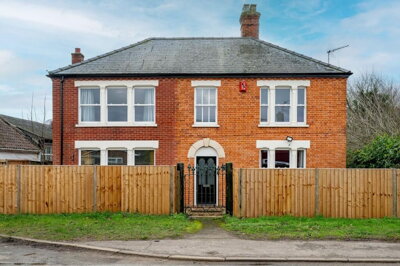
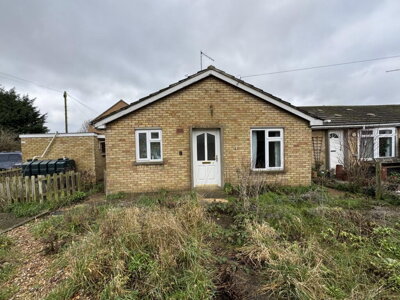
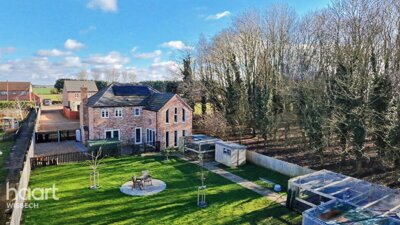
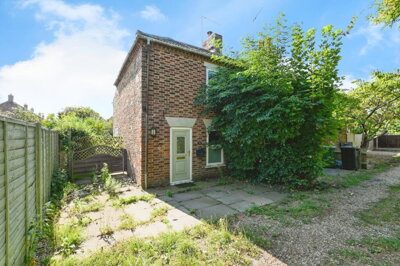
Browse 76 homes for sale in Tilney St. Lawrence from local estate agents.
The Ashbocking property market has demonstrated remarkable strength in recent years. Our data shows the average property price currently stands at £546,500, representing a substantial 108% increase compared to the previous year and sitting 15% above the 2021 peak of £474,500. A secondary source records the average price paid as £479,000 as of January 2026, also noting significant appreciation over the preceding twelve months. The notable percentage increase reflects both genuine market growth and the impact of relatively low transaction volumes typical of small villages, where individual high-value sales can skew aggregate figures.
Recent sales evidence the diversity of property available in and around Ashbocking. A detached property at Ashbocking House on Church Road sold for £2,604,500 in August 2023, demonstrating the existence of premium country houses within the village. More accessible entry points include a terraced property at 6 The Mews on The Green, which changed hands for £250,000 in February 2024, and a semi-detached home at The Steamhouse on Ashbocking Road, which sold for £555,000 in August 2020. For buyers interested in new construction, a contemporary development of five two-storey dwellings was completed on the outskirts of the village in September 2024, featuring traditional Suffolk vernacular with red brick, larch cladding, and clay pantile roofs.
The wider IP6 postcode area offers additional property options across nearby villages including Barham Meadows (homes from £320,000 to £600,000+), Castleton Grange (from £255,000 to £450,000), and Wolsey Grange (from £275,000 to £540,000). These developments provide modern alternatives for buyers who appreciate Ashbocking's village atmosphere but require newer build specifications or different property types.

Life in Ashbocking revolves around community, heritage, and the natural Suffolk countryside. The village had a population of 356 residents according to the 2011 Census, with households enjoying a rural pace of life that has changed little over generations. One distinctive characteristic is that 70% of households with at least one usual resident rely on oil-fired heating, reflecting the village's predominantly older housing stock and its position outside the main gas network. This setting appeals to buyers seeking genuine countryside living with a strong sense of local identity and community spirit.
The presence of the Suffolk Wildlife Trust headquarters at Brooke House underscores the area's environmental credentials and natural attractions. Residents benefit from easy access to Suffolk's celebrated countryside, including ancient woodlands, wildlife reserves, and the gentle rolling landscape that defines this part of East Anglia. Traditional village amenities may be limited given the small population, but the nearby market towns of Ipswich, Needham Market, and Woodbridge provide comprehensive shopping, healthcare, and leisure facilities within a short drive.
Ashbocking's architectural heritage contributes significantly to its appeal. Properties span several centuries, from the medieval origins of Ashbocking Hall to Victorian-era cottages and mid-20th century rural housing. The traditional Suffolk building style utilises local materials including red brick, tarred weatherboarding, and clay pantiles, creating a cohesive visual character throughout the village. These construction methods reflect centuries of vernacular building tradition and give Ashbocking its distinctive Suffolk village appearance that distinguishes it from more generic residential developments.
Traditional building methods in older Ashbocking properties often include clay lump construction, a traditional East Anglian technique using unfired earth blocks mixed with chopped straw. This method was typically laid on low brick or flint plinths and finished with clay or lime renders, creating characteristic thick walls that provide good thermal mass. When inspecting period properties, understanding this construction type is essential as it behaves differently from modern brickwork and requires specialist knowledge during survey assessment.

The underlying geology across Suffolk creates specific considerations for property owners and surveyors in the Ashbocking area. The north-western part of the county sits on chalk bedrock, while eastern areas are covered by sand and crags deposits. London clay predominates in the southern portion of the region, and boulder clay overlays much of central and western Suffolk, including the area around Ashbocking. These geological conditions influence how foundations perform over time, particularly for older properties constructed before modern building regulations.
Boulder clay deposits create potential for shrink-swell movement in the ground, where the clay contracts during dry periods and expands when wet. This movement can affect foundations, particularly where mature trees and substantial vegetation draw moisture from the soil. Our inspectors check foundation conditions carefully at properties with overgrown gardens or established trees nearby, as root systems extracting soil moisture represent a common cause of subsidence in clay soil areas. Properties of traditional clay lump construction may be especially vulnerable to ground movement effects due to their shallow foundation depths.
Flood risk data for Ashbocking specifically was not identified in available records, though prospective buyers should request a property-specific flood risk assessment during the conveyancing process. Surface water flooding and drainage from neighbouring fields can affect low-lying areas, particularly during periods of heavy rainfall. Our surveyors examine signs of dampness and water ingress during inspections, noting any evidence of historical flooding or drainage issues that may not appear in official records.
Ashbocking Hall on Church Lane stands as the village's most significant heritage asset, holding Grade II* listed status and retaining remains of its medieval moat. The original half-timbered house dates to the early 16th century, with later additions reflecting centuries of occupation and adaptation. This designation places Ashbocking Hall among the top tier of listed buildings nationally, attracting special protections regarding any alterations or development affecting its character. The hall's presence influences the surrounding Conservation Area considerations, where any significant works may require consultation with heritage authorities.
All Saints' Church represents another key heritage element, dating from the 14th century with remodelling and additions carried out in 1872. The church's spire or tower provides an architectural landmark visible across the surrounding countryside, contributing to the village's distinctive silhouette. Several other properties throughout the village may carry individual listed status, either as curtilage-listed structures associated with Ashbocking Hall or as independent heritage assets recognised for their architectural or historical significance.
Listed building status imposes specific obligations on owners regarding alterations, maintenance, and future modifications. Any works affecting the character of a listed building or its setting require listed building consent from Mid Suffolk District Council before proceeding. Properties with historic designation may also require specialist contractors and traditional materials for maintenance and repair work, potentially increasing ongoing ownership costs. Before purchasing any older property in Ashbocking, we recommend verifying its listed status and understanding the implications for future renovation plans, extensions, or even routine maintenance works.

Families considering a move to Ashbocking will find educational opportunities available across the Mid Suffolk district and wider Suffolk county. While the village itself is served by its own primary school, the surrounding area offers a range of educational settings from early years through to further education. The Suffolk education system performs well overall, with Ofsted-rated good and outstanding schools available in nearby towns, providing families with flexibility in choosing the right educational pathway for their children.
For secondary education, pupils typically travel to schools in the surrounding market towns. Middle and upper school options across Mid Suffolk and Babergh districts serve the broader catchment area, with several schools offering strong academic programmes and extracurricular activities. Grammar school provision exists in the wider Suffolk area, with selective entry schools in towns such as Colchester and Ipswich accessible to motivated students prepared for the commute.
The 2014 Suffolk Housing Survey for Mid Suffolk district indicated that 2 and 3-bedroom properties are the most sought after by existing households looking to move within the area, reflecting demand from growing families requiring additional space. This data point suggests that family homes near good schools are particularly desirable in the Ashbocking area, which may influence property values and investment potential for buyers prioritising educational access. Parents are advised to check current catchment areas and school admission policies, as these can change and may affect which schools children can access from a new address.

Ashbocking enjoys a strategic position within Suffolk, offering residents a balance of rural tranquility and connectivity to major employment centres. The village sits near the A14 trunk road, which provides direct access to the port of Felixstowe to the east and the university city of Cambridge to the west. This arterial route connects Ashbocking to Ipswich within approximately 20 minutes by car, making day-to-day commuting practical for those working in the county town.
Ipswich railway station offers mainline services to London Liverpool Street, with journey times of around 80-90 minutes. Other rail connections from Ipswich extend to Norwich, Cambridge, and the East Anglia coast, providing links to additional employment hubs and leisure destinations. For international travel, Stansted Airport is accessible within approximately 60-90 minutes by car, while London Southend Airport and Norwich Airport offer further options for domestic and European flights.
Local bus services connect Ashbocking to surrounding villages and towns, though frequencies may be limited compared to urban routes. Many residents rely on private vehicles for daily travel, and the peaceful village lanes offer pleasant cycling routes for shorter journeys during fine weather. Parking in the village is generally straightforward given the low traffic volumes, contrasting favourably with parking challenges found in larger towns and cities. Prospective buyers without a car should investigate local bus timetables carefully to ensure their daily transport needs can be adequately met.
Before viewing properties, obtain a mortgage agreement in principle from a lender. This documents how much you can borrow and demonstrates to sellers that you are a serious buyer. In Ashbocking's competitive market, having finance in place gives you a significant advantage when making an offer on desirable village properties.
Study recent sales in Ashbocking and surrounding IP6 villages to understand current values and market trends. With average prices rising 108% year-on-year, understanding the pricing landscape is essential for making informed decisions and identifying properties that represent genuine value.
Contact local estate agents to arrange viewings of properties matching your requirements. Given the village's small size, inventory may be limited at any given time. Working with agents familiar with Ashbocking and Mid Suffolk ensures you access all available properties and receive expert guidance on the local market.
Before completing your purchase, arrange a RICS Level 2 Survey to assess the property condition. This is particularly important for older village properties, where traditional construction methods such as clay lump may require specialist inspection. The survey identifies defects that might not be apparent during viewings, allowing you to negotiate repairs or price adjustments before exchange.
Appoint a solicitor experienced in Suffolk property transactions to handle the legal aspects of your purchase. They will conduct searches, handle land registry documentation, and manage the transfer of ownership. Choose a firm familiar with Mid Suffolk district for efficient processing of local authority searches.
Once surveys are satisfactory and legal checks complete, you will exchange contracts and pay a deposit. Completion typically follows within 2-4 weeks, after which you will receive the keys to your new Ashbocking home. Your solicitor will arrange the registration of title and payment of Stamp Duty Land Tax.
Purchasing property in a historic village like Ashbocking requires careful attention to local-specific factors that may not arise in urban settings. Given that 70% of households rely on oil-fired central heating, prospective buyers should investigate the age and condition of heating systems, as oil tank replacements and boiler upgrades represent significant costs. Properties off the mains gas network also face higher annual heating expenses, a factor that should feature in your budget calculations alongside purchase price.
The presence of clay soils across Suffolk, including London clay and boulder clay deposits, creates potential for shrink-swell movement affecting foundations. This risk is heightened where overgrown trees or substantial vegetation are present near structures, as root systems extract moisture from the soil. A thorough survey will identify any signs of subsidence or movement, which are particularly relevant for older properties including those of traditional clay lump construction found in East Anglia.
Listed buildings such as Ashbocking Hall demonstrate the village's heritage character, and several other properties in the area may carry listed status or fall within conservation considerations. Listed building status imposes obligations on owners regarding alterations and maintenance, requiring listed building consent for certain works. Before purchasing any older property, verify its listed status and understand the implications for future modifications, renovations, or extensions. Factor in potential costs for specialist contractors and materials when budgeting for older properties.

Beyond the property purchase price, buyers should budget for several additional costs when acquiring a home in Ashbocking. Stamp Duty Land Tax represents the most significant additional expense, with rates calculated on a tiered system based on purchase price. At the current average price of £546,500, a standard buyer would expect to pay approximately £14,825 in SDLT. First-time buyers may benefit from reduced rates, paying approximately £6,075 on the same property value under current first-time buyer relief provisions.
Survey costs should be factored into your budget, particularly given Ashbocking's older housing stock. A RICS Level 2 Survey typically costs between £416 and £639 nationally, with the average around £455. For properties valued above £500,000, average survey costs increase to approximately £586. Given the village's traditional construction methods and period properties, investing in a comprehensive survey is advisable to identify any defects or structural concerns before commitment.
Legal fees for conveyancing typically start from around £499 for straightforward transactions, rising to £1,500 or more for complex purchases or those involving additional searches. Local authority searches through Mid Suffolk District Council, along with water and drainage searches, drainage and environmental searches, and land registry checks, can add several hundred pounds to costs. Mortgage arrangement fees, valuation fees, and broker charges should also be considered, with many lenders charging arrangement fees of 0-0.5% of the loan amount. Finally, removal costs and any immediate post-purchase works should be budgeted for alongside the core purchase costs.

The average property price in Ashbocking currently stands at approximately £546,500 according to the most recent data, representing a significant 108% increase over the previous year. Another source records the average price paid as £479,000 as of January 2026. The substantial percentage increase partly reflects the village's low transaction volumes, where individual sales of premium properties can significantly influence average figures. Recent sales range from terraced properties around £250,000 to substantial country houses exceeding £2.5 million, demonstrating the diversity of the local market.
Properties in Ashbocking fall within Mid Suffolk District Council's jurisdiction. Council tax bands are assigned based on property value as assessed in 1991 and range from Band A (lowest) to Band H (highest). Specific band distribution for Ashbocking varies by property, with period cottages and modest village homes typically falling in lower bands while larger detached properties and converted farm buildings may occupy higher bands. Prospective buyers should check individual property listings or the Mid Suffolk council website for specific band information.
Ashbocking has a primary school serving the immediate village community. For secondary education, pupils typically attend schools in nearby towns, with options including both comprehensive and grammar schools depending on catchment areas and entrance criteria. The Mid Suffolk district offers several good and outstanding schools, though catchment boundaries can affect placement. Families are advised to contact Suffolk County Council's education department or check individual school websites for current admission arrangements and Ofsted ratings.
Ashbocking has limited public transport provision typical of a small rural village. Local bus services connect the village to surrounding communities and market towns, though frequencies are reduced compared to urban routes. The nearest mainline railway station is in Ipswich, offering services to London Liverpool Street and Norwich. Many residents rely on private vehicles for daily commuting and shopping, with the A14 providing road access to Ipswich and Cambridge. Prospective buyers without cars should carefully review local bus timetables and consider whether practical transport needs can be adequately met.
The Ashbocking property market has demonstrated strong appreciation, with average prices rising 108% over the past year and exceeding previous peaks by 15%. The village's heritage credentials, rural character, and the presence of the Suffolk Wildlife Trust headquarters enhance its appeal to buyers seeking countryside living with historical significance. Limited new build supply within the village itself, combined with demand for character properties in rural Suffolk, suggests continued interest in the local market. However, the village's small size and low transaction volumes mean individual sales can have outsized effects on market statistics, so investors should conduct thorough research before committing.
Stamp Duty Land Tax (SDLT) rates for standard purchases from April 2025 are 0% on the first £250,000 of property value, 5% on the portion from £250,001 to £925,000, 10% on the portion from £925,001 to £1.5 million, and 12% on any amount above £1.5 million. First-time buyers benefit from relief on the first £425,000 at 0% rate, with 5% applying between £425,001 and £625,000. At Ashbocking's average price of around £546,500, a standard buyer would pay approximately £14,825 in SDLT, while a first-time buyer would pay around £6,075.
Older properties in Ashbocking face several specific risks that buyers should understand before committing. Clay lump construction, traditional to the East Anglian region, can suffer from erosion and structural movement if renders crack or allow water ingress. Boulder clay soils create shrink-swell risks for foundations, particularly where mature trees maintain extensive root systems near buildings. Properties relying on oil-fired heating may face higher maintenance costs as systems age outside the mains gas network. Our surveyors inspect these specific vulnerability points during RICS Level 2 assessments, identifying issues that may not be visible during standard viewings.
A contemporary development of five two-storey dwellings was completed on the outskirts of Ashbocking in September 2024, featuring traditional Suffolk vernacular materials including red brick, larch cladding, and clay pantile roofs. The wider IP6 postcode area offers multiple additional new build options including Barham Meadows, Castleton Grange, Wolsey Grange, and Auster Place at Brightwell Lakes, with homes ranging from approximately £250,000 to £600,000+. These developments provide alternatives for buyers seeking modern specifications while remaining close to Ashbocking's village atmosphere.
From 3.99%
Compare mortgage deals from leading lenders
From £499
Expert property solicitors for your Ashbocking purchase
From £350
Detailed condition report for your Ashbocking property
From £60
Energy performance certificate for your new home
Properties for Sale In London

Properties for Sale In Plymouth

Properties for Sale In Liverpool

Properties for Sale In Glasgow

Properties for Sale In Sheffield

Properties for Sale In Edinburgh

Properties for Sale In Coventry

Properties for Sale In Bradford

Properties for Sale In Manchester

Properties for Sale In Birmingham

Properties for Sale In Bristol

Properties for Sale In Oxford

Properties for Sale In Leicester

Properties for Sale In Newcastle

Properties for Sale In Leeds

Properties for Sale In Southampton

Properties for Sale In Cardiff

Properties for Sale In Nottingham

Properties for Sale In Norwich

Properties for Sale In Brighton

Properties for Sale In Derby

Properties for Sale In Portsmouth

Properties for Sale In Northampton

Properties for Sale In Milton Keynes

Properties for Sale In Bournemouth

Properties for Sale In Bolton

Properties for Sale In Swansea

Properties for Sale In Swindon

Properties for Sale In Peterborough

Properties for Sale In Wolverhampton

Enter your details to see if this property is within your budget.
Loans, cards, car finance
Estimated property budget
Borrowing + deposit
You could borrow between
Typical borrowing
Monthly repayment
Est. at 4.5%
Loan-to-value
This is an estimate only. Your actual budget may vary depending on interest rates, credit history, and personal circumstances. For an accurate affordability assessment, speak to one of our free mortgage advisors.
This calculator provides estimates for illustrative purposes only and does not constitute financial advice. Your home may be repossessed if you do not keep up repayments on your mortgage. Estimates based on 4.5% interest rate, repayment mortgage. Actual rates depend on your circumstances.
Homemove is a trading name of HM Haus Group Ltd (Company No. 13873779, registered in England & Wales). Homemove Mortgages Ltd (Company No. 15947693) is an Appointed Representative of TMG Direct Limited, trading as TMG Mortgage Network, which is authorised and regulated by the Financial Conduct Authority (FRN 786245). Homemove Mortgages Ltd is entered on the FCA Register as an Appointed Representative (FRN 1022429). You can check registrations at NewRegister or by calling 0800 111 6768.

We use cookies to show you personalised content and improve your experience of our website. Find out more in our Privacy policy and Cookie policy.