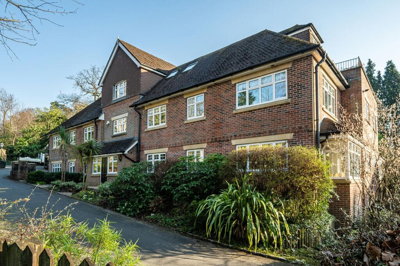
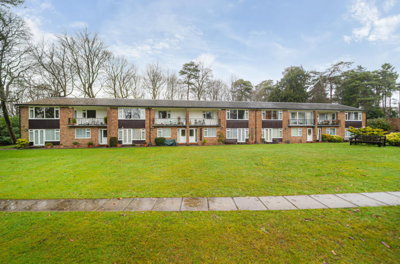
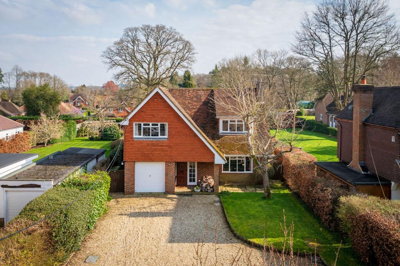
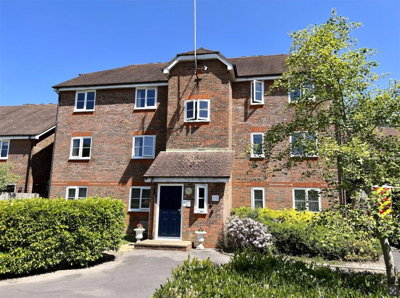
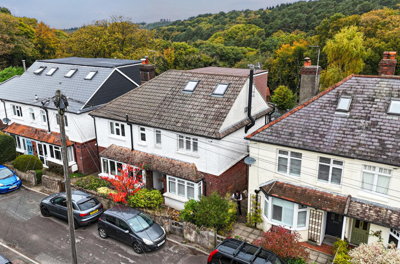
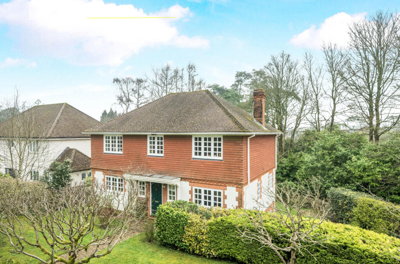
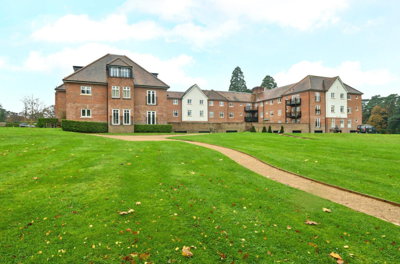
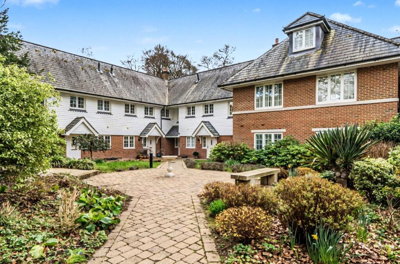
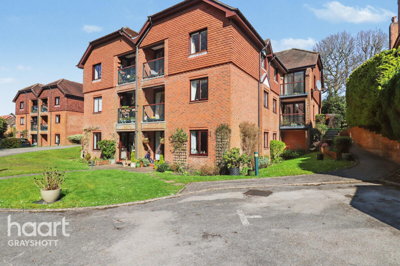
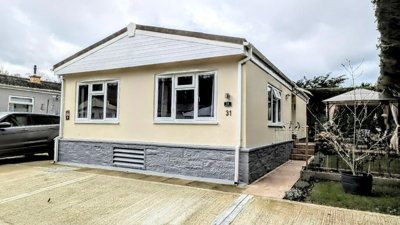
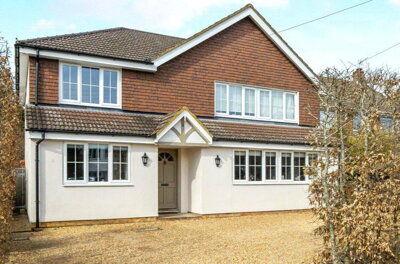
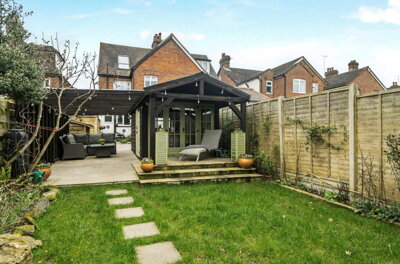
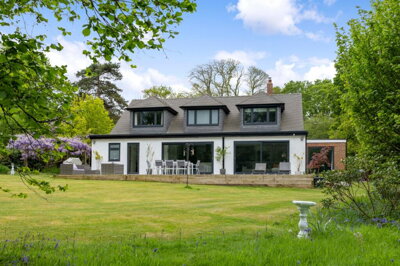
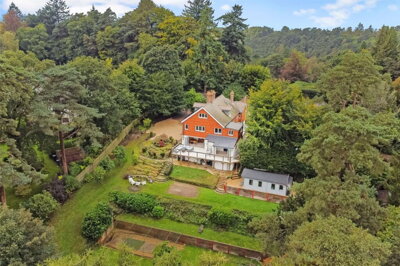
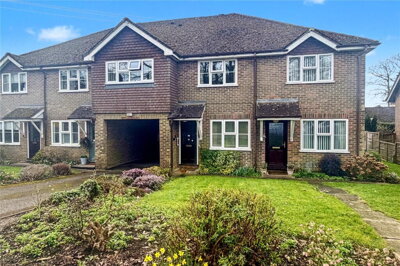
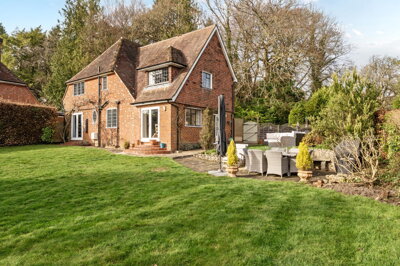
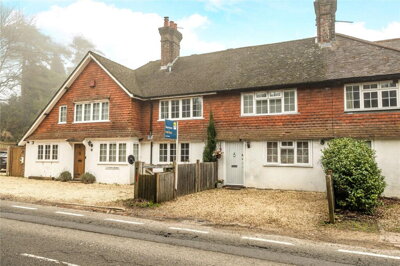
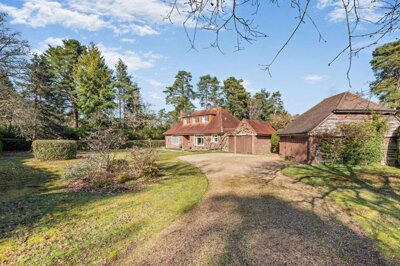
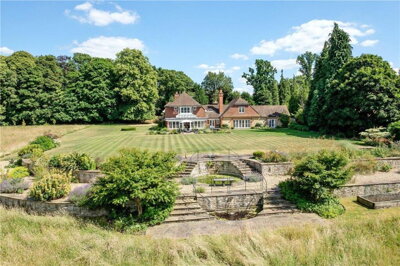
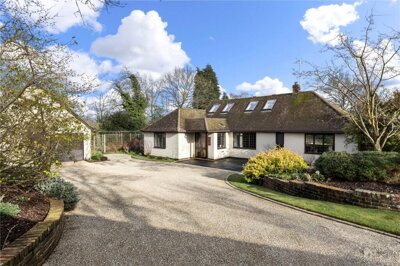
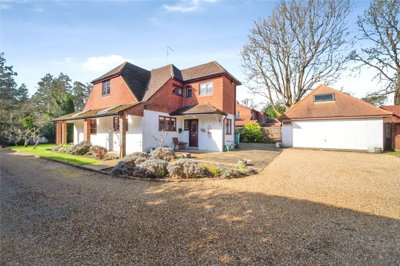
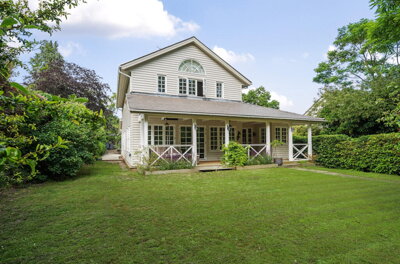
Browse 239 homes for sale in Thursley, Waverley from local estate agents.
£375k
18
1
254
Source: home.co.uk
Source: home.co.uk
Bungalow
7 listings
Avg £342,714
Detached
5 listings
Avg £2.10M
Park Home
5 listings
Avg £349,000
village-house
1 listings
Avg £1.20M
Source: home.co.uk
Source: home.co.uk
The Tormarton property market is dominated by detached family homes, with sales data showing that 100% of properties sold in the area over the past two years have been detached houses priced between £500,000 and £1,000,000. This reflects the village's position as an exclusive rural enclave where buyers seek spacious homes with gardens, often with equestrian potential given the surrounding farmland and agricultural character of the parish. The High Street area has seen more limited activity in recent months, while Marshfield Road properties have commanded prices averaging around £535,000, suggesting that location within the village influences values significantly.
Average house prices in Tormarton currently range from £392,500 to £535,000 depending on the source and specific location, with Rightmove reporting an overall average of £535,000 for properties sold over the last year and Zoopla indicating £392,500 for recent transactions. For the High Street specifically, the average sold price in the last 12 months stands at approximately £494,500, while Marshfield Road properties have achieved around £535,000, demonstrating the premium commanded by properties in this sought-after location. This normalisation from the peak reflects broader national trends in rural property markets, though Tormarton's combination of Conservation Area status, Cotswold stone construction, and proximity to major transport links continues to attract buyers seeking character properties in an accessible yet unspoiled location.
New build activity in the village itself remains minimal, with planning applications primarily relating to extensions, alterations, and equestrian buildings rather than new residential developments. This scarcity of new supply contributes to the sustained demand for existing properties, as buyers seeking to enter this exclusive market must compete for the limited stock of stone-built homes that come to market each year. The specialist nature of the village's housing stock, combined with planning restrictions within the Conservation Area, means that liquidity can be lower than in larger towns, making Tormarton particularly suitable for buyers with a longer-term perspective.

Life in Tormarton revolves around the rhythms of the English countryside, with the village offering a close-knit community spirit that has largely resisted the homogenisation affecting larger settlements. The village is centred around its historic church and village green, with properties defined by the distinctive Cotswold stone construction that characterises the region. Stone walls along roads and property boundaries are a defining feature, crafted from locally quarried limestone and contributing to the timeless aesthetic that has earned this part of South Gloucestershire its protected status. The parish encompasses approximately 144 households according to the 2011 Census, with the population having remained relatively stable at around 320-350 residents over recent decades.
Local amenities in the immediate village are limited to essential services, reflecting Tormarton's status as a small residential settlement rather than a commercial centre. However, the neighbouring villages of Badminton and Marshfield provide access to village shops, pubs, and community facilities, while the nearby towns of Chipping Sodbury and Yate offer comprehensive retail, healthcare, and leisure services within a short drive. The surrounding countryside provides extensive walking opportunities across farmland and bridleways, with the Cotswold Way and other long-distance trails accessible from the village, making Tormarton particularly attractive to outdoor enthusiasts and those seeking an active rural lifestyle.
The village's proximity to the M4 motorway, with Junction 18 at Badminton just a short drive away, places Tormarton within easy reach of major employment centres while maintaining its rural character. Commuters working in Bristol can typically reach the city centre within 30-40 minutes by car, while those travelling to Bath or Swindon benefit from similarly convenient access via the motorway network. The village increasingly attracts professionals who split their working week between office and home, appreciating the quality of life that village living offers while maintaining connectivity to urban employment.

Families considering a move to Tormarton will find a selection of primary schools in the surrounding villages, with the nearest being located in the nearby market towns and larger villages that serve as catchment areas for this rural part of South Gloucestershire. Primary education provision in the surrounding area includes village schools in Badminton, Marshfield, and Hawkesbury Upton, each offering classes from Reception through to Year 6. These smaller rural schools often benefit from strong community ties and individual attention for pupils, though parents should check current admission arrangements and catchment boundaries with South Gloucestershire Council as these can influence placement eligibility.
Secondary education options for Tormarton residents include schools in Yate and Chipping Sodbury, with many pupils travelling to these establishments via school bus services that serve the wider rural area. The Academy at the University of Bath provides an alternative option for secondary-age children, while parents seeking grammar school provision will find options in nearby Stroud and Bristol, though entry to these selective schools requires passing the 11-plus examination and competition for places can be strong. For families prioritising independent education, several private schools are accessible within reasonable driving distance, including institutions in Cheltenham, Bath, and the Bristol area, providing a range of educational philosophies and curricula to suit different preferences and requirements.
The journey times to secondary schools should be factored into any decision about moving to Tormarton, as many pupils travel significant distances each day using dedicated school bus services that operate across the rural network. Parents are advised to investigate specific school catchment areas and any geographic restrictions that may affect their ability to secure places at their preferred establishments, as admission policies can change and popular schools may have waiting lists. Planning for the educational needs of children at all key stages is an important consideration when evaluating property in this rural location, particularly for families with secondary-age children who may face longer commutes than they would in more urban settings.
Tormarton's location near the M4 motorway places it within comfortable reach of major employment centres, with the village situated just a short drive from Junction 18 at Badminton, providing direct access westbound to Bristol and eastbound towards Swindon and Reading. Commuters working in Bristol can typically reach the city centre within 30-40 minutes by car, making Tormarton a viable option for those working in the city who prefer rural living. The village's position at the intersection of several A-roads also provides alternative routes for local journeys, though prospective residents should note that rural road conditions and seasonal traffic on country lanes can extend travel times beyond those achievable on main routes.
Public transport options serving Tormarton are limited, reflecting the rural nature of the settlement, with bus services operating on an infrequent timetable connecting the village to nearby towns and larger villages. Rail travel is accessible via the mainline stations at Bristol Parkway, Bristol Temple Meads, and Bath Spa, all reachable within approximately 30-45 minutes by car, offering direct services to London, Cardiff, Birmingham, and other major destinations. Bristol Parkway provides particularly convenient access to London Paddington, with journey times of around 90 minutes making day commuting to the capital feasible for those working in the capital on an occasional basis.
Many residents of Tormarton rely on private vehicle ownership for daily logistics, and this should be factored into any decision to move to the village. Cycling is popular on quieter country lanes for those with shorter commutes or working from home arrangements, with the village increasingly attracting professionals who split their working week between office and home. The increasing prevalence of hybrid working arrangements has made locations like Tormarton more attractive to buyers who do not need to commute daily but still value the option of occasional travel to an office, making the village an increasingly popular choice for professionals seeking space and character without sacrificing career opportunities.
Start by exploring Tormarton's Conservation Area status, understanding what the designation means for property alterations, and reviewing recent sales data on Marshfield Road and the High Street to gauge current market conditions and realistic price expectations for detached properties in this price range. The village's limited stock means that opportunities are infrequent, so building a thorough understanding of the market before properties become available can give buyers a competitive advantage when the right home comes to market.
Before arranging viewings, obtain a mortgage agreement in principle from a lender to confirm your borrowing capacity. Given the £500,000+ price bracket for most Tormarton properties, ensure your financial documentation supports this level of lending and consider speaking to a whole-of-market broker to compare rates across multiple providers. Properties in this price range often require larger deposits and more detailed affordability assessments, so having your finances organised before you begin property viewings will streamline the purchase process considerably.
Work with local estate agents familiar with the Tormarton and South Gloucestershire market to arrange viewings of available properties. Given the village's small stock, be prepared to act quickly on suitable properties and view multiple times if needed, including at different times of day to assess light, noise, and neighbour activity. The rural setting means that some properties may be affected by agricultural activities, early morning mist, or limited mobile phone coverage, all of which are worth checking during viewings.
Given Tormarton's prevalence of older, stone-built properties with significant heritage features, always commission a thorough RICS Level 2 Survey before proceeding. This will identify any structural concerns, damp issues, or needed repairs common in period properties, with costs typically ranging from £400-1,000 depending on property size and complexity. Heritage properties may incur higher survey costs due to their non-standard construction and the additional expertise required to assess older buildings thoroughly.
Choose a solicitor experienced with rural properties and Conservation Area transactions to handle the legal process. They will manage local authority searches with South Gloucestershire Council, check any planning conditions affecting your purchase, and ensure all documentation relating to listed building status is properly transferred. Properties in Tormarton's Conservation Area may have additional planning conditions or restrictions that require specialist knowledge to navigate effectively.
Once all searches are satisfactory and your mortgage offer is confirmed, your solicitor will arrange the exchange of contracts with a typical completion period of 28 days. On completion day, the funds are transferred and you receive the keys to your new Tormarton home, ready to begin your life in this historic South Gloucestershire village.
Purchasing a property in Tormarton's Conservation Area requires particular attention to planning restrictions that affect what owners can and cannot do to their homes. Any significant external alterations, extensions, or demolition of structures within the Conservation Area require planning permission from South Gloucestershire Council, and the authority will consider the impact on the area's character when assessing applications. Prospective buyers should review any existing planning permissions, listed building consents, and any planning conditions attached to the property before committing to purchase, as compliance issues can prove costly to rectify and may affect future saleability.
The Cotswold stone construction of Tormarton's older properties brings specific maintenance considerations that buyers should factor into their budget calculations. Stone walls and facades require periodic repointing, and the original features such as dressed stone detailing around windows and doors should be inspected for signs of weathering or damage. Common defects in period stone properties include rising damp due to absent or failed damp-proof courses, penetrating damp from defective gutters or roofs, and general wear to stonework that may have accumulated over decades of exposure to the elements. Given the village's age profile and heritage status, properties may have non-standard construction features or be listed, which can affect insurance premiums, mortgageability, and the scope of future renovation works.
Buildings insurance for stone and listed properties typically costs more than standard policies, and some insurers may decline to cover properties with particular characteristics or may require surveys before providing quotes. Prospective buyers should obtain insurance quotations before completing purchase to ensure that ongoing costs fall within their budget expectations. A thorough building survey from a surveyor experienced with period properties is strongly recommended to identify any hidden defects or required maintenance that might not be apparent during a standard mortgage valuation, and this investment can save significant sums by highlighting issues before completion.
Average house prices in Tormarton currently range from £392,500 to £535,000 depending on the source and specific location within the village, with Marshfield Road properties averaging around £535,000 and High Street properties closer to £494,500. Detached properties dominate the market and typically sell for between £500,000 and £1,000,000, reflecting the village's rural character and the quality of Cotswold stone construction found throughout the Conservation Area. Rightmove reports an overall average of £535,000 for properties sold over the last year, while Zoopla indicates £392,500 for recent transactions, with the variation likely reflecting different methodologies and the mix of properties sold.
Properties in Tormarton fall under South Gloucestershire Council's jurisdiction and are assigned council tax bands that vary according to property value and type. Band valuations for properties in this area typically range from Band D to Band H, with larger detached homes and period properties often in higher bands due to their market value. You can check the specific banding for any property through the Valuation Office Agency website using the property address, which will also show the current annual charge for your council tax band.
Tormarton itself has limited school provision due to its small size, with families relying on primary schools in nearby villages such as Badminton, Marshfield, and Hawkesbury Upton, which serve as catchment areas for the surrounding rural communities. Secondary education is available at schools in Yate and Chipping Sodbury, with additional options including grammar schools in Stroud and private schools in Bath and Bristol for those seeking selective or independent education. School transport arrangements and catchment boundaries should be verified with South Gloucestershire Council before committing to a purchase, as admission policies can significantly affect educational placement.
Public transport options in Tormarton are limited, with infrequent bus services connecting the village to neighbouring towns and larger settlements. The nearest mainline railway stations are Bristol Parkway and Bristol Temple Meads, both approximately 30-40 minutes away by car, offering direct services to major cities including London Paddington. Most residents rely on private vehicle ownership for daily commuting and logistics, making this an important consideration for those working in urban centres without flexible working arrangements.
Tormarton's property market benefits from its combination of Conservation Area status, distinctive Cotswold stone properties, and proximity to the M4 corridor connecting Bristol and Swindon, which continues to attract buyers seeking the rural lifestyle without sacrificing commute times. The village's small population and limited new build supply suggest that demand for quality properties will remain steady, though the specialist nature of period properties in a Conservation Area means that liquidity can be lower than in larger towns, making long-term holding more suitable than short-term flipping. Properties along Marshfield Road and the High Street consistently command premium prices due to their location within the Conservation Area and proximity to village amenities.
For properties in Tormarton, standard Stamp Duty Land Tax rates apply at 0% on the first £250,000 of purchase price, 5% on the portion from £250,001 to £925,000, and 10% on the amount up to £1.5 million. First-time buyers may qualify for relief on the first £425,000 of a residential purchase, paying 5% on the portion between £425,001 and £625,000, though this relief is not available for purchases exceeding £625,000. Given the typical property prices in Tormarton, most buyers will pay stamp duty on at least a portion of their purchase, with a £535,000 property incurring SDLT of approximately £14,250 for a standard buyer.
The Conservation Area designation means that exterior alterations, extensions, and even some internal works affecting the character of the property require planning permission from South Gloucestershire Council. Properties may also be listed, adding further restrictions and requiring Listed Building Consent for significant works, with numerous listed buildings throughout Tormarton including 1, 2 and 3 Barracks Cottages, 10 Marshfield Road, and several Arnold Monuments in the churchyard of St Mary Magdalene Church. Buildings insurance for stone and listed properties can be more expensive, and mortgage lenders may have specific requirements, so obtaining a detailed RICS Level 2 Survey from a surveyor experienced with heritage properties is essential to identify any maintenance issues or compliance concerns before purchase.
The majority of properties in Tormarton exceed the £250,000 threshold at which Stamp Duty Land Tax becomes payable, meaning that most buyers should budget for this significant additional cost on top of their purchase price. For a typical detached family home priced at £535,000, a standard buyer would pay nothing on the first £250,000, then 5% on the remaining £285,000, resulting in a SDLT liability of £14,250. First-time buyers purchasing properties valued at £625,000 or less can benefit from relief that raises the nil-rate threshold to £425,000, potentially saving thousands of pounds compared to the standard rates.
Beyond stamp duty, purchasing a property in Tormarton involves several other costs that should be factored into your budget from the outset. Survey fees for a RICS Level 2 Survey typically range from £400 to £1,000 depending on property size, with period properties in Tormarton often at the higher end of this range due to their complexity and heritage features. Solicitors' fees for conveyancing in South Gloucestershire typically start from around £500-1,500 for a standard transaction, plus disbursements for local searches, Land Registry fees, and bank transfer charges.
If you are using a mortgage, you should also budget for arrangement fees, valuation fees, and the cost of buildings insurance to commence on completion day. Insurance costs for stone-built and listed properties can be higher than standard buildings insurance, so obtaining quotations before completion is advisable. The total additional costs of purchasing a property in Tormarton, including SDLT, survey, legal fees, searches, and mortgage costs, can amount to £20,000 or more on higher-value properties, making it essential to budget carefully before committing to purchase.
Properties for Sale In London

Properties for Sale In Plymouth

Properties for Sale In Liverpool

Properties for Sale In Glasgow

Properties for Sale In Sheffield

Properties for Sale In Edinburgh

Properties for Sale In Coventry

Properties for Sale In Bradford

Properties for Sale In Manchester

Properties for Sale In Birmingham

Properties for Sale In Bristol

Properties for Sale In Oxford

Properties for Sale In Leicester

Properties for Sale In Newcastle

Properties for Sale In Leeds

Properties for Sale In Southampton

Properties for Sale In Cardiff

Properties for Sale In Nottingham

Properties for Sale In Norwich

Properties for Sale In Brighton

Properties for Sale In Derby

Properties for Sale In Portsmouth

Properties for Sale In Northampton

Properties for Sale In Milton Keynes

Properties for Sale In Bournemouth

Properties for Sale In Bolton

Properties for Sale In Swansea

Properties for Sale In Swindon

Properties for Sale In Peterborough

Properties for Sale In Wolverhampton

Enter your details to see if this property is within your budget.
Loans, cards, car finance
Estimated property budget
Borrowing + deposit
You could borrow between
Typical borrowing
Monthly repayment
Est. at 4.5%
Loan-to-value
This is an estimate only. Your actual budget may vary depending on interest rates, credit history, and personal circumstances. For an accurate affordability assessment, speak to one of our free mortgage advisors.
This calculator provides estimates for illustrative purposes only and does not constitute financial advice. Your home may be repossessed if you do not keep up repayments on your mortgage. Estimates based on 4.5% interest rate, repayment mortgage. Actual rates depend on your circumstances.
Homemove is a trading name of HM Haus Group Ltd (Company No. 13873779, registered in England & Wales). Homemove Mortgages Ltd (Company No. 15947693) is an Appointed Representative of TMG Direct Limited, trading as TMG Mortgage Network, which is authorised and regulated by the Financial Conduct Authority (FRN 786245). Homemove Mortgages Ltd is entered on the FCA Register as an Appointed Representative (FRN 1022429). You can check registrations at NewRegister or by calling 0800 111 6768.

We use cookies to show you personalised content and improve your experience of our website. Find out more in our Privacy policy and Cookie policy.