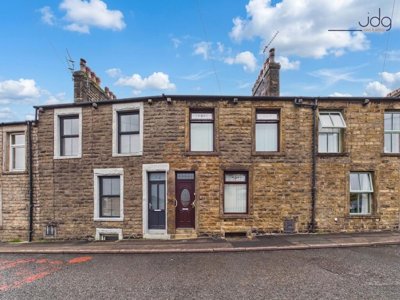
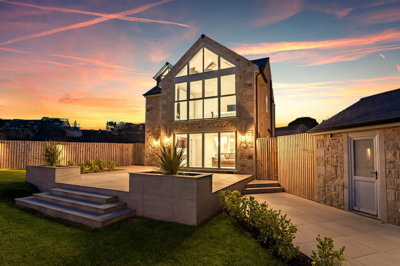
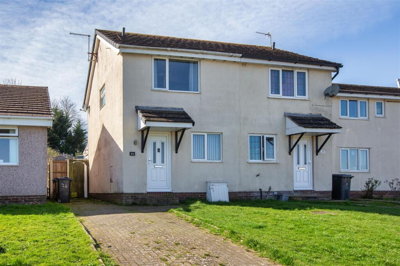
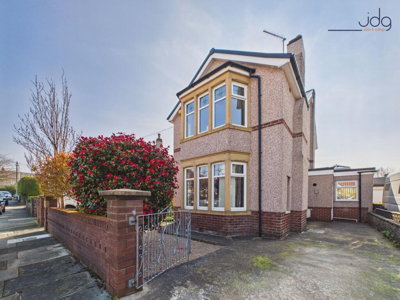
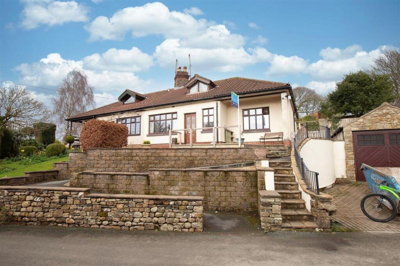
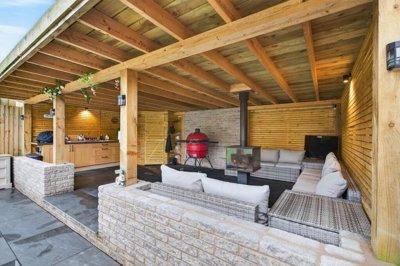
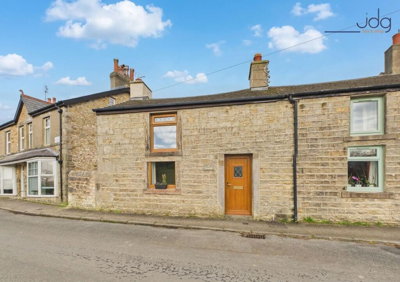
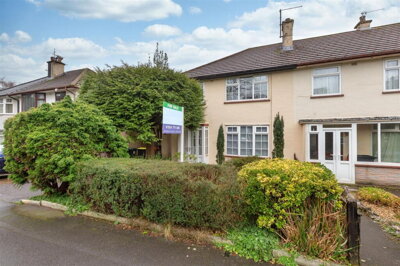
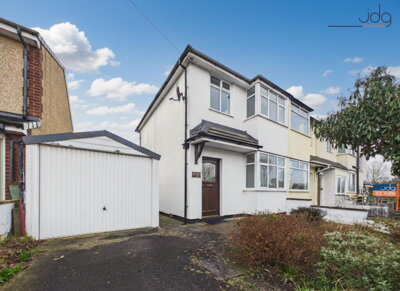
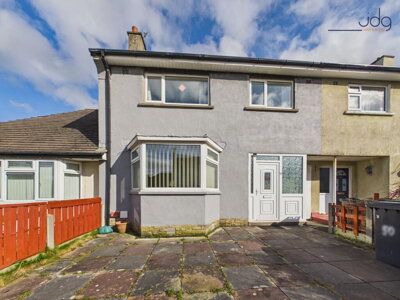
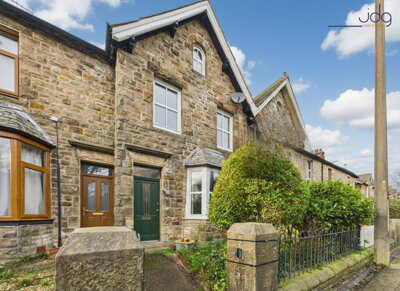
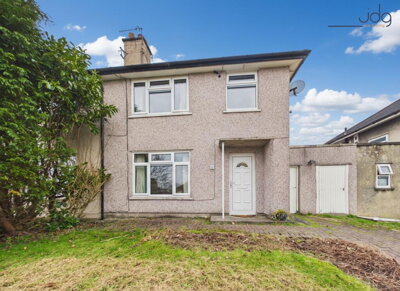
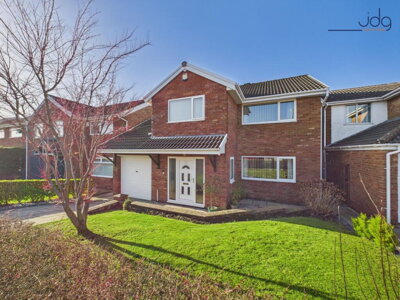
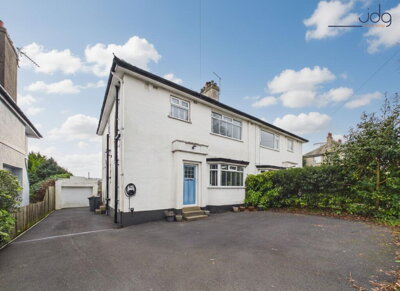
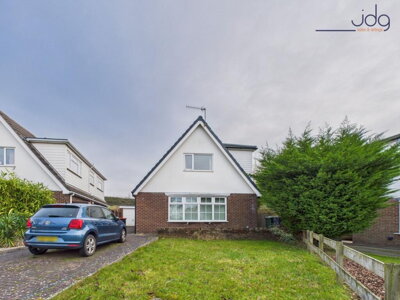
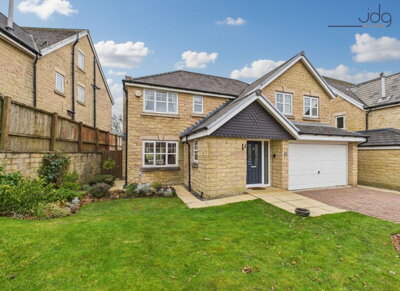
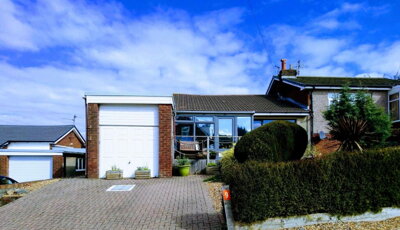
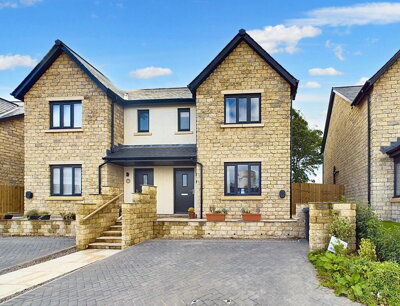
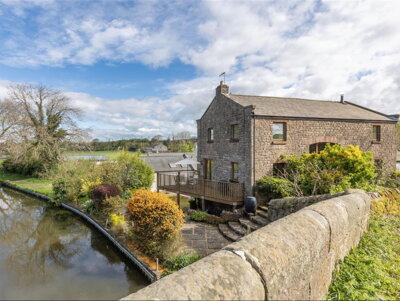
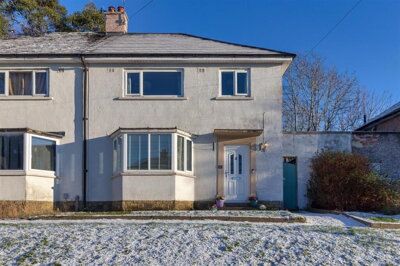
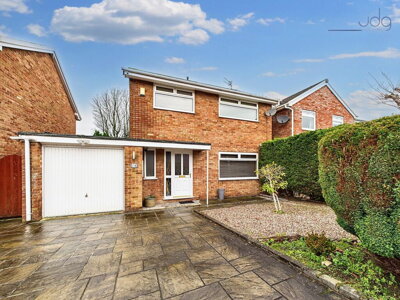
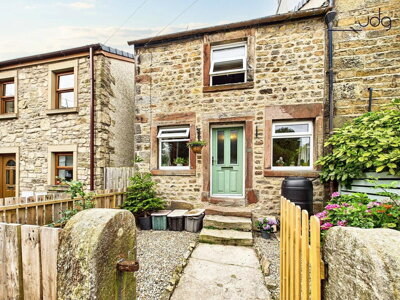
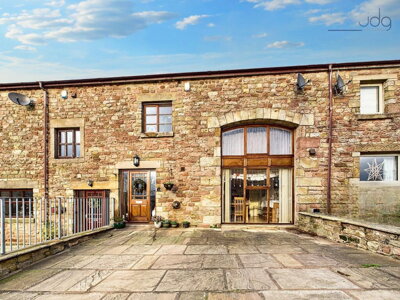
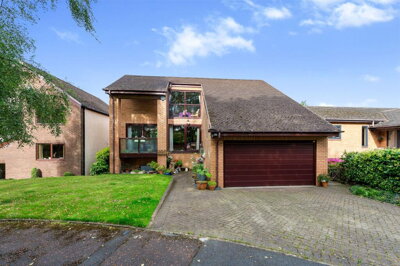
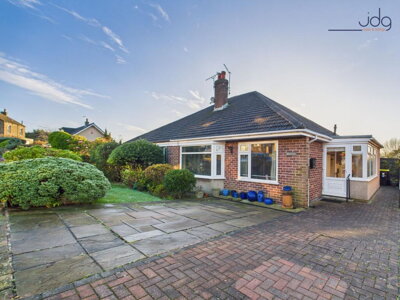
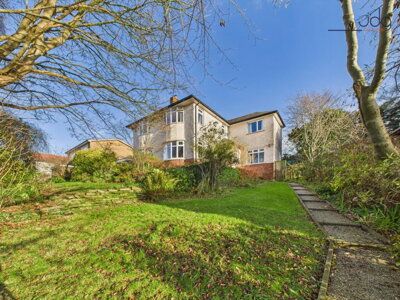
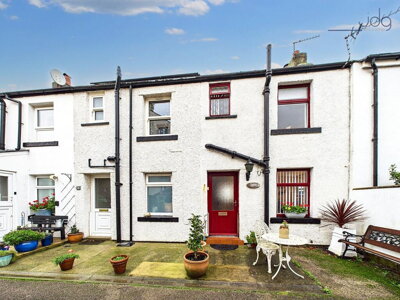
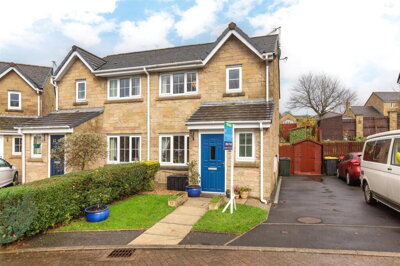
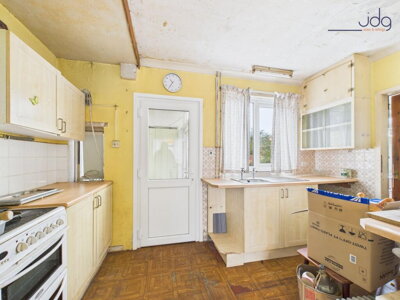
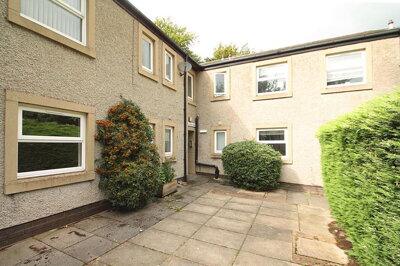
Browse 152 homes for sale in Thurnham from local estate agents.
The Thurnham property market benefits from its unique position within the Lancaster district, offering rural village charm alongside excellent connectivity to surrounding towns and cities. Recent transaction data from the LA2 postcode area reveals a diverse range of property types, with detached homes typically selling between £400,000 and £650,000, semi-detached properties ranging from £245,000 to £350,000, and terraced cottages available from around £187,500. The broader Lancaster postcode area recorded 4,400 property sales in the twelve months to December 2025, demonstrating healthy market activity despite a 13.6% reduction in transaction volumes compared to the previous year.
Price trends across the Lancaster area have shown mixed fortunes across different property types. Semi-detached homes performed strongest with a 5.8% increase, averaging £213,507, while terraced properties rose 3.1% to £167,641. Detached properties softened by approximately 3.4%, falling from £376,417 to £356,755 on average. These variations reflect broader national trends while Thurnham's village setting and larger homes continue to attract buyers seeking space and character. The average asking price for detached properties in the Lancaster area stands at £425,000, with semi-detached homes at £245,000 and terraced properties at £187,500.
Property sales in Thurnham itself include notable transactions that illustrate the local market. A detached property on Moss Lane sold in June 2020 for £285,000, while a semi-detached barn conversion at Abbeystone Barn on Clarksons Farm achieved £480,000 in January 2024. The Covenant, another substantial detached home on Moss Lane, sold for £650,000 in December 2022. These examples demonstrate the range of property values across different types and styles available within the village, from traditional cottages to converted agricultural buildings and modern family homes.

Thurnham is a traditional Lancashire village that has retained its rural character while benefiting from modern connections to Lancaster city. The village sits amidst rolling countryside, offering residents immediate access to scenic walking routes and the natural beauty of the Lune Valley. The community maintains a friendly, village atmosphere with a strong sense of local identity, making it particularly appealing to families and those seeking a quieter lifestyle away from busier urban centres. Local amenities include traditional pubs and farm shops, while the nearby Lancaster city centre provides comprehensive retail, dining, and entertainment facilities just a short drive away.
The area's heritage is evident in its architecture, with properties including notable buildings dating back to the early 19th century. A detached farmhouse on Moss Lane in Thurnham was originally constructed in 1812, reflecting the agricultural heritage that shaped the village. The proximity to Lancaster also means residents have access to the city's cultural attractions, including Lancaster Castle, the Judges' Lodgings, and the vibrant academic atmosphere created by Lancaster University. The nearby Ashton Memorial, a Grade I listed building in Williamson Park, offers one of the finest viewpoints across Morecambe Bay and the Lake District hills beyond.
Williamson Park, which houses the Ashton Memorial, provides extensive parkland and gardens within easy reach of Thurnham, offering families excellent outdoor spaces for recreation throughout the year. The park features children's play areas, woodland walks, and the butterfly house, making it a popular destination for residents of surrounding villages. The Lune Valley itself is renowned for its scenic drives, riverside walks, and cycling routes, with the River Lune providing opportunities for fishing and kayaking. Dog walkers and outdoor enthusiasts particularly appreciate the network of public footpaths that crisscross the farmland surrounding Thurnham, connecting the village to neighbouring communities and the wider Lancashire countryside.

Education provision from Thurnham benefits from the excellent schools available in the nearby Lancaster area, making the village particularly attractive to families. Lancaster and Morecambe College provides further education opportunities, while Lancaster University is situated just outside the city, offering undergraduate and postgraduate programmes across a range of disciplines. The university presence contributes significantly to the local area, bringing cultural events, research facilities, and a vibrant community atmosphere that enriches the broader Lancaster district. Students and staff from the university frequently look for housing in surrounding villages, creating consistent demand for rental properties in areas like Thurnham.
For younger children, several primary schools serve the surrounding villages and Lancaster suburbs, with good reputation for pastoral care and academic achievement. Primary schools in the local area include Lancaster schools that consistently achieve strong results in national assessments, with dedicated teaching staff who know their pupils well. The smaller class sizes often found in village and suburban primary schools can provide valuable individual attention for children in their early educational years.
Secondary education options include grammar schools and comprehensive schools in Lancaster, with some requiring pupils to pass entrance examinations. Parents considering a move to Thurnham should research individual school catchment areas and admission policies, as these can significantly impact schooling options. Grammar schools in the Lancaster area, including the Lancaster Girls Grammar School and Ripieres Grammar School, maintain excellent academic records and attract pupils from across the district. However, admission to these schools is selective, and families should verify whether their property falls within the relevant catchment area before purchasing. The presence of quality education at all levels, combined with the village's peaceful setting, creates an ideal environment for families at every stage of their educational journey.

Thurnham benefits from excellent transport connections that make commuting and exploring the region straightforward. The village sits within easy reach of the M6 motorway, providing direct access to Preston and Manchester to the south, and the Lake District to the north. Lancaster railway station offers regular services to major destinations including Manchester Piccadilly (approximately 75 minutes), Liverpool Lime Street (around 90 minutes), and London Euston (approximately 3 hours via the West Coast Main Line). These rail connections make Thurnham viable for commuters who work in larger cities but prefer village living. The station is located just north of the city centre and is easily accessible from Thurnham via the A6 or local bus services.
Local bus services operate between Thurnham and Lancaster city centre, providing regular transport for daily necessities and leisure trips. Bus routes connecting the village to Lancaster operate throughout the day, with reduced services in the evenings and on Sundays. The nearby Galgate and Lancaster Business Park areas are accessible by bus, providing employment opportunities for residents who prefer not to commute to larger cities. Lancaster itself offers good infrastructure for cyclists and pedestrians, with dedicated routes connecting the city to surrounding villages including Thurnham.
For air travel, Liverpool John Lennon Airport and Manchester Airport are both accessible via the M6, offering international destinations and domestic flights. Manchester Airport is approximately 90 minutes drive from Thurnham and provides the widest range of scheduled services, including long-haul flights. Liverpool John Lennon Airport, accessible in around 75 minutes, offers a good selection of European destinations and some transatlantic services. The nearby Port of Heysham provides ferry connections to Northern Ireland, adding another dimension to regional transport options. This comprehensive connectivity ensures Thurnham residents can enjoy rural living without compromising on access to employment, education, or leisure opportunities across the North West and beyond.

Purchasing a property in rural Thurnham requires careful consideration of the unique characteristics that come with village living and period properties. Many homes in Thurnham were constructed before modern building regulations, meaning they may feature traditional construction methods such as solid walls, traditional lime mortar pointing, and single-glazed windows. These features contribute to the character that makes village properties so desirable, but they also require understanding and appropriate maintenance. A RICS Level 2 Survey provides an independent assessment of the property's condition, identifying any issues that might not be apparent during a standard viewing.
Given the age of many properties in Thurnham, with confirmed examples dating back to 1812, buyers should anticipate potential issues common to period construction. These can include rising damp, which affects properties with solid walls more frequently than modern cavity-wall constructions, and timber decay in structural elements or floorboards. Roof condition is particularly important in older properties, where traditional slate or tile coverings may have reached the end of their useful lifespan. A thorough survey will assess the condition of these critical elements and provide estimates for any necessary repairs or replacements.
Properties in Thurnham may also include agricultural conversions and barn renovations, which bring unique considerations alongside their traditional features. These include the quality of original conversions, the specification of modern insulation and damp-proof courses, and the condition of any extension or renovation work. Our RICS Level 2 Survey examines all accessible areas of the property, providing you with a detailed report that enables you to make an informed decision about your purchase and budget appropriately for any repairs or improvements needed.
Spend time exploring Thurnham village at different times of day, visiting local pubs and shops, and speaking to residents about the community. Consider proximity to schools, transport links, and amenities that matter most to your household. Review property price trends in the LA2 postcode to understand fair market values for different property types. The village has a small number of amenities within walking distance, so understanding the layout and your likely daily travel patterns will help you choose the right location within Thurnham or its surrounding area.
Before arranging viewings, obtain a mortgage agreement in principle from a lender. This demonstrates your financial credibility to sellers and estate agents, strengthening your position when making an offer. In the current market, with the Lancaster area showing some price fluctuations across property types, having your financing arranged early gives you flexibility to act quickly on properties that represent genuine value. Our mortgage comparison tool helps you find competitive rates and specialist lenders who understand the Lancaster property market.
Work with local estate agents active in the Thurnham and Lancaster area to arrange viewings of properties that match your criteria. Take notes on property condition, orientation, noise levels, and neighbour relations. Ask about any recent renovations, planning permissions, or disputes that might affect your decision. When viewing older properties, pay particular attention to the condition of walls, windows, and roofing materials, as these can indicate maintenance requirements and associated costs.
Once your offer is accepted, arrange a RICS Level 2 Survey before proceeding to completion. This is particularly important in Thurnham given the age of many village properties. The survey identifies structural issues, damp, roof condition, and other defects that may not be visible during viewings. Our team of RICS-qualified surveyors understands the construction methods typical of Lancashire period properties and can provide expert assessment of any issues found.
Choose a solicitor to handle the legal transfer of ownership. Your conveyancer will conduct searches, review contracts, and coordinate with the Land Registry and your mortgage lender. For properties in rural areas like Thurnham, additional searches may be required regarding local planning and environmental factors. Drainage searches are particularly important for properties with private sewage systems or those adjacent to watercourses in the Lune Valley.
Once all searches are satisfactory and financing is confirmed, you will exchange contracts and pay your deposit. Completion typically follows within weeks, after which you will receive the keys to your new Thurnham home. Register your ownership with the Land Registry and notify utility providers of your move. At this stage, you should also notify Lancaster City Council of your change of address and arrange for council tax banding to be transferred to your name.
Purchasing a property in a rural village like Thurnham requires careful consideration of factors specific to the area's character and construction. Many village properties are period homes constructed before modern building regulations, which means older properties may have original features such as single-glazed windows, solid walls, or dated electrical systems. A thorough RICS Level 2 Survey is essential to identify any structural concerns, rising damp, or roof issues that are common in older buildings. Given that at least one confirmed property in Thurnham dates from 1812, buyers should expect similar construction techniques and potential maintenance requirements across the older housing stock.
Flood risk should be investigated when purchasing any property near Morecambe Bay, as coastal and river flooding can affect areas in proximity to watercourses and low-lying land. Your conveyancing solicitor should conduct appropriate environmental searches to identify any flood plain designations or historical flooding incidents. While Thurnham itself sits above the main flood plain of the River Lune, some surrounding farmland and lower-lying areas may have flood risk designations that affect insurance premiums and future saleability. Rural properties may also have private drainage systems (septic tanks or cesspits) rather than connection to mains sewage, requiring regular maintenance and compliance with current regulations.
Planning restrictions in rural villages can limit modifications to properties or changes of use, so any plans for extension or renovation should be discussed with Lancaster City Council planning department before committing to a purchase. Properties within or adjacent to conservation areas may have additional planning controls on external alterations, including restrictions on window replacements, roof materials, and boundary treatments. The age and character of properties in Thurnham means that many may have features of architectural or historical interest that are protected, and any works affecting these features would require consent from the local planning authority.
While specific average price data for Thurnham village itself is limited, the broader LA2 postcode area and Lancaster district provide reliable indicators. Recent sales in Thurnham have ranged from approximately £285,000 for older terraced cottages to £650,000 for substantial detached properties. The Lancaster postcode area recorded an average price paid of £229,000 as of early 2026, though properties in Thurnham's desirable village location typically command premiums above this figure. Detached properties in the Lancaster area average around £356,755, semi-detached homes £213,507, and terraced properties £167,641. Individual property sales within Thurnham include a semi-detached barn conversion at Abbeystone Barn that sold for £480,000 in January 2024, demonstrating the premium achievable for character properties with quality conversions.
Properties in Thurnham fall under Lancaster City Council administration for council tax purposes. Banding depends on the assessed value of individual properties at the time of the 1991 valuation, with most traditional village cottages likely to fall into bands A through D, and larger detached homes potentially in bands E or F. Prospective buyers should check specific bandings on the Valuation Office Agency website, as council tax contributions form part of ongoing ownership costs alongside mortgage payments, utilities, and maintenance. Lancaster City Council sets annual charges based on the band assigned, and these charges are reviewed annually, so budgeting should account for potential increases in council tax over the period of ownership.
The Lancaster area offers strong educational provision at all levels. Primary schools in the surrounding area have good reputations for academic achievement and pastoral care, with many achieving above-average results in Key Stage 2 assessments. Secondary education includes both grammar schools and comprehensive schools within Lancaster city, with some selective entry requiring entrance examinations. Families should verify individual school catchment areas and admission criteria, as these directly affect educational options available to village residents. The grammar schools in Lancaster, including Lancaster Girls Grammar School, consistently achieve strong GCSE and A-level results, making them popular choices for families in the surrounding area. Parents are advised to check current Ofsted reports and admission policies, as these can change and may affect your child's eligibility for places at preferred schools.
Thurnham benefits from excellent connectivity despite its rural village setting. Lancaster railway station provides regular services to Manchester, Liverpool, and London Euston on the West Coast Main Line, with the fastest services to London taking approximately 3 hours. Local bus services connect Thurnham with Lancaster city centre, providing access to shopping, healthcare, and other urban amenities without requiring a car. While bus services may be less frequent than in urban areas, they provide a viable option for daily commuting and leisure trips, particularly for those working in Lancaster city. The M6 motorway junction 34 is easily accessible from Thurnham, providing direct road connections to Preston, Manchester, and the Lake District. This combination makes Thurnham viable for commuters while preserving its village character and countryside setting.
Thurnham and the surrounding Lancaster area offer several investment considerations worth evaluating carefully. The presence of Lancaster University creates consistent demand for rental properties from students and staff, while the area's natural beauty and cultural attractions appeal to long-term residents. Property prices in the Lancaster postcode area have shown resilience, with semi-detached and terraced properties recording modest growth despite broader market fluctuations. Rural village properties with character features tend to hold their value well, though buyers should note the 13.6% reduction in transaction volumes in the broader Lancaster area over the past year when calculating potential returns. The new build market in the Lancaster postcode area saw 63 sales in the twelve months to December 2025, with an average price of £378,000, representing a 12% increase. This suggests continued demand for quality properties in the area, though investors should carefully assess rental yields against property values when making purchase decisions.
Stamp Duty Land Tax (SDLT) rates for residential properties purchased in England apply to Thurnham purchases. Standard rates start at 0% on the first £250,000 of property value, rising to 5% on amounts between £250,001 and £925,000. For properties above £925,000, rates increase to 10% up to £1.5 million and 12% on amounts exceeding this threshold. First-time buyers benefit from relief on the first £425,000 (0% rate), with 5% applying between £425,001 and £625,000. Given current average prices in the Thurnham area, many purchasers will fall into the lower SDLT bands, though premium village properties may incur higher rates. For example, a first-time buyer purchasing a typical semi-detached property at £245,000 would pay no stamp duty under current thresholds, making Thurnham an accessible option for those entering the property market.
New build activity within Thurnham village itself has been limited, with most recent transactions involving period properties and conversions rather than newly constructed homes. For the broader Lancaster postcode area, 63 newly built properties sold in the twelve months to December 2025, representing 1.4% of total sales. These new build properties achieved an average price of £378,000, a 12% increase over the previous year, with most sales in the £500,000 to £750,000 range. Buyers seeking new build properties in the Thurnham area may need to consider surrounding villages or the Lancaster outskirts, where development sites periodically come forward. New build homes typically come with a 10-year structural warranty and may benefit from energy-efficient specifications that reduce ongoing utility costs.
From £350
A detailed survey identifying defects in properties of any type, ideal for older homes in Thurnham
From £450
A comprehensive building survey for larger or older properties with complex construction
From £80
Energy Performance Certificate required for property sales
From 4.5% APR
Compare mortgage deals for your Thurnham property purchase
From £499
Solicitor services for property transactions
Understanding the full costs of purchasing property in Thurnham helps buyers budget accurately and avoid surprises during the transaction process. Beyond the property purchase price, buyers must account for Stamp Duty Land Tax (SDLT), which varies according to purchase price and buyer status. For a typical semi-detached property in the Thurnham area priced around £245,000, a standard buyer would pay no SDLT on the first £250,000, resulting in zero stamp duty. First-time buyers purchasing properties up to £425,000 can benefit from relief on the entire purchase price under current thresholds. This makes Thurnham an attractive option for first-time buyers, as many village properties fall within the zero-rate band.
Additional purchasing costs include solicitor fees for conveyancing, typically ranging from £500 to £1,500 depending on complexity and property value. Search fees conducted by your solicitor usually total between £250 and £400, covering local authority, environmental, and drainage searches relevant to rural properties. For Thurnham properties with private drainage systems, additional drainage searches may be required, adding to the overall search costs. Survey costs for a RICS Level 2 Homebuyer Report start from around £350, with higher fees for larger or more complex properties. Mortgage arrangement fees vary by lender, commonly ranging from £500 to £2,000, though many deals offer fee-free mortgages. Land Registry fees for registering your ownership and mortgage total approximately £150 to £300.
Buyers should budget for removal costs, potential redecoration or renovation works, and connection charges for utilities at the new property. Properties purchased in Thurnham may require additional investment in maintenance or updates, particularly for period properties where electrical systems, plumbing, or heating may require upgrading to current standards. Setting aside a contingency fund equivalent to 10-15% of the purchase price is advisable to cover unexpected works identified during the survey or required after moving in. Factor in ongoing costs including council tax (typically bands A through F depending on property value), building and contents insurance, and regular maintenance of gardens and external areas that are common with village properties.

Properties for Sale In London

Properties for Sale In Plymouth

Properties for Sale In Liverpool

Properties for Sale In Glasgow

Properties for Sale In Sheffield

Properties for Sale In Edinburgh

Properties for Sale In Coventry

Properties for Sale In Bradford

Properties for Sale In Manchester

Properties for Sale In Birmingham

Properties for Sale In Bristol

Properties for Sale In Oxford

Properties for Sale In Leicester

Properties for Sale In Newcastle

Properties for Sale In Leeds

Properties for Sale In Southampton

Properties for Sale In Cardiff

Properties for Sale In Nottingham

Properties for Sale In Norwich

Properties for Sale In Brighton

Properties for Sale In Derby

Properties for Sale In Portsmouth

Properties for Sale In Northampton

Properties for Sale In Milton Keynes

Properties for Sale In Bournemouth

Properties for Sale In Bolton

Properties for Sale In Swansea

Properties for Sale In Swindon

Properties for Sale In Peterborough

Properties for Sale In Wolverhampton

Enter your details to see if this property is within your budget.
Loans, cards, car finance
Estimated property budget
Borrowing + deposit
You could borrow between
Typical borrowing
Monthly repayment
Est. at 4.5%
Loan-to-value
This is an estimate only. Your actual budget may vary depending on interest rates, credit history, and personal circumstances. For an accurate affordability assessment, speak to one of our free mortgage advisors.
This calculator provides estimates for illustrative purposes only and does not constitute financial advice. Your home may be repossessed if you do not keep up repayments on your mortgage. Estimates based on 4.5% interest rate, repayment mortgage. Actual rates depend on your circumstances.
Homemove is a trading name of HM Haus Group Ltd (Company No. 13873779, registered in England & Wales). Homemove Mortgages Ltd (Company No. 15947693) is an Appointed Representative of TMG Direct Limited, trading as TMG Mortgage Network, which is authorised and regulated by the Financial Conduct Authority (FRN 786245). Homemove Mortgages Ltd is entered on the FCA Register as an Appointed Representative (FRN 1022429). You can check registrations at NewRegister or by calling 0800 111 6768.

We use cookies to show you personalised content and improve your experience of our website. Find out more in our Privacy policy and Cookie policy.