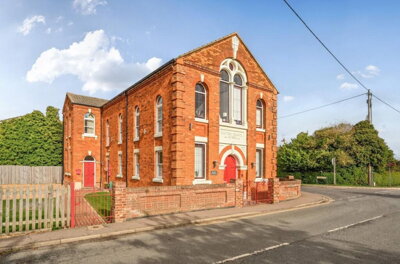
Browse 1 home for sale in Thurleigh, Bedford from local estate agents.
Studio apartments feature open-plan living spaces without separate bedrooms, incorporating sleeping, living, kitchen, and bathroom facilities. The Thurleigh studio market includes properties in modern apartment complexes, converted Victorian and Georgian buildings, and purpose-built developments.
£0k
0
0
0
Source: home.co.uk
Showing 0 results for Studio Flats for sale in Thurleigh, Bedford.
The Thurleigh property market reflects its status as a desirable Bedfordshire village, with detached properties commanding an average price of £567,500. These homes typically offer generous gardens, off-street parking, and the spacious layouts that growing families seek. Semi-detached properties provide a more accessible entry point at around £385,000, making them popular among first-time buyers and those downsizing from larger properties in nearby towns.
The village has experienced modest but consistent price growth of 1.6% over the past twelve months, indicating a healthy market without the volatility seen in some urban areas. Our data shows approximately 10 property transactions in Thurleigh over the past year, a reasonable volume for a village of this size that suggests sustained demand. The housing stock here includes historic properties dating from before 1919 concentrated around the village core, alongside post-war and more recent developments that have expanded the village over the decades.
New build activity in the MK44 postcode area has not produced any verified developments specifically within Thurleigh itself. This means buyers seeking modern specifications may need to consider properties in nearby villages or towns, or look for recently renovated older properties that combine period charm with contemporary fittings. The relative scarcity of new-build stock can actually work in favour of buyers seeking character properties, as the village has maintained much of its historic architecture and street pattern.
Given the village's mix of property ages and types, prospective buyers should arrange a thorough survey before committing. Properties over 50 years old make up a significant portion of the housing stock, and the underlying clay geology means that subsidence assessments are particularly important. Our network of RICS qualified surveyors can arrange a Level 2 Survey from £400, tailored to the specific construction types found in Thurleigh properties.

Life in Thurleigh centres on community spirit and the pace of rural Bedfordshire living. The village falls within the Thurleigh parish and maintains a population of 693 residents according to the 2021 Census, creating an intimate neighbourhood where neighbours often know each other by name. The village has a primary school, a village hall hosting regular events, and a local pub that serves as a social hub for the community. This tight-knit atmosphere appeals particularly to families with young children and those seeking an escape from the busier urban environment.
The local economy around Thurleigh draws from several sources. Agriculture remains part of the local landscape, while Bedford Aerodrome, located on the site of the former RAF Thurleigh airfield, provides commercial activity including vehicle testing and storage facilities that offer local employment. Many residents commute to Bedford, Milton Keynes, or Cambridge for work, benefiting from the village's position between these major centres. The balance of rural tranquility and urban accessibility makes Thurleigh an increasingly popular choice for professionals who work in the knowledge economy but prefer village living.
The surrounding Bedfordshire countryside offers excellent walking routes, with footpaths crossing farmland and woodland that showcase the county's rolling landscape. The geology of the area, characterised by Boulder Clay overlying Jurassic bedrock including Oxford Clay, contributes to the fertile agricultural land and gently undulating terrain. Properties in the village benefit from views across open countryside, while the presence of several listed buildings, including St Peter's Church, ensures that development respects the historic character of the area.

For families considering a move to Thurleigh, education provision is a key consideration. The village is served by Thurleigh Primary School, which provides education for children up to Key Stage 2. For secondary education, pupils typically travel to schools in nearby towns, with several options within reasonable commuting distance by bus or car. Parents are advised to research current catchment areas and admission arrangements, as these can change and vary depending on individual circumstances.
Bedford itself offers a strong selection of secondary schools including grammar schools, which attract students from across the wider area. The town also provides further education opportunities at Bedford College, offering vocational and A-level courses for students continuing their education. Families moving to Thurleigh from urban areas may find the educational landscape differs from what they are accustomed to, requiring careful planning of school runs and transport arrangements during the secondary school years.
Early years provision in the village includes childcare facilities and pre-school groups that work alongside the primary school. Parents are encouraged to visit schools directly and speak with local authorities about current admission policies, as catchment areas for oversubscribed schools can be competitive. The village atmosphere means children often walk or cycle to school, something that appeals to families seeking a more independent lifestyle for their children compared to urban environments.
Transport connectivity from Thurleigh centres on road networks, with the village positioned between Bedford to the north and Milton Keynes to the west. The A6 runs through nearby towns providing access to Bedford town centre with its railway station, supermarkets, and shopping facilities. For those travelling to Milton Keynes, the journey takes approximately 30-40 minutes by car, opening up access to the city's shopping centre, theatre, and direct rail connections to London Euston.
Bedford railway station offers services to London St Pancras International with journey times of around 40 minutes, making the town practical for commuters who work in the capital but prefer village living. Cambridge can also be reached by train via Cambridge North or Cambridge station, typically within an hour. For air travel, Luton Airport is accessible within approximately 45 minutes by car, providing a wide range of domestic and European destinations.
Bus services connect Thurleigh with nearby villages and towns, though frequencies may be limited compared to urban routes. Residents without cars should factor transport arrangements into their decision-making, particularly for school runs, supermarket shopping, and evening or weekend activities. Cycling is popular in the area, with country lanes offering scenic routes for confident cyclists, though the lack of dedicated cycle lanes on busier roads means cycling is primarily for recreation rather than daily commuting.
Before viewing properties, spend time exploring Thurleigh at different times of day and on different days of the week. Visit the village centre, check local amenities, and drive the commute routes you would use regularly. Get a mortgage agreement in principle from a lender so you know exactly what you can afford.
Use Homemove to browse all available properties in Thurleigh and set up instant alerts for new listings. Consider property types that match your needs and budget, noting that detached homes average £567,500 while semi-detached properties are typically around £385,000 in the village.
View multiple properties to compare conditions, locations, and value. Pay attention to the age of the property, any signs of damp or structural movement, and the general condition of neighbouring properties. Ask about the seller's reason for moving and how long the property has been on the market.
Commission a RICS Level 2 Survey before exchange of contracts, particularly for properties over 50 years old which make up a significant proportion of Thurleigh's housing stock. Given the clay geology in the area, a thorough inspection for subsidence or heave risk is essential. Listed buildings may require a more detailed Level 3 Building Survey.
Choose a conveyancing solicitor with experience in Bedfordshire property transactions. They will handle local authority searches, review the property's title, and coordinate with your mortgage lender. Budget for legal fees from around £499 plus additional disbursements for searches and registration.
Once all searches are satisfactory and your mortgage offer is confirmed, you will exchange contracts and pay a deposit, typically 10% of the purchase price. Completion usually follows within 2-4 weeks, after which you will receive the keys to your new Thurleigh home.
Properties in Thurleigh present some specific considerations that buyers should investigate carefully. The underlying clay geology across Bedfordshire creates a shrink-swell risk that can affect property foundations, particularly for older homes with shallow foundations or those located near mature trees. During your survey, pay close attention to any signs of cracking, sticking doors or windows, and uneven floors that might indicate past or present movement. Trees and large shrubs close to the property can exacerbate moisture-related ground movement during dry spells.
The village contains several listed buildings and may have conservation area designations that impose restrictions on alterations, extensions, and even external paint colours. If you are considering any changes to a period property, you will need to obtain Listed Building Consent or planning permission from Bedford Borough Council. These requirements can limit renovation options but also protect the character and value of historic properties. Always check with the local planning authority about any designations before making an offer.
Flood risk in Thurleigh is not significant from rivers, though surface water flooding during heavy rainfall can occur in some locations. Review Environment Agency mapping and ask your solicitor to include appropriate drainage searches in their enquiries. Properties near streams or low-lying ground warrant particular attention. For flats or leasehold houses, review the terms of the lease, annual service charges, and any planned major works that might result in special contributions.
Understanding the construction methods common in Thurleigh helps buyers appreciate what to look for during inspections. The local housing stock includes a variety of property ages and building styles that reflect the village's long history. Properties in the village centre near St Peter's Church tend to be older, often Victorian or Edwardian brick-built terraces and semi-detached homes from the late 19th and early 20th centuries. These period properties typically feature solid walls, traditional brick construction, and original features such as fireplaces, cornicing, and timber floorboards.
Post-war properties from the 1940s through the 1970s are scattered throughout the village, representing the mid-century expansion of rural settlements. These homes often have cavity walls, though some may have inadequate insulation by modern standards. More recent developments have introduced contemporary detached properties on the village outskirts, typically featuring modern construction techniques, double glazing, and improved thermal efficiency. The mix of construction ages means buyers should be prepared for varying standards of building quality and potential maintenance requirements.
Common building materials in Thurleigh include local red brick for older properties, with some historic buildings incorporating timber framing or rendered finishes. Roofs are predominantly pitched with interlocking tiles or slate, though some older properties may have clay tiles. Newer properties generally feature uPVC windows and doors, while period homes may retain original timber frames that could require updating. The variety of construction types means that a thorough survey is essential regardless of the property age, as each style brings its own characteristic defects.
The mix of property ages in Thurleigh means buyers may encounter several common defect types during the survey process. Damp is prevalent in older properties, particularly those with solid walls and outdated damp-proof courses. Rising damp affects ground-floor rooms, while penetrating damp can occur where pointing has deteriorated or where render has cracked. Condensation issues are common in poorly ventilated period properties, especially in kitchens and bathrooms where moisture generation is highest.
Roof defects frequently appear in properties over 30 years old, where tiles or slates may have slipped, felt may have degraded, or timber rafters may show signs of rot or woodworm infestation. Given the clay geology in the area, subsidence and heave represent particular concerns that warrant careful investigation. Diagonal cracks extending from door and window corners, sticking frames, and uneven floors can all indicate movement related to clay soil shrink-swell behaviour. Properties with large trees nearby are especially vulnerable, as tree roots can extract moisture from clay soils during dry periods, causing the ground to contract.
Electrical systems in properties over 30 years old often require updating to meet current standards, as older wiring may not cope with modern electrical demands. Similarly, plumbing systems featuring galvanized steel or lead pipes are likely to need replacement due to corrosion and restricted flow. Drainage issues including blocked or damaged drains are commonly identified during surveys, particularly in older properties with clay tile or cast iron drainage systems. A RICS Level 2 Survey from £400 can identify these defects before you commit to a purchase.
A property survey is one of the most important steps in the home-buying process, and this is particularly true in Thurleigh where the housing stock spans multiple eras and construction types. The RICS Level 2 Survey is the most commonly commissioned survey for conventional properties, providing a thorough inspection that identifies defects including damp, structural movement, roof condition, and electrical or plumbing issues. For a property in Thurleigh, this survey can reveal problems that are not visible during a standard viewing, potentially saving you thousands in unexpected repair costs.
Given the prevalence of clay soils in Bedfordshire, a subsidence assessment should be included as part of any survey in Thurleigh. The shrink-swell behaviour of clay can cause foundations to move, leading to cracking and structural damage that may not be immediately apparent. Our surveyors are experienced in identifying the signs of past or present subsidence, including crack patterns, subsidence monitoring, and evidence of previous repairs. For properties with shallow foundations or those near mature trees, this assessment is especially important.
If you are considering a listed building or a property within a conservation area, a standard RICS Level 2 Survey may not provide sufficient detail. In these cases, a Level 3 Building Survey is recommended, as it provides a more comprehensive inspection and includes assessment of the property's condition, construction, and maintenance requirements. Listed buildings often have non-standard construction methods and require specialist knowledge of traditional building techniques. Our team can advise on the most appropriate survey level based on the property type and condition.
The average house price in Thurleigh is £487,250 as of February 2026 according to Rightmove data. Detached properties average £567,500 while semi-detached homes are typically around £385,000. House prices have increased by 1.6% over the past twelve months, indicating steady rather than dramatic growth in this Bedfordshire village market. This stable price growth reflects the village's desirability among buyers seeking rural character with good commuter connections to Bedford and Milton Keynes.
Properties in Thurleigh fall under Bedford Borough Council administration. Most detached family homes in the village will likely fall into council tax bands D through F, while smaller semi-detached properties may be in bands C or D. You can check the specific band for any property through the Valuation Office Agency website or request this information during your conveyancing searches. Council tax bands affect monthly running costs, so factoring these into your budget alongside mortgage payments and other expenses is important when calculating the true cost of homeownership in Thurleigh.
Thurleigh has a primary school serving the village itself, with several secondary schools available in Bedford including grammar schools for academically selective pupils. Bedford College provides further education opportunities. Parents should verify current catchment areas and admission policies directly with Bedford Borough Council, as these can change and oversubscription is common at popular schools. The village location means secondary school pupils will typically need transport arrangements, either by car or using school bus services where available.
Bus services connect Thurleigh with nearby villages and towns, though frequencies are limited compared to urban routes. The nearest railway station is Bedford, offering 40-minute services to London St Pancras. Milton Keynes is approximately 30-40 minutes by car. Most residents rely on cars for daily commuting, shopping, and school runs, so owning a vehicle is practically essential for most households. For those working from home or with flexible schedules, the limited public transport may not be a significant constraint.
Thurleigh offers stable property values with modest growth of 1.6% over the past year. The village's proximity to Bedford and Milton Keynes, combined with its rural character and listed heritage, attracts buyers seeking village living with commuting access. While the market is smaller than urban areas with only around 10 annual sales, the stable demand and limited new supply suggest capital growth potential for long-term holders. Rental demand exists from commuters and local workers, though the village is primarily owner-occupied and rental properties are relatively scarce.
Standard SDLT rates apply: 0% on the first £250,000, 5% on £250,001 to £925,000, 10% on £925,001 to £1.5 million, and 12% above £1.5 million. First-time buyers pay 0% on the first £425,000 and 5% on £425,001 to £625,000, with no relief above that threshold. Most properties in Thurleigh fall in the £385,000 to £567,500 range, placing them in bands where SDLT costs would be modest for qualifying first-time buyers. A first-time buyer purchasing a £385,000 semi-detached property would pay no SDLT at all.
Older properties in Thurleigh, particularly those predating 1919 in the village core, may have issues common to period homes including damp, outdated electrics and plumbing, timber defects, and roof deterioration. The clay geology creates potential subsidence or heave risk that buyers should investigate thoroughly. Listed buildings require specialist surveys and impose restrictions on alterations. A RICS Level 2 Survey is strongly recommended for all properties over 50 years old, with Level 3 surveys advised for listed buildings. The survey cost of £400 to £900 represents a worthwhile investment given the potential repair costs for undisclosed defects.
Survey costs in Thurleigh are typically quoted based on property value and size rather than a fixed postcode rate. RICS Level 2 Surveys typically range from £400 to £900 depending on the property characteristics. Larger detached properties cost more to survey than flats or terraced houses due to the increased inspection time and complexity. For a typical semi-detached property at £385,000, you would expect to pay around £400-500, while a larger detached home at £567,500 might cost £600-800. Request a quote specific to your property to ensure accurate budgeting.
Even new build properties in Thurleigh can benefit from a survey, despite being built to modern standards. While structural defects are less likely in recently constructed homes, a Level 2 Survey can identify issues with finishes, fittings, and snagging items that developers may have overlooked. For properties under 10 years old, a basic mortgage valuation may be included with your home loan, but this does not provide the detailed inspection of a RICS Survey. If buying a new build, consider arranging a snagging survey in the first year to document any defects before the builder's warranty period expires.
When purchasing a property in Thurleigh, you will need to budget for several costs beyond the purchase price itself. Stamp Duty Land Tax (SDLT) is calculated on a tiered system: you pay nothing on the first £250,000 of the purchase price, then 5% on the amount between £250,001 and £925,000. For a typical detached home at the village average of £567,500, this would result in SDLT of £15,875 on the portion above the threshold. Semi-detached properties at around £385,000 would attract SDLT of £6,750.
First-time buyers benefit from increased thresholds, paying 0% on the first £425,000 and 5% on the next £200,000. This means a first-time buyer purchasing a £385,000 semi-detached property would pay no SDLT at all, while a first-time buyer of a £487,250 average property would pay 5% on £62,250, equating to £3,112.50. These reliefs are only available to purchasers who have not previously owned property anywhere in the world.
Additional buying costs include mortgage arrangement fees typically ranging from £500 to £2,000, surveyor fees from around £400 for a RICS Level 2 Survey, and conveyancing costs from £499 plus disbursements. Search fees from Bedford Borough Council vary but are typically £200-300, while Land Registry fees for registering your ownership are based on the property price. You should also budget for moving costs, potential repairs or renovations, and a buffer for items that arise during the survey process. Total additional costs are typically budgeted at 3-5% of the purchase price.
Properties for Sale In London

Properties for Sale In Plymouth

Properties for Sale In Liverpool

Properties for Sale In Glasgow

Properties for Sale In Sheffield

Properties for Sale In Edinburgh

Properties for Sale In Coventry

Properties for Sale In Bradford

Properties for Sale In Manchester

Properties for Sale In Birmingham

Properties for Sale In Bristol

Properties for Sale In Oxford

Properties for Sale In Leicester

Properties for Sale In Newcastle

Properties for Sale In Leeds

Properties for Sale In Southampton

Properties for Sale In Cardiff

Properties for Sale In Nottingham

Properties for Sale In Norwich

Properties for Sale In Brighton

Properties for Sale In Derby

Properties for Sale In Portsmouth

Properties for Sale In Northampton

Properties for Sale In Milton Keynes

Properties for Sale In Bournemouth

Properties for Sale In Bolton

Properties for Sale In Swansea

Properties for Sale In Swindon

Properties for Sale In Peterborough

Properties for Sale In Wolverhampton

Enter your details to see if this property is within your budget.
Loans, cards, car finance
Estimated property budget
Borrowing + deposit
You could borrow between
Typical borrowing
Monthly repayment
Est. at 4.5%
Loan-to-value
This is an estimate only. Your actual budget may vary depending on interest rates, credit history, and personal circumstances. For an accurate affordability assessment, speak to one of our free mortgage advisors.
This calculator provides estimates for illustrative purposes only and does not constitute financial advice. Your home may be repossessed if you do not keep up repayments on your mortgage. Estimates based on 4.5% interest rate, repayment mortgage. Actual rates depend on your circumstances.
Homemove is a trading name of HM Haus Group Ltd (Company No. 13873779, registered in England & Wales). Homemove Mortgages Ltd (Company No. 15947693) is an Appointed Representative of TMG Direct Limited, trading as TMG Mortgage Network, which is authorised and regulated by the Financial Conduct Authority (FRN 786245). Homemove Mortgages Ltd is entered on the FCA Register as an Appointed Representative (FRN 1022429). You can check registrations at NewRegister or by calling 0800 111 6768.

We use cookies to show you personalised content and improve your experience of our website. Find out more in our Privacy policy and Cookie policy.