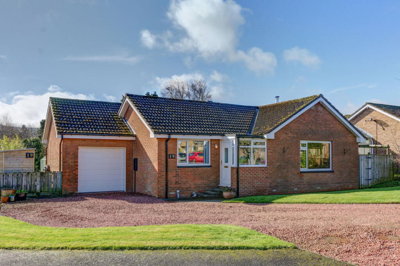
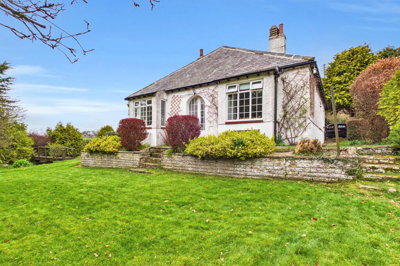
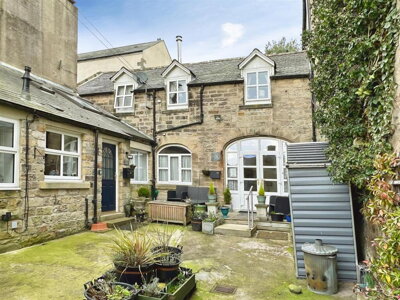
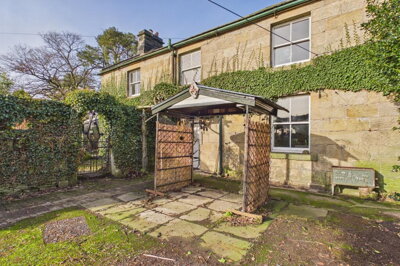
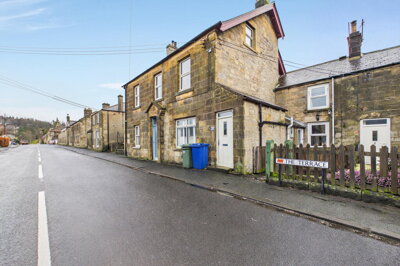
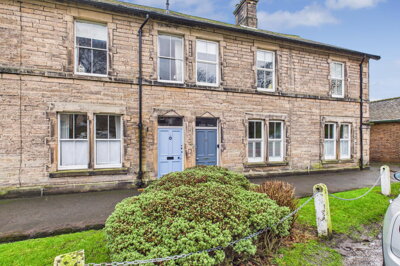
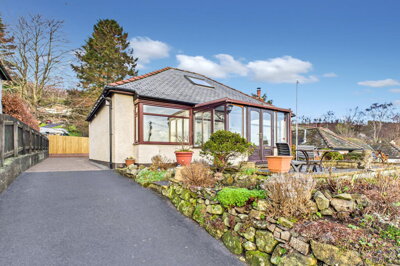
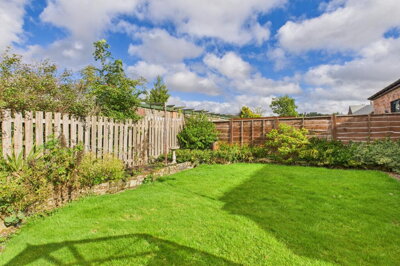
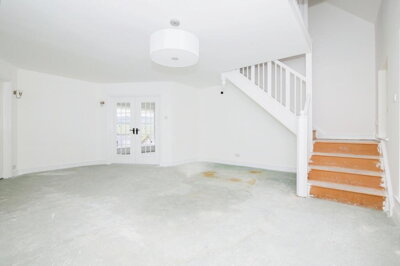
Browse 9 homes for sale in Thropton, Northumberland from local estate agents.
Three bedroom properties represent a significant portion of the Thropton housing market, offering space for families with multiple reception rooms and gardens in many cases. Browse detached, semi-detached, and terraced options ranging from period character homes to contemporary developments.
£278k
2
0
20
Source: home.co.uk
Showing 2 results for 3 Bedroom Houses for sale in Thropton, Northumberland. The median asking price is £277,500.
Source: home.co.uk
Detached
2 listings
Avg £277,500
Source: home.co.uk
Source: home.co.uk
The Thropton property market reflects the character of the village itself, offering a range of traditional and contemporary homes at various price points. Detached properties command the highest average price at £391,000, appealing to families seeking generous space and garden areas. Semi-detached homes average £220,000, providing an accessible entry point for buyers looking to enjoy village life without the premium associated with larger detached properties.
Terraced properties in Thropton average around £200,000, offering excellent value for those prioritising location and community over expansive grounds. The market has shown resilient growth with a 12-month price change of +1.87%, demonstrating sustained demand for properties in this attractive Northumbrian setting. This modest but consistent appreciation suggests confidence in the local area's long-term prospects and makes Thropton an appealing location for both owner-occupiers and investors looking at the wider Northumberland property market.
For buyers interested in new construction, the Coquet View development by Ascent Homes offers 3, 4, and 5 bedroom homes priced from £219,950 to £419,950. Located at NE65 8JW, this development provides modern living in a traditional setting, combining contemporary design with the rustic character that defines Thropton. New builds in this price range represent strong competition against older properties, giving buyers meaningful choice between character homes and purpose-built accommodation. The development occupies a prominent position within the village, making the most of views toward the surrounding countryside.
Property availability in Thropton typically includes a mix of traditional stone cottages, mid-century family homes, and modern detached houses. The village's popularity with retirees and families has supported demand across all property types, though listings can be relatively limited given the village's small population. Working with local estate agents who understand the nuances of the Thropton market helps buyers identify suitable properties before they attract competing interest from other buyers drawn to this attractive Northumbrian location.

Life in Thropton revolves around community spirit and the natural beauty of the Northumberland countryside. The village maintains a predominantly residential character with detached and semi-detached properties set within generous plots. The architecture reflects the area's heritage, with many homes constructed from local sandstone that has characterised Northumbrian building traditions for centuries. This traditional aesthetic creates a cohesive visual environment that residents take pride in preserving, with thoughtful maintenance of stone facades and traditional features throughout the village.
The housing stock spans multiple eras, from historic stone cottages predating 1919 to mid-century homes built between 1945 and 1980, through to contemporary developments completed in recent decades. This age diversity means buyers can select between period properties rich with original features and modern homes offering updated insulation, wiring, and heating systems. The mix of old and new creates architectural variety while maintaining the village's traditional appearance. Many older properties retain original sash windows, fireplaces, and timber floors that appeal to buyers seeking period character.
Underlying geology in the Thropton area includes Carboniferous sandstones, shales, and limestones, which have historically influenced local building materials and construction methods. Some areas may contain clay deposits that could present shrink-swell considerations for foundations, particularly in properties with large nearby trees or those built before modern foundation standards. Understanding the local geology helps inform decisions about specific properties, especially those with visible cracking or subsidence indicators that may warrant professional structural assessment.
As a rural settlement, Thropton's economy draws from agriculture, tourism, and local services. The surrounding farmland supports agricultural enterprises while the village's position near popular tourist routes brings visitors to local attractions throughout the year. Many residents commute to nearby towns including Rothbury and Morpeth for employment, enjoying the best of both worlds: peaceful village living with access to larger town amenities. The scenic location and strong sense of community continue to attract new residents seeking escape from urban pressures.

Families considering a move to Thropton will find educational provision available within the local area, with primary schools serving the village and surrounding hamlets. The nearest primary schools typically include those in Rothbury, which is accessible via local bus services and provides education for children from Reception through to Year 6. These schools maintain strong connections with their communities and offer small class sizes that allow for individual attention. Parents are advised to visit potential schools and meet with staff to assess whether the educational approach matches family expectations.
Rothbury Community Primary School serves as the main primary option for Thropton families, offering a traditional village school experience with good links to the local community. The school benefits from relatively small class sizes compared to urban primary schools, allowing teachers to provide more individual support to each pupil. Extra-curricular activities and educational visits complement classroom learning, helping children develop both academically and socially within a nurturing environment.
Secondary education is available in nearby towns, with schools in Morpeth and Alnwick serving as destination options for older students. These institutions offer a broader curriculum including specialist subjects, vocational courses, and extra-curricular activities that smaller primary schools cannot provide. Parents should research specific catchment areas and admissions policies when selecting properties, as school places are allocated based on geographic proximity in most cases. The travel implications of secondary education should factor into decisions about primary school selection for families with younger children.
For families prioritising academic excellence, the wider Northumberland area includes several well-regarded secondary schools with strong examination results and comprehensive facilities. King Edward VI School in Morpeth and The Duke's Middle School in Alnwick are among the options attracting students from surrounding villages. Sixth form provision allows students to continue their education locally rather than travelling to larger cities, with colleges in Morpeth offering A-level courses across a range of subjects. Early planning is advisable when moving with school-age children, as securing places at oversubscribed schools can prove challenging without residence in the catchment area.
Transport connectivity from Thropton combines rural tranquility with practical links to larger centres of employment and amenities. The village sits along roads that connect to the A697 and A1, providing routes to Newcastle upon Tyne, Edinburgh, and other regional destinations. The A697 runs through Thropton itself, connecting north to the A1 near Beal and south through Morpeth, making this route essential for residents commuting to larger towns. Journey times to Newcastle typically take around 45 minutes by car when traffic conditions are favourable, though rush hour delays can extend this during peak periods.
The nearest train station with regular services is typically found in Alnmouth, offering direct connections to Newcastle, Edinburgh, and other major cities. Alnmouth station sits on the East Coast Main Line, providing frequent services north to Edinburgh Waverley and south to Newcastle Central, with onward connections to London King's Cross. Morpeth station also provides East Coast Main Line services, though frequencies may be less frequent than Alnmouth for certain destinations. Station access typically requires private vehicle or bus connection, making car ownership advantageous for most Thropton residents.
Local bus services operate routes connecting Thropton to surrounding villages and towns, enabling residents without private vehicles to access shops, medical appointments, and other essential services. Bus services to Rothbury allow access to local convenience shopping and medical facilities, while services to Morpeth provide connection to larger supermarkets and specialist retailers. However, bus frequency may be limited compared to urban areas, with some routes operating only a few times daily, making private transportation advantageous for full-time residents who rely on regular access to amenities.
For cyclists and walkers, the surrounding countryside offers extensive networks of quiet lanes and bridleways exploring the Coquet Valley and beyond. The Pennine Way passes through the region, attracting hikers and outdoor enthusiasts to the area throughout the year. National Cycle Route 68 provides cycling opportunities through the area, connecting to wider networks across Northumberland. Weekend trips to the Northumberland Coast, including beaches at Alnmouth and Craster, are straightforward for those with vehicles, expanding recreational options beyond the immediate village. The scenic byways surrounding Thropton offer excellent cycling routes through farmland and woodland, popular with both residents and visitors alike.
Spend time exploring Thropton before committing to a purchase. Visit at different times of day and week, speak with residents, and familiarise yourself with local amenities, transport options, and community facilities. Understanding the village character helps ensure it matches your lifestyle expectations. Drive the local roads during rush hours to gauge traffic patterns, and visit local shops and pubs to experience the community atmosphere firsthand.
Contact lenders or mortgage brokers to obtain an agreement in principle before viewing properties. This financial pre-approval strengthens your position when making offers and demonstrates to sellers that you are a serious, capable buyer with funding already arranged. Having your mortgage decision in principle also clarifies your budget range, preventing wasted time viewing properties beyond your reach or missing opportunities by underestimating what you could afford.
Work with local estate agents to arrange viewings of properties matching your criteria. Take notes during each viewing and ask about specific features, recent maintenance, and any alterations made to the property. Viewing multiple homes helps establish whether prices reflect actual value. For stone-built properties, pay particular attention to the condition of the fabric, pointing, and any signs of structural movement or damp penetration.
Once you have an offer accepted, instruct a qualified surveyor to conduct a RICS Level 2 Survey before completing. This detailed inspection identifies structural issues, damp, roof condition, and other defects common in Thropton's older properties. Survey costs range from £400 to £800+ depending on property size, with larger detached homes commanding higher fees. Given the prevalence of traditional stone construction in Thropton, the survey will pay particular attention to the building fabric, pointing condition, and any signs of moisture penetration or structural movement.
Appoint a solicitor to handle the legal transfer of ownership. They will conduct searches, review contracts, and coordinate with the seller's representatives throughout the transaction. Conveyancing services in Northumberland typically start from £499 for standard purchases, though leasehold properties or those with complex titles may incur additional costs. Your solicitor will also investigate any mining legacy issues in the area and flood risk for properties near the River Coquet.
Your solicitor will arrange for contracts to be signed and deposits paid at the exchange stage, legally committing both parties to the transaction. Completion typically follows within days or weeks, at which point you receive keys and take ownership of your new Thropton home. Budget for removal costs, potential renovation works identified in your survey, and any immediate purchases needed for the property.
Purchasing property in Thropton requires awareness of several location-specific considerations that differ from urban property searches. Properties near the River Coquet face potential fluvial flood risk, particularly those in low-lying positions or with gardens extending toward the watercourse. Flood risk assessments should form part of your due diligence, and insurance premiums may reflect proximity to water. Understanding any previous flooding incidents helps anticipate future risks and inform decisions about appropriate properties for your circumstances.
The village's historical character means many properties fall within conservation area boundaries or carry listed building status. These designations protect architectural heritage but impose restrictions on alterations, extensions, and even exterior maintenance. Listed building consent may be required for changes that would otherwise be permitted development, adding time and cost to renovation projects. Specialist surveys for heritage properties provide invaluable guidance on what works are permissible, and buyers should factor in the additional costs of Listed Building Consent applications when budgeting for any proposed changes.
Traditional stone construction, while beautiful and durable, requires ongoing maintenance that differs from modern cavity-wall properties. Look for signs of rising damp in older properties, inspect roof conditions carefully given the prevalence of slate and tile coverings, and assess whether original windows and features have been sympathetically maintained or replaced with inappropriate modern alternatives. Timber-framed elements may show evidence of woodworm or rot if moisture has penetrated the structure. Solid wall properties also require different approaches to insulation and energy efficiency compared to modern builds.
The underlying geology of the Thropton area includes Carboniferous rock formations that may contain clay deposits in certain locations. Properties built on clay soils can be susceptible to shrink-swell movement, particularly those with trees or vegetation close to the building footprint. Look for signs of cracking, especially diagonal cracks emanating from door and window openings, which may indicate historic or ongoing ground movement. A thorough RICS Level 2 Survey will assess foundation conditions and identify any signs of subsidence or heave that may require further investigation or remediation.
As of February 2026, the average property price in Thropton stands at £306,400. Detached properties average £391,000, semi-detached homes around £220,000, and terraced properties approximately £200,000. The market has shown steady growth with a 12-month price increase of 1.87%, suggesting continued demand for properties in this attractive Northumberland village. This consistent appreciation indicates confidence in the local area's long-term prospects, making Thropton a stable choice for property investment in the current market.
Council tax bands in Thropton vary by property depending on valuation, with most residential properties in Northumberland falling within bands A through E. The specific band for any property can be checked through the Northumberland County Council website or by contacting the local authority directly. Banding affects your annual council tax liability, with lower bands paying less than higher-valued properties. Typical family homes in Thropton often fall within bands B to D, though stone cottages and modern developments may vary.
Primary education is available at local schools in the surrounding area, with those in Rothbury serving Thropton families. Rothbury Community Primary School provides education for children from Reception through Year 6, with good Ofsted ratings and strong community connections. For secondary education, schools in Morpeth and Alnwick provide broader curriculum options including GCSE and A-level courses. Parents should verify current catchment areas and admission policies, as these can change and may affect which school your child can attend from a specific address.
Thropton has limited public transport options typical of a rural Northumberland village. Local bus services connect the village to surrounding towns including Rothbury and Morpeth, though frequencies are reduced compared to urban areas with some routes operating only a few times daily. The nearest mainline railway stations are in Alnmouth and Morpeth, offering connections to Newcastle, Edinburgh, and beyond via the East Coast Main Line. Private vehicle ownership is advantageous for daily commuting and accessing amenities, particularly for families with school-age children.
Thropton offers appeal for both owner-occupiers and property investors seeking exposure to the Northumberland property market. The village's scenic location within the Coquet Valley, strong community atmosphere, and proximity to the Northumberland Coast attract consistent interest from buyers. Property values have shown steady appreciation, and the mix of traditional stone homes and modern developments provides options across different price points. Rental demand exists from those seeking rural lifestyle without urban prices, supported by the area's popularity with remote workers and retirees.
Stamp Duty Land Tax rates from April 2025 start at 0% on the first £250,000 of residential property purchases. The rate increases to 5% on the portion between £250,001 and £925,000, then 10% up to £1.5 million, and 12% on any amount above that. First-time buyers benefit from relief on the first £425,000, with 5% applied between £425,001 and £625,000. For a typical Thropton property at the village average of £306,400, standard buyers pay no stamp duty on the first £250,000 and 5% on the remaining £56,400.
Properties near the River Coquet face fluvial flood risk, particularly those in low-lying positions adjacent to the watercourse. Surface water flooding can occur during heavy rainfall in areas with inadequate drainage, especially in the valley bottom locations that characterize parts of the village. Flood risk assessments and property surveys should investigate any history of flooding and appropriate drainage measures before purchasing. Properties within the flood plain may face higher insurance premiums, and this ongoing cost should factor into your budget calculations when comparing properties.
Thropton contains several listed buildings reflecting its historical heritage, with properties designated for their architectural or historical significance at both Grade II and potentially higher listings. These protected properties carry restrictions on alterations, extensions, and even routine maintenance work that might otherwise be straightforward on unlisted properties. Listed building consent may be required for changes including window replacement, roof covering alterations, and internal modifications. Specialist survey expertise during purchase is advisable for listed properties to understand the implications of designation and any ongoing maintenance obligations.
A RICS Level 2 Survey is recommended for all property purchases in Thropton, with particular value for the many traditional stone-built properties in the village. The survey identifies defects common to older construction including damp penetration through solid walls, condition of traditional roof coverings, and any signs of structural movement. Given the prevalence of older properties and the local geology, the survey will assess foundation conditions and potential clay-related ground movement. For listed buildings or those in conservation areas, additional specialist surveys may be advisable.
The Thropton housing stock includes properties across a wide spectrum of condition, from meticulously maintained stone cottages to homes that may require updating. Older traditional properties often retain original features that require ongoing maintenance, including timber windows, stone pointing, and traditional heating systems. Modern developments such as Coquet View offer contemporary construction with current building regulation standards. A thorough survey before purchase identifies any defects or renovation requirements, allowing buyers to budget appropriately for any works needed after completion.
From 4.5%
Find competitive mortgage rates when buying in Thropton
From £499
Expert legal services for your Thropton property purchase
From £400
Detailed survey for Thropton properties
From £80
Energy performance certificate for your new home
Understanding the full costs of purchasing property in Thropton extends beyond the advertised price to include Stamp Duty, legal fees, surveys, and moving expenses. From April 2025, residential Stamp Duty rates apply 0% to the first £250,000 of the purchase price. A 5% rate applies between £250,001 and £925,000, with 10% charged up to £1.5 million and 12% on any portion exceeding that threshold. For a detached property at the village average of £391,000, buyers would pay no duty on the first £250,000 and 5% on the remaining £141,000, totaling £7,050 in Stamp Duty.
First-time buyers purchasing properties up to £625,000 can claim relief, paying 0% on the first £425,000 and 5% on the amount between £425,001 and £625,000. Properties priced above £625,000 do not qualify for first-time buyer relief and attract standard rates. Calculating your Stamp Duty liability before making an offer ensures you budget accurately for the total commitment involved in purchasing your Thropton home. First-time buyer status can represent significant savings, particularly for properties at the lower end of the Thropton market.
Additional purchase costs include survey fees ranging from £400 to £800+ for a RICS Level 2 Survey depending on property size and complexity. Larger detached properties typically attract higher survey fees than smaller terraced homes, with the average Thropton detached property commanding fees toward the upper end of this range. Conveyancing costs typically start from £499 for standard transactions but may increase for leasehold properties, listed buildings, or those with complex titles that require additional investigation. Removal costs, mortgage arrangement fees, and potential renovation expenses should also be factored into your overall budget when planning your Thropton purchase. Setting aside a contingency fund equivalent to around 5% of the purchase price is advisable to cover unexpected costs discovered after survey or during the conveyancing process.
Properties for Sale In London

Properties for Sale In Plymouth

Properties for Sale In Liverpool

Properties for Sale In Glasgow

Properties for Sale In Sheffield

Properties for Sale In Edinburgh

Properties for Sale In Coventry

Properties for Sale In Bradford

Properties for Sale In Manchester

Properties for Sale In Birmingham

Properties for Sale In Bristol

Properties for Sale In Oxford

Properties for Sale In Leicester

Properties for Sale In Newcastle

Properties for Sale In Leeds

Properties for Sale In Southampton

Properties for Sale In Cardiff

Properties for Sale In Nottingham

Properties for Sale In Norwich

Properties for Sale In Brighton

Properties for Sale In Derby

Properties for Sale In Portsmouth

Properties for Sale In Northampton

Properties for Sale In Milton Keynes

Properties for Sale In Bournemouth

Properties for Sale In Bolton

Properties for Sale In Swansea

Properties for Sale In Swindon

Properties for Sale In Peterborough

Properties for Sale In Wolverhampton

Enter your details to see if this property is within your budget.
Loans, cards, car finance
Estimated property budget
Borrowing + deposit
You could borrow between
Typical borrowing
Monthly repayment
Est. at 4.5%
Loan-to-value
This is an estimate only. Your actual budget may vary depending on interest rates, credit history, and personal circumstances. For an accurate affordability assessment, speak to one of our free mortgage advisors.
This calculator provides estimates for illustrative purposes only and does not constitute financial advice. Your home may be repossessed if you do not keep up repayments on your mortgage. Estimates based on 4.5% interest rate, repayment mortgage. Actual rates depend on your circumstances.
Homemove is a trading name of HM Haus Group Ltd (Company No. 13873779, registered in England & Wales). Homemove Mortgages Ltd (Company No. 15947693) is an Appointed Representative of TMG Direct Limited, trading as TMG Mortgage Network, which is authorised and regulated by the Financial Conduct Authority (FRN 786245). Homemove Mortgages Ltd is entered on the FCA Register as an Appointed Representative (FRN 1022429). You can check registrations at NewRegister or by calling 0800 111 6768.

We use cookies to show you personalised content and improve your experience of our website. Find out more in our Privacy policy and Cookie policy.