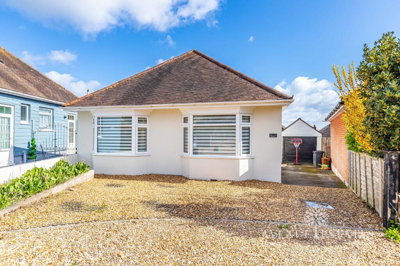
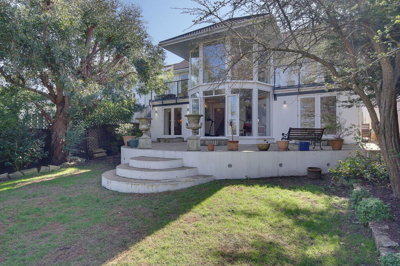
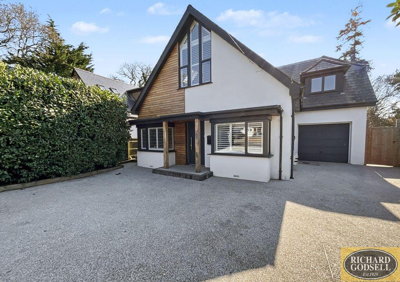
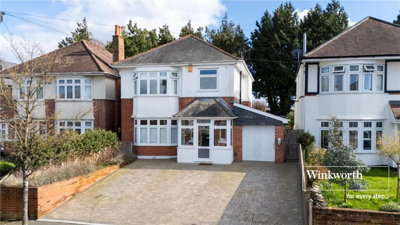
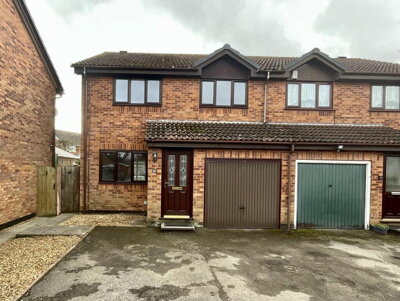
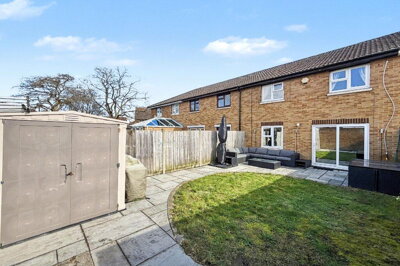
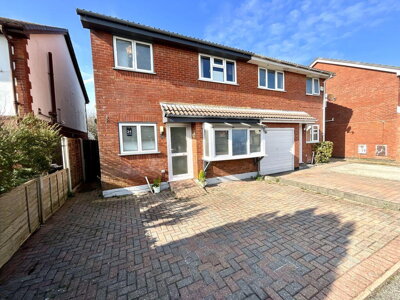
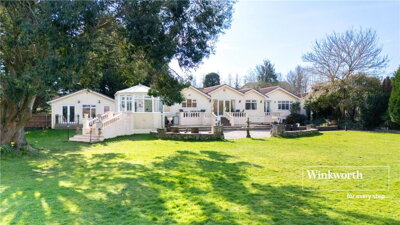
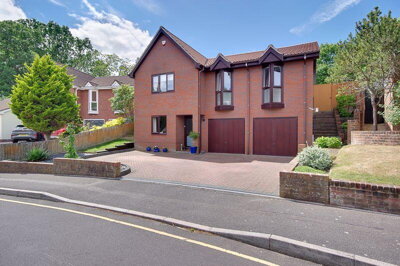
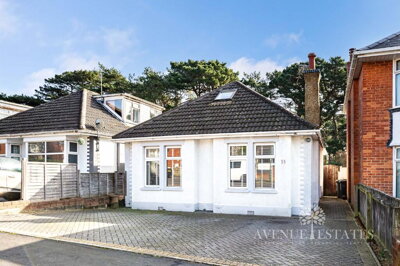
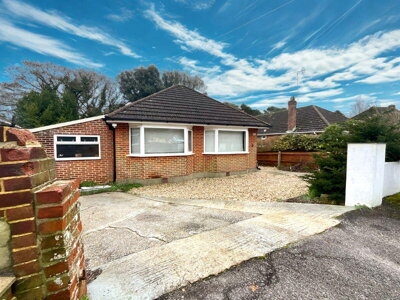
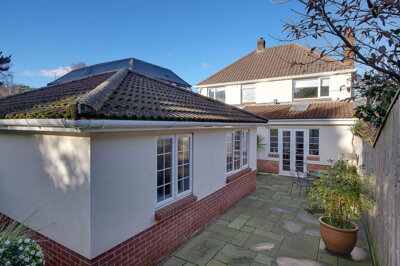
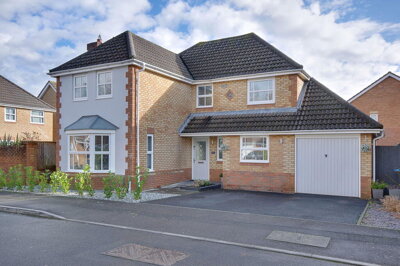
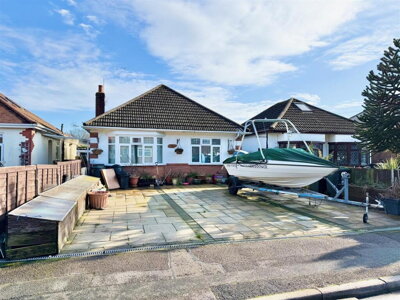
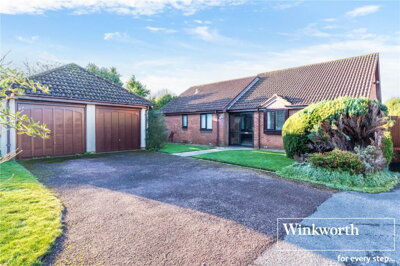
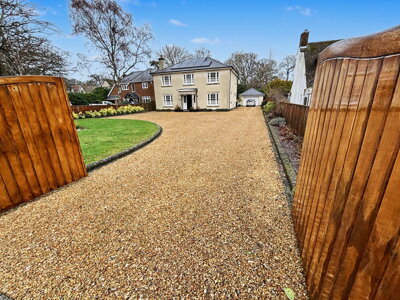
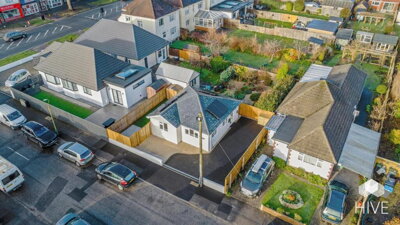
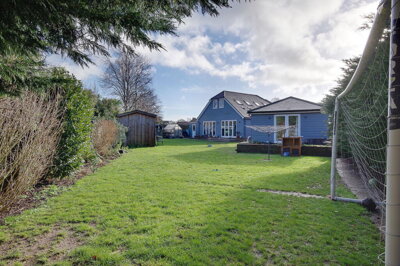
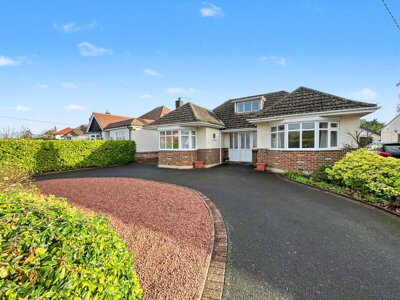
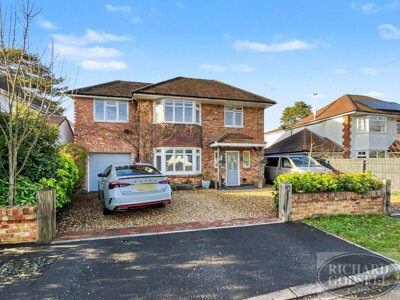
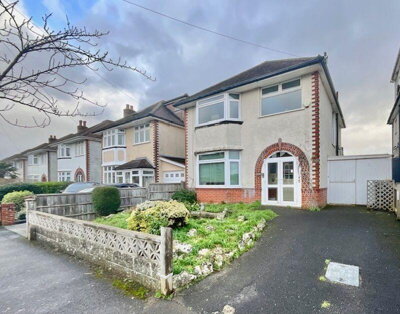
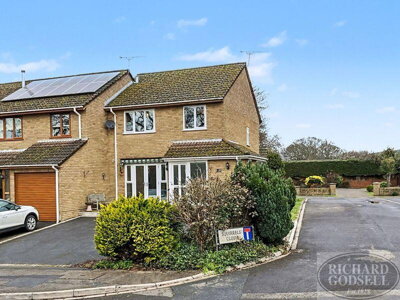
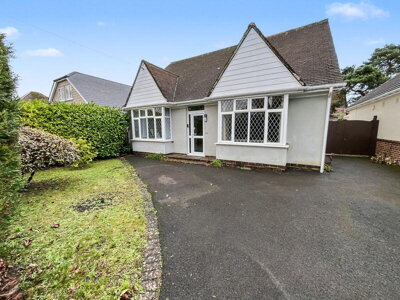
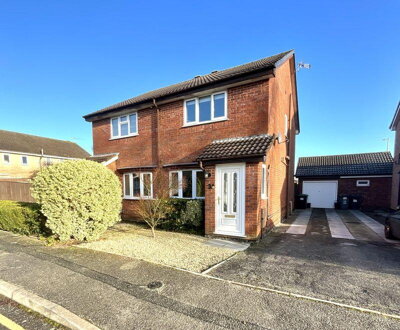
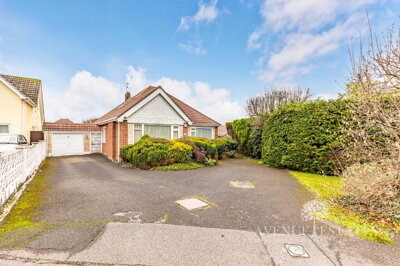
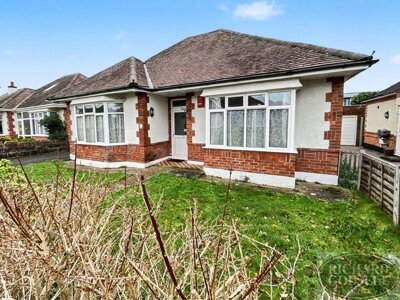
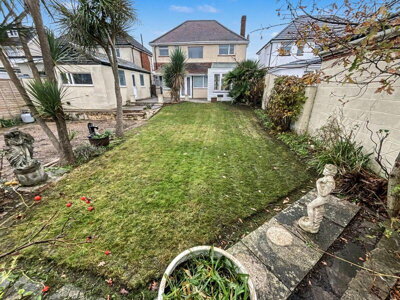
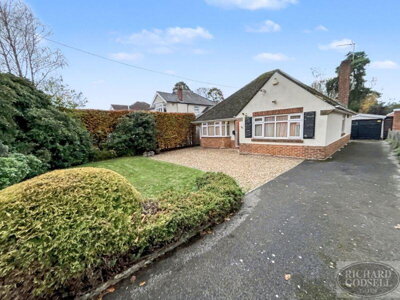
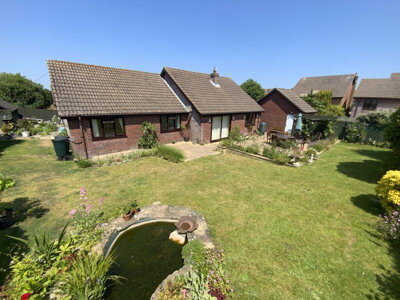
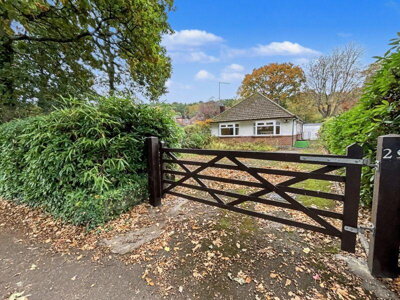
Browse 386 homes for sale in Throop and Holdenhurst from local estate agents.
The Throop And Holdenhurst property market offers detached, semi-detached, and terraced houses spanning various price ranges and neighbourhoods. Each listing includes detailed property information, photographs, and direct contact with the marketing agent.
The property market in Throop and Holdenhurst reflects the broader trends of the Bournemouth area while maintaining its own distinct character. Recent data shows that Throop experienced a 4% decrease in house prices over the past year, though values remain 1% above the 2022 peak of £358,578, indicating a relatively stable market. Mill Throop has shown similar resilience, with prices consistent with the previous year and now sitting 3% above its 2022 peak of £359,319. These figures suggest a market that has adapted to economic pressures while retaining long-term value for homeowners. The broader Bournemouth postcode area recorded approximately 7,400 property sales in the past twelve months, though transaction volumes decreased by 14.6% year-on-year, reflecting national trends in property market activity.
Property types available in Throop and Holdenhurst cater to a wide range of buyer preferences and budgets. In Throop, terraced properties average £298,960, while semi-detached homes command around £363,605 and detached properties reach approximately £515,265. Mill Throop shows slightly higher prices for semi-detached properties at £390,000, though terraced homes are similarly priced at around £297,429. Detached properties in Mill Throop average £492,846, offering substantial family homes at competitive prices compared to more urban Bournemouth locations. Holdenhurst Road in the BH8 postcode area presents a different segment of the market, with an average sold price of £178,167 reflecting a higher concentration of flats and more affordable starter homes.
New build activity in the immediate Throop and Holdenhurst area remains limited, with most new developments concentrated in the wider Bournemouth conurbation. The broader BH8 postcode area recorded 65 new build sales in the past year, accounting for 0.9% of total transactions. This scarcity of newbuild stock within Throop and Holdenhurst Village itself adds to the appeal of character properties and older homes that define the area's architectural heritage. For buyers prioritising modern construction and energy efficiency, understanding the age and condition of existing stock becomes particularly important when evaluating properties in this market.

Throop and Holdenhurst offer a lifestyle that balances rural village atmosphere with the amenities of a major urban centre. The River Stour forms the natural backbone of the area, with the Stour Valley Nature Reserve providing residents with direct access to woodland walks, wildlife spotting, and scenic riverside paths. This green corridor serves as a valuable community asset, offering recreation opportunities for families, dog walkers, and nature enthusiasts without requiring travel to the coast or countryside. The area's position along the river does mean that buyers should be aware of potential fluvial flood risk in low-lying properties adjacent to the waterway, and a thorough survey is advisable for any home near the riverbank.
The character of Holdenhurst Village particularly stands out as an enchanting and historic hamlet that has retained its distinctive identity despite its proximity to urban development. Properties here include charming period cottages, traditional village homes, and the distinctive thatched residences that have become synonymous with the Throop area. Descriptions of homes in the village highlight the appeal of "deceptively spacious detached thatched homes in the heart of Throop Village," indicating that these character properties often offer more internal space than their modest exteriors suggest. The mix of architectural styles, from Victorian terraces to Edwardian semis and older cottages, creates a varied streetscape that rewards exploration.
Living in Throop and Holdenhurst means benefiting from the economic and cultural resources of the wider Bournemouth, Christchurch and Poole area while enjoying a distinct neighbourhood identity. The BCP council area provides services including waste collection, local schooling, and planning administration, while the local economy benefits from major employers in tourism, higher education at Bournemouth University and Arts University Bournemouth, healthcare at the Royal Bournemouth Hospital, and growing financial services sector. The median property price to median earnings ratio of 9.4 in the BCP area indicates that while property remains expensive relative to wages, Throop and Holdenhurst offer relatively more accessible entry points compared to some coastal locations. Local amenities include shops, pubs, and community facilities, with the comprehensive retail, dining, and entertainment options of Bournemouth town centre easily accessible by bus or car.

Families considering a move to Throop and Holdenhurst will find a range of educational options available within the area and the surrounding Bournemouth conurbation. The proximity to good schools often influences property values significantly, and Throop and Holdenhurst benefit from access to both primary and secondary education establishments across the BCP Council area. Primary schools in the vicinity serve the local community, with several rated positively by Ofsted and offering strong community connections. Parents should research specific catchment areas, as school admissions in the BCP area are determined by proximity and oversubscription criteria that can vary between institutions.
Secondary education options include both comprehensive schools and selective grammar schools, depending on individual circumstances and preferences. The broader Bournemouth area hosts several well-established secondary schools with strong academic records and extensive extracurricular programmes. For students pursuing further education, Bournemouth University offers undergraduate and postgraduate programmes across multiple faculties, including business, sciences, arts, and media. The presence of this major university contributes to the cultural vitality of the wider area and provides employment opportunities that influence the local housing market.
Early years and childcare provision in Throop and Holdenhurst includes nurseries, preschools, and childminders registered with Ofsted, providing flexibility for working parents. When purchasing a property in the area, families should verify current school admissions policies and consider that entry to popular schools may be competitive. Properties within walking distance of good primary schools often command premiums and sell more quickly, making this a practical consideration alongside property features and value when house hunting in Throop and Holdenhurst. Consulting the BCP Council school admissions information and checking current Ofsted ratings provides valuable guidance before committing to a purchase.
Transport connectivity is a significant strength of Throop and Holdenhurst, with the area offering convenient access to both local amenities and longer-distance destinations. The nearby Holdenhurst Road provides direct routes into Bournemouth town centre, connecting residents to the mainline railway station, shopping districts, and seafront. Bus services operated by Morebus and other providers offer regular connections throughout the area, including routes to Poole, Christchurch, and key destinations including Bournemouth Airport for domestic and European travel. The A338 spur road links the area to the wider road network, providing access to the A31 and the M27 motorway toward Southampton and Portsmouth.
Rail services from Bournemouth railway station offer frequent connections to major destinations including London Waterloo, with journey times of approximately two hours. This makes Throop and Holdenhurst viable for commuters who work in the capital but prefer a more affordable and characterful location than central London or its immediate suburbs. Direct train services also connect to Southampton, Bristol, and Weymouth, providing flexibility for work and leisure travel. For air travel, Bournemouth Airport is easily accessible, offering flights to European destinations and seasonal routes to UK holiday hotspots.
For residents who drive, parking availability varies across Throop and Holdenhurst depending on property type and location. Properties with off-street parking command premiums, particularly in areas where on-street parking is constrained. Cycling infrastructure in the wider BCP area has improved in recent years, with dedicated routes connecting to Bournemouth and Poole town centres. The River Stour corridor itself offers pleasant routes for recreational cycling and walking, while the flat terrain of the Bournemouth area makes cycling practical for daily commutes. The combination of transport options available from Throop and Holdenhurst supports diverse lifestyles, whether buyers prioritise car-free living, regular commuting to London, or flexible travel across the South Coast.
Start by exploring current property listings in Throop and Holdenhurst to understand what is available at your budget. Our platform shows properties across all price ranges and types, from terraced homes around £298,960 to detached properties exceeding £500,000. Consider factors such as proximity to the River Stour and potential flood risk, the age and condition of character properties, and local school catchment areas if relevant.
Before arranging viewings, contact a mortgage broker to obtain an Agreement in Principle. This document confirms how much you can borrow based on your financial circumstances and strengthens your position when making offers. With the median property price to earnings ratio at 9.4 in the BCP area, ensuring your budget is clearly defined helps narrow your search effectively.
Once you have identified suitable properties, schedule viewings to assess condition, character, and location. In Throop and Holdenhurst, pay particular attention to properties near the River Stour, where flood risk assessments may be advisable. Look beyond cosmetic features to evaluate the condition of roofs, plumbing, electrical systems, and any signs of damp common in older properties.
Before completing your purchase, arrange a RICS Level 2 Survey to assess the property condition thoroughly. Given the significant proportion of older properties in Throop and Holdenhurst, including character homes and potentially listed buildings, a professional survey identifies defects such as damp, roof issues, timber defects, and potential subsidence concerns related to local clay soils. Survey costs typically range from £400 to £1,000 depending on property size and value.
Appoint a solicitor experienced in local property transactions to handle the legal aspects of your purchase. They will conduct searches including local authority queries, drainage and water searches, and environmental assessments for flood risk and ground conditions. Local knowledge helps anticipate any issues specific to Throop and Holdenhurst, including conservation area restrictions or listed building requirements.
Once all searches are satisfactory and mortgage finance is confirmed, your solicitor will exchange contracts and set a completion date. On completion day, you will receive the keys to your new Throop and Holdenhurst home, and ownership transfers legally. Ensure buildings insurance is in place from this date.
Purchasing a property in Throop and Holdenhurst requires awareness of several area-specific factors that could affect your investment and quality of life. Flood risk is the most significant environmental consideration for this area, as Throop lies directly along the River Stour. Properties in low-lying areas adjacent to the river carry potential fluvial flood risk, and buyers should review Environment Agency flood maps and consider the property's flood history before committing. Even properties not directly on the riverbank may face surface water flood risk, particularly given the mix of urban and rural drainage systems in the area.
The geological conditions in parts of Dorset, including potential shrink-swell clay soils, can contribute to subsidence risk, particularly for properties with inadequate foundations or those situated near large trees. Older properties in Holdenhurst Village and throughout Throop may have foundations that were constructed to historical standards that differ from modern requirements. A thorough RICS Level 2 Survey can identify signs of subsidence, foundation movement, or other structural concerns that might require remediation. Properties showing cracks, uneven floors, or doors and windows that stick should be investigated carefully before purchase.
The character of Holdenhurst Village and parts of Throop suggests the likely presence of listed buildings and potential conservation area designations. Listed buildings are protected for their architectural or historic interest and may restrict permissible alterations, require specialist maintenance techniques, and demand adherence to specific planning guidelines. If you are considering a listed property, budget for potentially higher maintenance costs and specialist survey work beyond a standard RICS Level 2 Survey. Your solicitor should investigate whether the property is listed or within a conservation area during the conveyancing process. Properties with thatched roofs, while highly attractive, require specialist knowledge for maintenance and insurance, and prospective buyers should verify that adequate insurance is available and affordable.
The average house price in Throop over the last year was £363,152, while Mill Throop averaged £369,655. Property prices vary significantly by type, with terraced homes around £298,960 in Throop, semi-detached properties at approximately £363,605, and detached homes reaching £515,265. Holdenhurst Road in the BH8 area shows lower average prices of around £178,167 due to a higher concentration of flats. Prices have shown resilience, with Throop sitting 1% above its 2022 peak and Mill Throop 3% above its 2022 peak.
Properties in Throop and Holdenhurst fall under the Bournemouth, Christchurch and Poole (BCP) Council tax system. Specific bands depend on property value and type, ranging from Band A for lower-value properties to Band H for the most expensive homes. Most residential properties in the area fall within Bands B through E. Prospective buyers should check the specific band with BCP Council or via the property listing, as council tax costs form part of the ongoing cost of homeownership.
Throop and Holdenhurst benefit from access to primary and secondary schools across the BCP area. Families should research specific Ofsted ratings and admission catchment areas, as these can vary based on proximity and oversubscription criteria. The proximity to good primary schools often affects property values significantly in residential areas. Secondary options include comprehensive schools and grammar schools depending on academic selection in the area. Higher education is available locally at Bournemouth University and Arts University Bournemouth. Parents are advised to verify current school admissions policies and consider travel distances when choosing a property.
Throop and Holdenhurst enjoy excellent connectivity through bus services operated by Morebus, connecting to Bournemouth, Poole, and Christchurch town centres. Bournemouth railway station provides regular services to London Waterloo in approximately two hours, as well as connections to Southampton, Bristol, and Weymouth. Bournemouth Airport offers flights to European destinations and is easily accessible from the area. The A338 provides road connections to the wider motorway network via the A31 to the M27.
Throop and Holdenhurst offer several factors that may appeal to property investors. The area's character, riverside location, and proximity to major employers including Bournemouth University and the Royal Bournemouth Hospital suggest stable demand from tenants and owner-occupiers alike. House prices have shown resilience, sitting above 2022 peaks despite national market fluctuations. However, the median price to earnings ratio of 9.4 in the BCP area indicates affordability challenges that could affect rental yields. Investors should also consider flood risk for properties near the River Stour and potential maintenance requirements for older character properties.
Stamp Duty Land Tax rates from April 2024 start at 0% on the first £250,000 of property value, rising to 5% on the portion from £250,001 to £925,000, 10% from £925,001 to £1.5 million, and 12% above £1.5 million. First-time buyers benefit from relief on the first £425,000, with 5% applied between £425,001 and £625,000, and no relief above £625,000. Given average property prices in Throop of around £363,152, many properties would attract minimal or no stamp duty for first-time buyers, while higher-value detached homes may incur charges at the standard rates.
Older properties in Throop and Holdenhurst, including the character homes and thatched properties that define the area, may exhibit common defects such as damp (rising, penetrating, or condensation-related), roof deterioration including missing tiles or worn felt, timber defects including rot and woodworm, and outdated electrical wiring or plumbing systems. Properties near the River Stour may face damp penetration issues related to humidity and water proximity. The potential presence of shrink-swell clay soils means subsidence should be assessed, particularly for properties with large nearby trees or inadequate foundations. A comprehensive RICS Level 2 Survey will identify these issues and enable informed negotiation on price or repairs.
Understanding the full costs of purchasing a property in Throop and Holdenhurst helps you budget accurately and avoid surprises during the transaction. Stamp Duty Land Tax represents one of the largest upfront costs for buyers in England. The current thresholds from April 2024 apply 0% duty on the first £250,000 of property value, 5% on amounts between £250,001 and £925,000, 10% on values from £925,001 to £1.5 million, and 12% on anything above £1.5 million. For a typical terraced property in Throop averaging £298,960, a non-first-time buyer would pay approximately £2,448 in stamp duty, while a first-time buyer would pay nothing due to relief on the first £425,000.
First-time buyers purchasing in Throop and Holdenhurst benefit from enhanced stamp duty relief, with 0% duty applying to the first £425,000 and 5% on amounts between £425,001 and £625,000. This relief removes stamp duty costs entirely for most properties in the area, as the average prices for terraced, semi-detached, and many detached homes fall below the £425,000 threshold. However, first-time buyer relief does not apply to properties valued above £625,000, meaning higher-value detached properties would incur standard rates on amounts above this threshold. These provisions make Throop and Holdenhurst relatively accessible for first-time buyers compared to some other South Coast locations.
Beyond stamp duty, buyers should budget for solicitor conveyancing fees typically ranging from £500 to £1,500 depending on complexity and property value. Local search fees with BCP Council, drainage and water searches, and environmental searches typically total £250 to £400. A RICS Level 2 Survey costs between £400 and £1,000 depending on property size and value, while more comprehensive RICS Level 3 Building Surveys for older or character properties range from £600 upwards. Mortgage arrangement fees, if applicable, vary by lender but often range from £500 to £2,000. Buildings insurance must be in place from completion, and removals costs depend on distance and volume of belongings. Total additional costs typically amount to 2-5% of the property value, so budgeting approximately £7,000 to £18,000 for a property in the £300,000 to £500,000 range covers these expenses.
Properties for Sale In London

Properties for Sale In Plymouth

Properties for Sale In Liverpool

Properties for Sale In Glasgow

Properties for Sale In Sheffield

Properties for Sale In Edinburgh

Properties for Sale In Coventry

Properties for Sale In Bradford

Properties for Sale In Manchester

Properties for Sale In Birmingham

Properties for Sale In Bristol

Properties for Sale In Oxford

Properties for Sale In Leicester

Properties for Sale In Newcastle

Properties for Sale In Leeds

Properties for Sale In Southampton

Properties for Sale In Cardiff

Properties for Sale In Nottingham

Properties for Sale In Norwich

Properties for Sale In Brighton

Properties for Sale In Derby

Properties for Sale In Portsmouth

Properties for Sale In Northampton

Properties for Sale In Milton Keynes

Properties for Sale In Bournemouth

Properties for Sale In Bolton

Properties for Sale In Swansea

Properties for Sale In Swindon

Properties for Sale In Peterborough

Properties for Sale In Wolverhampton

Enter your details to see if this property is within your budget.
Loans, cards, car finance
Estimated property budget
Borrowing + deposit
You could borrow between
Typical borrowing
Monthly repayment
Est. at 4.5%
Loan-to-value
This is an estimate only. Your actual budget may vary depending on interest rates, credit history, and personal circumstances. For an accurate affordability assessment, speak to one of our free mortgage advisors.
This calculator provides estimates for illustrative purposes only and does not constitute financial advice. Your home may be repossessed if you do not keep up repayments on your mortgage. Estimates based on 4.5% interest rate, repayment mortgage. Actual rates depend on your circumstances.
Homemove is a trading name of HM Haus Group Ltd (Company No. 13873779, registered in England & Wales). Homemove Mortgages Ltd (Company No. 15947693) is an Appointed Representative of TMG Direct Limited, trading as TMG Mortgage Network, which is authorised and regulated by the Financial Conduct Authority (FRN 786245). Homemove Mortgages Ltd is entered on the FCA Register as an Appointed Representative (FRN 1022429). You can check registrations at NewRegister or by calling 0800 111 6768.

We use cookies to show you personalised content and improve your experience of our website. Find out more in our Privacy policy and Cookie policy.