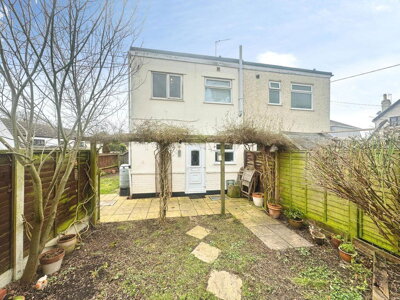
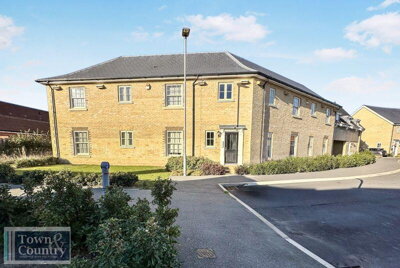
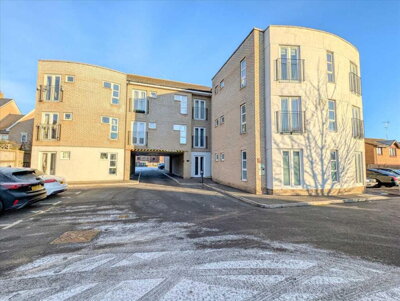
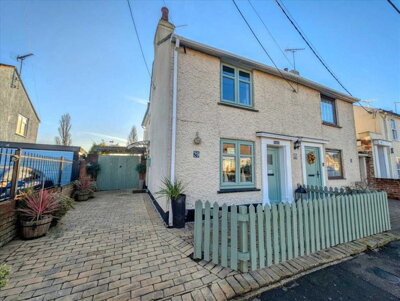
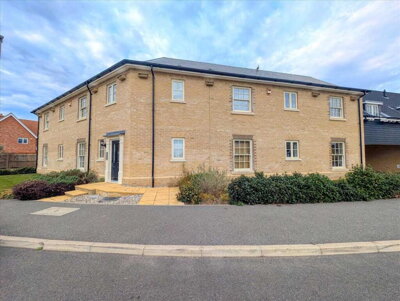
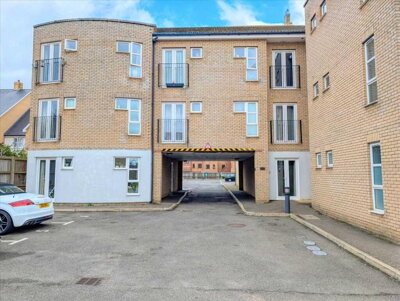
Browse 6 homes for sale in Thorrington, Tendring from local estate agents.
The 2 bed flat sector typically includes two separate bedrooms, dedicated living areas, and bathroom facilities. Properties in Thorrington span purpose-built blocks, converted period houses, and modern apartment complexes on various floors.
£0k
0
0
0
Source: home.co.uk
Showing 0 results for 2 Bedroom Flats for sale in Thorrington, Tendring.
The Bourne property market has demonstrated remarkable resilience and steady appreciation over recent years. Detached properties command the highest prices, with the average reaching £339,821, reflecting strong demand from families seeking generous space and gardens. Semi-detached homes average £232,528, while terraced properties offer the most accessible entry point at around £194,272. These price points position Bourne competitively against larger regional centres, offering buyers more property for their money while maintaining excellent transport connections to Peterborough, Stamford, and beyond.
New build activity has been significant, with three major developments currently adding fresh stock to the market. Barratt Homes at Elsea Park offers 2, 3 and 4 bedroom homes ranging from £208,000 to £382,500, while Bourne Springs by Ashberry Homes provides properties from £189,950 to £370,000 on Musselburgh Way. Bellway Homes' Abbey View development completes the offering with 2, 3 and 4-bedroom homes from £200,000 to £370,000. The South Kesteven Local Plan indicates that 1,241 new homes were built in Bourne up to 2019, with planning permission granted for a further 734 homes, ensuring continued growth and investment in the area.
The 256 residential property sales recorded in Bourne over the past year represent a market that has settled following recent activity levels, though demand remains steady among buyers recognising the value on offer. Property Solvers data shows prices have increased by 2.14% over the past 12 months, maintaining the upward trajectory seen since the 2023 peak of £265,354. For buyers, this suggests a stable market where properties are selling at realistic prices without the extreme premiums seen in some larger towns, making Bourne an attractive option for those seeking value without sacrificing quality of life.

Life in Bourne revolves around a welcoming market town atmosphere that has evolved gracefully to meet modern needs while preserving its historic character. The town centre centres around the historic Market Place, encompassed within the Bourne Conservation Area that was first designated in 1977 and extended in 2012 to protect the architectural heritage of North Street, West Street, South Street, and Abbey Road. Red brick buildings dominate the streetscape, a tradition rooted in local brick manufacturing yards that historically supplied construction materials throughout the region. Stone detailing on older properties, particularly visible on West Street where charming stone cottages stand alongside Victorian and Georgian buildings, adds visual interest and architectural diversity.
The local economy supports a population of nearly 18,000 residents across approximately 5,500 households, with employment centred on agriculture, food preparation and packaging, light engineering, and tourism sectors. This economic diversity provides stable employment opportunities while maintaining the town's welcoming, community-focused character. Bourne's position on the eastern slopes of the limestone Kesteven Uplands and the western edge of the Fens creates a distinctive landscape where rolling countryside meets productive farmland. The Bourne North Fen project, aiming to restore 50 hectares of peat-fenland into a multi-purpose wetland, demonstrates ongoing investment in environmental management and flood risk reduction for the community.
Day-to-day amenities in Bourne serve residents well without requiring journeys to larger centres. The town centre hosts a selection of independent shops alongside well-known High Street brands, while regular markets in the Market Place bring local producers and traders to the heart of the community. Healthcare facilities include a hospital with minor injuries unit and several GP practices, reducing the need to travel for routine medical care. Leisure facilities encompass a cinema, swimming pool, and various sports clubs catering to football, cricket, tennis, and golf, ensuring residents of all ages have opportunities to stay active and social. The Bourne Town Band, with its roots in the 19th century, continues the town's musical traditions, while regular community events throughout the year bring residents together for celebrations and fundraisers.

Education provision in Bourne serves families well, with primary and secondary schools catering to children of all ages within the town itself. Bourne is served by several primary schools that provide solid foundations for younger children, while Bourne Grammar School provides secondary education with a strong reputation for academic achievement. The presence of good schools within the town reduces the need for daily commuting to larger centres, a significant advantage for working parents seeking to balance professional and family commitments. Sixth form provision allows teenagers to continue their education locally, while further education colleges in nearby Peterborough offer extended pathways for older students.
Bourne Primary School and Other primary schools in the area offer good facilities and dedicated teaching, with Ofsted ratings providing guidance on individual school performance. Parents should verify current ratings and visit schools during open days to assess which establishment best suits their child's needs. The catchment area for Bourne Grammar School is determined by specific postcodes, and property values in these areas often maintain premiums due to strong parental demand. Given that Bourne Grammar consistently achieves strong examination results and sends significant numbers of students to Russell Group universities, families frequently prioritise securing accommodation within the catchment before other factors.
The education landscape in Bourne reflects the broader character of South Kesteven as an area that values academic achievement and community investment in young people. Families moving to Bourne from larger cities often comment on the supportive educational environment and the strong sense of community engagement in school activities. Property values in catchment areas for well-performing schools tend to maintain their premiums, making school proximity an important consideration for buyers with children. The town's continued population growth, driven partly by families attracted to the educational offerings, reinforces the importance of schooling in Bourne's appeal to buyers at all stages of life.
Bourne enjoys practical transport connections that balance peaceful rural living with accessible commuting options. The town sits within reasonable reach of major road networks, with the A15 providing direct access to Peterborough to the north and onward connections to the A1 and the broader motorway network. For residents commuting to Peterborough, the journey takes approximately 30-40 minutes by car, opening employment opportunities in the city while allowing buyers to benefit from Bourne's more affordable property prices compared to Peterborough itself. The South Forty Foot Drain, completing the eastern border of Bourne parish, forms part of the local drainage infrastructure that supports the agricultural economy of the surrounding area.
Bus services connect Bourne with surrounding villages and market towns, providing essential connectivity for residents without private vehicles. The Lincs Connector and other local services operate routes to Spalding, Market Deeping, and Stamford, though frequency may be limited on some routes, particularly at weekends. Stagecoach East Midlands provides information on current timetables and routes for those relying on public transport. The nearest railway station in Peterborough offers East Coast Main Line services to London King's Cross, with journey times of approximately 45-50 minutes to the capital, making Bourne a viable option for commuters who work in London but prefer the space and character of a Lincolnshire market town.
For leisure travel, Bourne's position offers excellent opportunities for exploring the wider region. The Lincolnshire Wolds, an Area of Outstanding Natural Beauty, lies to the east and provides stunning scenery for walks, cycling, and country pursuits. Rutland Water, with its famous reservoir and sailing facilities, is located to the west and makes an ideal day trip destination. Stamford, renowned for its Georgian architecture and annual Georgiana Exhibition celebrating the Georgian era, lies just 12 miles away and offers excellent shopping, dining, and cultural attractions. Grantham, with its fast rail connections to London and Nottingham, is also accessible for those working in the East Midlands.
Bourne's architectural heritage contributes significantly to the town's character and appeal, with over 70 listed buildings creating a built environment that tells the story of the settlement's development from medieval times to the present day. The Parish Church of St Peter and St Paul, founded in 1138 and now the only Grade I listed building in Bourne, stands as the most significant historical monument and provides a focal point for understanding the town's monastic origins through Bourne Abbey. The abbey grounds and surrounding Abbey Road remain central to the town's identity, with the associated listed structures along Abbey Lawn contributing to one of the most architecturally distinguished areas in South Kesteven.
Red Hall, an early 17th-century mansion located on East Road and designated Grade II*, represents the finest surviving example of high-status domestic architecture from this period in Bourne. Built around 1620 in the red brick that would become the town's characteristic building material, the property exemplifies the transition from medieval to more domestic architectural styles. Many other listed buildings of Grade II status include coaching inns such as The Grave and The Saracen's Head, which served travellers on historical routes through the town, alongside almshouses, manor houses, and workers' cottages that illustrate the social diversity of historical Bourne. These buildings, predominantly constructed during the 18th and 19th centuries, define the character of the Conservation Area.
The predominance of red brick construction throughout Bourne reflects the town's historical connection to brick manufacturing, with local yards supplying materials not only for domestic construction but also for buildings throughout the wider region. This local industry explains the consistency of the built environment and the warm tones that characterise the town centre. Stone detailing, particularly prominent on West Street where stone cottages stand alongside brick buildings, demonstrates the combination of materials available to historical builders. Properties within the Conservation Area require consideration of planning controls affecting external alterations and extensions, and buyers should consult South Kesteven District Council planning records before committing to purchase properties in this zone.
Explore current listings and understand local prices. Detached homes average £339,821 while terraced properties start from around £194,272. New developments at Elsea Park and Bourne Springs offer modern alternatives to traditional housing stock. We recommend using our platform to compare properties across multiple estate agents simultaneously, saving time and ensuring you see the full range of options available.
Speak to lenders about your budget before viewing properties. Having an agreement in principle strengthens your position when making offers in what can be a competitive local market. Given Bourne's average price of £267,833, most buyers will require mortgages of £200,000-£250,000, and speaking to a broker familiar with South Kesteven properties can help identify the most suitable products.
Visit a range of properties including older homes in the Conservation Area and new builds from Barratt, Bellway, and Ashberry Homes. Consider factors like flood risk, conservation restrictions, and proximity to schools when evaluating each property. We recommend viewing at least six properties before making an offer to ensure you have adequate comparison.
Commission a RICS Level 2 Survey before committing to purchase. Given Bourne's mix of Victorian, Edwardian, and modern construction, a thorough survey identifies any structural issues or maintenance concerns. Our inspectors are experienced with the common defects found in Bourne properties, from subsidence signs in clay soil areas to the specific requirements of listed buildings.
Choose a conveyancing specialist familiar with Lincolnshire property transactions. They will handle searches, contracts, and registration with HM Land Registry. Local solicitors often have established relationships with estate agents operating in the area, which can help streamline the transaction process for buyers new to the region.
Once all searches are satisfactory and finances are arranged, your solicitor will exchange contracts and set a completion date. On completion day, you receive the keys and collect your belongings. We recommend arranging buildings insurance to commence from exchange of contracts, as this protects your investment from that point forward.
Purchasing property in Bourne requires attention to several local-specific factors that can significantly impact your investment. Properties within the Conservation Area, which includes the historic Market Place and surrounding streets, may be subject to stricter planning controls affecting extensions, alterations, and exterior changes. With over 70 listed buildings in the parish, buyers considering older properties should investigate whether their chosen home carries listed status, as Grade I, Grade II*, and Grade II designations each carry different requirements and restrictions for maintenance and modification. The predominance of red brick construction throughout Bourne means most properties should be structurally sound, though older homes may require attention to roof conditions, damp proofing, and the condition of original windows.
The local geology presents another consideration for prospective buyers. Bourne sits at the transition between limestone uplands and fenland, and clay soil shrinkage during prolonged dry periods can contribute to subsidence in some properties. Our surveyors frequently identify foundation movement in properties built on shrinkable clay soils, particularly those constructed before modern building regulations introduced more robust foundation specifications. A thorough RICS Level 2 Survey will identify any signs of movement or historical structural work that might indicate foundation issues. Properties in areas where the water table has changed, such as near the Bourne North Fen restoration project, may require additional investigation to ensure the ground conditions remain stable.
New build properties from established developers typically come with NHBC or similar warranties, offering for buyers preferring modern construction methods and energy efficiency standards. Properties at Elsea Park, Bourne Springs, and Abbey View all benefit from modern building techniques, including improved insulation standards and energy-efficient heating systems that reduce ongoing utility costs. However, even new builds can have defects that emerge in the first few years, and we recommend a snagging survey for new properties to identify any issues requiring developer attention before the warranty period begins.
Flood risk should form part of every buyer's due diligence in Bourne, despite the community's proactive approach to water management through projects like the Bourne North Fen restoration. Properties located near the South Forty Foot Drain or in low-lying areas near the Fens edge may face elevated flood risk during periods of extreme weather. We recommend checking Environment Agency flood maps and requesting any flood risk assessments available through local searches before committing to purchase. Properties with historical flooding may be more difficult to insure, adding an ongoing cost that affects the overall affordability of the purchase.
The average house price in Bourne stands at £267,833 according to recent Rightmove data, though Property Solvers using HM Land Registry records shows an average of £325,375 as of March 2024. Property prices vary significantly by type, with detached homes averaging £339,821, semi-detached properties at £232,528, and terraced homes around £194,272. The market has shown steady growth of approximately 2.14% over the past year, indicating stable demand and continued buyer interest in the area. Recent sales data shows 256 residential transactions completed over the past year, representing a market that has settled following earlier activity levels.
Properties in Bourne fall under South Kesteven District Council administration, with council tax bands ranging from A to H depending on property value. Most residential properties in Bourne fall within bands A through D, with band A properties attracting the lowest annual charges and band D properties typically paying around £1,800-£2,000 per year. Prospective buyers should check specific bandings with the local authority or on property listing details, as the band affects ongoing annual costs that should be factored into the overall budget for property ownership.
Bourne offers good educational provision with several primary schools serving younger children and Bourne Grammar School providing secondary education that consistently achieves strong examination results. Bourne Grammar School serves students from a wide catchment area across South Kesteven and has established relationships with Russell Group universities for progression. The town supports sixth form education for students choosing to stay local after GCSE, while Peterborough colleges offer extended further education options for older students pursuing vocational or academic qualifications beyond A-levels.
Bourne has bus services connecting to surrounding villages and market towns, with routes serving Spalding, Market Deeping, and Stamford on varying frequencies. The nearest major railway station is in Peterborough, offering East Coast Main Line services to London King's Cross with journey times of approximately 45-50 minutes. By car, Bourne connects to the A15 providing direct access to Peterborough in around 35 minutes and onward routes to the A1 motorway network, making the town practical for commuters working in Peterborough or those needing connections beyond Lincolnshire.
Bourne has experienced significant population growth, increasing from 14,456 in 2011 to nearly 18,000 today, making it one of the faster-growing towns in South Kesteven. The ongoing development at Elsea Park and other sites, combined with the town's transport links and local amenities, suggests continued demand for housing. Buy-to-let investors should note that rental demand in Bourne appears steady, though rental yields will depend on specific property types and locations. As with any property investment, buyers should conduct thorough research on rental yields, void periods, and local rental demand before purchasing.
Standard SDLT rates apply to property purchases in Bourne as there is no local relief. For properties purchased at the current average price of £267,833, a buyer would pay 0% on the first £250,000 and 5% on the remaining £17,833, totalling approximately £891 in stamp duty. First-time buyers purchasing properties up to £425,000 may qualify for relief, paying 0% on the first £425,000 of their purchase. Properties above £625,000 do not qualify for first-time buyer relief and standard rates apply from £250,000.
Three major housebuilders currently have active developments in Bourne. Barratt Homes at Elsea Park on Len Pick Way (PE10 2AQ) offers 2, 3 and 4 bedroom homes from £208,000 to £382,500. Ashberry Homes at Bourne Springs on Musselburgh Way (PE10 0YS) provides properties from £189,950 to £370,000. Bellway Homes' Abbey View development (PE10 0XY) offers 2, 3 and 4-bedroom homes from £200,000 to £370,000. All three developments are currently selling from show homes, with options typically including parking and gardens as standard.
Bourne's Conservation Area, designated in 1977 and extended in 2012, encompasses the historic town centre including Market Place, North Street, West Street, South Street, Abbey Road, Abbey Lawn, and Wellhead Fields. Properties within this area may face restrictions on alterations and extensions, requiring planning permission for works that would otherwise be permitted development elsewhere. The area features predominantly 18th and 19th century buildings in red brick with stone decorative detailing, reflecting the town's heritage and architectural character. Any buyer considering works to a property in the Conservation Area should consult South Kesteven District Council's planning department before committing to purchase.
The main risks when buying property in Bourne include potential subsidence from clay soil shrinkage, particularly in older properties built before modern foundation specifications were introduced. Flood risk exists in some areas, particularly near watercourses and low-lying land approaching the Fens, though the Bourne North Fen project has improved local water management. Properties in the Conservation Area may have restrictions affecting future alterations, while listed buildings carry additional obligations for maintenance and restoration. A thorough RICS Level 2 Survey will identify any existing issues with the property structure, damp, or timber condition before you commit to purchase.
Bourne is the town itself, while the PE10 postcode area encompasses the town plus surrounding villages including Morton, Thurlby, and other settlements in the Bourne postal district. Average prices in the PE10 postcode area, reported at £318,600 by Property Solvers, tend to be higher than the Bourne town average of £267,833, as the broader area includes some larger rural properties and higher-value villages. When researching property prices, buyers should ensure they are comparing like with like, as data for PE10 may include transactions that do not reflect conditions within Bourne itself.
From 4.5% APR
Professional mortgage advice from independent brokers. We compare rates from all major lenders.
From £499
Expert property solicitors to handle your Bourne purchase. Local knowledge of South Kesteven transactions.
From £350
Thorough property surveys from qualified inspectors experienced with Bourne's housing stock. Identifies defects in Victorian, Edwardian, and modern construction.
From £80
Energy Performance Certificate for your Bourne property. Required for all sales and rentals.
Understanding the full costs of purchasing property in Bourne helps buyers budget accurately and avoid surprises during the transaction process. Stamp Duty Land Tax (SDLT) represents a significant upfront cost, and current 2024-25 thresholds mean buyers pay 0% on the first £250,000 of purchase price, 5% between £250,001 and £925,000, 10% between £925,001 and £1.5 million, and 12% on any amount above £1.5 million. At Bourne's average price of £267,833, a standard buyer would pay approximately £891 in SDLT, making the town relatively affordable compared to higher-value areas.
First-time buyers benefit from enhanced relief, paying 0% on the first £425,000 and 5% on the portion between £425,001 and £625,000. This relief can result in significant savings for first-time buyers purchasing at Bourne's median price point, potentially eliminating SDLT entirely for properties under £425,000. Beyond stamp duty, buyers should budget for solicitor conveyancing fees typically ranging from £499 to £1,500 depending on complexity, mortgage arrangement fees of £0 to £2,000 depending on the product chosen, survey costs from £350 for a basic RICS Level 2 Survey, and removal costs that vary according to distance and volume of belongings.
Additional costs include search fees, typically £250-£350 for the full local authority and drainage authority searches required for Bourne properties, land registry fees of around £20-£150 depending on property value, and telegraph transfer fees of approximately £30-£50. We recommend budgeting a contingency of around 5% of the purchase price for unexpected costs that may arise during the transaction. Getting a mortgage agreement in principle before property hunting strengthens your position and helps agents and sellers take your offer seriously in what can be a competitive local market where desirable properties attract multiple interest.
Properties for Sale In London

Properties for Sale In Plymouth

Properties for Sale In Liverpool

Properties for Sale In Glasgow

Properties for Sale In Sheffield

Properties for Sale In Edinburgh

Properties for Sale In Coventry

Properties for Sale In Bradford

Properties for Sale In Manchester

Properties for Sale In Birmingham

Properties for Sale In Bristol

Properties for Sale In Oxford

Properties for Sale In Leicester

Properties for Sale In Newcastle

Properties for Sale In Leeds

Properties for Sale In Southampton

Properties for Sale In Cardiff

Properties for Sale In Nottingham

Properties for Sale In Norwich

Properties for Sale In Brighton

Properties for Sale In Derby

Properties for Sale In Portsmouth

Properties for Sale In Northampton

Properties for Sale In Milton Keynes

Properties for Sale In Bournemouth

Properties for Sale In Bolton

Properties for Sale In Swansea

Properties for Sale In Swindon

Properties for Sale In Peterborough

Properties for Sale In Wolverhampton

Enter your details to see if this property is within your budget.
Loans, cards, car finance
Estimated property budget
Borrowing + deposit
You could borrow between
Typical borrowing
Monthly repayment
Est. at 4.5%
Loan-to-value
This is an estimate only. Your actual budget may vary depending on interest rates, credit history, and personal circumstances. For an accurate affordability assessment, speak to one of our free mortgage advisors.
This calculator provides estimates for illustrative purposes only and does not constitute financial advice. Your home may be repossessed if you do not keep up repayments on your mortgage. Estimates based on 4.5% interest rate, repayment mortgage. Actual rates depend on your circumstances.
Homemove is a trading name of HM Haus Group Ltd (Company No. 13873779, registered in England & Wales). Homemove Mortgages Ltd (Company No. 15947693) is an Appointed Representative of TMG Direct Limited, trading as TMG Mortgage Network, which is authorised and regulated by the Financial Conduct Authority (FRN 786245). Homemove Mortgages Ltd is entered on the FCA Register as an Appointed Representative (FRN 1022429). You can check registrations at NewRegister or by calling 0800 111 6768.

We use cookies to show you personalised content and improve your experience of our website. Find out more in our Privacy policy and Cookie policy.