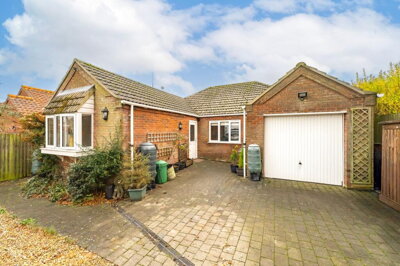
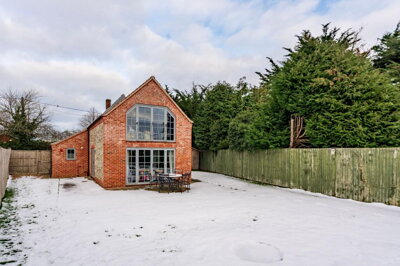
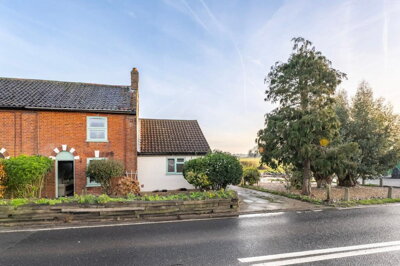
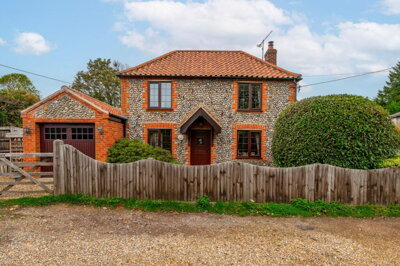
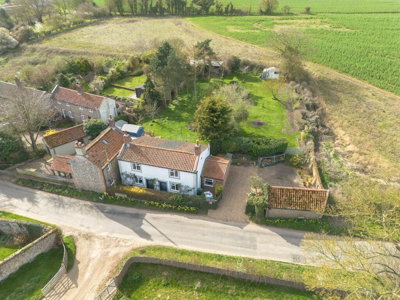
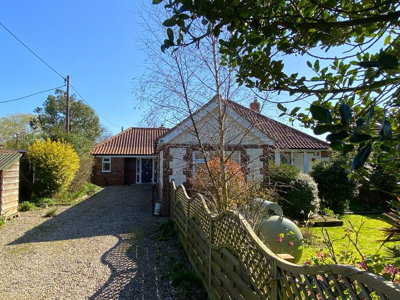
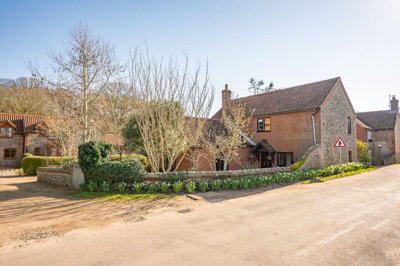
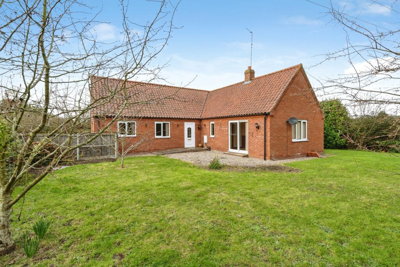
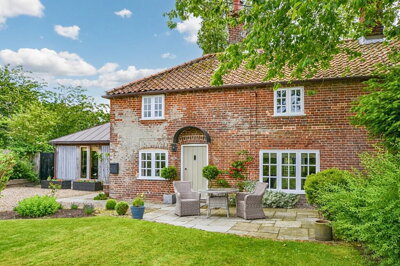
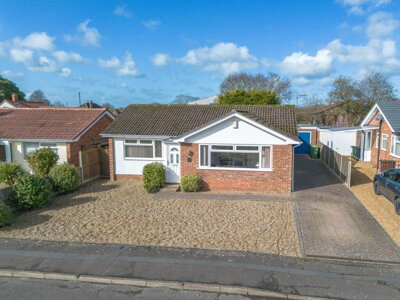
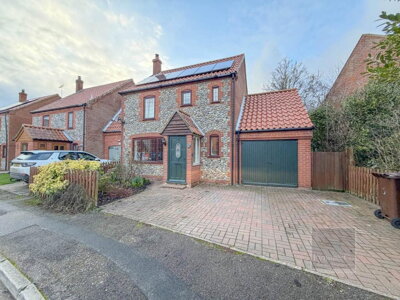
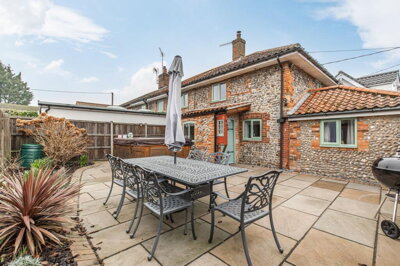
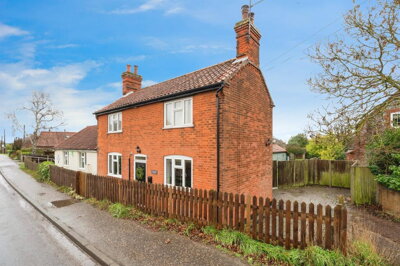
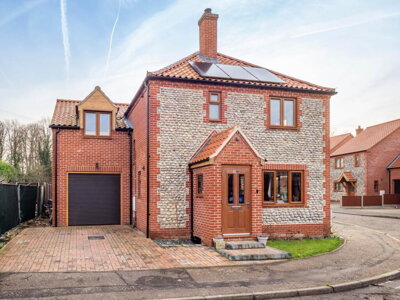
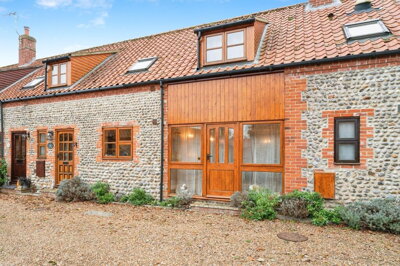
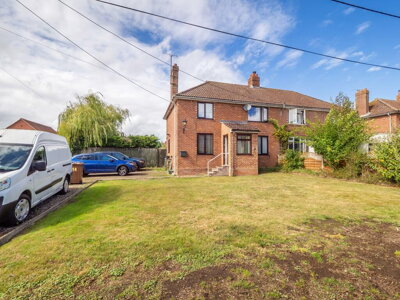
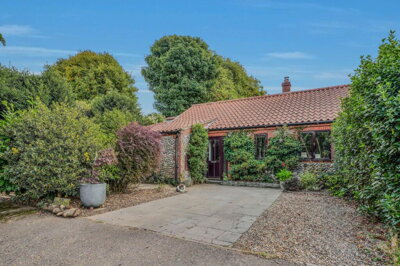
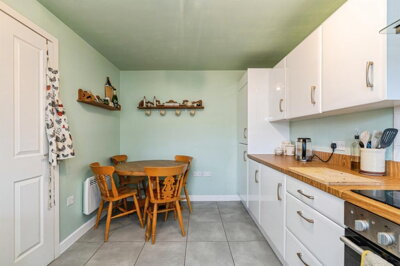
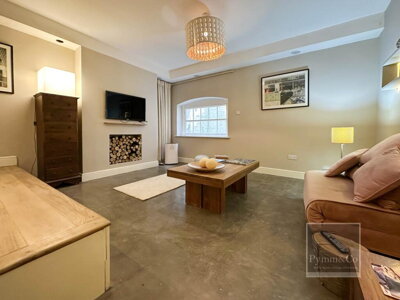
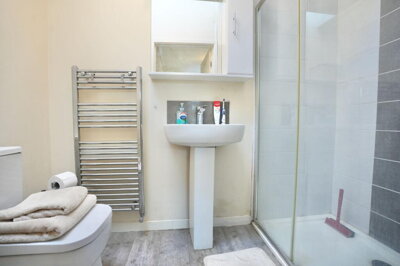
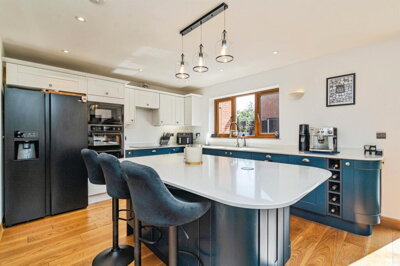
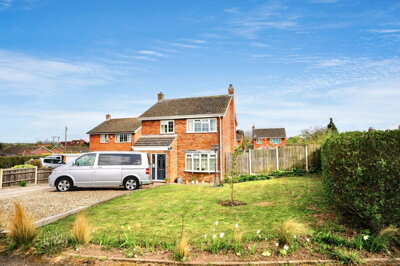
Browse 23 homes for sale in Thorpe Market from local estate agents.
Three bedroom properties represent a significant portion of the Thorpe Market housing market, offering space for families with multiple reception rooms and gardens in many cases. Browse detached, semi-detached, and terraced options ranging from period character homes to contemporary developments.
The Thorpe Market property market reflects the broader trends affecting North Norfolk, with recent data indicating a median sale price of £355,000 based on 2025 transactions. Property types available in the village include traditional detached homes commanding around £395,000, semi-detached properties in the region of £295,000, and terraced homes typically priced from £352,500. These figures demonstrate the premium associated with Norfolk's rural property market, where demand consistently outstrips supply, particularly for homes offering character features and generous outdoor space. The NR11 8XX postcode area has seen limited new-build development in recent years, meaning buyers seeking modern properties may need to look to surrounding areas.
Market activity in Thorpe Market remains modest, with very limited transaction volumes reflecting the village's small population and the finite supply of properties coming to market. Historical data shows that prices in Thorpe Market have fallen by 6.6% over the past twelve months, with values approximately 25% down on the 2023 peak of £503,333. Despite this correction, the local property market demonstrates underlying resilience, supported by sustained interest from buyers seeking the Norfolk countryside lifestyle. The prevalence of period properties, including 17th and 18th-century residences, adds distinct character to the housing stock but also introduces considerations for buyers regarding maintenance requirements and potential renovation costs. Rightmove data indicates that the majority of properties sold in Thorpe Market over the last year were detached homes, followed by terraced properties, with most built between 1800 and 1911.

Thorpe Market embodies the essence of rural Norfolk living, offering residents a peaceful environment surrounded by agricultural land and countryside walks. The village takes its name from its historical position near ancient markets and trading routes, with properties throughout the parish showcasing traditional Norfolk architecture featuring distinctive brick and flint construction. This building material, sourced locally from the region's geology, has been used for centuries and contributes to the village's attractive streetscape and heritage character. The community atmosphere in Thorpe Market reflects typical Norfolk village life, where neighbours know one another and local events bring residents together throughout the year.
The village falls within the NR11 8XX postcode area, with the community centred around the historic parish church and village green. Amenities in the immediate village remain limited, consistent with settlements of this size, but essential services are readily accessible in nearby towns. Cromer, approximately five miles distant, provides access to supermarkets, independent shops, healthcare facilities, and the famous Cromer Pier with its theatre and crab fishing heritage. The North Norfolk coast, designated an Area of Outstanding Natural Beauty, lies within easy reach, offering beaches, coastal paths, and nature reserves that attract visitors throughout the year. Norwich, Norfolk's principal city, provides comprehensive retail, cultural, and employment opportunities within approximately thirty minutes by car.
Life in Thorpe Market suits those who appreciate the Norfolk countryside and the slower pace of rural village living. The village attracts families, retirees, and professionals seeking a retreat from urban areas while maintaining access to coastal and city amenities. Daily life involves travelling to nearby towns for larger shopping trips and specialist services, with the nearest convenience stores located in surrounding villages. Community spirit remains strong in North Norfolk villages, with local events, pubs, and social groups providing regular opportunities to meet neighbours. The area also benefits from active local conservation groups working to maintain the village's heritage and countryside walks.

Families considering a move to Thorpe Market will find educational options available in the surrounding North Norfolk area, with primary schools serving the local village communities. The nearest primary education is typically found in nearby parishes, with various village schools offering classes for children from reception through to Year 6. These smaller rural schools often benefit from dedicated teaching staff and strong community connections, though parents should research specific Ofsted ratings and catchment areas relevant to their Thorpe Market property. School performance data, including recent Ofsted ratings, is available through the Ofsted website, allowing parents to research options relevant to their family circumstances.
Secondary education in North Norfolk centres on schools in the market towns, with secondary schools in Cromer and surrounding areas providing comprehensive curricula and examination courses. For families seeking alternative educational paths, the wider Norfolk region offers grammar school options, with entrance determined by the eleven-plus examination, as well as independent schooling at primary and secondary levels. Further education opportunities are available at colleges in Norwich and King's Lynn, providing A-level courses and vocational qualifications for students completing their secondary education. Parents are advised to verify current school admissions policies and travel arrangements, as rural locations may require school transport arrangements. The catchment area for Thorpe Market typically falls within North Norfolk District Council's education jurisdiction, with specific school allocations determined by geographic boundaries.
Transport connectivity from Thorpe Market reflects its rural Norfolk location, with road travel serving as the primary means of accessing surrounding areas and employment centres. The village connects to the A140 corridor, providing routes to Norwich in one direction and to the North Norfolk coast in the other. The A140 links with the broader Norfolk road network, including connections to the A47 bypass around Norwich, facilitating travel to destinations further afield. For those commuting to Norwich for work, typical journey times by car range from twenty-five to thirty-five minutes depending on traffic conditions and specific destinations within the city. Norwich city centre and its business parks are readily accessible via the A140.
Public transport options serving Thorpe Market include bus services connecting the village to nearby market towns and coastal communities, though service frequencies reflect the rural nature of the area and may not suit regular commuters. The nearest railway stations are located in Cromer and Norwich, with Norwich offering direct services to London Liverpool Street via the Greater Anglia network. These rail services provide an alternative for commuters working in the capital or other major cities, though the frequency and journey times should be verified against current timetables. Cromer station, located on the Bittern Line, provides connections to Norwich and offers a convenient option for those travelling to the city without driving. Cycling infrastructure in North Norfolk continues to develop, with scenic routes available for leisure and shorter local journeys, though hilly terrain in some areas may require consideration for less experienced cyclists. The A140 remains the main arterial route through this part of North Norfolk, making road travel the most practical option for daily commuting.
The housing stock in Thorpe Market predominantly consists of period properties constructed using traditional methods that differ significantly from modern building techniques. Our inspectors frequently encounter brick and flint construction throughout North Norfolk, a building material that has been used for centuries in this region due to the local geology and available resources. Unlike standard brickwork, brick and flint walls require specific expertise to assess and maintain, as the combination of hard flint nodules with lime mortar creates a distinctive construction method that behaves differently from modern cavity wall construction. When we survey properties in Thorpe Market, we pay particular attention to the condition of flint work, the integrity of lime-based mortars, and any signs of movement or deterioration that may indicate structural concerns.
Most properties in Thorpe Market were built between 1800 and 1911, corresponding to the Victorian and Edwardian periods when the village saw significant residential development. These older homes typically feature traditional construction methods including solid walls, timber floor structures, and original windows that may require updating to meet current energy efficiency standards. The age of the housing stock means that electrical wiring, plumbing systems, and heating installations often date from earlier periods and may require attention to bring them up to modern standards. During our surveys, we commonly find outdated consumer units, old rubber or cloth-covered wiring, and heating systems that have exceeded their expected lifespan. These issues are not necessarily deal-breakers, but they do represent maintenance commitments that buyers should factor into their budget and renovation plans.
Several properties in Thorpe Market carry Grade II listing status, including notable 17th-century brick and flint residences that form part of the village's heritage character. Listed buildings are protected under planning legislation, meaning that any alterations, extensions, or significant repairs require Listed Building Consent from North Norfolk District Council. This designation affects what buyers can and cannot do with a property, and we always recommend that clients consider the implications of listing status carefully before proceeding with a purchase. Our surveyors are experienced in assessing listed buildings and can advise on the specific considerations that apply to these properties, including potential restrictions on modernising heating systems, replacing windows, or carrying out structural alterations.
Purchasing property in Thorpe Market requires careful consideration of factors specific to rural Norfolk and period properties. The village's housing stock includes numerous older properties constructed using traditional brick and flint methods, a distinctive feature of North Norfolk architecture that requires different maintenance approaches compared to modern brick construction. Prospective buyers should investigate the condition of external render, the integrity of flint work, and the presence of any signs of damp or structural movement that may indicate underlying issues requiring attention. Our surveyors regularly encounter these construction types and can provide detailed assessments of their condition and maintenance requirements.
Listed building status affects several properties in Thorpe Market, including Grade II listed 17th-century residences that carry specific regulations regarding alterations and improvements. Before purchasing a listed property, understanding these restrictions is essential, as planned renovations may require Listed Building Consent from North Norfolk District Council. Additionally, the village's position in North Norfolk means that rural considerations such as drainage arrangements, private water supplies, and septic tank maintenance may apply to certain properties, particularly those at the extremities of the village or on smaller lanes. Our team can advise on these rural property considerations during the survey process, helping you understand what maintenance and potential costs you may face.
Given the age of much of the housing stock, electrical wiring, plumbing systems, and heating installations may require updating to meet current standards, and a thorough survey should identify any such requirements before completion. We recommend that all buyers commission a RICS Level 2 Survey before completing their purchase, particularly given the prevalence of period properties in the village. The investment in a professional survey typically proves worthwhile, identifying issues that can be used to negotiate a price reduction or ensure the seller addresses problems before completion. Our surveyors are familiar with the common issues affecting North Norfolk properties and can provide detailed, property-specific advice that generic online information cannot match.
Our inspectors regularly identify specific defect patterns when surveying properties in Thorpe Market, reflecting the age and construction methods of the local housing stock. Roof conditions frequently require attention, with aged tiles, slipped slates, and deteriorated flashing commonly found on period properties that may not have received recent roof maintenance. We always recommend close inspection of roof spaces where accessible, as roof defects can lead to significant water ingress and structural deterioration if left unaddressed. The timber roof structures in older properties may also show signs of woodworm activity or fungal decay, particularly where ventilation has been inadequate or roof coverings have allowed water penetration.
Damp represents one of the most frequently encountered issues in Thorpe Market properties, manifesting as rising damp in solid floor constructions, penetrating damp through weathered walls, and condensation issues related to inadequate ventilation in older properties. Brick and flint construction can be particularly susceptible to penetrating damp where mortar joints have deteriorated or where render has cracked and trapped moisture behind it. Our surveyors use moisture meters and thermal imaging equipment to identify the extent and source of damp problems, distinguishing between minor cosmetic issues and more serious structural concerns that may require significant remediation. Properties that have been poorly maintained or have experienced prolonged vacancy often present more extensive damp issues than those that have been regularly occupied and maintained.
Subsidence and structural movement require careful assessment in any older property, though specific data regarding clay-related shrink-swell movement in the Thorpe Market area could not be verified through standard searches. Our surveyors assess walls, floors, and door frames for signs of movement, noting any cracks that may indicate ongoing structural concerns. Timber-framed elements, where present, may show signs of rot or beetle activity that requires treatment. Given the period of construction for many properties in Thorpe Market, we also pay attention to chimney stacks, which may have suffered from frost damage or have inadequate restraint, and to boundary walls and outbuildings that may have deteriorated over time. For listed buildings and properties of unusual construction, we may recommend a more detailed RICS Level 3 Building Survey or the involvement of a structural engineer to assess specific concerns.
Begin your property search by exploring current listings in Thorpe Market and understanding price trends in the North Norfolk area. Review comparable properties that have sold recently to gauge realistic valuations for different property types. Our property search tool provides access to current listings from local estate agents, allowing you to monitor the market and identify suitable properties as they become available.
Once you have identified properties of interest, schedule viewings through Homemove or directly with estate agents listing in the area. Take time to assess the condition of period properties, noting features such as brick and flint construction and potential maintenance requirements. We recommend viewing properties at different times of day and, where possible, during wet weather to identify any issues that may not be apparent under favourable conditions.
Before making formal offers, secure a mortgage agreement in principle from a lender. This demonstrates your financial capability to sellers and strengthens your position in negotiations, particularly in competitive market conditions. We can connect you with mortgage advisers who understand the North Norfolk property market and can help you find suitable lending products.
Given the prevalence of older properties in Thorpe Market, including 17th and 18th-century homes, we strongly recommend commissioning a Level 2 Survey before completing your purchase. This assessment identifies structural issues, potential defects, and renovation considerations specific to period properties. Our team can arrange a RICS-accredited surveyor to conduct this assessment and provide a detailed report before your completion date.
Appoint a solicitor experienced in Norfolk property transactions to handle the legal aspects of your purchase. They will conduct searches, review title documents, and manage the exchange and completion process on your behalf. Conveyancing costs typically range from £500 to £1,500 depending on transaction complexity, and we can introduce you to solicitors who regularly handle North Norfolk property transactions.
Once all legal requirements are satisfied and your mortgage is fully approved, your solicitor will coordinate the exchange of contracts and set a completion date. On completion day, you will receive the keys to your new Thorpe Market home. We recommend conducting a final inspection of the property before completion to ensure no damage has occurred since your last visit and that all agreed items are in place.
Understanding the full costs of purchasing property in Thorpe Market extends beyond the advertised asking price to include various fees and taxes. Stamp Duty Land Tax represents a significant upfront cost, with current rates applying a zero percent rate on the first £250,000 of residential purchases, five percent on amounts between £250,001 and £925,000, ten percent on the next £575,000, and twelve percent on any remainder above £1.5 million. For most Thorpe Market properties priced around the median of £355,000, this translates to approximately £5,250 in stamp duty for standard buyers, or £1,500 for qualifying first-time buyers under the increased thresholds available to those who have never owned property before.
Additional purchase costs include solicitor fees for conveyancing, which typically range from £500 to £1,500 depending on the complexity of the transaction and property type. Survey costs should also be factored into your budget, with a RICS Level 2 Survey costing from £350 for standard properties but potentially more for larger homes or those requiring detailed assessment due to age or condition. Given the prevalence of period properties in Thorpe Market, including 17th and 18th-century homes, investing in a thorough survey is particularly advisable to identify any structural concerns or renovation requirements before purchase. Our team can arrange RICS Level 2 Surveys at competitive rates, with surveyors familiar with the specific construction types found in Thorpe Market.
Mortgage arrangement fees vary between lenders but commonly range from £500 to £2,000, often added to the loan amount rather than paid upfront. Valuation fees, which lenders require before approving a mortgage, typically cost between £200 and £500 depending on property value. Search fees, covering local authority and environmental searches, generally amount to approximately £250 to £400. Budgeting for a buffer of around three to five percent of the purchase price to cover these additional costs ensures you are prepared for the full financial commitment of acquiring your Thorpe Market home. We recommend obtaining a comprehensive breakdown of all costs from your solicitor and mortgage adviser before proceeding with your purchase.
Recent property data indicates a median sale price of £355,000 in Thorpe Market, based on 2025 transactions. Detached properties typically command around £395,000, while terraced homes average approximately £352,500. The village has experienced a 6.6% price reduction over the past twelve months, with values approximately 25% down on the 2023 peak of £503,333. However, demand for North Norfolk properties remains consistent, supporting the market for character homes in desirable village locations. The NR11 8XX area has seen limited transaction volumes, with only a handful of sales recorded in recent years, reflecting the village's small size and finite property supply.
Properties in Thorpe Market fall under North Norfolk District Council jurisdiction, with council tax bands ranging from A to H depending on property value and type. Band A properties command the lowest annual charges while Band H properties carry the highest rates. Prospective buyers should verify the specific council tax band for any property they are considering, as bands can affect ongoing housing costs. Band information is available through the Valuation Office Agency website or provided in property listing details. Council tax payments in Norfolk fund local services including education, highways, and refuse collection, with charges varying according to the assessed value of the property.
Thorpe Market itself is a small village, with primary education typically provided by schools in surrounding parishes. Secondary schools in the area include establishments in Cromer and nearby market towns, offering comprehensive curricula and examination provision. School performance data, including recent Ofsted ratings, is available through the Ofsted website, allowing parents to research options relevant to their family circumstances. Catchment areas and admissions criteria should be verified directly with Norfolk County Council Education services, as these can change and may affect which schools your children can attend based on your Thorpe Market address.
Public transport serving Thorpe Market reflects the village's rural location, with bus services providing connections to nearby towns and coastal communities. Service frequencies are limited compared to urban areas, and residents typically rely on private vehicles for regular commuting and daily activities. The nearest railway stations are in Cromer and Norwich, with Norwich offering direct services to London Liverpool Street via the Greater Anglia network. Journey planning should account for these practical considerations when evaluating Thorpe Market as a residential location, particularly if you will need to commute to work or access services not available locally.
Thorpe Market and the broader North Norfolk area have historically demonstrated stable property values with sustained demand from buyers seeking rural lifestyles. The limited supply of properties in small villages, combined with the area's natural beauty and coastal proximity, supports long-term demand. Period properties with character features, including those with Grade II listing status, may appeal to buyers willing to undertake maintenance and renovation. As with any property investment, thorough research into local market conditions, potential rental demand, and associated costs is advisable before committing to purchase. The village's position within the NR11 8XX postcode and its proximity to the A140 corridor provide reasonable connectivity for those who need to access Norwich or the coast.
Stamp Duty Land Tax applies to all property purchases in England, with current thresholds set at zero percent for the first £250,000 of purchase price, five percent on the portion between £250,001 and £925,000, ten percent up to £1.5 million, and twelve percent above that threshold. First-time buyers benefit from increased thresholds, paying zero percent up to £425,000 and five percent between £425,001 and £625,000. For a typical Thorpe Market property priced at £355,000, standard buyers would pay approximately £5,250 in stamp duty, while first-time buyers would pay £1,500 under current 2024-25 regulations.
Given the age of properties in Thorpe Market, with most built between 1800 and 1911 and many featuring traditional brick and flint construction, a professional survey is essential to identify defects that may not be apparent during viewings. Our inspectors frequently find issues including roof deterioration, damp problems, outdated electrical systems, and structural movement that require attention. A RICS Level 2 Survey provides detailed information about the property's condition, enabling you to make an informed decision and negotiate appropriately with the seller. For listed buildings or properties of unusual construction, a more comprehensive RICS Level 3 Survey may be advisable.
The housing stock in Thorpe Market predominantly consists of period properties, including Victorian and Edwardian homes alongside older 17th and 18th-century residences. Traditional brick and flint construction is a distinctive feature of the area, reflecting local building materials and methods used for centuries in North Norfolk. Several properties carry Grade II listing status, indicating their historical significance and protected heritage status. Detached homes typically command the highest prices, followed by terraced properties, with semi-detached homes offering more affordable options. The village has seen minimal new-build development in recent years, meaning most available properties will be period homes requiring varying degrees of maintenance and renovation.
Properties for Sale In London

Properties for Sale In Plymouth

Properties for Sale In Liverpool

Properties for Sale In Glasgow

Properties for Sale In Sheffield

Properties for Sale In Edinburgh

Properties for Sale In Coventry

Properties for Sale In Bradford

Properties for Sale In Manchester

Properties for Sale In Birmingham

Properties for Sale In Bristol

Properties for Sale In Oxford

Properties for Sale In Leicester

Properties for Sale In Newcastle

Properties for Sale In Leeds

Properties for Sale In Southampton

Properties for Sale In Cardiff

Properties for Sale In Nottingham

Properties for Sale In Norwich

Properties for Sale In Brighton

Properties for Sale In Derby

Properties for Sale In Portsmouth

Properties for Sale In Northampton

Properties for Sale In Milton Keynes

Properties for Sale In Bournemouth

Properties for Sale In Bolton

Properties for Sale In Swansea

Properties for Sale In Swindon

Properties for Sale In Peterborough

Properties for Sale In Wolverhampton

Enter your details to see if this property is within your budget.
Loans, cards, car finance
Estimated property budget
Borrowing + deposit
You could borrow between
Typical borrowing
Monthly repayment
Est. at 4.5%
Loan-to-value
This is an estimate only. Your actual budget may vary depending on interest rates, credit history, and personal circumstances. For an accurate affordability assessment, speak to one of our free mortgage advisors.
This calculator provides estimates for illustrative purposes only and does not constitute financial advice. Your home may be repossessed if you do not keep up repayments on your mortgage. Estimates based on 4.5% interest rate, repayment mortgage. Actual rates depend on your circumstances.
Homemove is a trading name of HM Haus Group Ltd (Company No. 13873779, registered in England & Wales). Homemove Mortgages Ltd (Company No. 15947693) is an Appointed Representative of TMG Direct Limited, trading as TMG Mortgage Network, which is authorised and regulated by the Financial Conduct Authority (FRN 786245). Homemove Mortgages Ltd is entered on the FCA Register as an Appointed Representative (FRN 1022429). You can check registrations at NewRegister or by calling 0800 111 6768.

We use cookies to show you personalised content and improve your experience of our website. Find out more in our Privacy policy and Cookie policy.