Browse 3 homes for sale in Thornton Steward from local estate agents.
The 2 bed house market features detached, semi-detached, and terraced properties with two separate bedrooms plus living spaces. Properties in Thornton Steward range from Victorian and Edwardian period homes to modern new builds, with pricing varying across different neighbourhoods.
The Thornton Steward property market reflects the broader strength of rural Yorkshire Dales housing, where demand consistently outstrips supply given the limited number of homes available within the village boundaries. Our listings data shows properties spanning various price points, from traditional stone terraced cottages ideal for first-time buyers to substantial detached residences offering generous gardens and countryside views. The village has seen notable interest from buyers relocating from urban centres seeking a better quality of life, with families, retirees, and remote workers all represented among those drawn to Thornton Steward's peaceful setting. The Yorkshire Dales property market has proven resilient, with values in the wider North Yorkshire area holding firm even during periods of broader market uncertainty.
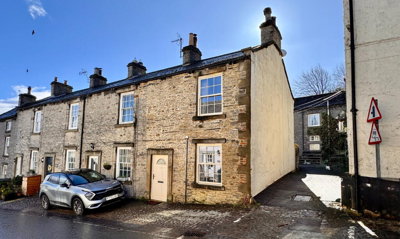
Property types available in Thornton Steward include charming period cottages constructed from local Yorkshire stone, typically featuring original fireplaces, exposed beams, and character features that appeal to buyers seeking authentic rural homes. Detached family homes with spacious gardens are also available, offering modern family requirements while maintaining the architectural coherence of the village setting. The broader North Yorkshire market data provides useful context, with detached properties averaging £435,000, semi-detached homes at £272,000, and terraced properties around £220,000 across the county. Thornton Steward's village premium positions local properties above these county averages, reflecting the desirability of Yorkshire Dales addresses. New build activity within Thornton Steward itself remains minimal, with zero new build sales recorded in 2025, meaning virtually all available stock comprises existing properties with established character.
Thornton Steward has approximately 41 properties currently listed according to property portal data, though this figure fluctuates as sales complete and new listings emerge. The village sits within the DL8 postcode area serving the Upper Dales, with notable variation in property prices depending on size, condition, and whether homes carry listed building status. The Yorkshire Dales National Park boundary significantly constrains development potential, ensuring that housing supply remains tightly controlled and supporting long-term property values in villages like Thornton Steward. Flats and maisonettes are virtually absent from the village, with virtually all housing stock comprising houses rather than apartments, contributing to the premium positioning of available properties.

Thornton Steward exemplifies the traditional Yorkshire Dales village, characterized by dry-stone walls, ancient woodland, and the gradual rhythm of rural life undisturbed by heavy traffic or urban noise. The village sits within a landscape shaped by centuries of farming, where limestone outcrops create natural features and the open countryside stretches toward distant fells. Local amenities within the village itself are limited, as is typical for Dales settlements of this size, but this scarcity contributes to the tight-knit community atmosphere where village events and seasonal gatherings bring residents together. The surrounding area offers excellent walking, with public footpaths crossing farmland and moorland, making Thornton Steward particularly appealing to outdoor enthusiasts and those seeking an active countryside lifestyle. The absence of through-traffic creates a genuinely peaceful environment where children can play safely and residents can enjoy evening walks without concern.
The community spirit in Thornton Steward reflects the best traditions of Yorkshire village life, with residents supporting one another through seasonal events, village hall activities, and informal social gatherings at the local establishment. The economy of the surrounding area centres on agriculture, with family farms producing livestock and dairy products alongside the growing tourism sector that brings visitors to the Dales throughout the year. Local businesses serving the village community include farm shops selling regional produce, artisan food producers, and craft workshops that have established themselves in converted agricultural buildings. The proximity to market towns means residents can access supermarkets, medical services, and additional shopping without undertaking lengthy journeys, balancing village tranquility with practical convenience.
The village's setting within Wensleydale, close to the market town of Leyburn, places residents within easy reach of the famous Wensleydale Cheese experience and the annual cheese festival that draws visitors from across the country. The landscape surrounding Thornton Steward includes areas of limestone pavement and ancient meadows that support rare wildlife, making the village particularly attractive to nature enthusiasts and those who appreciate conservation. The Yorkshire Dales draws visitors throughout the year, with tourists attracted to the scenic railways, historic castles, and renowned walking routes including the Pennine Way that passes through the region. Properties in Thornton Steward include a selection of Grade II listed buildings, reflecting the historical significance of certain homes within the village and adding to the architectural character that makes this settlement distinctive within the Dales.

Families considering a move to Thornton Steward will find educational provision available within the surrounding area, with primary schools serving the nearby villages and larger settlements offering comprehensive secondary education. The nearest primary school typically serves a cluster of Dales villages, providing education for children from reception through to Year 6, with small class sizes that allow for individual attention and strong community relationships between staff and pupils. For secondary education, students generally travel to schools in the market towns of Leyburn, Ripon, or Bedale, with school transport arrangements facilitating daily commutes from outlying villages. The rural nature of Dales schooling means children benefit from outdoor learning opportunities, strong connections to the natural environment, and the personal development that comes from attending smaller schools where each student is known individually.
The wider North Yorkshire area maintains high educational standards, with schools consistently performing well in national assessments and examinations. Parents moving to Thornton Steward should research current catchment areas and admissions policies, as these can change and may influence school allocation for families with younger children. For families requiring early years childcare, arrangements may involve childminders serving multiple villages or nurseries located in nearby towns, with advance planning recommended given the limited provision compared to urban areas. Secondary school options in the region include both community schools and those with religious foundations, offering families a range of educational philosophies to consider. Sixth form provision is available at larger secondary schools, with further education colleges accessible in Northallerton and Harrogate for students pursuing vocational qualifications or A-levels beyond GCSE.
The travel distances to secondary schools mean that families should factor school transport arrangements into their relocation planning, as daily journeys of 20-30 minutes each way are typical for Dales village residents. Many families find that the quality of education available at schools like the Risedale Sports and Community College in Catterick Garrison or the single-site secondary schools in Leyburn more than compensates for the commute distance. North Yorkshire County Council coordinates school transport for eligible pupils living beyond the statutory walking distance from their allocated school, with routes designed to serve scattered rural communities efficiently.
Transport connections from Thornton Steward reflect the realities of rural Dales living, where residents rely primarily on private vehicles supplemented by limited bus services operating along key routes. The village sits within reasonable driving distance of the A1(M) motorway, providing direct access north to Newcastle upon Tyne and south toward Leeds and the M1 motorway network, though peak travel times to major employment centres will still require significant journey periods. Daily commuting to Leeds or York from Thornton Steward is achievable for those working from home most days with occasional office attendance, though regular five-day commuting would prove tiring given the distances involved. The nearest railway stations are located in Darlington to the east and Northallerton to the south-east, both offering regular services to major northern cities including Edinburgh, Newcastle, Leeds, and London King's Cross via East Coast main line connections.
Local bus services connect Thornton Steward with nearby market towns, though frequencies are limited with perhaps one or two services per day on certain routes, making car ownership effectively essential for village residents. The B6255 and surrounding country lanes provide scenic but winding routes to neighbouring villages and towns, with cyclists finding the undulating Dales terrain both challenging and rewarding for recreational riding. Walking and cycling infrastructure within the village itself is limited to existing lanes and public footpaths, without dedicated cycle lanes or extensive pedestrianized areas given the small-scale nature of the settlement. Residents planning international travel typically use Leeds Bradford Airport for domestic and European flights, approximately 90 minutes drive from Thornton Steward, while Newcastle Airport and Durham Tees Valley Airport offer additional options for longer-haul destinations.
The nearest mainline station at Northallerton provides access to London King's Cross in approximately two and a half hours, making day trips to the capital feasible for those with business or leisure purposes there. Darlington station, slightly further east, offers similar connectivity and is also served by CrossCountry trains providing connections to Bristol, Birmingham, and the south-west. For those commuting to Leeds, the journey by car typically takes around an hour in normal traffic conditions, though this extends significantly during peak periods or when roadworks affect the A1(M) corridor. Many residents of Thornton Steward choose to embrace the rural lifestyle fully, working remotely from the village and making only occasional trips to urban centres rather than maintaining daily commuting routines.
Before viewing properties, spend time in Thornton Steward at different times of day and week to understand what daily life here truly involves. Visit local shops, walk the footpaths, and speak with existing residents to gauge community atmosphere and any potential drawbacks such as limited mobile signal or transport options. Understanding the seasonal nature of tourism in the Dales, with summer bringing additional traffic on narrow lanes, helps set realistic expectations for village living.
Contact a mortgage broker or lender to obtain an agreement in principle before making any offers. Given Thornton Steward's average property price of £425,000, you will need to demonstrate borrowing capacity appropriate to this price point, with rural properties sometimes requiring specialist lending approaches. Some lenders view Dales properties differently from standard urban homes, particularly for listed buildings or those with non-standard construction, so speaking with a broker experienced in rural property finance is advisable.
Thornton Steward and the surrounding Dales villages see relatively few properties come to market, making agent registration essential. Local agents serving the Leyburn and Ripon areas will have knowledge of village properties before they reach major portals. Building relationships with agents can provide early warning of properties coming to market, giving buyers a competitive advantage in a market where desirable homes can sell quickly.
View multiple properties to compare condition, character, and value. Many homes here are period properties where understanding repair requirements and listed building obligations is crucial before committing to purchase. Bring a torch, notebook, and appropriate footwear when viewing rural properties, as outdoor areas and outbuildings form an important part of assessing overall property condition.
Given the age of many Thornton Steward properties and presence of listed buildings, a thorough homebuyers report from a qualified surveyor is strongly recommended to identify any structural concerns or maintenance issues. The RICS Level 2 survey provides detailed assessment of condition, defects, and renovation costs that affect buying decisions in older village properties.
Your solicitor will handle searches, contracts, and registration, ensuring the legal transfer of the property proceeds smoothly and that any village-specific covenants or obligations are identified. Search enquiries should include checks with Hambleton District Council planning records, mining records if applicable, and Environment Agency flood risk data for the specific location.
Properties in Thornton Steward frequently include historic elements such as stone construction, original windows, and period features that require specific maintenance knowledge and potentially listed building consent for alterations. Before purchasing, establish whether the property is listed by checking with Hambleton District Council planning records, as Grade II listing brings obligations regarding external changes, window replacements, and alterations to the building's character. Many village homes have been sympathetically updated over the years, but others may require investment in heating systems, electrical rewiring, or damp remediation, with survey reports providing essential information for budget planning.
The age of properties in the village means that services such as plumbing and electrical systems may predate modern standards, with buyers needing to factor potential upgrade costs into their overall purchase budget. Common issues in older Yorkshire stone properties include tracking damp through solid walls, deterioration of lime mortar pointing, and wear to original timber windows that may require specialist joinery rather than standard replacement. Our inspectors frequently identify that properties in conservation-minded Dales villages often have additional maintenance requirements compared to modern equivalents, but also possess build quality and materials that justify the extra care needed. Roof condition deserves particular attention on period properties, as re-roofing with appropriate materials can represent significant expenditure.
Flood risk in Thornton Steward requires investigation using Environment Agency mapping and local knowledge, as properties near watercourses or in lower-lying areas may face occasional flooding. Village drainage in older settlements can sometimes prove inadequate during heavy rainfall, a factor worth discussing with current owners and neighbours before completing a purchase. Boundaries between properties are often defined by traditional dry-stone walls, with responsibility for maintenance shared between neighbours according to long-standing arrangements that may not be formally documented. Planning restrictions within the Yorkshire Dales National Park are typically stricter than in urban areas, meaning that extensions, outbuildings, and significant alterations require careful consideration and pre-application advice from the planning authority before commitment.
Properties sitting slightly outside the village core may benefit from additional land included in the sale, offering space for gardens, paddocks, or amenity woodland that appeals to those seeking a more rural lifestyle. The surrounding farmland is predominantly in agricultural use, with farm tenancy arrangements and common land usage potentially affecting access rights and land management responsibilities. Understanding the relationship between residential properties and surrounding farmland helps buyers appreciate the rural context of village living and any implications for noise, smell, or seasonal farming activities.
The average house price in Thornton Steward over the last year was £425,000, representing a significant 13% increase compared to the previous year. This figure reflects the strong demand for rural Yorkshire Dales properties and the limited supply of homes available within the village boundaries. Individual property prices will vary considerably depending on size, condition, and whether the property is listed, with detached family homes and properties with substantial gardens typically commanding premiums above this average figure. The village sees relatively few annual transactions, with recent data indicating approximately one recorded sale per year in 2025, making each available property particularly noteworthy in a supply-constrained market.
Properties in Thornton Steward fall within Hambleton District Council's jurisdiction, with most village homes likely to fall in council tax bands A through D given the range of property sizes and values present. Band A properties typically attract the lowest annual charges while larger detached homes may fall into band D or higher. You can check the specific band of any listed property through the Valuation Office Agency website using the property address. Properties with significant land or outbuildings may attract higher banding, and listed building status does not automatically affect council tax classification.
The nearest primary schools to Thornton Steward serve clusters of Dales villages, with provision typically within a few miles for families with younger children. Secondary education options include schools in Leyburn, Ripon, and Bedale, all accessible by school transport. North Yorkshire maintains good overall educational standards, with schools in the region regularly achieving positive inspection outcomes from Ofsted. You should verify current catchment areas and admissions policies with North Yorkshire County Council as these can affect school allocations. Travel times to secondary schools typically range from 20 to 40 minutes depending on the specific school and home location within the village.
Public transport connections from Thornton Steward are limited, reflecting the rural nature of the Yorkshire Dales. Bus services connecting the village to nearby market towns operate infrequently, typically once or twice daily on certain routes, making car ownership essential for most residents. The nearest railway stations are in Darlington and Northallerton, both offering regular services to major cities including Leeds, Newcastle, and London. Leeds Bradford Airport is approximately 90 minutes drive away for regional and international flights. Northallerton station provides direct access to London King's Cross in around two and a half hours, making occasional city visits feasible without car travel.
Thornton Steward and the wider Yorkshire Dales property market has demonstrated consistent value growth, with the 13% year-on-year increase reflecting strong demand for rural village properties. The combination of limited housing supply, national park protection limiting new development, and continued urban-to-rural migration supports the investment case for Dales property purchases. Properties suitable for holiday lets or short-term rentals may offer additional income potential given tourism levels in the area, though you should verify planning requirements for any rental activity. The village forms part of the premium Dales property market where properties change hands infrequently but command strong prices when marketed correctly.
As of 2024-25, standard stamp duty rates apply 0% on the first £250,000 of purchase price, 5% on £250,001 to £925,000, 10% on £925,001 to £1.5 million, and 12% above £1.5 million. For a typical £425,000 property in Thornton Steward, this would mean stamp duty of £8,750 applying to the portion between £250,000 and £425,000. First-time buyers relief raises the nil-rate threshold to £425,000 with 5% applying between £425,000 and £625,000, potentially eliminating stamp duty entirely for first-time buyers purchasing at the average price point. Additional property purchases attract the higher rates of 3% above the standard thresholds.
Thornton Steward is known to have several listed buildings, including Grade II listed houses and properties of historical significance that reflect the village's long settlement history within the Yorkshire Dales. Living in a listed property brings specific responsibilities and opportunities, requiring consent for certain alterations while protecting the architectural heritage that makes the village distinctive. If you are considering a listed property purchase, factor in potential maintenance costs and specialist survey requirements when assessing overall affordability and commitment level. Properties in the village may also fall within any designated conservation area, bringing additional planning considerations for external alterations and property maintenance.
Properties in Thornton Steward are predominantly older construction, with most homes dating from the 18th or 19th century when traditional Yorkshire stone building methods prevailed throughout the Dales. Common issues to watch for include tracking damp through solid walls without cavity insulation, deterioration of traditional lime mortar pointing, and windows or doors that have settled over decades of seasonal movement. Many properties have had heating systems upgraded but may retain older electrical installations that require professional assessment. A thorough RICS Level 2 survey is particularly valuable for period village properties, identifying defects that might not be apparent during a casual viewing and providing negotiating leverage if significant issues are discovered.
Purchasing a property in Thornton Steward involves several costs beyond the advertised purchase price, with stamp duty land tax representing the most significant additional expense for most buyers. For a property at the village average price of £425,000, stamp duty under standard rates amounts to £8,750, calculated as 5% on the portion between £250,000 and £425,000. First-time buyers purchasing at this price point would pay no stamp duty under current relief provisions, as the nil-rate band extends to £425,000 for qualifying applicants. If you are purchasing above £625,000 as a first-time buyer, relief reduces and eventually eliminates, returning to standard rates for properties above that threshold.
Additional buying costs include solicitor fees for conveyancing, typically ranging from £500 to £1,500 depending on complexity and whether the property is leasehold or freehold. Survey costs should be budgeted at £350 to £600 for a RICS Level 2 homebuyers report, with Level 3 structural surveys potentially costing more for older or complex properties. Search fees from Hambleton District Council, environmental searches, and land registry fees typically total £200 to £400. Mortgage arrangement fees vary considerably between lenders but should be factored in, often ranging from nothing to 2% of the loan amount. Removal costs, potential decoration and renovation spending, and connection charges for utilities complete the picture of total moving costs that buyers should prepare for when budgeting their Thornton Steward purchase.
For buyers purchasing a property requiring renovation, factoring in additional costs for bringing older properties up to modern standards is essential. Listed buildings may require specialist contractors and materials that increase renovation budgets beyond standard expectations. Budgeting for a contingency of at least 10-15% above estimated renovation costs is prudent for period property purchases, where unexpected issues frequently emerge once work begins on older construction.
From 4.5%
Compare competitive mortgage rates for your Thornton Steward purchase
From £499
Expert solicitors handling your Thornton Steward property purchase
From £350
Detailed homebuyers report for Thornton Steward properties
From £60
Energy performance certificate for your new home
Properties for Sale In London

Properties for Sale In Plymouth

Properties for Sale In Liverpool

Properties for Sale In Glasgow

Properties for Sale In Sheffield

Properties for Sale In Edinburgh

Properties for Sale In Coventry

Properties for Sale In Bradford

Properties for Sale In Manchester

Properties for Sale In Birmingham

Properties for Sale In Bristol

Properties for Sale In Oxford

Properties for Sale In Leicester

Properties for Sale In Newcastle

Properties for Sale In Leeds

Properties for Sale In Southampton

Properties for Sale In Cardiff

Properties for Sale In Nottingham

Properties for Sale In Norwich

Properties for Sale In Brighton

Properties for Sale In Derby

Properties for Sale In Portsmouth

Properties for Sale In Northampton

Properties for Sale In Milton Keynes

Properties for Sale In Bournemouth

Properties for Sale In Bolton

Properties for Sale In Swansea

Properties for Sale In Swindon

Properties for Sale In Peterborough

Properties for Sale In Wolverhampton

Enter your details to see if this property is within your budget.
Loans, cards, car finance
Estimated property budget
Borrowing + deposit
You could borrow between
Typical borrowing
Monthly repayment
Est. at 4.5%
Loan-to-value
This is an estimate only. Your actual budget may vary depending on interest rates, credit history, and personal circumstances. For an accurate affordability assessment, speak to one of our free mortgage advisors.
This calculator provides estimates for illustrative purposes only and does not constitute financial advice. Your home may be repossessed if you do not keep up repayments on your mortgage. Estimates based on 4.5% interest rate, repayment mortgage. Actual rates depend on your circumstances.
Homemove is a trading name of HM Haus Group Ltd (Company No. 13873779, registered in England & Wales). Homemove Mortgages Ltd (Company No. 15947693) is an Appointed Representative of TMG Direct Limited, trading as TMG Mortgage Network, which is authorised and regulated by the Financial Conduct Authority (FRN 786245). Homemove Mortgages Ltd is entered on the FCA Register as an Appointed Representative (FRN 1022429). You can check registrations at NewRegister or by calling 0800 111 6768.

We use cookies to show you personalised content and improve your experience of our website. Find out more in our Privacy policy and Cookie policy.