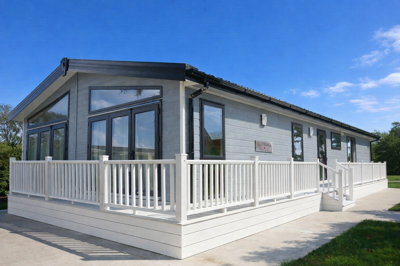
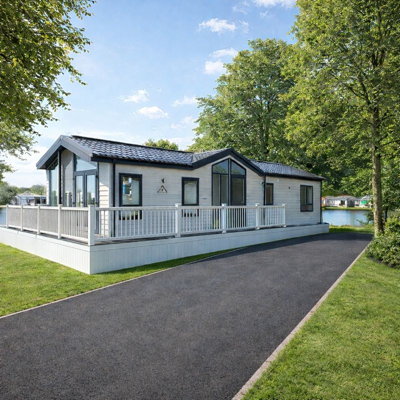
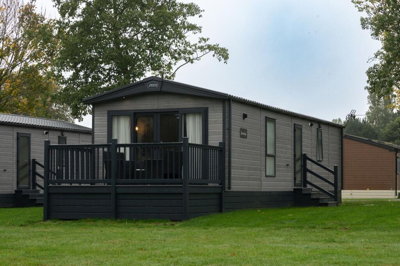
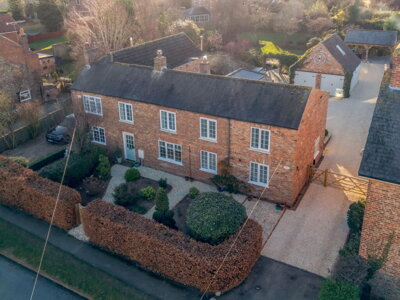
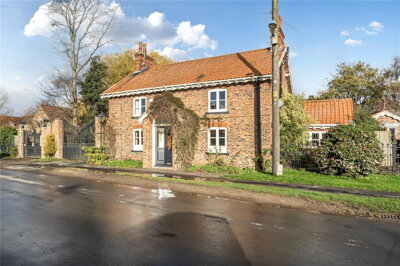
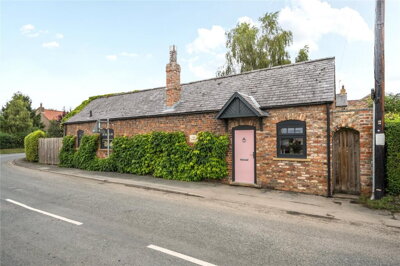
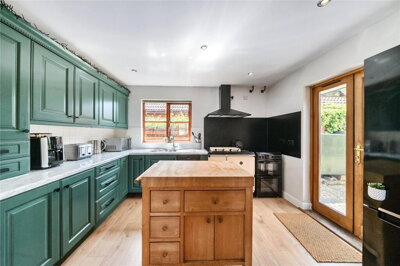
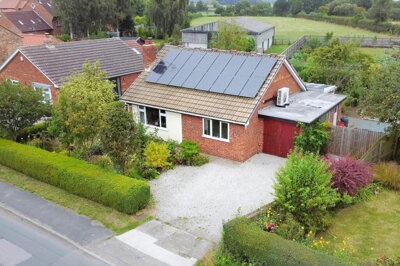
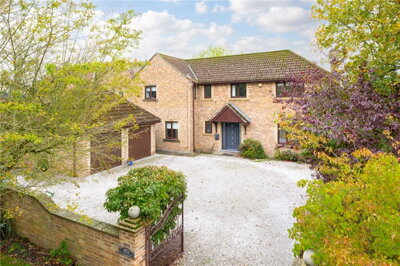
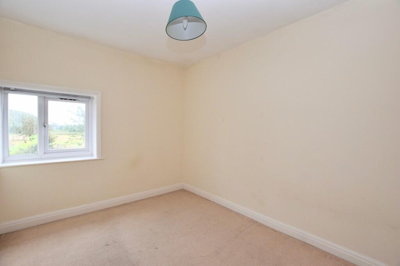
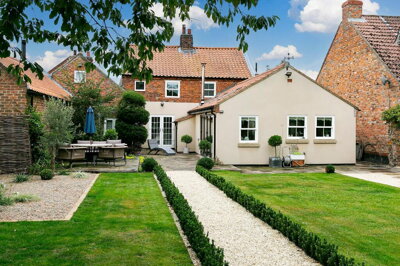
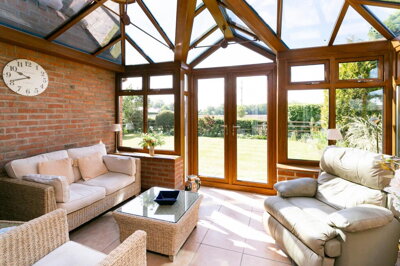
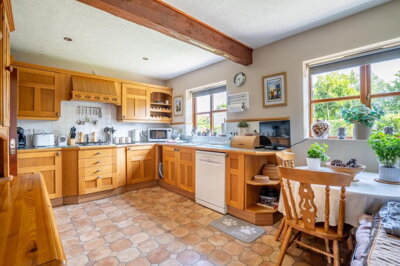
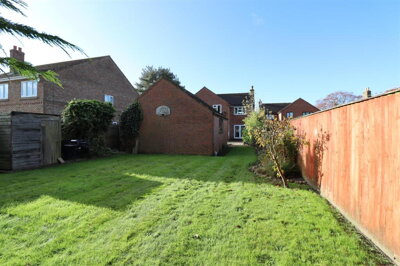
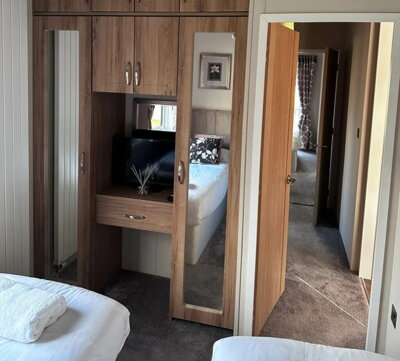
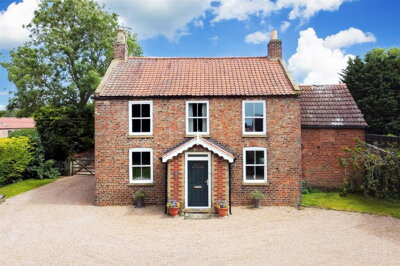
Browse 16 homes for sale in Thornton from local estate agents.
The Thornton property market offers detached, semi-detached, and terraced houses spanning various price ranges and neighbourhoods. Each listing includes detailed property information, photographs, and direct contact with the marketing agent.
The property market in Thornton and the wider HU15 postcode area presents opportunities for buyers at various price points. With an average house price of £320,000 over the past year, the village sits comfortably above the broader East Riding average of £221,000 recorded in December 2025. This price differential reflects the desirability of the HU15 area, which includes Thornton, Elloughton, and Brough, and offers a range of property types from traditional terraced cottages to substantial detached family homes. The market in this part of Yorkshire has shown resilience, with the wider county experiencing a 4.8% increase in average property values over the twelve months leading to December 2025.
Property types available in the Thornton area include detached homes, which command an average price of around £337,000 across the East Riding, semi-detached properties averaging approximately £214,000, and terraced homes around the £170,000 mark. Flats in the region typically sell for an average of £103,000. The HU15 postcode area has seen prices settle around 5% below the 2010 peak of £336,500, which suggests a stable market environment where buyers can make informed decisions without the extreme pressure seen in some other regions. Across the wider East Riding of Yorkshire, approximately 7,900 property sales were completed in the year to December 2025, indicating active market conditions despite a 15.3% reduction in transaction volumes compared to the previous year.
The market dynamics in Thornton reflect broader trends in the East Riding, where demand from buyers seeking larger properties with garden space has remained steady since the pandemic shift toward home working. Many buyers are relocating from Hull and the surrounding urban areas, drawn by the village atmosphere and the excellent road connections via the A63. New build activity in the broader region has contributed to supply, though Thornton itself retains a character largely shaped by older properties built using traditional East Riding construction methods. First-time buyers should be aware that entry-level terraced properties in the village start around £170,000, positioning the area as accessible for those with modest deposits or shared ownership arrangements.

Thornton offers residents a peaceful village lifestyle while maintaining excellent connections to larger urban centres. The village is characterised by its mix of traditional stone and brick-built properties, reflecting the architectural heritage of the East Riding of Yorkshire. Local amenities include a village shop, primary school, and community facilities that serve the day-to-day needs of residents without requiring travel to nearby towns. The surrounding countryside provides extensive walking and cycling opportunities, with the Yorkshire Wolds accessible to the east and the River Humber estuary within a short drive to the north.
The community spirit in Thornton is evident through its local events, village hall activities, and proximity to neighbouring settlements where additional facilities can be found. Brough, just a short distance away, offers further shopping options, restaurants, and services, effectively extending the practical amenities available to Thornton residents. The area attracts families drawn to the combination of rural living and the strong educational provision in the vicinity. Cultural attractions in the broader region include historic sites, National Trust properties, and coastal destinations along the Yorkshire coast, providing varied options for days out.
The village has maintained its sense of identity despite proximity to larger towns, with the agricultural history still visible in the surrounding farmland and farm buildings that have been converted to residential use in some cases. Local businesses serve the community, and the combination of established residents and newcomers creates a welcoming atmosphere for those relocating from further afield. For buyers seeking a property with character, many homes in Thornton retain original features such as fireplaces, sash windows, and beam ceilings that add to the appeal of the village setting.
Education provision in the Thornton area serves families with children at all stages of their academic journey. The village has its own primary school, providing local education for younger children and helping to foster community connections from an early age. Parents considering primary options should research current Ofsted ratings and registration arrangements, as catchment areas can influence placement decisions. The primary school years establish the foundation for secondary education, and many families factor school quality heavily into their property search decisions when moving to a new area.
Secondary education in the surrounding HU15 area is well served by schools in nearby towns, with several options accessible within reasonable travelling distance. For families seeking grammar school provision, Hull offers selective education options, and parents should verify current arrangements and entrance requirements. The commute from Thornton to secondary schools in Hull typically takes around 25 minutes by car, though school bus services operate from the village for several local schools. Parents should note that catchment boundaries can affect placement, making it worth contacting schools directly to confirm eligibility before committing to a property purchase.
Post-16 education includes sixth forms at local secondary schools and further education colleges in Hull and surrounding towns, providing pathways into higher education or vocational training. The presence of quality educational institutions enhances the attractiveness of the Thornton area for families, contributing to the stable demand for properties in the village and its neighbouring settlements. Several well-regarded independent schools are also accessible within the region for families seeking private education options.
Thornton benefits from transport connections that balance its rural character with practical accessibility to major employment centres. The village is located within easy reach of the A63, which runs east-west connecting Hull to the east and providing access to the national motorway network via the M62 to the south. This road infrastructure supports car-based commuting to employment in Hull, York, and surrounding areas. For those working in Hull city centre, the journey time by car typically ranges from 20 to 30 minutes depending on traffic conditions and exact start point within Thornton.
Public transport options include bus services connecting Thornton to surrounding towns, providing an alternative to car travel for daily commuting or leisure purposes. Bus routes from the village connect to Brough, where rail services to Hull, Leeds, and the wider rail network are available. For commuters working in York, the journey involves either driving to a rail station or using a combination of bus and train services, with total journey times typically ranging from 45 minutes to an hour and a half depending on the routing chosen. The village's position between Hull and York makes it attractive to workers in either city who prefer the quieter pace of village life.
Daily commuters to Hull will find the A63 provides a relatively reliable route outside peak hours, though the road can experience congestion during rush hour. Many residents who work in Hull choose to travel outside the traditional 8am-9am and 5pm-6pm peaks where possible. Those working in Leeds or Sheffield benefit from the proximity to the M62 junction, which provides access to the motorway network heading south.
Property buyers considering Thornton should evaluate several area-specific factors alongside standard property checks. The construction materials used in local properties typically reflect East Riding building traditions, with brick and stone being common materials across the village. Many properties in Thornton were built during periods of expansion in the twentieth century, though some homes date from earlier periods and feature traditional construction methods characteristic of Yorkshire villages. Understanding the construction type is essential for anticipating potential maintenance needs and planning for future repairs.
Older properties may require assessment of roof condition, insulation standards, and the condition of original features such as windows and fireplaces. Properties built before modern building regulations may have different characteristics that affect their energy efficiency and structural performance. A professional survey is particularly valuable for identifying any maintenance issues that may not be immediately apparent during viewings, especially in properties where deferred maintenance has accumulated over years.
The East Riding of Yorkshire has varied geology, with the Yorkshire Wolds area featuring chalk formations while lower-lying areas contain clay deposits. This geological variation can affect ground conditions and drainage characteristics across the region. Properties in areas with clay soils may be more susceptible to subsidence issues during periods of drought or excessive rainfall, making it important for buyers to understand the specific ground conditions affecting their potential purchase. Your solicitor will conduct relevant searches to identify any known ground stability concerns.

Our inspectors frequently identify specific issues when surveying properties in the Thornton area, and being aware of these common concerns helps buyers prioritise their investigations. Properties in the East Riding of Yorkshire often show signs of damp related to the region's proximity to moisture-laden air from the North Sea and Humber estuary. This moisture can affect properties of any age, though older properties with solid walls are particularly vulnerable to penetrating and rising damp if proper damp-proofing measures have not been installed or maintained.
Roof conditions are another frequent area of concern, particularly on properties with older tiled or slated roofs. Our inspectors check for missing or damaged tiles, signs of sagging, and the condition of flashing around chimneys and valleys. Properties in the village may have original roofs approaching the end of their serviceable life, and replacement costs should be factored into any purchase decision. Similarly, windows and doors in older properties often require attention, with draughty frames and deteriorating putties contributing to heat loss and higher energy bills.
The condition of plumbing and electrical systems warrants careful assessment in properties of any age. Our inspectors examine visible pipework for signs of corrosion, leaks, or inadequate insulation against frost damage. Electrical installations should be checked by a qualified electrician, particularly in older properties where wiring may not meet current standards. Properties that have undergone renovation should be checked to ensure work was carried out with appropriate building regulations approval and by competent contractors.
Flood risk should be considered when evaluating properties, as with any property purchase in England. While Thornton itself is inland and away from the immediate coastal flood zones that affect some parts of the East Riding, buyers should review any local flood risk information and consider the history of the specific property. The Environment Agency provides flood risk mapping that can be consulted before purchase, and your solicitor should conduct appropriate drainage and flood risk searches as part of the conveyancing process. Properties in low-lying areas of the village may be more susceptible to surface water flooding during periods of heavy rainfall.
Drainage and surface water management in the local area can also affect certain properties, and understanding the local topography helps identify potential concerns. The village sits between the Yorkshire Wolds to the east and the flatter terrain leading to the Humber estuary, meaning some areas may experience different drainage characteristics. Your solicitor should conduct appropriate searches to confirm there are no known issues with flooding, drainage, or ground instability that could affect your purchase.
Planning restrictions may apply to certain properties, particularly those in conservation contexts or with listed building status, which can affect future renovation or extension possibilities. Properties in the village may have planning histories that affect what modifications are permissible. Checking the planning register and discussing any proposed changes with East Riding of Yorkshire Council planning department before purchase helps avoid costly surprises after completion.
Explore current property listings in Thornton and the wider HU15 area. Understand price trends, average property values, and the types of homes available. Review local amenities, school catchments, and transport options to confirm the area matches your lifestyle needs. The average property price of £320,000 in the HU15 area provides a useful benchmark, though individual properties vary based on condition, size, and features.
Contact lenders or use Homemove's mortgage comparison tool to obtain an agreement in principle before starting your property search. Having this in place strengthens your position when making offers and demonstrates your purchasing capacity to estate agents. Given the average property price of £320,000, most buyers will require a mortgage of £256,000 or more, assuming a 20% deposit.
Schedule viewings of properties that match your criteria in Thornton and surrounding areas. Take time to assess the condition of properties, note any potential issues, and consider which homes genuinely meet your requirements in terms of space, layout, and character. We recommend viewing properties at different times of day to assess noise levels, lighting, and the neighbourhood atmosphere.
Once you have an offer accepted, arrange a RICS Level 2 Survey to assess the condition of the property. Given the mix of property ages in the Thornton area, a professional survey helps identify any structural concerns, maintenance needs, or defects before you commit to the purchase. Our inspectors are experienced in identifying issues common to East Riding properties.
Appoint a solicitor to handle the legal aspects of your purchase, including searches, contracts, and registration. Your solicitor will liaise with the seller's representatives and coordinate the transaction through to completion. Solicitors fees for standard conveyancing in the Thornton area typically start from around £499.
Review the final contracts with your solicitor, ensure all conditions are satisfied, and proceed to exchange and completion. On completion day, the remaining funds are transferred, and you receive the keys to your new Thornton home.
The average house price in the HU15 postcode area, which encompasses Thornton, Elloughton, and Brough, was approximately £320,000 over the past year based on recorded transactions. This places Thornton above the broader East Riding of Yorkshire average of £221,000, reflecting the desirability of the village and its proximity to good transport links and amenities. Detached properties in the wider East Riding command around £337,000 on average, while semi-detached homes average approximately £214,000 and terraced properties around £170,000.
Council tax bands in Thornton are set by East Riding of Yorkshire Council, with bands ranging from A to H depending on the assessed value of the property. Properties in the village typically fall across various bands, with newer or larger detached homes generally occupying higher bands. The average detached property in the East Riding priced around £337,000 would likely fall into bands E or F, while smaller terraced properties around £170,000 may be in bands A or B. You can check the specific council tax band for any property through the Valuation Office Agency website or on your solicitor's searches during the conveyancing process.
The Thornton area offers good educational provision for families. The village has its own primary school serving younger children, with additional primary options available in neighbouring settlements including Brough and Elloughton. Secondary education is accessible through schools in nearby towns, with several options within reasonable travelling distance including schools in Hull and the surrounding area. Parents should research current Ofsted ratings and school admission policies, including catchment area arrangements, as these factors can significantly impact school placement for their children.
Thornton has bus services connecting it to surrounding towns and villages, providing public transport options for daily travel and access to rail services. The nearest railway stations are located in nearby towns, offering connections to Hull, York, Leeds, and the wider national rail network. Brough station provides regular services to Hull and Leeds, making it practical for commuters who prefer rail travel. The village is also well positioned for road travel, with the A63 providing access to Hull and connections to the motorway network via the M62 at junction 38. Car travel remains the primary transport method for many residents commuting to work in Hull or further afield.
Thornton offers several factors that may appeal to property investors. The village benefits from its proximity to Hull, York, and major transport routes, which supports demand from commuters and families seeking village living with urban accessibility. Property values in the HU15 area have shown relative stability, with prices currently sitting around 5% below the 2010 peak of £336,500. The wider East Riding of Yorkshire has seen consistent growth, with a 4.8% increase in average property values over the year to December 2025. Rental demand in the village is driven by workers in Hull and surrounding areas who prefer village accommodation, though investors should note that the rental market is smaller than in urban areas. As with any investment, prospective buyers should consider rental demand, void periods, and local market conditions.
Stamp duty rates for residential properties purchased in England are set nationally and apply equally to purchases in Thornton. For properties up to £250,000, the stamp duty rate is 0%. Between £250,001 and £925,000, the rate is 5%, rising to 10% for properties between £925,001 and £1.5 million, and 12% for properties above £1.5 million. First-time buyers benefit from relief on the first £425,000 of a purchase, with 5% applying between £425,001 and £625,000. Given the average property price of £320,000 in the Thornton area, most buyers purchasing at average price will pay around £3,500 in stamp duty, while first-time buyers may pay nothing if the property is below the relief threshold.
Competitive mortgage rates for Thornton buyers
From 4.5%
Expert conveyancing solicitors for Thornton property purchases
From £499
Professional property surveys by qualified inspectors
From £350
Energy performance certificates for Thornton properties
From £60
When purchasing a property in Thornton, budgeting for stamp duty and additional costs is an essential part of your financial planning. The current stamp duty thresholds apply the same rates whether you are buying in Thornton or anywhere else in England. For properties up to £250,000, no stamp duty is payable. At the average Thornton house price of £320,000, a buyer would typically pay 5% on the portion between £250,001 and £320,000, which amounts to £3,500 in stamp duty. First-time buyers purchasing properties up to £425,000 can claim relief and pay no stamp duty on the first £425,000 of the purchase price.
Beyond stamp duty, buyers should budget for solicitor fees for conveyancing, which typically start from around £499 for standard transactions and cover searches, contracts, and registration. Additional legal costs may arise for leasehold properties or more complex transactions. A RICS Level 2 Survey is strongly recommended before completing your purchase and typically costs from £350 depending on the size and value of the property. Survey costs vary based on property type and value, with more substantial homes requiring more detailed assessments. For a detached family home in Thornton priced around the £337,000 average for that property type, survey fees would typically fall between £400 and £600.
Additional costs include mortgage arrangement fees, which vary by lender and product and typically range from £0 to £1,500 depending on the deal chosen. Land Registry fees for registration are charged at standard rates based on property value, and moving costs vary based on distance and volume of belongings. Overall, buyers should expect to allocate an additional 2% to 5% of the property purchase price to cover these associated costs. For a property at the average HU15 price of £320,000, this means setting aside between £6,400 and £16,000 for buying costs beyond the deposit and mortgage.
Properties for Sale In London

Properties for Sale In Plymouth

Properties for Sale In Liverpool

Properties for Sale In Glasgow

Properties for Sale In Sheffield

Properties for Sale In Edinburgh

Properties for Sale In Coventry

Properties for Sale In Bradford

Properties for Sale In Manchester

Properties for Sale In Birmingham

Properties for Sale In Bristol

Properties for Sale In Oxford

Properties for Sale In Leicester

Properties for Sale In Newcastle

Properties for Sale In Leeds

Properties for Sale In Southampton

Properties for Sale In Cardiff

Properties for Sale In Nottingham

Properties for Sale In Norwich

Properties for Sale In Brighton

Properties for Sale In Derby

Properties for Sale In Portsmouth

Properties for Sale In Northampton

Properties for Sale In Milton Keynes

Properties for Sale In Bournemouth

Properties for Sale In Bolton

Properties for Sale In Swansea

Properties for Sale In Swindon

Properties for Sale In Peterborough

Properties for Sale In Wolverhampton

Enter your details to see if this property is within your budget.
Loans, cards, car finance
Estimated property budget
Borrowing + deposit
You could borrow between
Typical borrowing
Monthly repayment
Est. at 4.5%
Loan-to-value
This is an estimate only. Your actual budget may vary depending on interest rates, credit history, and personal circumstances. For an accurate affordability assessment, speak to one of our free mortgage advisors.
This calculator provides estimates for illustrative purposes only and does not constitute financial advice. Your home may be repossessed if you do not keep up repayments on your mortgage. Estimates based on 4.5% interest rate, repayment mortgage. Actual rates depend on your circumstances.
Homemove is a trading name of HM Haus Group Ltd (Company No. 13873779, registered in England & Wales). Homemove Mortgages Ltd (Company No. 15947693) is an Appointed Representative of TMG Direct Limited, trading as TMG Mortgage Network, which is authorised and regulated by the Financial Conduct Authority (FRN 786245). Homemove Mortgages Ltd is entered on the FCA Register as an Appointed Representative (FRN 1022429). You can check registrations at NewRegister or by calling 0800 111 6768.

We use cookies to show you personalised content and improve your experience of our website. Find out more in our Privacy policy and Cookie policy.