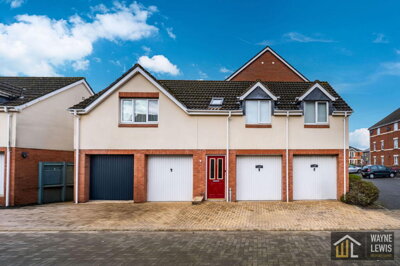
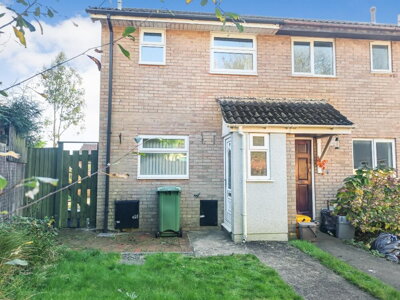
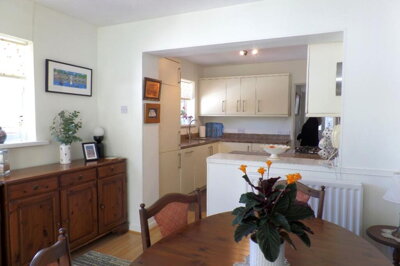
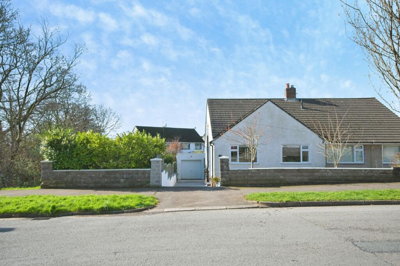
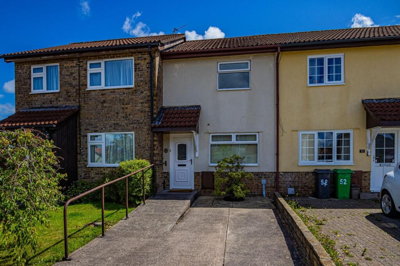
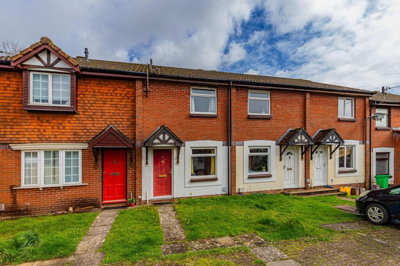
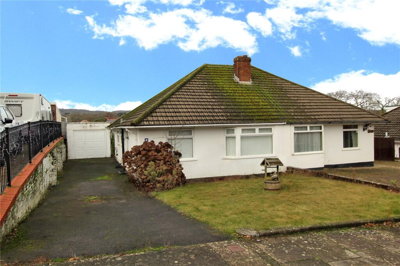
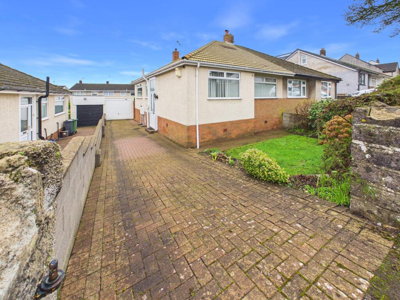
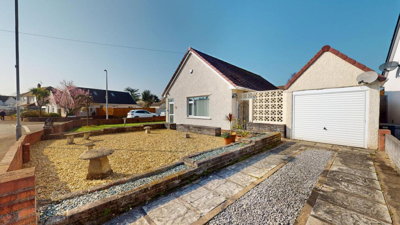
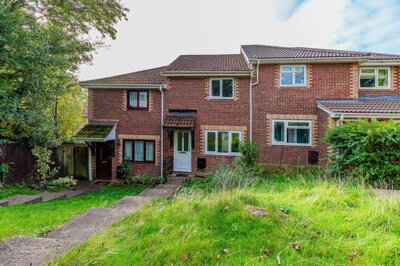
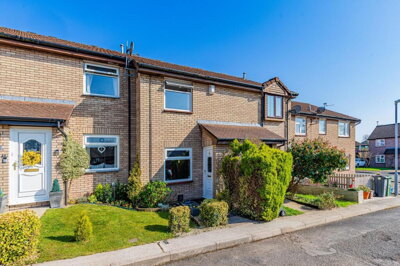
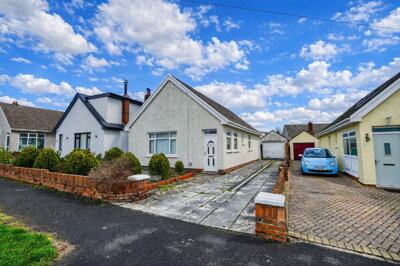
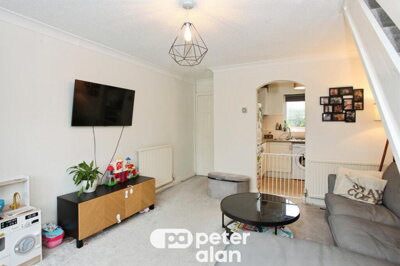
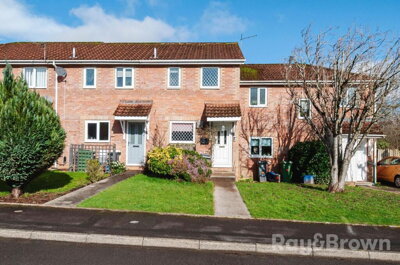
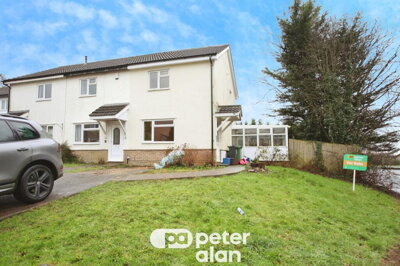
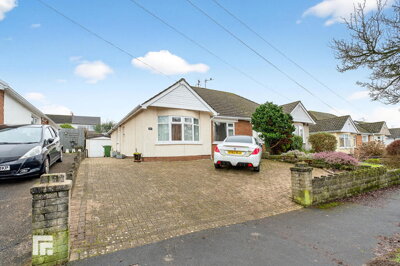
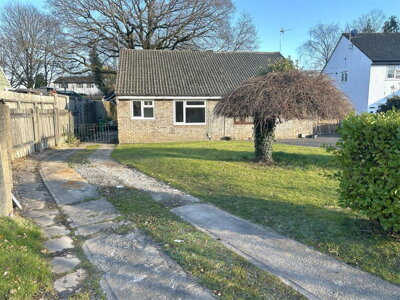
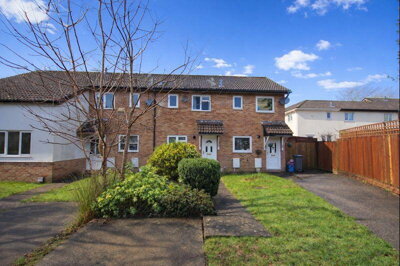
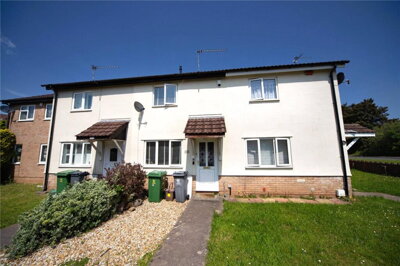
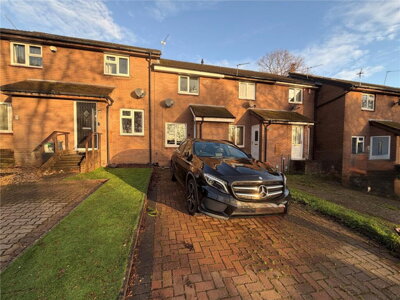
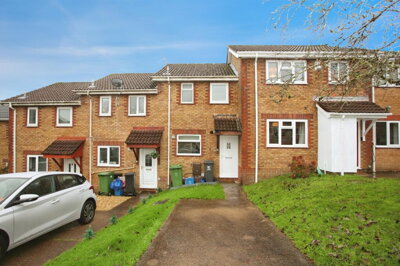
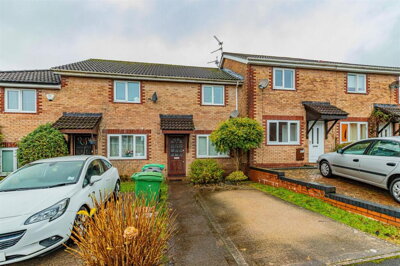
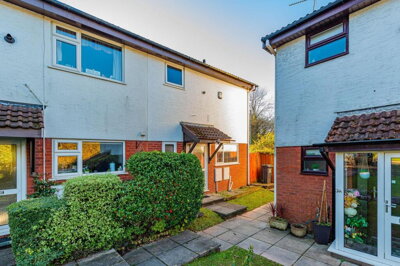
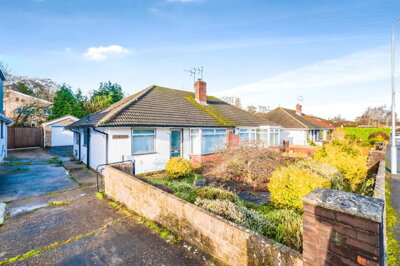
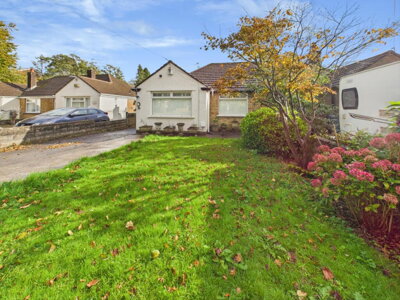
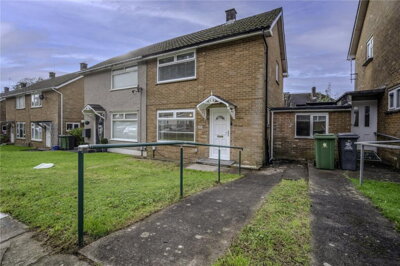
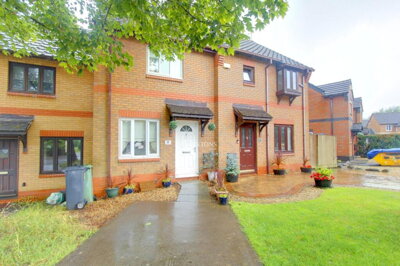
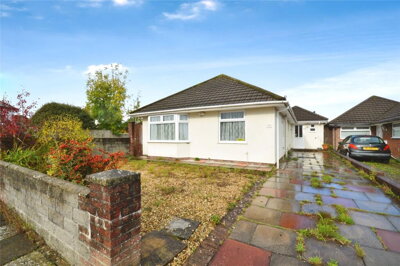
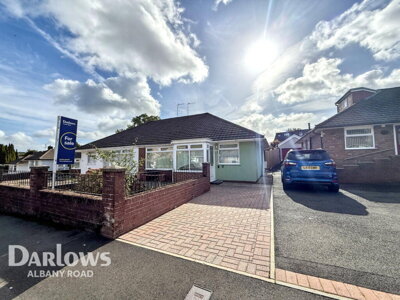
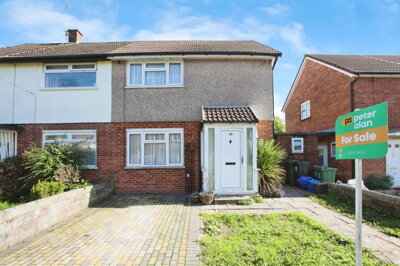
Browse 38 homes for sale in Thornhill from local estate agents.
The 2 bed house market features detached, semi-detached, and terraced properties with two separate bedrooms plus living spaces. Properties in Thornhill range from Victorian and Edwardian period homes to modern new builds, with pricing varying across different neighbourhoods.
The Thornhill property market has demonstrated remarkable stability despite broader national fluctuations. Our data shows the average sold price in this Cardiff postcode over the past twelve months sits at approximately £290,202, with more recent valuations reaching around £308,139. While prices have experienced a modest correction of 7-9% from the 2023 peak of approximately £317,000-£332,000, this represents a healthier adjustment compared to many other UK markets and reflects underlying demand from buyers who recognise the area's genuine value. Zoopla records indicate slightly lower averages around £284,206, suggesting the true picture involves modest variation between data sources rather than significant market weakness.
Property types in Thornhill reflect the modern character of this suburb, with terraced homes commanding the majority of sales activity. The average terraced property sells for approximately £248,000-£250,000 depending on source, making these an accessible entry point for first-time buyers seeking to establish themselves in this desirable postcode. Semi-detached homes average around £291,000-£298,000, providing additional space that growing families often require. Detached properties, which represent the premium segment of the local market, achieve average prices exceeding £430,000-£445,000 and sometimes reaching nearly £475,000 for particularly spacious or well-appointed examples with large gardens or recent renovations.
The broader Cardiff market has shown modest growth, with the city seeing a 2% increase in average property prices over the past twelve months, adding approximately £4,400 to property values. However, transaction volumes have declined by around 19% across Cardiff city, suggesting a market that has become more selective. In this context, Thornhill's relative price stability positions it as a sensible choice for buyers prioritising long-term value and lifestyle quality over speculative short-term gains. The CF14 postcode area recorded approximately 1,095 sales over the most recent measured twelve-month period, demonstrating continued market activity despite broader national trends.
For buyers considering investment or longer-term holding, Thornhill benefits from Cardiff's ongoing development as an economic centre for Wales. The M4 corridor maintains strong connectivity to employment hubs across South Wales, including major sites in Newport, Swansea, and the Enterprise Zones along the motorway. Our experience shows that commuter villages like Thornhill typically demonstrate more resilient demand patterns than purely speculative areas, with families and professionals driving consistent transaction volumes regardless of short-term market cycles.
Understanding the price breakdown by property type helps buyers targeting specific budgets. Terraced properties provide the most accessible entry point to Thornhill's housing market, while semi-detached homes offer additional space at moderate premium. Detached properties command significant premiums reflecting their scarcity and the lifestyle they offer.

Source: Zoopla, Rightmove (12 months to December 2025)
Thornhill presents itself as a quintessential modern Welsh suburb, purpose-built to offer families and professionals a comfortable environment removed from the intensity of city centre living. The neighbourhood is characterised predominantly by modern family homes constructed from the late twentieth century onwards, featuring the kind of thoughtful layouts and generous gardens that have become increasingly rare in newer developments. Walking through Thornhill, you will notice tree-lined streets, well-maintained pavements, and a genuine sense of community that develops naturally when residents share compatible lifestyles. The development pattern followed typical Cardiff suburban expansion of the 1980s and 1990s, creating coherent residential streets rather than the piecemeal growth seen in older parts of the city.
The local area provides everyday conveniences through nearby shopping facilities and village-style amenities that serve the immediate community. Families appreciate the proximity to good schools, while professionals value the ability to reach Cardiff's business districts without enduring lengthy commutes. Green spaces are well-distributed throughout the neighbourhood, offering recreational opportunities for children and peaceful walking routes for residents of all ages. The nearby Lisvane and Thornhill Railway Station sits the community, providing not only transport connections but also focal point for local services and shops that serve day-to-day needs without requiring trips to larger shopping centres.
The demographic profile of Thornhill skews towards families and working professionals, creating a community where household incomes tend to be above average for the wider Cardiff area. This economic profile supports local services and maintains property values through consistent demand. The area attracts buyers who have prioritised quality of life alongside practical considerations, demonstrating that Thornhill offers something genuinely valuable beyond mere location advantages. Our team regularly surveys properties throughout this area and consistently observes well-maintained homes that reflect resident investment in their properties.
Education provision represents a significant factor in Thornhill's appeal to families, with the neighbourhood positioned within reach of several well-regarded schools across both the primary and secondary phases. Parents considering relocation to this Cardiff suburb will find a reasonable selection of educational options, though as with many expanding areas, competition for places at the most popular schools can be keen. Understanding catchment areas and admission criteria before purchasing proves essential for families with school-age children. The CF14 postcode contains multiple primary schools serving the immediate Thornhill area, with admission policies that give priority to children living within defined geographic catchments.
Primary education in the surrounding CF14 area includes several schools that have earned positive reputations among local parents. The availability of faith and community schools provides choice depending on family preferences and values, with Catholic, Church in Wales, and community primary schools all available within reasonable travelling distance of Thornhill. Parents should consult current Ofsted reports and performance data when evaluating options, as school effectiveness can change over time and catchment boundaries may shift in response to housing development and population changes. Our experience conducting surveys in this area suggests that families with school-age children frequently cite educational access as a primary driver for their location choice.
Secondary education options become increasingly important as children progress through their schooling, and Thornhill's position relative to Cardiff's grammar school network and comprehensive schools requires careful research based on current admission policies and geographic boundaries. The nearby Cardiff High School and other comprehensive options serve the area, while grammar school places at schools such as St Mary's Catholic or the Welsh-language Ysgol Plasmawr may require longer journeys depending on exact Thornhill residence. The admission process operates through Cardiff Council's coordinated scheme, with catchment areas playing a significant role in school allocation for oversubscribed schools. We recommend contacting Cardiff Council's education department for the most current information on school admissions and catchment boundaries.
For families with older children considering further education, Cardiff's sixth form colleges and further education institutions remain accessible via the area's good transport connections. Cardiff College, the University of Wales Trinity Saint David, and other further education providers offer vocational and academic pathways. University-level study at Cardiff University, Cardiff Metropolitan University, and the University of South Wales is within reasonable commuting distance via the nearby railway station, making Thornhill suitable for students remaining in the family home during higher education while enjoying a pleasant residential environment that supports both study and social activities.
Thornhill has earned its reputation as an excellent area for commuters, and the transport infrastructure serving this Cardiff suburb deserves detailed examination for anyone considering property purchase here. The proximity to Lisvane and Thornhill railway station provides direct connections to Cardiff Central and beyond, with regular services enabling professionals to commute to the city centre without the frustration of traffic congestion or parking costs. This rail connection transforms the practical equation of living outside central Cardiff, making the approximately four-mile journey to the city centre a comfortable twenty-minute train ride rather than a forty-minute car journey during rush hour. Station car parks provide parking for those returning home, though capacity can become limited during peak periods.
Road access proves equally impressive, with the M4 motorway interchange at Junction 32 conveniently located for residents travelling to Newport, Swansea, or the M4 corridor's broader employment opportunities. The A48 and other major roads connect Thornhill to different parts of Cardiff with reasonable ease, whether you need to reach the city centre, Cardiff Bay, or out-of-town business parks such as those in Llantrisant or the former Toyota site in Newport. Evening and weekend travel tends to flow freely, unlike the congestion that affects more centrally located Cardiff neighbourhoods during peak hours. Traffic management improvements along the A48 have eased some historical bottlenecks, though ongoing monitoring of travel times remains advisable for those with time-critical commuting requirements.
Local bus services supplement rail and road options, providing connections to nearby shopping centres, healthcare facilities, and recreational destinations throughout the northern Cardiff area. Routes serving Thornhill connect residents to the retail amenities at Talbot Green, the healthcare facilities at the Royal Glamorgan Hospital, and leisure destinations throughout Rhondda Cynon Taf. Cyclists benefit from improving infrastructure, though the hilly terrain around Cardiff does require some consideration for those planning bicycle commutes, with electric bicycles becoming increasingly popular for handling the elevation changes. For air travel, Cardiff Airport is accessible via the M4 corridor in approximately forty minutes, and Bristol Airport can be reached within approximately ninety minutes by car for a wider range of international destinations and airline options.
Begin by exploring Thornhill thoroughly, understanding which streets and property types match your requirements. Obtain mortgage agreement in principle from a lender to clarify your budget before beginning property searches. Factor in additional costs including stamp duty, solicitor fees, and survey costs when calculating your maximum purchase price. Consider arranging a RICS Level 2 Survey quote for properties you are seriously considering, as survey costs of £350-£600 represent a worthwhile investment before committing to purchase.
Use Homemove to browse all available properties in Thornhill, setting up alerts for new listings that match your criteria. Arrange viewings to assess properties personally, paying attention to construction quality, natural light, room sizes, and garden dimensions. Take photographs during viewings to help compare properties later. Pay particular attention to the condition of modern construction elements such as windows, doors, and external render, as these can show age-related deterioration even in relatively new properties.
Once you have found a property that meets your requirements, submit an offer through the estate agent with your mortgage details and proposed timeline. Be prepared to negotiate on price or terms, particularly if surveys reveal issues requiring attention. Your solicitor should review the contract before you commit formally. In the current Thornhill market, where transaction volumes have reduced by around 19% in the broader Cardiff area, buyers may find vendors more receptive to reasonable offers reflecting property condition.
Commission a RICS Level 2 Survey for standard properties or a Level 3 Building Survey for older or non-standard construction. Survey costs typically start from around £350-£600 depending on property value and survey type. The survey report identifies defects requiring attention, strengthening your negotiating position or confirming the property's condition. Our inspectors in Thornhill frequently identify issues related to modern construction methods, including potential cavity wall insulation problems and roof tile weathering on properties from the 1980s and 1990s period.
Your solicitor handles local authority searches, title verification, and contract preparation while your mortgage lender processes the formal valuation. Upon satisfactory completion of all checks, you exchange contracts and pay your deposit, legally committing to the purchase. A typical timeline from offer acceptance to exchange spans four to eight weeks. Searches should include drainage and water authority checks specific to Cardiff Council procedures.
Complete your mortgage, pay stamp duty, and arrange your moving date with solicitors coordinating the final transfer of funds. Arrange building insurance and redirect utilities to your new address. On completion day, collect your keys and begin your new life in Thornhill. Consider arranging utility transfers and council tax registration promptly to avoid any service interruptions at your new property.
Purchasing property in Thornhill requires attention to several area-specific considerations that complement standard buying due diligence. The neighbourhood's modern housing stock generally performs well in surveys, but buyers should still commission thorough inspections to identify any construction issues that may have developed over the years. Modern family homes built in the 1980s and 1990s often feature cavity wall construction and standard pitched roofs, but quality varies between developers and individual property maintenance standards differ significantly. Our surveyors regularly encounter properties where original construction quality or subsequent maintenance varies considerably from neighbouring homes on the same street.
Flood risk in Thornhill requires investigation using official Environment Agency maps and local authority records, as Cardiff's river systems and coastal position create potential flood vulnerability in some areas. While Thornhill itself sits away from immediate flood plains given its elevated position in the northern Cardiff suburbs, climate change has increased awareness of extreme weather events, making flood risk assessment an important part of property evaluation. Surface water flooding, particularly during periods of heavy rainfall, deserves consideration alongside river and coastal flooding assessments. We recommend checking Natural Resources Wales flood risk maps before committing to purchase, particularly for properties near natural drainage channels or lower-lying parts of the suburb.
Service charges and maintenance arrangements for any properties with shared facilities deserve close examination, as modern apartment developments may include management company fees that significantly affect overall costs. Freehold properties generally involve fewer ongoing collective obligations, though residents should still budget for maintenance reserve funds and any estate management charges. Conservation area status does not appear to be a significant constraint in Thornhill, but buyers should verify this with the Cardiff planning authority before purchasing. Given the prevalence of modern housing stock, listed building considerations are less relevant here than in older Cardiff suburbs, though any period features or extended properties should still be assessed carefully.
The CF14 postcode area falls under Cardiff Council jurisdiction, and buyers should verify council tax bands for any property under consideration. Newer properties in Thornhill typically fall within bands C to E, while larger detached homes may attract higher bands. Annual council tax costs vary by band, and prospective buyers should factor these ongoing costs into their household budgets alongside mortgage payments and utility bills. Energy Performance Certificate ratings should also be reviewed, as modern construction standards have improved over time, meaning newer properties in Thornhill generally achieve better EPC ratings than the Cardiff average for residential properties.
Thornhill's housing stock predominantly comprises properties constructed from the 1970s onwards, with significant development activity during the 1980s and 1990s suburban expansion phases. This modern character brings specific advantages and considerations for buyers. Construction methods typically involve cavity wall construction with brick or rendered external finishes, pitched roofs with concrete or clay tile coverings, and standard timber-frame or masonry internal structures. uPVC windows and doors became standard during this period, though earlier properties may feature timber windows that have been replaced or renovated over time.
Our team frequently identifies issues related to cavity wall insulation in properties from this era, where installation quality and potential damp penetration pathways require careful assessment. Roof conditions also merit close attention, as concrete tiles from the 1980s and 1990s can show weathering patterns that affect long-term performance. While significant structural problems are uncommon in Thornhill's modern housing stock, the identification of specific defects through professional survey can provide valuable negotiating leverage or highlight maintenance priorities for new owners. We recommend a RICS Level 2 Survey for most properties in this area, with Level 3 Building Surveys reserved for any properties showing signs of structural movement or those approaching fifty years of age.
Cardiff's underlying geology includes Carboniferous and Triassic rock formations with superficial deposits of glacial till, alluvium, and estuarine deposits in lower-lying areas. Clay-rich soils, where present, can pose shrink-swell risks during periods of drought or excessive rainfall, though Thornhill's elevated position generally mitigates these concerns. Historical coal mining activity in South Wales raises potential for ground instability in some areas, though Thornhill's position in the CF14 postcode suggests limited direct mining legacy compared to former coalfield areas further north in Rhondda Cynon Taf. A thorough survey will check for any signs of subsidence, cracks, or movement that might indicate ground-related issues requiring attention.
The average sold house price in Thornhill over the past twelve months sits at approximately £290,202 according to Rightmove data, with some sources citing figures closer to £308,139 and Zoopla recording around £284,206. Terraced properties average around £248,000-£250,000, semi-detached homes approximately £291,000-£298,000, and detached properties range from £430,000 to nearly £475,000 depending on size and condition. Prices have corrected modestly from the 2023 peak of approximately £317,000-£332,000, declining around 7-9%, which represents a healthier adjustment than many comparable UK areas and reflects continued demand from buyers who value Thornhill's lifestyle advantages.
Properties in Thornhill fall under Cardiff Council's jurisdiction and are assigned council tax bands based on property value as assessed by the Valuation Office Agency. Newer properties in the area typically fall within bands C to E, while larger detached homes may attract higher bands F or G. Prospective buyers should verify the specific band for any property through the Cardiff Council website or Land Registry records before completing purchase calculations, as annual council tax costs form part of the ongoing affordability assessment for any household budget.
Thornhill offers access to several primary and secondary schools within reasonable distance, with the CF14 postcode area containing multiple options for families including faith schools and community schools with different admission criteria. Specific school performance varies year by year, and parents should consult current Ofsted reports and league tables when evaluating options for their children. The admission process operates through Cardiff Council's coordinated scheme, with catchment areas playing a significant role in school allocation for oversubscribed schools. We recommend contacting Cardiff Council's education department directly for the most current information on school admissions, catchment boundaries, and any planned changes to school provision in the Thornhill area.
Thornhill enjoys excellent connectivity through Lisvane and Thornhill railway station, which provides regular services to Cardiff Central with journey times of approximately twenty minutes. Bus services supplement rail options, connecting residents to shopping facilities, healthcare services, and recreational destinations throughout northern Cardiff. The nearby M4 junction at Pontprennau provides straightforward road access for those preferring private vehicle travel, with connections to employment hubs across South Wales including Newport, the M4 corridor Enterprise Zones, and Swansea Bay. Cardiff Airport is accessible within approximately forty minutes by car via the M4 for domestic and international flights.
Thornhill represents a solid investment opportunity for several compelling reasons. The area benefits from Cardiff's ongoing development as an economic centre for Wales, while the M4 corridor maintains strong connectivity to employment hubs across South Wales. Modern housing stock requires relatively lower maintenance than older period properties, and the commuter village character ensures consistent demand from professionals and families seeking quality residential environments. Price trends have shown greater stability than many comparable areas, with the 7-9% correction from 2023 peaks comparing favourably to larger declines seen elsewhere in the UK property market. Transaction volumes in the broader Cardiff area have reduced by around 19%, suggesting a market normalising after the activity of recent years rather than any fundamental weakness in demand.
Stamp duty Land Tax rates for residential properties purchased in 2024-25 operate as follows: zero duty on the first £250,000 of property value, 5% on the portion between £250,001 and £925,000, 10% up to £1.5 million, and 12% above that threshold. For a typical Thornhill property at the current average price of around £290,000, a standard buyer would pay approximately £2,000 in stamp duty. First-time buyers purchasing properties up to £425,000 qualify for complete relief on stamp duty, meaning a terraced property at around £248,000 would attract no stamp duty liability whatsoever. Between £425,001 and £625,000, first-time buyers pay 5% on that portion, though properties priced above £625,000 receive no first-time buyer relief on amounts exceeding that threshold.
New build activity in Thornhill itself has been limited in recent years, as the area is largely built out with established residential development from the 1980s and 1990s period. The broader CF14 postcode has seen some new build activity, with 38 new homes sold in the CF14 0 area during 2025 according to available data. Prospective buyers seeking new build properties in northern Cardiff may need to consider nearby areas such as Lisvane, Pontprennau, or Cyncoed where ongoing development continues. Any new build purchase should still include appropriate survey work to verify construction quality and identify any defects in recently completed properties.
Our inspectors recommend a RICS Level 2 Survey for most properties in Thornhill given the modern character of local housing stock, with particular attention to cavity wall construction quality, roof condition on properties approaching or exceeding thirty years of age, and any signs of movement or subsidence. The prevalence of rendered external finishes in the area means checking for render cracking, delamination, or water penetration behind the finish. Windows and doors from the original construction period may require replacement soon depending on maintenance history. For any properties showing signs of structural movement or those built before 1975, a RICS Level 3 Building Survey provides more comprehensive assessment of potential issues.
Understanding the full cost of purchasing property in Thornhill requires careful budgeting beyond the headline purchase price. Stamp duty Land Tax represents the most significant additional cost for most buyers, with the standard residential rates requiring zero payment on the first £250,000, 5% on the portion between £250,001 and £925,000, then 10% up to £1.5 million, and 12% on any value exceeding that threshold. For a typical Thornhill property at the current average price of around £290,000, a standard buyer would pay approximately £2,000 in stamp duty. First-time buyers purchasing properties up to £425,000 qualify for complete relief, making terraced properties at around £248,000 exempt from stamp duty entirely.

Solicitor and conveyancing costs typically range from £500 to £1,500 depending on complexity and whether any leasehold elements or unusual title arrangements require additional work. Search fees from Cardiff Council and the local water authority form part of the standard legal costs, with these searches verifying planning history, drainage arrangements, and any local authority notices affecting the property. Electronic signature and anti-money laundering compliance requirements have streamlined some aspects of conveyancing, though the underlying legal work remains essential for protecting buyer interests.
Survey costs for a RICS Level 2 HomeSurvey start from approximately £350 for properties up to £500,000, rising for more valuable homes or larger properties requiring extended inspection time. A Level 3 Building Survey for more complex properties or those showing signs of potential issues costs more but provides comprehensive assessment of structure, condition, and defects. Our team provides transparent pricing for survey work, with quotes varying based on property value and survey type rather than applying inflated fees that bear no relationship to actual inspection requirements.
Mortgage arrangement fees, valuation fees, and insurance costs add further expenses that buyers should factor into their overall budget before committing to purchase. Mortgage valuation fees are typically included within mortgage product arrangements, though buyers should clarify exact costs when comparing mortgage offers. Buildings insurance must be in place before completion, and while costs vary significantly based on property type and value, budget approximately £200-£400 annually for adequate coverage on a typical Thornhill family home. Life insurance and critical illness cover, while not strictly required for mortgage purposes, represent sensible financial planning for families depending on property ownership as their primary residence.
From 4.5% APR
Compare mortgage deals from leading lenders
From £499
Expert solicitors for your property purchase
From £350
Professional survey for modern properties
From £600
Comprehensive survey for complex properties
Properties for Sale In London

Properties for Sale In Plymouth

Properties for Sale In Liverpool

Properties for Sale In Glasgow

Properties for Sale In Sheffield

Properties for Sale In Edinburgh

Properties for Sale In Coventry

Properties for Sale In Bradford

Properties for Sale In Manchester

Properties for Sale In Birmingham

Properties for Sale In Bristol

Properties for Sale In Oxford

Properties for Sale In Leicester

Properties for Sale In Newcastle

Properties for Sale In Leeds

Properties for Sale In Southampton

Properties for Sale In Cardiff

Properties for Sale In Nottingham

Properties for Sale In Norwich

Properties for Sale In Brighton

Properties for Sale In Derby

Properties for Sale In Portsmouth

Properties for Sale In Northampton

Properties for Sale In Milton Keynes

Properties for Sale In Bournemouth

Properties for Sale In Bolton

Properties for Sale In Swansea

Properties for Sale In Swindon

Properties for Sale In Peterborough

Properties for Sale In Wolverhampton

Enter your details to see if this property is within your budget.
Loans, cards, car finance
Estimated property budget
Borrowing + deposit
You could borrow between
Typical borrowing
Monthly repayment
Est. at 4.5%
Loan-to-value
This is an estimate only. Your actual budget may vary depending on interest rates, credit history, and personal circumstances. For an accurate affordability assessment, speak to one of our free mortgage advisors.
This calculator provides estimates for illustrative purposes only and does not constitute financial advice. Your home may be repossessed if you do not keep up repayments on your mortgage. Estimates based on 4.5% interest rate, repayment mortgage. Actual rates depend on your circumstances.
Homemove is a trading name of HM Haus Group Ltd (Company No. 13873779, registered in England & Wales). Homemove Mortgages Ltd (Company No. 15947693) is an Appointed Representative of TMG Direct Limited, trading as TMG Mortgage Network, which is authorised and regulated by the Financial Conduct Authority (FRN 786245). Homemove Mortgages Ltd is entered on the FCA Register as an Appointed Representative (FRN 1022429). You can check registrations at NewRegister or by calling 0800 111 6768.

We use cookies to show you personalised content and improve your experience of our website. Find out more in our Privacy policy and Cookie policy.