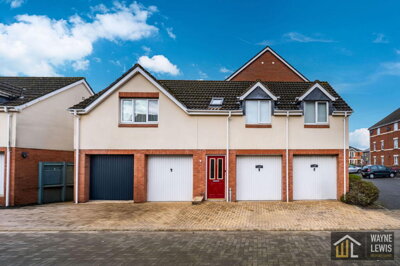
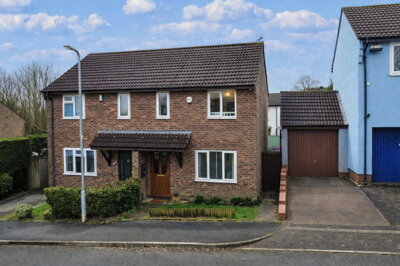
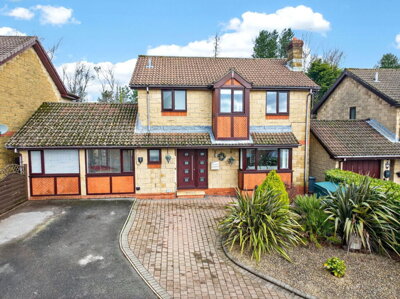
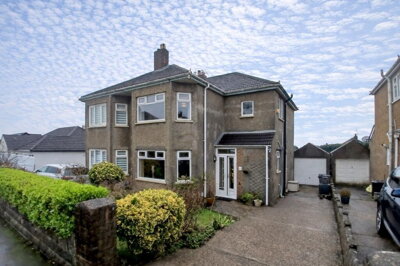
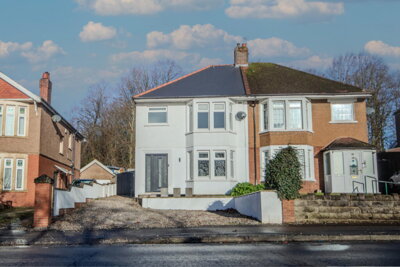
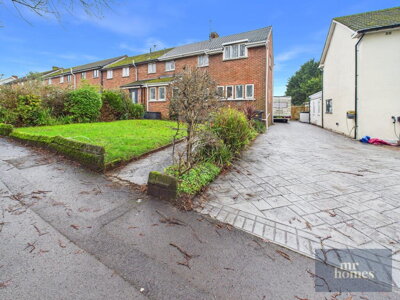
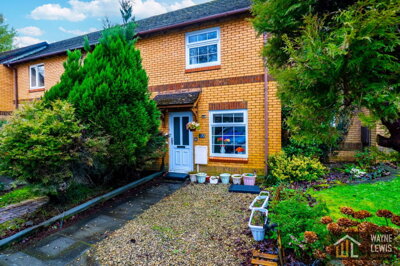
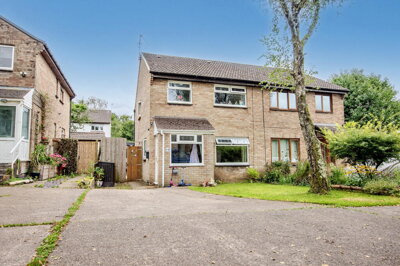
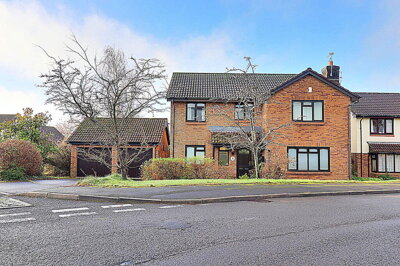
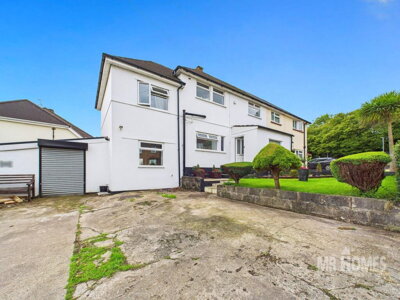
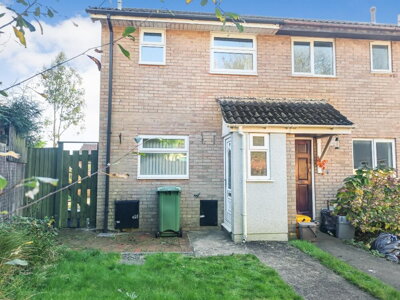
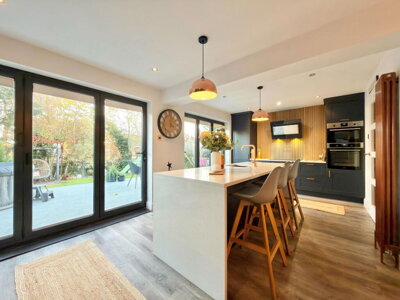
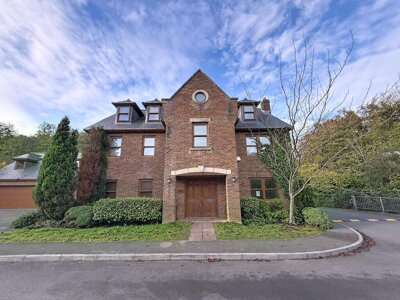
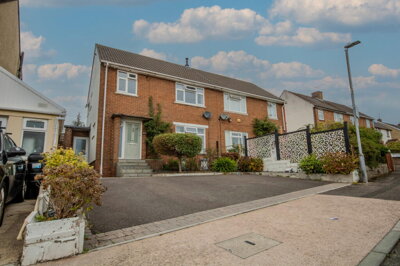
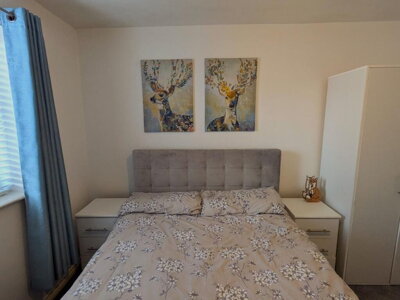
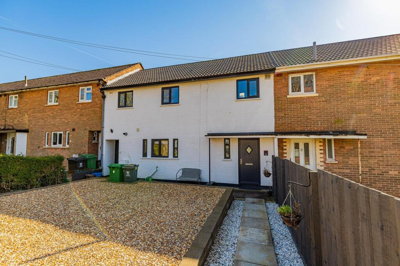
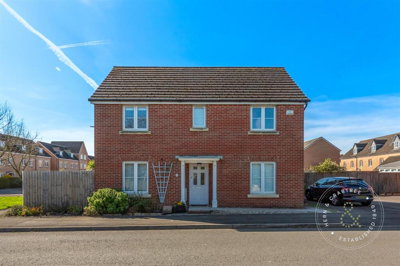
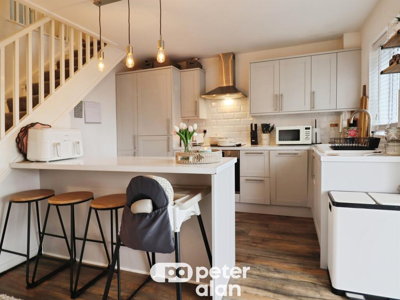
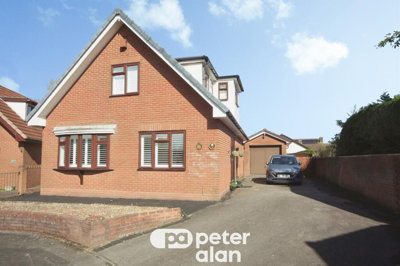
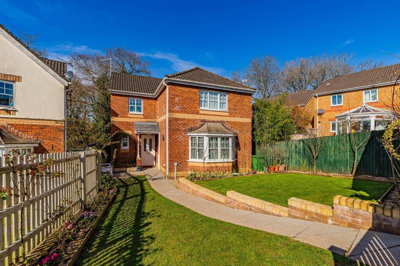
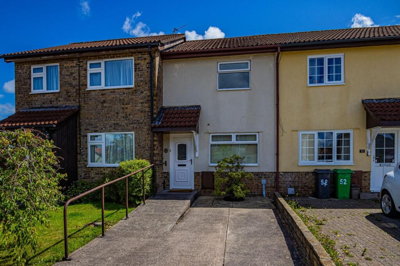
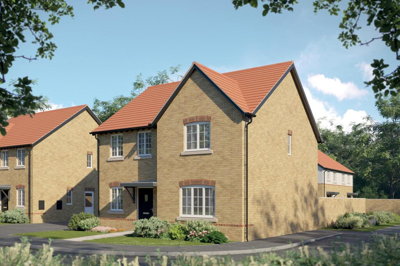
Browse 426 homes for sale in Thornhill from local estate agents.
The Grimstone property market reflects the character of this small Dorset hamlet, offering primarily detached and semi-detached houses built in traditional materials including local stone, flint, and brick. Property listings in the area typically feature period homes with generous gardens, reflecting the rural nature of the settlement and the availability of land. The average house price in the DT2 postcode area around Grimstone is approximately £339,000, positioning the village within an accessible price bracket for buyers seeking Dorset countryside property with good transport links.
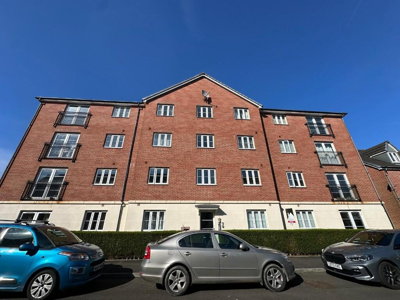
Across Dorset county more broadly, the property market has shown subtle stabilisation with average prices at £332,000 as of December 2025, representing a marginal decline of around 1% over the preceding twelve months. Semi-detached properties have demonstrated resilience with a 2.3% price increase, while the flat market has seen more volatility with a 2.4% decrease. County-wide, there were approximately 10,300 property sales recorded in the year to December 2025, though this represents a 13.3% reduction compared to the previous twelve months as market activity normalises following the pandemic peak.
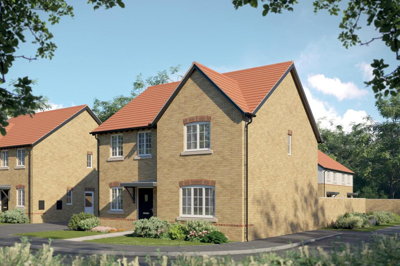
New build activity within Grimstone itself remains limited, with no active developments currently listed within the hamlet boundaries. Buyers seeking new build property in this area typically look to nearby villages or the wider Dorchester catchment. The existing housing stock skews towards older, traditional properties, many of which date from the Victorian era or earlier, offering character and solid construction but potentially requiring surveying before purchase.
The housing stock in Grimstone predominantly consists of traditional Dorset buildings, with construction using Portland stone, Purbeck stone, flint, and brick depending on the specific property and its era of construction. These traditional building methods have produced durable structures that have stood for well over a century, though they may require ongoing maintenance and attention to issues such as pointing, weathering, and damp penetration that affect older properties in this region.

Life in Grimstone offers residents a quintessentially English rural lifestyle, centred around the hamlet's historic features and natural landscape. The village takes its name from the distinctive Grimstone Viaduct, an impressive railway structure built in 1846 and opened in 1857, which spans the valley and serves as a local landmark. The settlement's geography is shaped by its position at the meeting point of the Sydling Water and River Frome, creating attractive water features and walking routes through water meadows and chalk downland. Manor Foods operates from Manor Farm in the hamlet, contributing to local employment alongside the agricultural sector that has historically defined the area.
The local economy of Grimstone and its surrounding parish is rooted in agriculture and local services, typical of a rural Dorset community. The hamlet's position within easy reach of Dorchester provides residents with access to comprehensive shopping, healthcare, and cultural amenities while maintaining the benefits of village living. Community life revolves around the local parish structure, with the wider Stratton parish providing a framework for local events and services. The chalk geology of the surrounding downland creates the characteristic landscape of this part of Dorset, with rolling farmland, ancient hedgerows, and extensive public footpaths crossing the countryside.
For families and individuals drawn to Dorset for its quality of life, Grimstone offers an authentic village experience with the advantage of proximity to the county town. The area attracts buyers seeking space, character properties, and access to the stunning Jurassic Coast, which lies within easy driving distance to the south. The local area features numerous footpaths and bridleways for walking and cycling, while the nearby villages provide local pubs, shops, and community facilities. The combination of traditional architecture, rural setting, and strong community identity makes Grimstone an appealing location for those prioritising lifestyle and location over urban conveniences.
Families considering a move to Grimstone will find educational provision available through a network of primary and secondary schools serving the surrounding villages and the nearby town of Dorchester. The hamlet falls within the catchment area for schools in the Dorchester area, with primary education available in nearby villages and larger settlements within reasonable travelling distance. The quality of education in Dorset is generally well-regarded, with schools in the county performing competitively in national assessments and examinations.
For secondary education, pupils from Grimstone typically travel to Dorchester, which offers several secondary school options including grammar schools and comprehensive schools serving the wider area. The presence of grammar schools in Dorset provides academic pathways for students meeting the selection criteria, while comprehensive schools offer broad curricula for students of all abilities. Post-16 education is available in Dorchester through sixth form provision at secondary schools and through access to further education colleges offering vocational and academic qualifications.
Early years education is well-served in the surrounding area, with nurseries and pre-school settings available in nearby villages and the Dorchester area. Parents relocating to Grimstone are advised to research specific school catchments and admission arrangements, as rural school catchments can vary and may require planning for school transport. The county's approach to rural education ensures that families in hamlets like Grimstone have access to quality schooling, though journey times to schools may be longer than in urban areas.
Transport connectivity from Grimstone centres on the nearby town of Dorchester, which provides mainline railway services and comprehensive bus networks connecting the surrounding villages to larger centres. Dorchester South station offers direct rail services to London Waterloo, with journey times of approximately two and a half hours, making Grimstone viable for commuters working in the capital who prefer a rural base. Dorchester West station provides additional rail connections, while the village itself is connected to the wider area through local bus services operating between Dorchester and surrounding settlements.
By road, Grimstone benefits from proximity to major routes serving Dorset, including connections to the A35 which runs through Dorchester and provides access to the south coast, Exeter, and the Channel ports. The A37 provides a northern route towards Yeovil and the M5 motorway, facilitating journeys further afield. For residents travelling to work or accessing amenities, car ownership remains practically essential for daily life in this rural hamlet, though the short distance to Dorchester means most services are within easy reach.
Cycling and walking infrastructure in the area is well-developed, with the Dorset countryside offering numerous scenic routes for recreational cycling and walking. National Cycle Network routes pass through the area, connecting Grimstone to neighbouring villages and the coast. For commuters to Dorchester, cycling is a viable option given the relatively short distance, and the flat terrain along the river valleys provides easier cycling than some parts of Dorset. Parking provision in the village reflects its rural character, with properties typically offering off-street parking and garaging.
Before viewing properties, understand the local market by reviewing sold prices in Grimstone and comparable villages. The average property price is around £339,000, though individual properties vary significantly based on size, condition, and position. Obtain a mortgage agreement in principle to understand your borrowing capacity and demonstrate your seriousness to sellers.
Search listings on Homemove for homes for sale in Grimstone and set up alerts for new properties matching your criteria. Arrange viewings through the listed estate agents, taking time to assess each property's condition, garden, and surroundings. Pay particular attention to signs of damp or structural issues in older properties, which are common in traditional Dorset buildings.
Once you have had an offer accepted, arrange a RICS Level 2 Homebuyer Report on the property before proceeding to exchange contracts. Given the age of properties in Grimstone, this survey is essential for identifying defects such as damp, roof issues, timber problems, or potential subsidence in clay areas. The surveyor will assess the property's condition and flag any concerns requiring attention or negotiation.
Appoint a solicitor or licensed conveyancer to handle the legal aspects of your purchase. They will conduct searches against the property, check title deeds, and manage the transfer of ownership. Searches for rural properties should include drainage and water searches, and potentially environmental searches given the proximity to rivers.
Once all searches are satisfactory and your mortgage offer is confirmed, your solicitor will exchange contracts and pay the deposit. A typical completion period of four weeks follows exchange, after which you will receive the keys and can move into your new Grimstone home.
Properties in Grimstone are predominantly traditional Dorset buildings constructed from local stone, flint, and brick, often dating from the Victorian era or earlier. When viewing properties, pay close attention to the condition of external walls and pointing, as traditional stone construction can be susceptible to weathering and damp penetration over time. Look for signs of subsidence or cracking in walls, particularly in properties built on the clay soils that may be present in the river valley areas near the Sydling Water and River Frome.
Flood risk is a practical consideration for properties in Grimstone, given the hamlet's position at the confluence of two watercourses. Properties located immediately adjacent to rivers or in low-lying areas may be at elevated flood risk, and this should be investigated through the conveyancing searches and by reviewing Environment Agency flood maps. Buildings in flood risk areas may face higher insurance premiums and could require specific flood resilience measures. Consider the property's position relative to the rivers and any history of flooding.
The age of properties in Grimstone means that electrical and plumbing systems may require updating to meet current standards. When surveying older properties, check the consumer unit (fuse box), the condition of wiring, and whether the property has a modern mains water supply and drainage connection. Listed buildings or properties in any conservation area would require specialist survey consideration and may face planning restrictions on alterations. Always verify the tenure of the property, whether freehold or leasehold, and understand any service charges or ground rent applicable to leasehold properties.
The chalk geology of elevated areas in this part of Dorset generally provides stable foundations for properties built on bedrock, though properties in the river valleys may sit on alluvial deposits or clay that can be susceptible to shrink-swell movement. Our inspectors typically assess the condition of foundations and look for signs of movement or cracking that might indicate ground instability, particularly in properties located near watercourses or on lower-lying land.
The average sold house price in the Grimstone area is approximately £339,000 based on recent transaction data for the DT2 postcode. For context, the wider Dorset county average stands at £332,000 as of December 2025. Property prices in Grimstone reflect the premium associated with rural Dorset village locations, with detached family homes and period properties commanding prices towards the upper end of the local market. The Dorset market has shown marginal stabilisation with a 1% decline over the past twelve months, creating stable conditions for buyers seeking property in established villages like Grimstone.
Grimstone falls within the catchment for primary schools in nearby villages and the Dorchester area, with several well-regarded primary schools serving the surrounding communities. Secondary education options include schools in Dorchester, with grammar school places available for students meeting the selection criteria. The county's schools perform competitively in national assessments, and parents are advised to research specific school catchments and admission policies. School transport arrangements should be considered when purchasing in a rural hamlet, as journey times to schools may be longer than in urban areas.
Grimstone is connected to the wider transport network through nearby Dorchester, which offers two railway stations with services to London Waterloo and regional destinations. Local bus services operate between Grimstone and Dorchester, providing access to the town's facilities and rail services. However, car ownership remains practically essential for daily life in this rural hamlet, given the limited frequency of rural bus services. For commuters to London, Dorchester South provides approximately two and a half hour journey times to the capital, making Grimstone viable for weekly commuters or those working from home.
Grimstone offers appeal for property investment due to its desirable rural location, character properties, and proximity to Dorchester and the Jurassic Coast. The Dorset property market has shown relative stability compared to some more volatile regions, with prices holding firm over the past year. Properties in rural villages like Grimstone tend to attract tenants seeking village lifestyles and may command premium rents from tenants valuing the character and location. However, the limited local employment base and car dependency may limit rental demand to certain demographics, including remote workers, retirees, and families.
Stamp duty Land Tax on a £339,000 property in Grimstone for a standard buyer would be calculated as follows: 0% on the first £250,000 (nil), then 5% on the remaining £89,000, totalling £4,450. First-time buyers benefit from relief on properties up to £625,000, meaning no stamp duty would be payable on a £339,000 purchase. Properties priced above £925,000 attract higher rates of 10% on the portion between £925,001 and £1.5 million. Always verify your individual circumstances with a financial adviser, as relief provisions and thresholds may change.
Properties in Grimstone fall under Dorset Council administration. Council tax bands in the area range across all bands from A through to H, depending on the property's valuation. Period properties and cottages in the village typically fall within bands C to E, while larger detached homes may be in higher bands. Prospective buyers should check the specific council tax band for any property they are considering, as this forms part of the ongoing cost of ownership alongside mortgage payments, insurance, and maintenance.
Properties in Grimstone should be assessed for flood risk given the hamlet's position at the confluence of the Sydling Water and River Frome. Properties located immediately adjacent to these watercourses or in low-lying valley areas face elevated river flood risk. The conveyancing searches should include an environmental search that covers flood risk, and buyers should review Environment Agency flood maps for the specific property location. Properties in flood risk areas may face higher insurance premiums, and affected buyers should consider flood resilience measures and the availability of flood warnings in the area.
Given that Grimstone properties are predominantly older traditional buildings, common defects include rising or penetrating damp in stone and brick walls, roof deterioration including slipped tiles and damaged flashing, and timber defects such as rot or woodworm in structural elements. Properties built on clay soils in the river valleys may be susceptible to shrink-swell subsidence. Outdated electrical wiring and plumbing systems are frequently encountered in period properties, often requiring upgrading to meet current standards. A RICS Level 2 Survey is strongly recommended for any property purchase in Grimstone to identify these issues before commitment.
Purchasing a property in Grimstone involves several costs beyond the purchase price, with stamp duty Land Tax being a significant consideration. For a typical Grimstone property priced at the area average of £339,000, a standard buyer would pay £4,450 in stamp duty, calculated at 5% on the amount above £250,000. First-time buyers purchasing residential property up to £625,000 pay no stamp duty on the first £425,000, meaning a £339,000 purchase would attract zero stamp duty under first-time buyer relief, representing substantial savings.
Additional purchase costs include mortgage arrangement fees, which vary by lender but typically range from £500 to £2,000, and valuation fees charged by the mortgage lender to confirm the property's value. Survey costs are essential, with a RICS Level 2 Homebuyer Report typically starting from £350 depending on property size and value. Conveyancing fees for legal work typically start from around £499 for straightforward transactions, though leasehold properties or those with complex titles may cost more. Local searches, including drainage and water searches, environmental searches, and local authority searches, typically total between £250 and £400.
When budgeting for a Grimstone property purchase, buyers should also factor in removal costs, which vary by distance and volume of belongings, along with buildings insurance that must be in place from completion. For rural properties, particularly those with riverside boundaries, factor in potential differences in insurance premiums. Land Registry fees for registering the title transfer are typically modest, and mortgage brokers, if used, may charge a fee or work on commission paid by the lender. Preparing for these costs ensures a smooth transaction when purchasing your Grimstone home.
From 4.5%
Compare mortgage deals from leading lenders
From £499
Expert conveyancing solicitors for your property purchase
From £350
Professional RICS Level 2 Homebuyer Reports for Grimstone properties
From £80
Energy Performance Certificate for your Grimstone property
Properties for Sale In London

Properties for Sale In Plymouth

Properties for Sale In Liverpool

Properties for Sale In Glasgow

Properties for Sale In Sheffield

Properties for Sale In Edinburgh

Properties for Sale In Coventry

Properties for Sale In Bradford

Properties for Sale In Manchester

Properties for Sale In Birmingham

Properties for Sale In Bristol

Properties for Sale In Oxford

Properties for Sale In Leicester

Properties for Sale In Newcastle

Properties for Sale In Leeds

Properties for Sale In Southampton

Properties for Sale In Cardiff

Properties for Sale In Nottingham

Properties for Sale In Norwich

Properties for Sale In Brighton

Properties for Sale In Derby

Properties for Sale In Portsmouth

Properties for Sale In Northampton

Properties for Sale In Milton Keynes

Properties for Sale In Bournemouth

Properties for Sale In Bolton

Properties for Sale In Swansea

Properties for Sale In Swindon

Properties for Sale In Peterborough

Properties for Sale In Wolverhampton

Enter your details to see if this property is within your budget.
Loans, cards, car finance
Estimated property budget
Borrowing + deposit
You could borrow between
Typical borrowing
Monthly repayment
Est. at 4.5%
Loan-to-value
This is an estimate only. Your actual budget may vary depending on interest rates, credit history, and personal circumstances. For an accurate affordability assessment, speak to one of our free mortgage advisors.
This calculator provides estimates for illustrative purposes only and does not constitute financial advice. Your home may be repossessed if you do not keep up repayments on your mortgage. Estimates based on 4.5% interest rate, repayment mortgage. Actual rates depend on your circumstances.
Homemove is a trading name of HM Haus Group Ltd (Company No. 13873779, registered in England & Wales). Homemove Mortgages Ltd (Company No. 15947693) is an Appointed Representative of TMG Direct Limited, trading as TMG Mortgage Network, which is authorised and regulated by the Financial Conduct Authority (FRN 786245). Homemove Mortgages Ltd is entered on the FCA Register as an Appointed Representative (FRN 1022429). You can check registrations at NewRegister or by calling 0800 111 6768.

We use cookies to show you personalised content and improve your experience of our website. Find out more in our Privacy policy and Cookie policy.