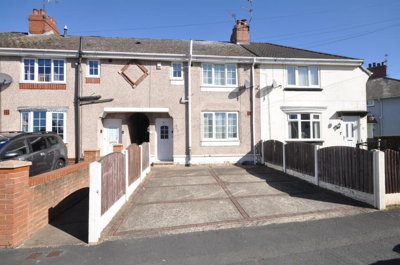
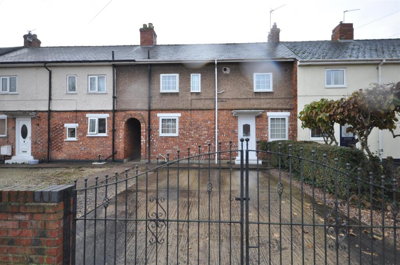
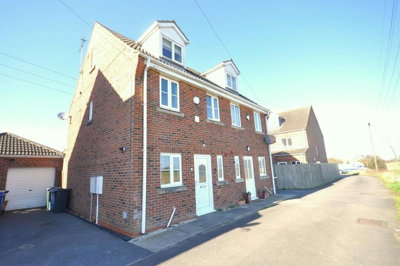
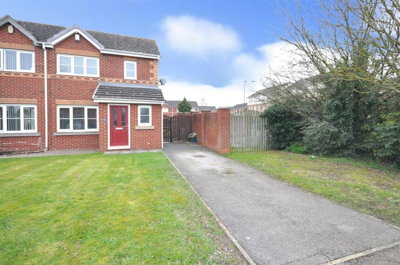
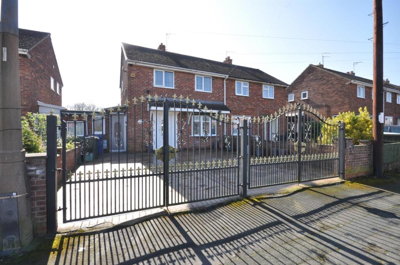
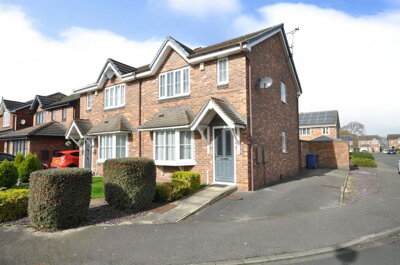
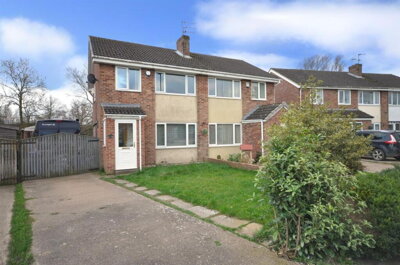
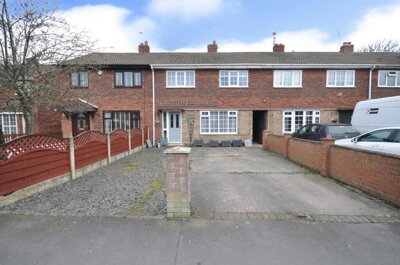
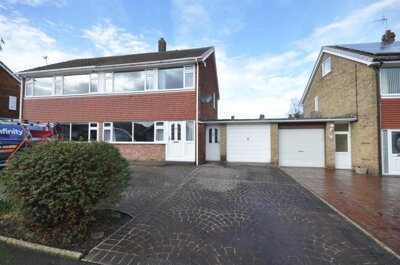
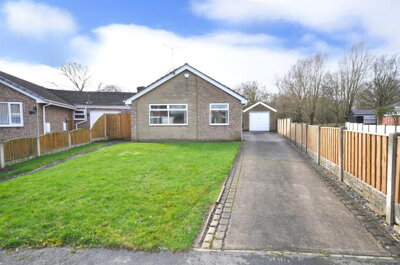
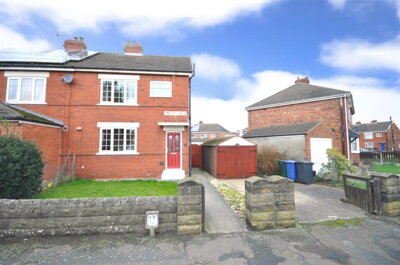
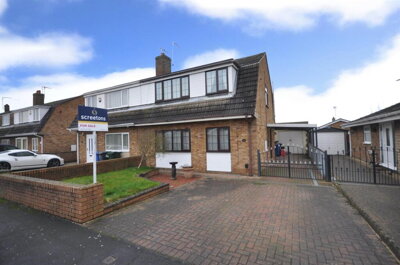
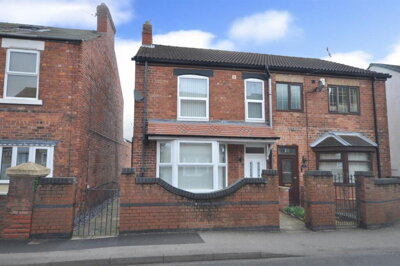
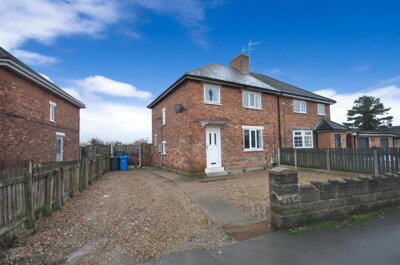
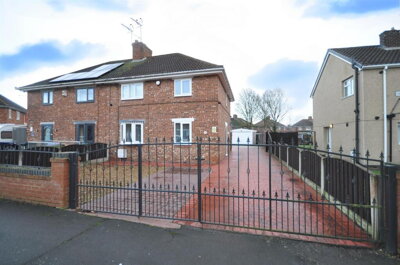
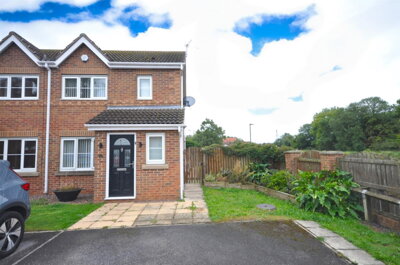
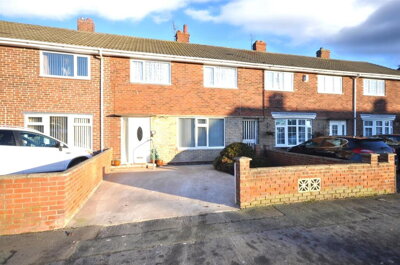
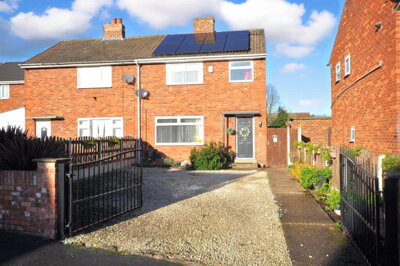
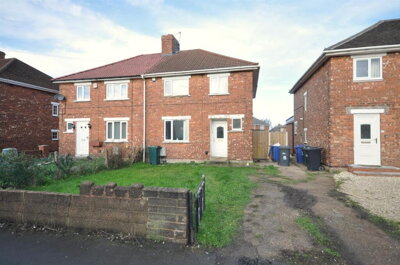
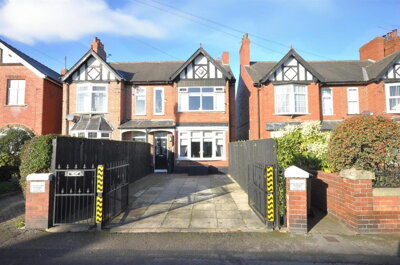
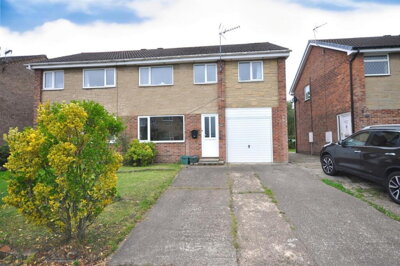
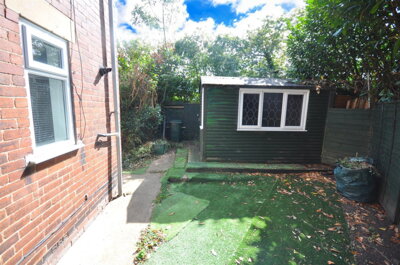
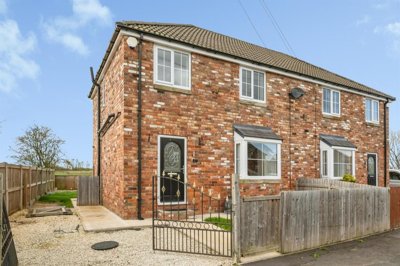
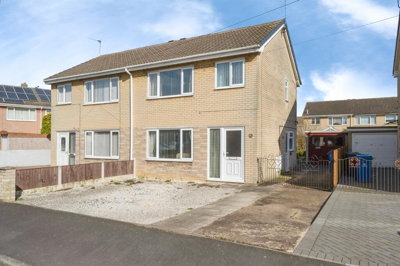
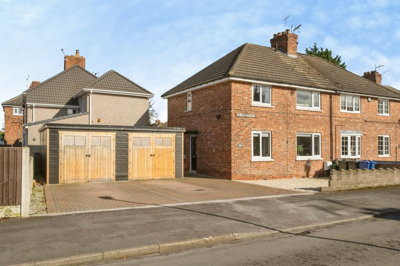
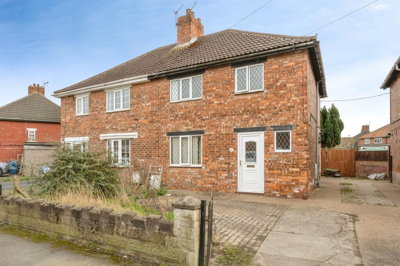
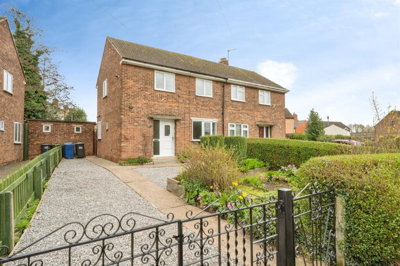
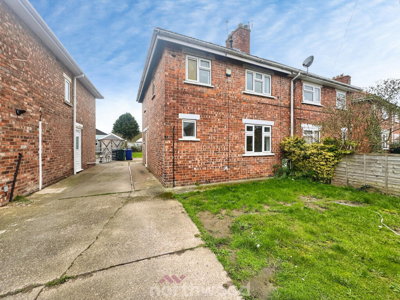
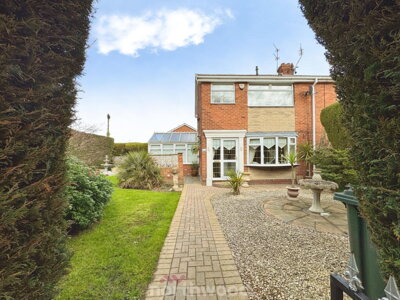
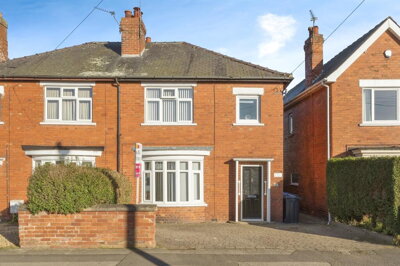
Browse 74 homes for sale in Thorne, Doncaster from local estate agents.
Three bedroom properties represent a significant portion of the Thorne housing market, offering space for families with multiple reception rooms and gardens in many cases. Browse detached, semi-detached, and terraced options ranging from period character homes to contemporary developments.
£155k
27
6
60
Source: home.co.uk
Showing 27 results for 3 Bedroom Houses for sale in Thorne, Doncaster. 6 new listings added this week. The median asking price is £155,000.
Source: home.co.uk
Semi-Detached
24 listings
Avg £161,417
Terraced
2 listings
Avg £140,000
Detached
1 listings
Avg £270,000
Source: home.co.uk
Source: home.co.uk
The Thorne property market has demonstrated remarkable resilience and growth, with 120 residential sales completed in the past twelve months. Property prices in the DN8 postcode area show terraced homes averaging around £140,103, semi-detached properties at approximately £156,753, and detached houses in the region of £248,302 according to Zoopla data. The market has experienced a 12.83% increase in average prices over the past year, signalling strong demand from buyers recognising Thorne's value proposition as an affordable alternative to larger cities. First-time buyers and growing families will find excellent opportunities in the terraced and semi-detached segments, which represent the majority of available stock.
New build developments are bringing fresh options to the local market, with several exciting projects currently under construction or recently launched. Northfield Meadows is preparing to launch in Spring 2026 with 60 new homes, while Robin Hood Grove offers four-bedroom properties starting from £195,000 and two-bedroom dormer bungalows. The South End development features an impressive range including three-bedroom dormer bungalows from £295,000, three and four-bed townhouses, and larger five-bed family homes. These new build options provide modern specifications, energy-efficient designs, and the reassurance of warranty coverage for buyers seeking move-in ready properties.
The mix of property types in Thorne reflects its evolution from a historic market town to a contemporary residential hub. Terraced properties, many built during the Victorian and Edwardian periods, are concentrated around the town centre and along roads like West Street and Ashfield Avenue. Semi-detached homes, typical of mid-20th century development, dominate newer residential areas, while detached properties are found both in established neighbourhoods and within recent developments. This variety means buyers can choose between character-filled period properties with original features and modern homes built to current energy efficiency standards.
Investment activity in Thorne has increased alongside owner-occupier demand. Properties along Miller Lane, Northfield Drive, and surrounding streets offer rental potential, with the town's strong transport connections appealing to tenants who commute to larger employment centres. The ongoing regeneration in the area and new development at Northfield Meadows suggest continued demand, though investors should conduct thorough due diligence on flood risk and factor appropriate insurance costs into rental yield calculations.

Thorne is a historic market town with deep roots dating back centuries, evidenced by its impressive collection of 23 listed buildings recorded in the National Heritage List for England. The centrepiece is the Grade I listed St Nicholas' Church, built in limestone with lead roofs, while other notable heritage buildings include the Grade II listed Thorne Hall on Ellison Street and the historic White Hart Inn dating from 1737. The town centre maintains much of its original character with the Thorne - Central Conservation Area protecting the historic core around the old market place. This architectural heritage creates a distinctive sense of place, with period properties sitting alongside more modern housing developments throughout the town.
The town provides practical everyday amenities including supermarkets, independent retailers, healthcare facilities, and a selection of pubs and restaurants catering to various tastes. The local golf course offers recreational opportunities, while the Keadby Canal provides scenic walking and cycling routes through the surrounding countryside. Thorne and Moorends is designated as a Flood Risk Area within the Humber region, and residents should be aware that certain areas near the River Don, including Land Ends Road, Selby Road, and Waterside, fall within the Environment Agency's Flood Warning Area. The local community remains active with regular events, and the proximity to larger towns provides access to extended shopping, entertainment, and cultural amenities when needed.
The character of Thorne reflects its Yorkshire heritage, with a welcoming atmosphere that appeals to families and commuters alike. Local pubs such as those along the town centre provide traditional hospitality, while independent shops along the market streets offer everyday necessities. The Tuesday and Friday markets bring additional activity to the town centre, supporting local traders and creating a focal point for community interaction. The surrounding countryside, including areas accessible from the Keadby Canal towpath, offers peaceful walks through the flat landscape of the Humberhead Levels, a designated heritage landscape.
Building materials throughout Thorne reflect the town's historical development and local resources. Traditional properties feature brick construction, with some older buildings showing roughcast rendered brick or stucco finishes as seen at Thorne Hall and the White Hart Inn. Modern developments use contemporary materials appropriate for current building regulations. Local builders' merchants supply materials for any renovation projects, with blue engineering bricks and red rustic bricks commonly used for extensions and repairs matching existing property styles.

Families considering a move to Thorne will find a selection of primary and secondary educational establishments serving the local community. Primary schools in and around Thorne provide education for younger children, with the town having evolved its educational provision over many decades to meet population needs. The presence of good schools remains a key factor in Thorne's appeal to families, contributing to the stability of the local property market. Parents should research specific catchment areas and admission policies when considering properties, as these can significantly impact school placement decisions.
Secondary education options include schools serving the DN8 postcode area, with varying provision across the local authority. Doncaster Metropolitan Borough Council manages school admissions and publishes detailed information about catchment boundaries, school performance data, and Ofsted ratings. For families requiring additional educational support or specialised provision, the local authority coordinates educational services across the region. When purchasing property in Thorne, we recommend contacting Doncaster Council's education department to confirm current school admissions information and to understand any planned changes to local school provision or catchment boundaries.
Post-16 education options in the wider area include sixth forms at secondary schools and further education colleges accessible via the reliable train connections from Thorne North and Thorne South stations. Students can travel to Doncaster for additional educational opportunities, including vocational courses and apprenticeships available through the city's colleges. Several private and independent schools in the broader Doncaster area provide alternatives for parents seeking independent sector education, with transport options making these accessible for families willing to travel for specialist provision.
Educational attainment in the area is supported by community investment in school facilities and local authority resources. Properties in certain postcode areas may fall within specific school catchment zones, making it essential for buyers with school-age children to verify which schools serve any property they are considering purchasing. The accessibility of Thorne's railway stations also means that older students can commute to schools and colleges in surrounding towns, expanding the range of educational options available to families.
Thorne benefits from excellent transport connections that make it attractive to commuters working in major cities across Yorkshire and the North. Two railway stations serve the town: Thorne North and Thorne South, both providing regular services to destinations including Doncaster, Sheffield, Hull, Leeds, and Manchester. Thorne North station offers direct routes to Doncaster in approximately 15-20 minutes, connecting passengers to the East Coast Main Line for travel to London and beyond. Thorne South provides additional connectivity, particularly towards Goole and the Humber region. Train services make Thorne particularly appealing to buyers who work in larger cities but seek more affordable property prices and a better quality of life in a smaller community.
Road connections are equally impressive, with the M18 motorway providing direct access to Sheffield, Rotherham, and Doncaster within a short drive. The M180 connects Thorne to Scunthorpe and Grimsby, while the M62 motorway links the area to Leeds and Manchester to the west. This motorway network positions Thorne at the crossroads of South Yorkshire and the Humber region, offering exceptional flexibility for commuters and businesses alike. Local bus services provide connections to surrounding villages and towns, while the established road network makes car travel straightforward for those preferring to drive.
For air travel, Robin Hood Doncaster Sheffield Airport is accessible, offering domestic and international flights. The airport has expanded its route network in recent years, making international travel more convenient for Thorne residents without requiring a lengthy journey to major hub airports. Daily commute times from Thorne demonstrate the town's strategic positioning: approximately 15-20 minutes by train to Doncaster, 40-50 minutes to Sheffield, and around 90 minutes to Leeds by rail or road. These connections explain why Thorne has become increasingly popular with commuters seeking to balance career opportunities in larger cities with more affordable housing and a better quality of life.
Properties in Thorne span several construction periods, from Victorian and Edwardian terraced homes through to interwar semi-detached houses and modern new builds. Each era brings its own typical defects that our inspectors frequently identify during surveys. Victorian and Edwardian properties, common along streets near the town centre, often feature solid wall construction without cavity insulation, making them susceptible to damp penetration through the brickwork. Original features like sash windows, ornate cornicing, and fireplaces may require specialist maintenance, while outdated electrical systems with potentially hazardous wiring are frequently encountered in properties that have not been modernised.
Properties built during the mid-20th century, which make up a significant portion of Thorne's semi-detached housing stock, typically exhibit their own characteristic issues. Roof coverings at this age often contain concrete tiles approaching the end of their serviceable life, and original lead flashings may have deteriorated over decades of exposure to Yorkshire weather. Drains serving properties from this era are frequently constructed from clay or pitch fibre, materials prone to root ingress and structural failure that can lead to subsidence or flooding problems, particularly relevant given Thorne's flood risk status.
Penetrating damp is one of the most common defects our inspectors find in Thorne properties, especially in older buildings where the original lime mortar has eroded and pointing has deteriorated. The combination of age, weathering, and sometimes inadequate maintenance creates conditions where water penetrates through the brickwork or rendered external walls. Evidence of previous damp proof course installation may be present, but these systems can fail over time or be bridged by external ground levels, external rendering, or debris in cavity walls. Our surveyors will assess the full extent of any damp issues and recommend appropriate remediation measures before you commit to purchase.
Properties in designated Flood Warning Areas, including those on Land Ends Road, Selby Road, and Waterside in Thorne, require particular attention to flood resilience measures. Evidence of previous flooding may include tide marks, warped skirting boards, or replaced plasterwork at low levels on walls. Flood resilience measures such as raised electrics, waterproof render systems, and non-return valves on drains demonstrate that previous owners have taken steps to protect their properties. A thorough survey will identify both historical flood damage and current flood risk, allowing you to make an informed decision and budget appropriately for insurance costs in flood-affected areas.
Begin by exploring current listings on Homemove to understand available properties, price ranges, and market conditions. Thorne offers properties ranging from terraced homes around £140,000 to larger detached houses approaching £250,000, with new builds at Northfield Meadows launching in Spring 2026. Review recent sales data for the DN8 postcode to understand how property values have changed over the past year, as the market has seen 12.83% growth. Consider factors such as proximity to railway stations, school catchment areas, and flood risk when evaluating different neighbourhoods within Thorne.
Before scheduling viewings, obtain a mortgage agreement in principle from a lender. This strengthens your position when making offers and demonstrates to sellers that you are a serious buyer with confirmed borrowing capacity. Contact several lenders or use a mortgage broker to compare rates, as different providers may offer varying terms for similar circumstances. For properties in Thorne's price range, most lenders offer competitive rates for both first-time buyers and those moving up the property ladder. Having your mortgage agreed in principle can significantly accelerate the buying process once you find your ideal property.
View a selection of properties that match your requirements. Pay attention to the condition of older properties, which make up a significant portion of Thorne's housing stock, and note any potential issues that may require surveys or specialist assessments. Look for signs of damp, roof condition, and property maintenance when viewing, and consider taking photographs to compare properties later. Properties near the River Don and Keadby Canal areas may have different considerations regarding flood risk and insurance requirements. A daytime viewing and an evening viewing of the same property can reveal different aspects of living in the neighbourhood.
For any property you seriously consider purchasing, arrange a Level 2 Home Survey from a qualified RICS surveyor. Given Thorne's flood risk areas and mix of older properties, this survey will identify any structural issues, damp problems, or roof defects before you commit to purchase. Our RICS surveyors are experienced in local property types and familiar with common defects found in Thorne's housing stock, from Victorian terraces to post-war semi-detached homes. A Level 2 survey costs between £395 and £1,250 depending on property value and size, representing a worthwhile investment against potentially costly surprises after purchase.
Choose a conveyancing solicitor to handle the legal aspects of your purchase. They will conduct searches, review contracts, and ensure all necessary checks are completed for the Thorne area, including flood risk and planning history searches. Doncaster Metropolitan Borough Council searches will reveal any planning applications affecting the property and surrounding area, while environmental searches will confirm flood risk status and any contamination issues. Given Thorne's designation as a Flood Warning Area, your solicitor should specifically report on flood risk to properties near the River Don and advise on appropriate insurance requirements.
Once all legal work is satisfactory and mortgage finances are confirmed, you will exchange contracts and agree a completion date. On completion day, the property legally transfers to you and you receive the keys to your new Thorne home. Ensure your buildings insurance is in place from the day of completion, as this is a mortgage lender requirement and provides essential protection for your investment. For properties in flood risk areas, obtaining appropriate specialist insurance before completion is essential, as standard policies may exclude flood damage. Your solicitor will coordinate with all parties to ensure a smooth transfer of ownership.
Prospective buyers should be aware of specific local factors that can affect properties in Thorne. The town's location near the River Don means certain areas carry flood risk, and the Environment Agency designates sections including Land Ends Road, Selby Road, and Waterside as Flood Warning Areas. If you are considering a property in these locations, review the long-term flood risk information carefully and factor appropriate insurance costs into your budget. A thorough survey can identify any historical flood damage or remediation measures that may have been undertaken by previous owners.
Thorne contains two conservation areas: the Thorne - Central Conservation Area, designated in 1968, and the Thorne Road Conservation Area established in 1991. Properties within these designated areas may be subject to planning restrictions affecting external alterations, extensions, and permitted development rights. If you are purchasing a listed building, which Thorne has 23 of including St Nicholas' Church and Thorne Hall, you will need Listed Building Consent for any works that might affect the building's character or structure. These requirements protect the town's heritage but require careful consideration when planning any future modifications to your property.
Properties in Thorne vary significantly in age and construction type, each requiring different considerations during the buying process. Victorian and Edwardian terraces along the town centre streets typically feature solid brick walls without cavity insulation, original sash windows, and potentially outdated electrical and plumbing systems. Mid-20th century semi-detached properties may show signs of concrete tile degradation and original leadwork deterioration. Modern new builds offer contemporary construction standards but may have different maintenance considerations than period properties. Understanding the construction type and approximate age of any property you are considering helps anticipate common defects and appropriate maintenance requirements.
The proportion of older properties in Thorne means that electrical rewiring and plumbing updates are frequently needed during renovation projects. Properties that have not been modernised for 30 years or more may still contain old rubber or fabric insulated wiring, cast iron pipes, or lead water mains, all of which require upgrading to meet current standards and ensure safety. When viewing properties, check whether the consumer unit (fuse box) appears modern and whether there are any obvious signs of electrical work that would indicate recent updates. A survey will identify the condition of these essential services, potentially saving you from significant unexpected costs after purchase.
The average house price in Thorne is approximately £179,372 according to recent market data from Zoopla. Property prices have increased by 12.83% over the past year, reflecting growing buyer interest in the area. Within the DN8 postcode area, terraced properties average around £140,103, semi-detached homes approximately £156,753, and detached properties in the region of £248,302. Prices range from approximately £130,000 for entry-level properties on streets like Miller Lane to around £440,000 for substantial detached homes on roads such as Kirton Lane.
Properties in Thorne fall under Doncaster Metropolitan Borough Council, which sets council tax bands based on property valuations. Council tax bands in the area range from Band A for lower-value properties through to higher bands for more substantial homes. You can check the current council tax bands and applicable charges through the Doncaster Council website, or your solicitor will confirm the exact band during the conveyancing process. Council tax contributions fund local services including education, refuse collection, and local authority facilities throughout the Thorne and Moorends area.
Thorne offers primary education through several local schools serving the community, with secondary education options available across the DN8 postcode area managed by Doncaster local authority. Parents should research specific school performance data, Ofsted ratings, and admission policies directly through the Doncaster Council education department when considering properties for purchase. Catchment area boundaries can significantly affect school placement, so verifying which schools serve any property you are considering is essential before committing to purchase. Post-16 education options include sixth forms and further education colleges accessible via the reliable train connections from Thorne North and Thorne South stations to Doncaster.
Thorne is exceptionally well-connected with two railway stations: Thorne North and Thorne South providing regular services to Doncaster, Sheffield, Hull, Leeds, and Manchester. Thorne North offers approximately 15-20 minute journeys to Doncaster connecting to the East Coast Main Line for travel to London. The M18, M180, and M62 motorways provide excellent road connectivity to surrounding cities, while Robin Hood Doncaster Sheffield Airport offers domestic and international flights within easy driving distance. This combination of rail and road connections makes Thorne particularly attractive to commuters seeking more affordable property prices while maintaining access to major employment centres.
Thorne offers several attractive features for property investors, including more affordable prices compared to major cities, strong transport connections, and steady price growth of 12.83% over the past year. The new development at Northfield Meadows launching in Spring 2026 and ongoing regeneration in the area suggest continued demand for properties in the DN8 postcode. However, investors should consider flood risk in certain areas and factor in potential insurance costs when calculating rental yields. Properties near the railway stations appeal to commuters, while terraced and semi-detached properties offer accessible price points for the rental market.
Stamp Duty Land Tax applies to all property purchases in England, including Thorne. For properties up to £250,000, there is no stamp duty payable, which covers most terraced and semi-detached properties in Thorne given the average prices in the area. For purchases between £250,000 and £925,000, the rate is 5% on the portion above £250,000. Higher thresholds apply for more expensive properties approaching or exceeding £925,000. First-time buyers purchasing properties up to £425,000 qualify for first-time buyer relief, paying zero stamp duty on the first £425,000 and 5% on the portion between £425,000 and £625,000.
Thorne is a designated Flood Warning Area for the River Don, with specific areas including Land Ends Road, Selby Road, Waterside, and the sewage works falling within Environment Agency flood warning zones. The wider Thorne and Moorends area is recognised within the Humber Regional Flood Risk Area, with measures in place to assess climate change impacts and maintain flood defences. Properties in affected locations should have appropriate flood resilience measures installed, and buyers should obtain buildings insurance that specifically covers flood risk before completing their purchase. Specialist insurers exist for properties in flood risk areas, and your solicitor should include appropriate enquiries in the conveyancing process.
Understanding the full costs of purchasing property in Thorne helps you budget accurately for your move. Stamp Duty Land Tax applies at the following rates for standard residential purchases: nothing on the first £250,000 of property value, 5% on the portion between £250,000 and £925,000, 10% on the portion between £925,000 and £1.5 million, and 12% on any value exceeding £1.5 million. For most Thorne properties, which typically fall below £250,000 for terraced and semi-detached homes, stamp duty costs will be minimal or zero depending on your purchase price and eligibility.
First-time buyers purchasing properties up to £425,000 qualify for first-time buyer relief, paying zero stamp duty on the first £425,000 and 5% on the portion between £425,000 and £625,000. This relief provides significant savings for first-time buyers entering the Thorne property market. Beyond stamp duty, budget for solicitor fees typically ranging from £500 to £1,500 for conveyancing, plus local authority searches which your solicitor will organise on your behalf. A RICS Level 2 Home Survey costs between £395 and £1,250 depending on property value and size, while an Energy Performance Certificate typically costs around £85 to £150.
Buildings insurance should be budgeted from completion day onwards, with properties in flood risk areas potentially requiring specialist insurers. Your mortgage lender will require buildings insurance to be in place before completion, and properties near the River Don may face higher premiums due to flood risk designations. Factor in removal costs if you are moving from another property, and consider any immediate renovation or repair costs identified during your survey. For leasehold properties, you may also need to pay ground rent and service charges, though most properties in Thorne are freehold with individual titles.
When calculating your total budget, include mortgage arrangement fees if applicable, valuation fees charged by your lender, and searches including environmental searches that will reveal flood risk information specific to Thorne. Given the town's designation as a Flood Warning Area, environmental searches are particularly important for properties in affected postcodes. Your solicitor will advise on all necessary searches and associated costs during the conveyancing process, ensuring there are no unexpected expenses as you approach completion on your new Thorne home.
Properties for Sale In London

Properties for Sale In Plymouth

Properties for Sale In Liverpool

Properties for Sale In Glasgow

Properties for Sale In Sheffield

Properties for Sale In Edinburgh

Properties for Sale In Coventry

Properties for Sale In Bradford

Properties for Sale In Manchester

Properties for Sale In Birmingham

Properties for Sale In Bristol

Properties for Sale In Oxford

Properties for Sale In Leicester

Properties for Sale In Newcastle

Properties for Sale In Leeds

Properties for Sale In Southampton

Properties for Sale In Cardiff

Properties for Sale In Nottingham

Properties for Sale In Norwich

Properties for Sale In Brighton

Properties for Sale In Derby

Properties for Sale In Portsmouth

Properties for Sale In Northampton

Properties for Sale In Milton Keynes

Properties for Sale In Bournemouth

Properties for Sale In Bolton

Properties for Sale In Swansea

Properties for Sale In Swindon

Properties for Sale In Peterborough

Properties for Sale In Wolverhampton

Enter your details to see if this property is within your budget.
Loans, cards, car finance
Estimated property budget
Borrowing + deposit
You could borrow between
Typical borrowing
Monthly repayment
Est. at 4.5%
Loan-to-value
This is an estimate only. Your actual budget may vary depending on interest rates, credit history, and personal circumstances. For an accurate affordability assessment, speak to one of our free mortgage advisors.
This calculator provides estimates for illustrative purposes only and does not constitute financial advice. Your home may be repossessed if you do not keep up repayments on your mortgage. Estimates based on 4.5% interest rate, repayment mortgage. Actual rates depend on your circumstances.
Homemove is a trading name of HM Haus Group Ltd (Company No. 13873779, registered in England & Wales). Homemove Mortgages Ltd (Company No. 15947693) is an Appointed Representative of TMG Direct Limited, trading as TMG Mortgage Network, which is authorised and regulated by the Financial Conduct Authority (FRN 786245). Homemove Mortgages Ltd is entered on the FCA Register as an Appointed Representative (FRN 1022429). You can check registrations at NewRegister or by calling 0800 111 6768.

We use cookies to show you personalised content and improve your experience of our website. Find out more in our Privacy policy and Cookie policy.