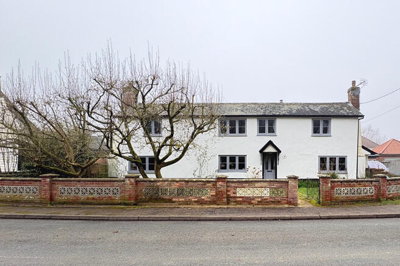
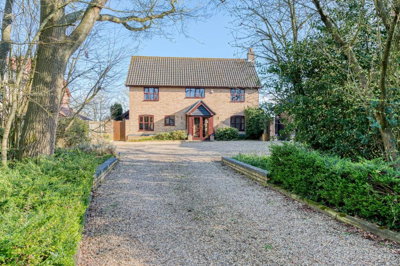
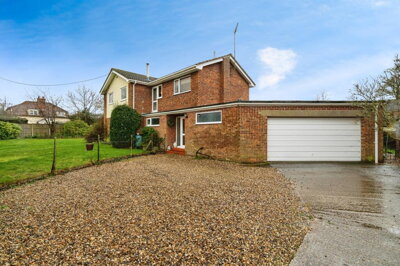
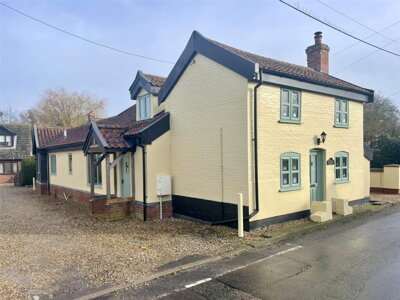
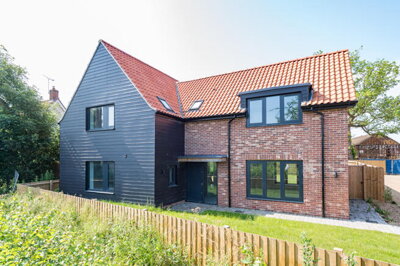
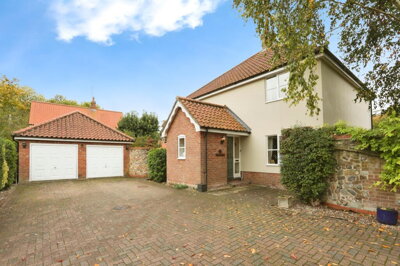
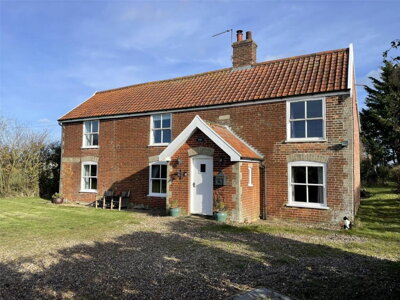
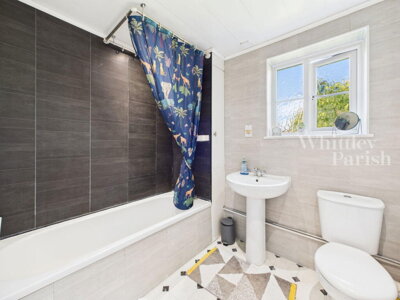
Browse 11 homes for sale in Thorndon, Mid Suffolk from local estate agents.
The larger property sector typically features multiple bathrooms, substantial reception space, and private gardens or off-street parking. Four bedroom houses in Thorndon span detached, semi-detached, and occasionally terraced configurations, with styles ranging from period properties to modern executive homes.
£450k
1
0
55
Source: home.co.uk
Showing 1 results for 4 Bedroom Houses for sale in Thorndon, Mid Suffolk. The median asking price is £450,000.
Source: home.co.uk
Detached
1 listings
Avg £450,000
Source: home.co.uk
Source: home.co.uk
The Thorndon property market presents interesting opportunities for buyers in 2026. Rightmove data from February 2026 shows the average house price at £359,125, while OnTheMarket records £417,000 and Zoopla indicates £361,143. These variations reflect the mix of property types available and the timing of recorded sales. Overall, house prices in Thorndon have experienced a correction, sitting approximately 23% below the previous year and around 30% below the 2023 peak of £510,800, creating potential value opportunities for thoughtful buyers who act decisively in the current market conditions.
Property types in Thorndon skew heavily toward detached family homes, which sold for an average of £441,000 over the last year according to Rightmove data. Terraced properties proved more affordable, with average sales prices of £222,667, making them an attractive option for first-time buyers or those seeking a manageable property footprint. The majority of homes in Thorndon, some 83% of households, feature three or more bedrooms, catering well to growing families or those who value spacious accommodation. Semi-detached properties appear occasionally on the market, with guide prices typically ranging from £200,000 to £210,000 for three-bedroom examples.
Location within Thorndon significantly affects pricing, with properties along High Street commanding premium rates averaging around £500,000 over the last year. In contrast, homes in The Street offer more accessible entry points, with average prices around £340,000 to £407,500 depending on property specifics. The High Street area has seen more dramatic price corrections, sitting 40% down on its 2023 peak of £840,000, while The Street has demonstrated more stable pricing patterns. These location-based variations mean buyers can meaningfully adjust their expectations based on which part of the village appeals most.
The market correction observed over the past 18 months has brought renewed buyer interest in Thorndon property. With 195 recorded sales on Rightmove across various periods, transaction volumes indicate sustained activity despite broader market uncertainties. New build activity remains limited within the village itself, with only planning permissions in place for modest developments rather than active construction sites, which helps preserve the established character that existing residents value.

Life in Thorndon revolves around community connections and the gentle rhythms of rural Suffolk. The village maintains remarkably high homeownership rates at 81%, which contributes to a stable and established resident population that takes genuine pride in maintaining properties and public spaces. Only 6.2% of households occupy socially rented properties, reflecting the predominantly owner-occupier character that defines this settlement. This demographic profile creates a village atmosphere where neighbours often know one another and community events benefit from active participation.
The village heritage remains visible throughout Thorndon, from the 14th-century All Saints Church that anchors the settlement to period properties like Ivy Cottage, a charming home dating back to the 1700s that exemplifies the character properties available in the area. The historic Kerrison Reformatory School site, dating from the 19th century, adds another layer to the village's architectural history. Local amenities in the village itself remain modest, as is typical for a settlement of this size, but the surrounding countryside provides ample recreational opportunities including walking, cycling, and enjoying the traditional Suffolk landscape.
The village features approximately 280 dwellings spread across its historic footprint, creating an intimate scale that encourages neighbourly relationships. Community spirit manifests through village events, local church activities centred at All Saints Church, and the shared commitment to maintaining Thorndon's distinctive character. For buyers prioritising lifestyle over urban conveniences, the village offers an authentic Suffolk experience without the pressures of busier market towns.
Thorndon's location within Mid Suffolk provides reasonable access to larger centres while maintaining its rural tranquility. The village sits within comfortable reach of Eye, which offers essential services including shops and pubs, while Stowmarket provides more comprehensive retail and healthcare facilities. This balance between peaceful village living and practical access to amenities makes Thorndon particularly attractive to buyers seeking the best of both worlds in rural Suffolk.

Families considering a move to Thorndon will find educational provision centred primarily on nearby market towns, with the village's intimate scale meaning no large primary schools operate within Thorndon itself. Primary school-aged children typically attend schools in surrounding villages such as Eye, which offers several options for Key Stage 1 and Key Stage 2 education. Parents should research specific catchment areas and admission arrangements carefully, as rural school placements can be competitive depending on proximity and sibling connections. Transport arrangements to out-of-village schools merit consideration when evaluating properties at different ends of Thorndon.
Secondary education in the area centres on schools in market towns within reasonable commuting distance, with the quality of provision varying across institutions. Parents are advised to check current Ofsted ratings and examination results when narrowing property searches. For sixth form and further education, students typically travel to Stowmarket, Diss, or other larger towns in the region. The proximity of Thorndon to multiple secondary school options across Mid Suffolk provides flexibility, though journey times and transport costs represent practical factors for families with school-age children to factor into their property decision.
The availability of school transport services varies by location and year group, so prospective residents should contact Suffolk County Council for current arrangements. School bus routes serving villages around Thorndon can significantly affect the practicality of different property locations for families with children. Properties closer to main road routes may benefit from more reliable transport connections to schools in Eye, Diss, or Stowmarket, while more isolated homes may require private transport arrangements or longer walks to bus stops.
For families prioritising educational choice, the surrounding area offers various options including faith schools and academically selective establishments in nearby towns. However, competition for places at popular schools can be intense, and property purchases are often timed to coincide with school application cycles. Consulting the Suffolk County Council school admissions team early in your property search helps ensure families understand the implications of specific property locations on school placements.
Thorndon occupies a relatively central position within Mid Suffolk, offering reasonable access to the road network while maintaining its rural character. The village lies within reasonable distance of the A140, which runs north-south through the region, connecting Norwich to Ipswich and providing routes to larger employment centres. For commuters working in Norwich, Cambridge, or Ipswich, the journey times are manageable though inevitably longer than from towns with direct rail connections. Owning a car represents practically essential for residents of Thorndon given the limited public transport serving such a small settlement.
Rail connections require travel to nearby towns, with stations available in Diss, Stowmarket, and elsewhere offering services toward Norwich, Cambridge, and London Liverpool Street. Journey times to London by rail from these stations typically range from around 90 minutes to two hours, making occasional London commuting feasible though not ideal for daily travel. Bus services connecting Thorndon to surrounding villages and towns operate on limited timetables, so prospective buyers should verify current service frequencies before purchasing without private vehicle access. The rural lanes surrounding Thorndon are generally well-maintained but can narrow in places, requiring careful navigation.
For professionals working in Norwich, the commute from Diss station offers a practical balance, with Norwich providing major employment opportunities across public sector, healthcare, and professional services. Cambridge remains accessible for those working in the technology and research sectors, though the combined rail and road journey requires careful planning. The strategic position of Thorndon relative to multiple employment centres provides flexibility that purely isolated villages cannot match.
Local driving conditions around Thorndon reflect its rural character, with country lanes connecting the village to surrounding settlements. The roads are generally suitable for everyday driving but narrow sections require appropriate care, particularly during winter months when visibility and road surface conditions may deteriorate. Prospective buyers unfamiliar with rural Suffolk driving should allow extra time for journeys and consider the practical implications of limited street lighting on country roads during darker evenings.
Before committing to a purchase, spend time understanding current listing prices in Thorndon and compare them against the recent sales data. With average prices around £359,000 and detached properties averaging £441,000, having clear budget parameters helps narrow the search effectively. Monitor Rightmove, Zoopla, and OnTheMarket regularly as new listings appear frequently in the competitive rural market.
Contact a mortgage broker or lender to obtain an agreement in principle before beginning property viewings. This financial pre-approval strengthens your position when making offers and demonstrates to sellers that you are a serious buyer with funding capability. Several brokers specialise in rural Suffolk property transactions and understand the specific requirements of village properties.
Visit multiple properties across Thorndon to compare locations, conditions, and value. Properties in The Street and High Street represent different ends of the pricing spectrum, with High Street averaging around £500,000 and The Street closer to £340,000. Viewings at different times of day and week help establish how the village operates throughout its daily rhythms.
Once you have a property under offer, arrange a RICS Level 2 or Level 3 survey to assess the condition of the building. Given Thorndon's age and heritage properties, professional surveys often reveal issues requiring attention or negotiation. Older properties may exhibit characteristic defects related to their construction era that require specialist assessment.
Appoint a solicitor experienced in rural Suffolk property transactions to handle the legal aspects of your purchase. They will conduct searches, handle contracts, and coordinate with the Land Registry. Rural properties may require additional searches related to agricultural land, rights of way, or environmental considerations specific to the area.
Final arrangements include building insurance, confirming mortgage offers, and coordinating completion dates. Your solicitor will arrange the final transfer of funds and keys on completion day. For buyers relocating from urban areas, allow time for practical arrangements such as school transfers, GP registration, and removal logistics.
Properties in Thorndon span centuries of construction, from homes dating back to the 1700s through to recent new build developments with planning permission. When viewing period properties, pay particular attention to the condition of original features, roof structures, and any signs of damp or structural movement common in older buildings. The presence of heritage considerations, given the village's listed buildings and historic character, may affect what modifications are permissible for any property you purchase.
Period properties in Thorndon typically feature traditional construction methods appropriate to their era, with solid walls, original timber windows, and period fireplaces that form part of their character. However, these features often require ongoing maintenance and may not meet modern thermal performance standards without sympathetic upgrading. Our surveyors frequently identify issues related to roof pitch, damp penetration through solid walls, and the condition of timber lintels over window openings in properties of this age.
New build planning permissions exist in Thorndon, including outline consent for four dwellings passed by Mid Suffolk Council in January 2022, which would add two detached bungalows and a pair of semi-detached properties to the village stock. Additionally, planning approval has been obtained for four eco-houses intended to achieve Code level 5 sustainability standards. A further development opportunity on High Street gained full planning permission in November 2024 for three new dwellings. These future developments may affect the character of certain areas, so buyers should research local planning applications through the Mid Suffolk Council planning portal.
Flood risk and local geology information should be obtained through standard searches during the conveyancing process, as specific data for Thorndon requires professional verification. Ground conditions can vary across Suffolk, and properties in lower-lying areas may face different considerations than those on elevated ground. Always review the full search results with your solicitor rather than relying on assumptions. Specialist surveys for properties in areas of known ground instability or flood risk provide additional reassurance for buyers.
Thorndon has seen modest planning activity in recent years, with several permissions granted that will shape the village's future character. The outline planning consent passed by Mid Suffolk Council in January 2022 (reference DC/21/06244) permits four market dwellings on land currently comprising overgrown meadow extending to 0.348 hectares. This site, located on the edge of the village, would deliver two detached two-bedroom bungalows alongside a pair of semi-detached three-bedroom properties, providing housing options for different household types within the community.
Sustainability-focused development is also planned for Thorndon, with Beech Architects obtaining approval for four eco-houses designed to achieve Code level 5 sustainability standards. This local architectural practice, based in Thorndon, brings particular expertise in heritage and listed building projects, suggesting thoughtful design that may respect the village's traditional character while meeting modern environmental standards. The emphasis on sustainability reflects growing buyer interest in energy-efficient homes with lower running costs.
A development opportunity on High Street gained full planning permission in November 2024 for three new dwellings, representing an infill development that would add to the village's housing stock in an established residential area. For buyers considering property purchases, awareness of nearby planning permissions helps assess potential changes to neighbourhood character and traffic patterns. The Kerrison Portfolio, encompassing 16 existing dwellings, also holds planning consent for six additional properties, indicating continued modest growth in Thorndon's housing provision.
Rightmove data from February 2026 shows the average house price in Thorndon at £359,125, while OnTheMarket records £417,000 and Zoopla indicates £361,143. These variations reflect timing differences and property mix across the village. Detached properties average £441,000, while terraced properties average £222,667, and semi-detached three-bedroom homes typically appear in the £200,000 to £210,000 range. The market has experienced a correction, with prices approximately 23% below the previous year and 30% below the 2023 peak of £510,800, creating potential value opportunities for buyers entering the Thorndon market now.
Properties in Thorndon fall under Mid Suffolk District Council for council tax purposes, with banding determined by the Valuation Office Agency based on property values at April 1991 levels. Banding ranges from A through to H, with rural properties and period homes often falling into mid-to-higher bands due to their assessed values relative to the regional baseline. Prospective buyers should check specific properties on the Valuation Office Agency website, as individual circumstances and property characteristics affect banding determinations. Council tax payments fund essential local services including education, waste collection, and road maintenance across Mid Suffolk.
Thorndon itself does not have a primary school within the village, with primary education provided in nearby villages and towns including Eye, which offers several options for Key Stage 1 and Key Stage 2 education. Secondary education options in the wider Mid Suffolk area include schools in Diss, Stowmarket, and Eye, with parents advised to check current Ofsted ratings and specific catchment area boundaries as admission policies can be competitive in rural areas. For sixth form and further education, students typically travel to Stowmarket, Diss, or other larger towns offering broader curriculum choices. Transport arrangements and journey times merit careful consideration when evaluating properties in different locations within Thorndon.
Public transport options in Thorndon are limited due to the village's small scale, with bus services connecting Thorndon to surrounding villages and towns operating on reduced timetables compared to urban areas. The nearest rail stations are in Diss and Stowmarket, offering services toward Norwich, Cambridge, and London Liverpool Street, with journey times to London typically ranging from 90 minutes to two hours. Daily commuting without a private vehicle would prove challenging, so buyers should ensure they have transport arrangements in place before committing to a purchase in Thorndon. Planning your journey to include realistic transport options helps avoid disappointment with rural living practicalities.
Thorndon offers a stable rural village environment with high homeownership rates of 81% and limited social housing at 6.2%, suggesting consistent demand from owner-occupiers seeking village living in Mid Suffolk. The village's historic character, planning permissions for new developments, and the modest scale of growth indicate sustainable long-term prospects rather than rapid transformation. However, the small scale of the village means capital growth may be slower than in larger towns with stronger buyer demand, and liquidity in the local market can be lower with fewer annual transactions. For buyers seeking a peaceful lifestyle investment with long-term stability and genuine community spirit, Thorndon merits serious consideration as a place to put down roots.
Stamp Duty Land Tax rates from April 2025 apply as follows: no tax on purchases up to £250,000, 5% on the portion from £250,001 to £925,000, 10% from £925,001 to £1.5 million, and 12% above £1.5 million. First-time buyers receive relief on purchases up to £625,000, paying 0% on the first £425,000 and 5% on the remainder up to that threshold. For most Thorndon properties averaging around £359,000, standard buyers would pay approximately £5,450 in stamp duty, while first-time buyers meeting the criteria would pay nothing on the first £425,000 and 5% only on amounts exceeding this threshold. Properties above £925,000 attract higher rates that significantly increase the overall purchase cost.
Period properties in Thorndon, including homes dating from the 1700s and 1800s, require careful inspection of original features such as timber windows, solid wall construction, and period roof structures. Common issues identified during surveys of traditional Suffolk properties include damp penetration through solid walls, timber decay in window frames and lintels, and roof pitch deterioration particularly on north-facing slopes. Properties along The Street and High Street may exhibit different characteristics based on their specific construction periods and subsequent modifications. Engaging a RICS surveyor experienced with historic rural properties helps ensure potential defects are identified before purchase.
No active new-build developments with homes currently for sale were found within Thorndon itself at the time of research. However, several sites hold planning permission including the 2022 consent for four dwellings on meadow land and the 2024 High Street permission for three dwellings. Additionally, four eco-houses have planning approval pending construction. For buyers specifically seeking new build property, nearby developments in Old Newton (Copper Fields by Keepmoat Homes), Bacton (Ivy Hill and Meadow Rise), Stowmarket (Pinewood Grange by Bellway), and Needham Market (Venus Fields) offer alternatives within reasonable distance of Thorndon. These nearby developments feature properties combining traditional architectural touches with red brick and rendered facades typical of contemporary rural Suffolk housing.
From 4.5%
Expert mortgage advice for Thorndon buyers
From £499
Local solicitors handling your legal work
From £350
Comprehensive property inspection for Thorndon homes
From £60
Energy performance certificate for your new home
Purchasing a property in Thorndon involves several costs beyond the purchase price that buyers should budget for carefully. Stamp Duty Land Tax represents the most significant additional cost, with standard rates applying 5% on property values between £250,001 and £925,000. For a typical Thorndon property at the current average of £359,125, a standard buyer would incur stamp duty of approximately £5,450. First-time buyers purchasing properties up to £625,000 benefit from increased thresholds, paying nothing on the first £425,000 and 5% only on the amount above that, meaning most first-time buyers in Thorndon would pay no stamp duty at all.
Survey costs vary depending on property type and the level of inspection required. A RICS Level 2 HomeBuyer Report costs from around £350 and provides a thorough assessment suitable for most properties, including those charming period homes found throughout Thorndon. For older properties or those showing signs of potential issues, a RICS Level 3 Building Survey at higher cost offers more comprehensive analysis including opening up of finishes where necessary. Given that many Thorndon properties date from the 1700s through to the 19th century, the additional investment in a thorough survey frequently identifies issues that justify the cost through subsequent negotiation or early intervention.
Legal fees for conveyancing typically start from around £499 for standard transactions, though complex purchases involving leaseholds, rights of way, or unusual tenure arrangements may cost more. Search fees for local authority, drainage, and environmental searches typically total £200 to £400, providing essential information about planning history, flood risk, and ground conditions affecting your property. Additional costs to factor into your Thorndon purchase budget include mortgage arrangement fees ranging from nothing to around £2,000 depending on the lender and product chosen, Land Registry fees for registering your ownership, and buildings insurance arranged from exchange of contracts onwards.
Removal costs vary significantly based on distance and volume of belongings, while any immediate renovation works, furnished content purchases, or decorative updates require separate budgeting. Seeking mortgage advice in principle before property searching helps establish clear budget parameters and prevents disappointment when making offers on properties beyond your financial reach. Our team can connect you with recommended conveyancers experienced in Mid Suffolk property transactions who understand the specific requirements of village properties including listed building considerations and rural search requirements.
Properties for Sale In London

Properties for Sale In Plymouth

Properties for Sale In Liverpool

Properties for Sale In Glasgow

Properties for Sale In Sheffield

Properties for Sale In Edinburgh

Properties for Sale In Coventry

Properties for Sale In Bradford

Properties for Sale In Manchester

Properties for Sale In Birmingham

Properties for Sale In Bristol

Properties for Sale In Oxford

Properties for Sale In Leicester

Properties for Sale In Newcastle

Properties for Sale In Leeds

Properties for Sale In Southampton

Properties for Sale In Cardiff

Properties for Sale In Nottingham

Properties for Sale In Norwich

Properties for Sale In Brighton

Properties for Sale In Derby

Properties for Sale In Portsmouth

Properties for Sale In Northampton

Properties for Sale In Milton Keynes

Properties for Sale In Bournemouth

Properties for Sale In Bolton

Properties for Sale In Swansea

Properties for Sale In Swindon

Properties for Sale In Peterborough

Properties for Sale In Wolverhampton

Enter your details to see if this property is within your budget.
Loans, cards, car finance
Estimated property budget
Borrowing + deposit
You could borrow between
Typical borrowing
Monthly repayment
Est. at 4.5%
Loan-to-value
This is an estimate only. Your actual budget may vary depending on interest rates, credit history, and personal circumstances. For an accurate affordability assessment, speak to one of our free mortgage advisors.
This calculator provides estimates for illustrative purposes only and does not constitute financial advice. Your home may be repossessed if you do not keep up repayments on your mortgage. Estimates based on 4.5% interest rate, repayment mortgage. Actual rates depend on your circumstances.
Homemove is a trading name of HM Haus Group Ltd (Company No. 13873779, registered in England & Wales). Homemove Mortgages Ltd (Company No. 15947693) is an Appointed Representative of TMG Direct Limited, trading as TMG Mortgage Network, which is authorised and regulated by the Financial Conduct Authority (FRN 786245). Homemove Mortgages Ltd is entered on the FCA Register as an Appointed Representative (FRN 1022429). You can check registrations at NewRegister or by calling 0800 111 6768.

We use cookies to show you personalised content and improve your experience of our website. Find out more in our Privacy policy and Cookie policy.