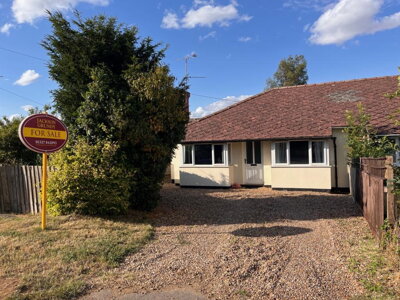
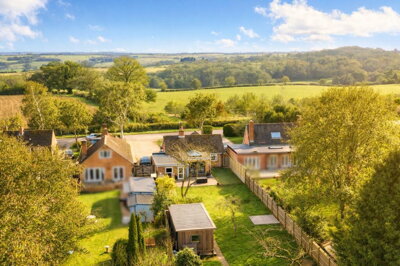
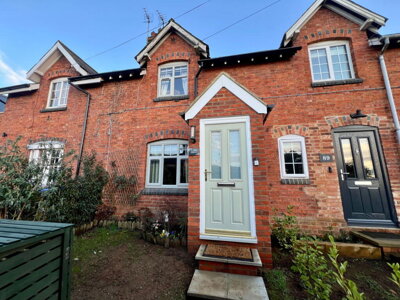
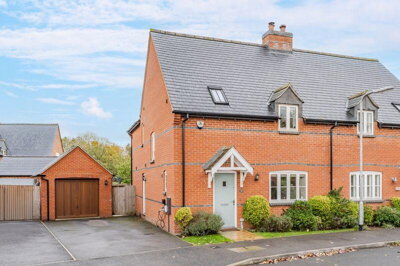
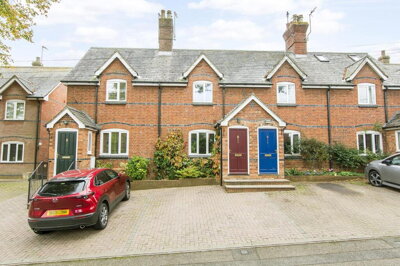
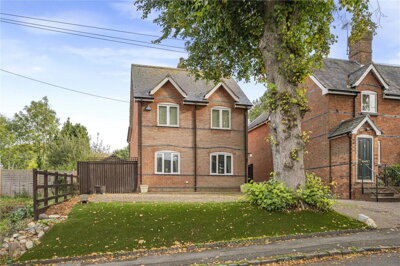
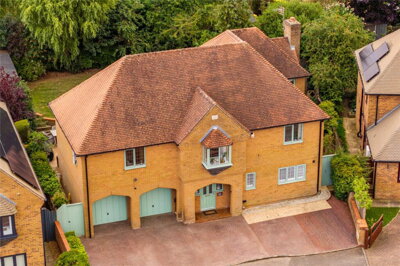
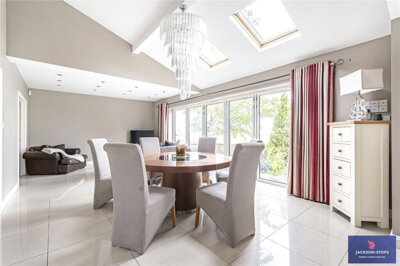
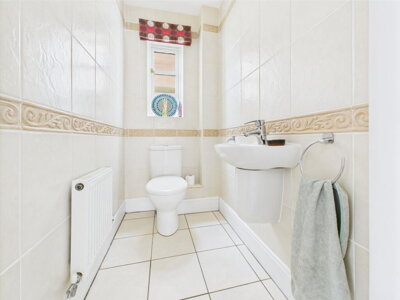
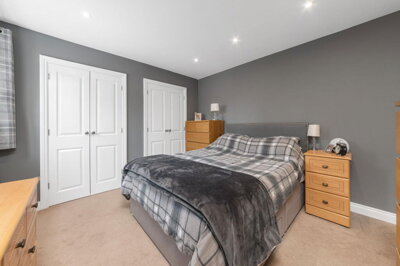
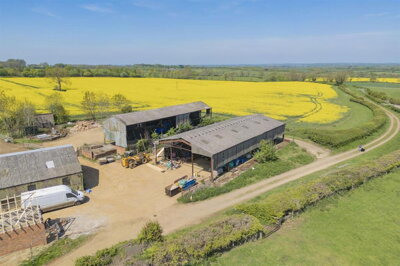
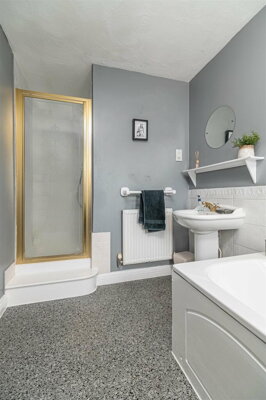
Browse 15 homes for sale in Thornby, West Northamptonshire from local estate agents.
£0k
0
0
0
Source: home.co.uk
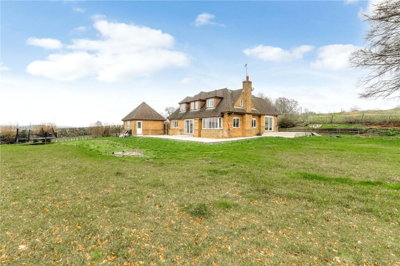
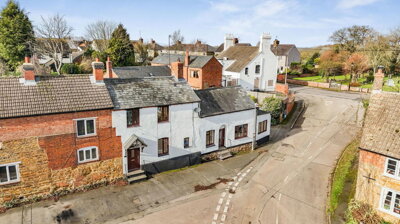
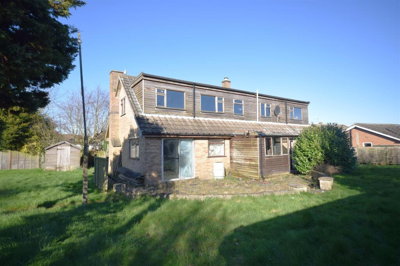
The Thornby property market offers a distinctive selection of homes that reflect the village's historic character and Northamptonshire's traditional building styles. Most properties available in the NN6 postcode area are 4-bedroom detached houses and 3-bedroom semi-detached homes, catering to families seeking space both indoors and out. The village's older properties are typically constructed from local ironstone and limestone, materials that have defined Northamptonshire villages for centuries, with roofs featuring traditional pantile or plain clay tiles.
Property prices across West Northamptonshire have demonstrated steady growth, with the average house price rising 2.9% from December 2024 to December 2025 to reach £294,000. Detached properties in the county averaged £440,281, while semi-detached homes commanded £275,806 and terraced properties averaged £232,792. For buyers seeking period character, Thornby's housing stock includes homes dating from the 17th century through to the early 20th century, offering features such as original fireplaces, beam ceilings, and expansive gardens that modern builds rarely provide.
The 1870 Imperial Gazetteer recorded just 52 houses in Thornby, illustrating how this compact village has maintained its intimate scale over more than a century and a half. Within the broader West Northamptonshire council area, 64.8% of households own their homes outright or with a mortgage, 19.1% rent privately, and 14.4% are socially rented, reflecting a healthy mix of tenure types. New build development activity in Thornby itself remains limited, with planning applications typically relating to modifications of existing properties rather than new housing estates, preserving the village's historic character and ensuring period properties remain highly sought after.
For buyers interested in newer homes, neighbouring villages within the NN6 district offer contemporary developments alongside traditional architecture. Places like Long Buckby and Overstone provide alternative options for those seeking newer construction while remaining within easy reach of Thornby's village amenities and community spirit.

Life in Thornby offers an authentic taste of Northamptonshire village living, where community spirit and rural tranquility define everyday life. The village centres around St Helen's Church, a striking Grade II* listed building dating from the 14th century that serves as both a spiritual landmark and a focal point for village activities. The historic The Manor House, built in chequered brick with a slate roof in the mid-18th century, and The Red Lion public house further anchor the village in its heritage, providing traditional English pub culture that has sustained village communities for generations.
The village sits within the Northampton Sand Formation area, where the underlying geology creates the distinctive ironstone and limestone landscape that characterises Northamptonshire's uplands. The presence of clay-rich bedrock in the area means gardens typically drain well after rainfall, though prospective buyers should be aware of potential shrink-swell considerations for property foundations, particularly near mature trees. Surrounding farmland and countryside walks offer residents ample opportunity to explore the local environment, with public footpaths connecting Thornby to neighbouring villages and the wider countryside.
Thornby's population of 182 residents represents stable community numbers, having grown from 162 in 2001 to 189 in 2011 before settling at 182 in 2021. This steady demographic profile suggests a community that retains its character rather than experiencing the rapid growth that has transformed some rural locations in the region. Local amenities are accessed through short drives to nearby villages and market towns, where weekly markets, independent shops, and essential services meet daily needs. The village's proximity to major employers including those in Northampton's manufacturing, logistics, and financial services sectors makes it practical for working professionals.

Families considering a move to Thornby will find educational provision centred in the surrounding villages and nearby market towns. Primary education is typically provided through village primary schools in the NN6 postcode area, with schools in nearby Long Buckby and other surrounding villages serving local communities. These smaller, village-based schools often benefit from strong community ties and individual attention for pupils, reflecting the intimate educational environment that village living provides. The proportion of owner-occupied homes in the area, at nearly two-thirds of all households, suggests families are staying in the community long-term, often through multiple school-aged children.
Secondary education options include schools in Daventry and Northampton, with several establishments in the wider area holding good Ofsted ratings for academic achievement and pupil welfare. Northampton's secondary schools serve a much larger population and offer comprehensive curricula, with some offering specialist subjects and extensive extracurricular programmes. For families with older children, sixth form provision is available at secondary schools with sixth forms and further education colleges in nearby towns, providing clear pathways to higher education or vocational training.
The transport links from Thornby make accessing a wider range of educational options practical for families willing to travel for particular curricula or extracurricular activities. Independent schools in Northamptonshire and the surrounding counties provide alternatives for parents seeking faith-based education or particular pedagogical approaches. Researching specific school catchments and admissions criteria is advisable, as village schools can have defined catchment areas that affect placement eligibility. We recommend visiting potential schools during open days and speaking directly with admissions offices to confirm current arrangements.
Thornby benefits from its position within the NN6 postcode area, offering connections to major transport infrastructure that serve the wider Northamptonshire region. The village sits within reasonable distance of the A14, which provides direct access to the M1 motorway at junction 1, connecting residents to Birmingham, Leicester, and London. This strategic positioning places Thornby within the "Golden Triangle" that logistics operators prize for distribution networks, meaning residents enjoy excellent road connectivity without the congestion of urban motorway junctions. Northamptonshire's central location supports employment across manufacturing, engineering, and logistics sectors, with major employers including those in the high-performance automotive and motorsport industries centred around Silverstone Circuit.
Rail services are accessible from stations in Northampton and Long Buckby, where services connect to Birmingham New Street, London Euston, and other major destinations. Long Buckby railway station, located within the NN6 postcode, provides regular services that make commuting feasible for those working in larger cities while enjoying village life. Journey times to London Marylebone from nearby stations can be competitive with more expensive commuter belt locations, making Thornby attractive to professionals seeking affordable rural housing with practical transport links.
For those who cycle, the Northamptonshire countryside offers scenic routes between villages, though hilly terrain requires some fitness. Bus services connect Thornby with surrounding villages and market towns, providing essential access for those without private vehicles. Village parking is typically unrestricted, unlike urban areas, and the quiet rural roads make driving a pleasant experience rather than the stressful commute many urban residents endure.
Thornby's housing stock reflects centuries of continuous development, from medieval through to early 20th-century construction, offering buyers a remarkable variety of period properties. The village's heritage includes notable buildings such as Thornby Hall, a 17th-century property with later additions, and The Stone House dating from around 1700, both exemplifying the quality of Northamptonshire's historic architecture. The presence of Thornby Grange, constructed in 1911, provides examples of early 20th-century building in the village, bridging the gap between period character and more modern construction approaches.
Traditional building materials in the area include local ironstone and limestone, which have been quarried and used in Northamptonshire villages for generations. These materials give Thornby's older properties their distinctive warm, reddish-brown appearance that blends harmoniously with the surrounding countryside. Some older farm buildings and cottages may be constructed from cob, an earth-building technique that requires specialist knowledge for maintenance and renovation. Roofs typically feature pantile or plain clay tiles, with occasional surviving thatch on the oldest properties, all requiring appropriate care to preserve their character.
For buyers seeking more modern accommodation, the neighbouring NN6 villages of Long Buckby, Overstone, and Church Brampton offer contemporary developments with current building specifications. These newer properties typically feature energy-efficient designs, underfloor heating, and open-plan layouts that contrast with the charm of Thornby's period homes. Many buyers are drawn to the renovation potential of Thornby's older properties, transforming historic cottages and farm buildings into contemporary family homes while retaining their original features and character.
Before viewing properties, spend time in Thornby at different times of day and week to understand the community atmosphere. Visit local amenities, explore the surrounding countryside, and review recent property sales in the NN6 postcode to understand current market values and what your budget can secure.
Speak with a mortgage broker or lender to obtain an agreement in principle before beginning property viewings. This demonstrates your seriousness to sellers and estate agents while helping you understand your true budget. With West Northamptonshire average prices at £294,000 and Thornby averages around £372,888, seek advice on appropriate loan-to-value ratios.
Contact local estate agents to arrange viewings of properties that match your criteria. Take notes on property condition, noting the age of buildings and potential maintenance needs given Thornby's historic housing stock. Many properties here are pre-1919, so understanding the condition of period features and potential renovation requirements is essential.
Once you have found your ideal home, book a RICS Level 2 Survey (Homebuyer Report) or Level 3 Survey (Building Survey) to assess the property's condition. Given the notable shrink-swell hazard in the area due to clay-rich soils, a thorough survey is particularly important to check for any subsidence-related issues with foundations and structural walls.
Appoint a solicitor experienced in rural Northamptonshire property transactions to handle the legal aspects of your purchase. They will conduct local authority searches, check for planning restrictions or conservation area implications given Thornby's listed buildings, and manage the transfer of ownership.
After satisfactory survey results and agreed terms, your solicitor will exchange contracts and set a completion date. On completion day, you will receive the keys to your new Thornby home and can begin settling into village life in this charming Northamptonshire community.
Buying a property in Thornby requires attention to specific local factors that reflect the village's historic character and Northamptonshire's geological conditions. The presence of clay-rich bedrock throughout the area creates a notable shrink-swell hazard, meaning prospective buyers should carefully inspect foundations and walls for any signs of subsidence, cracking, or movement. Properties with mature trees nearby are particularly worth scrutinising, as tree roots can exacerbate soil movement during drought periods. The Northampton Sand Formation underlying the village means properties may have shallow foundations typical of their era, which can be more susceptible to ground movement.
Given Thornby's concentration of Listed Buildings including the Grade II* St Helen's Church and several historic homes, buyers should investigate whether the property or nearby properties carry listing designations that impose restrictions on alterations and renovations. The presence of historic building materials such as ironstone, limestone, and cob means properties may require specialist conservation approaches for any maintenance or improvement work, potentially affecting costs. We always recommend asking the seller for any building surveys or maintenance records that might indicate previous structural issues or remediation work.
Surface water flooding represents a consideration for the area, with Northamptonshire having experienced significant flooding events in 1998, 1968, and 2018. Reviewing Environment Agency flood maps and West Northamptonshire Council's interactive flood risk mapping tools before purchasing provides clarity on any specific property's exposure. Properties in low-lying areas of gardens or those near watercourses warrant particularly careful evaluation. Checking the property's drainage history and any previous flood insurance claims can reveal patterns that might affect your decision.
Northamptonshire sandstone, while a traditional local material, can be relatively soft and susceptible to erosion if not properly maintained. Examine window sills, string courses, and exposed stonework for signs of weathering or previous repair work. Original features such as fireplaces, beam ceilings, and traditional windows should be assessed for condition and authenticity, as these contribute significantly to both the property's character and its market value in Thornby's period property market.
Understanding the additional costs of buying property in Thornby is essential for budgeting effectively. The average asking price of approximately £372,888 means most buyers will incur Stamp Duty Land Tax, with a typical SDLT bill of £6,144 for properties purchased at this price point. This calculation applies the 5% rate to the portion of price between £250,001 and the full purchase price, providing a clear figure for your overall budget planning.
First-time buyers benefit from relief that raises the nil-rate threshold to £425,000, meaning properties up to this price attract no SDLT for eligible purchasers. This relief applies to properties purchased without a mortgage and where the buyer has never owned property anywhere in the world. For first-time buyers purchasing at the Thornby average price of £372,888, no stamp duty would be payable, representing a significant saving compared to previous thresholds.
Beyond stamp duty, buyers should budget for solicitor fees typically ranging from £500 to £2,000 depending on complexity, mortgage arrangement fees of 0-1.5% of the loan amount, survey costs of £350 for a Level 2 Homebuyer Report or £600-1,000 for a comprehensive Level 3 Building Survey, and removal costs which vary by distance and volume. Buildings insurance must be in place from exchange of contracts, and valuation fees may apply depending on your lender's requirements. Our team can provide quotes for surveys specifically designed for Thornby's period properties, accounting for the unique construction methods and potential issues in the area.
The average asking price for properties in Thornby and the surrounding NN6 postcode area is approximately £372,888, with prices typically ranging from £28,000 to £3,500,000 depending on property type and size. The NN6 8 postcode sector, which includes Thornby, shows an average property price of £522,000. West Northamptonshire as a whole averaged £294,000 in December 2025, with prices rising 2.9% over the previous twelve months, reflecting steady growth in the regional market.
Council tax bands in West Northamptonshire are set by West Northamptonshire Council based on property valuation. Bands range from A (lowest) to H (highest), with most period properties in rural villages like Thornby typically falling into bands B through D depending on their assessed value. Given the village's mix of historic cottages, larger period homes, and farm buildings, council tax bands can vary significantly between properties. Contact West Northamptonshire Council directly or view the property's council tax records for the specific band applicable to any property you are considering.
Primary education in Thornby is served by village primary schools in the surrounding NN6 postcode area, with schools in nearby villages like Long Buckby providing local options. Secondary education is available in Daventry and Northampton, where several schools have achieved good Ofsted ratings. The West Northamptonshire area benefits from a mix of academy schools and those with specialist subject status, providing diverse educational pathways. Families should research specific school catchments and admissions criteria, as village schools typically have defined catchment areas that determine eligibility.
Thornby is connected to surrounding areas through local bus services linking to nearby villages and market towns. Long Buckby railway station, within the NN6 postcode, provides regular rail services to Birmingham New Street and London Euston. The A14 and proximity to the M1 motorway at junction 1 provide excellent road connections to major cities, positioning Thornby within the strategically important "Golden Triangle" for logistics and commuting. Northampton station offers additional services to London Marylebone, with journey times making day commuting practical from this rural location.
Thornby offers appeal for investors seeking character properties in a rural location with good transport connections. The village's historic housing stock, including period cottages and farm buildings, attracts interest from buyers seeking renovation projects or distinctive homes. The broader West Northamptonshire area has shown consistent price growth, with a 2.9% increase over the past year. However, the small population of 182 residents and limited new development mean rental demand may be more niche than in larger towns. Property values in the NN6 8 sector average £522,000, suggesting strong underlying demand for the right properties.
Stamp Duty Land Tax (SDLT) applies to purchases above £250,000 at 5% on the portion between £250,001 and £925,000, then 10% up to £1.5 million. Properties priced at £925,000 or below therefore attract SDLT of 5% on the amount above £250,000. First-time buyers purchasing properties up to £625,000 pay 0% on the first £425,000 and 5% on amounts between £425,001 and £625,000, providing significant savings for eligible purchasers.
Thornby sits on the Northampton Sand Formation, characterised by sandy ironstone bedrock, with areas near Thornby Grange containing chalk and flint drift. The presence of clay-rich soils creates a notable shrink-swell hazard, meaning properties may be susceptible to subsidence during periods of drought or due to vegetation near foundations. Northamptonshire's Jurassic-era geology includes ironstones, sandstones, and limestones interbedded with clays, all of which can affect foundation design and building performance. A thorough building survey is advisable for any property purchase in the area, particularly for older properties with shallow foundations.
Thornby's concentration of Listed Buildings, including Grade II* St Helen's Church and several Grade II listed properties such as The Manor House, The Old Rectory, and The Stone House, suggests the village either contains or is adjacent to conservation areas subject to planning restrictions. Any works to listed buildings require Listed Building Consent from West Northamptonshire Council. West Northamptonshire Council maintains 117 conservation areas across the district. Buyers should investigate specific planning constraints during conveyancing and consider how these might affect future renovation or extension plans.
Properties for Sale In London

Properties for Sale In Plymouth

Properties for Sale In Liverpool

Properties for Sale In Glasgow

Properties for Sale In Sheffield

Properties for Sale In Edinburgh

Properties for Sale In Coventry

Properties for Sale In Bradford

Properties for Sale In Manchester

Properties for Sale In Birmingham

Properties for Sale In Bristol

Properties for Sale In Oxford

Properties for Sale In Leicester

Properties for Sale In Newcastle

Properties for Sale In Leeds

Properties for Sale In Southampton

Properties for Sale In Cardiff

Properties for Sale In Nottingham

Properties for Sale In Norwich

Properties for Sale In Brighton

Properties for Sale In Derby

Properties for Sale In Portsmouth

Properties for Sale In Northampton

Properties for Sale In Milton Keynes

Properties for Sale In Bournemouth

Properties for Sale In Bolton

Properties for Sale In Swansea

Properties for Sale In Swindon

Properties for Sale In Peterborough

Properties for Sale In Wolverhampton

Enter your details to see if this property is within your budget.
Loans, cards, car finance
Estimated property budget
Borrowing + deposit
You could borrow between
Typical borrowing
Monthly repayment
Est. at 4.5%
Loan-to-value
This is an estimate only. Your actual budget may vary depending on interest rates, credit history, and personal circumstances. For an accurate affordability assessment, speak to one of our free mortgage advisors.
This calculator provides estimates for illustrative purposes only and does not constitute financial advice. Your home may be repossessed if you do not keep up repayments on your mortgage. Estimates based on 4.5% interest rate, repayment mortgage. Actual rates depend on your circumstances.
Homemove is a trading name of HM Haus Group Ltd (Company No. 13873779, registered in England & Wales). Homemove Mortgages Ltd (Company No. 15947693) is an Appointed Representative of TMG Direct Limited, trading as TMG Mortgage Network, which is authorised and regulated by the Financial Conduct Authority (FRN 786245). Homemove Mortgages Ltd is entered on the FCA Register as an Appointed Representative (FRN 1022429). You can check registrations at NewRegister or by calling 0800 111 6768.

We use cookies to show you personalised content and improve your experience of our website. Find out more in our Privacy policy and Cookie policy.