Browse 4 homes for sale in Thornage, North Norfolk from local estate agents.
Three bedroom properties represent a significant portion of the Thornage housing market, offering space for families with multiple reception rooms and gardens in many cases. Browse detached, semi-detached, and terraced options ranging from period character homes to contemporary developments.
£0k
0
0
0
Source: home.co.uk
Showing 0 results for 3 Bedroom Houses for sale in Thornage, North Norfolk.
The Thornage property market reflects the broader appeal of North Norfolk as a destination for buyers seeking space, character, and natural beauty. Our current listings feature detached properties commanding an average price of £625,000, with individual homes ranging significantly depending on size, condition, and plot extent. The market has demonstrated strong momentum, with prices rising by 25% over the last twelve months, indicating robust demand from buyers recognising the value of rural Norfolk living. With only one property sale recorded in the village over the past year, supply remains extremely limited, contributing to the premium attached to Thornage homes.
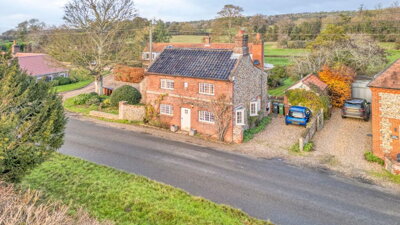
Property types available in Thornage predominantly include traditional detached houses, flint-walled farmhouses, and period cottages constructed from the local materials that define the North Norfolk vernacular. The village features properties built with flint knapped or rubble flint work, often combined with red brick or gault brick dressings, creating the distinctive appearance typical of Glaven Valley architecture. Rendered village homes, many dating from the Georgian and Victorian periods, sit alongside older timber-framed properties that may reveal exposed beams and inglenook fireplaces upon inspection. Given the village's conservation character and number of listed buildings, including the Grade I listed Church of St Andrew and several Grade II listed properties, buyers can expect a selection of historic homes requiring varying degrees of modernisation and care.
New build development within Thornage remains virtually non-existent, with no active construction projects identified in the village postcode area. This absence of new-build supply intensifies competition for existing properties, particularly for traditional cottages and farmhouses that cannot be replicated through modern development. Properties in Thornage typically date from the pre-1919 period, with many constructed between the Georgian era and the early twentieth century, reflecting the village's established character as a permanent settlement rather than a later suburban addition to North Norfolk.

Life in Thornage offers an authentic taste of rural Norfolk that many buyers find increasingly rare in contemporary Britain. The village forms part of a cluster of charming parishes in the Glaven Valley, with the River Glaven providing an attractive backdrop to countryside walks and wildlife observation. The river supports a variety of wildlife, and the surrounding countryside offers excellent opportunities for birdwatching, particularly during migration seasons when the coast draws significant ornithological interest. The local economy historically centred on agriculture, with farms still working the surrounding fields, while tourism has become increasingly important as visitors discover the area's coastal beauty and inland walking trails.
North Norfolk has become renowned as a destination for food lovers, with farm shops, artisan producers, and excellent pubs serving locally sourced ingredients. The nearby market town of Holt provides independent shopping, quality restaurants, and cultural attractions including the North Norfolk Railway, known locally as the "Poppy Line," which offers heritage steam train journeys through the scenic countryside. Glandford Shell Museum, located nearby, houses an impressive collection and provides cultural interest for residents and visitors alike. The village of Blakeney, just a short drive away, offers opportunities for seal watching trips and crabbing from the quay, while Cley Next the Sea provides excellent birdwatching at the nature reserve.
The region's strong sense of community manifests through village events, farmers markets, and the various societies that bring together permanent residents and those who maintain second homes in the area. The Thornage area benefits from an active local community with events held throughout the year, from summer fetes to winter gatherings. Many properties in the village are used as second homes or holiday lets, contributing to the local economy through tourism spending while also meaning that some neighbours may only be present seasonally. For buyers seeking a permanent residence, this dynamic adds an interesting dimension to village life and community involvement.

Families considering a move to Thornage will find a good selection of educational establishments serving the North Norfolk area. Primary education is available at nearby village schools in Langham and Blakeney, with Holt being home to several well-regarded primary schools serving the wider catchment area. These smaller schools typically offer an excellent teacher-to-pupil ratio and strong community connections that many parents value for their children's formative years. The village primary schools in this part of North Norfolk have built solid reputations for academic achievement and pastoral care, with class sizes often smaller than those found in larger towns.
Secondary education is provided at schools in Holt and Fakenham, with the Fakenham area offering particular choice for families seeking academic excellence alongside strong pastoral care. Fakenham Academy provides secondary education with a broad curriculum, while schools in Holt serve the immediate surrounding villages. For those seeking grammar school provision, the wider Norfolk area includes selective schools in King's Lynn and Norwich, though transportation arrangements require consideration given the rural nature of the area. Many families factor travel times and logistics into their decision-making when choosing a property in Thornage.
Sixth form provision is available at Fakenham Sixth Form College and through schools in Holt, with many students also choosing to travel to Norwich for broader A-level options. The journey to Norwich for sixth form study is manageable for students with access to transport, with the city offering a wider range of subjects and extracurricular activities. For families prioritising educational provision, viewing school performance data and visiting potential schools before committing to a property purchase is strongly advisable, as catchment areas and transportation routes can significantly influence the overall schooling experience.
Transport connections from Thornage reflect its rural character while still offering practical options for commuters and visitors alike. The village sits within reasonable distance of the A148 road that runs between King's Lynn and Cromer, providing access to the wider Norfolk road network. The market town of Holt lies just a few miles distant, offering everyday services and serving as a local hub for bus routes connecting villages to larger towns and the coast. For those travelling by car, the journey to Norwich takes approximately 45 minutes, while King's Lynn can be reached in around 35 minutes.
Rail connections are available at stations in Sheringham and Cromer on the Bittern Line, offering services to Norwich where connections can be made to London Liverpool Street via Cambridge. The Bittern Line provides a scenic coastal rail route connecting the north Norfolk towns, with Sheringham offering connections to the national rail network. The journey time from Norwich to London is approximately two hours, making day commuting feasible for those working in the capital on a hybrid basis. Many Thornage residents who work in London or other major cities choose to commute two or three days per week, living in the village for the remainder of the time.
For air travel, Norwich International Airport provides domestic flights and connections to European destinations, while the port of Harwich offers ferry services to the continent for those with international travel requirements. Norwich Airport is located approximately 40 minutes' drive from Thornage, making it practical for regular domestic travel or occasional European breaks. Local bus services provide essential connectivity for those without private vehicles, though planning ahead is advisable given the rural nature of public transport in the area. For buyers considering Thornage as a primary residence, assessing the practical transport requirements for your lifestyle is an important part of the decision-making process.
Spend time exploring Thornage and surrounding villages at different times of day and week to understand the community, traffic patterns, and noise levels. Visit local pubs, including the traditional establishments in nearby villages, and speak with residents about their experience of living in the area. Walking the local footpaths and visiting Holt and Blakeney will give you a feel for the wider community and amenities available. Understanding the seasonal nature of the village, with increased visitor traffic during summer months and quieter winter periods, will help you determine whether Thornage suits your lifestyle preferences.
Contact a mortgage broker to establish your borrowing capacity before beginning your property search. Having an agreement in principle strengthens your position when making offers and demonstrates to sellers that you are a serious, qualified buyer with financing already considered. For properties in Thornage at the average price of £625,000, ensure your mortgage broker has all relevant documentation ready and understands the rural property market. Specialist rural mortgage brokers may offer products suited to older properties and non-standard construction common in the village.
View properties with your estate agent, taking careful note of the property condition, orientation, garden aspects, and any signs of maintenance issues. For older properties in Thornage, pay particular attention to roof condition, damp evidence, and the condition of traditional features like flint walls and timber frames. Viewing properties at different times of day will reveal aspects such as natural light levels, noise from neighbouring properties or road traffic, and the behaviour of the property in various weather conditions. Ask the seller or agent about the property's history, including any previous renovations, extensions, or known issues.
Given Thornage's predominantly older housing stock, we strongly recommend commissioning a RICS Level 2 HomeBuyer Report before proceeding with your purchase. This survey will identify any structural issues, defects, or urgent repairs needed, providing you with negotiation leverage or an opportunity to withdraw if serious problems are discovered. For a property at £625,000, expect survey fees between £400 and £900 depending on the property size and complexity. For listed buildings or properties with unusual construction, a RICS Level 3 Building Survey may be more appropriate, providing a more detailed assessment of the property's condition.
Choose a conveyancing solicitor to handle the legal aspects of your purchase. They will conduct searches, review contracts, and manage the exchange and completion process. For listed buildings or properties in conservation areas, your solicitor will ensure all necessary consents are in place and explain the implications for future alterations or improvements. Local knowledge is valuable, so consider a solicitor familiar with North Norfolk properties who will understand the specific issues affecting rural properties in the area.
Once all searches are satisfactory and financing is confirmed, you will exchange contracts and pay your deposit, typically 10% of the purchase price. Completion typically follows within two to four weeks, at which point you will receive your keys and take ownership of your new Thornage home. Arrange buildings insurance from the point of exchange, and coordinate your removal logistics in advance as rural locations can present logistical challenges for larger vehicles. Your solicitor will notify Land Registry and arrange the transfer of funds, with completion usually taking place at midday on the agreed date.
Purchasing a property in Thornage requires careful attention to factors specific to rural North Norfolk and the traditional construction methods used in the village. The geology of the area includes chalk overlain by glacial tills including boulder clay deposits that can cause shrink-swell movement in clay-rich soils, potentially affecting foundations over time. This risk is heightened during periods of extreme weather, and any survey should specifically address foundation condition and any signs of subsidence or settlement cracking in walls. Properties built on clay subsoils may show movement during dry spells followed by heavy rainfall, and understanding the property's foundation type is essential.
The presence of listed buildings throughout Thornage means that many properties carry additional responsibilities and considerations for buyers. Grade I and Grade II listed properties require consent for alterations and some external works from North Norfolk District Council, which can affect renovation plans and future resale potential. Your solicitor should confirm the listed status and explain any implications before you commit to a purchase. Additionally, properties in conservation areas may face stricter planning controls regarding extensions, outbuildings, and exterior alterations. The additional costs and restrictions associated with listed building ownership should be factored into your decision-making, as specialist materials and contractors may be required for any works.
Common defects in Thornage's older properties include damp issues, particularly rising damp where properties lack modern damp-proof courses, and penetrating damp caused by deteriorating flint mortar joints or damaged render. Timber defects are also prevalent, with woodworm and wet or dry rot affecting roof structures, floor timbers, and window frames in properties of this age. Electrical and plumbing systems in older homes frequently require updating to meet current standards, and the cost of rewiring or replumbing should be considered when assessing overall purchase costs. Roof condition deserves particular attention, with slipped tiles, failing felt, and degraded timber elements commonly found in properties of this vintage.
Flood risk, while reduced compared to coastal areas, still warrants investigation through the appropriate environmental agency mappings. Surface water flooding and fluvial flooding from smaller watercourses including the River Glaven represent the primary concerns for inland villages like Thornage, and your survey should consider drainage patterns across the site and any history of flooding in the locality. Insurance costs can be significantly affected by flood risk assessments, so this should be factored into your overall cost calculations. Requesting the seller's property information form and any previous survey reports will help identify any historic issues that may not be immediately apparent during viewings.
The average house price in Thornage over the last 12 months stands at £625,000, with detached properties commanding this figure across the village. Property prices have increased by approximately 25% over the past year, reflecting growing demand for rural Norfolk properties and limited supply in this desirable village location. With only one property sale recorded in the village over the past twelve months, scarcity is driving competition among buyers seeking character homes in this part of North Norfolk. Individual properties may vary significantly based on size, condition, plot extent, and whether they are listed buildings or modern conversions, with premium prices achievable for well-presented period properties with good gardens and outbuildings.
Properties in Thornage fall under North Norfolk District Council, and council tax bands range from A to H depending on the property's assessed value. Most period cottages and traditional village homes in Thornage typically fall into bands B through E, with larger detached properties potentially commanding higher bands. Given the village's average property values and the age of the housing stock, with many homes dating from the Georgian and Victorian periods, council tax bands tend to reflect the historic nature of the properties rather than modern values. You should check the specific band with North Norfolk District Council or view it on the government council tax website before making an offer, as bands can be challenged if you believe a property is incorrectly assessed.
Primary schools in nearby villages like Langham and Blakeney serve the Thornage catchment area, with several well-regarded primary schools available in Holt, including St Mary's Church of England Primary Academy which serves the town and surrounding villages. Secondary education is provided at schools in Holt and Fakenham, with Fakenham Academy offering particularly good options for families seeking academic excellence alongside strong pastoral care. For grammar school access, families may consider transport arrangements to selective schools in Norwich, including Norwich School and Norfolk Grammar School for Boys and Girls, which have established reputations for academic achievement. The travel time from Thornage to Norwich schools is approximately 45 minutes by car, so families should factor this into their decision-making.
Thornage benefits from local bus services connecting to Holt and the surrounding villages, providing essential access for those without private vehicles. The bus services run several times daily on weekdays with more limited weekend provision, so checking current timetables is advisable before purchasing if you rely on public transport. The nearest rail stations are in Sheringham and Cromer on the Bittern Line, offering services to Norwich with connections to London Liverpool Street, typically taking around two hours to reach the capital. For air travel, Norwich International Airport provides domestic and European flights within approximately 40 minutes' drive of the village, with regular services to destinations including Amsterdam, Aberdeen, and various UK cities.
Thornage represents an attractive investment opportunity given the 25% price growth recorded over the past year and the enduring appeal of North Norfolk as a residential and holiday destination. The village's limited supply, with virtually no new-build development and only one recorded sale in the past year, suggests continued demand pressure that could support further price appreciation. Properties in conservation areas and listed buildings tend to hold their value well, while the shortage of new-build development in the village supports the premium attached to existing character homes. Holiday let potential exists for those seeking income from their investment, with the tourist appeal of North Norfolk's coast and countryside supporting strong rental demand particularly during the summer months. However, buyers should note that some mortgage products may not be available for properties intended primarily as holiday lets, so professional financial advice is recommended.
Stamp Duty Land Tax is calculated on the purchase price of your Thornage property. Standard rates start at 0% for the first £250,000, then 5% on the portion from £250,001 to £925,000, 10% up to £1.5 million, and 12% above that threshold. First-time buyers benefit from relief on properties up to £625,000, with 0% paid on the first £425,000 and 5% on the remainder. At the average Thornage price of £625,000, a first-time buyer would pay £10,000 in stamp duty, while a subsequent buyer would pay £18,750. These figures should be factored into your overall budget alongside survey costs, solicitor fees, and moving expenses. Additional costs may apply for properties that are second homes or buy-to-let investments, as the government levies a 3% surcharge on Stamp Duty for additional dwellings.
When viewing properties in Thornage, pay particular attention to the condition of traditional construction elements including flint walls, timber frames, and thatched or slate roofs that characterise the village's older properties. Check for signs of damp including tide marks on walls, musty odours, and peeling wallpaper, particularly in ground floor rooms and basements where moisture issues are most common. Examine window frames and doors for evidence of rot, and look up at ceilings for water stains that might indicate roof leaks. Given the age of many properties, the condition of electrical wiring and plumbing systems should be assessed, and any signs of recent renovation or upgrading should be verified through documentation. Properties in Thornage often feature original features that add character but may require ongoing maintenance, so understanding the balance between preserved period features and modern updates is important.
From 3.5%
Expert mortgage advice for Thornage properties
From £499
Specialist property solicitors for North Norfolk
From £400
Professional home survey for Thornage properties
From £80
Energy performance certificate for your new home
Understanding the full cost of purchasing property in Thornage requires careful budgeting beyond the purchase price itself. Stamp Duty Land Tax represents a significant upfront cost, with the threshold at £250,000 for standard buyers and £425,000 for first-time buyers claiming relief. At Thornage's average price of £625,000, a first-time buyer would pay £10,000 in stamp duty, while a subsequent buyer would pay £18,750. These figures should be factored into your overall budget alongside survey costs, solicitor fees, and moving expenses. For second home purchases, an additional 3% surcharge applies, increasing the stamp duty bill significantly at this price point.
Additional costs to budget for include RICS Level 2 survey fees ranging from £400 to £900 depending on property size and value, conveyancing fees typically between £500 and £1,500 for standard purchases, and mortgage arrangement fees that can reach £2,000 or more depending on the lender and product chosen. Searches conducted by your solicitor, including local authority, drainage, and environmental searches, typically cost between £250 and £400. For listed buildings, additional specialist surveys may be required, adding further to the overall cost but providing essential protection before committing to a purchase of historic property. A Level 3 Building Survey, which provides more detailed analysis of construction and defects, may cost £800 to £1,500 depending on property size but offers greater for older or unusual properties.
Moving costs for a Thornage purchase include removal expenses, which vary significantly depending on distance and volume of belongings, with quotes typically ranging from £500 to £2,000 for Norfolk moves. Buildings insurance must be in place from exchange of contracts, and content insurance should be arranged before completion. For properties in conservation areas or listed buildings, setting aside a budget for future maintenance and improvement works is prudent, as restrictions on materials and methods can increase renovation costs compared to standard properties. Unexpected costs often arise with older properties, so maintaining a contingency fund of at least 10% of the purchase price is advisable to cover any issues discovered after purchase that were not apparent during viewings or surveys.
Properties for Sale In London

Properties for Sale In Plymouth

Properties for Sale In Liverpool

Properties for Sale In Glasgow

Properties for Sale In Sheffield

Properties for Sale In Edinburgh

Properties for Sale In Coventry

Properties for Sale In Bradford

Properties for Sale In Manchester

Properties for Sale In Birmingham

Properties for Sale In Bristol

Properties for Sale In Oxford

Properties for Sale In Leicester

Properties for Sale In Newcastle

Properties for Sale In Leeds

Properties for Sale In Southampton

Properties for Sale In Cardiff

Properties for Sale In Nottingham

Properties for Sale In Norwich

Properties for Sale In Brighton

Properties for Sale In Derby

Properties for Sale In Portsmouth

Properties for Sale In Northampton

Properties for Sale In Milton Keynes

Properties for Sale In Bournemouth

Properties for Sale In Bolton

Properties for Sale In Swansea

Properties for Sale In Swindon

Properties for Sale In Peterborough

Properties for Sale In Wolverhampton

Enter your details to see if this property is within your budget.
Loans, cards, car finance
Estimated property budget
Borrowing + deposit
You could borrow between
Typical borrowing
Monthly repayment
Est. at 4.5%
Loan-to-value
This is an estimate only. Your actual budget may vary depending on interest rates, credit history, and personal circumstances. For an accurate affordability assessment, speak to one of our free mortgage advisors.
This calculator provides estimates for illustrative purposes only and does not constitute financial advice. Your home may be repossessed if you do not keep up repayments on your mortgage. Estimates based on 4.5% interest rate, repayment mortgage. Actual rates depend on your circumstances.
Homemove is a trading name of HM Haus Group Ltd (Company No. 13873779, registered in England & Wales). Homemove Mortgages Ltd (Company No. 15947693) is an Appointed Representative of TMG Direct Limited, trading as TMG Mortgage Network, which is authorised and regulated by the Financial Conduct Authority (FRN 786245). Homemove Mortgages Ltd is entered on the FCA Register as an Appointed Representative (FRN 1022429). You can check registrations at NewRegister or by calling 0800 111 6768.

We use cookies to show you personalised content and improve your experience of our website. Find out more in our Privacy policy and Cookie policy.