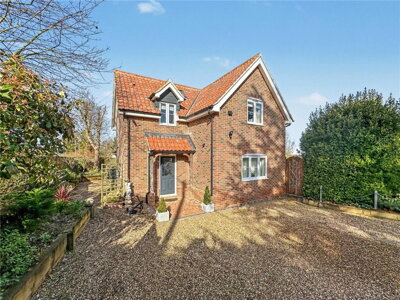
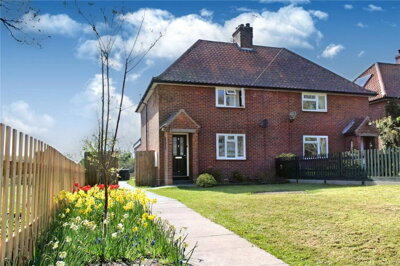
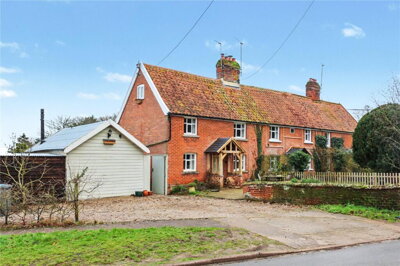
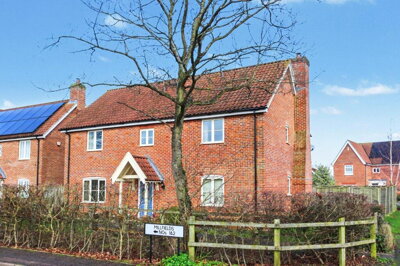
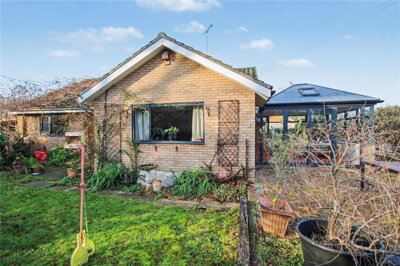
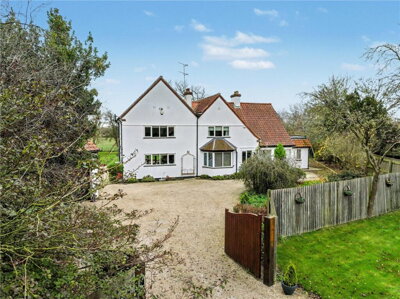
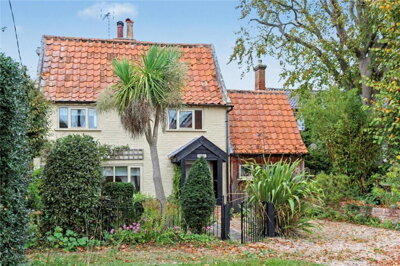
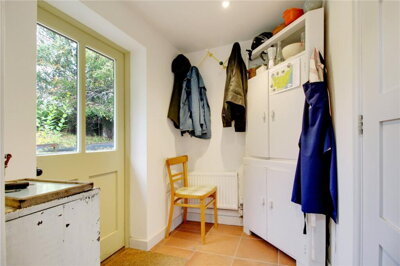
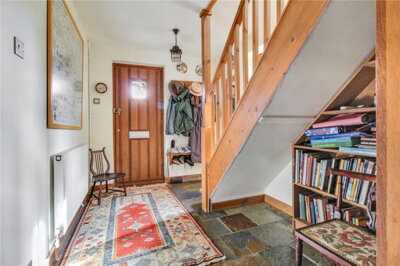
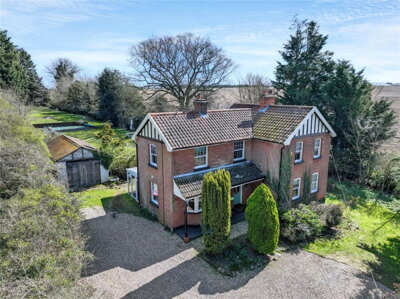
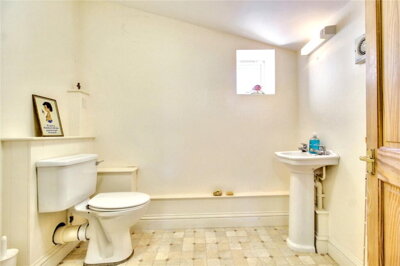
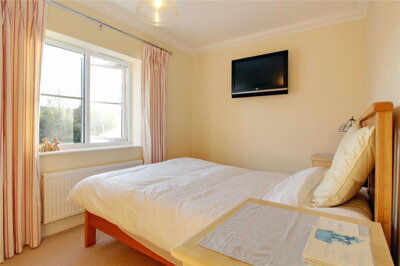
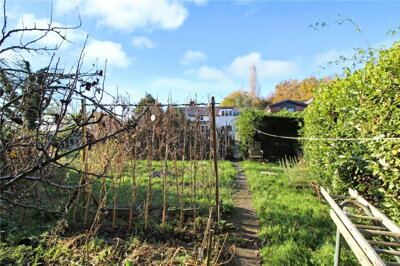
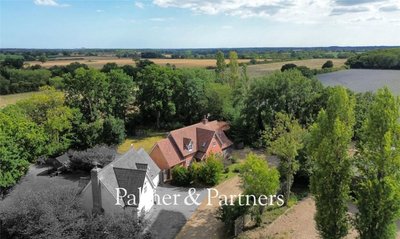
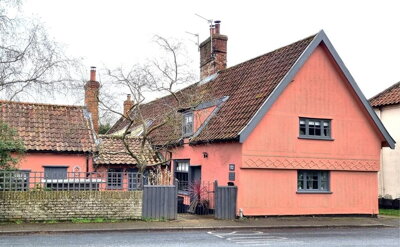
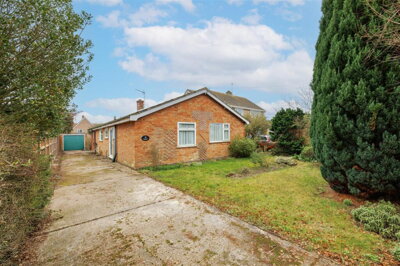
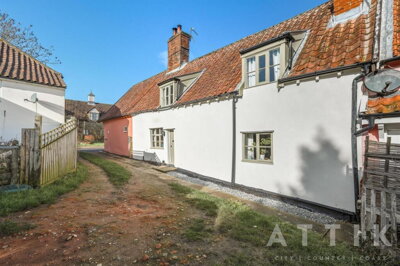
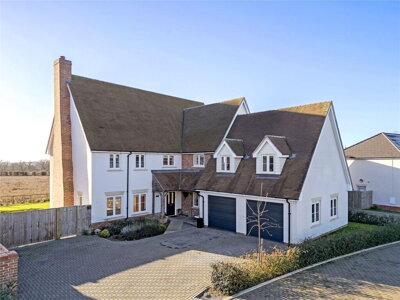
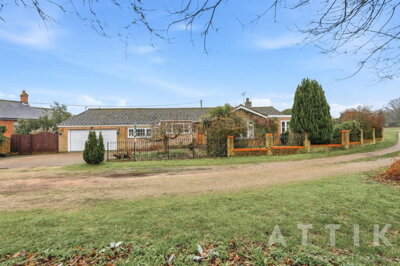
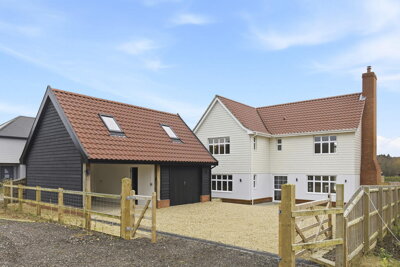
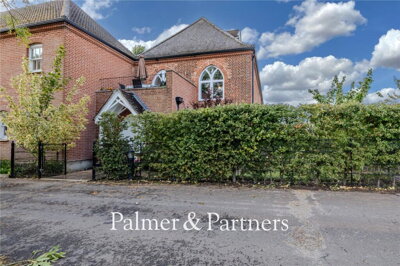
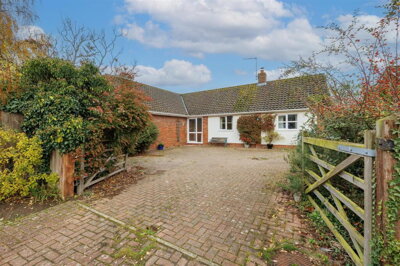
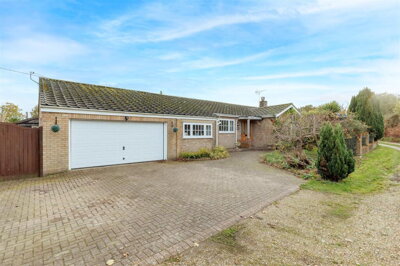
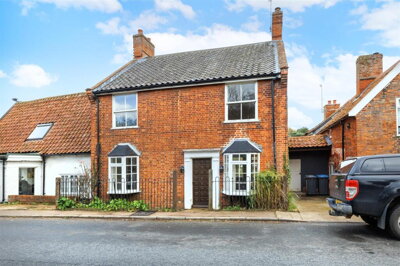
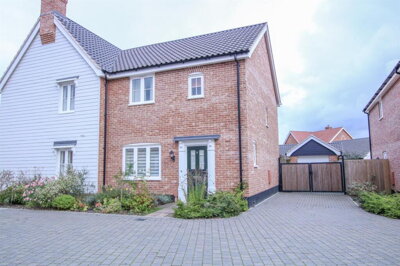
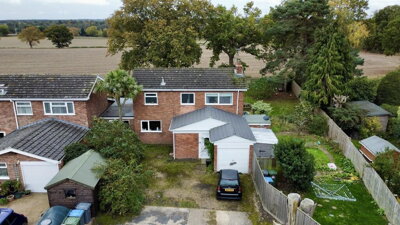
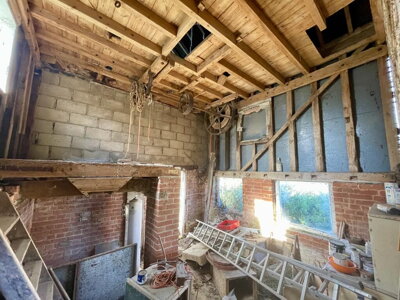
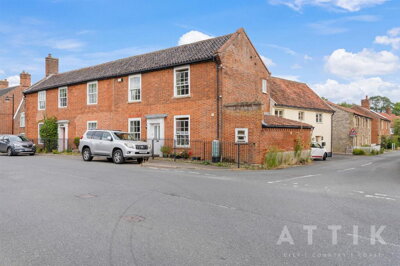
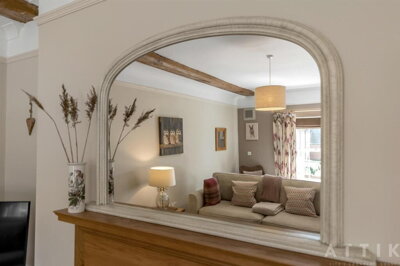
Browse 36 homes for sale in Thorington, East Suffolk from local estate agents.
The Thorington property market offers detached, semi-detached, and terraced houses spanning various price ranges and neighbourhoods. Each listing includes detailed property information, photographs, and direct contact with the marketing agent.
£250k
1
0
225
Source: home.co.uk
Showing 1 results for Houses for sale in Thorington, East Suffolk. The median asking price is £250,000.
Source: home.co.uk
Semi-Detached
1 listings
Avg £250,000
Source: home.co.uk
Source: home.co.uk
The Marston Maisey property market has demonstrated remarkable resilience despite broader national economic pressures. Over the last year, average house prices in the surrounding Marston area reached £486,837, with detached properties commanding significant premiums reflecting the village's premium Cotswold location. Recent sales data shows detached homes selling for between £650,000 and £1,700,000, with Little Plestor achieving £1,700,000 in November 2023 and Barn Owl House selling for £1,175,000 in February 2021. These transactions underscore the enduring appeal of substantial period properties in the Cotswolds.
The market has experienced a 13% reduction compared to the previous year and sits approximately 10% below the 2023 peak of £542,326, creating potential opportunities for buyers seeking value in a traditionally premium location. Semi-detached properties averaged £543,735 over the past year, with recent sales including 1 Greenleaze which achieved £690,000 in August 2024. Terraced properties in the area averaged £440,725, while flats fetched around £267,944. The village's housing stock predominantly features traditional Cotswold stone construction, converted barns, and historic farmhouses, with relatively limited new build activity within the parish itself.
Within the SN6 6LQ postcode area, 17 properties have sold over the last decade, with the most recent transaction completing in April 2024 at £625,000. For buyers considering Marston Maisey properties, the limited stock pool combined with strong demand from commuters seeking Cotswold village life creates a market where early engagement with local estate agents proves advantageous. Investment potential remains solid given the Conservation Area status, which restricts new development and supports existing property values over the long term.

Marston Maisey traces its roots back to at least the 17th century, when the village centre was established with Manor House (dated 1689), The Grange, and Grange Farmhouse among its earliest surviving buildings. The parish population stood at 229 according to the 2021 census, having grown from 207 in 2011, reflecting a gradual resurgence as more buyers discover the village's considerable charms. Historically an agricultural community engaged in mixed farming, the local economy transitioned to predominantly arable cultivation by the 21st century, though the landscape retains its pastoral character with rolling Cotswold countryside surrounding the village.
The village is characterised by its Cotswold stone buildings, many of which are Listed Buildings, creating an exceptionally preserved streetscape that has earned Conservation Area status. The historic Marston Meysey Bridge dates from the late eighteenth century, while Marston Hill House was built in 1884-85 and Bleeke House (the former vicarage) in 1863-64. These architectural heritage points contribute to the village's distinctive character and explain why property in Marston Maisey commands a premium. The Old Spotted Cow pub serves as the community focal point, offering traditional hospitality and reinforcing the village's appeal as a place where neighbours know one another.
Community life in Marston Maisey centres on the village's rural character and proximity to recreational opportunities. The Thames Path National Trail passes through the area, offering scenic walking routes along the River Thames which forms much of the southern parish boundary. The nearby Cotswold Water Park provides additional recreational facilities including walking, cycling, and watersports activities. The village's historical connection to RAF Fairford saw Marston Hill House used as a school for children of US servicemen stationed there during the 1950s, demonstrating the area's long-standing appeal to diverse communities.

Families considering a move to Marston Maisey will find a selection of educational options within reasonable driving distance. The village itself has limited on-site school provision, with children typically travelling to surrounding villages and towns for primary education. Primary education is available at schools in nearby Highworth and Cricklade, both within approximately 15 minutes' drive, offering Reception and Key Stage 1 provision for families relocating to the area.
Secondary education in the broader Swindon area includes several popular comprehensive schools with good or outstanding Ofsted ratings. Parents should research specific catchment areas and admission policies, as these can significantly impact school placement, particularly given the rural nature of Marston Maisey and the importance of timely applications for Reception and secondary transfer. The journey times to secondary schools in Swindon typically require car transport given limited public bus services from the village.
For families seeking independent education, the Cotswolds region is renowned for its independent schools, with establishments in Cirencester, Cheltenham, and surrounding towns offering excellent academic provision. The proximity to these well-regarded schools adds to Marston Maisey's appeal for families prioritising educational choice. Sixth form provision is available at secondary schools in Swindon and at further education colleges in the area, with good transport connections making these accessible to village residents.
Connectivity from Marston Maisey combines rural tranquility with practical access to major transport routes. The village sits within easy reach of the A419 and A417, providing routes to Swindon, Cirencester, and the wider road network. The journey to Swindon town centre takes approximately 25-30 minutes by car, with Swindon railway station providing direct services to London Paddington (approximately 70 minutes), Bristol Temple Meads, and Birmingham New Street, making the village particularly attractive to commuters who work in the capital or other regional centres.
For air travel, Bristol Airport and London Heathrow are within reasonable driving distance, with Birmingham Airport also accessible for international destinations. Bristol Airport is approximately 90 minutes' drive away, offering flights to European destinations, while Heathrow can be reached in around 90 minutes for longer-haul travel. Local bus services connect Marston Maisey with surrounding villages and towns, though frequencies may be limited compared to urban routes, making car ownership a practical necessity for many residents.
The village's position near the River Thames and the Cotswold Water Park provides excellent recreational opportunities including walking, cycling, and watersports, with the Thames Path National Trail passing through the area. These recreational assets enhance quality of life for residents and contribute to the village's appeal as a place to enjoy countryside living while maintaining access to urban employment centres.
Understanding the predominant construction types in Marston Maisey helps buyers appreciate both the character of local properties and the potential maintenance considerations. As a quintessential Cotswold village, traditional properties here are predominantly constructed from Cotswold limestone, with thick solid walls typically built using traditional lime mortar techniques rather than modern cement. This breathable construction allows moisture to evaporate naturally through the walls, maintaining the structural integrity of historic buildings over centuries.
Many properties dating from the Victorian era onwards incorporate brick construction alongside stone, particularly for extensions, boundary walls, and outbuildings. The transition from traditional solid wall construction to cavity wall construction occurred gradually through the 20th century, meaning newer additions to the village housing stock may feature cavity walls with varying levels of insulation. Properties built before 1919 frequently feature lime mortar pointing and render, which require specific maintenance approaches compared to modern cement-based products.
Our inspectors frequently identify maintenance issues arising from inappropriate modern repairs on traditional properties in the Marston area. Using cement mortar on porous Cotswold stone, for example, can trap moisture within the wall structure, leading to spalling, frost damage, and accelerated deterioration of the historic fabric. Similarly, installing modern cavity wall insulation in buildings not designed for it can create condensation issues within solid walls. Understanding these construction characteristics helps buyers appreciate why specialist surveys prove particularly valuable for period properties in Conservation Areas.
Start by exploring current listings in Marston Maisey to understand what properties are available and at what price points. Given the village's limited stock and premium positioning, working with a local estate agent who knows the area intimately can provide valuable early access to properties coming to market. Setting up property alerts through major portal websites ensures you receive immediate notification when new properties matching your criteria enter the market.
Before viewing properties, obtain a mortgage agreement in principle from a lender. This demonstrates your financial readiness to sellers and their agents, strengthening your position in what can be a competitive market for desirable Cotswold village properties. Having your financing arranged also allows you to move quickly when you find the right property, which proves particularly important in a village with limited available stock.
Visit multiple properties to understand the different characteristics of homes in Marston Maisey. Pay attention to construction materials (predominantly Cotswold stone), property age, and any flood risk considerations given the village's proximity to the Marston Meysey Brook. Take notes during viewings and photograph any areas of concern, as this preparation will inform your survey requirements once you have found your preferred property.
Once you have found your preferred property, book a RICS Level 2 Homebuyers Survey to assess the condition of the property and identify any structural or maintenance issues. Given many Marston Maisey properties are historic buildings with solid walls and lime mortar construction, this survey is particularly valuable for identifying common defects in period properties. Our inspectors understand traditional construction methods and can advise on appropriate remediation for issues commonly found in Cotswold stone buildings.
Choose a conveyancing solicitor to handle the legal aspects of your purchase. They will conduct searches, handle contracts, and coordinate with your mortgage lender to ensure a smooth transaction through to completion. For properties in Marston Maisey, searches should include local authority checks with Wiltshire Council, drainage and water searches, and environmental searches given the village's proximity to the River Thames and associated flood risk areas.
Purchasing a property in Marston Maisey requires careful attention to several area-specific factors. Flood risk is a genuine consideration, as the village is subject to fluvial flooding from the Marston Meysey Brook, which has triggered historical flood warnings including in October 2023. Low-lying land flooding becomes possible when water levels at Whetstone Bridge reach 1.27m, with property flooding occurring above 1.40m. Prospective buyers should investigate the flood history of any specific property and consider appropriate surveys and insurance implications before proceeding.
The prevalence of clay soils in Wiltshire creates potential for shrink-swell subsidence, particularly affecting older properties with shallow foundations. Properties constructed from traditional Cotswold stone often feature solid walls and lime mortar construction rather than modern cavity wall insulation, requiring different maintenance approaches. Our inspectors regularly identify signs of historic ground movement in local properties, including crack patterns in walls and doors that no longer close properly. Understanding whether a property has had previous underpinning or foundation repairs proves essential for informed purchasing decisions.
Many historic properties in the village are Listed Buildings or located within the Conservation Area, meaning planning restrictions apply to alterations, extensions, and even external paint colours. Buyers should verify the listed status of any property and understand the associated consent requirements before proceeding. Properties requiring significant maintenance may present opportunities for negotiation, but buyers should obtain detailed cost estimates from builders experienced in traditional construction before committing to a purchase price.
The average property price in the broader Marston area is approximately £486,837, based on the last year of transaction data. Detached properties have sold for between £650,000 and £1,700,000, reflecting the village's premium Cotswold location and historic housing stock. Semi-detached properties averaged £543,735, terraced homes £440,725, and flats around £267,944. Prices have experienced a 13% reduction compared to the previous year, sitting approximately 10% below the 2023 peak of £542,326, which may present opportunities for buyers seeking value in this traditionally premium location.
Properties in Marston Maisey fall under Wiltshire Council jurisdiction. Council tax bands range from A to H depending on property value, with most traditional Cotswold stone cottages and village homes likely falling into bands C to E given current property values. The village's historic housing stock includes numerous period properties that have been subject to valuations reflecting their character and location. Prospective buyers should verify the specific band with Wiltshire Council or check on the Valuation Office Agency website before budgeting for ongoing costs.
Marston Maisey itself has limited primary school provision, with families typically accessing schools in surrounding villages or travelling to nearby towns. The nearest primary options are located in Highworth and Cricklade, both offering good Ofsted-rated schools within approximately 15 minutes' drive. Secondary schools available in Swindon include several with good or outstanding ratings, and parents should check current catchment areas and admission criteria as these can change and vary by school year. The Cotswolds region is well-served by independent schools, with options in Cirencester and Cheltenham within reasonable commuting distance for families prioritising private education.
Public transport options from Marston Maisey are limited, with local bus services providing connections to surrounding villages and towns but with relatively infrequent timetables. Most residents rely on private vehicles for daily commuting and school runs. Swindon railway station, approximately 25-30 minutes away by car, provides direct services to London Paddington (around 70 minutes), Bristol, and Birmingham, making it viable for commuters who work in major cities. For air travel, Bristol Airport and London Heathrow are both accessible within approximately 90 minutes' drive.
Marston Maisey offers several investment characteristics worth considering. The village's Conservation Area status and high concentration of Listed Buildings limit new development, supporting existing property values. The Cotswold location ensures enduring demand from buyers seeking rural village life, and the transition to a commuter village has driven population growth from 207 in 2011 to 229 in 2021. However, flood risk from the Marston Meysey Brook and the limited property pool should be factored into any investment decision. Properties in good condition within the Conservation Area tend to retain value well given the restricted supply of period housing in this sought-after location.
Stamp Duty Land Tax (SDLT) applies to all property purchases in England. For standard purchases, rates are 0% on the first £250,000, 5% on £250,001 to £925,000, 10% on £925,001 to £1.5 million, and 12% above £1.5 million. First-time buyers benefit from relief on the first £425,000 (0% rate), with 5% applying between £425,001 and £625,000. At the current average price of £486,837, a first-time buyer would pay no stamp duty, while a subsequent buyer would pay approximately £11,842. For higher-value properties in the village, particularly period farmhouses and converted barns commanding premium prices, buyers should budget for significantly higher SDLT costs.
Marston Maisey is subject to fluvial flood risk from the Marston Meysey Brook, which flows through the village and has triggered historical flood warnings including in October 2023. Low-lying land flooding becomes possible when water levels at Whetstone Bridge reach 1.27m, with property flooding occurring above 1.40m. The River Thames also forms much of the southern parish boundary, contributing to flood risk in adjacent areas. Buyers should request information about any historical flooding affecting a specific property and verify whether the property falls within flood risk zones when conducting due diligence. Properties in higher flood risk categories may face higher insurance premiums or requirements for flood resilience measures.
From 3.5% APR
From 3.5%
Fixed fee conveyancing
From £499
Detailed condition report for your Marston Maisey property
From £395
Comprehensive building survey for older properties
From £595
Energy performance certificate
From £80
Understanding the full costs of purchasing property in Marston Maisey extends beyond the purchase price. Stamp Duty Land Tax (SDLT) applies to all English property purchases, with rates structured in bands. For a typical Marston Maisey property at the current average price of approximately £486,837, a buyer purchasing as a main residence would incur SDLT of around £11,842. First-time buyers benefit from increased thresholds, paying zero SDLT on the first £425,000 and 5% on amounts between £425,001 and £625,000, meaning many first-time buyers in the village would pay no stamp duty at all.
Additional purchase costs include solicitor fees (typically £500-£1,500 for conveyancing), search fees (approximately £250-£400 for local authority, drainage, and environmental searches specific to Wiltshire), mortgage arrangement fees (often 0.5-1% of the loan amount), and valuation fees. For properties in Marston Maisey, a RICS Level 2 survey is advisable given the prevalence of historic stone-built properties, costing from £395 depending on property value and size. Survey costs increase for older properties or those with unusual features, with pre-1900 properties sometimes attracting premiums of 20-40% due to the additional expertise required to assess traditional construction.
Buildings insurance should be arranged from exchange of contracts, and you should budget for moving costs and any immediate repairs or improvements once you take ownership. Given the age of many Marston Maisey properties, our inspectors sometimes identify maintenance priorities that new owners should address promptly to prevent deterioration of historic building fabric. Budgeting a contingency fund of at least 10-15% of the purchase price for unexpected works proves prudent when buying period properties in the village.
Properties for Sale In London

Properties for Sale In Plymouth

Properties for Sale In Liverpool

Properties for Sale In Glasgow

Properties for Sale In Sheffield

Properties for Sale In Edinburgh

Properties for Sale In Coventry

Properties for Sale In Bradford

Properties for Sale In Manchester

Properties for Sale In Birmingham

Properties for Sale In Bristol

Properties for Sale In Oxford

Properties for Sale In Leicester

Properties for Sale In Newcastle

Properties for Sale In Leeds

Properties for Sale In Southampton

Properties for Sale In Cardiff

Properties for Sale In Nottingham

Properties for Sale In Norwich

Properties for Sale In Brighton

Properties for Sale In Derby

Properties for Sale In Portsmouth

Properties for Sale In Northampton

Properties for Sale In Milton Keynes

Properties for Sale In Bournemouth

Properties for Sale In Bolton

Properties for Sale In Swansea

Properties for Sale In Swindon

Properties for Sale In Peterborough

Properties for Sale In Wolverhampton

Enter your details to see if this property is within your budget.
Loans, cards, car finance
Estimated property budget
Borrowing + deposit
You could borrow between
Typical borrowing
Monthly repayment
Est. at 4.5%
Loan-to-value
This is an estimate only. Your actual budget may vary depending on interest rates, credit history, and personal circumstances. For an accurate affordability assessment, speak to one of our free mortgage advisors.
This calculator provides estimates for illustrative purposes only and does not constitute financial advice. Your home may be repossessed if you do not keep up repayments on your mortgage. Estimates based on 4.5% interest rate, repayment mortgage. Actual rates depend on your circumstances.
Homemove is a trading name of HM Haus Group Ltd (Company No. 13873779, registered in England & Wales). Homemove Mortgages Ltd (Company No. 15947693) is an Appointed Representative of TMG Direct Limited, trading as TMG Mortgage Network, which is authorised and regulated by the Financial Conduct Authority (FRN 786245). Homemove Mortgages Ltd is entered on the FCA Register as an Appointed Representative (FRN 1022429). You can check registrations at NewRegister or by calling 0800 111 6768.

We use cookies to show you personalised content and improve your experience of our website. Find out more in our Privacy policy and Cookie policy.