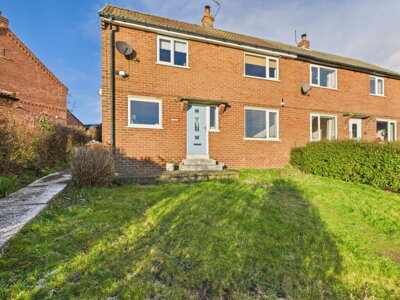
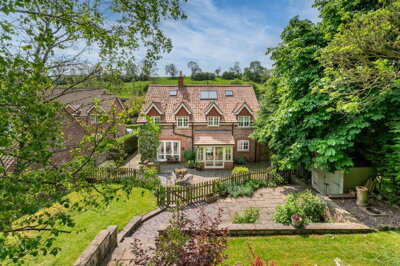
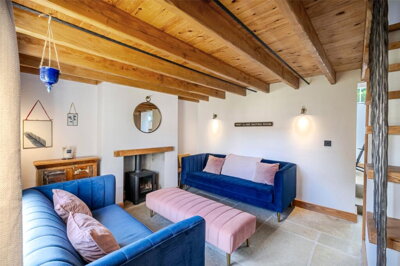
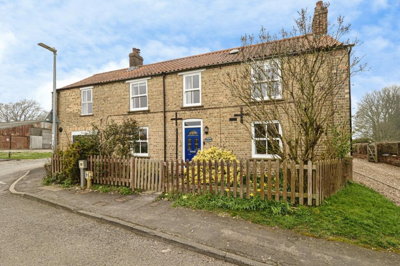
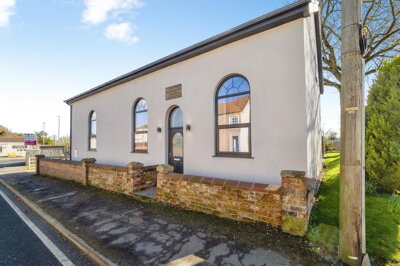
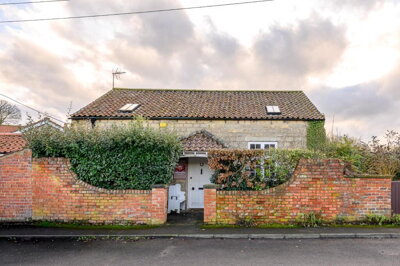
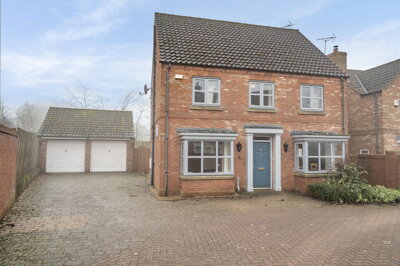
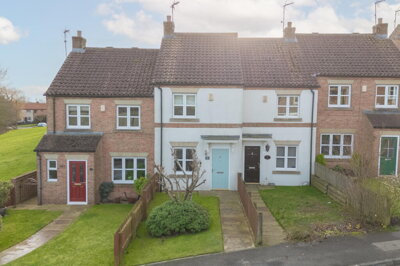
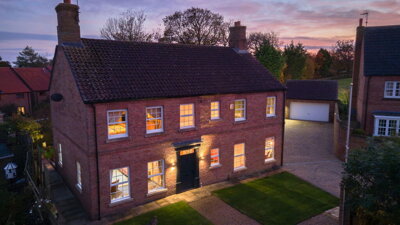
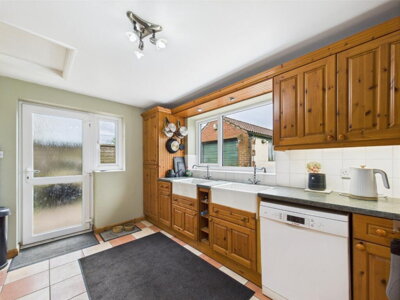
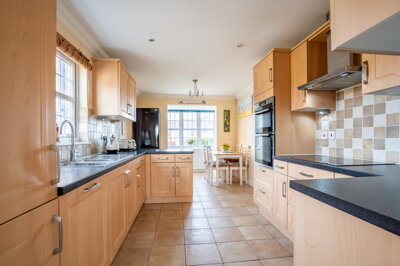
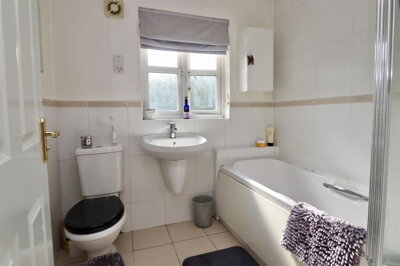
Browse 13 homes for sale in Thixendale, North Yorkshire from local estate agents.
The Thixendale property market offers detached, semi-detached, and terraced houses spanning various price ranges and neighbourhoods. Each listing includes detailed property information, photographs, and direct contact with the marketing agent.
£725k
1
0
163
Source: home.co.uk
Showing 1 results for Houses for sale in Thixendale, North Yorkshire. The median asking price is £725,000.
Source: home.co.uk
Detached
1 listings
Avg £725,000
Source: home.co.uk
Source: home.co.uk
The property market in Thixendale reflects its status as a premium Yorkshire Wolds village, with the current average house price standing at approximately £499,000. Detached properties command around £500,000, representing the predominant housing type in this traditional rural setting. The limited volume of sales, typically just a handful per year, means that each property that comes to market attracts significant interest from buyers seeking village life in this beautiful part of North Yorkshire. The 12-month price trend shows stability at 0.0% change, suggesting a steady market rather than one experiencing rapid fluctuation. Our platform monitors listings across all major portals and local agents, ensuring you see every property that becomes available in this thin market.
New build activity within Thixendale itself is essentially non-existent, with no active development sites verified within the village boundary. Planning portals and developer records show no current large-scale building projects, which aligns with the village's Conservation Area status and the protected nature of its built environment. This absence of new supply means that buyers seeking property here are looking at the existing housing stock, predominantly traditional stone and brick properties that reflect the village's historical character. The lack of new developments also helps preserve property values and the distinctive appearance of the Yorkshire Wolds landscape. For buyers, this means properties are likely to be period homes requiring varying degrees of maintenance and modernisation.
First-time buyers considering Thixendale should be aware that the village's small size and premium pricing means mortgage requirements will typically be substantial. Obtaining a mortgage agreement in principle before commencing property searches is advisable, as properties in this sought-after location can move quickly once listed. The village's rural character means that properties often include land or gardens extending beyond the norm, adding to both their appeal and their price point. With only 2 property sales recorded in the past 12 months, the market is extremely thin, making early engagement with available listings essential for serious buyers.

Life in Thixendale centres on community, countryside, and a pace of life that feels a world away from urban pressures. The village sits within a designated Conservation Area, meaning its special architectural and historic character is actively protected through planning controls. St Mary's Church stands as a focal point of the community, while the village hosts several Listed Buildings, including farm buildings and historic cottages that contribute to the picturesque street scene. The population of 114 residents across 50 households creates an intimate atmosphere where newcomers are quickly welcomed into community life. Village events, country pubs in neighbouring settlements, and the shared appreciation for the natural environment all contribute to the strong sense of place here.
The local economy revolves primarily around agriculture, with farming operations throughout the surrounding Wolds providing employment for some residents. Tourism plays an increasingly important role in the local economy, as the Yorkshire Wolds attract walkers, cyclists, and visitors drawn to the stunning landscapes celebrated in art and literature. The Yorkshire Wolds Way national trail passes through the area, bringing visitors who appreciate the area's natural beauty. Many residents combine rural living with commuting to larger towns such as Malton, Driffield, or York, taking advantage of the village railway station's connections to access employment and services beyond the immediate area.
Local amenities in Thixendale itself are limited, as is typical for a village of this size. The nearest shops, schools, and services are located in nearby market towns, making a car practically essential for daily life. However, this relative isolation is precisely what attracts many buyers to the area. The absence of through traffic, the star-filled skies free from light pollution, and the sense of living within a working landscape all contribute to the village's appeal. The surrounding chalk geology of the Yorkshire Wolds creates the distinctive rolling terrain that makes the area so visually striking, with ancient dry valleys and exposure of chalk bedrock in places creating varied habitats for wildlife.
The quality of light in the Yorkshire Wolds has long attracted artists, and Thixendale benefits from the same atmospheric conditions that inspired painters throughout the centuries. Rural tradespeople including stonemasons, thatchers, and traditional builders maintain properties throughout the area, ensuring that period homes can be properly maintained using appropriate methods and materials. This expertise is important because many properties require specialist knowledge of traditional building techniques, from lime mortar repointing to slate roof repairs using reclaimed materials that match original specifications.

Families considering a move to Thixendale will find educational options distributed across the surrounding area, with primary schooling available in nearby villages and market towns. The village's small population means there is no primary school within Thixendale itself, so parents typically factor travel arrangements into their decision-making process. The nearest primary schools serve surrounding rural communities and generally maintain good reputations for pastoral care and academic standards. Parents should verify current catchment arrangements and transport provision, as these can change and may influence which properties prove most practical for their circumstances. School bus services operate from the village, though timings and routes should be confirmed before purchasing property at a specific location.
Secondary education is provided in larger towns such as Malton or Driffield, with school transport links operating from the village. The wider North Yorkshire area offers a range of educational choices, including grammar schools in selective areas and comprehensive schools serving non-selective catchments. Parents should research specific school catchments and admission arrangements, as these can significantly impact property values in surrounding areas. Independent schools in York and the surrounding region provide alternatives for families seeking private education. The quality of local schools often features prominently in family decisions about where to live, making thorough research essential before committing to a property purchase in the Yorkshire Wolds.
For older students, further education colleges are located in York, Malton, and Driffield, offering A-levels, vocational qualifications, and apprenticeship opportunities. The village railway station provides convenient access for students travelling to sixth form colleges or training providers. University options in York, Hull, and Leeds are accessible by train or car, making higher education feasible without requiring a full move away from the family home. Families relocating to Thixendale often find that the journey times to schools require careful planning, particularly during winter months when rural roads may be affected by weather conditions.
Thixendale benefits from its own railway station, a significant advantage for a village of its size, situated on the scenic Yorkshire Wolds Line running between York and Bridlington. The station provides regular services enabling residents to commute to York in approximately 40 minutes, making city centre employment feasible for those who prefer not to drive. Weekend and evening services are more limited compared to urban routes, so residents working irregular hours should verify train timetables carefully. The station has limited parking facilities, so rail commuting is most practical for those living within walking or cycling distance of the village centre. Cycle storage facilities at the station support sustainable commuting for those who live slightly further from the platform.
Road access from Thixendale routes through country lanes to reach larger roads, with Malton approximately 12 miles distant providing access to the A64 trunk route connecting York and Scarborough. The journey to York by car takes around 45 minutes under normal traffic conditions, rising to an hour or more during peak periods. The village's rural lanes can be narrow in places, and winter driving conditions may require additional care given the undulating Wolds terrain. Bus services are limited, as is typical for small rural communities, making private vehicle ownership practically essential for most residents. The narrow lanes throughout the village and surrounding countryside demand confident driving skills, particularly when navigating the sharp bends and occasional single-track sections found on routes to neighbouring villages.
Cycling is popular in the area, with the flat-topped Yorkshire Wolds offering challenging but rewarding routes for experienced cyclists. The Yorkshire Wolds Way national trail and numerous bridleways provide opportunities for off-road cycling and walking. For air travel, Leeds Bradford Airport is approximately 90 minutes by car, while Humberside Airport offers an alternative route to destinations in the UK and Europe. The railway station's position on the East Coast Main Line connection at York provides access to long-distance rail services to London, Edinburgh, and other major cities. Many residents appreciate the variety of transport options available for different purposes, from daily commuting by train to weekend adventures exploring the wider region by car.
Before beginning your property search in Thixendale, spend time exploring the area to understand what living here truly involves. Visit at different times of day and week, speak with existing residents, and assess the practical implications of rural living. Consider travel times to work, school transport arrangements, and the availability of services you rely upon. Understanding the village's Conservation Area status and what this means for future modifications to any property you purchase is essential before committing to a purchase.
Speak with a mortgage broker to obtain an agreement in principle before viewing properties. With average prices around £499,000, most buyers will require substantial mortgages. Having your finances approved in principle demonstrates seriousness to sellers and speeds up the purchase process once you find your ideal home. Given the limited number of properties that come to market each year, being in a position to move quickly when the right property appears can be advantageous in a competitive situation.
Use Homemove to browse all available properties in Thixendale and set up alerts for new listings. Given the village's small size and limited sales volume, new properties appear infrequently. View multiple properties to understand the local market before making decisions, and consider engaging a local estate agent with village knowledge. Our platform aggregates listings from all major agents and local sources, ensuring you have comprehensive visibility of what is available at any given time.
Given Thixendale's predominantly older housing stock, a thorough survey is essential before purchase. Our inspectors regularly find defects in local properties including damp in older stone buildings, roof deterioration on period properties, and potential subsidence risk from clay soils. A Level 2 Survey will identify any issues requiring attention or negotiation. The high proportion of pre-1919 properties in the village means that surveys frequently reveal issues related to traditional construction methods that differ significantly from modern building standards.
Once your offer is accepted, instruct a solicitor experienced in rural property transactions to handle the legal work. They will conduct local searches, check title deeds, and manage the complex process of purchasing a property in a Conservation Area with potential Listed Building considerations. Given the village's geology and the presence of shrinkable clay soils, local searches should confirm ground conditions and any flood risk designations. Your solicitor will also investigate whether the property is a Listed Building, which carries additional responsibilities and consent requirements for any future works.
Your solicitor will manage the exchange of contracts once all searches are satisfactory and finances are confirmed. Completion typically follows within weeks, after which you will receive keys and take ownership of your new Yorkshire Wolds home. Given the village's small size and close-knit community, completing your purchase marks the beginning of building relationships with long-term residents who can share valuable local knowledge about property maintenance and village life.
Property buyers considering Thixendale should pay particular attention to the age and construction of buildings, given the village's predominantly older housing stock. Many properties date from before 1919, constructed using traditional methods that differ significantly from modern building standards. Solid stone or brick walls rather than cavity construction, lime mortar pointing rather than cement, and traditional timber roof structures all require specific understanding and maintenance approaches. The village's traditional buildings were constructed using local materials, including limestone quarried from the Wolds and red brick fired from local clay, creating distinctive character that varies from property to property. An older property in the Yorkshire Wolds can offer wonderful character, but buyers should budget for potential maintenance costs associated with traditional construction.
The presence of clay soils and underlying chalk bedrock creates specific considerations for property buyers in Thixendale. Our research indicates a moderate to high shrink-swell risk in areas where till (boulder clay) overlays the chalk, meaning foundations may be affected by moisture changes. Properties with mature trees nearby face particular risks, as tree root activity can exacerbate ground movement. Properties built directly on chalk bedrock tend to have lower shrink-swell risk, but the variable superficial deposits throughout the village mean that ground conditions can vary significantly between neighbouring properties. A thorough survey should investigate foundation conditions and any signs of previous movement or cracking. Insurance arrangements may also be affected by ground conditions, and buyers should discuss this with their insurer before completing purchase.
Thixendale's Conservation Area status brings additional planning considerations that buyers should understand. Permitted development rights may be more restricted than in non-designated areas, meaning that extensions, outbuildings, or external alterations may require formal planning consent. Properties carrying Listed Building status offer additional protection but also additional responsibilities, as any alterations require Listed Building Consent and must preserve the building's special character. Buyers planning renovations should factor these considerations into their purchasing decisions and budget. We recommend that anyone considering significant works to a Thixendale property should consult with Ryedale District Council planning department before purchase to understand what may be achievable.
Surface water flooding represents a localized risk that buyers should be aware of, particularly in low-lying areas or depressions where water can accumulate during heavy rainfall. The underlying chalk geology, while generally free from river flooding, can struggle to absorb rapid rainfall events, leading to temporary surface water pooling. Properties with cellars or low-level accommodation should be carefully inspected for evidence of previous water ingress. Our surveys in similar Yorkshire Wolds villages have identified properties where damp issues relate directly to historical surface water events rather than construction defects.
The current average house price in Thixendale stands at approximately £499,000 based on recent transaction data from Rightmove. Detached properties, which represent the predominant housing type in this Yorkshire Wolds village, average around £500,000. The limited sales volume of just 2 properties in the past 12 months means the market is very thin, and prices can vary significantly based on property size, condition, and land included. Buyers should be prepared for premium pricing that reflects the village's desirable location within a Conservation Area and the scarcity of available properties.
Properties in Thixendale fall under North Yorkshire Council's jurisdiction for council tax purposes. Most residential properties in the village are likely to be in Bands D through G, reflecting the value of Yorkshire Wolds homes and the larger detached properties typical of the area. The specific band depends on the property's valuation as at April 1991, and buyers should check with North Yorkshire Council or view the listing details for the actual council tax banding. Properties in Bands E, F, or G will incur higher annual charges, which should be factored into the overall cost of living in the village.
There is no school within Thixendale itself due to its small population of 114 residents, so families should plan for daily travel to educational provision in surrounding areas. The nearest primary schools are located in neighbouring villages and the market towns of Malton and Driffield, with parents typically relying on school transport provided by North Yorkshire Council or private arrangements. Secondary education options in Malton and Driffield include schools with good OFSTED ratings, and the wider area offers grammar school provision for families seeking selective education. Families should research specific catchments, admission arrangements, and transport logistics before committing to a property purchase, as these practicalities can significantly impact daily family life.
Thixendale has the significant advantage of its own railway station on the Yorkshire Wolds Line, providing direct services to York and Bridlington that make this isolated village surprisingly accessible by rail. Journey times to York by train are approximately 40 minutes, making commuting feasible for workers who can travel during standard office hours. However, bus services are limited to a few routes serving surrounding villages, reflecting the village's small size and rural location. Most residents rely on private vehicles for daily transport, with York approximately 45 minutes away by car via the A64. The railway station also provides connections to the East Coast Main Line at York, opening up long-distance travel to London, Edinburgh, and other major destinations.
Thixendale offers several factors that appeal to property investors and buyers seeking long-term value, including the village's Conservation Area status that restricts new development and helps preserve property values. The enduring appeal of Yorkshire Wolds living ensures ongoing demand from buyers seeking the rural lifestyle the village offers, while the village's small population and limited supply mean that properties rarely become available. However, the thin market with very low transaction volumes means capital growth may be slower than in urban areas, and liquidity is limited if you need to sell quickly. Rental demand in the village is likely to be thin, making buy-to-let investment less straightforward than in larger towns where tenant demand is more consistent.
Stamp Duty Land Tax (SDLT) rates for 2024-25 apply as follows: there is no SDLT on the first £250,000 of residential purchases, 5% on the portion from £250,001 to £925,000, 10% from £925,001 to £1.5 million, and 12% above £1.5 million. First-time buyers receive relief on the first £425,000, with 5% payable between £425,001 and £625,000. At Thixendale's average price of around £499,000, a standard buyer would pay approximately £12,450 in SDLT, while a first-time buyer would pay £3,700 after applying first-time buyer relief.
Our inspectors regularly survey properties in the Yorkshire Wolds area and frequently encounter defects related to the age and traditional construction of local housing stock. Damp issues are common in older stone buildings, particularly where original damp-proof courses are absent or have failed over time. Roof deterioration affects many period properties, with slipped or broken slate and pantile tiles, together with failing pointing and deteriorated leadwork, regularly identified during surveys. The clay soils present in parts of the village create subsidence risk, especially for properties with inadequate foundations or those affected by tree root activity. Timber defects including woodworm and both wet and dry rot frequently affect structural timbers and joinery in properties of this age.
From 4.5%
Specialist mortgage advice for Thixendale buyers with properties averaging £499,000
From £499
Solicitors experienced in rural property transactions including Conservation Area and Listed Building purchases
From £400
Detailed inspection ideal for Thixendale's older properties, identifying defects in traditional construction
From £600
Comprehensive building survey recommended for period properties requiring thorough assessment
Buying a property in Thixendale involves several costs beyond the purchase price itself, and understanding these from the outset helps buyers budget accurately. The Stamp Duty Land Tax (SDLT) represents the most significant additional cost, with rates currently set at 0% on the first £250,000, rising to 5% on amounts between £250,001 and £925,000. For a typical Thixendale property priced around £499,000, a standard buyer would incur SDLT of approximately £12,450 on completion. First-time buyers benefit from more generous thresholds, paying 0% on the first £425,000 and 5% on amounts up to £625,000, reducing their SDLT liability to around £3,700 after applying first-time buyer relief.
Legal costs for conveyancing typically start from around £499 for straightforward transactions, though properties in Conservation Areas or those with Listed Building status may incur additional complexity and cost. Your solicitor will conduct local searches including drainage and water searches, environmental searches, and planning searches to identify any issues affecting the property. Given Thixendale's geology and the presence of clay soils, a local search should confirm ground conditions and any flood risk designations, while a chancel search will establish whether the property falls within the area where the church has rights to recover repair costs. These searches typically cost between £200 and £400 in total, though additional specialist searches may be required for properties with unusual features or in specific locations.
Survey costs are particularly important given Thixendale's older housing stock and the high proportion of pre-1919 properties in the village. An RICS Level 2 Survey (HomeBuyer Report) typically costs between £400 and £800 depending on property size and value, with larger detached properties at the higher end of this range. For period properties in poor condition or those requiring significant renovation, a Level 3 Building Survey may be more appropriate despite its higher cost, as it provides more detailed information about construction, defects, and repair options. Survey fees represent money well spent, identifying defects that could cost thousands to remedy after purchase. Mortgage arrangement fees, valuation fees, and search fees can together add another £500 to £1,500 to the total cost of buying.
Properties for Sale In London

Properties for Sale In Plymouth

Properties for Sale In Liverpool

Properties for Sale In Glasgow

Properties for Sale In Sheffield

Properties for Sale In Edinburgh

Properties for Sale In Coventry

Properties for Sale In Bradford

Properties for Sale In Manchester

Properties for Sale In Birmingham

Properties for Sale In Bristol

Properties for Sale In Oxford

Properties for Sale In Leicester

Properties for Sale In Newcastle

Properties for Sale In Leeds

Properties for Sale In Southampton

Properties for Sale In Cardiff

Properties for Sale In Nottingham

Properties for Sale In Norwich

Properties for Sale In Brighton

Properties for Sale In Derby

Properties for Sale In Portsmouth

Properties for Sale In Northampton

Properties for Sale In Milton Keynes

Properties for Sale In Bournemouth

Properties for Sale In Bolton

Properties for Sale In Swansea

Properties for Sale In Swindon

Properties for Sale In Peterborough

Properties for Sale In Wolverhampton

Enter your details to see if this property is within your budget.
Loans, cards, car finance
Estimated property budget
Borrowing + deposit
You could borrow between
Typical borrowing
Monthly repayment
Est. at 4.5%
Loan-to-value
This is an estimate only. Your actual budget may vary depending on interest rates, credit history, and personal circumstances. For an accurate affordability assessment, speak to one of our free mortgage advisors.
This calculator provides estimates for illustrative purposes only and does not constitute financial advice. Your home may be repossessed if you do not keep up repayments on your mortgage. Estimates based on 4.5% interest rate, repayment mortgage. Actual rates depend on your circumstances.
Homemove is a trading name of HM Haus Group Ltd (Company No. 13873779, registered in England & Wales). Homemove Mortgages Ltd (Company No. 15947693) is an Appointed Representative of TMG Direct Limited, trading as TMG Mortgage Network, which is authorised and regulated by the Financial Conduct Authority (FRN 786245). Homemove Mortgages Ltd is entered on the FCA Register as an Appointed Representative (FRN 1022429). You can check registrations at NewRegister or by calling 0800 111 6768.

We use cookies to show you personalised content and improve your experience of our website. Find out more in our Privacy policy and Cookie policy.