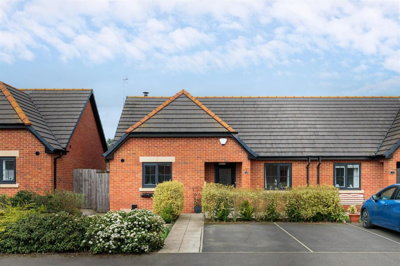
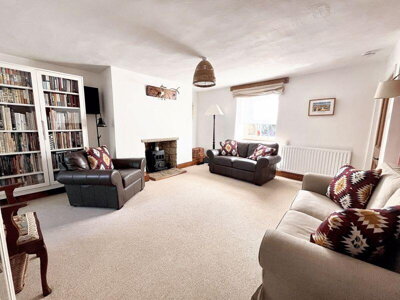
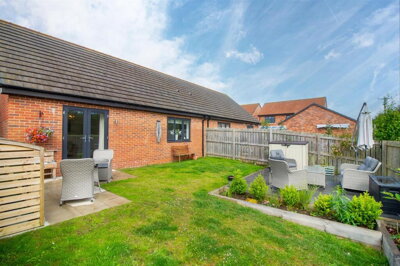
Browse 3 homes for sale in Thirston, Northumberland from local estate agents.
The 2 bed house market features detached, semi-detached, and terraced properties with two separate bedrooms plus living spaces. Properties in Thirston range from Victorian and Edwardian period homes to modern new builds, with pricing varying across different neighbourhoods.
£0k
0
0
0
Source: home.co.uk
Showing 0 results for 2 Bedroom Houses for sale in Thirston, Northumberland.
The Thirston property market presents a compelling proposition for buyers seeking rural charm with strong investment fundamentals. Recent data shows that sold prices in Thirston increased by 11% over the last year, demonstrating continued demand for properties in this desirable village location. However, prices remain approximately 6% below the 2022 peak of £376,545, which could present opportunities for buyers entering the market at this point in the cycle. The average property value in Thirston sits at £355,655, positioning the village competitively within the Northumberland property landscape.
Property types available in Thirston and the surrounding area include substantial detached family homes commanding around £498,297, characterful terraced cottages priced from approximately £202,977, and semi-detached properties averaging £194,182. The NE65 9QB postcode area, which covers part of West Thirston, has recorded exclusively detached property transactions, reflecting the predominantly spacious character of housing in this area. The village's limited housing stock means that new listings are relatively rare, making early registration with estate agents advisable for serious buyers.
The Thirston Neighbourhood Development Plan indicates that new housing development outside defined settlement boundaries is restricted, which helps maintain the exclusive character of this sought-after village and supports long-term property values. This planning framework, covering the period to 2036, means that the supply of new homes in Thirston will remain constrained, reinforcing the scarcity premium that characterises this village's property market. For buyers, this scarcity factor means that properties coming to market in Thirston deserve careful consideration and swift action when suitable homes become available.

Thirston embodies the essence of traditional English village life, offering residents a peaceful retreat in one of England's most scenic counties. The village sits on the steeply sloping wooded bank of the River Coquet, providing beautiful natural scenery and opportunities for riverside walks, fishing, and outdoor pursuits. The historic West Thirston Conservation Area, established in 1987, encompasses much of the village's historic core, protecting period properties built from the characteristic Northumberland sandstone that defines the local architecture. Our team has inspected numerous properties throughout this conservation area, and we consistently see the high quality of traditional stonework that characterises the village's built heritage.
Local amenities within Thirston include the popular Northumberland Arms, a traditional village pub serving the community, Thirston Garage for vehicle maintenance, and Pumpkin Pies village nursery providing childcare services for young families. The Northumberland Arms, dating from around 1820, is itself a Grade II listed building and serves as a focal point for village social life. For more comprehensive shopping and services, residents benefit from the proximity to Felton, a neighbouring village connected via the historic Old Felton Bridge, a Grade II* listed structure spanning the River Coquet, where a doctors' surgery, post office, first school, and church serve the wider community.
The village's location provides easy access to the beautiful Northumberland Coast with its stunning beaches and castles, while Newcastle upon Tyne with its full range of cultural, educational, and employment opportunities remains within easy reach. The dominant property type in Thirston dates from the 1800-1911 period, with many homes featuring traditional construction methods including squared tooled stone walls, ashlar detailing, and grey slate roofs. This architectural consistency, protected by conservation area status, means that the village maintains its distinctive character and visual appeal that attracts buyers seeking an authentic Northumbrian village experience.

Families considering a move to Thirston will find good educational provision available in the surrounding area, with the village's proximity to Felton providing key facilities. Felton First School serves younger children from the local community, providing primary education within walking distance for many Thirston families. The school has built a strong reputation within the village cluster, and our team often speaks with families who specifically choose Thirston properties to access this educational provision while enjoying the quieter village environment compared to larger settlements.
For secondary education, pupils typically travel to schools in nearby towns including Morpeth, where a range of secondary schools and sixth form colleges offer extensive curricular and extracurricular opportunities. Morpeth Grammar School, together with its affiliated middle schools, provides a well-regarded educational pathway for students from the surrounding villages. The presence of quality educational establishments within reasonable travelling distance makes Thirston suitable for families at various stages of their educational journey, and we regularly see families prioritise Thirston properties specifically for their balance of rural living and educational access.
The area benefits from a strong tradition of academic achievement, with Northumberland schools consistently performing well in regional assessments. Parents should note that school catchment areas can influence property values in specific streets, and those with strong preferences for particular schools are advised to verify current arrangements with Northumberland County Council before committing to a purchase. For families seeking private education, several well-regarded independent schools operate in the wider Northumberland area, providing options for those pursuing alternative educational paths. University education is readily accessible, with Newcastle University, Northumbria University, and the University of Sunderland all within commuting distance of Thirston.
Thirston enjoys excellent connectivity despite its rural setting, making it an attractive location for commuters and those who value access to urban amenities. The village sits near the B6345 road, providing direct routes to the surrounding villages and towns, while the nearby A1 trunk road offers fast connections to Newcastle upon Tyne to the south and Edinburgh to the north. Journey times to Newcastle city centre typically take around 30-40 minutes by car, while the drive to Morpeth railway station takes approximately 20 minutes, connecting to the East Coast Main Line for services to London, Edinburgh, and destinations nationwide.
Newcastle International Airport is easily accessible from Thirston, situated approximately 25 miles to the south, providing domestic flights and international connections to numerous European and long-haul destinations. The A1 provides a direct route to the airport, making Thirston particularly attractive for buyers who travel regularly for business or leisure. Public transport options include bus services connecting Thirston with surrounding villages and towns, while rail travellers can access the East Coast Main Line from Morpeth or Alnmouth stations, with Alnmouth offering convenient connections to the north and south.
For those who prefer sustainable travel, the Northumberland Coast offers scenic cycling routes, and the National Cycle Network provides connections to the wider region. The excellent transport links ensure that residents of Thirston can enjoy the best of rural living while maintaining easy access to employment centres, airports, and rail connections. We often find that buyers are surprised by how manageable the commute from Thirston actually is, particularly when compared to the perceived remoteness of village living. The strategic position of Thirston, essentially equidistant between the coast and the A1 corridor, makes it an ideal base for those working in Newcastle but preferring a quieter home environment.
Understanding the construction methods used in Thirston's housing stock is essential for anyone considering a property purchase in this village. The predominant building material throughout the area is Northumberland sandstone, a thickly bedded or massive fluvial stone prized for its durability and resistance to weathering. Historically, almost every village and town in the district had its own quarry, meaning local properties were constructed using materials sourced from nearby, creating the distinctive character that defines the built environment. Our surveyors frequently examine these traditional stone structures and appreciate the quality of craftsmanship that went into their construction.
In West Thirston's older core, buildings typically feature squared tooled stone with grey slate roofs, while some properties incorporate brick with stone dressing. Thirston House, constructed around 1820, exemplifies the quality of local ashlar work, with its carefully dressed stone facades representing the high standards of the period. The dominant property type on West Thirston Street dates from 1800 to 1911, meaning most homes are solid wall constructions rather than modern cavity wall builds. This traditional construction brings specific considerations for buyers, as solid walls require different approaches to insulation, damp management, and maintenance compared to newer properties.
The local geology also influences property conditions in Thirston. The area's Carboniferous sandstones and limestones, together with Whin Sill dolerite, create robust foundations for properties, though areas with clay geology can be susceptible to shrink-swell movement. Our inspectors always recommend a thorough survey for properties in Thirston given the age of much of the housing stock, as solid wall construction can mask underlying issues with damp penetration, timber deterioration, or historic structural movement that might not be immediately apparent to buyers.
Properties in Thirston present characteristic issues that our inspectors regularly identify during surveys, and understanding these common defects helps prospective buyers make informed decisions. Given the significant proportion of older and period properties in Thirston, damp represents one of the most frequently encountered issues, manifesting as rising damp, penetrating damp, or condensation related to the solid wall construction methods used throughout the village. Properties built before the introduction of modern damp-proof courses require particular attention, and our surveyors check carefully for signs of damp affecting walls, floors, and timbers throughout these traditional structures.
Roof conditions on Thirston's older properties also merit close inspection, as slate roofs dating from the 1800-1911 period can suffer from slipped slates, degraded pointing, lead flashing deterioration, and timber decay in roof structures. We regularly see properties where roof maintenance has been deferred, leading to water penetration that affects ceiling timbers and internal finishes. The grey slate roofs typical of the area are durable but require regular maintenance, and buyers should factor potential re-roofing costs into their budget when considering older properties in the village.
Electrical and plumbing systems in Thirston's older homes often require updating to meet current safety standards, as properties constructed before 1980 frequently have dated installations that may not comply with modern regulations. Our team checks consumer units, wiring conditions, and pipework as standard during surveys, and we frequently recommend that buyers obtain specialist electrical and gas certificates for older properties. Timber defects, including woodworm and wet or dry rot affecting floor joists and structural elements, also occur regularly in period properties, particularly those with a riverside location where higher ambient moisture levels can accelerate deterioration. We advise all buyers to commission a comprehensive RICS Level 2 Survey before completing their purchase, ensuring any defects are identified before legal commitment.
Begin by exploring current listings in Thirston and understanding property values in this specific village market. With an average price of £355,655 and limited stock of around 80 homes, gaining an understanding of what different property types command is essential before beginning your property search. Register with property alert services and monitor local estate agent websites for new listings, as properties in Thirston can sell quickly given the constrained supply.
Contact local mortgage brokers or lenders to obtain an Agreement in Principle before viewing properties. This demonstrates your financial credibility to sellers and estate agents, strengthening your position when making offers in what can be a competitive market. Given Thirston's average property prices of around £355,655, most buyers will require mortgage financing, and having your financial position confirmed early streamlines the purchasing process considerably.
Given the village's limited housing stock, establishing relationships with estate agents active in Thirston and surrounding Felton can give you early access to new listings before they reach major property portals. Local agents often have details of properties coming to market before official launches, providing a crucial advantage in a village where suitable homes appear infrequently.
View multiple properties to compare the varied housing stock, from period cottages to modern family homes. Pay particular attention to the condition of older properties, many of which date from the 1800-1911 period and may require maintenance or renovation. Our inspectors recommend attending viewings with a checklist covering structural elements, roof conditions, and signs of damp or timber defects.
Before completing your purchase, arrange a comprehensive survey to assess the property's condition. Given Thirston's historic housing stock, riverside location, and conservation area status, professional surveys are essential to identify any structural issues, damp problems, or areas requiring attention. For listed buildings or particularly old properties, a more detailed RICS Level 3 Building Survey may be recommended to provide comprehensive assessment of complex construction.
Once your offer is accepted, instruct a conveyancing solicitor to handle the legal aspects of your purchase, including local searches, drainage and environmental checks, and registration of title with the Land Registry. Your solicitor will also advise on any planning permissions or listed building consent requirements affecting the property, which is particularly important for properties within West Thirston Conservation Area.
Property buyers considering Thirston should be aware of several location-specific factors that can affect their purchase decision and long-term ownership experience. The village's position on the bank of the River Coquet means that some properties may be located within flood risk zones, and prospective buyers should request flood risk reports and consider the history of any flooding when evaluating properties. While specific flood risk mapping was not directly available, proximity to the river should prompt careful investigation of individual property flood history and any flood mitigation measures that may be in place. Our surveyors check floor levels, drainage, and evidence of previous water ingress as standard practice when inspecting Thirston properties.
The presence of West Thirston Conservation Area and numerous listed buildings throughout the village has significant implications for property ownership. Properties within the Conservation Area are subject to stricter planning controls regarding alterations, extensions, and external appearances, and any works may require Conservation Area Consent in addition to standard planning permission. Listed buildings carry additional obligations, with any alterations affecting the special architectural or historic interest of the property requiring Listed Building Consent from Northumberland County Council. We regularly see buyers surprised by the extent of these restrictions, and our survey reports always flag any listed building status and its implications for future works.
The village's historic buildings include several notable structures designated as listed buildings, including Thirston House (c. 1820, designed by the famous Newcastle architect John Dobson), Old Felton Bridge (Grade II*), The Northumberland Arms (c. 1820), and numerous other Grade II listed cottages and farmhouses. These designations protect the architectural heritage of Thirston but also mean that maintaining and improving properties may involve additional costs and consents compared to non-listed homes. Prospective buyers should factor these considerations into their renovation plans and budget for the potentially higher costs associated with maintaining and improving heritage properties. Our inspectors provide specific guidance on listed building implications as part of our standard survey reporting.
The average house price in Thirston stands at £355,655 according to recent data. Detached properties command an average of around £498,297, while terraced properties average approximately £202,977 and semi-detached homes around £194,182. Property prices in Thirston increased by 11% over the last year, though they remain approximately 6% below the 2022 peak of £376,545. Given the village's limited housing stock of around 80 homes and its attractive Conservation Area setting, prices are likely to remain supportive of continued investment, though the constrained transaction volumes mean buyers should be prepared to act decisively when suitable properties become available.
Properties in Thirston fall under Northumberland County Council's jurisdiction for council tax purposes. Specific banding depends on the property's valuation, but homes in this area typically range across bands A through E, with period properties and modern family homes often falling in the B to D range. Given the village's mix of historic cottages and larger detached family homes, council tax bands can vary considerably between property types. Prospective buyers should verify the specific banding of any property they are considering through the Valuation Office Agency website or their solicitor during the conveyancing process.
The nearest primary school is Felton First School, located in the neighbouring village of Felton, which is connected to Thirston via the historic Old Felton Bridge. This village school serves the local cluster of communities and maintains good ratings in Ofsted assessments. For secondary education, pupils typically attend schools in Morpeth, which offers several secondary schools and sixth form colleges serving the wider area. Parents are advised to check current catchment areas and Ofsted ratings when considering properties for family purchase, as catchment boundaries can influence which school a child can access.
Thirston benefits from good regional connectivity despite its rural setting. Bus services operate in the area connecting to surrounding villages and towns, while the nearest railway stations at Morpeth and Alnmouth provide access to the East Coast Main Line for services to London, Edinburgh, and beyond. Newcastle International Airport is approximately 25 miles away, accessible via the A1 for both domestic and international flights. The village's position near the A1 provides convenient road access to Newcastle in around 30-40 minutes by car, making it practical for commuters who work in the city but prefer rural living.
Thirston offers several factors that appeal to property investors. The village's Conservation Area status and Neighbourhood Development Plan restrictions on new housing development help maintain the exclusivity and scarcity of property in the village. The strong 11% year-on-year price increase demonstrates continued demand, while the area's proximity to the Northumberland Coast and Newcastle makes it attractive to buyers seeking rural retreats or commuter homes. However, investors should note that the village's small size means transaction volumes are low, which could affect the speed of any future sale. The planning framework restricting new development outside settlement boundaries provides additional support for existing property values.
Stamp duty rates in Thirston follow standard England rates as of 2024-25. Buyers pay nothing on properties up to £250,000, 5% on the portion from £250,001 to £925,000, 10% on the portion from £925,001 to £1.5 million, and 12% on any amount above £1.5 million. First-time buyers benefit from relief on properties up to £625,000, paying 0% on the first £425,000 and 5% on the remainder. At Thirston's average price of £355,655, a standard buyer would pay approximately £5,283 in stamp duty, while an eligible first-time buyer purchasing at this price point would pay around £3,150.
When purchasing one of Thirston's period properties, our inspectors recommend paying particular attention to the condition of traditional sandstone walls, grey slate roofs, and timber elements that characterise the village's older housing stock. Signs of damp penetration through solid walls, deterioration of traditional lime mortar pointing, and condition of timber windows and doors should all be carefully assessed. Properties near the River Coquet may face elevated moisture levels that accelerate timber decay and require more frequent maintenance. We strongly recommend commissioning a RICS Level 2 Survey before purchase, as these older properties often have defects that are not immediately visible during a standard viewing.
Properties in Thirston should be assessed individually for flood risk, as the village sits along the River Coquet. While specific flood risk maps were not available for direct reference, the riverside location means that some properties may fall within flood zones or have historical flooding records. Our surveyors check floor levels, drainage systems, and any visible signs of previous water ingress during inspections. We recommend that buyers request a specific flood risk report for any property they are considering and discuss any flooding history with the current owner during the purchasing process.
When purchasing a property in Thirston, budget-conscious buyers should factor in additional costs beyond the purchase price. The current Stamp Duty Land Tax rates for England apply, with buyers paying 0% on properties up to £250,000, rising to 5% on the portion between £250,001 and £925,000. For a property at Thirston's average price of £355,655, standard buyers would incur approximately £5,283 in stamp duty. First-time buyers benefit from enhanced thresholds, paying nothing on the first £425,000 and 5% on the portion up to £625,000, which would reduce stamp duty costs to zero for eligible first-time purchasers at average price levels.
Additional purchase costs include solicitor's conveyancing fees, typically ranging from £500 to £1,500 depending on complexity and property value, plus disbursements for searches including local authority, drainage, environmental, and planning searches. Given Thirston's conservation area status, additional searches may be required to verify any planning conditions or historic consents affecting the property. Survey costs should also be budgeted, with a RICS Level 2 Survey costing between £400 and £900 depending on property size and value. Given Thirston's historic housing stock, including many properties from the 1800-1911 period, budgeting for a thorough survey is particularly important to identify any structural issues, damp, or timber defects common in older properties.
Mortgage arrangement fees, broker fees, and removal costs complete the typical buying cost package for Thirston purchasers. For properties within West Thirston Conservation Area or those that are listed buildings, buyers should also budget for potentially higher maintenance costs and any professional fees associated with obtaining necessary consents for future works. Our team can provide guidance on the typical costs associated with surveying and purchasing property in Thirston, helping buyers arrive at a realistic total budget that accounts for all associated expenses.
From 4.5%
Get competitive mortgage rates for your Thirston purchase
From £499
Expert legal services for your property purchase
From £350
Professional property survey for Thirston homes
From £85
Energy performance certificate for your property
Properties for Sale In London

Properties for Sale In Plymouth

Properties for Sale In Liverpool

Properties for Sale In Glasgow

Properties for Sale In Sheffield

Properties for Sale In Edinburgh

Properties for Sale In Coventry

Properties for Sale In Bradford

Properties for Sale In Manchester

Properties for Sale In Birmingham

Properties for Sale In Bristol

Properties for Sale In Oxford

Properties for Sale In Leicester

Properties for Sale In Newcastle

Properties for Sale In Leeds

Properties for Sale In Southampton

Properties for Sale In Cardiff

Properties for Sale In Nottingham

Properties for Sale In Norwich

Properties for Sale In Brighton

Properties for Sale In Derby

Properties for Sale In Portsmouth

Properties for Sale In Northampton

Properties for Sale In Milton Keynes

Properties for Sale In Bournemouth

Properties for Sale In Bolton

Properties for Sale In Swansea

Properties for Sale In Swindon

Properties for Sale In Peterborough

Properties for Sale In Wolverhampton

Enter your details to see if this property is within your budget.
Loans, cards, car finance
Estimated property budget
Borrowing + deposit
You could borrow between
Typical borrowing
Monthly repayment
Est. at 4.5%
Loan-to-value
This is an estimate only. Your actual budget may vary depending on interest rates, credit history, and personal circumstances. For an accurate affordability assessment, speak to one of our free mortgage advisors.
This calculator provides estimates for illustrative purposes only and does not constitute financial advice. Your home may be repossessed if you do not keep up repayments on your mortgage. Estimates based on 4.5% interest rate, repayment mortgage. Actual rates depend on your circumstances.
Homemove is a trading name of HM Haus Group Ltd (Company No. 13873779, registered in England & Wales). Homemove Mortgages Ltd (Company No. 15947693) is an Appointed Representative of TMG Direct Limited, trading as TMG Mortgage Network, which is authorised and regulated by the Financial Conduct Authority (FRN 786245). Homemove Mortgages Ltd is entered on the FCA Register as an Appointed Representative (FRN 1022429). You can check registrations at NewRegister or by calling 0800 111 6768.

We use cookies to show you personalised content and improve your experience of our website. Find out more in our Privacy policy and Cookie policy.