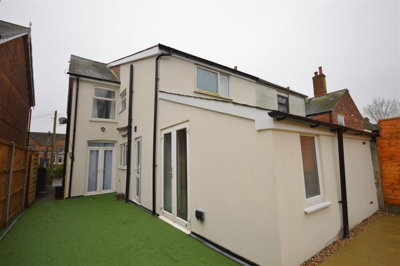
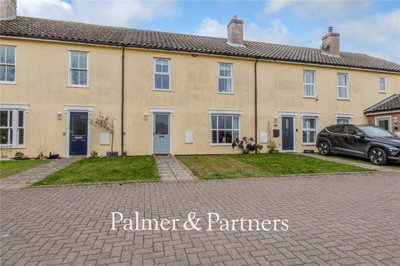
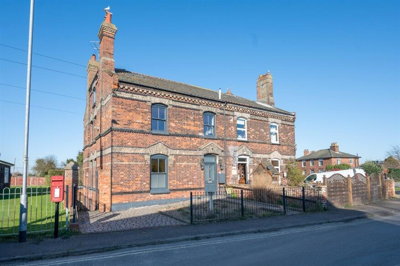
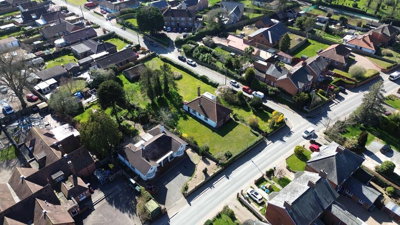
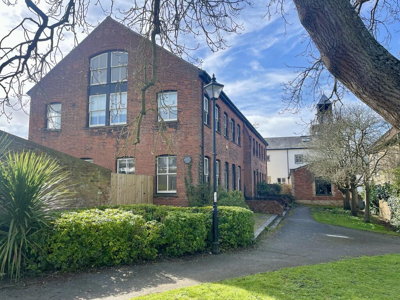
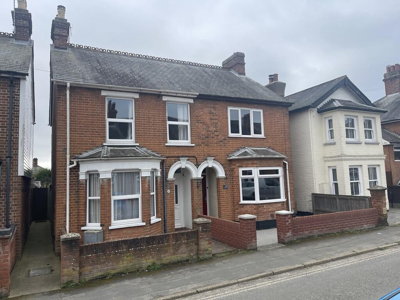
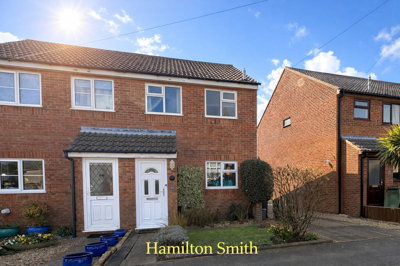
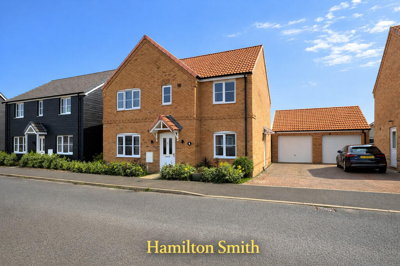
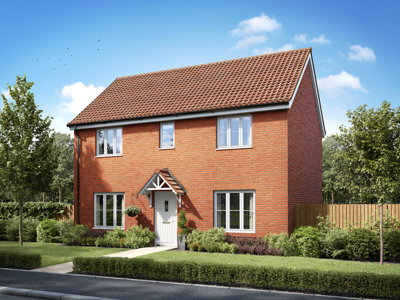
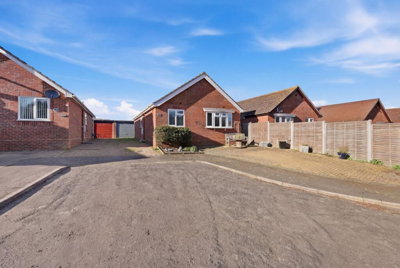
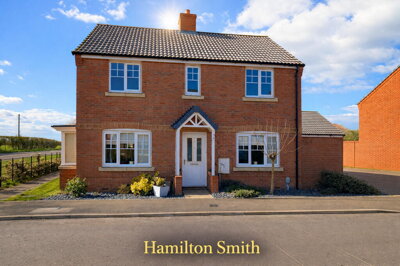
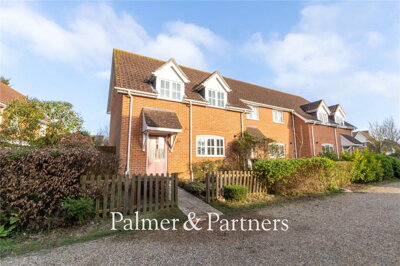
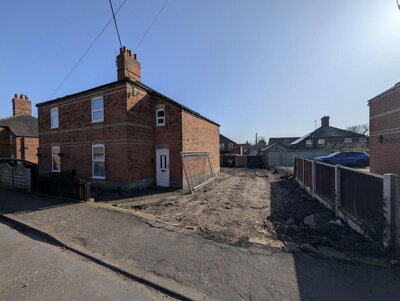
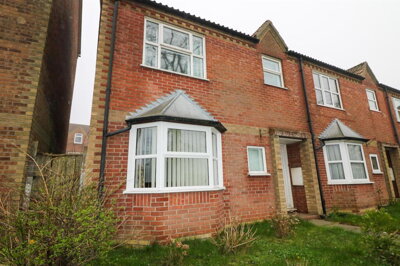
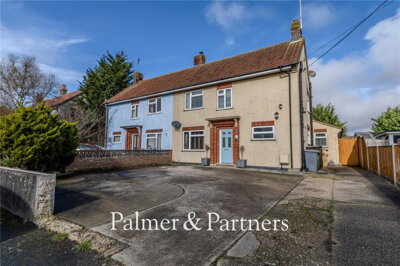
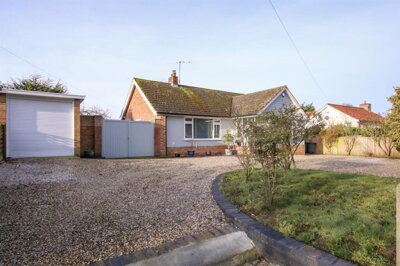
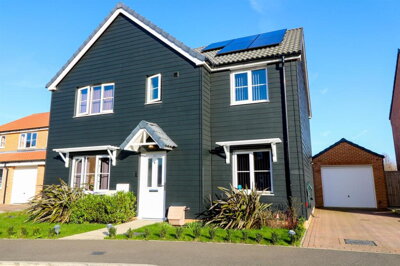
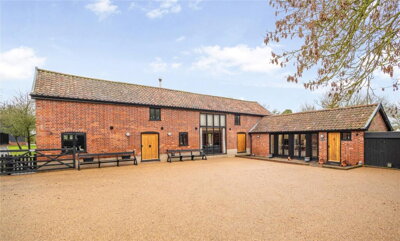
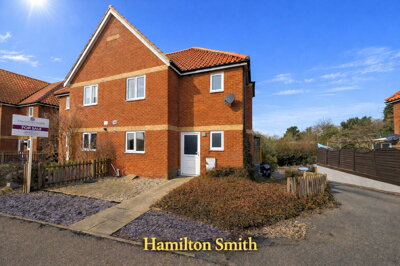
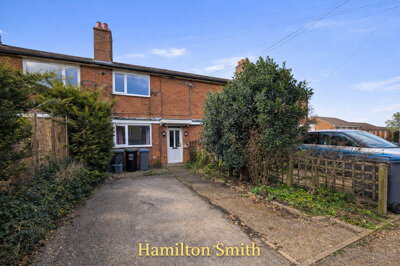
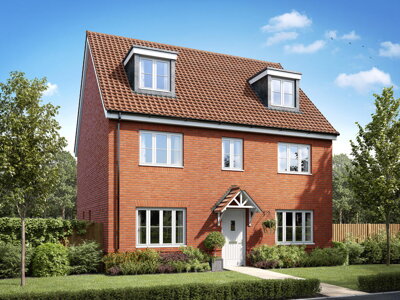
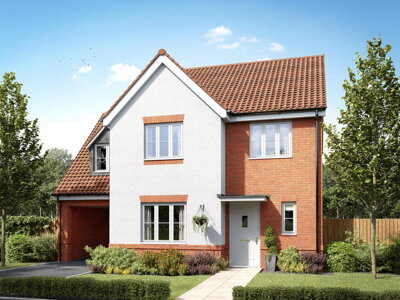
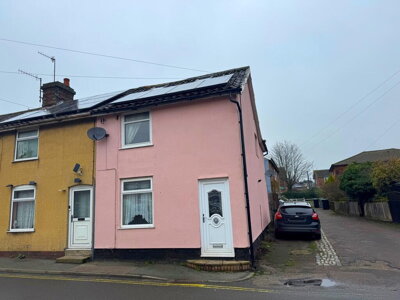
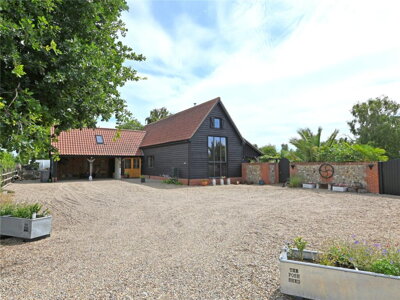
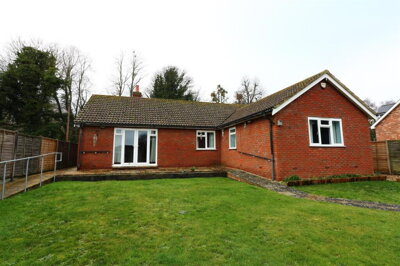
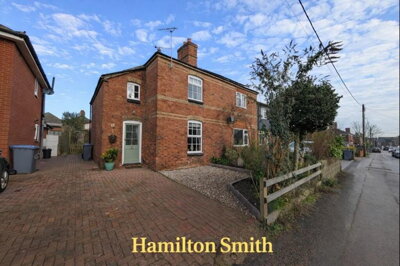
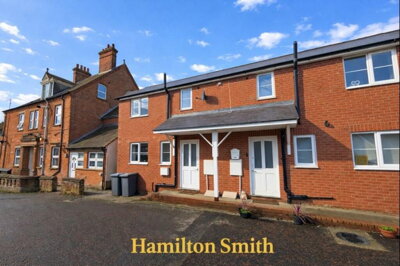
Browse 73 homes for sale in Theberton, East Suffolk from local estate agents.
The Theberton property market offers detached, semi-detached, and terraced houses spanning various price ranges and neighbourhoods. Each listing includes detailed property information, photographs, and direct contact with the marketing agent.
£515k
2
1
29
Source: home.co.uk
Showing 2 results for Houses for sale in Theberton, East Suffolk. 1 new listing added this week. The median asking price is £515,000.
Source: home.co.uk
Detached
1 listings
Avg £730,000
Terraced
1 listings
Avg £300,000
Source: home.co.uk
Source: home.co.uk
The Theberton property market reflects its status as a desirable rural Suffolk village where demand consistently outstrips supply. Our current listings showcase the range of property types available, from charming period cottages to substantial detached family homes. Detached properties in Theberton command the highest prices, averaging £805,000, reflecting the premium placed on space, privacy, and the character of traditional Suffolk architecture. Terraced properties offer more accessible entry points at around £257,000, though these homes come to market infrequently given the village's limited housing stock.
Historical data indicates that Theberton house prices peaked in 2013 at an average of £645,000, with current values sitting approximately 18% down on that peak. This correction offers prospective buyers a favourable buying opportunity in a market that has demonstrated long-term resilience. Transaction volumes remain deliberately low, with only two properties recorded as sold in the past year, underscoring the exclusive nature of village property ownership in this sought-after location. For Rattla Corner in Theberton, prices were 26% down on the 2018 peak, illustrating how different parts of the village have experienced varying market conditions.
The majority of properties sold in Theberton over the past year have been detached homes, consistent with the village's character as a rural settlement with generous plot sizes. One notable recent sale in the nearby Eastbridge area of Theberton (IP16 4SG) achieved £625,000 for a semi-detached property in March 2025, demonstrating that the market remains active despite limited transaction volumes. Prospective buyers should be prepared for a competitive environment where properties can attract multiple enquiries, particularly those offering character, privacy, and proximity to the village centre.

Life in Theberton revolves around the rhythms of rural Suffolk, where the changing seasons bring natural beauty to your doorstep throughout the year. The village sits adjacent to the Minsmere River estuary, with its low-lying peat wetlands creating a unique habitat for breeding birds, wintering wildfowl, and rare species that draw visitors from across Europe. The proximity to the Suffolk Coast and Heaths AONB means residents enjoy direct access to heather-clad heaths, ancient woodlands, and dramatic clifftop walks along one of England's most precious coastlines.
Theberton village centre features a traditional public house, The Lion, which serves as the focal point for community gatherings and offers locally sourced food and drink. This historic inn, complete with its own listed stable block just 10 metres to the south, has been a centre of village life for generations. The architecture throughout the village showcases Suffolk's building heritage, with properties constructed using locally-made white bricks and traditional lime mortar techniques that have characterised the area for centuries. Theberton Hall, constructed in 1792 using Suffolk white bricks with Caen stone dressings, represents the finest examples of this local building tradition.
The Grade I listed Church of St Peter dominates the local skyline, a medieval gem that has stood the community since its construction. The Grade II* listed Theberton House and the numerous Grade II listed buildings, including The Old Rectory dating from the 15th century, Moat Farmhouse, Flint House, and Flash Cottages, all contribute to the village's exceptional architectural heritage. Demographically, Theberton attracts residents seeking an alternative to urban living, drawn by the area's natural beauty, strong community bonds, and excellent quality of life. The village serves a mixed demographic, with families, retirees, and professionals who work remotely all finding appeal in its tranquil setting.

Understanding the construction methods used in Theberton properties is essential for anyone considering a purchase in this historic village. The local geology has shaped building traditions here for centuries, with properties predominantly constructed using traditional masonry techniques. Suffolk white bricks, manufactured from London Clay found in the local area, form the walls of many period properties throughout the village. This local brick-making tradition means that Theberton's buildings harmonise with their surroundings, creating the distinctive character that makes the village so visually appealing.
Theberton Hall exemplifies these construction methods, being built in 1792 with Suffolk white bricks and Caen stone dressings that demonstrate the quality of local materials available to Georgian builders. The use of septaria, a harder nodular material found within clay layers, was also common in the region and can be seen in some older structures. Traditional lime mortar, rather than Portland cement, was used throughout these historic buildings, allowing walls to breathe and moisture to evaporate naturally. Modern renovation work that introduces cement-based products or non-breathable materials can cause significant problems in these older structures.
Properties in Theberton span several centuries of construction, from medieval structures like the Church of St Peter to 18th-century country houses and 20th-century additions. This variety means buyers encounter properties built to different standards and using different materials. Older properties, particularly those predating 1900, were designed to be breathable, with permeable materials allowing natural moisture management. The introduction of damp-proof courses in more recent construction has improved matters, but many older properties may still require specialist assessment to identify any damp issues that could affect structural integrity or living conditions.
Families considering a move to Theberton will find a selection of educational options within reasonable travelling distance. Primary education is available at several village and town schools in the surrounding area, with the nearest primary schools serving the communities around Saxmundham and Leiston. These schools provide a strong foundation for younger children, with class sizes typically smaller than urban alternatives due to the rural setting, allowing for more individual attention and a nurturing educational environment. The village's proximity to Leiston also provides access to Leiston Primary School, which serves families from the surrounding villages.
Secondary education in the area is served by schools in the market towns, with Saxmundham and Aldeburgh offering comprehensive secondary schooling options. Saxmundham School provides secondary education for the local area, while Leiston High School offers both secondary and sixth form provision, including A-level courses. For families seeking grammar school provision, the nearby towns provide access to selective education where appropriate. The presence of the Sizewell C nuclear project in the wider area has brought increased investment in local infrastructure, including educational facilities, as part of broader community benefit programmes that aim to strengthen services for residents.
Transport arrangements for school-age children typically involve school bus services connecting Theberton to nearby schools, though these arrangements should be confirmed directly with the relevant education authority. Parents should verify current school performance data, inspection reports, and catchment area boundaries directly with schools before purchasing property, as these can change and may affect which schools your children can attend. The village's small scale means that families often build close relationships with other local families, creating a supportive network for children growing up in this rural community.
Transport connections from Theberton reflect its position as a rural Suffolk village, with road travel forming the primary means of getting around. The village sits approximately three miles from Saxmundham, which provides access to the A12 trunk road linking the Suffolk coast to Ipswich and London. The A12 connects to the A14 trunk road at Ipswich, providing onward routes to Cambridge, the Midlands, and the national motorway network. For those commuting to work or needing to access larger centres of employment, the road infrastructure provides reasonable connectivity despite the rural setting, though journey times should be factored into any relocation decision.
Rail services are accessible from Saxmundham railway station, which sits on the East Suffolk Line connecting Ipswich to Lowestoft. From Saxmundham, passengers can reach Ipswich in approximately 30 minutes, with onward connections to London Liverpool Street taking around 75 minutes. The nearest station with more frequent services is at Ipswich, which provides access to the Great Anglia rail network serving destinations across East Anglia and London. For international travel, Stansted Airport is approximately 90 minutes by road, while Norwich Airport provides regional flight connections.
Local bus services operate throughout the surrounding area, though frequency is limited reflecting the rural nature of the village. The Saxmundham area is served by bus routes connecting to surrounding villages and towns, but residents should check current timetables as services may be reduced at weekends and during school holidays. Most residents find that car ownership is essential for day-to-day living in Theberton, while cycling provides an excellent alternative for shorter journeys given the flat Suffolk landscape and extensive country lanes. The national cycle route network passes through nearby Saxmundham, connecting to the wider Suffolk cycling infrastructure.
Begin by exploring current listings in Theberton through Homemove and understanding the village's property types, which range from historic listed buildings to more recent constructions. Given the limited stock, monitor new listings closely and consider registering with local estate agents who operate in the Saxmundham and Leiston areas. The village's exceptional concentration of listed buildings means many properties will carry various grades of protection, requiring potential buyers to understand the implications for any future works.
Before arranging viewings, secure a mortgage agreement in principle from a lender. This demonstrates your purchasing capability to sellers and agents, particularly important in a village market where competition for properties can be strong. Homemove's mortgage comparison tool helps you find the best available rates for your circumstances. For higher-value properties in Theberton, such as the £805,000 average detached homes, larger mortgage amounts may require specialist lending products.
Visit properties that match your requirements, taking time to assess the village's character, proximity to amenities, and travel connections. For older properties, pay particular attention to construction materials and condition, as many Theberton homes are constructed using traditional methods with lime mortar and locally-sourced Suffolk materials. Theberton Hall, Theberton House, and numerous listed cottages require careful assessment of their condition and any historic designations.
For properties in Theberton, particularly those over 50 years old or listed buildings, we strongly recommend commissioning a RICS Level 2 survey before proceeding. Given the prevalence of historic properties in the village, a thorough survey will identify any structural concerns, damp issues, or maintenance requirements specific to traditional Suffolk construction. For Grade II* or Grade I listed properties, a more detailed Level 3 Building Survey may be advisable. Survey costs in Suffolk typically range from £400 to £1,000 depending on property size and complexity.
Once your offer is accepted, instruct a conveyancing solicitor to handle the legal aspects of your purchase. Your solicitor will conduct searches, review the contract, and manage the transfer of ownership. For properties near the Minsmere River or in low-lying areas, specific flood risk searches will be essential given the proximity to the riverine flood plain. Theberton's concentration of listed buildings also requires careful investigation of any planning conditions or historic permissions.
Upon satisfactory completion of all searches and surveys, you will exchange contracts and pay your deposit. Completion typically follows within a few weeks, at which point you will receive the keys to your new Theberton home and can begin settling into village life in this charming Suffolk community. Stamp Duty Land Tax will be payable on completion, with rates from April 2025 applying to the purchase price.
Purchasing property in Theberton requires careful consideration of several factors unique to this historic Suffolk village, particularly the common defects found in older properties. The high concentration of listed buildings throughout the village means many properties carry various grades of protection, from the Grade I listed Church of St Peter to numerous Grade II listed houses and cottages such as Moat Farmhouse, Flint House, and Flash Cottages. If you are considering a listed property, understand that any alterations, extensions, or even routine maintenance may require Listed Building Consent from East Suffolk Council, adding complexity and cost to any renovation projects.
Dampness represents one of the most common issues affecting period properties in Theberton. This can be caused by poor ventilation, leaking roofs, defective weatherproofing, or failed damp-proof courses. Properties constructed using traditional lime mortar and breathable Suffolk bricks are particularly susceptible if modern, less permeable materials have been introduced during previous renovations. Specialist assessment is recommended for any property showing signs of damp, as treatment methods for historic buildings differ significantly from those used in modern construction.
Roof damage is another frequent concern in Theberton's older properties, with issues such as broken or missing tiles, sagging roof lines, leaks, and inadequate insulation commonly identified during surveys. The traditional construction of properties like Theberton Hall and The Old Rectory means their roofs may be of particular age and require specialist knowledge to assess properly. Structural movement, indicated by cracks in walls or ceilings, uneven floors, and doors that do not close properly, can suggest issues like settlement or subsidence, though the local geology generally presents low risk for expansive soils.
Outdated electrical and plumbing systems are commonly found in older Theberton properties, often failing to meet modern safety standards and posing risks of leaks, water contamination, or fire. Given the traditional construction methods used throughout the village, with materials like London Clay-derived bricks and Caen stone dressings, any electrical or plumbing updates should be carried out by contractors experienced in historic buildings. Always commission a thorough RICS survey before purchasing, as structural concerns or significant defects can prove costly to remedy in period properties.
Flood risk deserves particular attention when evaluating properties in Theberton. The village sits close to the Minsmere River estuary and its low-lying peat wetlands, creating potential vulnerability to riverine flooding. The Minsmere River flows eastward to the sea, and the area's low-lying nature means that during periods of heavy rainfall or high tides, water can accumulate in the wetlands surrounding the village. While specific flood risk assessments for individual properties require detailed investigation, prospective buyers should commission appropriate searches and consider the proximity of any potential purchase to watercourses and low-lying land.
Theberton's location near the North Sea coast introduces some risk of coastal flooding, though the village sits slightly inland from the immediate shoreline. Nearby coastal communities such as Thorpeness have experienced significant and accelerating coastal erosion due to the soft geology of the Suffolk coast, which is one of the fastest eroding coastlines in Europe. While Theberton itself is protected to some extent by its inland position, the regional coastal issues remain relevant to understanding the broader environmental context of the area.
Properties in higher positions within the village may offer reduced flood risk compared to those in lower areas closer to the Minsmere River. During the conveyancing process, specific flood risk searches should be commissioned that will provide detailed information about the property's position relative to flood zones. While Suffolk County is generally underlain by non-expansive materials with little to no swelling clay, the presence of clay in Theberton's local geology means that climate change projections suggesting increased alternating droughts and heavy rainfall could affect future ground conditions.
Buying a property in Theberton involves several costs beyond the purchase price that buyers should factor into their budget. Stamp Duty Land Tax represents a significant consideration, with the standard rate applying 0% on the first £250,000, 5% on the portion between £250,001 and £925,000, 10% on amounts from £925,001 to £1.5 million, and 12% on anything above that threshold. For the village's average property price of £531,000, a standard buyer would incur stamp duty of £14,050, while first-time buyers benefiting from the relief scheme would pay £5,300 on the same property.
Survey costs require particular attention given the prevalence of older and historic properties in Theberton. A RICS Level 2 survey, which provides a thorough assessment of a property's condition, typically costs between £400 and £1,000 in the Suffolk area depending on property value and complexity. For historic or listed properties, a more detailed Level 3 Building Survey may be advisable, which provides comprehensive analysis of construction, defects, and maintenance requirements. These surveys are particularly valuable for properties constructed using traditional methods with lime mortar and locally-sourced Suffolk materials, where specialist knowledge of building defects is essential. Properties priced above £500,000 typically average around £586 for a Level 2 survey.
Legal costs for conveyancing typically start from around £499 for straightforward purchases, rising for more complex transactions involving listed buildings or unusual tenure arrangements. Searches conducted during the conveyancing process will include local authority checks, drainage and water searches, and environmental searches. Given Theberton's position near the Minsmere River and its flood plain, specific flood risk searches may be advisable. Mortgage arrangement fees vary between lenders but typically range from 0% to 1.5% of the loan amount, with some offering fee-free deals in exchange for slightly higher interest rates. Removal costs, survey fees, and mortgage arrangement fees should all be budgeted for when calculating the total cost of purchasing in Theberton.
The average house price in Theberton over the past year was approximately £531,000, according to Land Registry data. Detached properties command the highest prices, averaging around £805,000, while terraced properties offer more accessible entry at approximately £257,000. Theberton is a small village with limited transaction volumes, with only two properties recorded as sold in the past year, so prices can vary significantly depending on property type, condition, and location within the village. Historical data shows prices peaked at £645,000 in 2013, sitting approximately 18% below that level currently. One recent sale in the Eastbridge area of Theberton achieved £625,000 for a semi-detached property in March 2025.
Properties in Theberton fall under East Suffolk Council's jurisdiction for council tax purposes. Specific band distributions in the village will depend on property values as assessed by the Valuation Office Agency. As a guide, smaller terraced cottages typically fall into bands A to C, while larger detached properties and period houses may be placed in higher bands D to F. Properties like Theberton Hall and Theberton House, being substantial country houses, would likely fall into higher council tax bands reflecting their significant value and size. Prospective buyers should check specific properties on the Valuation Office Agency website or request band information during the conveyancing process.
Theberton is a small village without its own primary or secondary school, so families rely on schools in nearby towns. Primary schools in Saxmundham and Leiston serve the local area, with Leiston Primary School providing education for children from the surrounding villages. Secondary education is available at schools in Saxmundham and Leiston High School, which also offers sixth form provision including A-level courses. For families seeking grammar school provision, options exist in the wider Suffolk area. The village's small scale means class sizes tend to be smaller than urban schools, providing more individual attention for students. Always verify current school performance and catchment areas directly with schools before purchasing, as these can change and admission policies may affect your options.
Theberton's public transport connections reflect its rural Suffolk location, with road travel being the primary means of getting around. The nearest railway station is Saxmundham, approximately three miles away, on the East Suffolk Line providing services to Ipswich in around 30 minutes and London Liverpool Street in approximately 75 minutes. The A12 trunk road, accessible from Saxmundham, provides road connections to Ipswich and onward to the national motorway network. Local bus services operate in the surrounding area but with limited frequency. Most residents find car ownership essential for daily living, though cycling provides an excellent alternative for local journeys given the flat landscape and extensive country lanes, with the national cycle route network accessible from nearby Saxmundham.
Theberton offers several factors that make it attractive for property investment, including its location within the Suffolk Coast and Heaths AONB, proximity to Minsmere RSPB Reserve, and the ongoing economic activity from the Sizewell C nuclear project in the wider area. The village's limited housing stock and consistent demand from buyers seeking rural Suffolk living provide support for property values. However, investors should be aware of potential flood risk due to proximity to the Minsmere River, the complexities of owning listed buildings, and the limited rental market in such a small village. The Aldhurst View development in nearby Leiston offers new-build alternatives for those seeking modern construction with different investment characteristics. Capital growth potential should be considered alongside these local factors, with prices currently sitting below their 2013 peak.
Stamp Duty Land Tax rates from April 2025 are 0% on the first £250,000 of property value, 5% on £250,001 to £925,000, 10% on £925,001 to £1.5 million, and 12% on any amount above £1.5 million. First-time buyers receive relief on the first £425,000, with 5% charged between £425,001 and £625,000. For a typical Theberton property at the £531,000 average price, a standard buyer would pay £14,050 in stamp duty, while first-time buyers would pay £5,300. Properties at the £805,000 average for detached homes would incur £27,250 for standard buyers. Always verify current thresholds with HM Revenue and Customs as these can change.
Flood risk is a material consideration when buying in Theberton due to the village's proximity to the Minsmere River and its estuary, which includes low-lying peat wetlands. This positioning creates potential vulnerability to riverine flooding, particularly during periods of heavy rainfall or high tides. Theberton's location near the North Sea coast also introduces some risk of coastal flooding, though the village sits slightly inland. The soft geology of the Suffolk coast means nearby areas experience significant coastal erosion, one of the fastest rates in Europe. Specific surface water flood risk should be assessed through appropriate searches during the conveyancing process. Properties on elevated ground within the village may present lower flood risk than those in lower-lying areas closer to the river.
Theberton offers a diverse range of property types reflecting its long history as a Suffolk settlement. The village features numerous period cottages, many of which are listed, constructed using traditional Suffolk white bricks and lime mortar. Substantial detached family homes command the highest prices at around £805,000 on average, offering the space and privacy that characterise rural Suffolk living. The majority of properties in the village are detached, consistent with the rural character and generous plot sizes. Historic properties include Theberton Hall (1792), Theberton House (Grade II*), The Old Rectory (15th century), and numerous cottages throughout the village. Newer properties in the surrounding area, such as the Aldhurst View development in Leiston, offer alternatives for those seeking modern construction.
From 3.99% APR
Find competitive mortgage rates for your Theberton purchase
From £499
Expert legal services for your property purchase
From £400
Thorough property condition survey suitable for most homes
From £600
Detailed building survey for older or complex properties
Properties for Sale In London

Properties for Sale In Plymouth

Properties for Sale In Liverpool

Properties for Sale In Glasgow

Properties for Sale In Sheffield

Properties for Sale In Edinburgh

Properties for Sale In Coventry

Properties for Sale In Bradford

Properties for Sale In Manchester

Properties for Sale In Birmingham

Properties for Sale In Bristol

Properties for Sale In Oxford

Properties for Sale In Leicester

Properties for Sale In Newcastle

Properties for Sale In Leeds

Properties for Sale In Southampton

Properties for Sale In Cardiff

Properties for Sale In Nottingham

Properties for Sale In Norwich

Properties for Sale In Brighton

Properties for Sale In Derby

Properties for Sale In Portsmouth

Properties for Sale In Northampton

Properties for Sale In Milton Keynes

Properties for Sale In Bournemouth

Properties for Sale In Bolton

Properties for Sale In Swansea

Properties for Sale In Swindon

Properties for Sale In Peterborough

Properties for Sale In Wolverhampton

Enter your details to see if this property is within your budget.
Loans, cards, car finance
Estimated property budget
Borrowing + deposit
You could borrow between
Typical borrowing
Monthly repayment
Est. at 4.5%
Loan-to-value
This is an estimate only. Your actual budget may vary depending on interest rates, credit history, and personal circumstances. For an accurate affordability assessment, speak to one of our free mortgage advisors.
This calculator provides estimates for illustrative purposes only and does not constitute financial advice. Your home may be repossessed if you do not keep up repayments on your mortgage. Estimates based on 4.5% interest rate, repayment mortgage. Actual rates depend on your circumstances.
Homemove is a trading name of HM Haus Group Ltd (Company No. 13873779, registered in England & Wales). Homemove Mortgages Ltd (Company No. 15947693) is an Appointed Representative of TMG Direct Limited, trading as TMG Mortgage Network, which is authorised and regulated by the Financial Conduct Authority (FRN 786245). Homemove Mortgages Ltd is entered on the FCA Register as an Appointed Representative (FRN 1022429). You can check registrations at NewRegister or by calling 0800 111 6768.

We use cookies to show you personalised content and improve your experience of our website. Find out more in our Privacy policy and Cookie policy.