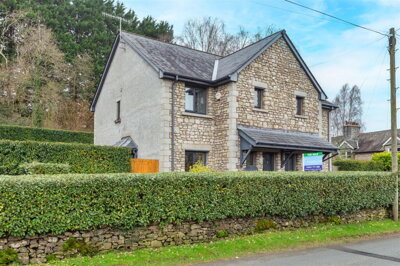
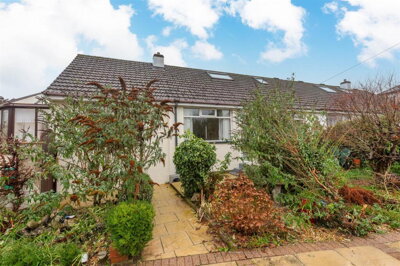
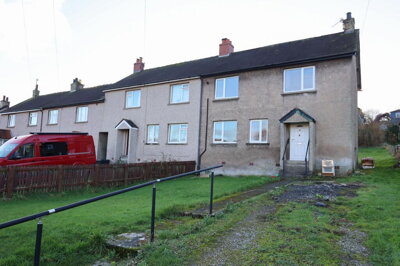
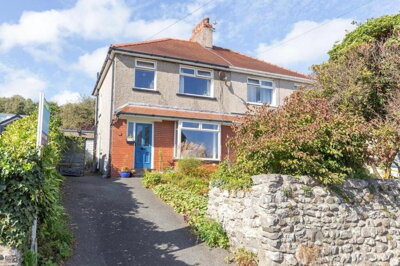
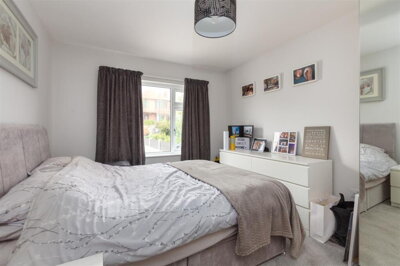
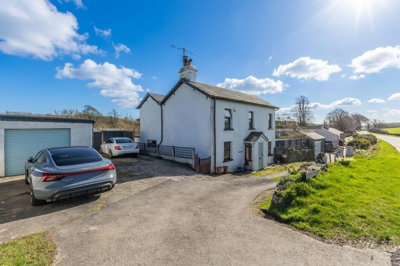
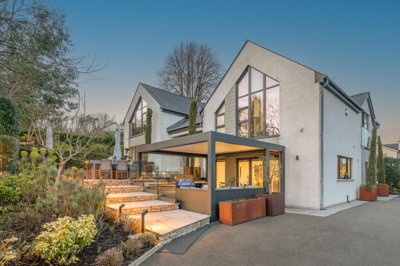
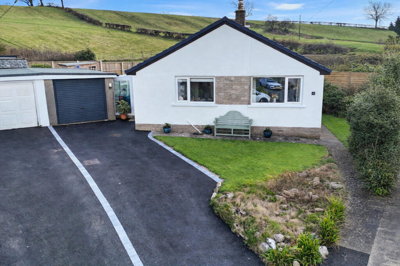
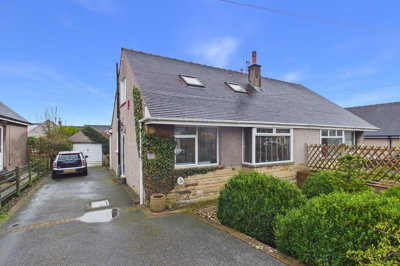
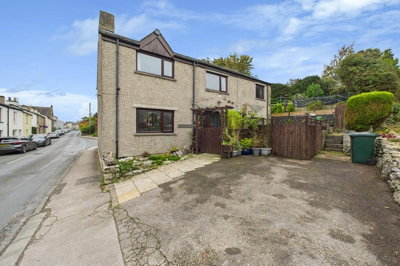
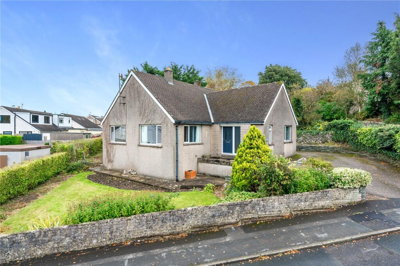
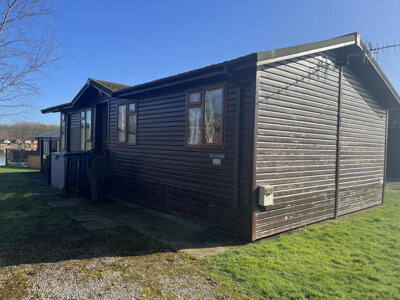
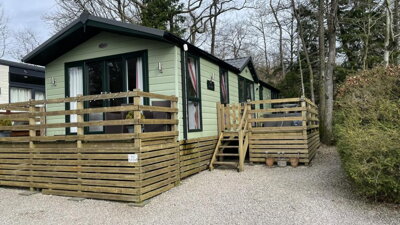
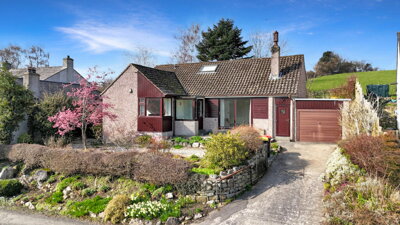
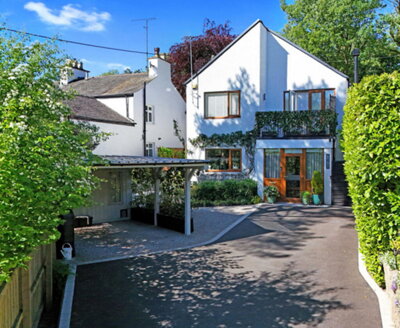
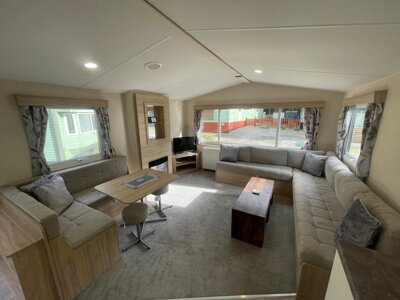
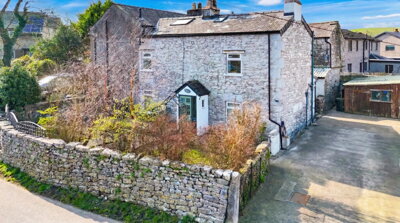
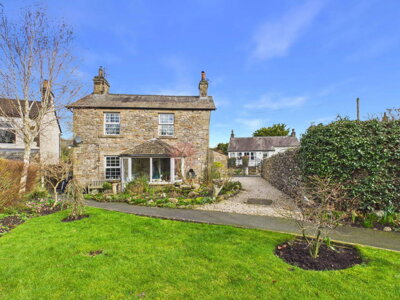
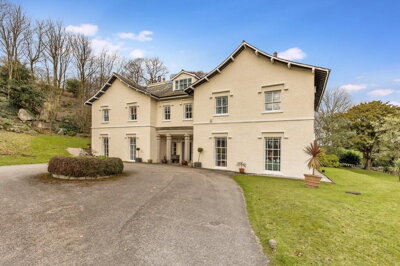
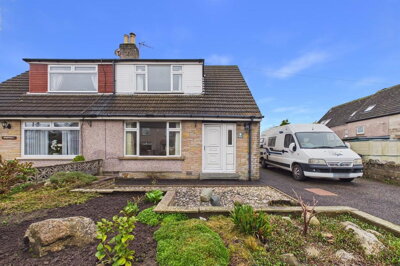
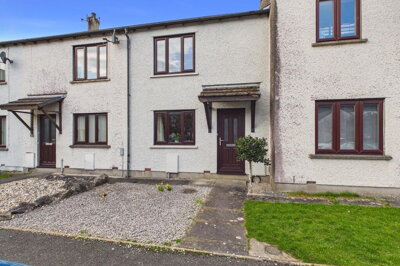
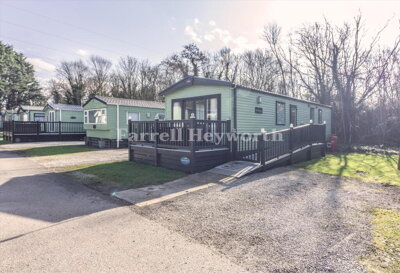
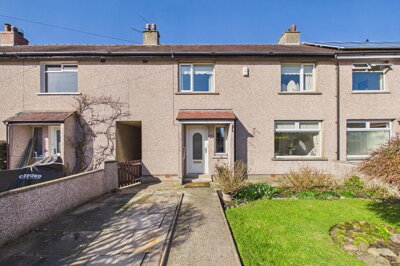
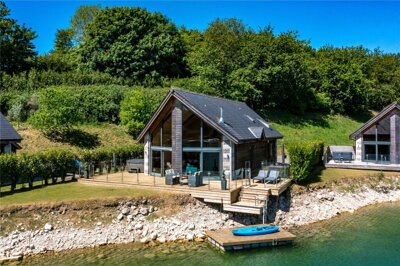
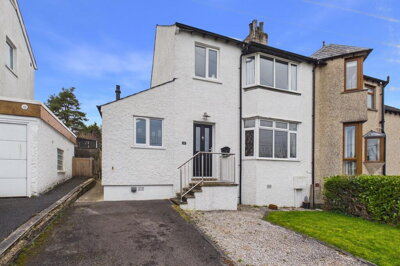
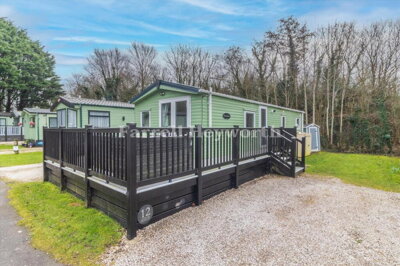
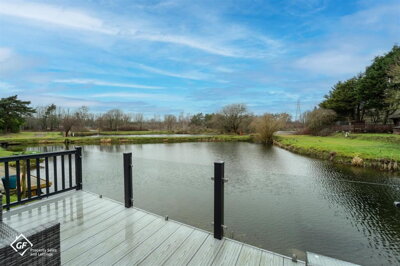
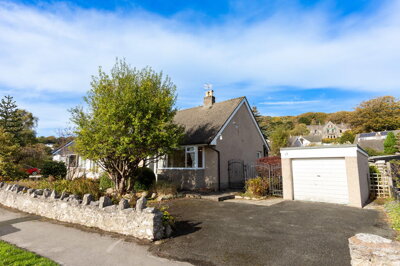
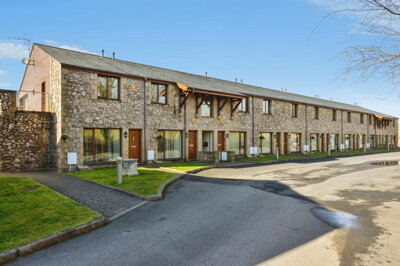
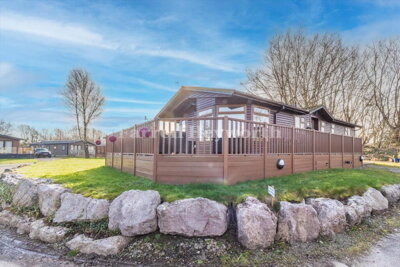
Browse 110 homes for sale in The Yealands from local estate agents.
£388,230
Average Property Price (DT9)
+0.98%
Annual Price Change
275
Properties Sold (12 months)
£540,013
Detached Average (Dorset)
The Trent property market reflects the broader Dorset countryside trends while maintaining its own distinct character. Detached properties in Dorset command an average price of £540,013, with many traditional stone homes in village locations like Trent exceeding this figure due to their character and plot sizes. Semi-detached homes average £346,859 across the county, while terraced properties offer more accessible entry points at around £298,987. Flat prices in Dorset average £228,749, though these are more commonly found in nearby towns than within Trent village itself.
Property transactions in the DT9 area have experienced a decline of 22.18% compared to the previous year, with 275 sales recorded. This reduction in volume reflects broader national trends in the housing market, but demand for village properties in desirable locations like Trent remains robust. Semi-detached properties in Dorset showed particular resilience, with prices rising by 2.3% in the year to December 2025, indicating that family homes continue to attract strong interest. The presence of historic Grade II listed properties in Trent adds a unique dimension to the local market, with period features and traditional construction methods highly prized by buyers seeking character homes.
Our inspectors regularly survey properties in Trent and the surrounding DT9 area, and we frequently encounter traditional stone construction that requires specialist assessment. Properties in this part of Dorset often feature Hamstone elevations and traditional lime mortar pointing, which differ significantly from modern brickwork. Understanding these construction methods helps buyers appreciate both the character and potential maintenance requirements of village properties. The limited supply of new-build properties in Trent itself means that demand for existing homes remains consistently strong among buyers seeking genuine Dorset village character.
Life in Trent, Dorset centres on the unhurried pace of genuine village living. The village forms part of a network of similar small communities in the heart of Dorset, each offering local pubs, parish churches, and community halls that host regular events throughout the year. The surrounding countryside provides exceptional walking and cycling opportunities, with footpaths crossing rolling farmland and through ancient woodlands. The local geology of Jurassic limestones and clays creates the distinctive undulating landscape that makes this part of Dorset so visually appealing.
The village demographic combines long-standing residents with families who have relocated from larger towns and cities seeking a better quality of life. Property stock in Trent reflects its heritage, with a significant proportion of pre-1919 and interwar properties constructed using traditional methods. Stone walls, thatched or slate roofs, and original timber windows characterise many homes in the village. The presence of listed buildings underscores the historical significance of the village's built environment, with local planning controls ensuring that new developments and alterations respect the established character. Day-to-day amenities are accessed in nearby Sherborne, approximately six miles distant, where residents find supermarkets, independent shops, healthcare facilities, and restaurants.
The underlying geology of the area, featuring Jurassic limestone and clay formations, shapes both the landscape and construction traditions of Trent. The clay content in the local soil can create shrink-swell conditions that affect building foundations, particularly during periods of extreme weather. Our surveyors pay close attention to signs of foundation movement in local properties, as traditional shallow foundations may be susceptible to ground conditions that differ from those found in newer developments.

Education provision near Trent benefits from the proximity to Sherborne, a town renowned for its exceptional educational establishments. Sherborne hosts several independent schools of regional and national reputation, including Sherborne School for boys and Sherborne Girls, both of which have long traditions and excellent academic records. These independent schools cater to pupils from Year 3 through to Sixth Form, making the Trent area attractive to families prioritising academic education. The presence of quality schools in the locality significantly influences property values and demand in surrounding villages.
State-funded education is well served in the wider area, with primary schools in nearby villages and the town of Sherborne serving the local population. Secondary education options include comprehensive schools in surrounding towns, with many pupils travelling to Sherborne, Gillingham, or Yeovil for their secondary education. Further education opportunities are available at colleges in Yeovil and Dorchester, offering A-levels and vocational courses. Parents considering a move to Trent should research specific school catchments and admission arrangements, as places in popular schools can be competitive.
Sherborne School, founded in 705, is one of the oldest public schools in England and attracts students from across the country. Sherborne Girls, established in 1895, maintains similarly strong academic standards and reputation. Families relocating to Trent from urban areas often cite the educational opportunities as a primary factor in their decision, and the desirability of the schooling provision contributes directly to property demand in the village and surrounding DT9 postcode area.

Trent enjoys a strategic position for commuters, offering access to major transport corridors while maintaining its rural character. The village sits within easy reach of the A30, providing connections eastwards to Sherborne and onwards to the A303, a key route across southern England. Westward travel leads to Yeovil, with its broader range of employment opportunities and rail connections. The A357 provides north-south connectivity through the region. For a village of its size, Trent offers remarkably practical road access to surrounding towns and the wider road network.
Rail services are accessible from Sherborne station, which sits on the West of England Main Line. From Sherborne, passengers can reach London Waterloo in approximately two and a half hours, with regular services throughout the day. Exeter, Bristol, and Southampton are also reachable by train, connecting Trent residents to regional and national rail networks. Local bus services operate between Trent and nearby towns, though frequencies are limited, making car ownership practically essential for most residents. Bristol Airport, approximately 45 miles north, provides international travel connections, while Southampton Airport offers domestic and European flights within reasonable driving distance.
Yeovil Junction station, located on the same West of England Main Line, provides an alternative rail option for residents willing to travel further. The station offers direct services to London Waterloo and connections to the broader rail network. Many commuters living in Trent choose to drive to Yeovil Junction for the broader range of daily services, particularly during peak hours when parking at Sherborne station may be limited.
Properties in Trent often feature traditional construction methods that differ significantly from modern buildings, requiring specific considerations during purchase. Stone walls, whether constructed from local limestone, Hamstone, or other materials, form a significant part of the village's character but may require ongoing maintenance. Look for signs of structural movement, particularly cracking in walls or doors and windows that stick, which could indicate foundation issues related to the local clay geology. The potential for shrink-swell clay conditions in Dorset means foundations may be susceptible to movement during periods of extreme weather, making thorough inspection essential.
Many homes in Trent will be older properties where damp penetration, timber decay, and roof condition require careful assessment. Look for dark staining on walls, musty odours, and signs of woodworm or rot in exposed timbers. Check roof slopes for missing or damaged tiles, and examine leadwork around chimneys and valleys for deterioration. Properties with thatched roofs will require specialist inspection and typically incur higher maintenance costs than those with slate or tile coverings. Electrical and plumbing systems in older properties may not meet current standards, so factor potential upgrade costs into your budget.
Listed building status applies to certain properties in Trent, imposing restrictions on alterations and requiring consent for significant works. If considering a listed property, verify the specific grade and understand the implications for future renovation plans. Conservation area designation may apply to parts of the village, affecting permitted development rights and exterior alterations. Ground rent and leasehold terms are less common in village properties than urban areas, but flats in any conversion should be checked for lease terms and any service charges. Flood risk in Trent appears minimal as an inland village, though surface water drainage should be verified during searches.
Begin by exploring current listings in Trent and the surrounding DT9 area. Understanding price ranges for different property types, from terraced cottages to detached family homes, helps set realistic expectations. Review local sale prices over the past year to gauge market conditions and identify any emerging trends in this Dorset village market. Our inspectors regularly find that buyers who take time to understand the local market before viewing properties make more informed decisions and avoid overpaying in competitive situations.
Before scheduling viewings, approach a lender to obtain an agreement in principle. This document confirms how much you can borrow and demonstrates to sellers that you are a serious, financially prepared buyer. With Dorset property prices averaging £388,230, most buyers will require mortgage financing, making this step essential for competitiveness in the local market. We recommend obtaining your agreement in principle before viewing properties to streamline the purchase process once you find your ideal Trent home.
Arrange viewings of suitable properties in Trent, paying attention to construction type, property condition, and any signs of historic maintenance needs. Older village properties may require more thorough inspection given their traditional construction. Take photographs and notes during viewings to help compare properties later. Consider visiting at different times of day to assess noise levels, traffic, and neighbourhood atmosphere. Our team recommends viewing multiple properties before making an offer to ensure you find the right home for your circumstances.
Once you have agreed a purchase, instruct a qualified surveyor to conduct a RICS Level 2 Survey. This inspection identifies defects in the property's construction, condition, and services. Given the age of many properties in Trent, with their stone walls and traditional features, a thorough survey is particularly valuable for identifying potential issues before completion. We work with RICS-qualified surveyors who understand traditional Dorset construction and can identify issues specific to properties in this area.
Appoint a solicitor to handle the legal aspects of your purchase. They will conduct searches, review contracts, and liaise with the seller's representatives on your behalf. Searches will include local authority checks, drainage and water searches, and environmental assessments relevant to the Dorset geology. Our recommended solicitors have experience handling property purchases in rural Dorset villages and understand the specific requirements of transactions involving listed buildings and conservation areas.
After satisfactory survey results and contract negotiations, your solicitor will exchange contracts and agree a completion date. On completion day, the remaining funds are transferred, and you receive the keys to your new Trent home. Register your ownership with the Land Registry and notify relevant utilities of your change of address.
Properties in Trent typically feature construction traditions shaped by local materials and building customs developed over centuries. Hamstone, a distinctive golden limestone from the Mendip Hills, appears frequently in older properties throughout the village and surrounding area. Local limestone and brick also feature prominently, with render applied to many elevations to protect against the wet Dorset climate. Roofs are typically constructed from slate, clay tiles, or thatch, with the latter requiring specialist knowledge for maintenance and insurance purposes.
The Jurassic limestone and clay geology underlying Trent influences both construction foundations and drainage characteristics of local properties. Traditional buildings in the village were constructed with solid walls rather than the cavity wall construction used in modern properties, meaning insulation improvements may require internal or external cladding systems. Our surveyors understand these construction methods and can advise on appropriate maintenance schedules and renovation approaches that respect the character of traditional Dorset homes.
A residential development site near Trent has received planning permission for a barn conversion and eight new build dwellings, though specific details regarding developers and pricing have not been verified. This represents limited new-build supply in the immediate area, with most available properties being existing homes of varying ages. The predominance of older construction in Trent means that buyers should budget for potential maintenance requirements that may not be apparent during initial viewings.
Understanding the full costs of purchasing property in Trent extends beyond the purchase price itself. Stamp duty Land Tax represents a significant addition to your budget, calculated on a sliding scale from the property purchase price. For properties at the DT9 area average of £388,230, a standard buyer without first-time buyer status would incur stamp duty of £6,911 on completion. This amount is paid to HM Revenue and Customs within fourteen days of completing your purchase and must be accounted for in your financial planning.
First-time buyers purchasing properties in Trent benefit from increased relief thresholds, paying no stamp duty on purchases up to £425,000. Between £425,001 and £625,000, the rate is 5% on the portion above the threshold. For first-time buyers purchasing at the DT9 average price, no stamp duty would be due. Above £625,000, first-time buyer relief phases out, returning to standard rates. These thresholds apply to the total purchase price including any fixtures and fittings included in the sale.
Additional purchase costs include solicitor fees for conveyancing, typically ranging from £500 to £2,000 depending on complexity and property value. Search fees through the local authority and other agencies usually total £300 to £500. A mortgage arrangement fee may apply, often 0.5% to 1.5% of the loan amount. Survey costs for a RICS Level 2 Survey on a typical Trent property range from £350 to £900 depending on property size and construction complexity. Removal costs, mortgage valuation fees, and Land Registry registration fees complete the typical purchase cost package. Budgeting 3% to 5% above the purchase price covers these additional expenses on a standard residential transaction.
The average property price in the DT9 postcode area, which includes Trent, stands at £388,230 based on recent transactions. Detached properties average around £540,013 across Dorset, while semi-detached homes typically sell for approximately £346,859. Terraced properties in the county average £298,987, making village properties in Trent suitable for a range of budgets. The local market has shown a 0.98% price increase over the past twelve months, indicating stable demand for homes in this area.
Properties in Trent fall under the council tax jurisdiction of Dorset Council. Council tax bands range from A through to H, with the specific band depending on the property's assessed value. Village properties in Trent, particularly older stone cottages and traditional farmhouses, typically fall in bands C through F, while larger detached homes may be in higher bands. Prospective buyers should check the specific band for any property of interest through the Dorset Council website or property listings.
The area around Trent benefits from proximity to Sherborne, home to several highly-regarded independent schools including Sherborne School and Sherborne Girls. State primary education is available in nearby villages, with schools serving the local catchment areas. Secondary school options include schools in Sherborne, Gillingham, and Yeovil, accessible by school transport from Trent. The presence of quality educational options significantly influences the desirability of properties in this part of Dorset.
Trent is served by limited local bus services connecting the village to Sherborne and surrounding communities. Rail services are available from Sherborne station on the West of England Main Line, offering direct connections to London Waterloo, Exeter, and Bristol. The village sits within reasonable driving distance of major road networks, including the A30 and A303. Most residents rely on private vehicle ownership given the rural nature of the location and limited public transport frequencies.
Trent offers several characteristics that make it attractive for property investment. The village benefits from the enduring appeal of rural Dorset living, with consistent demand from buyers seeking village character and countryside access. The presence of historic properties and limited new-build supply helps support values in the longer term. However, buyers should be aware that transaction volumes in the DT9 area have declined by approximately 22% recently, which could affect resale timelines. The stability of prices in the wider Dorset market, with semi-detached properties showing 2.3% annual growth, suggests underlying demand remains solid.
Stamp duty Land Tax applies to all residential purchases above £250,000 at standard rates. Buyers pay nothing on the first £250,000, then 5% on the portion up to £925,000, with higher rates above that threshold. First-time buyers benefit from relief on purchases up to £625,000, paying no stamp duty on the first £425,000 and 5% on amounts between £425,001 and £625,000. For a typical Trent property priced at the DT9 average of £388,230, a standard buyer would pay £6,911 in stamp duty, while a first-time buyer would pay nothing on the first £425,000.
Properties in Trent predominantly feature traditional stone construction using local Hamstone, limestone, or brick with render finishes. Roofs are typically slate, clay tiles, or thatch, with many older properties having solid wall construction rather than modern cavity walls. The Jurassic clay geology underlying the area can create foundation challenges during extreme weather, and many homes date from the pre-1919 period. Our surveyors regularly inspect these traditional construction types and understand the maintenance requirements specific to Dorset village properties.
New-build supply in Trent itself is extremely limited, with no active developments identified within the village itself. A nearby site has received planning permission for one barn conversion and eight new build dwellings, though specific developer details and pricing have not been verified. Most buyers in Trent purchase existing properties, which typically means traditional construction requiring awareness of potential maintenance issues associated with older homes. The limited new-build supply helps support values of existing village properties over time.
Properties for Sale In London

Properties for Sale In Plymouth

Properties for Sale In Liverpool

Properties for Sale In Glasgow

Properties for Sale In Sheffield

Properties for Sale In Edinburgh

Properties for Sale In Coventry

Properties for Sale In Bradford

Properties for Sale In Manchester

Properties for Sale In Birmingham

Properties for Sale In Bristol

Properties for Sale In Oxford

Properties for Sale In Leicester

Properties for Sale In Newcastle

Properties for Sale In Leeds

Properties for Sale In Southampton

Properties for Sale In Cardiff

Properties for Sale In Nottingham

Properties for Sale In Norwich

Properties for Sale In Brighton

Properties for Sale In Derby

Properties for Sale In Portsmouth

Properties for Sale In Northampton

Properties for Sale In Milton Keynes

Properties for Sale In Bournemouth

Properties for Sale In Bolton

Properties for Sale In Swansea

Properties for Sale In Swindon

Properties for Sale In Peterborough

Properties for Sale In Wolverhampton

Enter your details to see if this property is within your budget.
Loans, cards, car finance
Estimated property budget
Borrowing + deposit
You could borrow between
Typical borrowing
Monthly repayment
Est. at 4.5%
Loan-to-value
This is an estimate only. Your actual budget may vary depending on interest rates, credit history, and personal circumstances. For an accurate affordability assessment, speak to one of our free mortgage advisors.
This calculator provides estimates for illustrative purposes only and does not constitute financial advice. Your home may be repossessed if you do not keep up repayments on your mortgage. Estimates based on 4.5% interest rate, repayment mortgage. Actual rates depend on your circumstances.
Homemove is a trading name of HM Haus Group Ltd (Company No. 13873779, registered in England & Wales). Homemove Mortgages Ltd (Company No. 15947693) is an Appointed Representative of TMG Direct Limited, trading as TMG Mortgage Network, which is authorised and regulated by the Financial Conduct Authority (FRN 786245). Homemove Mortgages Ltd is entered on the FCA Register as an Appointed Representative (FRN 1022429). You can check registrations at NewRegister or by calling 0800 111 6768.

We use cookies to show you personalised content and improve your experience of our website. Find out more in our Privacy policy and Cookie policy.