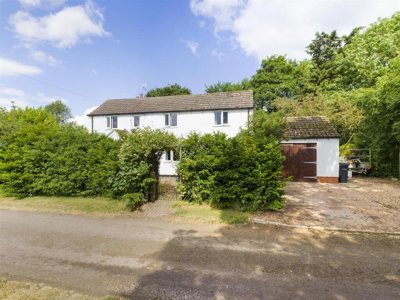
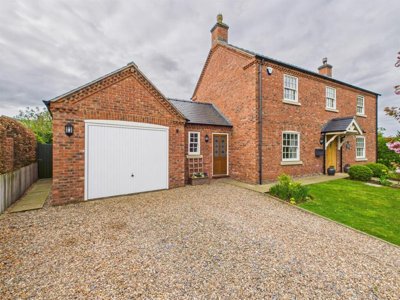
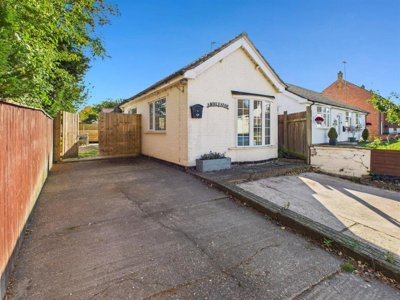
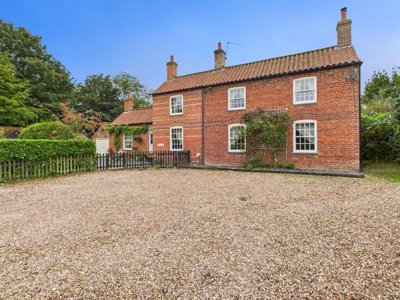
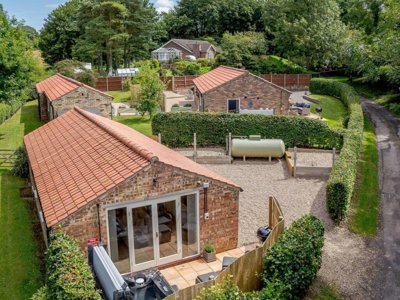
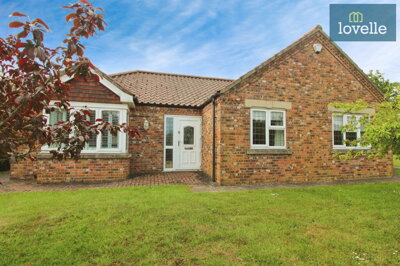
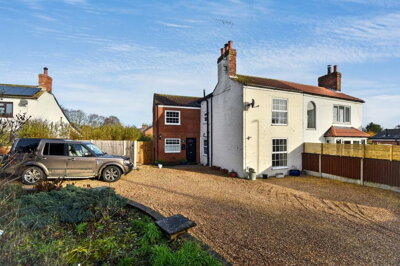
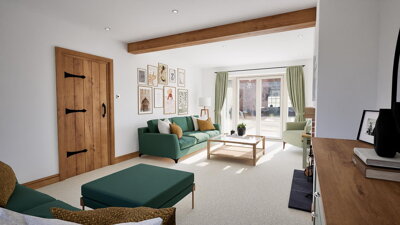
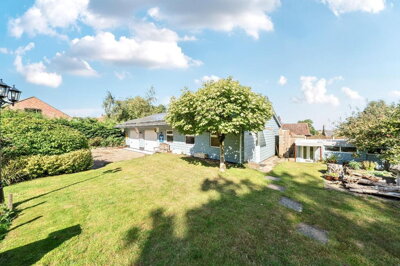
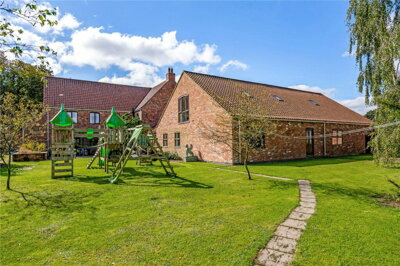
Browse 10 homes for sale in Tetford, East Lindsey from local estate agents.
£420k
6
3
37
Source: home.co.uk
Source: home.co.uk
Detached
3 listings
Avg £490,000
Detached Bungalow
2 listings
Avg £312,500
Semi-Detached
1 listings
Avg £250,000
Source: home.co.uk
Source: home.co.uk
The Tetford property market has shown remarkable resilience and growth over the past twelve months. Our data indicates an average house price of £383,000 for properties sold in the village, representing a significant 55% increase compared to the previous year. This surge reflects broader trends in rural property markets as more buyers seek space and tranquility away from urban centres. The market peaked previously in 2020 at £417,500 before experiencing some correction, though values have since rebounded strongly. Other sources indicate an average sold price of £355,600 over the last 12 months and current values standing at approximately £391,000 as of early 2026, suggesting continued upward momentum in the local market.
Property types available in Tetford cater to diverse buyer requirements. Detached homes dominate the upper end of the market, with average prices around £508,333 reflecting their popularity among families and those seeking generous outdoor space. Semi-detached properties trade at approximately £195,000, while terraced houses average £189,975. Bungalows are particularly sought after in this village setting, appealing to downsizers and retirees drawn to single-storey living in a beautiful natural environment. The village postcode area (LN11) has seen predominantly detached property sales over the past year, confirming village preferences for space and privacy.
Unlike larger towns, Tetford has seen limited new-build development, with verified information on active developments within the village postcode area unavailable. Properties on the market therefore tend to be characterful period homes, including farmhouses dating back to 1650 and early Victorian residences. One notable modern exception is a three-bedroom detached house built in 2015 by Brian Todd Homes Ltd, demonstrating the village's capacity for contemporary residential development when planning permissions allow. The lack of new-build supply in the village helps maintain property values, as demand consistently outstrips the limited availability of modern homes suitable for families or those seeking turnkey properties.

Tetford sits within the Lincolnshire Wolds, a designated National Landscape that covers much of northern and central Lincolnshire. This protected status ensures the surrounding countryside remains unspoiled, with rolling hills, ancient woodland, and working farms defining the local character. The village itself maintains a traditional appearance, with stone and brick properties reflecting centuries of continuous habitation. The presence of historic buildings dating to the 17th and 19th centuries gives the settlement an established, settled feel that newer developments often lack.
Daily life in Tetford revolves around community and the natural environment. The village benefits from a local pub, providing a focal point for social interaction and a venue for village events. Residents enjoy extensive walking opportunities through the Wolds, with public footpaths crisscrossing farmland and woodland. The nearby market towns of Horncastle, approximately nine miles away, offer additional amenities including independent shops, restaurants, and regular farmers markets. Louth, known as the capital of the Wolds, lies a similar distance and provides further retail and leisure options, including larger supermarkets, medical centres, and a choice of secondary schools.
The demographic profile of Tetford reflects its appeal to families and older couples seeking rural tranquility. The village attracts professionals who work remotely or commute to larger centres, as well as retirees drawn by the peaceful setting and access to healthcare facilities in nearby towns. Community spirit remains strong, with events throughout the year bringing residents together. The village hall hosts various activities and serves as an important social hub for this close-knit community. The village and surrounding hamlets provide a network of smaller primary schools that serve the scattered rural communities of the Wolds, often benefiting from close teacher-pupil relationships.

Education provision for Tetford families relies primarily on village primary schools and the secondary schools located in nearby market towns. Primary-aged children in the village and surrounding hamlets typically attend local schools that serve the scattered rural communities of the Wolds. These smaller schools often benefit from close teacher-pupil relationships and strong community involvement. Parents should research current admission arrangements and catchment areas, as geographic spread in rural Lincolnshire can affect school placements. School transport arrangements for younger children are typically managed through the local education authority, with bus services connecting rural villages to primary school catchments.
Secondary education for Tetford residents usually involves travel to one of the larger towns in East Lindsey. Horncastle hosts several secondary schools serving the southern Wolds area, including Queen Elizabeth Sports College which offers a range of GCSE and A-Level courses along with specialist subjects and extracurricular programmes. Louth provides additional options in the north of the Wolds, with King Edward VI Grammar School providing academic education for students from the surrounding rural area. Transport arrangements for secondary school pupils are typically managed through the local education authority, with dedicated bus services connecting rural villages to secondary school catchments.
Further education opportunities in the region include colleges in Lincoln, Grantham, and Boston, offering vocational courses and academic qualifications for students continuing their education beyond GCSE. Sixth form provision at secondary schools in nearby towns provides an alternative pathway for academic study. Families relocating to Tetford should consider current school Ofsted ratings and admission policies when evaluating properties, as school catchment areas can significantly impact family relocation decisions. The competitive nature of popular rural schools means that families should verify current admission criteria and consider the travel implications of their school choices before committing to a property purchase.
Tetford occupies a semi-rural position in the Lincolnshire Wolds, with transport connections typical of an isolated village setting. The nearest railway stations are located in larger towns, with Grimsby Town station providing connections to major cities including Sheffield, Manchester, and Birmingham via the national rail network. Most residents rely on private vehicles for daily transport, with the village connected to the A16 and A158 trunk roads providing routes to market towns and coastal destinations. The village sits approximately 15 miles from Grimsby, with the journey taking around 30 minutes by car, while Lincoln is approximately 25 miles away requiring around 45 minutes travel time.
Bus services in rural Lincolnshire operate on reduced frequencies compared to urban areas, with Tetford connected to surrounding villages and towns through limited daily services. Residents without private transport should verify current timetables before purchasing property, particularly if regular commuting or school transport is required. The nearest major road links include the A16 running north-south through the region, connecting Lincoln to the coastal towns of Skegness and Boston. The A158 provides an east-west route linking Lincoln with the seaside resort of Skegness, passing through or near several villages in the Wolds.
For those commuting to larger employment centres, journey times vary significantly based on destination. The journey to Lincoln takes approximately 45 minutes by car, while Grimsby and the Humber ports area require around 30 minutes. Humberside Airport, located near Grimsby, offers domestic flights and connections to European destinations, providing international travel access for residents willing to travel to the airport. Cycling is popular among residents for local journeys, with the undulating Wolds terrain presenting both challenges and rewards for enthusiastic cyclists. The village's position relative to major employment centres makes it particularly attractive to those who can work remotely or have flexible working arrangements.
Purchasing property in Tetford requires careful attention to matters specific to rural Lincolnshire living. The age of many village properties means that traditional construction methods and materials are prevalent, with brick, stone, and lime mortar typical of historic buildings. Properties dating from the 17th century, such as the farmhouses found in the village, will have been constructed using traditional techniques that differ significantly from modern building standards. Prospective buyers should commission thorough surveys for any property over 50 years old, as structural issues, damp penetration, and outdated electrical systems are common in period homes. The presence of properties dating to 1650 suggests that specialist conservation expertise may be required for the most historic buildings.
The Lincolnshire Wolds geology and local construction practices mean that properties may exhibit issues common to period buildings in this region. Traditional lime mortar pointing, which allows buildings to breathe, was standard in historic construction but is sometimes incorrectly replaced with cement mortar in modern renovations, leading to damp problems and deterioration of the original fabric. Roof structures in older properties may have been repaired or partially replaced over the years, and original clay tile or slate coverings may have been substituted with modern concrete tiles that alter the appearance and weight loading of the property. Electrical wiring in properties built before the 1960s will almost certainly require updating to meet current safety standards.
Flood risk information specific to Tetford was not identified in available research data, though buyers should verify with the Environment Agency and local authority planning department before committing to a purchase. Properties in the Wolds may be affected by surface water drainage issues during heavy rainfall, particularly those located in low-lying areas or near watercourses. Building insurance costs should be researched alongside flood risk assessments to ensure adequate coverage for the property and its contents. While no specific subsidence, mining, or coastal erosion risks were identified for Tetford in the research data, the rolling terrain of the Wolds means that some properties may be located on slopes that require consideration of ground stability.
Planning considerations in Tetford differ from urban markets, with the National Landscape designation potentially affecting permitted development rights and exterior alterations. Properties within or adjacent to the protected landscape may face additional planning scrutiny for extensions, outbuildings, or changes of use. Conservation area status, if applicable to specific parts of the village, would impose further restrictions on alterations to preserve character. The presence of historic properties including 17th-century farmhouses and Victorian-era homes suggests that some buildings may be listed, which would require Listed Building Consent for any external or structural alterations. Prospective buyers should consult East Lindsey District Council planning records and the Historic England listed building database before proceeding with purchase offers on properties with development potential.
Leasehold versus freehold tenure requires specific attention for any flat or certain house purchases, as leasehold arrangements can involve ground rent charges and service fees that accumulate over time. The majority of houses in rural villages like Tetford are freehold, but shared ownership arrangements or retirement housing complexes may operate under leasehold terms. Our inspectors frequently note that retirement properties in rural locations often have additional clauses regarding age restrictions, service charges for communal facilities, and procedures for resale that differ from standard freehold purchases. Solicitors should investigate lease conditions thoroughly, including any clauses permitting landlord access, service charge schedules, and procedures for lease extension or purchase of freehold.
Start your property search by exploring available listings in Tetford on Homemove. Review recent sale prices, property types, and the character of different neighbourhoods within the village and surrounding hamlets. Understanding market conditions helps you make competitive offers and negotiate effectively. Our platform brings together listings from multiple estate agents, giving you a comprehensive view of what the village market currently offers.
Before viewing properties, obtain a mortgage agreement in principle from a lender or broker. This document demonstrates your financial readiness to sellers and estate agents, strengthening your position when making offers on homes in this competitive rural market where properties can sell quickly. Given the higher average property values in Tetford compared to urban areas, ensure your mortgage in principle covers the full anticipated purchase price.
Visit shortlisted properties in person to assess their condition, location, and suitability. Pay attention to the age of construction, maintenance requirements, and proximity to amenities. Take photographs and notes to compare properties later in your decision-making process. For period properties, note any signs of damp, structural movement, or outdated services that may require investigation.
Once your offer is accepted, arrange for a professional survey of the property. For older homes in Tetford, this standard homebuyer report identifies structural issues, damp, roof condition, and other defects that may not be visible during viewings. Given the prevalence of period properties in the village, our inspectors often identify issues related to traditional construction methods, lime mortar pointing, and historic roof structures that require specialist attention.
Appoint a solicitor to handle the legal aspects of your purchase. They will conduct searches with East Lindsey District Council, investigate title deeds, and coordinate with the seller's solicitor to ensure smooth transfer of ownership. Legal costs typically range from £500 to £1,500 depending on property value and complexity. Your solicitor should also investigate any planning restrictions related to the National Landscape designation.
Finalise your mortgage, pay stamp duty, and arrange building insurance before the agreed completion date. Your solicitor coordinates the final steps, transferring funds and receiving keys from the seller's agent. On completion day, you receive the keys to your new Tetford home. Ensure buildings insurance is in place from the completion date, as this is typically a mortgage lender requirement.
Stamp Duty Land Tax applies to all residential property purchases in England above certain thresholds, and understanding these costs is essential when budgeting for your Tetford home. The current rates for standard buyers start at 0% on the first £250,000 of property value, rising to 5% on the portion between £250,001 and £925,000. For a typical Tetford property priced at the village average of £383,000, this means stamp duty of £6,650 on completion. Higher value properties attract additional rates reaching 10% and 12% for homes priced above £925,000 and £1.5 million respectively.
First-time buyers benefit from relief that raises the zero-rate threshold to £425,000, with 5% applying between £425,001 and £625,000. This relief applies to properties purchased exclusively by first-time buyers who do not own or have previously owned residential property anywhere in the world. For qualifying first-time buyers purchasing a property at the Tetford average price of £383,000, no stamp duty would be payable due to the property falling entirely within the relief threshold. However, first-time buyers should note that relief is withdrawn if the property includes a garden or annexe that has been purchased as part of the same transaction.
Beyond stamp duty, buyers should budget for additional costs including mortgage arrangement fees typically ranging from £500 to £2,000, valuation fees from £300 to £1,500 depending on property value, and solicitor fees from £500 to £1,500 for conveyancing. Survey costs for a RICS Level 2 Homebuyer Report typically start from around £350 for smaller properties, rising to £600 or more for substantial family homes. Buildings insurance should be in place from the completion date, with annual premiums varying based on property value, construction, and risk factors. Total buying costs typically range from 2% to 5% of the purchase price, so budgeting £8,000 to £20,000 for a £383,000 property covers these additional expenses. Properties in the Wolds with thatched roofs or listed status may attract higher insurance premiums, so factor these potential costs into your budgeting.
The average house price in Tetford over the past year was £383,000 according to our property data. Detached properties average £508,333, semi-detached homes around £195,000, and terraced properties approximately £189,975. Prices have risen significantly, up 55% compared to the previous year, though still 8% below the 2020 peak of £417,500. Current market data suggests values have continued climbing, with some sources indicating average sold prices of approximately £391,000 as of early 2026, making this an active and growing market.
Properties in Tetford fall under East Lindsey District Council jurisdiction for council tax purposes. Specific band allocations depend on property value assessments made by the Valuation Office Agency. Band D properties in this district currently pay around £1,800 to £1,950 annually, though bands range from A through H based on property value. The age and character of many Tetford properties means that bandings can vary considerably depending on the property's assessed value, so buyers should verify the specific band with the selling agent before purchase as council tax forms part of the ongoing cost of ownership.
Primary education in Tetford is served by local village schools serving the surrounding rural communities, with smaller class sizes often providing close teacher-pupil relationships. Secondary school options include schools in Horncastle, approximately nine miles away, and Louth which is similarly accessible and known as the capital of the Wolds. Families should research current Ofsted ratings and admission catchment areas when evaluating properties, as school places can be competitive in popular rural areas and transport arrangements may be required for secondary education.
Tetford has limited public transport provision typical of a small rural village in the Lincolnshire Wolds. Bus services connect the village to surrounding towns and villages, but operate on reduced frequencies that require planning ahead. The nearest railway stations are located in larger towns, with Grimsby offering connections to major cities including Sheffield, Manchester, and Birmingham via the national rail network. Most residents rely on private vehicles for daily transport and commuting purposes, though the village's position between the A16 and A158 trunk roads provides reasonable road access to surrounding market towns and employment centres.
The Tetford property market has shown strong performance, with prices rising 55% over the past year and continued upward momentum into early 2026. The village's position within the Lincolnshire Wolds National Landscape ensures continued demand from buyers seeking rural properties with excellent natural surroundings and protected countryside. Limited new build supply supports values, while the growing trend towards remote working makes village locations more attractive to buyers previously limited to urban employment centres. The village attracts professionals who work remotely or have flexible working arrangements, as well as families seeking space and good schools in a rural setting.
For a property priced at the Tetford average of £383,000, standard buyers pay stamp duty of £6,650 based on current SDLT rates. First-time buyers benefit from relief, paying zero stamp duty on properties up to £425,000, meaning no stamp duty would apply to a typical Tetford purchase. Additional costs include solicitor fees of £500 to £1,500, survey costs from £350 to £600 for a standard RICS Level 2 report, and mortgage arrangement fees of £500 to £2,000 depending on the lender chosen.
The Tetford property market offers predominantly detached homes reflecting village preferences for space and privacy. Available properties include period farmhouses dating to the 17th century, Victorian and Edwardian family homes, and occasional modern detached houses such as a three-bedroom property built in 2015 by Brian Todd Homes Ltd. Semi-detached and terraced properties provide more affordable entry points to the village market, with prices around £190,000. Bungalows are particularly sought after, appealing to downsizers and retirees drawn to single-storey living in this picturesque Wolds village.
Competitive mortgage rates for your Tetford purchase
From 4.5% APR
Expert legal services for property purchase
From £499
Professional homebuyer report for your Tetford property
From £350
Energy performance certificate for your property
From £80
Properties for Sale In London

Properties for Sale In Plymouth

Properties for Sale In Liverpool

Properties for Sale In Glasgow

Properties for Sale In Sheffield

Properties for Sale In Edinburgh

Properties for Sale In Coventry

Properties for Sale In Bradford

Properties for Sale In Manchester

Properties for Sale In Birmingham

Properties for Sale In Bristol

Properties for Sale In Oxford

Properties for Sale In Leicester

Properties for Sale In Newcastle

Properties for Sale In Leeds

Properties for Sale In Southampton

Properties for Sale In Cardiff

Properties for Sale In Nottingham

Properties for Sale In Norwich

Properties for Sale In Brighton

Properties for Sale In Derby

Properties for Sale In Portsmouth

Properties for Sale In Northampton

Properties for Sale In Milton Keynes

Properties for Sale In Bournemouth

Properties for Sale In Bolton

Properties for Sale In Swansea

Properties for Sale In Swindon

Properties for Sale In Peterborough

Properties for Sale In Wolverhampton

Enter your details to see if this property is within your budget.
Loans, cards, car finance
Estimated property budget
Borrowing + deposit
You could borrow between
Typical borrowing
Monthly repayment
Est. at 4.5%
Loan-to-value
This is an estimate only. Your actual budget may vary depending on interest rates, credit history, and personal circumstances. For an accurate affordability assessment, speak to one of our free mortgage advisors.
This calculator provides estimates for illustrative purposes only and does not constitute financial advice. Your home may be repossessed if you do not keep up repayments on your mortgage. Estimates based on 4.5% interest rate, repayment mortgage. Actual rates depend on your circumstances.
Homemove is a trading name of HM Haus Group Ltd (Company No. 13873779, registered in England & Wales). Homemove Mortgages Ltd (Company No. 15947693) is an Appointed Representative of TMG Direct Limited, trading as TMG Mortgage Network, which is authorised and regulated by the Financial Conduct Authority (FRN 786245). Homemove Mortgages Ltd is entered on the FCA Register as an Appointed Representative (FRN 1022429). You can check registrations at NewRegister or by calling 0800 111 6768.

We use cookies to show you personalised content and improve your experience of our website. Find out more in our Privacy policy and Cookie policy.