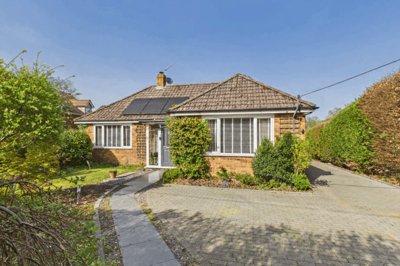
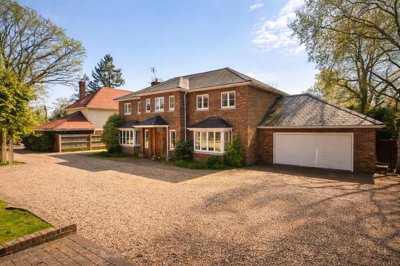
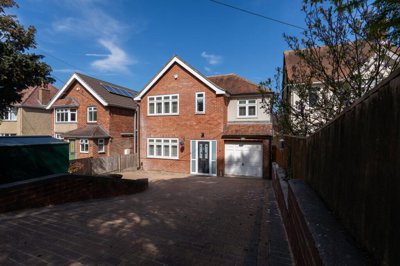
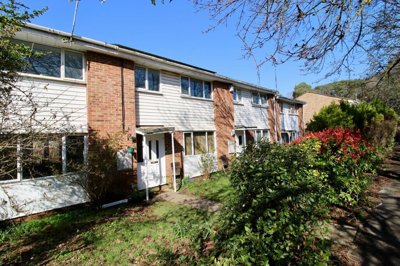
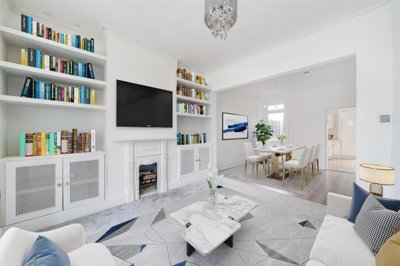
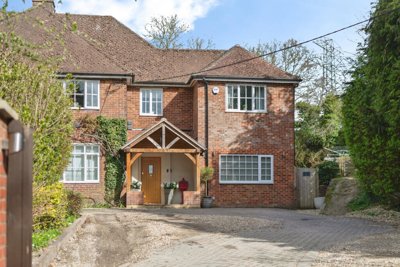
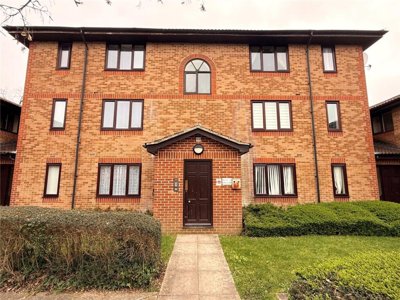
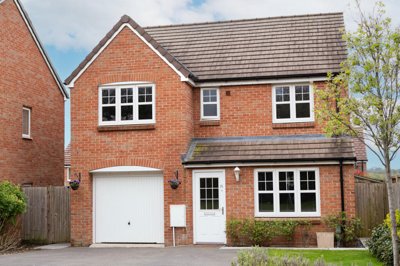
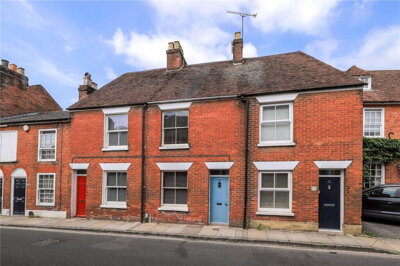
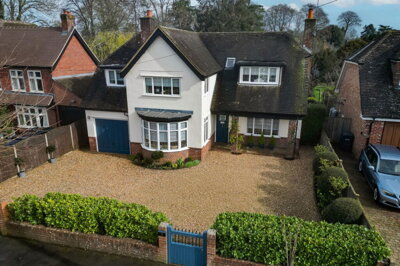
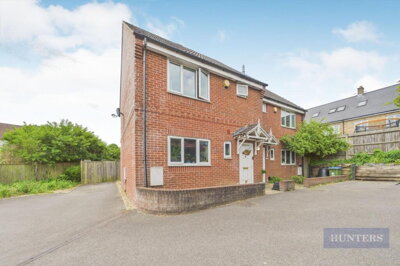
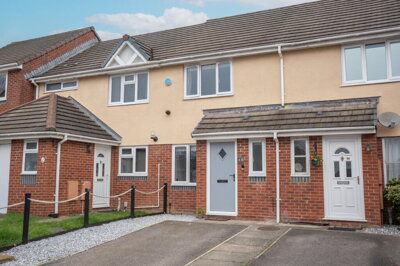
Browse 3,127 homes for sale in Test Valley from local estate agents.
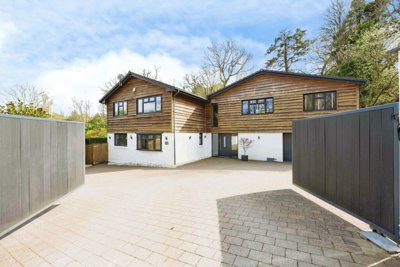
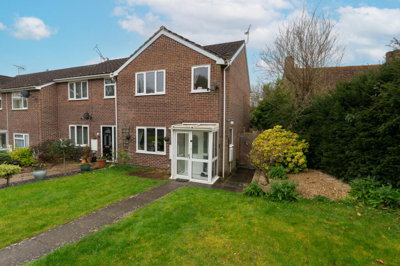
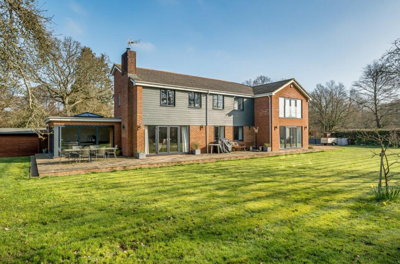
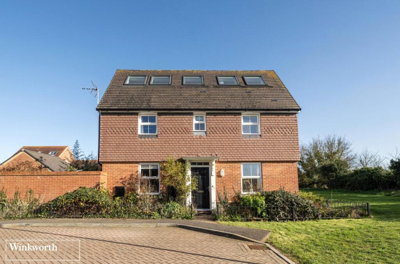
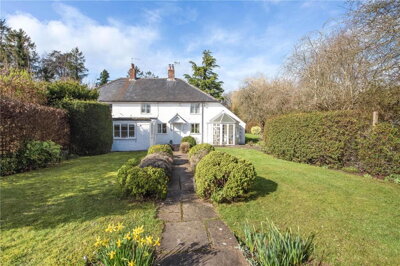
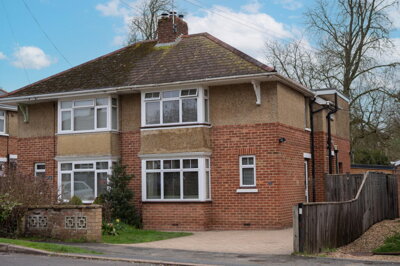
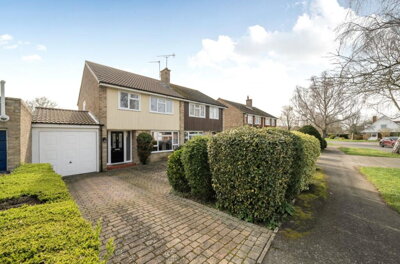
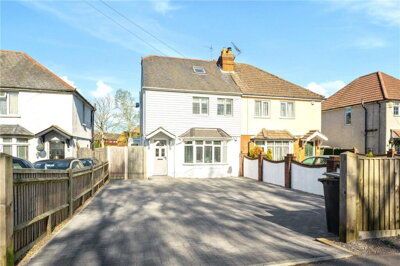
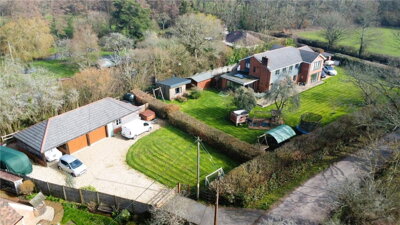
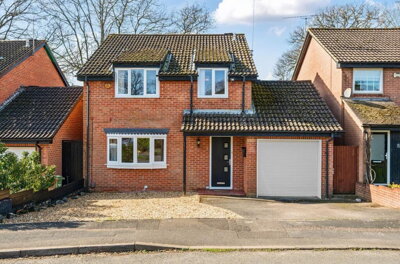
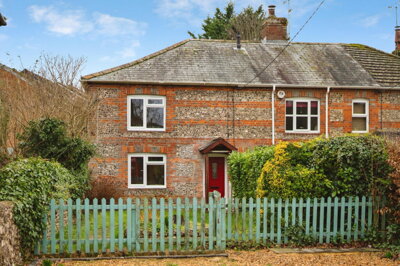
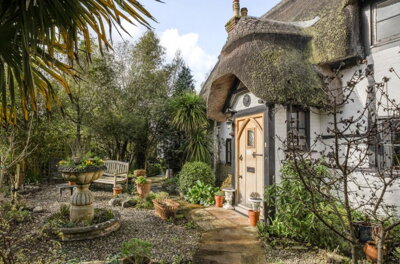
The Test Valley property market presents a diverse range of housing options to suit different budgets and lifestyles. Detached properties command the highest prices at an average of £601,000, reflecting the strong demand for family homes with generous gardens in this semi-rural part of Hampshire. Semi-detached homes average £359,000, offering excellent value for buyers seeking that perfect balance between space and affordability in a sought-after location.
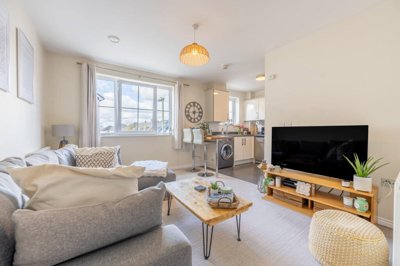
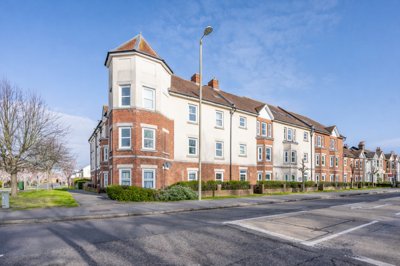
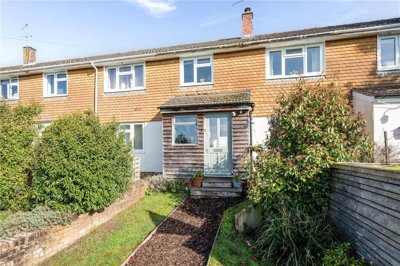
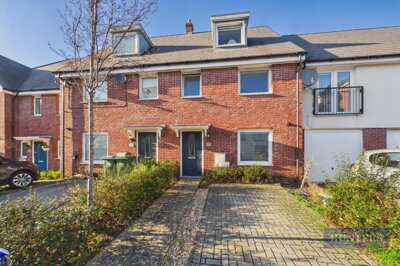
Terraced properties in Test Valley average £285,000, providing an accessible entry point for first-time buyers looking to establish themselves in this desirable area. Flats and maisonettes average £174,000, though these represent a smaller proportion of the housing stock given Test Valley's predominantly family-oriented character. Recent data shows 59 property sales completed in February 2024, a figure that reflects both the area's steady popularity and a natural market correction following 108 sales recorded five years prior.
The wider Hampshire county saw property prices decline by approximately 2% over the twelve months to December 2025, with transaction volumes dropping by 11.8% across 21,900 completed sales. Test Valley has mirrored this broader regional trend, though the area's strong fundamentals including excellent schools, transport links, and countryside access continue to attract buyers who recognise the long-term value of living in this part of southern England. For buyers in a position to purchase, current market conditions present opportunities to secure properties at more realistic valuations than the competitive bidding situations seen during the post-pandemic boom.
The housing stock in Test Valley skews heavily towards detached and semi-detached family homes, a pattern reflected in the average property price of £371,000. This figure sits below the Hampshire county average, suggesting relative affordability for a borough that offers excellent connectivity and countryside amenities. The modest price correction seen over the past year has opened doors for buyers who found Test Valley previously beyond their budget, though demand for quality family homes in good school catchments remains consistently strong throughout the market cycle.

Test Valley takes its name from the celebrated River Test, one of England's most famous chalk streams, which winds through pristine water meadows and provides a stunning backdrop to daily life in this part of Hampshire. The borough encompasses approximately 56,000 dwellings spread across market towns, established villages, and rural parishes, creating a community that balances local amenities with genuine countryside access. The area's character attracts those who appreciate traditional English village life while maintaining practical connections to employment centres.
The market towns of Andover and Romsey serve as the commercial and social hubs of the borough. Andover sits strategically along the A303 trunk road and offers comprehensive shopping facilities including the Chantry Centre and Riverside Shopping Park, while Romsey provides a more intimate market town atmosphere with independent shops, cafes, and historical architecture centred around the impressive Romsey Abbey. Between these towns lies a landscape of farmland, woodland, and conservation areas that define Test Valley's rural character and provide endless opportunities for walking, cycling, and outdoor recreation along the River Test's famous chalk stream.
Demographically, Test Valley attracts families drawn by the outstanding state schools, professionals commuting to Southampton, Winchester, and Salisbury, and retirees seeking a peaceful setting without isolation. The borough's employment base is supported by significant public sector employers including Ministry of Defence facilities near Andover, healthcare services, and education establishments. Community life centres around local events, farmers markets in both market towns, and the numerous pubs and restaurants that showcase Hampshire produce including the celebrated Hampshire pig and locally caught game.
The Test Way long-distance footpath traverses the borough, providing residents with access to over 50 miles of walking routes connecting Test Valley to the ancient cathedral city of Winchester. This blend of rural character and practical accessibility makes the borough particularly appealing to buyers who value an active outdoor lifestyle without sacrificing access to urban employment and cultural amenities. The presence of well-maintained village halls, sports clubs, and community associations ensures that newcomers to Test Valley quickly feel integrated into the local community.

Education stands as one of Test Valley's strongest appeals for families considering a move to this part of Hampshire. The borough hosts a selection of primary schools that consistently achieve favourable Ofsted ratings, providing local children with solid educational foundations within walking distance of family homes. Parents researching the area will find that Test Valley's primary schools benefit from supportive communities and dedicated teaching staff who understand the needs of growing families. Notable primary schools serving the area include Icknield School in Andover and Romsey Primary School, both of which have established strong reputations within the local community.
Secondary education in Test Valley includes several well-regarded schools serving the towns of Andover and Romsey, with good transport connections enabling students from surrounding villages to access comprehensive education without excessive commuting. Test Valley School in Andover and The Romsey School both provide secondary education within the borough, serving catchment areas that extend into the surrounding villages. For families prioritising academic selective education, the surrounding Hampshire area includes notable grammar schools in towns like Basingstoke and Southampton, with school transport arrangements making these options accessible to Test Valley residents. Sixth form provision in the borough enables students to continue their education locally, reducing the need for travel during the important final school years.
The presence of quality education significantly influences the Test Valley property market, with homes located within favourable school catchment areas commanding premium prices. Families moving to Test Valley should research specific school catchments and admission arrangements early in their property search, as demand for homes near top-performing schools remains consistently strong throughout the year. Postcode-based school admissions mean that even neighbouring streets can fall into different catchment areas, making this research essential before committing to a property purchase.

Test Valley offers practical transport connections that balance rural charm with accessibility to major employment centres. The A303 trunk road passes through the borough near Andover, providing direct access to the M3 motorway at junction 8 and connecting residents to London, the South Coast, and the West Country. This strategic positioning makes Test Valley particularly attractive to commuters who work in Southampton, Winchester, or Salisbury but prefer the quality of life offered by countryside living. The A343 runs through the Test Valley connecting Andover to the north, passing through the villages of Lower Wyke and Grateley with its direct rail services to London.
Rail services from Andover station provide connections to London Waterloo via Basingstoke, with journey times of approximately 65 minutes making regular commuting feasible for professionals working in the capital. Romsey station offers South Western Railway services connecting to Southampton, Salisbury, and Winchester, with direct trains to Bournemouth available via the TransWilts line. These rail connections mean Test Valley residents can access major business districts without the stress and cost of city centre living. The nearby mainline station at Basingstoke provides additional connectivity options for those working in the wider South East.
Local bus services operated by Stagecoach and local operators connect the towns and villages throughout Test Valley, though frequencies on rural routes may be limited compared to urban areas. The Number 46 service connects Andover to Romsey via villages including Fullerton and Litchfield, providing a lifeline for residents without cars. Many Test Valley residents rely on cars for daily logistics while using rail services for longer commutes. Cycling infrastructure has improved in recent years, particularly around the main towns, though the hilly terrain in some areas requires consideration when planning active travel options.

Start by exploring Test Valley's different neighbourhoods, from the market towns of Andover and Romsey to the surrounding villages. Consider your commute requirements, school catchment areas, and preferred property types to narrow your search effectively. We recommend spending time in different areas at various times of day to get a genuine feel for each neighbourhood's character.
Before viewing properties, obtain a mortgage agreement in principle from a lender. This strengthens your position when making offers and demonstrates to sellers that you have secured financing. Our mortgage partners can help you compare rates and find the best deal for your circumstances, guiding you through the often complex process of securing the right home loan.
Use Homemove to browse all available properties in Test Valley and schedule viewings through our partner estate agents. Take time to assess each property's condition, potential, and proximity to amenities and transport links. We recommend viewing several properties before making any decisions to ensure you have adequate comparison points.
Once you have an offer accepted, book a RICS Level 2 Survey to assess the property's condition and identify any issues requiring attention. Given Test Valley's mix of older properties, a thorough survey is particularly valuable. Our partner RICS surveyors understand the common issues affecting properties in Hampshire and can provide detailed reports on any concerns discovered.
Choose a conveyancing solicitor to handle the legal aspects of your purchase. Your solicitor will conduct searches, handle contracts, and coordinate with the seller's representatives through to completion. We work with conveyancing providers who have experience handling Test Valley property transactions.
After all searches are satisfactory and finances are confirmed, you will exchange contracts and pay your deposit. Completion typically follows within weeks, when you will receive your keys and become the official owner of your Test Valley home. On the day of completion, our team can provide guidance on next steps for settling into your new property.
Property buyers in Test Valley should pay particular attention to flood risk considerations, particularly for homes located near the River Test or its tributaries. While Test Valley is an inland borough without coastal exposure, properties in valley locations and near watercourses may face elevated surface water and river flooding risks during periods of heavy rainfall. The Environment Agency flood maps provide detailed information on specific flood zones that should be consulted before purchasing any property in the area. Properties in low-lying areas near Chalk Stream tributaries warrant particular scrutiny regarding drainage and historical flooding incidents.
Conservation areas throughout Test Valley, particularly in the historic market towns of Romsey and Andover, impose planning restrictions on alterations and extensions that buyers should understand before committing to a purchase. Properties listed as Grade I, Grade II*, or Grade II may require specialist surveys and consent for changes, potentially adding complexity and cost to renovation projects. The character of living within a conservation area, however, often justifies these considerations through the preservation of attractive streetscapes and historical character. Buyers should request copies of any planning consents from the seller to ensure previous owners obtained necessary permissions.
Given the age profile of much of Test Valley's housing stock, buyers should commission thorough surveys that examine common issues including damp, roof condition, and the integrity of traditional construction methods. Many homes in the borough will have solid walls rather than cavity insulation, requiring different approaches to energy efficiency improvements. The chalk geology underlying much of Test Valley generally provides good foundations, though localised areas may present challenges that a proper survey would identify. Service charges and maintenance fees for leasehold properties, while less common in this predominantly freehold area, should be verified with your solicitor to ensure full understanding of ongoing costs.

The average house price in Test Valley was £371,000 as of December 2025, according to provisional ONS and Land Registry data. Property prices have decreased by approximately 2.5% over the previous twelve months, reflecting broader market conditions in Hampshire. Detached properties average £601,000, semi-detached homes £359,000, terraced properties £285,000, and flats £174,000. The Test Valley market offers good value compared to neighbouring areas like Winchester and Southampton, particularly for buyers seeking larger family homes with garden space.
Properties in Test Valley fall under Test Valley Borough Council and are assigned council tax bands A through H depending on property value. Most family homes in the area, including semi-detached and detached properties, typically fall into bands C through E. Buyers should verify the specific band for any property they are considering, as this affects ongoing monthly costs. Test Valley Borough Council sets its own council tax rates annually, and current bands can be confirmed through the council's website or your solicitor during the conveyancing process.
Test Valley hosts several primary and secondary schools with strong Ofsted ratings, though specific school performance varies year by year. Parents should research individual school Ofsted reports and consider catchment areas when property searching, as these can significantly impact which schools serve a particular address. The surrounding Hampshire area provides access to grammar schools in nearby towns for academically selective education. School admission policies should be consulted directly, as catchment boundaries can change and oversubscription criteria apply. We recommend visiting potential schools before purchasing to assess their suitability for your family's specific needs.
Test Valley benefits from practical public transport options despite its predominantly rural character. Andover station provides rail services to London Waterloo via Basingstoke with journey times around 65 minutes. Romsey station offers connections to Southampton, Salisbury, and Winchester via South Western Railway services, with Southampton Parkway station nearby providing faster services to London. Local bus services connect towns and villages throughout the borough, though frequencies on rural routes may be limited. The A303 trunk road provides direct road access to the M3 motorway, Southampton, and the South Coast.
Test Valley presents solid fundamentals for property investment, combining a desirable semi-rural location with practical transport connections to major employment centres. The area's strong schools, family-oriented housing stock, and quality of life continue to attract buyers from London and the South East seeking better value than prime urban markets. Rental demand remains steady given the presence of MOD facilities in Andover and good commuter connections. While price growth has been modest, the stability of the local market and consistent demand suggest Test Valley properties hold their value well over the medium term. The relatively low proportion of flats in the housing stock means rental yields may be slightly lower than in urban areas, but vacancy periods tend to be short in this desirable location.
Stamp duty rates for 2024-25 apply to all properties in England, including Test Valley. Standard rates are 0% on the first £250,000, 5% on £250,001 to £925,000, 10% on £925,001 to £1.5 million, and 12% above £1.5 million. First-time buyers benefit from relief on the first £425,000 (0% rate) with 5% applying between £425,001 and £625,000. Given the Test Valley average price of £371,000, a standard buyer would pay approximately £6,050 in stamp duty, while first-time buyers would pay nothing on most properties at this price point. Additional buyer SDLT surcharges may apply for non-UK residents.
From 4.5%
Compare mortgage deals and find the best rate for your Test Valley purchase
From £499
Expert legal services for your property transaction
From £350
Professional survey to assess property condition
From £85
Energy performance certificate for your new home
Understanding the full costs of buying property in Test Valley helps you budget accurately and avoid surprises during the transaction. The primary cost beyond the purchase price is stamp duty, officially called Stamp Duty Land Tax, which applies to all English property purchases. For a typical Test Valley home at the current average price of £371,000, a standard buyer would pay approximately £6,050 in stamp duty after the nil-rate threshold of £250,000. This figure can be calculated precisely using HMRC's online stamp duty calculator or by consulting your solicitor or mortgage adviser.
First-time buyers purchasing property in Test Valley benefit from enhanced stamp duty relief that raises the nil-rate threshold to £425,000. This means a first-time buyer purchasing a property at or below £425,000 would pay no stamp duty at all, representing significant savings compared to previous thresholds. For properties priced between £425,001 and £625,000, first-time buyers pay 5% on that portion. Properties above £625,000 receive no first-time buyer relief, so careful calculation is essential for higher-value purchases. First-time buyer status must be confirmed as having never owned property anywhere in the world.
Beyond stamp duty, buyers should budget for solicitor conveyancing fees typically ranging from £500 to £1,500 depending on complexity and property value. Survey costs for a RICS Level 2 Survey range from approximately £350 for smaller properties to £600 or more for larger homes. Mortgage arrangement fees vary by lender but often range from 0% to 1.5% of the loan amount. Search fees, land registry charges, and miscellaneous costs add a further £300 to £500. In total, buyers should anticipate additional costs of approximately 2% to 3% of the purchase price on top of their deposit and mortgage. For a £371,000 property, this means budgeting an additional £7,420 to £11,130 for all purchase costs beyond the deposit.

Properties for Sale In London

Properties for Sale In Plymouth

Properties for Sale In Liverpool

Properties for Sale In Glasgow

Properties for Sale In Sheffield

Properties for Sale In Edinburgh

Properties for Sale In Coventry

Properties for Sale In Bradford

Properties for Sale In Manchester

Properties for Sale In Birmingham

Properties for Sale In Bristol

Properties for Sale In Oxford

Properties for Sale In Leicester

Properties for Sale In Newcastle

Properties for Sale In Leeds

Properties for Sale In Southampton

Properties for Sale In Cardiff

Properties for Sale In Nottingham

Properties for Sale In Norwich

Properties for Sale In Brighton

Properties for Sale In Derby

Properties for Sale In Portsmouth

Properties for Sale In Northampton

Properties for Sale In Milton Keynes

Properties for Sale In Bournemouth

Properties for Sale In Bolton

Properties for Sale In Swansea

Properties for Sale In Swindon

Properties for Sale In Peterborough

Properties for Sale In Wolverhampton

Enter your details to see if this property is within your budget.
Loans, cards, car finance
Estimated property budget
Borrowing + deposit
You could borrow between
Typical borrowing
Monthly repayment
Est. at 4.5%
Loan-to-value
This is an estimate only. Your actual budget may vary depending on interest rates, credit history, and personal circumstances. For an accurate affordability assessment, speak to one of our free mortgage advisors.
This calculator provides estimates for illustrative purposes only and does not constitute financial advice. Your home may be repossessed if you do not keep up repayments on your mortgage. Estimates based on 4.5% interest rate, repayment mortgage. Actual rates depend on your circumstances.
Homemove is a trading name of HM Haus Group Ltd (Company No. 13873779, registered in England & Wales). Homemove Mortgages Ltd (Company No. 15947693) is an Appointed Representative of TMG Direct Limited, trading as TMG Mortgage Network, which is authorised and regulated by the Financial Conduct Authority (FRN 786245). Homemove Mortgages Ltd is entered on the FCA Register as an Appointed Representative (FRN 1022429). You can check registrations at NewRegister or by calling 0800 111 6768.

We use cookies to show you personalised content and improve your experience of our website. Find out more in our Privacy policy and Cookie policy.