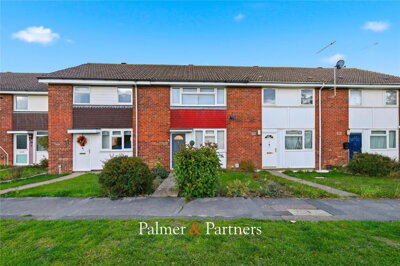
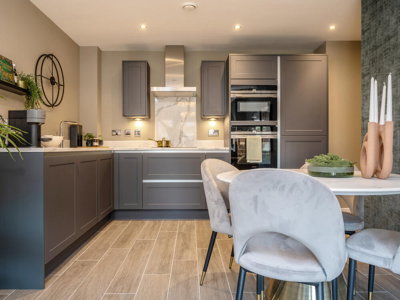
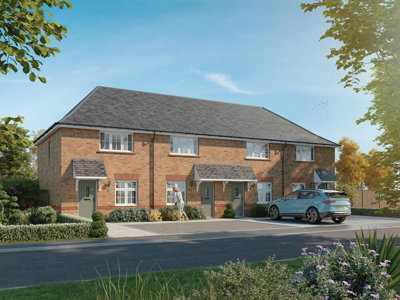
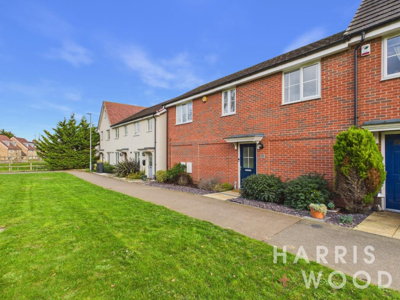
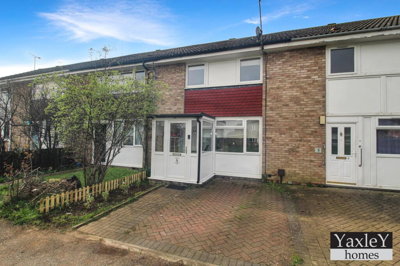
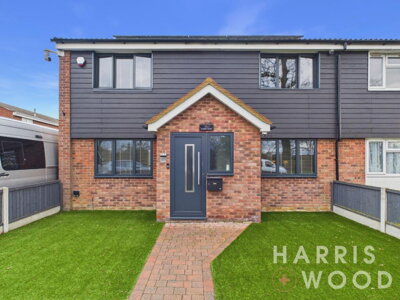
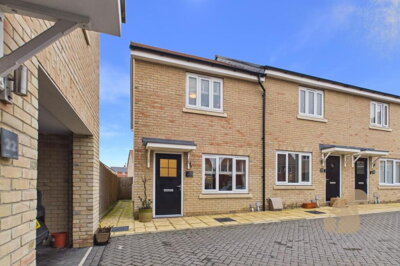
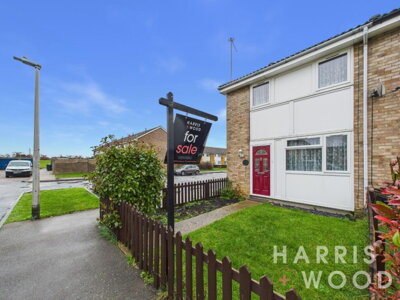
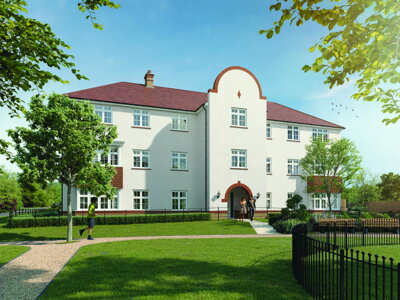
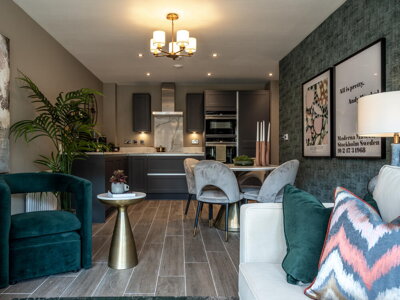
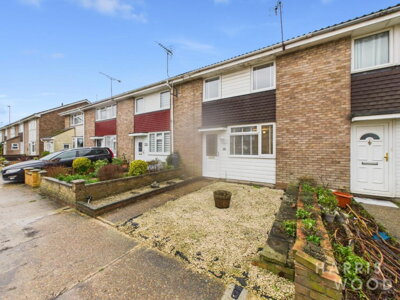
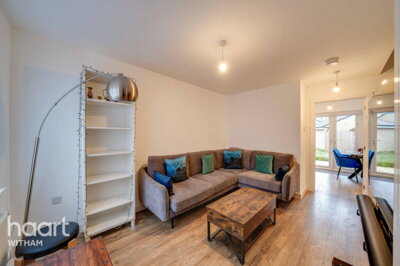
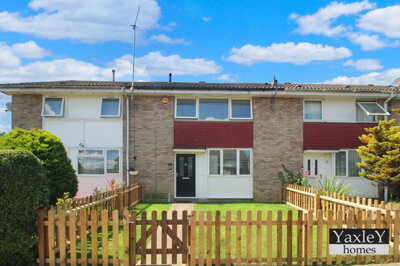
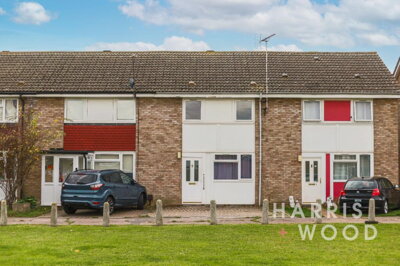
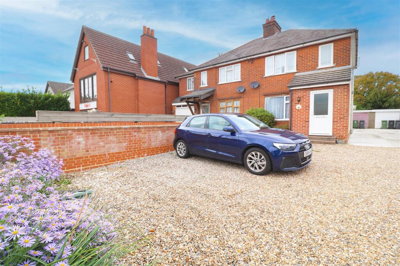
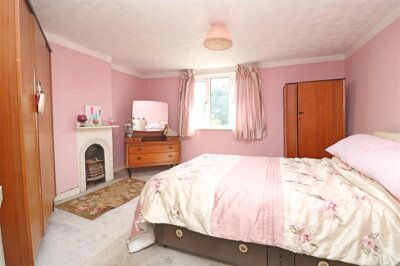
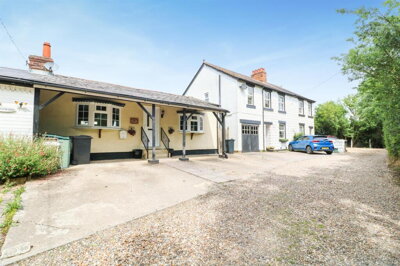
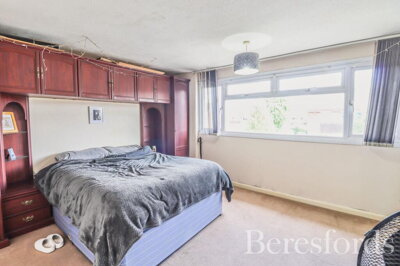
Browse 18 homes for sale in Terling, Braintree from local estate agents.
The 2 bed house market features detached, semi-detached, and terraced properties with two separate bedrooms plus living spaces. Properties in Terling range from Victorian and Edwardian period homes to modern new builds, with pricing varying across different neighbourhoods.
£0k
0
0
0
Source: home.co.uk
Showing 0 results for 2 Bedroom Houses for sale in Terling, Braintree.
The Terling property market reflects the village's prestigious status within Essex, with the average sold house price in The Street, Terling CM3 reaching £538,321 according to Land Registry data. Detached properties command the highest prices, averaging £666,111 on The Street, with Rightmove data suggesting averages of £781,667 for this property type across the village. Semi-detached homes in Terling CM3 average £475,000, while the market remains predominantly characterised by larger family homes rather than terraced properties or apartments.
Recent transaction volumes have been modest, consistent with a village of this size. Over the past 12 months, there have been 4 recorded sales in Terling CM3, comprising 3 detached properties and 1 semi-detached home. This limited supply reflects the village's exclusive character and the relative scarcity of properties coming to market. For buyers, this means acting decisively when suitable properties become available, while the premium nature of the market makes thorough research into local values essential before making offers.
The village's housing stock skews heavily toward larger detached properties, with detached homes accounting for approximately three-quarters of recent sales. Terraced properties and apartments are exceptionally rare in the village, with zero sales recorded for these property types over the past 12 months. This scarcity means buyers seeking smaller properties may need to broaden their search to neighbouring villages such as Hatfield Peverel or Witham, which offer a greater variety of property types at comparatively lower price points. The predominance of detached housing also means that family-sized accommodation with generous gardens is more readily available than compact urban-style homes.
New build options in Terling are limited but include Millview Park on Braintree Road, where modern 2, 3, and 4-bedroom homes are available from £350,000, £485,000, and £560,000 respectively. For buyers seeking contemporary accommodation within the village, this development represents one of the few opportunities to purchase new build property in Terling itself. Additional new build opportunities may arise in the surrounding CM3 postcode area, though buyers should verify exact locations as nearby towns like Witham and Silver End often appear in searches for Terling properties.
Terling is a village where English heritage comes alive, with a designated Conservation Area protecting its distinctive character and 75 listed buildings recorded in the National Heritage List for England. The village dates back to Roman times, with historical records showing timber and clay houses in the sixteenth century, alongside traditional trades including tanning, weaving, malting, and flour milling. Today, the village maintains its agricultural roots while offering a peaceful residential environment within the Essex countryside, approximately 6 miles northeast of Chelmsford city centre.
The demographic profile shows a community with high owner-occupancy at 58%, alongside a notable 35% private rental sector and 7% social housing, indicating a balanced demographic mix. However, it is worth noting that 43.7% of households in Terling and Fairstead are economically inactive, higher than the 36.9% across the broader Braintree district. Despite this, unemployment rates in the Hatfield Peverel and Terling ward remain lower than district averages, with economically active adults enjoying strong employment outcomes compared to the wider Essex area.
The River Ter flows through the parkland of Terling Place, adding to the village's scenic appeal with attractive waterways and surrounding parkland. With 429 households in the combined Terling and Fairstead area according to the 2021 Census, residents enjoy an intimate community where neighbours are known to one another and village events foster strong social connections. The village's historic core centred on The Street remains largely intact, with properties ranging from modest cottages to substantial manor houses reflecting centuries of architectural development.
The village's architectural heritage is evident in the construction materials used throughout Terling. Traditional buildings feature grey brick with limestone dressings, as seen in the Grade II* Terling Place which also showcases a slate roof. Earlier properties dating to the sixteenth century were constructed using timber framing with clay infill, a technique common across rural Essex before the widespread use of modern brickmaking. Understanding these traditional building methods is valuable for buyers considering period properties, as the materials require different maintenance approaches compared to modern construction. Lime mortar pointing, breathable wall construction, and appropriate damp management are all considerations for maintaining heritage properties correctly.

For families considering Terling as their home, the village is served by primary education facilities in the surrounding area, with several well-regarded schools within easy reach by car or school transport. The local schooling landscape includes options in nearby villages and towns, with parents typically choosing between primary schools in the immediate vicinity and travelling further for secondary education. The proximity to Chelmsford, approximately 15-20 minutes by car, provides access to a wider selection of secondary schools including grammar schools and comprehensive options.
Terling's historical significance extends to its educational heritage, with the village playing a part in Essex's long tradition of schooling. Parents moving to the area should research current Ofsted ratings and admission catchment areas, as these can change and may influence school placements. For secondary education, Chelmsford offers several highly-rated schools including King Edward VI Grammar School and St John Payne Catholic School, both of which serve the Terling area. Sixth form and further education options are readily available in Chelmsford city centre, providing comprehensive progression pathways for older students.
Primary schools in nearby villages such as Hatfield Peverel, Witham, and Boreham serve the Terling area, with distances typically ranging from 2-5 miles. These village primaries provide education for children up to age 11, after which families generally arrange transport to secondary schools in Chelmsford or surrounding towns. School transport arrangements via Essex County Council may be available depending on distance and route feasibility, though many families choose to drive their children given the rural nature of the area and the winding country lanes involved. Early enquiries to the local education authority regarding catchment areas and school transport eligibility are advisable before committing to a property purchase.

Terling benefits from its position in rural Essex while maintaining reasonable connections to major transport routes. The village lies close to the A12, providing direct access to Chelmsford to the south and Colchester to the north, making it practical for residents who need to commute by car. For those working in London, the journey to Liverpool Street station takes approximately 45-60 minutes by car depending on traffic conditions, with the option to park at Chelmsford station for rail commuting. The village's location offers a balance between countryside tranquility and urban accessibility that appeals to many buyers.
Local bus services connect Terling with surrounding villages and towns, though frequencies may be limited compared to urban routes. The nearest railway stations are located in Chelmsford and Witham, both offering regular services to London Liverpool Street with journey times of around 45-50 minutes. For air travel, Stansted Airport is approximately 30 minutes by car, providing international connections and adding to the overall connectivity of the area for residents who travel frequently for business or leisure.
The village's road infrastructure is characterised by country lanes that can become narrow in places, particularly around the historic centre of The Street where parked vehicles can restrict traffic flow. Prospective buyers should consider their parking arrangements carefully, especially for properties without dedicated off-road parking, as on-street parking in the village centre can be limited during busy periods. For commuters, the availability of the A12 is a significant advantage, though rush hour traffic between Chelmsford and the village can be heavier than off-peak periods. Cyclists will find rural lanes for leisure cycling, though the winding country roads require appropriate caution and appropriate equipment.
Start by exploring current listings in Terling and understanding the village's property values. Given the average price of £538,321 and limited stock, research comparable sales on The Street and surrounding roads to gauge fair market value for different property types. Pay particular attention to the condition and heritage status of properties, as these factors significantly influence value in Terling's unique market. Register with local estate agents for alerts when new properties come to market, as the village's limited supply means competitive interest in desirable homes.
Before viewing properties, obtain a mortgage agreement in principle from a lender. This strengthens your position when making offers and demonstrates to sellers that you are a serious buyer with financing already under consideration. Given the higher property values in Terling, ensure your mortgage broker understands the local market and can secure appropriate lending for properties in this price range. Having finance arranged before viewing is particularly important in a competitive village market with limited stock.
Visit properties that match your criteria, taking time to assess the property condition, garden space, and proximity to village amenities. Given Terling's heritage properties, pay particular attention to the age of the property and any listed building status. Take notes on the construction materials and signs of maintenance requirements during viewings, paying special attention to the condition of roofs, walls, and windows in period properties.
For most properties in Terling, particularly those over 50 years old or of non-standard construction, a RICS Level 2 Survey is recommended. Local surveys start from £480 and can identify issues with damp, structural movement, or outdated electrics common in period properties. For listed buildings or older properties with complex construction, a Level 3 Survey may be more appropriate and provides more detailed analysis of construction methods and potential defects.
Once your offer is accepted, instruct a conveyancing solicitor to handle the legal aspects of your purchase. Your solicitor will conduct searches, review the contract, and manage the transfer of ownership through to completion. Ensure your solicitor has experience with rural properties and any special considerations for properties in Conservation Areas or with listed building status, as additional searches may be required.
After all searches are satisfactory and financing is confirmed, you will exchange contracts and pay your deposit. Completion typically follows within 2-4 weeks, when you will receive the keys and take ownership of your new Terling home. Budget for additional costs including Stamp Duty, solicitor fees, and any immediate repairs or improvements you plan to undertake upon moving into this historic Essex village.
Purchasing a property in Terling requires careful attention to the village's unique characteristics and the age of its housing stock. With 75 listed buildings and a Conservation Area designation, buyers must understand the implications of listed building status, which restricts alterations and requires Listed Building Consent for significant works. If purchasing a listed property, factor in potential future costs for specialist conservation work and ensure previous owners obtained necessary permissions for any alterations made. Of the 75 listed buildings, one is Grade I listed, nine are Grade II* including Terling Place, and sixty-five are Grade II listed, with each category carrying different levels of protection and requirements.
The local geology presents another important consideration for prospective buyers. The underlying London Clay Formation is highly susceptible to shrink-swell behaviour, meaning properties may be at risk of subsidence or ground movement due to changes in soil moisture content. This risk is particularly relevant for older properties with potentially shallow foundations. A thorough structural survey is advisable, and buyers should investigate whether the property has any history of subsidence or has had underpinning work carried out. The presence of the River Ter flowing through the village also warrants investigation of flood risk for specific properties, particularly those located in low-lying areas near the watercourse.
Energy efficiency is another factor to consider, as many period properties in Terling were built before modern insulation standards. Properties may have single-pane windows, solid walls without cavity insulation, and older heating systems that could result in higher running costs. While these traditional features contribute to the village's character, prospective buyers should budget for potential improvements and understand that achieving high EPC ratings may require significant investment in older homes. Any improvements to listed buildings will require appropriate consents and materials.
The construction of traditional Terling properties also warrants close inspection during the buying process. Many older buildings feature grey brick with limestone dressings and timber framing techniques that differ significantly from modern construction. These materials require specific maintenance approaches, including the use of breathable lime mortar rather than cement-based products. Specialist surveyors familiar with period properties can identify potential issues with these construction methods that a standard survey might overlook. Pay particular attention to signs of timber decay, including wet rot and woodworm, which are common in properties where ventilation is poor or dampness has been present historically.
The average sold house price in The Street, Terling CM3 is £538,321 according to Land Registry data. Detached properties average £666,111 on The Street, with Rightmove data showing averages of £781,667 for this property type. Semi-detached homes in Terling CM3 average £475,000. Given the village's heritage status and limited supply, prices tend to be at a premium compared to surrounding areas. The market is dominated by detached properties, with terraced homes and flats being exceptionally rare in the village.
Properties in Terling fall under Braintree District Council. Council tax bands are assigned based on property value and can range from A to H. Most period properties and family homes in the village typically fall within bands C to E. Prospective buyers should check specific bandings on the Valuation Office Agency website or through the local council when considering individual properties. Properties in Conservation Areas do not receive any special council tax treatment based on their heritage status alone.
Terling village has access to primary schools in surrounding villages and towns, with several good options within a short drive. For secondary education, Chelmsford offers highly-rated schools including King Edward VI Grammar School and St John Payne Catholic School. The specific school allocated depends on your postcode and catchment area, so parents should verify current admissions criteria before purchasing. Primary schools in Hatfield Peverel, Boreham, and Witham all serve the Terling area, with distances typically ranging from 2-5 miles.
Terling has limited public transport options, with local bus services connecting to surrounding villages and towns, though frequencies are lower than urban routes. The nearest railway stations are in Chelmsford and Witham, offering regular services to London Liverpool Street with journey times of around 45-50 minutes. For commuters, the A12 provides road access to Chelmsford and Colchester, though journey times vary with traffic conditions and the winding rural lanes require careful driving.
Terling's prestigious village status, heritage properties, and limited supply suggest stable long-term values. The village's proximity to Chelmsford and the A12 makes it attractive to commuters seeking countryside living. However, the modest transaction volumes and high proportion of older properties requiring maintenance should be factored into any investment consideration. Properties in Conservation Areas with listed status may have restricted development potential, though the village's character suggests continued demand from buyers seeking heritage properties in a scenic Essex location.
Stamp Duty Land Tax rates from April 2024 are 0% on the first £250,000, 5% on £250,001 to £925,000, 10% on £925,001 to £1.5 million, and 12% above £1.5 million. First-time buyers relief applies 0% on the first £425,000, with 5% between £425,001 and £625,000. For a typical Terling property at £538,321, standard buyers pay £14,416, while first-time buyers would pay £5,666 based on current SDLT thresholds.
Yes, if you are purchasing a listed building in Terling, a standard RICS Level 2 Survey may be insufficient for assessing the full condition of heritage properties. Listed properties often require a more comprehensive Level 3 Building Survey that accounts for traditional construction methods, heritage materials, and the legal implications of listed building status. Our team can arrange specialist surveys for Grade I, II*, and II listed properties in the village, ensuring that any unauthorised alterations are identified before purchase and that the true cost of ownership is understood.
Given the age of much of Terling's housing stock, common defects include rising damp in solid-walled properties built without modern damp-proof courses, deteriorating timber such as wet rot and woodworm, and roof issues including slipped tiles, cracked ridge mortar, and failing flashings. The London Clay geology also poses subsidence risks, particularly for properties with shallow foundations or nearby trees that extract moisture from the soil. Outdated electrical systems and plumbing are frequently encountered in period properties, along with inadequate insulation that results in higher energy costs. Properties built before 1999 may also contain asbestos in various materials used in construction or renovation.
When purchasing a property in Terling, budget for Stamp Duty Land Tax in addition to the property price. For a home at the village average of £538,321, standard buyers pay SDLT of £14,416 on the portion above £250,000. First-time buyers purchasing properties up to £625,000 can claim relief, reducing their SDLT to £5,666 on a property of this value. Properties above £1.5 million incur the highest rate of 12% on the amount exceeding this threshold, which may apply to some of the village's more substantial heritage properties.
Beyond Stamp Duty, factor in solicitor conveyancing costs starting from £499 for standard purchases, with additional disbursements for local searches, land registry fees, and title registration typically adding £300-500. A RICS Level 2 Survey costs from £480 locally, though this may increase for larger or more complex properties. For listed buildings or period properties, a more comprehensive Level 3 Survey at higher cost may be advisable. Survey costs typically range from £380 to £629 nationally, with Terling properties falling toward the higher end given average values and property age. Properties valued above £500,000 typically average £586 for a Level 2 Survey.
Additional costs include mortgage arrangement fees averaging 0.5-1% of the loan amount, which may be added to the mortgage or paid upfront. Buildings insurance should be in place from completion, and premiums for period properties in Conservation Areas may be higher than standard rates due to the cost of specialist repair work. Removals costs vary based on distance and volume, while any immediately necessary repairs or improvements should be factored into your moving budget from the outset.
Properties for Sale In London

Properties for Sale In Plymouth

Properties for Sale In Liverpool

Properties for Sale In Glasgow

Properties for Sale In Sheffield

Properties for Sale In Edinburgh

Properties for Sale In Coventry

Properties for Sale In Bradford

Properties for Sale In Manchester

Properties for Sale In Birmingham

Properties for Sale In Bristol

Properties for Sale In Oxford

Properties for Sale In Leicester

Properties for Sale In Newcastle

Properties for Sale In Leeds

Properties for Sale In Southampton

Properties for Sale In Cardiff

Properties for Sale In Nottingham

Properties for Sale In Norwich

Properties for Sale In Brighton

Properties for Sale In Derby

Properties for Sale In Portsmouth

Properties for Sale In Northampton

Properties for Sale In Milton Keynes

Properties for Sale In Bournemouth

Properties for Sale In Bolton

Properties for Sale In Swansea

Properties for Sale In Swindon

Properties for Sale In Peterborough

Properties for Sale In Wolverhampton

Enter your details to see if this property is within your budget.
Loans, cards, car finance
Estimated property budget
Borrowing + deposit
You could borrow between
Typical borrowing
Monthly repayment
Est. at 4.5%
Loan-to-value
This is an estimate only. Your actual budget may vary depending on interest rates, credit history, and personal circumstances. For an accurate affordability assessment, speak to one of our free mortgage advisors.
This calculator provides estimates for illustrative purposes only and does not constitute financial advice. Your home may be repossessed if you do not keep up repayments on your mortgage. Estimates based on 4.5% interest rate, repayment mortgage. Actual rates depend on your circumstances.
Homemove is a trading name of HM Haus Group Ltd (Company No. 13873779, registered in England & Wales). Homemove Mortgages Ltd (Company No. 15947693) is an Appointed Representative of TMG Direct Limited, trading as TMG Mortgage Network, which is authorised and regulated by the Financial Conduct Authority (FRN 786245). Homemove Mortgages Ltd is entered on the FCA Register as an Appointed Representative (FRN 1022429). You can check registrations at NewRegister or by calling 0800 111 6768.

We use cookies to show you personalised content and improve your experience of our website. Find out more in our Privacy policy and Cookie policy.