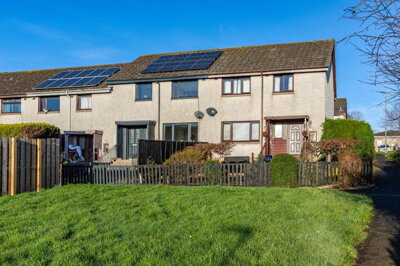
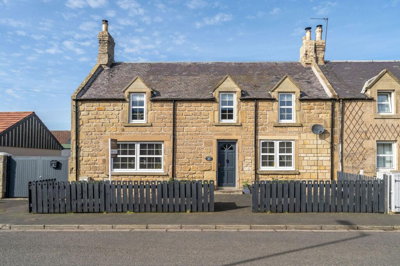
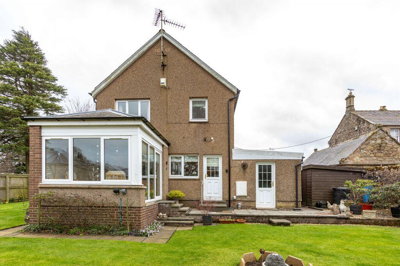
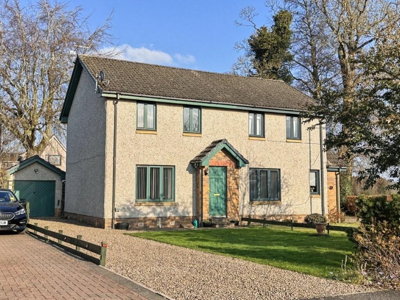
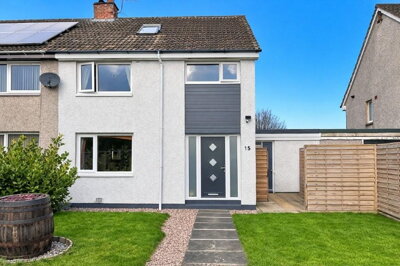
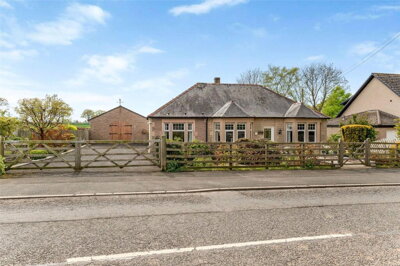
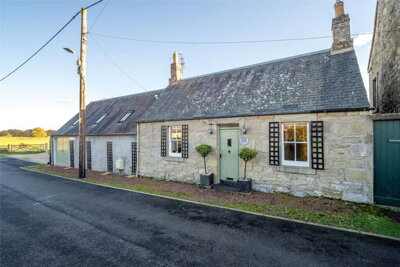
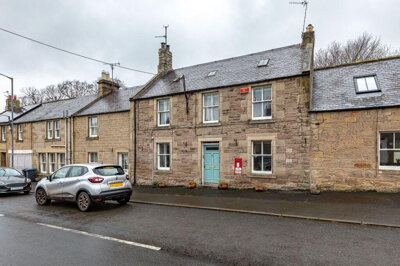
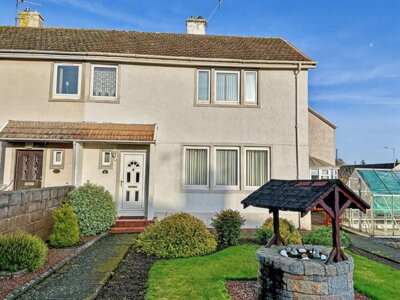
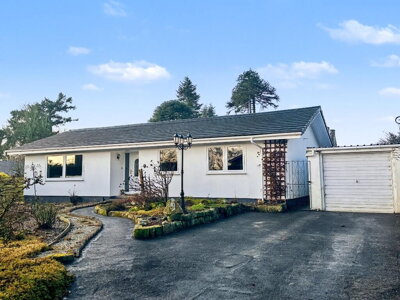
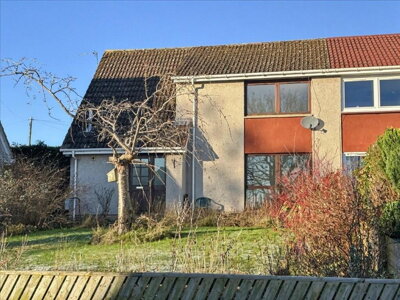
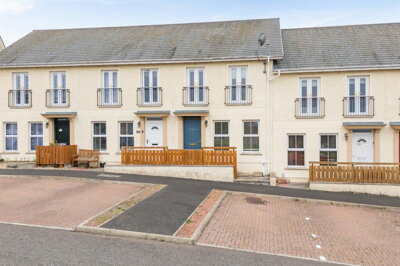
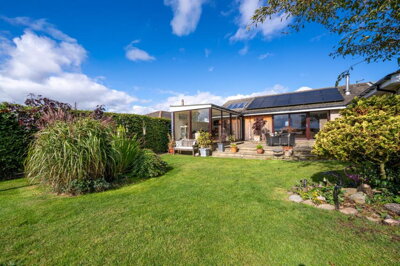
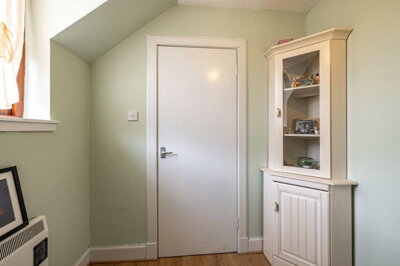
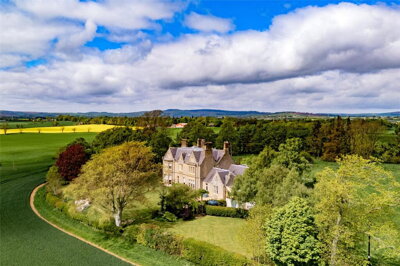
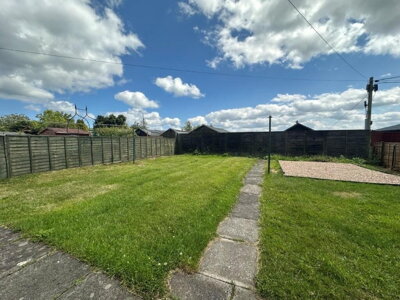
Browse 16 homes for sale in TD11 from local estate agents.
Three bedroom properties represent a significant portion of the TD11 housing market, offering space for families with multiple reception rooms and gardens in many cases. Browse detached, semi-detached, and terraced options ranging from period character homes to contemporary developments.
£200k
11
0
97
Source: home.co.uk
Showing 11 results for 3 Bedroom Houses for sale in TD11. The median asking price is £199,950.
Source: home.co.uk
Semi-Detached
5 listings
Avg £217,990
Terraced
4 listings
Avg £260,000
Detached
2 listings
Avg £800,000
Source: home.co.uk
Source: home.co.uk
£254,153
Average House Price
£346,029
Detached Properties
£205,984
Semi-Detached Properties
£188,062
Terraced Properties
£112,900
Flats
-2%
Annual Price Change
The TD11 property market offers a diverse range of property types to suit different budgets and preferences. Detached homes dominate the higher end of the market, with average prices around £346,000 to £355,000 according to Rightmove and Zoopla data. These substantial family homes often feature generous gardens, traditional construction using local stone, and period features that reflect the architectural heritage of the Scottish Borders. For buyers seeking more affordable options, semi-detached properties average between £172,000 and £205,000, while terraced homes can be found from approximately £158,000, making the area accessible for first-time buyers and growing families alike.
Property prices in TD11 have remained remarkably stable over the past year, with just a 2% decrease compared to the previous year. This modest adjustment follows a slight peak in 2023 when average prices reached £254,092, and current values now closely mirror those levels. The market benefits from its relative insulation from the extreme volatility seen in some urban areas, providing a more predictable environment for purchasers. Flats in the area are less common but are available from around £112,900, typically offering compact living spaces suitable for singles, couples, or investment purposes. The stable pricing reflects the area's consistent appeal to buyers seeking rural lifestyles without the speculation that affects city markets.
New build activity in TD11 remains limited compared to larger towns, though individual plot opportunities occasionally arise. One notable listing referenced a plot within the Gavinton Conservation Area, where a proposed four-bedroom detached house has been designed to complement surrounding period properties, many of which carry listed status. Such opportunities appeal to buyers who want modern construction methods while living within a historic setting. More commonly, properties described as "newly renovated" appear on the market, offering updated interiors within traditional shells. Our platform monitors these listings as they emerge, helping you stay informed about fresh opportunities in this competitive but quiet market.

Life in the TD11 area revolves around the charming market town of Duns, which serves as the local hub for shopping, services, and community activities. The town is described as a well-established residential area known for its welcoming community spirit and picturesque surroundings. Local amenities include convenience stores, independent shops, cafes, and pubs, while regular markets bring fresh local produce and crafts to the town centre. The presence of a thriving long-established newsagency business reflects the enduring commercial character of Duns, where independent traders continue to serve the local population alongside modern convenience options.
The surrounding countryside offers exceptional opportunities for outdoor recreation, with rolling hills, river valleys, and woodland walks accessible directly from the town. The River Whiteadder flows through the area, providing scenic walking routes and wildlife observation opportunities, though properties in riverside locations should be aware of potential flood risk during periods of heavy rainfall. Several public footpaths traverse farmland between Duns and neighbouring villages, offering routes for cycling and walking that showcase the agricultural character of the region. The Pentland Hills extend towards the southern boundaries of the area, providing more challenging terrain for hikers and outdoor enthusiasts.
The local geology features the characteristic rolling farmland of the Scottish Borders, with traditional steadings, farmhouses, and village cottages forming the architectural fabric of smaller communities. Many properties date from the Victorian era and earlier, with a notable example being a Category C listed stone-built villa dating back to 1866 that appeared in recent market listings. The area maintains a strong sense of cultural identity, with local events, agricultural shows, and community organisations playing an important role in social life. Duns Rugby Club and various heritage societies contribute to community engagement, while seasonal events at the Duns Showground attract visitors from across the region.

Education provision in TD11 includes both primary and secondary schools serving the local population. Duns Primary School provides early years and Key Stage 1 education for younger children in the town, while secondary-aged pupils typically attend Duns Academy or schools in nearby towns. The local education authority, Scottish Borders Council, oversees schooling across the region, with catchment areas determining which schools pupils can access based on their home address. Parents considering a move to the area should verify current catchment arrangements and any planned changes to school provision, as rural school networks sometimes face restructuring pressures.
The Scottish education system follows a different structure to England, with pupils progressing through primary school before moving to secondary education at around age 12. For families relocating from south of the border, understanding the curriculum differences and assessment frameworks will be important when settling children into the local system. The Curriculum for Excellence framework emphasises breadth, depth, and progression across all stages of Scottish education, differing from the National Curriculum used in English schools. National 5 and Higher qualifications replace GCSEs and A-levels, with pupils typically sitting Nationals in fourth year before moving to fifth year for Highers.
Beyond state schooling, the area may offer access to independent education options, with schools in larger Border towns providing alternatives for families seeking alternative educational approaches. Further and higher education facilities are accessible in larger centres including Galashiels, home to Heriot-Watt University's School of Textiles and Design, and Berwick-upon-Tweed, which offers further education college facilities. Students aspiring to university study have several options within reasonable travel distance, with Edinburgh's universities approximately one hour away by car. The Scottish student funding system differs from England, with tuition fees covered for Scottish-domiciled students studying at Scottish universities, though arrangements for English-domiciled students differ.
Transport connectivity in the TD11 area relies primarily on road networks, with the A6105 and A697 providing links to surrounding towns and villages. The A6105 runs through Duns, connecting the town to Berwick-upon-Tweed to the northeast and towards Lauder and the central Borders to the northwest. The A697 passes to the east of Duns, providing a route towards Kelso and eventually to the A68 that runs through the heart of the Scottish Borders. These roads are generally well-maintained but include single-carriageway sections where care is needed, particularly in winter conditions when rural routes may be affected by snow and ice.
The nearest railway stations are located in Berwick-upon-Tweed to the north and Tweedbank to the east, offering connections to the East Coast Main Line and access to Edinburgh Waverley station. Journey times by train from Berwick to Edinburgh take approximately 45 minutes, making day trips and occasional commutes feasible for those working in the capital, though the distance means regular commuting requires significant time commitment. Tweedbank station, on the Borders Railway line, offers direct services to Edinburgh in around one hour and provides connections for travel towards Carlisle and Newcastle via the West Coast Main Line at Carlisle.
Bus services operate between Duns and surrounding towns including Berwick-upon-Tweed, Galashiels, and Jedburgh, though frequencies are limited compared to urban areas. The X95 service operated by Borders Buses connects Duns with Berwick-upon-Tweed and Galashiels, though weekday frequencies typically offer only a handful of daily departures. Car ownership is effectively essential for most residents, particularly those living in outlying villages where even these limited services do not reach. For domestic and international travel, Edinburgh Airport offers the nearest major airport facilities, approximately 50 miles from Duns, with Newcastle Airport providing an alternative for some routes. Both airports offer connections across the UK and internationally, with Edinburgh providing a broader range of destinations.
Spend time exploring TD11 and its surrounding villages to understand which areas suit your lifestyle preferences. Consider factors such as distance from schools, local amenities, transport links, and the character of different neighbourhoods. Our platform allows you to browse current listings and set up alerts for new properties matching your criteria. Take time to visit at different times of day and, if possible, speak with existing residents about their experiences living in specific streets or developments.
Before arranging viewings, contact a mortgage broker to obtain an Agreement in Principle. This document confirms how much you can borrow and demonstrates to sellers that you are a serious buyer. Current interest rates mean it is wise to compare deals from multiple lenders to find the most competitive terms for your situation. In the TD11 area, mortgage availability for rural properties can sometimes differ from urban lending, with some lenders applying different criteria to stone-built properties or those with non-standard construction. A broker with experience in Scottish Borders properties can help navigate these considerations.
Once you have identified properties of interest, contact the listing estate agents to arrange viewings. Take time to assess the condition of properties, noting any signs of maintenance issues or potential concerns. Properties in TD11 often feature traditional construction, so understanding the implications of age and building materials is important. We recommend viewing properties at different times of day and in varying weather conditions, as traditional stone properties can perform differently depending on temperature and humidity. Pay particular attention to the roof structure, window condition, and evidence of damp in lower wall areas.
For properties over 50 years old, which make up a significant proportion of homes in TD11, we strongly recommend booking a RICS Level 2 Survey before proceeding. Given the prevalence of stone-built properties, steading conversions, and listed buildings in the area, a thorough survey can identify structural issues, damp, roof condition, and other defects that may not be apparent during a standard viewing. Our inspectors understand the specific construction methods used in Scottish Borders properties, from solid stone walls requiring different treatment than cavity brick to traditional lime mortar pointing that should be maintained rather than replaced with cement. A thorough survey typically costs from £350 depending on property size and complexity.
Choose a conveyancing solicitor to handle the legal aspects of your purchase. They will conduct searches, handle contracts, and manage the transfer of funds. For properties in conservation areas or listed buildings, additional legal considerations may apply, so ensure your solicitor has experience with rural Scottish property transactions. The Scottish conveyancing system differs from England and Wales, with offers typically made in writing and subject to survey and mortgage conditions rather than the English sealed bid system. Your solicitor will conduct local authority searches, water and drainage searches, and any specific searches related to conservation area restrictions or listed building obligations.
Once all searches are satisfactory and finances are arranged, you will exchange contracts with the seller and pay your deposit. Completion typically follows within weeks, at which point you will receive the keys to your new TD11 home. In Scotland, the completion process differs from England, with a single "Date of Entry" rather than separate exchange and completion dates. Your solicitor will coordinate with the seller's representatives to ensure all documentation is in order, including the Land Registration documents that prove your ownership of the property.
Properties in TD11 frequently feature traditional stone construction, which offers excellent thermal mass and durability but may require different maintenance approaches compared to modern brick-built homes. When viewing stone properties, look for signs of cracking in mortar joints, evidence of damp penetration, and the condition of the roof, as these are common areas where traditional buildings require attention. Solid stone walls breathe differently from cavity walls, and inappropriate modern treatments can trap moisture within the structure, leading to deterioration over time. Understanding whether pointing has been carried out in lime mortar (correct for traditional buildings) or cement (potentially problematic) will help you assess the maintenance history and future requirements of the property.
Steading conversions often combine original character features with modern insulation and services, offering the best of both worlds, though buyers should verify that conversions meet current building standards and that any planning conditions have been fully discharged. Many steadings were converted in the 1980s and 1990s, meaning some aspects of the conversion may now fall below current building regulations standards, particularly regarding thermal insulation and electrical installations. Our inspectors pay particular attention to these areas when surveying converted properties, checking that original features such as beams and lintels remain structurally sound and that any extension or alteration work has been properly completed.
The presence of conservation areas in villages such as Gavinton means that certain properties may be subject to planning restrictions affecting external alterations, extensions, and even internal changes to listed features. If you are considering a property with listed status, you will need to obtain Listed Building Consent for any works that affect the character of the building. Category C listed properties, which form the majority of listed buildings in the TD11 area, are typically listed for their special architectural or historic interest, meaning that features such as fireplaces, staircases, and original doors should be preserved. Properties near the River Whiteadder should be researched for flood risk, and we recommend requesting a specific flood risk assessment as part of your conveyancing searches. Service charges and ground rent arrangements for any leasehold properties should be clarified, as these ongoing costs can significantly affect the overall affordability of a purchase.
The average house price in the TD11 postcode area is £254,153 based on the past 12 months of sales data. Detached properties average around £346,000 to £355,000, semi-detached homes around £173,000 to £206,000, and terraced properties from £158,000 to £188,000. Flat prices start from approximately £112,900. Property prices have remained relatively stable with just a 2% decrease over the past year, closely matching the 2023 average of £254,092. The Rightmove database shows 1,582 sold properties in the area, while Zoopla lists over 4,300 transactions, indicating consistent market activity for a rural postcode area.
Properties in the TD11 area fall under Scottish Borders Council jurisdiction. Council tax bands in Scotland range from A to H and are based on the Assessor's valuation of the property as of April 1991. Rural properties in TD11 often fall into bands A to D, reflecting their typically modest market values compared to urban equivalents. A typical three-bedroom semi-detached property in Duns might fall into Band C or D, while larger detached houses may be in Band E or above. You can check specific bandings for individual properties through the Scottish Borders Council website or the Scottish Assessors Association portal, where you can search by property address.
Education in TD11 includes Duns Primary School for younger pupils and secondary education typically at Duns Academy, both operated by Scottish Borders Council. The Academy offers education for pupils from age 12 through to 18, providing a smooth transition for families staying in the area long-term. The area benefits from relatively small class sizes compared to urban schools, and the local education system follows the Scottish Curriculum for Excellence. For the most current information on school performance, catchment areas, and any planned changes to provision, we recommend contacting Scottish Borders Council education department directly or reviewing recent Education Scotland inspection reports.
Public transport options in TD11 are limited compared to urban areas. Bus services operate between Duns and surrounding towns including Berwick-upon-Tweed, Galashiels, and Jedburgh, though frequencies are relatively low with typically only 2-3 services per day on main routes. The X95 bus service connects Duns with Berwick-upon-Tweed and Galashiels, though journey times are longer than by car due to the rural routing. The nearest railway stations are Berwick-upon-Tweed and Tweedbank, with regular services to Edinburgh taking approximately 45 minutes from Berwick. For daily commuting or regular travel, car ownership is effectively essential for most residents. Edinburgh can be reached by car in approximately one hour via the A1 trunk road, which connects to the dual carriageway sections north of Berwick.
The TD11 property market offers different considerations for investors compared to urban areas. Property prices are significantly lower than the UK average, providing accessible entry points for purchases. The stable price trends over recent years suggest a market that is less susceptible to extreme fluctuations, which appeals to investors seeking predictable returns rather than speculative gains. However, rental demand in rural Scottish Borders locations tends to be more limited than in cities, and property liquidity may be lower, meaning properties can take longer to sell. Properties requiring renovation, including steading conversions and period cottages, may offer value-add opportunities for investors with appropriate skills and budgets. One emerging opportunity relates to infill plots within the Gavinton Conservation Area, where sympathetic new development can command premium prices from buyers seeking character properties.
As TD11 falls within Scotland, buyers pay Land and Buildings Transaction Tax (LBTT) rather than Stamp Duty Land Duty. LBTT thresholds for residential purchases from April 2024 are: 0% on the first £145,000, 2% on the portion from £145,001 to £250,000, 5% from £250,001 to £325,000, 10% from £325,001 to £750,000, and 12% above £750,000. For a typical TD11 property priced at the average of £254,153, this means paying nothing on the first £145,000 and 2% on the remaining £109,153, totalling approximately £2,183 in LBTT. First-time buyers in Scotland may qualify for relief that increases the zero-rate threshold, and those purchasing properties under £175,000 pay no LBTT at all. Always verify current thresholds with your solicitor as rates can change.
Stone-built properties make up the majority of TD11's housing stock, and understanding their characteristics is essential for any buyer. When viewing, examine the condition of pointing, which on traditional properties should be in lime mortar rather than cement, as cement can trap moisture and cause stone to deteriorate. Look for any signs of cracking that might indicate structural movement, though some cracking around window and door openings is common in older buildings and not necessarily serious. Check the roof for missing or slipped slates, and look for evidence of damp in lower wall areas, particularly where ground levels have been raised over the years. Our inspectors assess these factors carefully when surveying stone properties, providing detailed reports on condition and any remedial work that may be required.
While specific flood risk data for individual TD11 postcodes requires a detailed search, properties near the River Whiteadder should be considered carefully. Some properties in the area are marketed as being in peaceful riverside settings, which can indicate proximity to water and potential flood risk during periods of heavy rainfall. We recommend requesting a specific flood risk assessment as part of your conveyancing searches, which will identify whether the property falls within any identified flood zones. Properties on higher ground within Duns or the surrounding villages generally carry lower flood risk, though surface water flooding can occasionally affect low-lying areas during severe weather events.
From 4.5% APR
Compare mortgage deals from leading lenders
From £499
Expert legal services for your TD11 property purchase
From £350
Essential survey for older stone properties in TD11
From £80
Energy performance certificate for TD11 properties
Understanding the full costs of purchasing property in TD11 is essential for budgeting effectively. In addition to the property purchase price, buyers must account for Land and Buildings Transaction Tax (LBTT), which applies to all residential property purchases in Scotland. For a typical TD11 property at the area average price of £254,153, the LBTT calculation would be: 0% on the first £145,000 plus 2% on the remaining £109,153, totaling approximately £2,183. Properties priced below £145,000 attract no LBTT, while higher-value detached properties averaging £346,000 would incur approximately £7,233 in LBTT under the current bands. First-time buyers in Scotland benefit from increased relief, which can significantly reduce or eliminate LBTT on lower-value purchases.
Beyond LBTT, buyers should budget for solicitor fees which typically range from £500 to £2,000 depending on the complexity of the transaction. In TD11, transactions involving listed buildings, conservation area restrictions, or properties with unusual tenure arrangements may incur higher legal costs due to the additional searches and documentation required. Survey costs for a RICS Level 2 Survey start from approximately £350 for standard properties, though the traditional stone construction common in TD11 may require more detailed inspection. Steading conversions and listed properties often need additional specialist assessments, which can increase survey costs but provide valuable protection for buyers investing significant sums in character properties.
Search fees, land registry charges, and mortgage arrangement fees add further costs to your purchase. Local authority searches with Scottish Borders Council typically cost around £200 to £300, while environmental searches covering flood risk and ground conditions add further modest amounts. Mortgage arrangement fees vary between lenders, with some offering fee-free deals while others charge around £1,000 or more but offset this with lower interest rates. We recommend setting aside a contingency of around 2-3% of the purchase price for incidentals and potential unexpected expenses, such as repairs identified during survey or additional legal work arising from property complications. First-time buyers may be able to access schemes to reduce upfront costs, and we recommend discussing all available options with a mortgage adviser before committing to a purchase.
Properties for Sale In London

Properties for Sale In Plymouth

Properties for Sale In Liverpool

Properties for Sale In Glasgow

Properties for Sale In Sheffield

Properties for Sale In Edinburgh

Properties for Sale In Coventry

Properties for Sale In Bradford

Properties for Sale In Manchester

Properties for Sale In Birmingham

Properties for Sale In Bristol

Properties for Sale In Oxford

Properties for Sale In Leicester

Properties for Sale In Newcastle

Properties for Sale In Leeds

Properties for Sale In Southampton

Properties for Sale In Cardiff

Properties for Sale In Nottingham

Properties for Sale In Norwich

Properties for Sale In Brighton

Properties for Sale In Derby

Properties for Sale In Portsmouth

Properties for Sale In Northampton

Properties for Sale In Milton Keynes

Properties for Sale In Bournemouth

Properties for Sale In Bolton

Properties for Sale In Swansea

Properties for Sale In Swindon

Properties for Sale In Peterborough

Properties for Sale In Wolverhampton

Enter your details to see if this property is within your budget.
Loans, cards, car finance
Estimated property budget
Borrowing + deposit
You could borrow between
Typical borrowing
Monthly repayment
Est. at 4.5%
Loan-to-value
This is an estimate only. Your actual budget may vary depending on interest rates, credit history, and personal circumstances. For an accurate affordability assessment, speak to one of our free mortgage advisors.
This calculator provides estimates for illustrative purposes only and does not constitute financial advice. Your home may be repossessed if you do not keep up repayments on your mortgage. Estimates based on 4.5% interest rate, repayment mortgage. Actual rates depend on your circumstances.
Homemove is a trading name of HM Haus Group Ltd (Company No. 13873779, registered in England & Wales). Homemove Mortgages Ltd (Company No. 15947693) is an Appointed Representative of TMG Direct Limited, trading as TMG Mortgage Network, which is authorised and regulated by the Financial Conduct Authority (FRN 786245). Homemove Mortgages Ltd is entered on the FCA Register as an Appointed Representative (FRN 1022429). You can check registrations at NewRegister or by calling 0800 111 6768.

We use cookies to show you personalised content and improve your experience of our website. Find out more in our Privacy policy and Cookie policy.