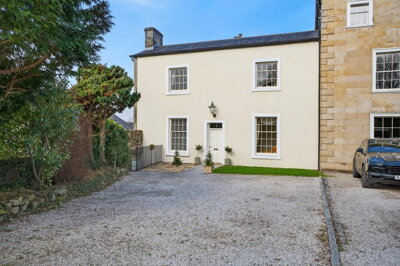
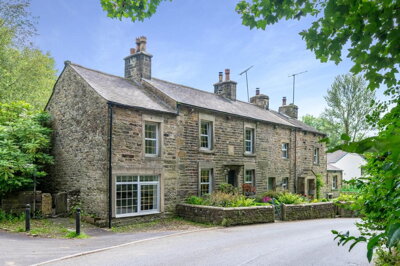
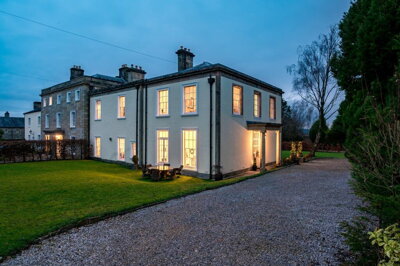
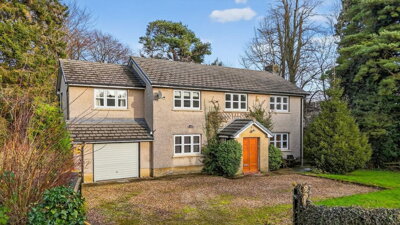
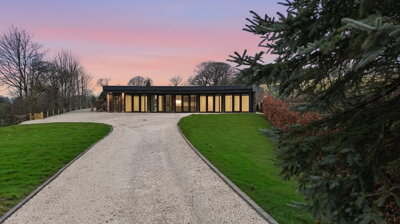
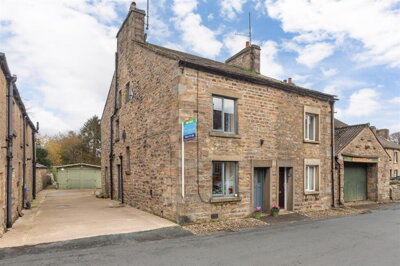
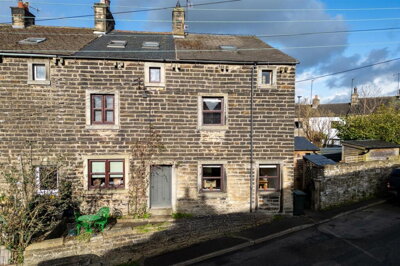
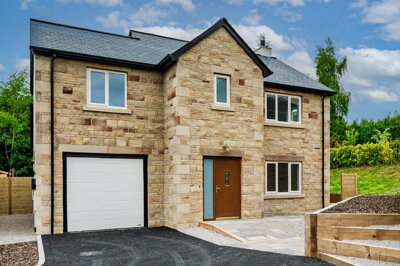
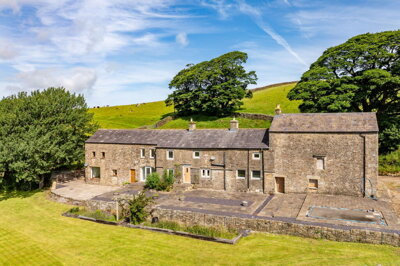
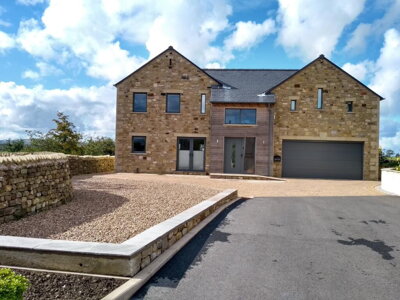
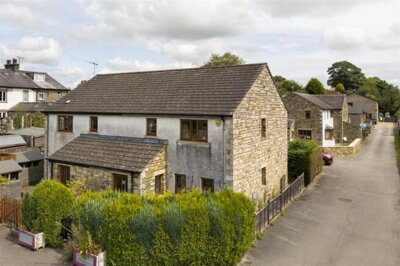
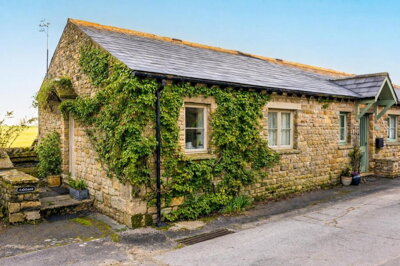
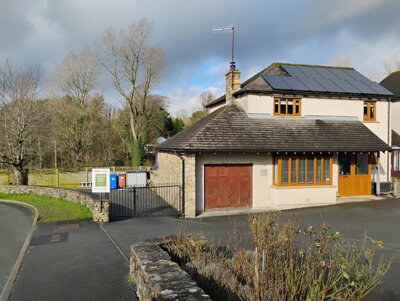
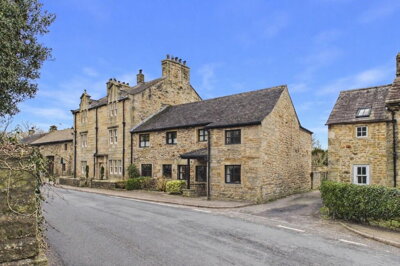
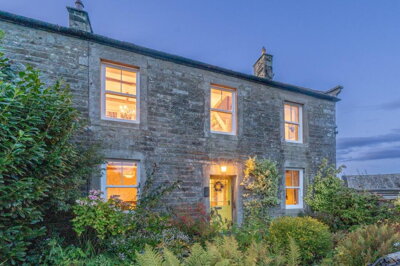
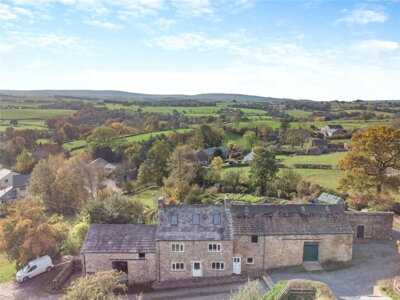
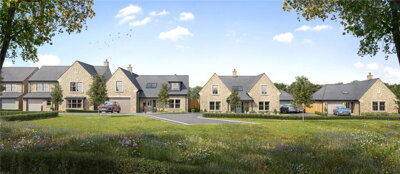
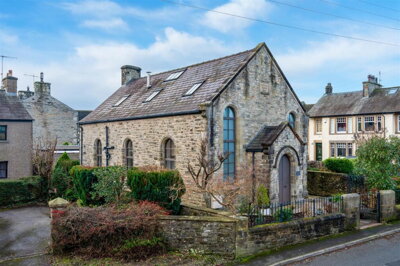
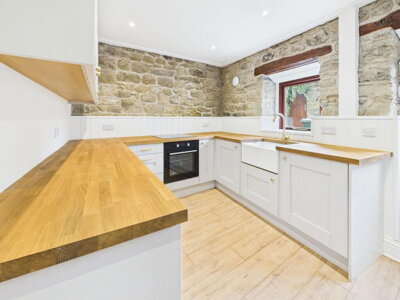
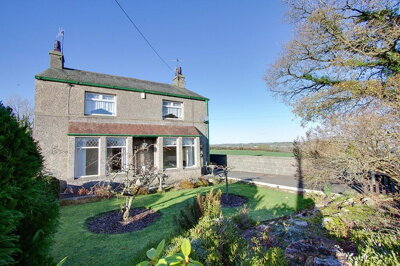
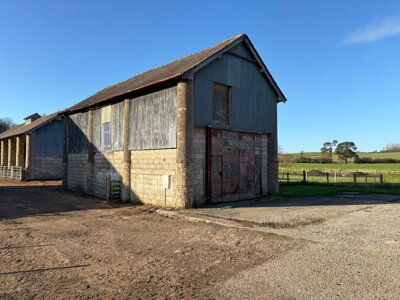
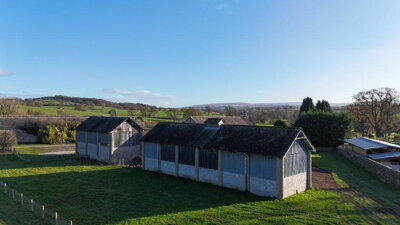
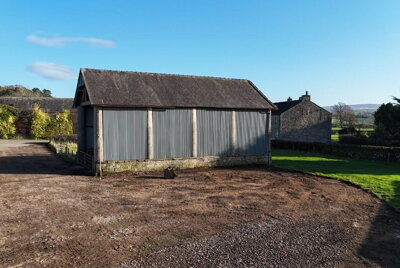
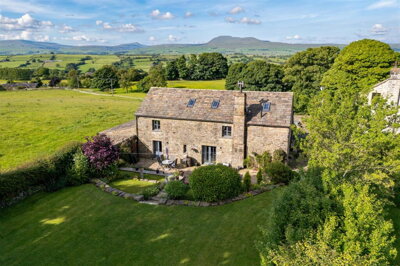
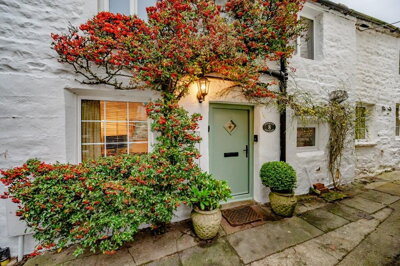
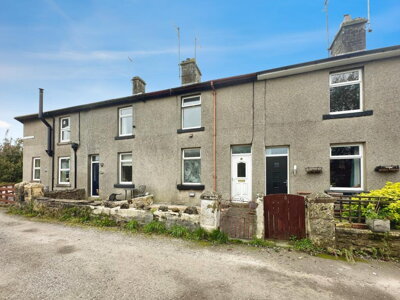
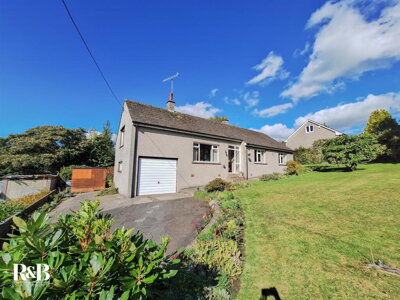
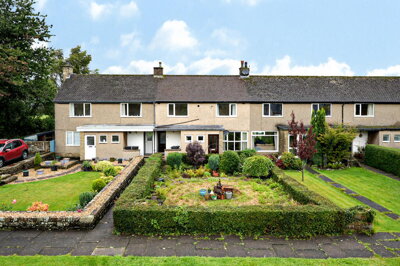
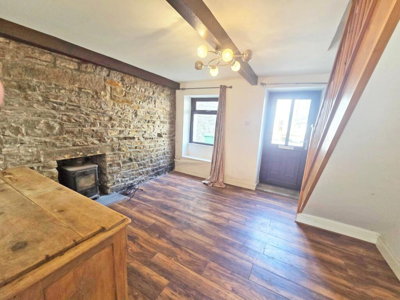
Browse 61 homes for sale in Tatham, Lancaster from local estate agents.
The Tatham property market offers detached, semi-detached, and terraced houses spanning various price ranges and neighbourhoods. Each listing includes detailed property information, photographs, and direct contact with the marketing agent.
£625k
2
0
131
Source: home.co.uk
Showing 2 results for Houses for sale in Tatham, Lancaster. The median asking price is £625,000.
Source: home.co.uk
Detached
1 listings
Avg £900,000
Semi-Detached
1 listings
Avg £350,000
Source: home.co.uk
Source: home.co.uk
The Clifton property market presents a diverse range of housing options that cater to different buyer requirements and budgets. Detached properties command the highest average price at £426,833, reflecting the premium associated with larger homes with substantial outdoor space that buyers often seek in rural Cumbria. Semi-detached properties average around £371,526, while terraced homes offer more accessible entry points at approximately £286,653. This pricing structure means that families, couples, and first-time buyers can all find suitable options within the village.
Recent market analysis indicates that property values in Clifton have experienced a modest correction over the past twelve months, with prices approximately 3% lower than the previous year. This follows a broader trend where values have fallen 8% from the peak of £365,994 recorded in 2022. For buyers, this cooling period may present opportunities to secure properties at more competitive prices compared to the height of the market. The Westmorland and Furness local authority area, within which Clifton falls, shows relative price stability with just a 1% change in average values over the last twelve months.
Rightmove transaction data for the area shows that semi-detached properties have been the most commonly sold type in recent months, followed by terraced and detached homes. This pattern suggests strong demand for family-sized accommodation that offers a balance between living space and garden requirements. The market here operates at a more measured pace than urban centres, with fewer transactions but a steady stream of interested buyers drawn to the village's character and location. Local estate agents report consistent enquiry levels from buyers seeking to relocate from larger towns and cities to the Cumbrian countryside.
When compared to the broader Westmorland and Furness district average of £228,000, Clifton property prices reflect the premium associated with this particular village location. The difference in pricing partly accounts for Clifton's proximity to Penrith, its position within the Eden Valley landscape, and the village's established character. First-time buyers entering the local market may find terraced properties most accessible, with prices comfortably below the national stamp duty threshold for first-time buyer relief.
Browse the latest properties available for sale in Clifton, Westmorland and Furness. Our comprehensive listings include traditional stone cottages, period properties with character features, and modern family homes suitable for a variety of buyer requirements and budgets.

Clifton embodies the essence of traditional Cumbrian village life, characterised by winding country lanes, dry-stone walls, and a strong sense of community that draws residents from across the region. The village architecture reflects centuries of local building traditions, with many properties constructed using locally sourced stone that gives the settlement its distinctive appearance. The proximity to the River Eden provides beautiful walking routes and an essential connection to the natural landscape that defines life in this part of Cumbria. Residents enjoy access to the Eden Valley's renowned scenery while remaining within easy reach of the Lake District National Park.
The village centre contains essential amenities including a village shop, traditional public house, and community facilities that serve daily needs. For more extensive shopping, dining, and entertainment options, the market town of Penrith lies just a few miles to the north, offering major supermarkets, independent retailers, healthcare facilities, and a choice of restaurants and cafes. This convenient access to urban amenities while retaining the benefits of village living makes Clifton particularly attractive to families and those seeking a slower pace of life without complete isolation.
The local economy benefits from a mix of agricultural activity, tourism, and services that provide employment opportunities for residents. The broader Westmorland and Furness area has built its economic identity around these sectors, with farms, rural businesses, and hospitality venues playing important roles. Many residents commute to work in Penrith or other nearby towns, finding that the village location offers an ideal balance between work and lifestyle. Community events, local clubs, and social gatherings throughout the year contribute to the vibrant village atmosphere that long-term residents consistently praise.
The surrounding Eden Valley offers exceptional recreational opportunities, with established walking routes, fishing spots along the River Eden, and easy access to the Lake District fells for outdoor enthusiasts. For those who enjoy rural pursuits without sacrificing connectivity, Clifton occupies an enviable position. The area attracts buyers from across the UK seeking to escape larger urban environments while maintaining access to essential services and transport links via Penrith.
Education provision in and around Clifton serves families with children of all ages, from early years through to further education. The village itself has access to primary schooling through local facilities, with additional primary schools available in surrounding villages and the nearby town of Penrith. Parents selecting properties in Clifton should research specific school catchment areas, as these can influence property values and accessibility. The quality of local schools remains a significant factor for families considering relocation to the area, and many buyers specifically seek properties within walking distance of good-rated educational establishments.
Secondary education is available at schools in Penrith, where students can access a broader range of GCSE and A-level subjects along with enhanced extracurricular activities. Queen Elizabeth Grammar School in Penrith provides a traditional grammar school education for academically selective students from the area. For families considering private education, several independent schools operate in the region, including some with boarding facilities that serve students from across Cumbria. The presence of these options means that families moving to Clifton have meaningful choices when planning their children's educational journey.
Further and higher education opportunities exist in Penrith, with colleges offering vocational courses and access to higher education programmes. Students requiring university-level study typically travel to institutions in Carlisle, Lancaster, or travel further afield to major universities. For parents planning their property search, understanding the educational landscape is essential, particularly for families with children approaching key transition points. School inspection reports from Ofsted provide valuable information about local educational standards, and we recommend reviewing these alongside any property search to ensure alignment between your family's needs and the available options.
Transport connectivity from Clifton balances the advantages of rural village living with practical access to regional and national transport networks. The village benefits from proximity to the M6 motorway, which passes nearby and provides direct routes to major cities including Manchester, Liverpool, and Glasgow. This motorway access makes Clifton viable for commuters who work in urban centres but prefer to reside in the countryside. Journey times to Manchester typically range from 90 minutes to two hours by car, depending on traffic conditions and specific destination.
Rail services are available at Penrith station, which offers regular connections to major destinations including London Euston, Edinburgh, and Birmingham. The West Coast Main Line calls at Penrith, placing Clifton within reasonable reach of the capital in under four hours by train. For residents who commute by rail, the drive from Clifton to Penrith station takes approximately 15 minutes, and car parking facilities are available at the station. Local bus services connect Clifton with Penrith and surrounding villages, providing options for those who prefer not to drive or who wish to reduce their environmental footprint.
Daily commuters to Clifton should consider the practical aspects of village parking, particularly if working from home or travelling to the office on varying schedules. Many properties in the village offer off-street parking, which is valuable given the narrow country lanes that characterise the area. For cycling enthusiasts, the local road network offers scenic routes through the Eden Valley, though the hilly terrain requires appropriate fitness levels. The combination of road, rail, and bus connectivity means that most daily logistics can be managed without excessive difficulty, though planning ahead remains advisable for those with complex commuting requirements.
Begin by exploring property listings in Clifton through Homemove to understand current prices, available property types, and what different neighbourhoods offer. Consider visiting the village at different times of day and on weekends to gauge the atmosphere and community feel.
Before viewing properties, obtain a mortgage agreement in principle from a lender. This demonstrates your financial readiness to estate agents and sellers, strengthening your position when making an offer. Our mortgage comparison service can help you find competitive rates from multiple lenders.
Work with local estate agents to arrange viewings of properties that match your criteria. Take notes during each viewing and ask about the property's history, recent works, and any planning permissions granted. We recommend viewing multiple properties before deciding.
Once your offer is accepted, instruct a RICS Level 2 Survey to assess the property's condition thoroughly. Given the age of many properties in rural Cumbria, this survey can identify issues with structural elements, roofing, damp, or outdated services that may require attention after purchase. Our team of RICS-qualified inspectors understand local construction methods and can provide detailed reports on properties throughout Clifton.
Appoint a solicitor to handle the legal aspects of your purchase, including searches, contracts, and registration with the Land Registry. Our conveyancing service connects you with experienced property solicitors who understand local requirements in Westmorland and Furness.
After satisfactory survey results and completed legal searches, you will exchange contracts and pay your deposit. Completion typically follows within weeks, at which point you will receive your keys and take ownership of your new Clifton home.
Properties in Clifton, Westmorland and Furness reflect the construction traditions of rural Cumbria, with many homes built using traditional methods and materials that require specific maintenance knowledge. Traditional stone-built properties often feature solid walls rather than cavity insulation, which can affect thermal performance and heating costs. Buyers should assess the condition of roofs carefully, as older properties may have original slate roofing that requires periodic maintenance or replacement. The presence of original features such as fireplaces, exposed beams, and flagstone floors adds character but may require ongoing care. Our inspectors frequently encounter solid-wall construction in older village properties, and we recommend requesting thermal upgrade information during any survey.
Flood risk represents a consideration for any property purchase in Cumbria, given the county's relationship with rivers and watercourses. While Clifton itself does not have specific flood risk data in the public records, the proximity to the River Eden means that buyers should investigate the flood history of individual properties and their gardens. A thorough survey can identify any previous water damage or damp issues that may not be immediately apparent during a viewing. Properties in low-lying areas of the village may require additional buildings insurance consideration. We always recommend requesting evidence of any flood resilience measures that previous owners may have installed.
Listed buildings in Clifton, including the Grade II properties referenced in local listings, come with specific responsibilities and restrictions that buyers must understand before purchasing. English Heritage guidance indicates that listed building consent may be required for alterations, extensions, or certain types of renovation work. These properties often benefit from character and craftsmanship that is difficult to replicate, but owners must commit to maintaining the building's historic integrity. Our survey services can help identify any maintenance concerns specific to period properties in the village, including the condition of original windows, stonework, and traditional joinery.
Many properties in the village will be freehold houses, but any flats or maisonettes may be leasehold with associated service charges and ground rent obligations. Buyers should review the terms of any lease carefully and understand the financial commitments involved in maintaining shared areas and buildings. The Westmorland and Furness local authority area has its own council tax banding system, and prospective buyers should factor this ongoing cost into their budgeting alongside mortgage payments and utility bills. Properties constructed from traditional Cumbrian stone may also require specialist building insurance coverage, and we recommend obtaining quotes before finalising your purchase decision.
Our comprehensive property buying guide covers everything you need to know about purchasing a home in Clifton, Westmorland and Furness. From understanding local market conditions to arranging surveys and completing your purchase, we provide the guidance you need for a successful transaction.
The overall average house price in Clifton stands at approximately £338,454 based on recent transactions. Detached properties average £426,833, semi-detached homes around £371,526, and terraced properties approximately £286,653. Market conditions have seen prices correct modestly by 3% over the past year, offering opportunities for buyers who may find properties more competitively priced than at the 2022 peak of £365,994. This compares to the broader Westmorland and Furness district average of £228,000, reflecting Clifton's premium village location near Penrith.
Properties in Clifton fall under the Westmorland and Furness local authority area. Council tax bands range from A through to H, with individual banding depending on the property's assessed value. Band D is commonly used as a reference point across the area. Prospective buyers should check the specific banding for any property they consider purchasing, as this forms part of the ongoing costs of homeownership. You can verify council tax bands through the Valuation Office Agency website or by requesting this information during the conveyancing process.
The Clifton area offers good primary education provision through local village schools and those in nearby communities. Secondary education options include schools in Penrith such as Ullswater Community College and The Herrtiage School, where families can also access Queen Elizabeth Grammar School for academically selective education. Primary schools in the surrounding villages including Yanwath Primary School and St Catherine's Catholic Primary School in Penrith serve the local area. We recommend reviewing the latest Ofsted inspection reports when planning your property search, as school performance can influence both educational outcomes and property values in specific catchment areas.
Clifton benefits from proximity to Penrith, where rail services on the West Coast Main Line provide connections to London Euston, Edinburgh, Birmingham, and other major cities. Direct trains to London take approximately three hours and forty minutes. Local bus services connect the village with Penrith and surrounding communities, with the 106 bus route serving the local area. The M6 motorway passes within a short drive of the village, providing road connectivity to the wider region including Manchester, Liverpool, and Glasgow. Daily commuters should note that car travel is typically necessary for most journeys, with public transport serving as a supplementary option for those working in Penrith or travelling to the station.
Property in Clifton and the broader Westmorland and Furness area offers potential for both lifestyle purchases and long-term investment. The 1% price stability in the wider area suggests a market that has not experienced the extreme volatility seen in some urban locations. Rural Cumbrian villages continue to attract buyers seeking quality of life, which supports demand for properties in desirable settlements like Clifton. Properties requiring renovation, particularly those with character features or listed status, may offer added value potential for investors willing to undertake works. The relative affordability compared to Lake District hotspots, combined with strong transport links via Penrith, makes Clifton attractive for buyers seeking rural charm without the premium associated with more famous locations.
Stamp Duty Land Tax rates for standard purchases start at 0% on the first £250,000 of property value, then 5% on the portion from £250,001 to £925,000. First-time buyers benefit from relief on the first £425,000 at 0%, with 5% applying between £425,001 and £625,000. Properties above £625,000 do not qualify for first-time buyer relief. For example, a first-time buyer purchasing a typical Clifton property at £286,653 (average terraced price) would pay no stamp duty under current thresholds. A non-first-time buyer purchasing at the average detached price of £426,833 would pay £8,841.65 in stamp duty.
Older properties in Clifton typically feature traditional Cumbrian construction including solid stone walls, original slate roofs, and period features such as open fireplaces and timber beams. Common issues our inspectors identify include damp penetration through solid walls, deterioration of original lime mortar pointing, and slate tiles that have become brittle with age. Electrical systems in older properties may require updating to current standards, and many homes still have older single-glazed windows. We strongly recommend commissioning a thorough survey before purchasing any period property in the village to identify any maintenance issues requiring attention.
Understanding the full costs of purchasing property in Clifton, Westmorland and Furness helps buyers budget accurately and avoid financial surprises during the transaction process. The primary government tax is Stamp Duty Land Tax, which applies to all purchases above £250,000 for standard buyers. For a detached property at the local average price of £426,833, a non-first-time buyer would pay nothing on the first £250,000, then 5% on the remaining £176,833, totaling £8,841.65 in stamp duty. These costs are due within 14 days of completion and must be accounted for in your overall budget.
First-time buyers benefit from enhanced thresholds that make property purchase more affordable. Properties up to £425,000 qualify for complete stamp duty exemption, which covers the average terraced property price of £286,653 entirely. Between £425,001 and £625,000, the rate is 5%, meaning first-time buyers purchasing at the average semi-detached price of £371,526 would pay no stamp duty on the first £425,000 and just 5% on the remaining £56,526, resulting in £2,826.30. Properties priced above £625,000 do not receive first-time buyer relief, so buyers at higher price points should plan for full standard rates.
Beyond stamp duty, buyers should budget for solicitor fees typically ranging from £800 to £2,500 depending on complexity, plus disbursements for searches and Land Registry registration at approximately £300 to £500. A RICS Level 2 Survey costs between £350 and £600 depending on property size, while an Energy Performance Certificate adds £80 to £120. Mortgage arrangement fees vary by lender but often range from 0% to 1.5% of the loan amount. Life insurance and buildings insurance should also be factored in, with buildings insurance typically costing £150 to £400 annually for properties in this area. Completing your budget with these additional costs ensures a smooth path to collecting your new keys in Clifton.
From 4.5% APR
Compare mortgage rates from multiple lenders to find the best deal for your Clifton property purchase.
From £499
Expert property solicitors to handle your legal work, searches, and Land Registry registration.
From £350
Thorough condition survey by RICS-qualified inspectors covering all major elements and defects.
From £80
Energy Performance Certificate required for all property sales in England and Wales.
Properties for Sale In London

Properties for Sale In Plymouth

Properties for Sale In Liverpool

Properties for Sale In Glasgow

Properties for Sale In Sheffield

Properties for Sale In Edinburgh

Properties for Sale In Coventry

Properties for Sale In Bradford

Properties for Sale In Manchester

Properties for Sale In Birmingham

Properties for Sale In Bristol

Properties for Sale In Oxford

Properties for Sale In Leicester

Properties for Sale In Newcastle

Properties for Sale In Leeds

Properties for Sale In Southampton

Properties for Sale In Cardiff

Properties for Sale In Nottingham

Properties for Sale In Norwich

Properties for Sale In Brighton

Properties for Sale In Derby

Properties for Sale In Portsmouth

Properties for Sale In Northampton

Properties for Sale In Milton Keynes

Properties for Sale In Bournemouth

Properties for Sale In Bolton

Properties for Sale In Swansea

Properties for Sale In Swindon

Properties for Sale In Peterborough

Properties for Sale In Wolverhampton

Enter your details to see if this property is within your budget.
Loans, cards, car finance
Estimated property budget
Borrowing + deposit
You could borrow between
Typical borrowing
Monthly repayment
Est. at 4.5%
Loan-to-value
This is an estimate only. Your actual budget may vary depending on interest rates, credit history, and personal circumstances. For an accurate affordability assessment, speak to one of our free mortgage advisors.
This calculator provides estimates for illustrative purposes only and does not constitute financial advice. Your home may be repossessed if you do not keep up repayments on your mortgage. Estimates based on 4.5% interest rate, repayment mortgage. Actual rates depend on your circumstances.
Homemove is a trading name of HM Haus Group Ltd (Company No. 13873779, registered in England & Wales). Homemove Mortgages Ltd (Company No. 15947693) is an Appointed Representative of TMG Direct Limited, trading as TMG Mortgage Network, which is authorised and regulated by the Financial Conduct Authority (FRN 786245). Homemove Mortgages Ltd is entered on the FCA Register as an Appointed Representative (FRN 1022429). You can check registrations at NewRegister or by calling 0800 111 6768.

We use cookies to show you personalised content and improve your experience of our website. Find out more in our Privacy policy and Cookie policy.